Best Beaches for Surf Fishing in Florida
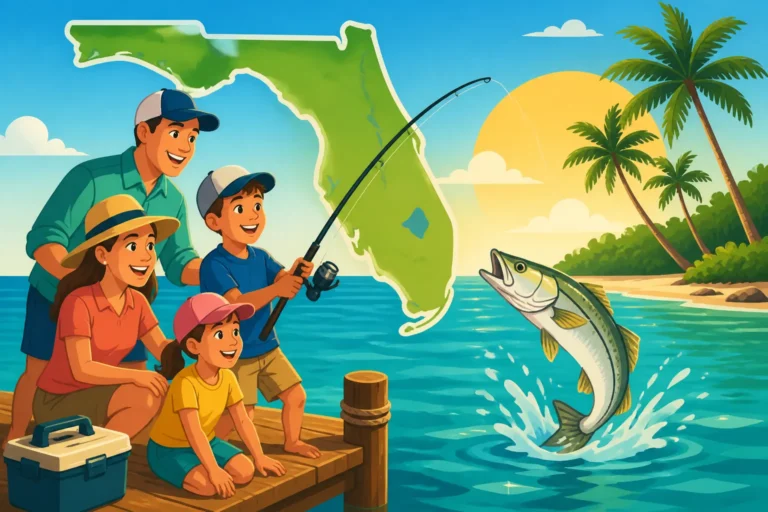
Oh, the allure of the Florida coastline! There's nothing quite like the salty air, the endless horizon, and the anticipation of a tug on your line. But let's be real, Florida is huge, and trying to figure out which stretch of sand is actually worth rigging up on can feel like a daunting task. You want to feel the thrill of a good fight, not just cast into an empty ocean. This guide is all about cutting through the noise and directing you to the best beaches across the Sunshine State where you can truly experience the magic of surf fishing.
Understanding Florida's Surf Fishing Landscape
Before we dive fin-first into specific locations, it's crucial to understand that not all Florida beaches are created equal when it comes to surf fishing. The geology, currents, and prevalent species can vary wildly from one coast to the other, even within the same region. Knowing these differences will give you a serious leg up, helping you anticipate what you might catch and what gear you'll need.
East Coast vs. West Coast Differences
Florida's two main coastlines offer distinctly different surf fishing experiences, shaped by the Atlantic Ocean and the Gulf of Mexico. The East Coast, facing the mighty Atlantic, is generally characterized by a more pronounced surf, steeper beach profiles, and stronger currents. This environment often creates deeper troughs closer to shore, making it prime habitat for species that prefer a bit more wave action and quick access to deeper water. You're more likely to find a consistent presence of migrating species here, drawn by the currents and baitfish pushed close to the beach. Think of strong fighters like pompano, whiting, bluefish, and even some snook lurking in the washes.
On the other hand, the West Coast, bordering the Gulf of Mexico, typically features calmer, shallower waters and gentler slopes. The surf is usually much less aggressive, creating expansive, sandy flats that warm up quickly. While this might sound less exciting, it's a paradise for sight-fishing opportunities and targeting species that prefer calmer conditions or forage in the skinny water. You'll still find pompano and whiting, but the West Coast is particularly renowned for its redfish, speckled trout, and snook, especially in the areas closer to estuaries and passes. The calmer conditions also mean you might be able to use lighter tackle and observe fish behavior more easily.
Key Factors for Productive Beach Fishing
So, what makes a particular beach "good" for surf fishing? It's not just about the sand and water. Several environmental factors play a huge role in whether you'll have a banner day or just a nice walk on the beach. Getting a handle on these will turn you into a more intuitive and successful angler.
Firstly, beach structure is paramount. Look for areas with natural contours, such as sandbars, troughs (or "gutters"), and cuts. Sandbars are elevated sections where waves break, and the troughs behind them are where fish often patrol for food, especially during an outgoing tide when bait is flushed out. Cuts are channels through the sandbars, acting like highways for fish moving between the deeper water and the feeding zones closer to shore. These features concentrate baitfish and, consequently, game fish. You can often spot these features by observing the wave patterns – where waves consistently break indicates a sandbar, and calmer water just beyond that break could be a trough.
Secondly, water clarity and temperature are critical. While some species tolerate murkier water, most prefer clearer conditions where they can spot prey, and you can spot signs of bait. Clean, green water is often a good indicator of productive fishing grounds. Water temperature, especially during transitional seasons, dictates the presence and activity level of many species. Pompano, for instance, prefer water in the mid-60s to low-70s, making spring and fall prime times. If the water is too cold, many species will move offshore or into deeper estuaries. Similarly, understanding How Hot Weather Affects Summer Fishing in Florida can help you adjust your approach, as some fish become lethargic in extreme heat.
Lastly, don't underestimate the power of tides and currents. Tides dictate water movement, which in turn moves bait and creates feeding opportunities. An incoming or outgoing tide, especially around a pass or inlet, can be incredibly productive as currents sweep food past hungry fish. Stronger currents can also carry your bait further and help distribute scent. Understanding how to read a tide chart for fishing is a skill every surf angler should cultivate. Combine that with knowing when to expect a strong tide, like Fishing During a Full Moon in Florida, and you'll greatly improve your chances.
Top East Coast Beaches for Surf Fishing
Florida's Atlantic coast is a dynamic environment, offering a wide array of surf fishing experiences from the historic shores of St. Augustine down to the vibrant beaches of South Florida. Each region has its own charm and offers unique opportunities for the shore-bound angler.
Central Florida's Gold Coast Gems
This stretch of coast, often referred to as the "Space Coast" or "Treasure Coast," from around Cocoa Beach down to Fort Pierce, is legendary among surf anglers, particularly for those targeting pompano and whiting.
Cocoa Beach & Melbourne Beach: These beaches are synonymous with consistent pompano action. The wide, gently sloping sands and often well-defined sandbars create excellent feeding grounds. Anglers here often use multiple rods, spread out to cover different depths, employing specialized rigs like the "pompano rig" with small, brightly colored floats and Fishbites or fresh peeled shrimp. Beyond pompano, you'll find plenty of whiting, croaker, and even some flounder lurking near the inlets. The convenience of bait shops and tackle stores in towns like Melbourne Beach makes it easy for anglers to stock up. Local guides often recommend checking the surf conditions right at sunrise, as the early bite can be incredibly productive.
Vero Beach & Fort Pierce Inlet State Park: Moving a bit south, Vero Beach offers similar pompano and whiting action but also begins to see more diversity. Fort Pierce Inlet State Park is a fantastic spot, known for its deeper water access and strong currents that bring in larger species. Anglers here can target snook, redfish, and even tarpon during their migrations. The jetties at the inlet provide structure that attracts a variety of game fish. It's not uncommon to see anglers throwing artificials for snook in the early morning or late evening, especially during the Florida Snook Season Guide. For those who prefer bait, live mullet or pilchards can be deadly around the jetties. The park itself is a great family-friendly option, with ample parking and amenities.
North Florida's Accessible Shores
Heading north, the character of the beaches shifts slightly, with cooler waters in winter and a robust fishery for species that tolerate a wider range of temperatures.
St. Augustine Beach & Flagler Beach: These historic beaches offer excellent opportunities, particularly for whiting, drum, and occasional pompano. The coquina rock formations found north of St. Augustine can provide excellent habitat and structure, though they also pose a snagging risk. South of St. Augustine, towards Flagler Beach, you'll find long stretches of accessible beach with plenty of parking. Anglers often target whiting and drum with classic bottom rigs using shrimp or pieces of blue crab. These areas can also be productive for sharks, especially in the evenings, using larger cut baits. Always be mindful of other beachgoers, especially in populated areas. Local fishing reports often highlight specific access points that are producing well.
Jacksonville Beach & Amelia Island: Further north, Jacksonville Beach offers wide, open beaches, often with good sandbar and trough formations. Here, you're likely to encounter whiting, drum, bluefish, and occasionally some smaller redfish. Amelia Island, with its more natural and less developed stretches, like those found at Amelia Island State Park, provides a quieter experience. These areas can be excellent for targeting larger redfish and black drum, especially around the tidal creeks and inlets. Live or cut bait, such as mullet or blue crab, are very effective. The St. Johns River Fishing Guide can give you further insights into the influence of that major waterway on the local fishery.
South Florida's Urban Angling
South Florida's beaches combine stunning scenery with surprisingly productive surf fishing, often right alongside bustling cityscapes. The warmer waters year-round mean a different suite of species.
Fort Lauderdale Beach & Miami Beach: While you might think of these as purely swimming and sunbathing destinations, they can offer fantastic surf fishing. Pompano and whiting are still present, especially during cooler months, but you'll also find Spanish mackerel, bluefish, and even some snook, particularly around inlets and jetties. The challenge here is finding less crowded spots, but early mornings often offer a window of opportunity. Anglers frequently use small spoons, jigs, or live shrimp on light tackle to target the mackerel and bluefish that school close to shore. For snook, live pilchards or mullet cast near structure can be highly effective. The vibrant culture and easy access make these beaches unique for urban anglers.
Hollywood Beach & South Beach (Miami): These areas, similar to Fort Lauderdale, offer great opportunities for a diverse catch. The key here is often identifying structures like jetties, rock outcroppings, or even deeper cuts created by the surf. Spanish mackerel and bluefish are common targets, along with occasional snook. Permit, while more elusive, can sometimes be spotted cruising the clear water, especially around shallow flats with good current. Using polarized sunglasses to spot cruising fish is a huge advantage. Remember that fishing regulations are strictly enforced in these heavily trafficked areas, so make sure you're aware of all Florida Fishing Regulations and Bag Limits.
Prime West Coast Beaches for Surf Fishing
The Gulf Coast of Florida is a study in contrasts to its Atlantic counterpart, offering gentler waves, expansive flats, and often incredible sight-fishing opportunities. From the Panhandle's emerald waters to the shell-laden shores of Southwest Florida, there's a unique beach fishing experience waiting.
Panhandle's Pristine Sands
The Florida Panhandle is famous for its sugar-white sands and emerald green waters, providing a stunning backdrop for surf fishing. This region is particularly known for its diverse species and often less crowded beaches than other parts of Florida.
Navarre Beach & Pensacola Beach: These beaches offer some of the most consistent surf fishing in the Panhandle. You'll primarily target pompano, whiting, redfish, and even speckled trout here. The multiple sandbars and troughs often found along these stretches create ideal feeding zones. Anglers typically use traditional pompano rigs, often tipped with sand fleas, shrimp, or Fishbites. During cooler months, these beaches can really light up with schools of Spanish mackerel and bluefish, which can be caught on spoons, Gotcha Plugs, or small jigs. Navarre Pier and Pensacola Beach Pier are also excellent options for those who prefer pier fishing, as described in Best Piers for Fishing Without a Boat.
Panama City Beach & Destin: While bustling tourist destinations, these areas still offer fantastic surf fishing opportunities. The clear waters make sight fishing a real possibility on calm days. Pompano, whiting, redfish, and even small sharks are common catches. The passes and jetties near Destin and Panama City Beach can also hold snook and larger redfish, especially during tidal changes. When fishing here, look for areas with less foot traffic or visit during off-peak hours. Casting at first light or dusk often yields the best results. Many local tackle shops, like those associated with FishingBooker charter options, can provide up-to-the-minute local knowledge on the bite.
Southwest Florida's Productive Waters
Further south along the Gulf Coast, the fishing really heats up, especially for snook and redfish, in addition to the ever-present pompano and whiting. The unique island and estuary systems here create a rich and diverse fishery.
Sanibel Island & Captiva Island: These islands are legendary for their shelling, but they're equally fantastic for surf fishing. The abundant grass flats and sandy stretches provide ideal habitat for snook, redfish, speckled trout, and pompano. The calmer, shallower waters make sight-fishing particularly rewarding. Anglers often walk the beaches, casting artificial lures like MirrOlures or soft plastic jerkbaits for snook and redfish, or using live shrimp or cut bait on bottom rigs for pompano and whiting. The extensive flats also make these areas perfect for Best Spots to Fish From the Shore in the Florida Keys, even though they are technically not the Keys. Pay attention to the tides, as the fish will move significantly with the water levels.
Siesta Key & Anna Maria Island: These popular vacation spots also boast excellent surf fishing. Siesta Key, with its famous quartz sand, offers good opportunities for pompano and whiting, especially during the spring and fall migrations. Anna Maria Island, particularly its northern and southern ends near the passes, is fantastic for snook, redfish, and trout. Live bait, such as whitebait or shrimp, is often king here, fished on a simple a knocker rig or a popping cork setup. The calmer conditions often mean you can use lighter tackle, which makes fighting a feisty snook even more thrilling. Many local guides, which you can often find through services like FishingBooker, can offer specific insights into the best spots during different times of the year.
Fort De Soto Park (St. Petersburg Area): This sprawling park, consistently ranked among the best beaches in the country, is also a surf fishing paradise. Its North and East Beaches offer diverse environments, from open sand to areas near the historic fort with more structure. You can catch pompano, whiting, redfish, snook, and even tarpon during their migration seasons. The Pass-a-Grille pass nearby provides excellent currents and deeper water. Anglers here use a wide variety of techniques, from soaking cut bait for sharks off the North Beach to casting artificials for snook near the structures. It's truly one of Florida's premier fishing destinations, offering a bit of everything for the shore angler.
Gear and Techniques for Florida Surf Fishing Success
Having the right gear and knowing how to use it effectively can make all the difference between a frustrating day and a successful one on the sand. Florida surf fishing has its own nuances, so let's break down the essentials.
Essential Rods, Reels, and Rigs
For most Florida surf fishing scenarios, you'll want a medium to heavy action spinning rod, typically ranging from 9 to 12 feet in length. This longer rod gives you the casting distance needed to reach beyond the first sandbar and handle the weight of heavy sinkers and bait in the surf. A good example might be a 10-foot Penn Battle III rod paired with a 5000 or 6000 series spinning reel. The reel should have a smooth drag system and be capable of holding at least 200 yards of 15-20 lb braided line, with a fluorocarbon leader of 20-30 lb test. Braided line offers superior casting distance and sensitivity, allowing you to feel even the lightest bites.
When it comes to rigs, the pompano rig is king on Florida's sandy beaches. This typically consists of two dropper loops with small, often brightly colored floats (like chartreuse or pink) and small hooks (size #1 or #2) above a pyramid sinker (1-4 oz, depending on current). The floats help suspend your bait just off the bottom and attract curious pompano. For larger species or stronger currents, a fish-finder rig is incredibly effective. This rig uses a sliding sinker (egg or pyramid) above a swivel, followed by a leader and a single, larger hook (2/0 to 6/0, depending on target species). This allows the fish to take the bait without feeling the weight of the sinker. Don't forget to check out Best Rigs for Surf Fishing for even more detailed options.
Best Baits and Lures for Beach Species
Your bait choice is paramount in surf fishing. For many of Florida's popular surf species, fresh is always best.
Natural Baits:
- Sand fleas (mole crabs): These are the absolute gold standard for pompano and whiting. They live right in the wash zone, and you can often catch them yourself with a sand flea rake. Fresh sand fleas out-fish almost anything else for pompano.
- Shrimp: Live or fresh dead shrimp are universal bait. Pompano, whiting, redfish, snook, and pretty much anything that swims will hit a shrimp. Peeled shrimp bits are particularly effective for smaller mouth fish like whiting.
- Cut Bait: For larger species like redfish, drum, bluefish, and sharks, cut bait like mullet, ladyfish, or bluefish chunks are incredibly effective. A bloody piece of cut bait sends a strong scent signal through the water.
- Clams/Fiddler Crabs: Less common for surf but can be very effective for black drum and sheepshead when they are present around structure.
Artificial Lures:
- Jigs: Small, brightly colored jigs (1/4 to 1/2 oz) with a bucktail or soft plastic tail are excellent for pompano, whiting, and even Spanish mackerel. Tipping them with a small piece of shrimp or Fishbites can increase their effectiveness.
- Spoons: Casting spoons (like a Clarkspoon or similar metal jig) are deadly for Spanish mackerel and bluefish when they are actively feeding on baitfish schools close to shore.
- Soft Plastics: Paddle tail or jerk bait style soft plastics rigged on a jig head can be very effective for snook, redfish, and trout, especially in clearer water or around inlets. The Best Bait for Snook Fishing in Florida article provides more specific insights for this prized species.
Reading the Beach and Water Conditions
Learning to "read" the beach is an invaluable skill that separates consistently successful anglers from those who rely purely on luck. It's all about understanding where the fish are likely to be based on visible cues.
Identifying Structure: Look for irregularities in the wave pattern. Where waves consistently break farther out, then rebuild and break again closer to shore, you've likely identified an outer sandbar and an inner trough. The deeper, calmer water in the trough is a prime feeding lane. Look for "cuts" or darker, calmer sections in the breaking waves – these are channels that allow fish to move in and out. Casting your bait into these troughs and cuts significantly increases your chances.
Observing Baitfish Activity: Keep an eye out for schools of baitfish, often visible as dark patches or nervous ripples on the surface. Diving birds are another excellent indicator of baitfish being pushed to the surface by predators. Where there's bait, there are usually game fish. Try to cast your baits around these schools or areas where baitfish are congregating.
Water Color and Clarity: While some fish tolerate murky water, clearer water often signals better conditions for sight feeders. However, a slight tint or "tea stain" can sometimes be perfect, offering fish a bit of cover. Avoid extremely dark, muddy water if possible, as it often means poor visibility for fish and fewer bites. Understanding conditions like red tide and how they affect fishing is also important, as covered in How Red Tide Affects Fishing in Florida.
Targeting Specific Species from the Surf
Florida's beaches are a treasure trove of different fish species, each requiring a slightly different approach. Knowing what you're targeting can help you fine-tune your setup and strategy for maximum success.
Pompano and Whiting Strategies
These two species are the bread and butter of Florida surf fishing. They are highly sought after for their delicious table fare and aggressive bites. The key to consistent success with pompano and whiting lies in understanding their foraging habits and presenting irresistible bait.
Pompano are famous for their strong pulls and quick, darting runs. They primarily feed on sand fleas, small crustaceans, and tiny invertebrates that get churned up in the surf. To target them effectively, you'll want to use a classic pompano rig, which usually has two dropper loops with small, brightly colored floats (often chartreuse, pink, or orange) and #1 or #2 circle hooks. The floats keep your bait suspended just above the bottom, making it easier for pompano to spot. Bait your hooks with fresh sand fleas (mole crabs), small pieces of peeled shrimp, or various flavors of Fishbites, such as clam, shrimp, or crab. Cast beyond the first sandbar into the trough and let your baits soak. Pompano often bite during incoming and outgoing tides, especially around sunrise and sunset. Keeping multiple rods deployed, covering different distances from shore, can help you locate the feeding schools. You can learn more specific details on this popular fish in our Florida Pompano Fishing Guide.
Whiting, also known as gulf kingfish or southern kingfish, are usually smaller than pompano but just as tasty and abundant. They share similar diets and preferences, making them a frequent bycatch when targeting pompano. For whiting, smaller hooks (sizes #2 to #4) and a simpler bottom rig with a single or double dropper loop are effective. Fresh shrimp, especially peeled pieces, and Fishbites are highly productive. Whiting tend to be found a bit closer to shore than pompano, often in the first trough or even right in the wash zone. They are less sensitive to water temperature than pompano, making them a more reliable target during cooler months. Their bite is often a gentle tap-tap-tap, so pay close attention to your rod tip!
Snook and Redfish from the Beach
Catching a snook or a redfish from the surf is a truly memorable experience. These powerful inshore species often patrol the beaches, especially near inlets, passes, and areas with good structure or abundant baitfish. They require a more strategic approach than pompano or whiting.
Snook are ambush predators, known for their explosive strikes and impressive fighting ability. From the beach, they often hunt in the troughs, especially where there are deeper cuts, submerged structures, or around jetties and rocks. The best times to target snook are usually around dawn, dusk, or during the night, particularly during an outgoing tide when baitfish are flushing out of estuaries. Look for areas with moving water and current seams. When fishing for snook from the beach, live bait is often unbeatable – consider live pilchards, mullet, or pinfish, fished on a simple fish-finder rig with a 30-40 lb fluorocarbon leader and a 3/0 to 5/0 circle hook. Cast them into the suspected feeding zones and let them drift naturally. For artificials, large swimbaits, topwater plugs, or jerkbaits can also be effective, especially when worked parallel to the beach or alongside structures. Always be mindful of the Florida Snook Season Guide as these fish are highly regulated.
Redfish, or red drum, are another prized catch from the surf. They are powerful, resilient fighters and can be found cruising the same areas as snook, particularly in the calmer waters of the Gulf Coast. Redfish are keen scent feeders and will often pick up cut bait from a distance. For surf fishing, targeting redfish with cut mullet, ladyfish, or blue crab is very effective. Use a fish-finder rig with a 4/0 to 6/0 circle hook and a sturdy leader. Cast into deeper troughs, around submerged structure, or near creek mouths if present. Artificials like weedless spoons or soft plastic paddle tails can also entice strikes, especially when fished in clearer water or when actively searching for fish. Our Florida Redfish Fishing Guide offers a deep dive into catching these beautiful fish. Remember that redfish also have strict slot limits and bag limits, so always check the current Florida Fishing Regulations and Bag Limits.
Shark and Larger Game from Shore
For the adventurous angler, Florida's beaches also offer opportunities to tangle with larger game fish, including various shark species, tarpon, and even massive rays. This type of fishing requires specialized heavy tackle and a strong commitment to safety.
Shark Fishing: Many species of sharks, including blacktips, spinner sharks, and even hammerheads, cruise Florida's nearshore waters. To target them from the surf, you'll need heavy-duty conventional tackle – think 8-10 foot surf rods rated for 50-80 lb line, paired with robust conventional reels like a Penn Senator or a Shimano TLD, spooled with heavy braided line (80-100 lb) and a wire leader. Baits usually consist of large, bloody chunks of cut fish like mullet, bonito, or stingray, deployed using a kayak or drone to get them far offshore. Safety is paramount: always use extreme caution when handling sharks, cut the leader as close to the mouth as possible, and never drag them onto dry sand. It's often recommended to fish with a buddy and have all necessary tools (pliers, de-hookers, wire cutters) readily available. Ensure you comply with all federal and state regulations regarding shark species, as some are protected.
Tarpon and Other Migratory Species: During their seasonal migrations, particularly in spring and summer, tarpon can be seen rolling and feeding just beyond the breakers on both coasts. While notoriously difficult to hook from shore, it's not impossible. Large live baits like mullet or ladyfish, free-lined or under a float, can sometimes entice a strike. Using heavy spinning or conventional gear is a must. Similarly, king mackerel and cobia sometimes venture close enough to shore to be targeted, usually with live bait or large spoons cast from piers or very deep beach cuts. This is definitely a "hail-mary" style of fishing, but the reward of hooking into a migratory giant from the sand is unparalleled.
Conservation and Regulations for Beach Anglers
As responsible anglers, it's our duty to protect Florida's incredible marine resources for future generations. This means understanding and adhering to all fishing regulations and practicing ethical angling.
Understanding Bag and Size Limits
Florida has a comprehensive set of fishing regulations, which vary by species, region (Gulf vs. Atlantic), and even time of year (like in the case of Florida Snook Closed Season Dates). These regulations are put in place to ensure sustainable fish populations. Before every fishing trip, it's crucial to consult the latest Florida Fish and Wildlife Conservation Commission (FWC) rules, easily accessible through their website or the FWC Fish|Hunt FL app.
Key Regulations to Always Check:
- Minimum and Maximum Size Limits (Slot Limits): Many popular species, like snook and redfish, have slot limits, meaning you can only keep fish within a certain size range. This protects juvenile fish and large, breeding adults. For example, Florida Snook Slot Limit Explained details specific requirements.
- Bag Limits: This is the maximum number of fish of a particular species you can keep per person, per day. Respecting bag limits helps prevent overfishing.
- Closed Seasons: Some species, like snook and certain grouper, have closed seasons to protect them during spawning periods or when they are particularly vulnerable to cold weather.
- Special Permits: For certain species like snook and lobster, you might need a special permit in addition to your Florida Fishing License Guide. This is crucial to avoid penalties.
Ignorance of the law is not an excuse. FWC officers regularly patrol beaches and will issue citations for violations. These penalties can range from significant fines to the loss of your fishing privileges, as detailed in Penalty for Fishing Without a License in Florida if you happen to forget that crucial piece of paper!
Responsible Angling Practices
Beyond legal compliance, responsible angling involves a code of ethics that minimizes impact on the environment and fish populations.
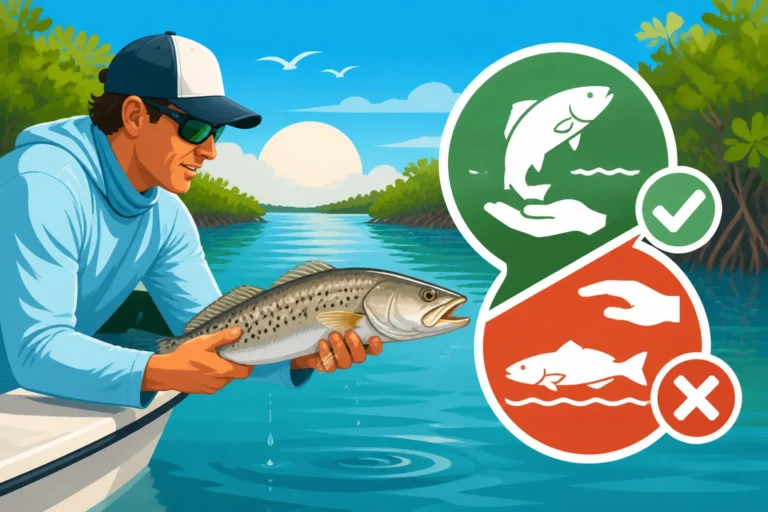
Catch and Release Best Practices: If you're not planning on keeping a fish, or if it's outside the legal limits, practice proper catch and release to ensure its survival.
- Minimize Fight Time: Land the fish as quickly as possible to reduce stress.
- Handle with Care: Support the fish horizontally, especially larger ones. Avoid holding them vertically by the jaw or tail, which can damage their internal organs or spine.
- Wet Hands: Always wet your hands before touching a fish to protect its protective slime coat.
- De-hook Quickly: Use a de-hooking tool or pliers to remove the hook promptly. If the fish is deeply hooked, cut the line as close to the hook as possible rather than tearing the hook out.
- Revive If Necessary: For exhausted fish, hold them gently in the water, facing into the current, until they swim off strongly on their own.
Waste Management: Always pack out everything you pack in. This includes discarded fishing line, bait containers, and any other trash. Fishing line, in particular, is extremely harmful to marine wildlife. Consider using monofilament recycling bins found at many boat ramps and fishing piers.
Respect Other Beach Users: Remember that beaches are shared spaces. Be mindful of swimmers, sunbathers, and other anglers. Maintain a reasonable distance, keep your lines clear, and avoid casting over people. If you're using large shark baits, consider fishing in less crowded areas or at times when fewer people are present. Always secure your rod holders firmly in the sand to prevent them from falling over, and be aware of your surroundings, especially during a strong bite.
Disclaimer
Please note that fishing regulations in Florida are subject to change by the Florida Fish and Wildlife Conservation Commission (FWC). It is the angler's responsibility to stay informed of the most current rules and regulations before heading out. This guide is for informational purposes only and does not constitute legal advice.