Best Spots on Charlotte Harbor for Tarpon
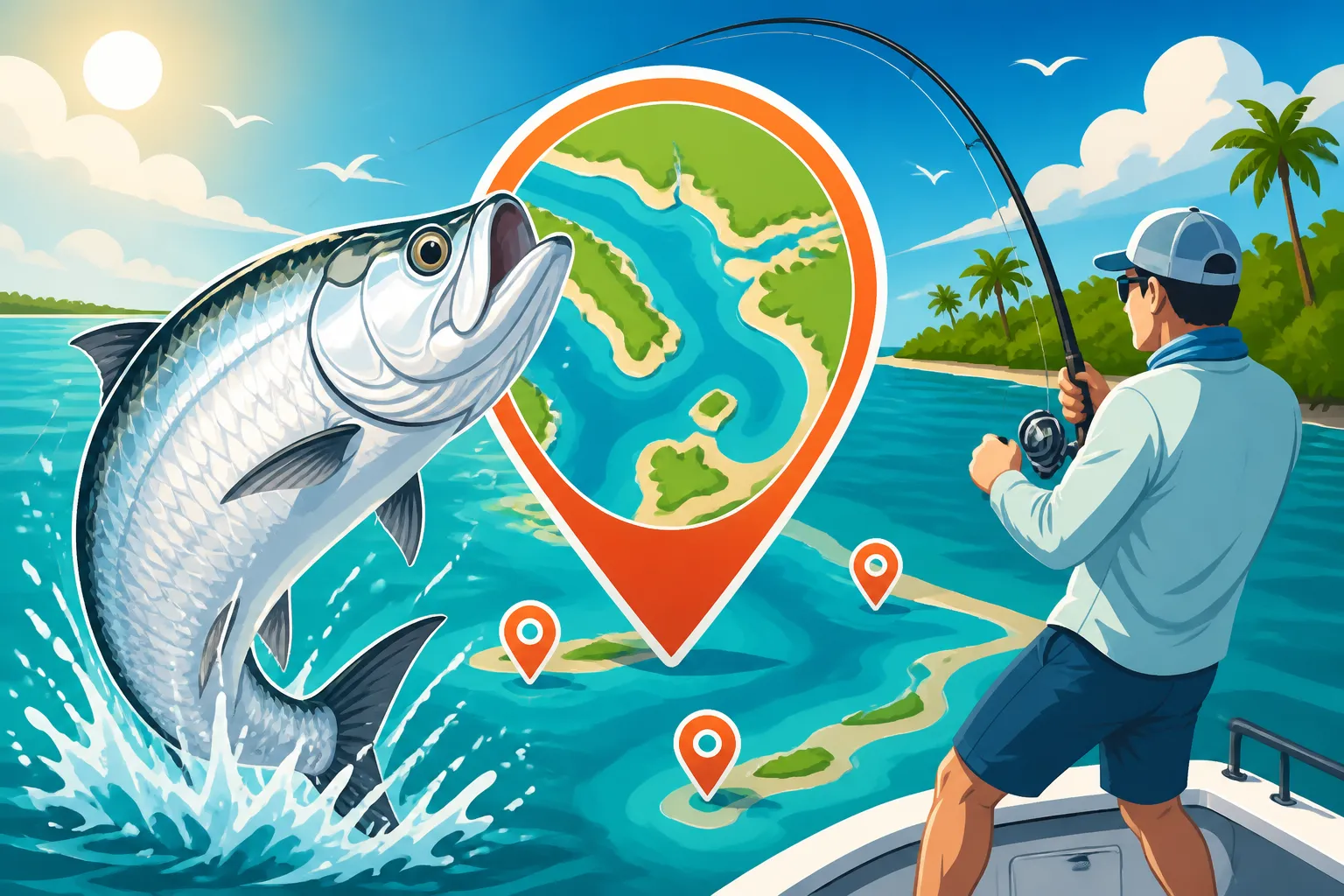
There's nothing quite like the electrifying thrill of hooking into a 'Silver King' – a mighty tarpon – especially in a renowned fishery like Charlotte Harbor. Many anglers dream of this battle but often struggle to pinpoint the exact locations where these magnificent fish congregate or how to approach them effectively. This guide is your in-depth resource, designed to unveil the best spots on Charlotte Harbor for tarpon, helping you turn that dream into a thrilling reality.
Why Charlotte Harbor Reigns Supreme for Tarpon
Charlotte Harbor isn't just another body of water; it's a dynamic, estuarine ecosystem perfectly tailored for tarpon. This vast, relatively shallow estuary on Florida's southwest coast offers a unique combination of deep passes, expansive grass flats, intricate mangrove shorelines, and fertile river systems that attract and sustain these majestic fish year after year. Understanding why tarpon love this area is key to finding them.
Abundant Habitat and Forage
The sheer diversity of habitats within Charlotte Harbor is a primary draw for tarpon. You'll find extensive seagrass beds, which act as nurseries and feeding grounds for countless baitfish species like mullet, pilchards, and threadfin herring. These baitfish are the cornerstone of a tarpon's diet. The intricate network of mangrove islands and their root systems provides excellent ambush points and shelter for both bait and predator. Deep channels and sudden drop-offs offer ideal staging areas for larger tarpon to rest and wait for the perfect feeding opportunity as tides push bait past them. This rich tapestry of environments ensures a steady food supply and strategic locations for tarpon throughout their life cycle, from juvenile to mature adults.
Critical Migration Patterns
Charlotte Harbor is a crucial stopover and feeding ground for tarpon during their annual migrations. While some resident tarpon might hang around year-round, especially the smaller, juvenile fish further up the river systems, the true spectacle begins with the arrival of massive migratory schools. These fish travel along Florida's coasts, often following temperature changes and baitfish schools. The unique geography of the harbor, with its vast open waters funneling into narrow passes like Boca Grande, acts as a natural magnet, concentrating tarpon as they move. This makes Charlotte Harbor not just a good fishing spot, but a globally recognized epicenter for tarpon fishing, especially from late spring through early summer. Many anglers flock here specifically to intercept these migrating giants, making it a bucket-list destination for anyone serious about landing a Silver King.
Prime Tarpon Fishing Locations within Charlotte Harbor
Charlotte Harbor is expansive, so knowing the key areas is crucial. Each spot offers slightly different conditions and challenges, but all hold excellent potential for tarpon.
Boca Grande Pass: The Tarpon Capital of the World
When people talk about tarpon fishing in Charlotte Harbor, Boca Grande Pass is often the first place that comes to mind, and for good reason. It's legendary, often hailed as the "Tarpon Capital of the World." This deep, narrow pass connects Charlotte Harbor to the Gulf of Mexico, creating an immense funnel effect for migrating tarpon. The pass itself is characterized by its significant depth, strong currents, and a distinct underwater feature known as "The Hill."
During the peak migration season (typically May through July), the pass can be thick with schooling tarpon, sometimes numbering in the thousands. Anglers here primarily target them using live bait, particularly "pass crabs" or threadfin herring, fished on the bottom or drift-fished through the strong outgoing tides. The technique often involves specialized jigging with heavy tackle to get down to the fish in the deep, fast-moving water. Fishing Boca Grande Pass is an experience in itself – it's often crowded, highly competitive, but the rewards of hooking into a true giant in this iconic location are unparalleled. It's a place where patience, precise boat handling, and a bit of luck often pay off in a big way.
Pine Island Sound and Surrounding Flats
Just south of Boca Grande Pass, extending down towards Fort Myers, lies the vast and intricate Pine Island Sound. This area, along with its numerous surrounding keys and expansive grass flats, offers a completely different, yet equally productive, tarpon fishing experience. While Boca Grande is about deep-water battles, Pine Island Sound is often about sight fishing and fly fishing in shallower, calmer waters.
Here, tarpon cruise the edges of mangrove islands, move over seagrass flats, and lurk in the myriad of bays and creeks, such as Turtle Bay, Bull Bay, and the waters around Bokeelia on the northern tip of Pine Island. Anglers will pole their flats boats silently, scanning for rolling tarpon or subtle wakes. When spotted, a well-placed live bait (like a free-lined pilchard or mullet) or a perfectly presented fly (such as a Tarpon Toad or Black Death pattern) can entice a strike. This kind of fishing demands stealth, keen eyesight, and often, quick casting skills. It's a more nuanced, intimate way to target tarpon, often less crowded than the pass, and offers incredible visual thrills as you watch a 100-pound fish react to your offering.
Harbor Estuary and River Mouths
Beyond the immediate vicinity of the pass and the outer islands, the inner reaches of Charlotte Harbor, particularly where the Peace River and Myakka River empty into it, also hold significant tarpon populations. These areas provide a unique brackish-water environment that is especially vital for juvenile tarpon, but also attracts larger migratory adults, especially during periods of heavy rain or when baitfish push further upstream.
Fishing the river mouths and main estuary involves targeting deeper bends, oyster bars, submerged structure, and channel edges. Tarpon here might be found anywhere from brackish water to nearly freshwater, adapting to the salinity changes. Live bait, such as mullet or threadfin, fished on weighted rigs or under a float, can be highly effective. Artificial lures like large soft plastic swimbaits, D.O.A. Bait Busters, or lipped plugs are also good choices for covering water. These areas tend to be less pressured than Boca Grande Pass and can offer consistent action, particularly for those looking to explore a different side of Charlotte Harbor's tarpon fishery. Even during the off-season, you can often find resident juvenile tarpon in these river systems, providing year-round opportunities for the persistent angler.
Timing Your Tarpon Hunt in Charlotte Harbor
Knowing where to fish is only half the battle; knowing when to fish is equally, if not more, critical for tarpon success in Charlotte Harbor. These fish are highly migratory and sensitive to environmental changes.
Seasonal Migration: Peak Spring and Summer
The absolute peak season for targeting large, migratory tarpon in Charlotte Harbor is typically from late April through July, sometimes extending into August depending on weather patterns and bait availability. This is when the largest schools of tarpon aggregate, stage for spawning, and feed heavily. During these months, the waters around Boca Grande Pass become a mecca for anglers. The pre-spawn aggregations are particularly intense, offering incredible opportunities to encounter numerous large fish.
While these months represent the zenith of tarpon activity, it's worth noting that tarpon can be found in Charlotte Harbor throughout the year. Smaller, resident tarpon, often referred to as "juveniles" or "backcountry tarpon," can be targeted in the river systems and shallower bays during the fall and winter months. These fish, while not the giants of the pass, still offer exhilarating fights. For an in-depth look at their movements, consult a Florida Tarpon Migration Timing guide.
The Critical Influence of Tides
For tarpon fishing in Charlotte Harbor, especially in Boca Grande Pass, tides are not just important—they are everything. The outgoing tide in Boca Grande Pass is legendary. As the immense volume of water drains from the harbor into the Gulf, it creates powerful currents that sweep baitfish, crabs, and other forage through the pass. Tarpon instinctively stack up along the edges of these currents, waiting to ambush prey. Many of the most successful Boca Grande anglers meticulously plan their trips around the strong outgoing tides.
In the shallower areas of Pine Island Sound and the inner harbor, tides also play a significant role, though in a different way. Incoming tides can push baitfish onto the flats and into mangrove creeks, making tarpon more active and easier to spot as they follow the food. Outgoing tides can draw them out of these shallow areas, concentrating them along channel edges or deeper cuts. Learning to read a tide chart and understanding how local tides affect specific areas is a skill that will dramatically increase your tarpon success.
Weather Considerations for Optimal Fishing
Like all fish, tarpon are influenced by weather conditions. Calm, clear days with stable weather patterns are generally preferred, especially for sight fishing on the flats. Bright sun allows anglers to spot rolling fish or their shadows cruising in shallow water. However, slightly overcast skies can sometimes make the fish less wary.
Sudden cold fronts can be detrimental, causing tarpon to become lethargic or move to deeper, warmer waters. During the height of summer, afternoon thunderstorms are common in Florida, so planning morning trips is often best. While tarpon can still be caught in choppy conditions, it makes sight fishing incredibly difficult and might push the fish into deeper, more protected areas. Monitoring water temperature is also vital; tarpon prefer warmer waters, typically above 70-72°F (21-22°C), which is why they aggregate during the warmer months.
Essential Gear and Proven Techniques for Tarpon
Successfully landing a tarpon requires the right tools and a solid understanding of how to use them. These fish are powerful, acrobatic, and notorious for breaking lines and snapping rods if you're not prepared.
Rods, Reels, and Line: Power and Precision
For most Charlotte Harbor tarpon fishing, whether in the pass or on the flats, you'll want heavy-duty gear.
- Rods: Look for 7 to 8-foot rods with a medium-heavy to heavy action. This provides the backbone needed to fight large fish while still offering enough tip sensitivity for casting. For Boca Grande Pass, many anglers opt for more robust conventional rods, while spinning rods are popular on the flats for their versatility in casting.
- Reels: Your reel is arguably the most critical component. It needs a smooth, powerful drag system and excellent line capacity. High-quality spinning reels in the 8000-10000 size range, or conventional reels specifically designed for big game, are essential. Brands like Shimano, Penn, and Daiwa are popular choices known for their reliability.
- Line: Spool your reel with 50-80 pound braided line. Braid offers superior strength-to-diameter ratio, allowing for more line on the spool, and its lack of stretch provides excellent sensitivity for detecting subtle bites and direct power during the fight. A fluorocarbon leader of 60-100 pound test is then tied to the braid. This clear leader is less visible to the fish and offers abrasion resistance against their rough mouths and gill plates. Remember, a Florida Saltwater Fishing License Rules outlines the gear requirements you'll need to follow.
Baits, Lures, and Flies: Enticing the Silver King
The choice of bait or lure often depends on the specific location and the tarpon's mood.
- Live Bait: For Boca Grande Pass, pass crabs (blue crabs in their molting stage) are legendary and often irresistible to tarpon drifting in the current. Threadfin herring, large pilchards, and mullet are also highly effective live baits throughout the harbor. For specific tips, check out Best Live Bait for Florida Inshore Fishing.
- Dead Bait: On the bottom in the pass, dead mullet or pinfish can sometimes tempt tarpon, especially when they're less active.
- Artificial Lures: Large soft plastic paddle tails or jerkbaits, like those from Hogy or D.O.A. Lures (e.g., D.O.A. Bait Buster), are excellent for casting to cruising or rolling fish. Lipped plugs like Rapala X-Raps can also be effective in various conditions.
- Flies: For fly anglers targeting tarpon on the flats, large patterns are a must. Classic choices include Tarpon Toads, Black Deaths, EP Flies, and various baitfish imitations in sizes up to 3/0 or 4/0. Presentation is key in fly fishing for tarpon, often requiring precise casts to intercept moving fish. For a deeper dive into this specialized method, explore a Florida Fly Fishing Guide.
Fighting and Handling Tarpon: Respect the King
Tarpon fights are legendary for a reason. They involve explosive runs and spectacular acrobatic leaps. When a tarpon jumps, it's crucial to "bow to the king" – lower your rod tip towards the water. This slackens the line momentarily, often preventing the hook from pulling out or the line from breaking during their head shakes. The fight can be long and arduous, testing both angler and gear.
Crucially, tarpon are almost exclusively a catch-and-release species in Florida. There are strict regulations regarding their harvest, typically requiring a special tarpon tag that is rarely used for recreational purposes. Gaffing a tarpon is illegal unless you possess one of these rare tags. Always handle tarpon with extreme care to ensure a successful release. Keep the fish in the water as much as possible, use a dehooker to remove hooks quickly, and support their weight horizontally. Avoid dragging them by the jaw or gills. For more details on responsible angling, refer to Florida Fishing Regulations and Bag Limits.
Maximizing Your Chances with a Professional Guide
While DIY fishing can be incredibly rewarding, when it comes to chasing tarpon in Charlotte Harbor, hiring a professional fishing guide can dramatically increase your chances of success and enrich your entire experience.
The Invaluable Expertise of a Local Captain
Local fishing guides spend hundreds, if not thousands, of hours on the water. This translates into an unparalleled understanding of the fishery. They know the constantly shifting patterns of the tarpon, the subtle nuances of the tides in specific areas, and even the secret spots that aren't on any map. A good guide isn't just a boat driver; they are an expert strategist, a weather and tide forecaster, and often, an incredible teacher. They can put you on fish when you might otherwise struggle, advise on the exact bait and technique for the conditions, and provide insights that only years of experience can offer. Platforms like FishingBooker make it easy to find and book reputable, experienced local captains specializing in tarpon fishing in the Charlotte Harbor area. Many of these guides run specialized boats for the particular demands of tarpon, whether it's a sturdy center console for the pass or a shallow-draft flats boat for the backcountry.
Specialized Equipment and Enhanced Safety
Another significant advantage of hiring a guide is access to their specialized equipment. Tarpon fishing requires robust rods, reels with strong drags, and specific leader and line setups. Guides not only provide top-of-the-line gear that's perfectly matched for the task, but they also maintain it meticulously. This means you won't have to invest in expensive tackle that you might only use once a year.
Furthermore, safety is paramount, especially when battling powerful fish in potentially challenging conditions. Professional guides are licensed by the U.S. Coast Guard, carry all necessary safety equipment, and are adept at navigating the waters, even in rapidly changing weather. They can handle unexpected situations, ensuring your day on the water is not only productive but also secure. When considering a guide, it's always wise to learn How to Choose a Florida Fishing Guide to ensure you pick the best fit for your trip. Remember that while a guide's boat is usually covered by a blanket license, you will still need a Florida Fishing License Guide to fish on your own outside of a charter. For specific costs, you might want to look into a Florida Fishing Charter Cost Guide.
Tarpon Conservation and Regulations in Florida
Florida has some of the most stringent and well-enforced regulations for tarpon, underscoring their status as an iconic sportfish rather than a food fish. These rules are in place to ensure the sustainability of the tarpon population for future generations of anglers.
Emphasizing Catch and Release
For the vast majority of recreational anglers, tarpon fishing in Florida is strictly catch and release. This isn't just a suggestion; it's the law. The species is highly protected, and harvesting a tarpon requires a specific, expensive tag that is rarely purchased for recreational purposes and comes with strict limitations. The intent is to allow these magnificent fish to live, grow, and reproduce.
This commitment to catch and release means that proper fish handling techniques are not just good practice, but a legal and ethical imperative. As discussed earlier, avoiding gaffs, keeping the fish in the water as much as possible, using a dehooker, and supporting the fish horizontally are crucial. Anglers should also strive to land the fish as quickly as possible to minimize stress, but without risking tackle failure. If you're struggling to land a fish, don't hesitate to ask your guide for assistance. Understanding these rules is a critical part of being a responsible angler in Florida. Before any trip, it’s always a good idea to refresh your knowledge on the latest Florida Fishing Regulations and Bag Limits.
Required Licenses and Permits
Before you even cast a line, ensure you have the appropriate Florida fishing license. For targeting tarpon in Charlotte Harbor, you'll need a Florida saltwater fishing license. Whether you're a Florida resident or an out-of-state visitor, these licenses are mandatory for most anglers aged 16 and older, with some exemptions for seniors and disabled residents.
The funds generated from the sale of these licenses directly support the Florida Fish and Wildlife Conservation Commission (FWC) in their efforts to manage fisheries, conduct research, enforce regulations, and conserve Florida's marine habitats—all of which benefit the tarpon fishery. You can easily purchase your Florida Fishing License Guide online through the FWC website or at various bait and tackle shops. Be sure to understand your specific Florida Fishing License Costs and Fees and the Florida Saltwater Fishing License Rules to avoid any issues while on the water.
Charlotte Harbor Tarpon Hotspots and Best Times
Here's a quick overview of some prime tarpon locations in Charlotte Harbor and when they typically shine:
| Location | Primary Target Size | Best Season (Peak) | Key Technique | Ideal Tide Condition |
|---|---|---|---|---|
| Boca Grande Pass | Large Migratory | May – July | Live Bait (Crabs), Jigging | Strong Outgoing |
| Pine Island Sound Flats | Medium – Large | April – June | Sight Casting, Fly Fishing | Incoming/High |
| Peace River Mouth | Small – Medium | Spring/Summer (Adult), Year-round (Juvenile) | Live Bait, Artificial Lures | Incoming/Outgoing (less current dependent than pass) |
| Myakka River Estuary | Small – Medium | Spring/Summer (Adult), Year-round (Juvenile) | Live Bait, Artificial Lures | Incoming/Outgoing |
| Mangrove Edges/Creeks | Small – Medium | Year-round (warm months) | Live Bait, Light Lures, Fly | High (for access into creeks) |
This table provides a general guideline, but remember that tarpon are dynamic, and local conditions can always vary. Flexibility and adaptability are key to success.
Disclaimer
Please note that fishing regulations, seasons, and licensing requirements can change. Always consult the latest Florida Fish and Wildlife Conservation Commission (FWC) guidelines before planning your fishing trip to ensure compliance. This guide is for informational purposes only and does not constitute legal advice.