Fishing Lake Harney on the St. Johns River
There's nothing quite like planning a fishing trip to a new Florida lake, but the sheer size and diverse ecosystems of our state can make it incredibly overwhelming to figure out where to even start, especially when you're looking at a big, interconnected system like the St. Johns River. Lake Harney, a hidden gem within this massive waterway, often gets overlooked for its more famous siblings, leaving many anglers wondering if it's worth their time and how to even approach it. This comprehensive guide is here to cut through the confusion, offering you an in-depth look at fishing Lake Harney, from its unique characteristics to the best spots, techniques, and everything you need to know for a successful and enjoyable outing.
Getting to Know Lake Harney's Unique Ecosystem
Lake Harney isn't just another body of water; it's a vibrant, living part of Florida's natural heritage. Understanding its unique characteristics is the first step to unlocking its fishing potential. This lake offers a distinct experience within the larger St. Johns River system, and knowing what sets it apart will significantly enhance your strategy and success.
The St. Johns River Connection
Lake Harney is a significant natural lake that forms part of the sprawling St. Johns River chain in Central Florida. Located just east of Sanford and south of Lake Monroe, it's one of the upper lakes in the St. Johns system, encompassing roughly 6,000 acres. What makes Lake Harney particularly interesting is its position and the influence of the St. Johns River itself. The river flows both into and out of Lake Harney, constantly replenishing its waters and bringing in nutrients, as well as influencing water levels and clarity.
Unlike some of the deeper, more consistent lakes, Harney can be quite dynamic. Its shallow depths, averaging around 3 to 4 feet in many areas, make it highly susceptible to wind and rainfall. This means conditions can change rapidly, affecting water clarity, temperature, and fish behavior. The lake's bottom composition is primarily muck and sand, but it boasts extensive areas of submerged vegetation like hydrilla, peppergrass, and eelgrass, especially along its northern and western shores. These grass beds are crucial for fish, providing cover, foraging grounds, and spawning areas. While primarily a freshwater lake, the St. Johns River system does have a very slight tidal influence even this far inland, and during dry seasons, saltwater intrusion from the Atlantic can subtly affect the lower river, though Lake Harney remains overwhelmingly freshwater. This dynamic environment supports a robust ecosystem, making it a productive fishing destination for those who know how to read its subtleties.
Primary Fish Species You'll Encounter
When you set your sights on Lake Harney, you're primarily targeting classic Florida freshwater species. The stars of the show here are undoubtedly the largemouth bass, followed closely by a healthy population of speckled perch (black crappie) and various catfish species. Each of these fish thrives in Lake Harney's grassy, nutrient-rich waters.
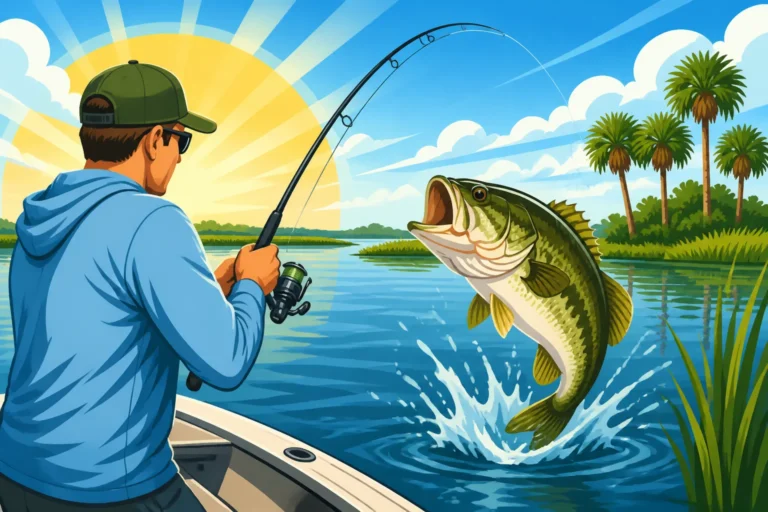
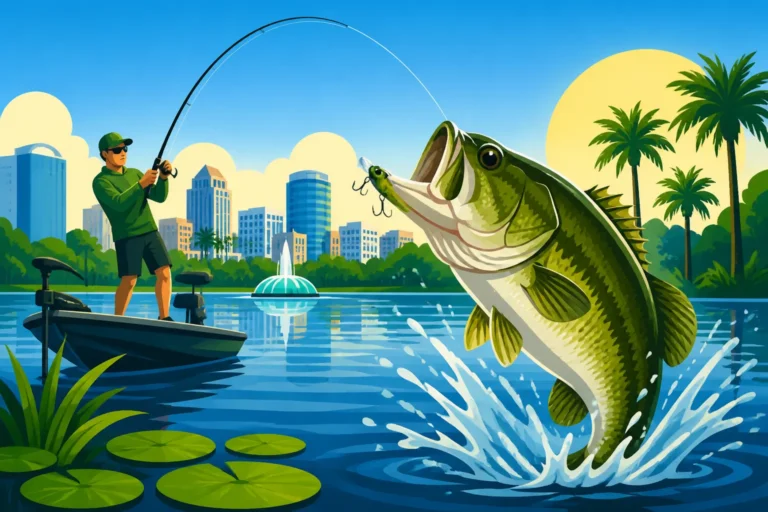
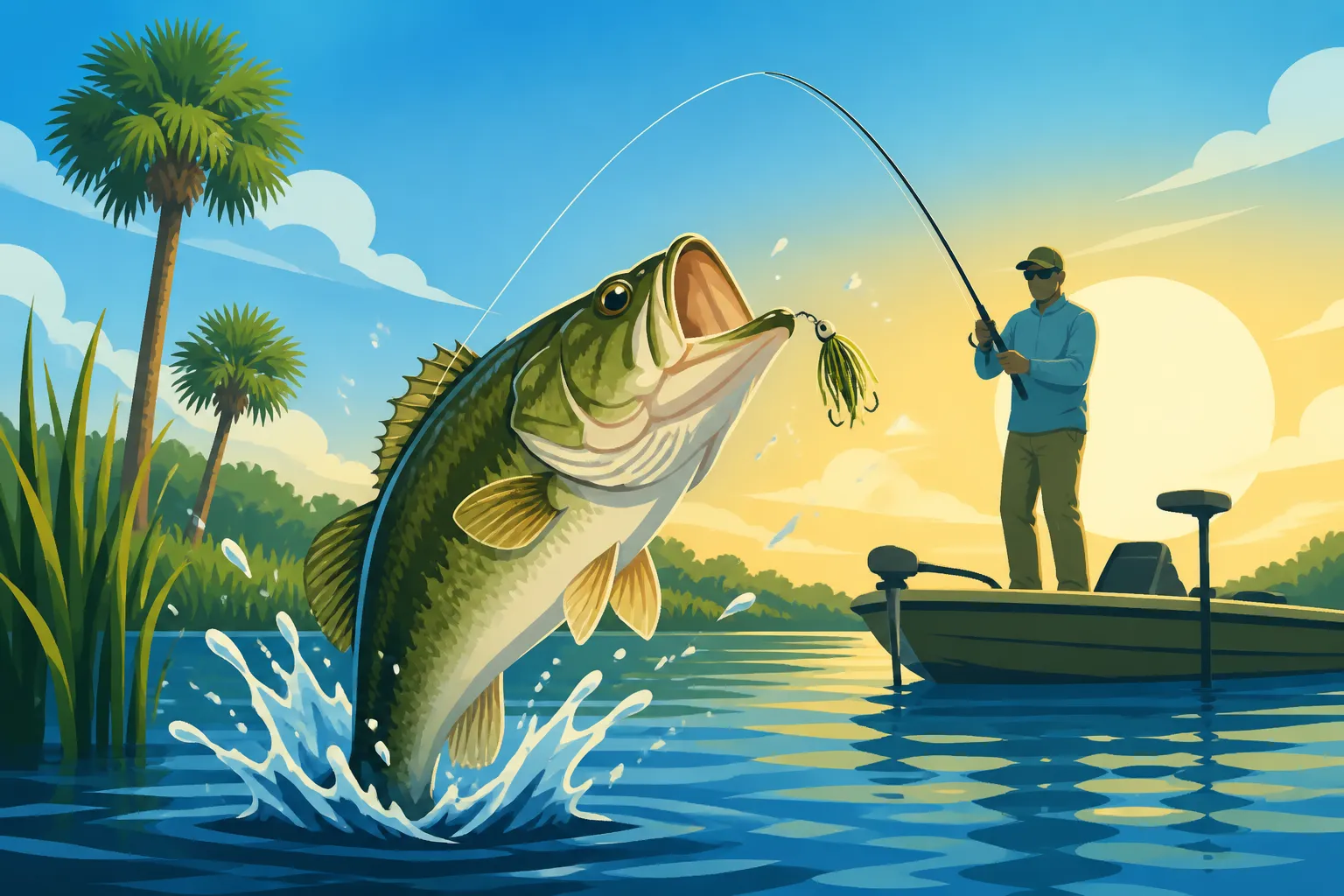
Largemouth Bass: The largemouth bass are the undisputed kings of Lake Harney. The extensive grass beds, especially in the northern and western sections of the lake, provide ideal ambush points and foraging grounds. These bass grow to impressive sizes, with 5-10 pounders being caught regularly, and bigger ones always a possibility. Their diet consists of shiners, shad, bluegill, and even smaller bass, making them aggressive predators ready to strike a well-presented lure or bait. The health of the vegetation directly correlates to the bass population and their activity, so paying attention to grass lines and transitions is key. For more in-depth knowledge, check out our Florida Largemouth Bass Fishing Guide.
Speckled Perch (Black Crappie): If you're looking for delicious table fare and a fun fight on light tackle, Lake Harney's speckled perch won't disappoint. They congregate around deeper pockets and especially love brush piles, submerged timber, and the edges of major grass lines, particularly during the cooler months. These schooling fish are a blast to catch, and finding a productive brush pile can lead to an incredible day. Our Florida Crappie Fishing Guide offers even more tips for these tasty fish.
Catfish (Channel, White, and Blue): The deeper channels and feeder creeks of Lake Harney, particularly where the St. Johns River enters and exits, are prime territories for various catfish species. Channel catfish are most common, but white and blue catfish also call these waters home. They thrive in the lake's darker, murkier waters, feeding on insects, crustaceans, and smaller fish. Catfish offer a powerful fight and are excellent eating, making them a popular target for many anglers. If you're keen on targeting these bottom dwellers, our guide to the Best Spots on the St. Johns River for Catfish can provide valuable insights.
While these three are the main attractions, you'll also find healthy populations of bluegill, redear sunfish (shellcrackers), and various other panfish, providing ample opportunities for a diverse day on the water.
Navigating Lake Harney's Fishing Hotspots
Knowing what to fish for is one thing; knowing where to fish for them on a lake as large and varied as Harney is another challenge entirely. Success often comes down to understanding the lake's structure and how different species relate to it. From the expansive grass flats to the river channels, Lake Harney has distinct areas that consistently produce fish.
The Best Areas for Largemouth Bass
For largemouth bass, Lake Harney is a true gem, but you need to focus on the cover they love. The key areas are typically found along the vast grass lines and hydrilla beds that dominate much of the lake's perimeter and many of its open flats.
Northern and Western Shores: These areas are particularly renowned for their dense, healthy vegetation. As you move along the northern and western edges, you'll encounter extensive fields of hydrilla and peppergrass that extend far out into the lake. These are prime ambush points for bass. Early morning or late afternoon, try throwing topwater lures like frogs or buzzing baits over the top of the matted grass. During the brighter parts of the day, punching heavy jigs or Texas-rigged soft plastics through the thickest cover can be incredibly effective. Bass will often hide deep within these mats, seeking shade and waiting for unsuspecting prey.
Submerged Timber and Structure: While grass is king, don't overlook any isolated pieces of submerged timber, old stumps, or even channel markers that might break up the monotony of the flats. These hard structures often hold a few larger, resident bass, especially if they're near deeper water or a current break. Flipping a jig or a creature bait around these isolated targets can yield big results. Remember, bass are territorial, and a single piece of prime structure can be home to a trophy fish. For more on how to target these giants, our Florida Bass Fishing Techniques guide offers comprehensive strategies.
Where to Find Panfish and Catfish
While bass often steal the spotlight, Lake Harney offers fantastic opportunities for panfish and catfish, providing a different kind of angling challenge and some excellent meals.
Speckled Perch (Crappie): These schooling fish are a blast, especially when you find a productive spot. Look for crappie in the deeper pockets and channels within the lake, particularly during the cooler months. The St. Johns River channel, as it traverses through and connects to Lake Harney, often has deeper sections with brush piles and ledges where crappie will congregate. Submerged trees, old docks, or man-made fish attractors (if present and publicly known) are also prime crappie real estate. Small jigs tipped with minnows or soft plastic crappie baits fished vertically are highly effective. You'll often find them suspended at specific depths, so experimenting with your bait presentation is crucial.
Catfish: Lake Harney's catfish population is robust and active, especially in areas with a bit more depth and current. The main river channel, both upstream and downstream of the lake, and the deeper areas where the river enters and exits Lake Harney are excellent places to start. These areas provide the oxygenated water and food sources that catfish prefer. Fishing holes, ledges, and areas with a muddy or sandy bottom where baitfish gather are prime spots. Heavy bottom rigs with cut bait (like shad or mullet), chicken liver, or commercial stink baits are your best bet. Anchoring upcurrent from a promising spot and letting your bait drift into the strike zone can be very productive.
Access Points and Boat Ramps
Getting your boat onto Lake Harney is relatively straightforward, with several public access points available. Understanding these will help you plan your launch and explore the lake efficiently.
Mullet Lake Park Boat Ramp: Located on the western side of the lake near Geneva, Mullet Lake Park offers a concrete boat ramp, ample parking, and picnic facilities. It's a popular choice and provides direct access to the main body of Lake Harney, making it an excellent starting point for exploring the extensive grass flats on the western and northern shores. The park is managed by Seminole County and is generally well-maintained.
Lake Harney Wilderness Area: While less developed than Mullet Lake Park, the Lake Harney Wilderness Area on the eastern shore can sometimes offer more primitive access, especially for kayaks or smaller boats. However, check current conditions and regulations, as access might be limited or require specific permits depending on the time of year and water levels.
Navigational Considerations: Lake Harney is generally shallow, and while there's a marked channel for the St. Johns River, straying too far can lead to encountering stumps, submerged logs, and shallow grass flats. Always navigate with caution, especially if you're unfamiliar with the area. A good GPS and depth finder are invaluable tools here. If you're looking for information on other St. Johns River access points, our guide to Fishing Lake Monroe on the St. Johns River might offer some broader context for the river system.
Essential Techniques and Tackle for Lake Harney Success
Having a solid grasp of the right techniques and tackle is paramount when fishing Lake Harney. The diverse species and varied habitats require a thoughtful approach to maximize your chances of success. It’s not just about throwing a line in; it’s about understanding what works best in these particular waters.
Lures and Baits That Consistently Work
When it comes to enticing the fish in Lake Harney, certain baits and lures consistently outperform others. Matching your presentation to the species and conditions is the name of the game.
For Largemouth Bass:
- Soft Plastics: These are arguably the most versatile and effective for Lake Harney bass. Texas-rigged worms (like a 7-inch worm in junebug, green pumpkin, or black/blue) and creature baits are fantastic for punching through dense grass or fishing around isolated cover. Senkos, fished weightless, are also deadly when skipped under docks or cast near grass edges.
- Jigs: Heavy-skirted jigs (1/2 oz to 1 oz) with plastic trailers are perfect for flipping and pitching into thick vegetation. Black and blue, green pumpkin, and brown are reliable colors.
- Topwater Lures: During low light conditions (dawn, dusk, or overcast days), topwater frogs, buzzing baits, and prop baits can generate explosive strikes over matted hydrilla or along sparse grass lines. This is some of the most exciting fishing you can experience.
- Crankbaits and Spinnerbaits: Shallow-diving crankbaits (e.g., Strike King KVD 1.5) in shad or bream patterns can be effective when bass are cruising sparse grass or riprap. Spinnerbaits (like a Booyah Spinnerbait) with tandem willow leaf blades in chartreuse/white or white are excellent for covering water and triggering reaction strikes, especially around scattered grass. Our guide on the Best Lures for Florida Bass Fishing delves deeper into these options.
For Speckled Perch (Crappie):
- Small Jigs: Tiny jigs (1/32 oz to 1/8 oz) with curly tail grubs or hair jigs in white, chartreuse, or black are incredibly effective. Tipping them with a small minnow often seals the deal.
- Live Minnows: Fished under a bobber or slowly trolled, live minnows are a classic and highly productive crappie bait, especially when they're schooled up.
For Catfish:
- Cut Bait: Chunks of shad, mullet, or even panfish work wonders. The scent trail they leave is irresistible to catfish.
- Stink Baits: Commercial stink baits, dough balls, or chicken livers are also very popular and effective for attracting catfish from a distance.
Best Times to Fish Lake Harney
Timing is everything in fishing, and Lake Harney is no exception. Understanding the seasonal patterns and daily rhythms will help you plan your trips for maximum productivity. Our general guide to the Best Time of Year to Fish in Florida can give you a broader overview, but here’s how it applies specifically to Harney.
Seasonal Patterns:
- Spring (March-May): This is prime time for bass, as they move into the shallower grass flats for their spawning season. They are aggressive and highly active. Crappie also become more active in shallower areas before retreating to deeper water.
- Summer (June-August): The heat pushes bass into thicker cover and deeper grass, or makes them more active during low-light hours. Early mornings and late evenings are critical for bass. Crappie will be in deeper channels or brush piles. Catfish remain active throughout the summer, especially in current areas.
- Fall (September-November): As temperatures cool, bass become very active again, feeding heavily in preparation for winter. This "fall bite" can be incredibly productive. Crappie also start to school up more aggressively as they transition towards their winter patterns.
- Winter (December-February): Bass fishing can slow down, but larger fish can still be caught by slowing down your presentation and focusing on deeper holes or areas with stable water temperatures. Crappie fishing often thrives in winter, as they stack up in deep brush piles. Catfish are also a reliable target.
Time of Day and Weather:
- Early Morning/Late Evening: These low-light periods are almost always the best for bass, especially with topwater lures, as fish move out of heavy cover to feed.
- Overcast Days: Cloudy skies can extend the prime bass bite throughout the day, as the sun's intensity is reduced.
- Incoming/Outgoing Tide (subtle effect): While not as pronounced as coastal fishing, the slight current in the St. Johns River system can influence fish activity. Look for periods of moving water, as this often triggers feeding.
- Stable Weather: Consistent weather patterns, without drastic temperature swings or fronts, generally lead to more predictable and productive fishing.
Practical Tips for a Rewarding Trip
Beyond the technical aspects of fishing, there are practical considerations that can make or break your Lake Harney adventure. From understanding the local rules to deciding whether to go solo or hire help, these tips are designed to ensure you have a safe, enjoyable, and successful outing.
Licenses and Regulations Specific to the St. Johns River
Fishing in Florida, even in freshwater systems like the St. Johns River, requires adherence to specific regulations. Ignorance of the rules is no excuse, and wardens patrol these waters regularly.
Florida Freshwater Fishing License: First and foremost, anyone aged 16 or older wishing to fish in Lake Harney (or any other public freshwater body in Florida) needs a valid Florida freshwater fishing license. There are different options available, including annual, 5-year, and combination licenses (which cover both freshwater and saltwater). It's easy to purchase one online, over the phone, or in person at most tackle shops and retail stores like Walmart. Make sure you have yours before you cast a line! You can learn more in our comprehensive Florida Fishing License Guide or specifically about Florida Freshwater Fishing License Rules.
Florida Fishing Regulations and Bag Limits: Beyond the license, you must also be aware of the specific regulations for the fish you plan to target. The Florida Fish and Wildlife Conservation Commission (FWC) sets these rules to ensure sustainable fisheries.
- Largemouth Bass: There are specific size and bag limits for bass. Generally, only one bass 16 inches or longer may be kept per day, and the daily bag limit is five bass. However, these regulations can sometimes vary by water body, so always check the latest FWC freshwater regulations pamphlet.
- Crappie (Speckled Perch): The daily bag limit for crappie is typically 25 fish per person.
- Catfish: Generally, there are no size limits for catfish, but there are daily bag limits depending on the species.
It is your responsibility as an angler to know and follow these rules. Familiarize yourself with the FWC website or pick up a printed copy of the regulations where you purchase your license. Our guide on Florida Fishing Regulations and Bag Limits provides a good overview.
Hiring a Local Guide or Planning a DIY Adventure
Deciding whether to go it alone or enlist the help of a professional guide is a common dilemma, especially on a new body of water. Both options have their merits, depending on your experience level and goals.
Hiring a Local Guide: For those new to Lake Harney or the St. Johns River system, hiring a local fishing guide is an invaluable investment. A good guide knows the lake like the back of their hand – where the fish are hiding, what they're biting on, and how to navigate the tricky shallow areas. They provide all the necessary gear, bait, and most importantly, the expertise to put you on fish and teach you the local techniques. This is particularly beneficial if you're targeting a specific species like trophy largemouth bass or if you're short on time and want to maximize your fishing experience. Platforms like FishingBooker are excellent resources for finding reputable local guides who specialize in Lake Harney and the St. Johns River. They allow you to read reviews, compare prices, and book directly, taking a lot of the guesswork out of finding the right captain. A guide can significantly reduce the learning curve and increase your chances of a memorable catch. You can find more information on how to select a professional in our guide, How to Choose a Florida Fishing Guide.
Planning a DIY Adventure: If you have your own boat, gear, and some experience with freshwater fishing, a DIY trip to Lake Harney can be incredibly rewarding. The sense of accomplishment that comes with finding fish on your own is unbeatable.
- Research is Key: Spend time studying maps (bathymetric charts are excellent for identifying depth changes and river channels), looking at satellite imagery for grass lines and structure, and reading local fishing reports.
- Talk to Locals: Don't be shy about striking up conversations at tackle shops or boat ramps. Local knowledge is gold! Places like the local Bass Pro Shops or even smaller independent tackle shops in Sanford or Geneva can provide up-to-date information on what's biting.
- Be Prepared: Bring all your gear, plenty of water, sunscreen, and a first-aid kit. The Florida sun can be intense, and navigating wilder areas means being self-sufficient. Having a reliable boat with a good motor and a shallow water anchor (like a Power-Pole or Talon) can be a huge asset on Lake Harney's shallow flats.
Whether you choose a guided trip or a self-planned adventure, Lake Harney promises a fantastic Florida fishing experience.
Here's a quick summary of what to target and how on Lake Harney:
| Species | Primary Habitat | Best Baits/Lures | Key Techniques | Optimal Seasons |
|---|---|---|---|---|
| Largemouth Bass | Hydrilla & Peppergrass Beds, Submerged Timber | Soft Plastics (worms, creature baits), Jigs, Topwater Lures, Spinnerbaits | Flipping, Punching, Casting, Topwater Retrieves | Spring, Fall (Summer mornings) |
| Speckled Perch (Crappie) | Deeper Channels, Brush Piles, Ledges | Small Jigs (tipped with minnows), Live Minnows | Vertical Jigging, Slow Trolling, Bobber Fishing | Winter, Spring, Fall |
| Catfish | River Channels, Deeper Holes, Current Breaks | Cut Bait (shad, mullet), Stink Baits, Chicken Liver | Bottom Fishing, Drifting Bait | Year-Round |
Disclaimer
Please be aware that fishing regulations, conditions, and availability of services (such as specific guides or access points) can change. Always consult the latest Florida Fish and Wildlife Conservation Commission (FWC) regulations before your trip and check local conditions. This guide is for informational purposes only and does not constitute professional advice.