Best Spots in the Everglades for Snook
The vast, winding waterways and intricate mangrove labyrinth of the Everglades present one of Florida's most unique and challenging fishing environments, often leaving anglers wondering where to even begin their quest for the elusive snook. This comprehensive guide is here to untangle that complexity, revealing the top snook fishing spots within this incredible ecosystem and equipping you with the knowledge to make your Everglades snook adventure a success.
Why the Everglades is Prime Snook Territory
The Everglades isn't just a national park; it's a dynamic, interconnected system where freshwater from central Florida slowly merges with the saltwater of the Gulf of Mexico and Florida Bay. This unique brackish environment, often called the "River of Grass," creates a perfect nursery and hunting ground for snook, making it one of the most exciting places to target this prized game fish. Unlike the clear flats of the Keys or the developed estuaries of Tampa Bay, the Everglades offers a truly wild, untamed experience.
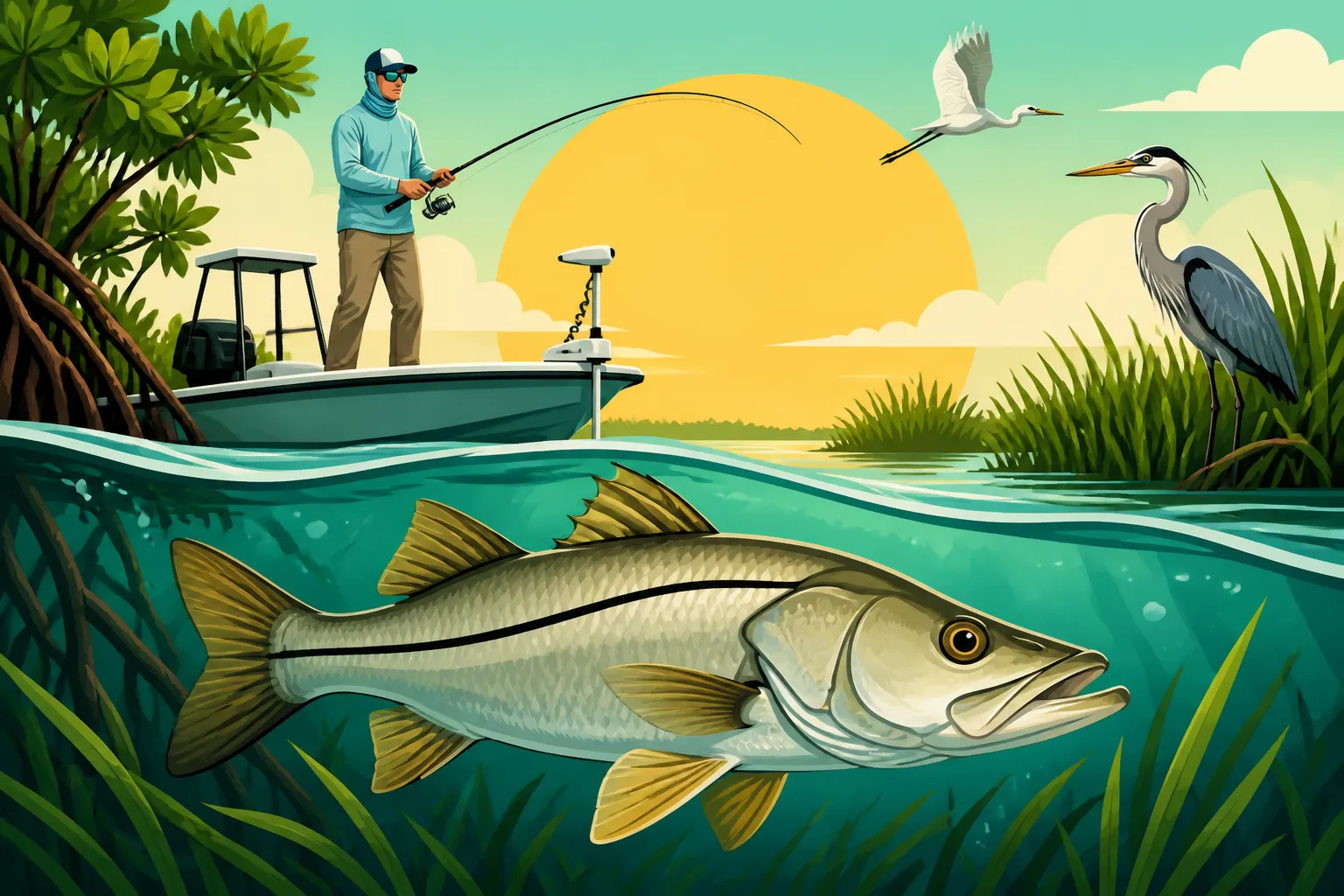
Snook are perfectly adapted to this environment. Their ability to tolerate a wide range of salinities means they can thrive in the freshwater-influenced canals and creeks deep within the Glades, as well as the more saline coastal mangroves. This allows them to pursue baitfish across diverse habitats, seeking out warmer waters in winter and cooler, oxygen-rich areas during scorching summers. The sheer abundance of juvenile fish, crabs, and shrimp—their primary food sources—means snook in the Everglades are often robust, healthy, and aggressively territorial. The dense mangrove roots and vast expanses of sawgrass also provide ample ambush points and protection, turning every cast into a potential encounter with a hard-fighting snook. This makes it an essential destination for any angler interested in a true Florida Snook Fishing Guide.
Top Snook Fishing Spots in the Everglades
While the entire Everglades system holds snook, certain areas consistently produce better results due to their specific hydrological conditions, access to bait, and structural complexity. Knowing where to focus your efforts can significantly increase your chances of success and minimize time spent searching the seemingly endless wilderness.
The Flamingo Area and Florida Bay
At the southern tip of Everglades National Park, where the fresh water truly meets the salt, lies Flamingo. This area is a gateway to the vast expanse of Florida Bay and the labyrinthine creeks and channels that feed into it. Here, the mixing of waters creates brackish zones that snook absolutely adore. Anglers often launch from the Flamingo Marina, venturing into the maze of keys and islands that dot Florida Bay, or heading west into the numerous backcountry creeks.
The key to fishing Flamingo for snook is understanding the flow. Tidal creeks and channels that connect the interior mangroves to the open bay are highways for baitfish, and thus, for snook. Look for areas with strong current, especially around points, bends, and submerged structure. The "guts" or deeper channels that snake through the shallow flats are prime hunting grounds during changing tides. Fishing potholes on the flats themselves, especially during cooler months when snook seek refuge, can also be incredibly productive. Places like Bear Lake, Mud Lake, and the vast expanses of the Cape Sable region offer opportunities for truly remote and rewarding fishing. Just remember, these spots are remote, and a good navigation system is crucial.
Ten Thousand Islands Region
Moving to the western edge of the Everglades, near Everglades City and Chokoloskee, you'll find the legendary Ten Thousand Islands. This area is a sprawling, intricate network of mangrove islands, oyster bars, and shallow creeks that extend for miles along Florida's southwest coast. It's a true wilderness, and navigating it requires local knowledge or a very reliable GPS.
The snook fishing here is phenomenal, largely due to the sheer amount of structure and diverse forage. Snook will hold tight to the mangrove shorelines, especially on an outgoing tide when baitfish are flushed out of the smaller creeks. Target the mouths of these creeks, oyster bars, and any deeper pockets or troughs you can find. The larger passes and rivers like the Chokoloskee Pass, Lopez River, and Turner River are also excellent, especially on strong tidal movements. The key here, even more so than in Flamingo, is to embrace the intricate nature of the environment. Every turn, every bend, and every shadow under a mangrove can hold a trophy snook. If you're looking for a challenging but incredibly rewarding experience, the Ten Thousand Islands Fishing Guide in South Florida will prove invaluable for this region.
Accessible Canal Systems
While the true wilderness experience of the backcountry is unparalleled, it's worth noting that snook can also be found in some of the more accessible canal systems that border the Everglades, particularly along the Tamiami Trail (US-41) and Alligator Alley (I-75). These canals often connect to the larger Everglades system, allowing snook to move in and out.
These spots offer land-based or easily accessible boat/kayak fishing opportunities. Look for deeper cuts, culverts, and bridge pilings that offer structure and ambush points. While not the pristine wilderness of the backcountry, these canals can still hold surprisingly large snook, especially during cooler weather when they seek the thermal stability of deeper water. This is a great option for a quick trip or for anglers who prefer not to venture deep into the remote areas.
Essential Tactics for Everglades Snook
Successfully targeting snook in the Everglades requires a specific approach, different from fishing open flats or artificial reefs. The environment dictates the tactics, and understanding these nuances will significantly improve your catch rates.
The Right Vessel and Navigation
First and foremost, the Everglades is a shallow-water environment. A shallow-draft boat like a technical poling skiff, a small bay boat, or a kayak is absolutely essential for reaching the best spots and navigating the intricate waterways without getting stuck. Kayaks and paddleboards are fantastic for stealth and accessing extremely skinny water that even the best skiffs can't reach, offering a true "on-the-water" experience. Consider a Kayak Fishing Technique for Inshore Species if you plan to venture out on your own.
Navigation is paramount. Many areas of the Everglades look identical, a seemingly endless expanse of mangroves and water. A reliable GPS with up-to-date charts is non-negotiable. Even with a GPS, paying attention to landmarks and noting your route is crucial. The tides can also dramatically change water levels, making areas navigable at high tide completely dry at low tide. Getting stranded in the Everglades is not a situation you want to find yourself in.
Baits, Lures, and Presentation
Snook are opportunistic predators, and the Everglades offers a smorgasbord of natural forage. Live bait, when available, is often king. Small mullet, pilchards, pinfish, and especially live shrimp are incredibly effective. Free-lining live bait near mangrove roots, points, or current seams is a classic and highly productive method.
For artificial lures, versatility is key. Soft plastic paddletails or jerkbaits rigged on weedless hooks are perfect for working through the snaggy mangroves. MirrOlure MirrOdines, D.O.A. Shrimp, and other similar baits mimic the natural forage. Topwater lures, like a Heddon Super Spook or a MirrOlure Prop Top, can produce explosive strikes, especially during low light conditions or over shallow grass flats. Jigs, particularly weedless versions, are excellent for probing deeper channels and potholes. Learning the Best Bait for Snook Fishing in Florida for specific conditions will greatly enhance your success.
Understanding Tidal Influence
Tides are the lifeblood of Everglades snook fishing. The movement of water dictates where baitfish are, and consequently, where the snook will be. While the tidal range in many parts of the Everglades backcountry might not be as dramatic as on the coast, the subtle flows are still critical.
- Outgoing Tide: As the tide falls, water is flushed out of the smaller creeks and off the shallow flats. This is a prime time to position yourself at the mouths of these creeks or along mangrove edges, ambushing baitfish as they are swept out.
- Incoming Tide: An incoming tide brings fresh bait and higher water into the shallower areas. Snook will often move further into the mangroves or onto the edges of flats to hunt.
- Slack Tide: This is generally the toughest time to fish. With little water movement, snook tend to be less active and spread out. Focus on deeper channels or areas with some natural flow.
Always check a local tide chart before you go, and learn to read the subtle current movements on the water. Understanding What Tide Is Best for Snook Fishing? can mean the difference between a slow day and a banner day.
Planning Your Everglades Snook Adventure
A trip to the Everglades for snook fishing is more than just a day on the water; it's an immersive experience that requires thoughtful planning and respect for the wilderness. Being prepared ensures safety and maximizes your enjoyment.
Hiring a Local Guide
For those new to the area, or looking for a truly specialized experience, a local guide can be invaluable. The Everglades is vast and can be intimidating to navigate for the uninitiated. A good guide not only knows the spots but also understands the nuanced behavior of snook in this unique environment, the tidal flows, and, critically, how to navigate safely. They often have the specialized equipment, such as shallow-draft boats and the right tackle, to optimize your trip. Platforms like FishingBooker make it easy to browse and book experienced Everglades snook guides, providing detailed profiles and reviews. This is especially important for maximizing your chances and learning the ropes, as highlighted in any good How to Choose a Florida Fishing Guide resource.
Permits, Licenses, and Regulations
Even within a national park, state fishing regulations apply. Before you cast a line, ensure you have the correct Florida Fishing License Guide for saltwater fishing. If you plan to keep any snook, be aware of the Florida Snook Season Guide and current Florida Fishing Regulations and Bag Limits for size and bag limits, which can vary by region and time of year. Remember, snook are often catch-and-release only outside of specific seasons. Always check the latest FWC regulations before your trip. When you're ready to book a trip, many of these highly-rated guides can be found on FishingBooker, offering detailed profiles and customer reviews that can also inform you about local rules.
Gear and Personal Preparation
Beyond fishing tackle, packing the right personal gear is critical for an Everglades trip:
- Sun Protection: The sun in South Florida is intense. Wide-brimmed hats, long-sleeve SPF shirts, neck gaiters, and high-SPF sunscreen are a must.
- Insect Repellent: Mosquitoes and no-see-ums can be ferocious, especially during dawn, dusk, or in calm, humid conditions. Pack plenty of strong repellent, and consider permethrin-treated clothing.
- Water and Snacks: It's hot, humid, and often remote. Bring more water than you think you'll need, along with energy-boosting snacks.
- Polarized Sunglasses: Essential for spotting snook, baitfish, and navigating shallow hazards.
- Rain Gear: Afternoon thunderstorms are common in Florida, especially in summer. A lightweight rain jacket is a smart addition to your bag.
- First Aid Kit: For minor cuts, scrapes, and bug bites.
For fishing gear, bring medium-heavy spinning rods (7-7.5 feet) paired with 3000-4000 series reels spooled with 15-20 lb braided line and 30-50 lb fluorocarbon leader. A good selection of weedless hooks, jigs, and both topwater and sub-surface lures will serve you well. Many guides on FishingBooker provide all the necessary tackle, but it’s always good to confirm. When considering what to pack, refer to comprehensive advice like What to Bring on a Florida Fishing Charter to ensure you're fully equipped.
Respecting the Environment
The Everglades is a delicate and protected ecosystem. Practice catch and release, especially for snook, unless you are absolutely sure of the current regulations and plan to keep a legal fish for consumption. Avoid disturbing wildlife, maintain a respectful distance from birds and other animals, and always "leave no trace." This means packing out everything you pack in, including any fishing line or trash. Navigation should be slow and cautious in shallow areas to avoid prop scarring seagrass beds. The health of this incredible fishery depends on responsible angling.
| Everglades Snook Spot | Primary Access | Key Features for Snook | Best Fishing Tides | Common Tactics |
|---|---|---|---|---|
| Flamingo Backcountry (Florida Bay) | Flamingo Marina | Mangrove creeks, shallow bays, potholes, distinct channels | Outgoing, last of incoming | Live bait (shrimp/mullet), weedless soft plastics, topwater |
| Ten Thousand Islands (Everglades City/Chokoloskee) | Everglades City/Chokoloskee | Labyrinth of mangrove islands, oyster bars, strong tidal rivers | Outgoing, strong current breaks | Live bait, jigs, subsurface twitchbaits |
| Tamiami Trail Canals | Roadside access, small boat ramps | Deeper cuts, culverts, bridge pilings, residential docks | Any, but moving water is better | Soft plastics, small crankbaits, live shrimp |
Disclaimer
Fishing regulations and conditions in Florida can change frequently. Always consult the latest Florida Fish and Wildlife Conservation Commission (FWC) guidelines before planning any fishing trip to ensure compliance with current laws regarding licenses, seasons, and bag limits. The information provided in this guide is for general informational purposes only and should not be considered legal advice.