Best Backcountry Spots in the Ten Thousand Islands
The sprawling, untamed wilderness of Florida's Ten Thousand Islands can feel like an overwhelming labyrinth to even seasoned anglers, with its seemingly endless mangrove tunnels and winding tidal creeks. Many feel a mix of excitement and apprehension, dreaming of trophy fish but worried about getting lost or missing the best spots in such a vast, intricate ecosystem. This guide is designed to cut through that complexity, leading you directly to the best backcountry fishing spots within the Ten Thousand Islands, ensuring your next adventure is not just successful, but truly unforgettable.
Understanding the Unique Wilderness of the Ten Thousand Islands
Before we dive into specific hot spots, it’s crucial to understand what makes the Ten Thousand Islands such a special, and sometimes challenging, place to fish. This isn't your average open-water bay or a clear freshwater lake; it's a dynamic, ever-changing environment that demands respect and a bit of local knowledge.
The Intricate Ecosystem of Mangroves and Estuaries
The Ten Thousand Islands is essentially a vast estuarine region on Florida's southwest coast, stretching from Marco Island south to Everglades City and beyond, forming a significant portion of Everglades National Park. It’s an incredible mosaic of tiny islands, often just mounds of oyster shells and mangrove roots, separated by an intricate network of narrow creeks, expansive bays, and shallow flats. The dominant feature here is the mangrove forest, particularly red mangroves, with their distinctive prop roots providing vital nurseries and shelter for countless species of fish, crustaceans, and birds.
The constant ebb and flow of tides bring nutrient-rich waters through these mangrove channels, creating a super-highway for baitfish like mullet, pilchards, and glass minnows. Where there’s abundant bait, predatory fish like snook, redfish, and tarpon are sure to follow. The water can range from crystal clear on high, calm tides to tannin-stained and murky after a heavy rain, and understanding these conditions is key to success. It's truly a unique blend of saltwater and freshwater influences, creating a diverse fishery unlike almost anywhere else.
Navigating the Maze: Challenges and Tools
Let’s be honest, the name "Ten Thousand Islands" isn't an exaggeration, and navigating this area can be downright intimidating. Without proper preparation, it's incredibly easy to get turned around, especially when the sun is low or the fog rolls in. The channels often look similar, and the landscape, while beautiful, lacks distinct landmarks in many areas.
For anglers planning to explore independently, a reliable GPS chartplotter with up-to-date mapping (like a good Navionics or C-MAP card) is non-negotiable. Don't rely solely on your phone, as cell service can be spotty at best in many remote sections. A physical chart of the area is also highly recommended as a backup. Knowing your boat's draft is also vital; many of these backcountry areas are incredibly shallow, and running aground on an oyster bar or mud flat is a common frustration for newcomers. Always respect the tides and stay aware of your surroundings, because getting stuck can mean waiting hours for the next high tide, or worse, needing a costly tow. If you're new to the area or not confident in your navigation skills, consider hiring a local guide for your first trip or two; they know these waters like the back of their hand and can point you to the best spots.
Top Backcountry Fishing Grounds
While the entire region is teeming with life, some areas consistently stand out as prime fishing real estate. These spots offer a combination of accessibility, diverse habitat, and a strong track record for producing quality fish.
Chokoloskee Bay and Surrounding Waters
Chokoloskee Bay, located near the charming fishing village of Chokoloskee, is often considered the gateway to the Ten Thousand Islands backcountry. It’s relatively shallow but incredibly rich in nutrients and baitfish, making it a magnet for game species. From here, countless creeks spiderweb out into the larger wilderness.
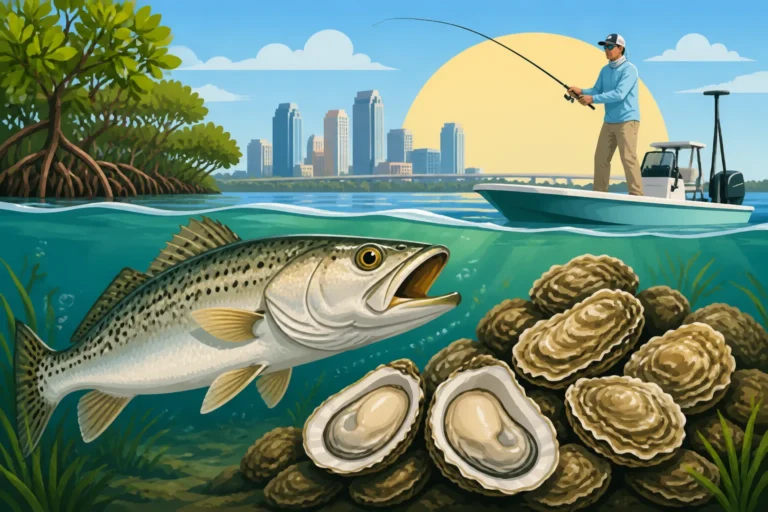
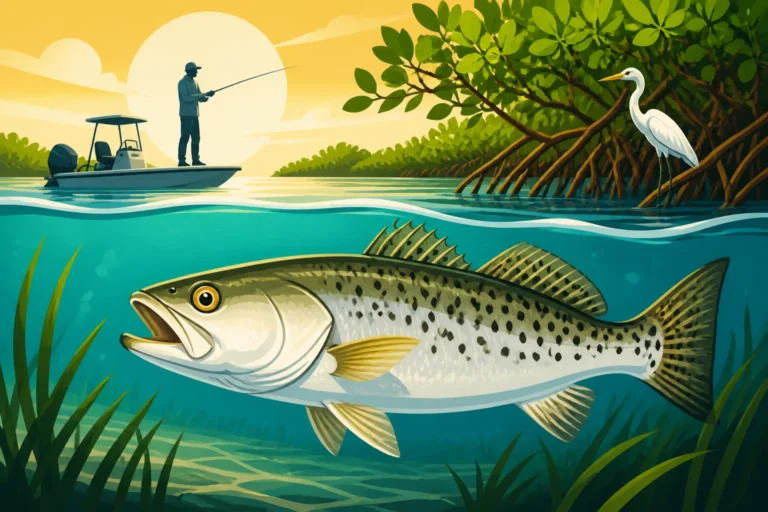
The main bay itself holds good numbers of spotted seatrout, especially during cooler months, and redfish often cruise the edges of the mangrove islands or gather around oyster bars. The real magic, however, lies in the myriad of feeder creeks and small ponds that empty into Chokoloskee Bay. These are prime ambush points for snook, particularly on a falling tide when bait is flushed out. Look for deeper bends in the creeks, submerged structure, or areas where current eddies form. Targeting these spots with live bait like pilchards or a well-placed jerkbait can yield incredible results. Further west, the waters around Coon Key and Lopez River are also highly productive, offering similar structure and species.
Indian Key Pass and Gullivan Bay
Moving slightly north and west from Chokoloskee, you'll find Indian Key Pass, a major thoroughfare for both fish and boats, connecting the inner bays with the Gulf of Mexico. The strong tidal flow through this pass oxygenates the water and brings in a constant supply of bait, making it a reliable spot for a variety of species.
Around Indian Key Pass, you'll encounter numerous small islands, points, and coves that provide excellent cover for snook and redfish. On an incoming tide, fish will often stage near the mouths of smaller creeks, waiting for bait to be swept in. When the tide starts to fall, these same fish will position themselves at choke points or deeper holes within the creeks. Beyond the pass, the expansive Gullivan Bay opens up, offering vast flats perfect for sight fishing redfish on calm days. Don't overlook the deep channels and passes around the larger islands, as these can hold migrating tarpon, particularly during their seasonal movements. Remember to check the Florida Tarpon Fishing Season Guide for the best times to target these silver kings.
Everglades City Access Points
Everglades City serves as another crucial access point to the eastern side of the Ten Thousand Islands. While it’s technically just outside the true "ten thousand" islands, the immediate surrounding areas and the routes leading into the heart of the backcountry from here are fantastic.
From the boat ramps in Everglades City, you can access the Barron River, which quickly branches off into numerous productive creeks like Halfway Creek, Turner River, and Huston Bay. These rivers and creeks are renowned for their snook populations, especially during the warmer months. The deep holes and sharp bends within these waterways are classic snook haunts. Additionally, the countless small islands and shallow oyster bars scattered throughout Huston Bay and the surrounding shallow water areas offer excellent opportunities for redfish. These spots are particularly good for kayak or shallow-draft skiff anglers who can quietly navigate into areas larger boats can't reach. It's truly a paradise for those who enjoy a more intimate connection with the environment, and many anglers even find that it's worth exploring the different Everglades Fishing Guide options available to fully capitalize on this rich fishery.
Targeting Key Species in the Backcountry
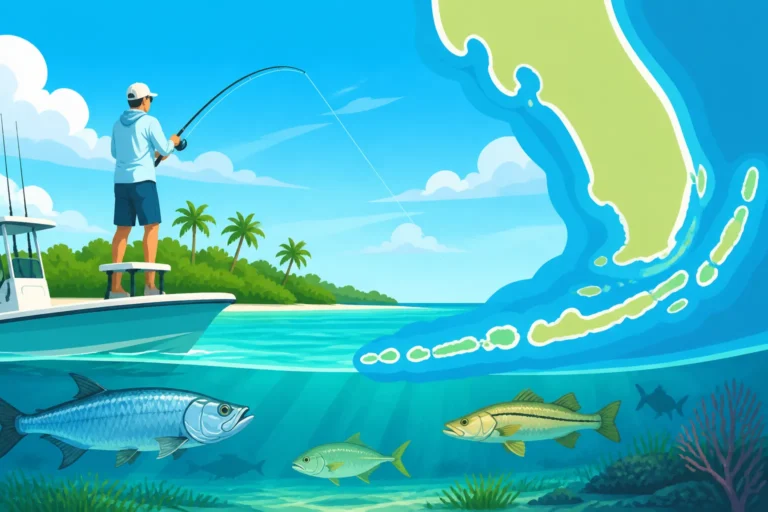
The Ten Thousand Islands backcountry is most famous for its "big three" inshore species: snook, redfish, and tarpon. Each requires slightly different approaches, but understanding their habits in this unique environment will significantly increase your chances of success.
Snook, Redfish, and Tarpon Hotspots
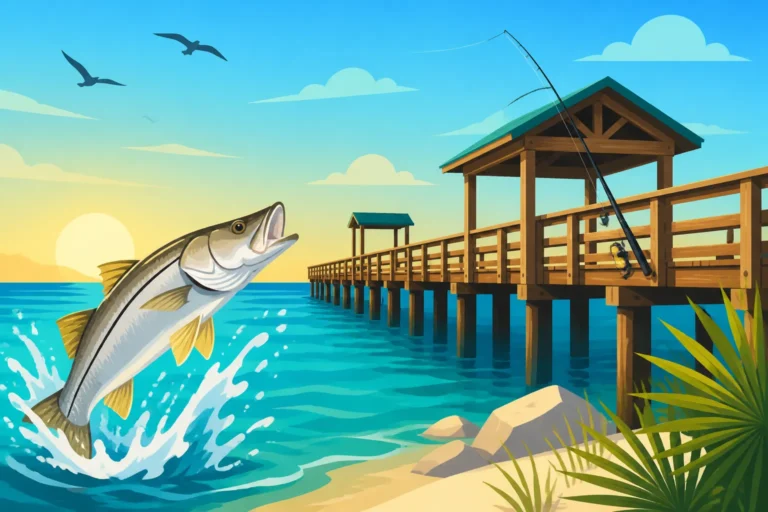
- Snook: These powerful fighters are king in the Ten Thousand Islands. They absolutely thrive in the mangrove environment, using the tangled roots for ambush points and protection. Look for snook along mangrove shorelines, especially where there's a good current flow, at the mouths of creeks, around oyster bars, and in deeper holes within the channels. A falling tide is often prime time, as bait is pushed out of the mangroves. In the cooler months, snook will often push into deeper, warmer canals and rivers. You can find more specific guidance in our Florida Snook Fishing Guide.
- Redfish: Redfish are the quintessential shallow-water dwellers of the backcountry. They love to cruise grass flats, oyster bars, and the muddy edges of mangrove islands, often "tailing" as they root for crabs and shrimp. On higher tides, they'll push deep into the mangroves, while on lower tides, they concentrate on the edges of the flats and deeper pockets. Sight fishing for redfish on calm, clear days is an incredible experience, but they can also be targeted by casting to likely ambush points.
- Tarpon: While not as consistently present as snook and redfish, the Ten Thousand Islands is a fantastic place to encounter juvenile and migratory tarpon, especially from late spring through early fall. Look for them rolling in the larger bays, passes, and deeper river channels. Juvenile tarpon will often hold in very remote, shallow ponds and creeks within the mangroves, offering unique sight-casting opportunities. Tarpon in these areas can range from small, acrobatic "pups" to legitimate giants. Knowing the seasonal patterns can greatly improve your chances, so check out the Florida Tarpon Fishing Season Guide.
Best Baits and Techniques for Backcountry Success
The Ten Thousand Islands backcountry demands a versatile approach when it comes to bait and techniques. What works one day might not work the next, depending on tide, weather, and water clarity.
Live Bait: When in doubt, live bait is almost always a winner in the backcountry. Mullet, pilchards, pinfish, and shrimp are all natural prey for snook, redfish, and tarpon. A good cast net is indispensable for gathering your own bait, especially for mullet and pilchards which are abundant in the area. Presenting live bait on a simple circle hook with minimal weight, or freelined, is often the most effective method. For specifics on securing your catch, you might want to review how to Cast Netting for Bait in Florida Waters.
Artificial Lures: Don't underestimate artificials, especially if you enjoy active casting. Topwater lures like poppers and walk-the-dog baits can be incredibly exciting for snook and redfish, particularly during low light conditions or over shallow flats. Soft plastic jerkbaits rigged weedless are excellent for working mangrove lines and grass beds without snagging. Jigs with grub tails or shrimp imitations are versatile and can be fished effectively in various depths and conditions. MirrOlure, D.O.A. Lures, and Z-Man are popular brands that produce effective lures for these waters. Learning various Florida Inshore Fishing Techniques will certainly give you an edge.
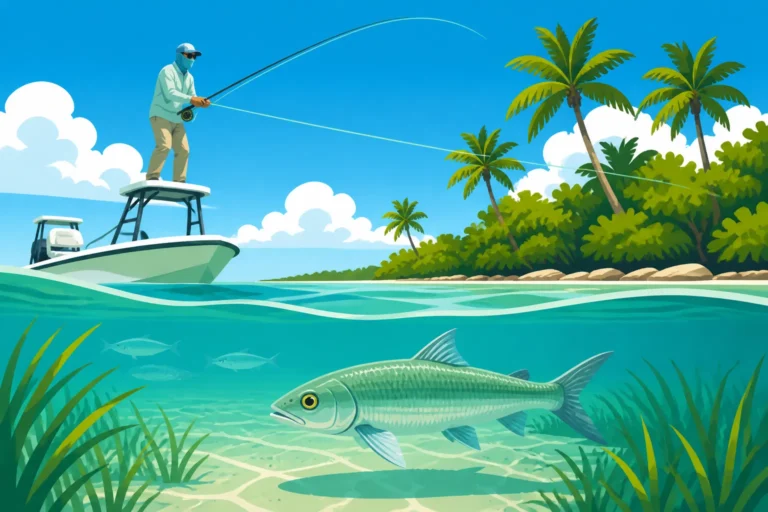
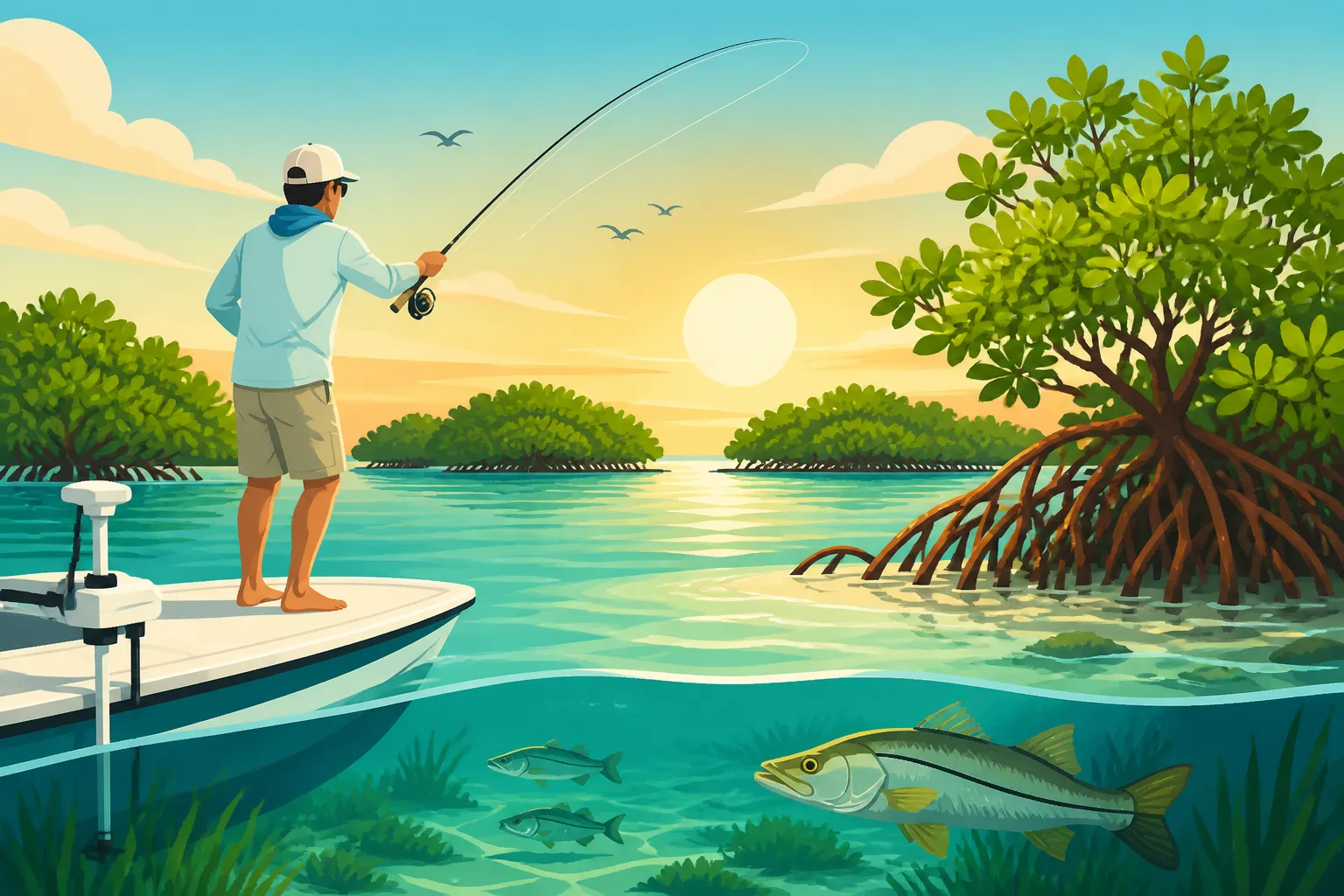
Fly Fishing: For the dedicated fly angler, the Ten Thousand Islands backcountry offers world-class opportunities. Targeting redfish and snook with flies imitating shrimp, crabs, and baitfish can be incredibly rewarding. The shallow flats are ideal for sight fishing, and the mangrove channels provide endless targets. A 7-9 weight rod is generally sufficient for snook and redfish, while an 11-12 weight is needed for tarpon.
| Species Targeted | Best Time of Year | Preferred Habitat | Common Baits/Lures |
|---|---|---|---|
| Snook | Spring, Summer, Fall | Mangrove shorelines, creek mouths, deep channels | Live pilchards/mullet, soft plastic jerkbaits, topwater plugs |
| Redfish | Year-round | Shallow grass flats, oyster bars, mangrove edges | Live shrimp/crab, weedless spoons, soft plastics |
| Tarpon (juvenile) | Spring, Summer, Fall | Remote ponds, deep creek bends, larger passes | Live pilchards/mullet, Gulp! shrimp, large flies |
| Spotted Seatrout | Fall, Winter, Spring | Open grass flats, sandy potholes in bays | Live shrimp, soft plastic jigs, popping corks |
Essential Tips for a Successful Backcountry Trip
Venturing into the Ten Thousand Islands requires more than just a rod and reel; it demands preparedness, a healthy respect for nature, and a keen eye for safety.
Safety First: Weather, Tides, and Navigation
The backcountry is a wild place, and conditions can change rapidly. Always check the weather forecast before heading out, paying close attention to pop-up thunderstorms, which are common in Florida, especially during summer. These storms can bring sudden, intense downpours and lightning. Strong winds can also make navigation difficult and turn calm waters into a choppy mess.
Tides are your master in the backcountry. They dictate fish movement, accessibility to certain areas, and safety. A falling tide can leave you stranded on a shallow flat, while an incoming tide can open up new areas to explore. Always carry enough fresh water, sun protection (hat, sunglasses, long-sleeved shirts), and a first-aid kit. File a float plan with someone on shore, letting them know your intended route and expected return time, especially if you plan to venture deep into the remote areas. Consider getting a Florida Fishing License Guide to ensure you're compliant with regulations.
Choosing a Guide or Going Solo
For many, the Ten Thousand Islands is best experienced with a seasoned local guide. These captains possess an unparalleled knowledge of the intricate waterways, the seasonal movements of fish, and the specific techniques that work best in these challenging conditions. They can navigate safely, put you on fish, and provide an invaluable educational experience. Platforms like FishingBooker make it easy to find and book reputable Florida Fishing Charter Guide options in the Everglades City or Chokoloskee area, allowing you to compare different captains and their specialties. They often handle all the necessary gear and bait, making for a hassle-free trip.
However, if you're an experienced angler with proper navigation equipment and a shallow-draft boat or kayak, exploring solo can be an incredibly rewarding adventure. Just ensure you’ve done your homework, understand the local Florida Fishing Regulations and Bag Limits, and prioritize safety. Start with more accessible areas around Chokoloskee Bay or Everglades City before venturing deeper into the truly remote sections. Don't be afraid to pull out a map or your GPS frequently, and remember that patience and observation are your best allies in this intricate environment. For those considering a charter, reviewing What to Bring on a Florida Fishing Charter can also be very helpful.
The Backcountry Fishing Experience
Fishing in the Ten Thousand Islands backcountry is more than just catching fish; it's about immersing yourself in one of Florida's last true wilderness areas. The silence, broken only by the calls of wading birds or the splash of a leaping fish, is truly captivating.
Beyond the Catch: Wildlife and Scenery
While the fishing is phenomenal, the overall experience extends far beyond what you reel in. The Ten Thousand Islands is a haven for wildlife. You're almost guaranteed to spot a variety of wading birds like roseate spoonbills, white ibises, and great blue herons. Keep an eye out for ospreys diving for fish, and don't be surprised to see bottlenose dolphins cruising the deeper channels or manatees lazily grazing in the warmer waters. Alligators are also present in the brackish and freshwater-influenced areas, so always be aware of your surroundings.
The scenery itself is breathtaking, with endless vistas of mangroves meeting the sky, stunning sunrises and sunsets painting the horizon, and the subtle beauty of a truly wild, untamed landscape. It's a place that reconnects you with nature in a profound way, and even on days when the fish aren't biting aggressively, the sheer beauty of your surroundings makes the trip worthwhile. When you're booking through a service like FishingBooker, many guides are also excellent naturalists and can point out wildlife you might otherwise miss.
Preserving This Pristine Fishery
The Ten Thousand Islands is a fragile ecosystem, and responsible angling is crucial to its preservation. Always practice catch-and-release, especially for larger breeding fish, and handle all fish with care to ensure their survival. Use appropriate tackle to minimize stress on the fish. Avoid running aground on oyster bars or grass flats, which can damage vital habitat.
Pack out everything you pack in, and leave no trace of your visit. This includes fishing line, lure packaging, and any food waste. Respect the wildlife by maintaining a safe distance and never feeding them. By following these simple guidelines, we can all do our part to ensure that the Ten Thousand Islands remains a pristine and productive fishery for generations to come. Many guides found on FishingBooker are passionate about conservation and can share best practices while on your trip.
Disclaimer
Fishing involves inherent risks, including but not limited to adverse weather conditions, wildlife encounters, and boating hazards. Always prioritize safety, wear appropriate personal flotation devices, and ensure you are familiar with all local regulations and safety guidelines before embarking on any fishing trip. This guide provides general information and recommendations, and individual experiences may vary.