Best Bridges Near Miami for Shore Fishing
If you've ever stood on the bustling shores of Miami, rod in hand, feeling a mix of excitement and frustration, you know the struggle. Finding that perfect fishing spot without a boat can feel like searching for a needle in a haystack. But fear not, fellow angler! Miami's numerous bridges aren't just for traffic; they're absolute goldmines for shore fishing, offering accessible and often incredibly productive opportunities to reel in some fantastic catches right from the bank or pavement. This guide will walk you through the best bridge fishing spots near Miami, offering practical advice to make your next outing a success.
Why Bridges are Goldmines for Shore Anglers
Bridges, often overlooked by many, are natural magnets for fish, creating complex ecosystems that attract a wide variety of species. From their foundational structures to the currents they influence, bridges offer distinct advantages that make them prime real estate for savvy shore anglers. It's not just about convenience; it's about understanding how these man-made structures mimic and enhance natural fish habitats.
Structure and Habitat Attracting Fish
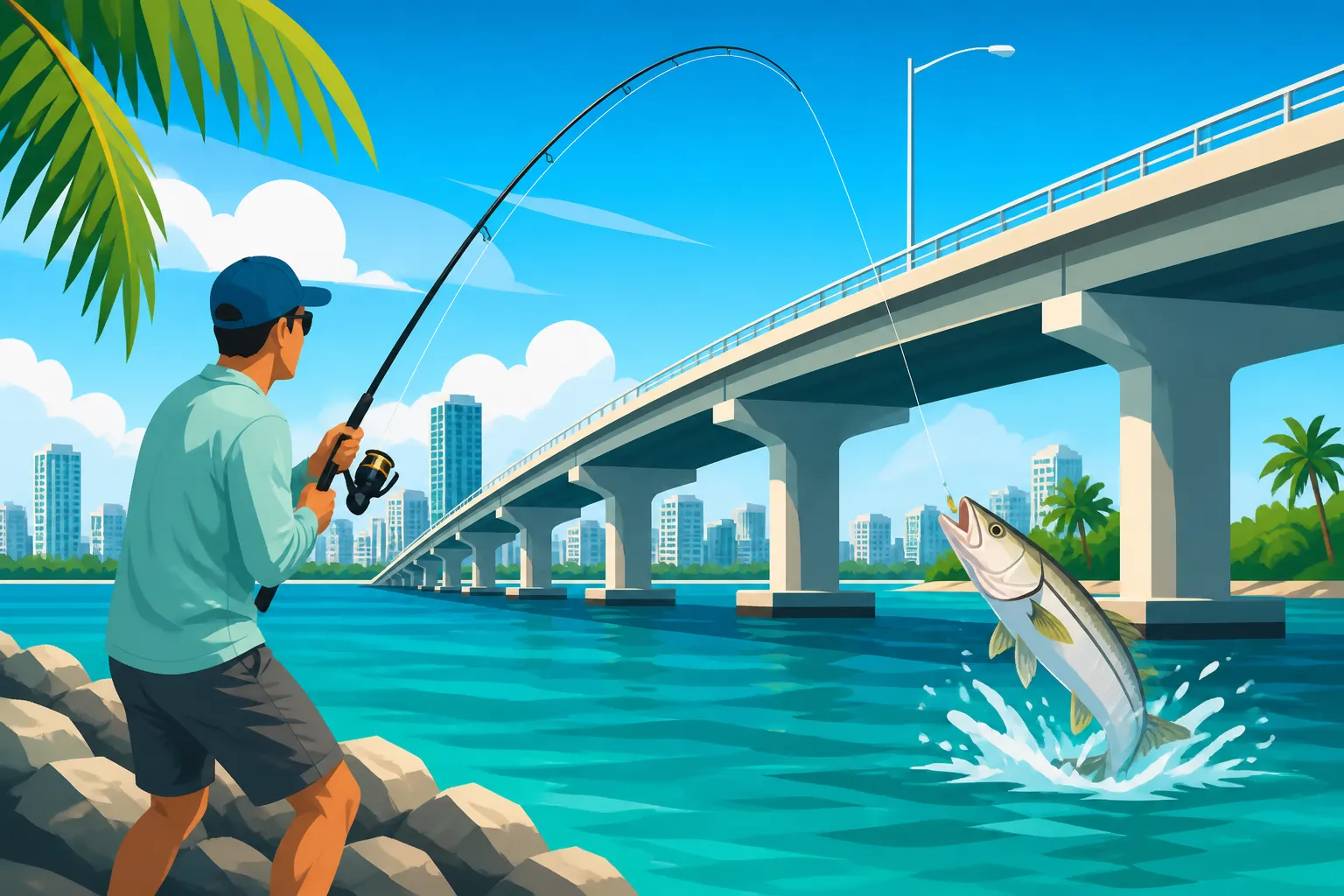
Think about it: bridge pilings, abutments, and even the debris that collects around them provide an abundance of cover and ambush points for predatory fish. These structures break up the current, creating eddies and slack water zones where smaller baitfish can rest and feed, inadvertently becoming easy targets for larger game fish. Imagine a snook or a redfish lurking in the shadows of a pilings, just waiting for an unsuspecting shrimp or mullet to drift by. This intricate underwater architecture is like a multi-story apartment complex for marine life, offering protection from predators, strong currents, and even the scorching Florida sun. The sheer amount of vertical structure also provides a substrate for barnacles, oysters, and other invertebrates, further enriching the food chain right where you're casting. This constant supply of food and shelter means that once fish find a bridge, they tend to stick around.
Current and Baitfish Concentration
One of the most critical factors in successful bridge fishing is the current. Bridges, especially those spanning inlets or tidal rivers, act like funnels, constricting water flow and intensifying currents. This accelerated water movement does two wonderful things for anglers: first, it disorients and pushes baitfish through a concentrated area, making them an easy meal. Second, it carries nutrients and food particles, drawing in smaller fish, which in turn attract larger predators. When you find a bridge with strong tidal flow, you're essentially fishing a natural conveyor belt of food. It's like setting up a dinner plate for the fish. Knowing how to read these currents and position your bait or lure accordingly can dramatically increase your hook-up rates. For instance, an outgoing tide near an inlet bridge can be fantastic for targeting species like tarpon and snook as they ambush bait being flushed out from the shallower backcountry.
Accessibility and Convenience for Anglers
Let's be honest, not everyone has a boat, and even those who do sometimes prefer the simplicity of shore fishing. Bridges offer unparalleled accessibility. You can often park nearby, walk a short distance, and be casting in minutes. This convenience makes them perfect for a quick evening session after work, a leisurely weekend outing with the family, or even a spur-of-the-moment fishing trip when the bite is on. Forget the hassle of launching a boat, dealing with trailers, or navigating crowded waterways. With bridge fishing, it's just you, your rod, and the water. Plus, many bridges offer sidewalks or dedicated fishing platforms, providing a safe and stable environment to cast, especially in areas with heavy foot traffic. Just remember to always be mindful of your surroundings and other people enjoying the area.
Top Bridges Near Miami for Productive Shore Fishing
Miami is blessed with an abundance of waterways, and with them, many bridges that span these fish-rich channels. While some bridges are purely for transit, several have become legendary spots for shore anglers thanks to their unique characteristics and the consistent catches they produce. You might be surprised at the variety of species you can hook within a stone's throw of urban hustle.
Rickenbacker Causeway Bridges
Stretching from mainland Miami to Key Biscayne, the Rickenbacker Causeway isn't just a scenic drive; it's a series of fishing hotspots. The various bridges along this stretch offer fantastic opportunities, particularly around the slower-moving waters of Biscayne Bay and the faster currents entering and exiting the channels. You'll find a mix of smaller pilings and larger spans, each creating its own productive micro-habitat.
One of the most popular spots is near the Rusty Pelican restaurant, where the bridge offers good access to both sides of the channel. Here, anglers often target spotted seatrout, mangrove snapper, and various species of jacks. During the cooler months, you might even encounter snook and redfish moving through. The key here is to cast close to the pilings, letting your bait or lure drift with the gentle currents. Live shrimp, small crabs, or artificials like soft plastic paddletails work wonders. Because of the clear water, lighter fluorocarbon leaders are often necessary. The causeway also offers plenty of parking, though it does require a toll to access Key Biscayne. This area is fantastic for a family outing, and you can often see dolphins playing in the distance while you fish. Before you head out, make sure to check the specific Florida Saltwater Fishing License Rules to ensure you're covered, as these are saltwater regulations.
Haulover Inlet Bridge
If you're looking for serious current and the chance at some truly impressive fish, the Haulover Inlet Bridge is your go-to. Located between Sunny Isles Beach and Bal Harbour, this bridge spans one of the busiest and most dynamic inlets in South Florida, connecting the Intracoastal Waterway to the Atlantic Ocean. The currents here can be incredibly strong, especially during peak tidal flows, making it a challenging but highly rewarding spot.
Anglers at Haulover frequently hook into a wide array of species. Tarpon are a major draw, especially during their spring and summer migrations, often seen rolling on the surface or breaking schools of bait. Snook are also prevalent, using the strong currents and rocky jetties as ambush points. Other common catches include Spanish mackerel, bluefish, jacks, and even small sharks. To fish Haulover effectively, you'll need heavier tackle to contend with the current and the potential for large fish. Live bait, such as mullet or pilchards, freelined or fished on a weighted rig, is highly effective. Artificial lures like large jigs or swimming plugs can also produce strikes. Be aware that this area can get very crowded, so patience and good casting etiquette are essential. Given the size of the fish you might encounter, make sure to read up on Catch and Release Best Practices for Snook and other species to ensure their survival.
MacArthur Causeway Bridges
Connecting downtown Miami to Miami Beach, the MacArthur Causeway is another vital artery with several bridge sections that provide fishing access. While perhaps not as famed as Haulover for monster fish, these bridges offer very accessible urban fishing with consistent opportunities for a variety of inshore species. The area around the Venetian Causeway intersection and the main bridges spanning the Intracoastal Waterway are particularly popular.
Anglers here often target mangrove snapper, grunt, sheepshead, and various small to medium-sized jacks. These spots are excellent for those looking for a relaxing day of fishing without venturing too far from the city's amenities. Light tackle fishing with live or cut bait (shrimp, squid, small pieces of fish) on a simple bottom rig or a bobber setup can be very productive. The bridges provide ample overhead cover and shade, which can be a relief on hot Miami days. You'll find plenty of pedestrian walkways, making it easy to find a comfortable spot. It's also a great place to introduce kids to fishing, as the action can be steady with smaller, more manageable fish. Remember that even young anglers have Florida Fishing License Age Requirements to consider, so double-check those rules before you go.
Card Sound Road Bridge
Venturing a bit south into the upper Florida Keys, the Card Sound Road Bridge is a classic Florida fishing destination that’s still very much accessible from the Miami area. While it's a bit of a drive, the serene, less crowded environment and the quality of fishing often make the trip worthwhile. This bridge connects the mainland of Miami-Dade County to the northern tip of Key Largo, spanning a wide, productive channel.
The Card Sound Road Bridge is renowned for its excellent fishing for snook, redfish, and tarpon, especially during their respective seasons. You'll also find a good population of mangrove snapper, permit, and various sharks. The water here is often clearer than in the immediate Miami Bay areas, offering fantastic sight-fishing opportunities on calm days. Live baits like pilchards, pinfish, and shrimp are highly effective, as are artificial lures resembling baitfish. Many anglers prefer fishing the outgoing tide, as it flushes bait from the surrounding flats and mangroves into the main channel. The bridge offers plenty of safe parking and wide shoulders, making it comfortable for shore anglers. If you're serious about targeting specific species like snook, familiarizing yourself with a comprehensive Florida Snook Fishing Guide or a Florida Tarpon Fishing Guide would be incredibly beneficial before making the drive.
Essential Tips for Bridge Fishing in Miami
Bridge fishing can be incredibly rewarding, but it comes with its own set of nuances and challenges. To maximize your chances of success and ensure a safe, enjoyable experience, a few key considerations can make all the difference. From your gear choices to understanding the rhythm of the tides, being prepared is half the battle.
Gear and Bait Considerations for Bridges
When fishing from bridges, your tackle needs to be versatile and sturdy enough to handle potentially strong currents and powerful fish. A medium-heavy spinning rod (7-8 feet) paired with a 4000-6000 size reel spooled with 20-30 lb braided line is a good all-around setup. The braid offers excellent casting distance and sensitivity, and its strength is crucial for pulling fish away from bridge pilings and other abrasive structures.
For leaders, fluorocarbon is your best friend. It's nearly invisible underwater and highly abrasion-resistant, which is vital when fish are rubbing your line against concrete or rocks. Carry a variety of leader strengths, from 20 lb for lighter applications like snapper to 50-80 lb for targeting larger snook or tarpon.
Bait selection is critical. Live bait often outperforms artificials, especially for picky fish. Common and effective live baits include live shrimp (read up on Best Live Bait for Florida Inshore Fishing for more detail), pilchards, threadfin herring, and finger mullet. You can freeline these baits, use a float, or add a small weight to get them down to the desired depth. For artificials, consider soft plastic jerkbaits, paddletails on jig heads, swimming plugs, and bucktail jigs. These can imitate baitfish effectively and allow you to cover more water. Remember to match the hatch – use lures that resemble the baitfish prevalent in the area.
Tides and Timing for Optimal Bites
Understanding tides is paramount for bridge fishing in Miami. The changing water levels and currents dictated by the tides significantly influence fish behavior and where they position themselves. Generally, the moving water during an incoming or outgoing tide is more productive than slack tide (the period of minimal water movement between tides).
- Outgoing Tide: As the tide pulls water from the shallower flats and mangrove systems, it flushes out baitfish, crabs, and other food sources. Fish like snook, tarpon, and redfish will often stage near bridge openings, jetties, or channel edges, ambushing this outgoing bounty. This can be particularly effective at bridges connecting to the Atlantic Ocean, such as Haulover Inlet.
- Incoming Tide: The incoming tide brings cooler, cleaner water from the ocean or deeper bay areas, often signaling feeding time for many species. Fish will move into the channels and around bridge structures, looking for fresh food. This can be great for snapper, grouper, and various baitfish.
- Low Light Conditions: Don't forget the power of low light. Dawn and dusk are prime feeding times for many predatory fish, especially snook and tarpon, as they use the reduced visibility to their advantage. Night fishing under bridge lights can also be incredibly productive, as the lights attract baitfish, which in turn attract predators.
You can check local tide charts online or through various fishing apps to plan your trips accordingly. Knowing the Best Time of Day to Fish in Florida can give you a significant advantage, particularly around these tidal structures.
Safety and Etiquette on Busy Bridges
Fishing on bridges, especially in a bustling city like Miami, requires a heightened awareness of safety and courtesy.
- Personal Safety: Always be mindful of traffic. Wear bright clothing, especially if fishing at dawn, dusk, or night. Keep your gear organized and out of the way of pedestrians and cyclists. Never cast over or near power lines. Bring plenty of water, sunscreen, a hat, and polarized sunglasses to protect yourself from the harsh Florida sun. If you're going to be out for a while, consider what to bring on a What to Wear on a Florida Fishing Charter for useful general tips on attire and essentials.
- Casting Space: Bridge fishing spots can get crowded. Be respectful of other anglers' space and casting lanes. Avoid casting directly over someone else's line. If you're using bait, try not to "chum" excessively if it might interfere with others.
- Environmental Responsibility: Pack out everything you pack in. Dispose of all trash, including discarded fishing line and bait containers, properly. Monofilament line can be deadly to wildlife. Many tackle shops and marinas have recycling bins specifically for fishing line. If you see litter, consider picking it up – it helps keep our beautiful waters clean for everyone.
- Handling Fish: Handle fish gently, especially if you plan to release them. Use a dehooker or pliers to minimize harm. Larger fish like tarpon and snook should be handled with care, avoiding prolonged time out of the water. This also helps you comply with Florida Fishing Regulations and Bag Limits, which are strictly enforced.
If you're looking to branch out from shore fishing or want a local expert to guide you, platforms like FishingBooker can connect you with captains who know these waters intimately. Even if you’re primarily a shore angler, checking out local charter listings on FishingBooker can give you an idea of what species are biting and what techniques guides are using in the area. This can be a great way to gain insights even for your bridge fishing adventures.
Overview of Miami Bridge Fishing Hotspots
To give you a quick comparative look at some of the best bridge fishing opportunities near Miami, here's a handy table summarizing what each location offers:
| Bridge Name | Primary Target Species | Best Tides | Key Features & Tips | Distance from Downtown Miami |
|---|---|---|---|---|
| Rickenbacker Causeway | Spotted Seatrout, Mangrove Snapper, Jacks, Snook, Redfish | Incoming/Outgoing | Great accessibility, scenic, family-friendly. Use light tackle, clear water. | 10-15 minutes |
| Haulover Inlet Bridge | Tarpon, Snook, Spanish Mackerel, Bluefish, Jacks, Sharks | Strong Outgoing | Heavy currents, potential for large fish. Heavier tackle needed. Can be crowded. | 25-35 minutes |
| MacArthur Causeway | Mangrove Snapper, Grunts, Sheepshead, Jacks | Incoming/Outgoing | Urban fishing, easy access. Good for light tackle, consistent bites for smaller fish. | 5-10 minutes |
| Card Sound Road Bridge | Snook, Redfish, Tarpon, Mangrove Snapper, Permit | Outgoing (preferred) | Less crowded, clearer water, excellent sight fishing. A bit of a drive, worth it. | 45-60 minutes |
Each of these bridges offers a unique experience, from the urban convenience of the MacArthur Causeway to the wilder feel of Card Sound Road. They all, however, share the common thread of providing fantastic structure, current, and bait aggregation that makes them such productive shore fishing spots. Planning a trip to Miami? While bridge fishing is fantastic, consider browsing FishingBooker to explore the diverse charter options available if you want to experience the full range of Florida's fishing wonders.
No matter which bridge you choose, remember that patience and persistence are key to successful fishing. Sometimes the bite is hot, and sometimes you have to work for it. But the thrill of reeling in a strong fish, especially from a public spot accessible by foot, is an unbeatable feeling. So grab your gear, check the tides, and head out to one of Miami's many fantastic fishing bridges – your next big catch might just be waiting there.
Disclaimer
Please note that fishing regulations, bag limits, and licensing requirements can change. Always consult the latest Florida Fish and Wildlife Conservation Commission (FWC) regulations before fishing. This guide is for informational purposes only and does not constitute legal advice. Adhere to all local laws and safety guidelines.