Best Spots Around Sanibel Island for Fishing
If you've ever dreamt of casting a line in clear, calm waters, surrounded by stunning natural beauty and abundant fish, you've likely envisioned a place like Sanibel Island. But sometimes, finding that perfect spot or understanding the local nuances can feel a bit daunting amidst all the options. This guide is here to cut through the noise, helping you pinpoint the absolute best fishing spots around Sanibel Island, whether you're a seasoned angler or just looking to enjoy a relaxing day on the water.
Why Sanibel Island is a Fishing Paradise
Sanibel Island, nestled on Florida's southwest coast, isn't just famous for its shelling; it's a bonafide angler's paradise. The unique geography and ecological makeup of the area create an incredibly rich and diverse fishery, making it a prime destination for those looking to hook into a variety of species, from hard-fighting game fish to delicious table fare. It's truly a special corner of the Sunshine State where the blend of calm backwaters and Gulf access creates endless possibilities.
Unique Estuary System and Diverse Habitats
What makes Sanibel and its surrounding waters so special for fishing is its incredible estuary system, primarily fed by the Caloosahatchee River and connecting to the vast Pine Island Sound. This mix of freshwater inflow and saltwater tides creates a brackish environment rich in nutrients, which in turn supports a thriving food chain. Think about it: juvenile fish have plenty of places to hide and feed, which then attracts larger predatory species. Mangrove shorelines, oyster bars, seagrass flats, and intricate channels all converge here, providing a smorgasbord of habitats for different fish species.
The intricate network of mangroves and seagrass beds are essentially nurseries for many of Florida’s most prized inshore species. Redfish, snook, and spotted seatrout thrive in these protective environments, ambushing prey as the tides ebb and flow. These areas offer shelter, food, and breeding grounds, creating a sustainable ecosystem that keeps the fishing consistently good. It's not just about one type of fish either; you'll find everything from snapper and flounder to a variety of baitfish, all contributing to the vibrant underwater world that keeps anglers coming back year after year.
Year-Round Opportunities for Anglers
One of the greatest appeals of fishing around Sanibel Island is that it truly offers year-round angling opportunities. While some areas of Florida have distinct seasonal "off" periods, Sanibel's mild climate and diverse fishery mean there's always something biting. During the cooler months, you might find snook and redfish congregating in deeper pockets and canals, seeking warmer water. As spring arrives, the waters warm up, and migratory species like Spanish mackerel and pompano become more active in the passes and nearshore Gulf waters.
Summer brings the excitement of tarpon season, often referred to as the "Silver King," as these magnificent fish migrate through the passes. The warmer months are also excellent for targeting species like mangrove snapper and Goliath grouper in various structures. Even during the peak heat of summer, early mornings and late evenings can provide fantastic action in the shaded mangroves or under dock lights. It really depends on what you're hoping to catch, but with a little local knowledge, you can almost always find a productive bite. For a more general overview of what's biting when, check out our guide on Best Time of Year to Fish in Florida.
Top Fishing Spots for Every Angler on Sanibel Island
Choosing where to drop your line around Sanibel can be as enjoyable as the fishing itself, thanks to the sheer variety of spots available. From the roaring currents of major passes to the serene calm of interior bays, there’s a perfect location for every style of fishing and every level of experience. Whether you're casting from shore, poling a skiff, or heading out in a larger boat, Sanibel delivers.
Captiva Pass and Blind Pass
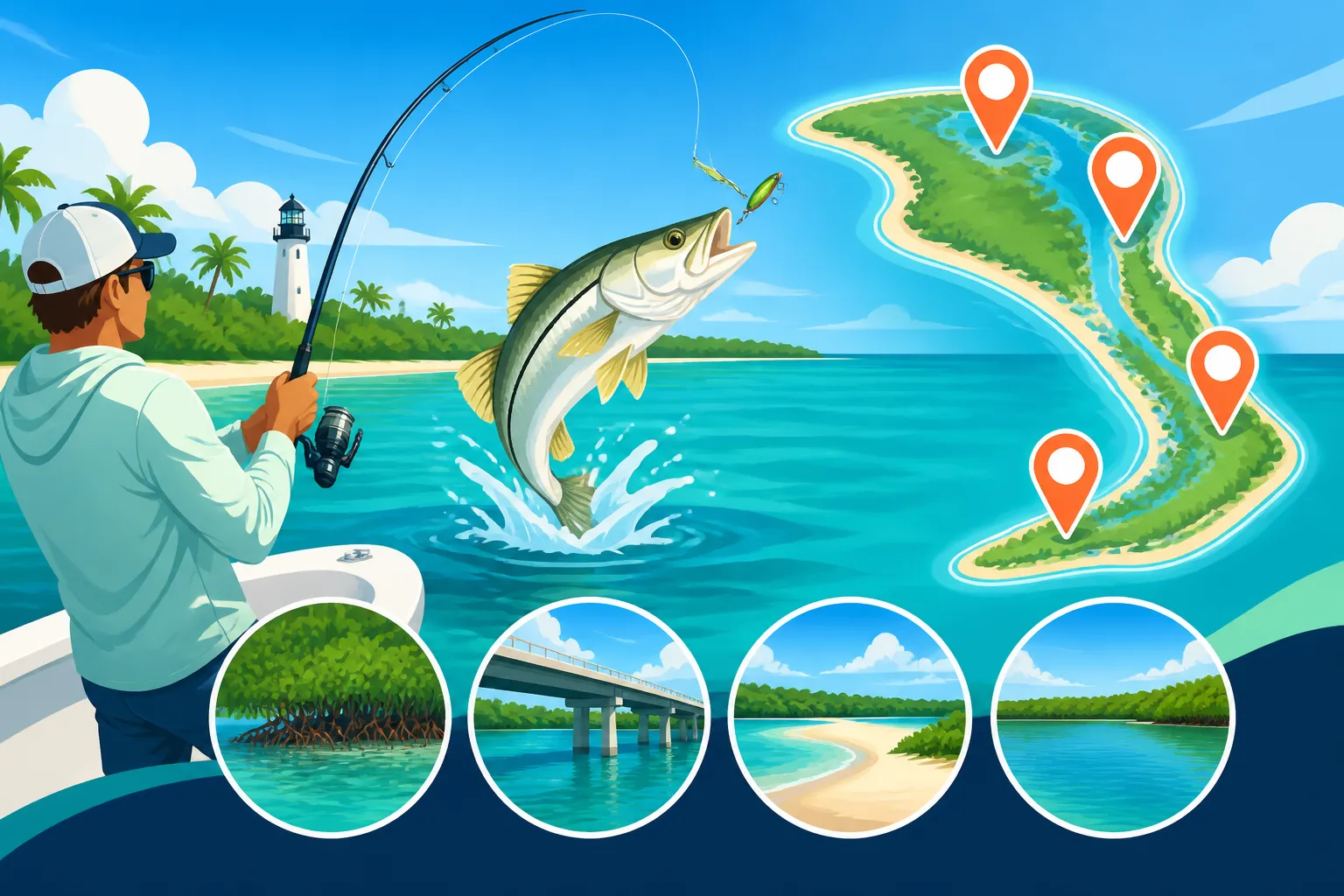
These two passes are legendary among Southwest Florida anglers, and for good reason. They are the gateways where the calm waters of Pine Island Sound meet the Gulf of Mexico, creating powerful currents that funnel baitfish and larger predators alike. Blind Pass, connecting Sanibel and Captiva, is particularly famous, often yielding impressive catches right from the shore. The turbulent waters around the pass's bridge and rock jetties are prime ambush points for trophy snook and hefty redfish, especially during outgoing tides when bait is flushed out.
Fishing here requires stout tackle and a keen understanding of the tides. Many anglers prefer live bait such as pilchards, mullet, or shrimp, free-lined into the current or fished on a weighted rig. Artificial lures like bucktail jigs, soft plastic paddle tails, and topwater plugs can also be incredibly effective, particularly around dawn and dusk. Just be mindful of the strong currents and respect the protected areas; these spots are so productive partly because of strict regulations. It's an exciting, fast-paced fishing experience that often rewards patience with truly memorable catches.
Captiva Pass, just north of Blind Pass, offers similar dynamics but often sees less pressure from shore anglers, making it more popular for boaters. This pass is a hotspot for migratory species like Spanish mackerel and pompano, in addition to snook and redfish. Drifting through the pass with live bait or casting spoons and jigs can be very fruitful. The deep holes and sandy shoals also hold flounder and various species of snapper. If you're looking for an unforgettable fight with a powerful fish, these passes are where many anglers go to find it.
Tarpon Bay and Pine Island Sound
Moving away from the strong currents of the passes, Tarpon Bay and the vast expanse of Pine Island Sound offer a completely different, yet equally rewarding, fishing experience. Tarpon Bay, a protected area within the J.N. "Ding" Darling National Wildlife Refuge, is renowned for its tranquil, shallow waters teeming with wildlife. While the name suggests tarpon, it's actually an exceptional spot for spotted seatrout, redfish, and even some snook, particularly in the mangrove fringes. This area is fantastic for kayakers, canoers, and small skiffs, allowing anglers to quietly navigate the seagrass flats and mangrove tunnels.
Pine Island Sound itself is a massive body of water stretching north from Sanibel, dotted with countless small islands, oyster bars, and intricate channels. This is true backcountry fishing at its finest. Here, you can spend an entire day poling shallow flats, sight fishing for cruising redfish or casting into mangrove overhangs for elusive snook. Live shrimp and artificial lures like weedless spoons or soft plastics are staples here. The sheer size and complexity of the Sound mean there are always new spots to explore. If you're considering a guided trip, many local captains specialize in these waters, and platforms like FishingBooker can help you find experienced guides who know the Sound's secrets, ensuring a productive day exploring the shallow flats and mangrove creeks. Understanding the nuances of inshore fishing techniques is key here; our guide on Florida Inshore Fishing Techniques can offer some valuable insights.
Sanibel Causeway
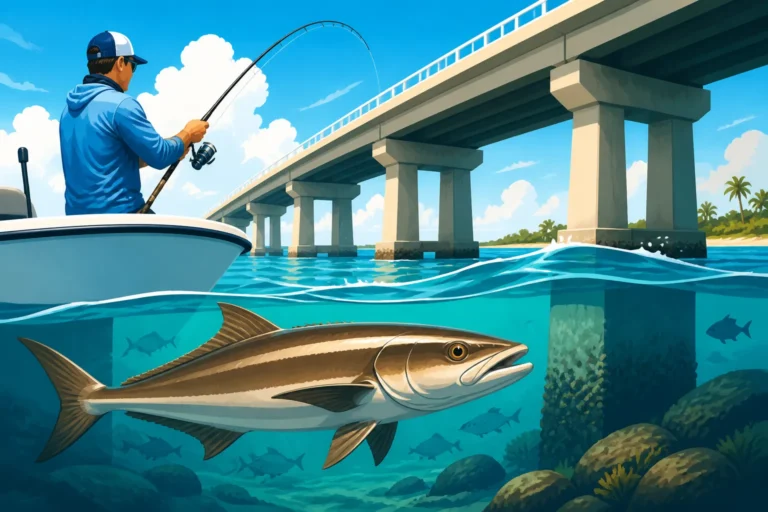
The Sanibel Causeway isn't just a bridge connecting the island to the mainland; it's a popular and highly accessible fishing destination in its own right. With several large pull-offs and designated fishing areas, it offers convenient access to excellent fishing without needing a boat. The waters around the causeway islands and beneath the bridges create natural fish habitats. The bridge pilings attract baitfish, which in turn draw in larger predatory species like snook, redfish, snapper, and even the occasional tarpon during migration.
Anglers here often use live shrimp or baitfish, cast close to the pilings, or fish on the edge of the deeper channels. Artificial lures like jigs and soft plastics can also be effective, especially when fished slowly along the bottom or jigged vertically. The causeway provides diverse opportunities, from fishing the calmer, shallow flats on either side of the islands to targeting deeper channels for larger fish. It's a fantastic spot for families, beginners, or anyone looking for a relaxed fishing experience with a good chance of catching something. Remember to always be mindful of traffic and other anglers, and be sure you have your Florida Saltwater Fishing License Rules in order.
Shore, Pier, and Kayak Fishing Adventures
Sanibel Island is incredibly angler-friendly, offering a wealth of opportunities for those who prefer to fish without a large boat. The calm Gulf waters, extensive shoreline, and protected bays lend themselves perfectly to fishing from the beach, a pier, or a kayak. This accessibility makes Sanibel a top choice for a wide range of fishing enthusiasts.
Best Beaches for Surf Fishing
Sanibel Island boasts miles of pristine beaches, and many of them offer fantastic surf fishing opportunities, especially during cooler months or early morning/late evening hours in summer. The gentle slope of the Gulf beach, combined with sandbars and troughs, creates ideal feeding grounds for a variety of species. Pompano are a highly sought-after catch, often found in the surf zone, especially in spring and fall. Whiting, redfish, and even snook can be caught right from the sand.
For surf fishing, a longer rod (9-12 feet) is generally recommended to cast beyond the breaking waves. Popular baits include live or dead shrimp, sand fleas, and small pieces of cut fish like mullet. Many anglers use a Pompano rig, which keeps the bait suspended off the bottom. Remember to pay attention to where the waves break and where the sandbars are; fish often cruise the troughs between the beach and the first sandbar. Bowman's Beach on the western tip of Sanibel and the beaches along Captiva Island are particularly popular for their productive surf fishing. If you're a Florida resident, you might even qualify for a Florida Free Shoreline Fishing License for Residents, so be sure to check those requirements.
Public Piers and Docks
While Sanibel isn't famous for large public fishing piers like some other Florida destinations, there are still excellent opportunities to fish from smaller public access points and even privately-owned docks if you have permission. The Sanibel Causeway islands, as mentioned, provide easy pier-like access from various points, allowing you to cast into deeper channels or along the edges of grass flats. These areas often have lights at night, which can attract baitfish and subsequently larger predators like snook and trout.
Beyond the causeway, many canals and residential areas have public docks or small bridge crossings that can be surprisingly productive. Always respect private property and be sure you're fishing in a public access area. Fishing under dock lights at night, especially during cooler months, is a classic Sanibel experience for trout and snook. Using small jigs, live shrimp, or artificial lures that imitate baitfish can yield excellent results. For general information on piers, you might be interested in our guide on Best Pier Fishing Spots in Florida.
Kayak and Paddleboard Fishing Hotspots
For those who crave a more intimate and serene fishing experience, kayaking or paddleboarding around Sanibel is an absolute dream. These silent vessels allow you to access incredibly shallow, protected areas where larger boats simply cannot go. Tarpon Bay, within the "Ding" Darling Refuge, is perhaps the most iconic spot for this. Paddling through the winding mangrove tunnels and across vast seagrass flats allows you to get right into the heart of redfish, snook, and trout habitat.
The calm waters of Pine Island Sound, accessible from numerous launch points on Sanibel or nearby Pine Island, also offer endless miles of pristine flats and mangrove shorelines perfect for kayak fishing. You can easily spend an entire day sight fishing for cruising fish in crystal-clear water. Light tackle is key here, often paired with artificial lures like soft plastic jerkbaits or weedless spoons, to avoid snagging on grass. Live shrimp or small baitfish under a popping cork can also be deadly. Kayak fishing offers an unparalleled sense of adventure and connection to the environment, making it a truly immersive way to experience Sanibel's fishery.
Essential Tips for a Successful Sanibel Fishing Trip
Fishing in a new location, even one as famous as Sanibel, can present its own set of challenges. Knowing a few local tricks and understanding the regulations can make all the difference between a good day and a truly epic one. Preparing properly is half the battle, and around Sanibel, a little bit of foresight goes a long way.
Understanding Tides and Seasons
When you're fishing around Sanibel Island, especially in the passes, understanding the tides is paramount. The movement of water through Blind Pass and Captiva Pass creates feeding opportunities for predatory fish. Generally, moving water—incoming or outgoing tides—is when fish are most active. The stronger the current, the more bait is flushed through, and the more aggressive the bite can be. Many local anglers swear by the outgoing tide in the passes for snook and redfish.
Beyond daily tides, understanding the broader seasons is also crucial. As we discussed, Sanibel offers year-round fishing, but what you target will shift. For instance, the renowned Florida Tarpon Fishing Season Guide is typically from April to July, bringing those magnificent silver kings to the passes. Snook fishing is excellent throughout the warmer months, but they move to deeper, warmer water during cold snaps. Redfish and seatrout are more consistent year-round residents of the flats and mangroves. Always check local fishing reports or talk to bait shop owners for the most current conditions and what's biting best.
Choosing the Right Bait and Tackle
For inshore fishing around Sanibel, versatility is key. Light to medium-light spinning gear (7-foot rod with a 2500-4000 series reel) spooled with 10-20 lb braided line and a fluorocarbon leader (20-40 lb) is a standard setup that can handle most situations. When it comes to bait, live shrimp are almost always a universal go-to for just about anything that swims. Live pilchards, greenbacks, or finger mullet, if you can catch them with a cast net, are absolute candy for snook and redfish.
Artificial lures are also highly effective. Soft plastic paddle tails (like those from Gulp! or Z-Man) on a jig head are excellent for imitating baitfish or shrimp. Topwater plugs are thrilling for snook and redfish in low-light conditions, while weedless spoons are fantastic for covering shallow grass flats without snagging. For a deeper dive into specific tactics, our Best Bait for Snook Fishing in Florida provides more targeted advice. Don't be afraid to experiment, and always carry a variety of options.
Local Regulations and Conservation Efforts
Fishing in Florida comes with specific rules and regulations designed to protect fish populations and ensure healthy ecosystems for future generations. Before you even cast your first line, make sure you have the proper Florida Fishing License Guide for saltwater or freshwater, depending on where you plan to fish. You can easily purchase these online through the Florida Fish and Wildlife Conservation Commission (FWC) website or at local tackle shops.
Beyond licenses, it's vital to be aware of species-specific regulations, including size limits, bag limits, and closed seasons. For example, snook and redfish often have slot limits, meaning you can only keep fish within a certain size range, and their seasons can vary by region. Certain species, like Goliath grouper, are protected and must be immediately released. Catch and release practices are highly encouraged, especially for sensitive species. Make sure you know how to properly handle fish for release to minimize stress and injury; our guide on Catch and Release Best Practices for Snook offers excellent tips. Responsible angling helps preserve Sanibel's incredible fishery for everyone to enjoy for years to come. If you're planning a trip and need a guide to help navigate these waters and regulations, a quick search on FishingBooker can connect you with local experts who prioritize sustainable fishing practices.
Sanibel Island Fishing Hotspots
| Spot Name | Primary Target Species | Recommended Method | Best Time of Day/Tide | Accessibility Notes |
|---|---|---|---|---|
| Blind Pass | Snook, Redfish, Mangrove Snapper, Tarpon | Live Bait, Jigs, Topwater | Outgoing Tide, Dawn/Dusk | Shore (jetty), Boat; Strong Currents |
| Captiva Pass | Snook, Redfish, Spanish Mackerel, Pompano, Tarpon | Live Bait, Jigs, Spoons | Moving Tides | Primarily Boat; Strong Currents |
| Tarpon Bay | Spotted Seatrout, Redfish, Snook | Live Shrimp, Soft Plastics | High Tide, Early Morning | Kayak/Canoe, Small Skiff; Protected Refuge Area |
| Pine Island Sound | Redfish, Snook, Spotted Seatrout, Flounder | Live Bait, Weedless Lures, Flies | Moving Tides, Sight Fishing | Kayak, Flats Boat; Vast, Shallow Estuary |
| Sanibel Causeway | Snook, Redfish, Sheepshead, Mangrove Snapper | Live Bait, Jigs, Cut Bait | Moving Tides, Night Fishing | Shore (designated areas), Boat; Easy Access, Bridge Pilings |
| Gulf Side Beaches | Pompano, Whiting, Redfish, Snook | Sand Fleas, Shrimp, Spoons | Incoming Tide, Cooler Months | Shore (surf fishing); Long Rods Needed |
Disclaimer
The information provided in this guide is for general informational purposes only. Fishing regulations, seasons, and licensing requirements can change. Always consult the latest rules and regulations published by the Florida Fish and Wildlife Conservation Commission (FWC) or other relevant authorities before engaging in any fishing activities. Ensure you have the proper licenses and adhere to all local, state, and federal laws. Fishing inherently carries risks; always prioritize safety on the water.