Best Spots in the Indian River Lagoon for Snook
It's incredibly frustrating when you hear all the buzz about snook fishing in the Indian River Lagoon, only to find yourself casting into seemingly empty water. This vast, complex estuary can be intimidating, making it tough to pinpoint those elusive "money spots" where the snook consistently hang out. But don't worry, you're not alone in feeling that way, and this guide is here to shed some light on the best places to target snook in the Indian River Lagoon, offering actionable tips to boost your success.
Understanding the Indian River Lagoon's Appeal for Snook
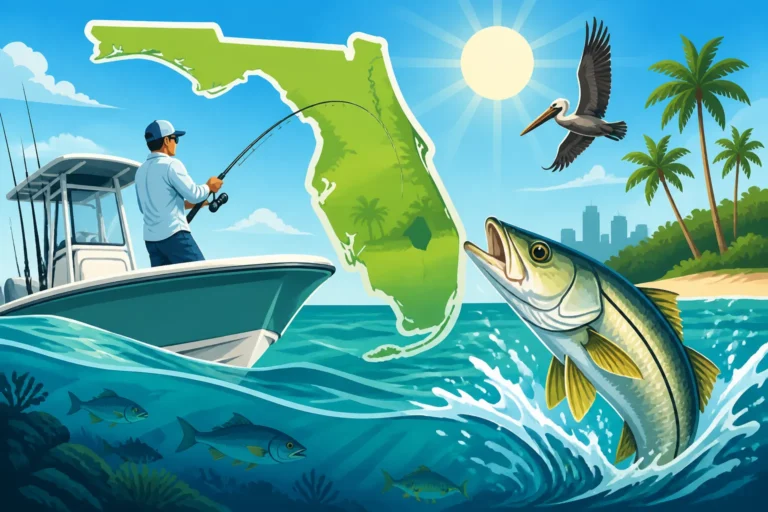
The Indian River Lagoon (IRL) is not just one body of water; it's a sprawling, biodiverse estuary system stretching 156 miles along Florida's east coast, encompassing the Mosquito Lagoon, Banana River, and the Indian River itself. This unique environment provides an ideal habitat for snook, making it one of Florida's premier snook fishing destinations.
Why the IRL is a Snook Paradise
Snook are ambush predators, and the Indian River Lagoon offers a smorgasbord of structure and forage that they absolutely adore. Think about it: miles of mangrove shorelines, intricate oyster bars, seagrass flats, residential docks, culverts, bridges, and numerous inlets connecting to the Atlantic Ocean. Each of these features provides perfect ambush points for snook to lie in wait for unsuspecting baitfish, shrimp, and crabs. The brackish water, a mix of fresh and saltwater, is particularly beneficial for snook, allowing them to thrive in diverse conditions. This rich ecosystem is teeming with the baitfish snook crave, such as mullet, pilchards, and menhaden, ensuring a constant food supply that helps them grow to impressive sizes.
What truly makes the IRL a snook haven is its relative shallowness and intricate network of interconnected waterways. This means snook can move freely between different zones, seeking out optimal temperatures, salinity levels, and food sources. The expansive seagrass beds, though they’ve faced challenges over the years, are critical nurseries for baitfish, which in turn support the entire food chain, including our beloved snook.
Key Factors Influencing Snook Presence
Finding snook in the IRL isn't just about showing up; it's about understanding the nuances of their behavior influenced by environmental factors. Water temperature is perhaps the most critical. Snook are very sensitive to cold, making them less active and more vulnerable when temperatures drop below 60 degrees Fahrenheit. Conversely, extremely hot water can also make them sluggish, leading them to seek cooler, deeper pockets of water or areas with strong tidal flow. You'll often find snook hunkering down in deeper channels or near warm water discharges during winter cold snaps.
Salinity also plays a role, especially given the lagoon's connection to freshwater sources and the ocean. Snook are euryhaline, meaning they can tolerate a wide range of salinities, but they often prefer the brackish conditions found in many parts of the lagoon. Tidal movement, particularly around inlets and river mouths, acts as a conveyor belt for baitfish and creates current breaks where snook can conserve energy and ambush prey. Learning to read a tide chart for fishing is paramount for snook success. The clarity of the water, influenced by rainfall, wind, and algal blooms, also dictates how snook feed. In clearer water, they're more visual hunters, while in murkier conditions, they might rely more on vibration and scent. Structure, whether natural like oyster beds and mangroves, or man-made like docks and bridges, is almost always a magnet for snook, offering cover and feeding opportunities.
Prime Snook Hotspots in the Indian River Lagoon
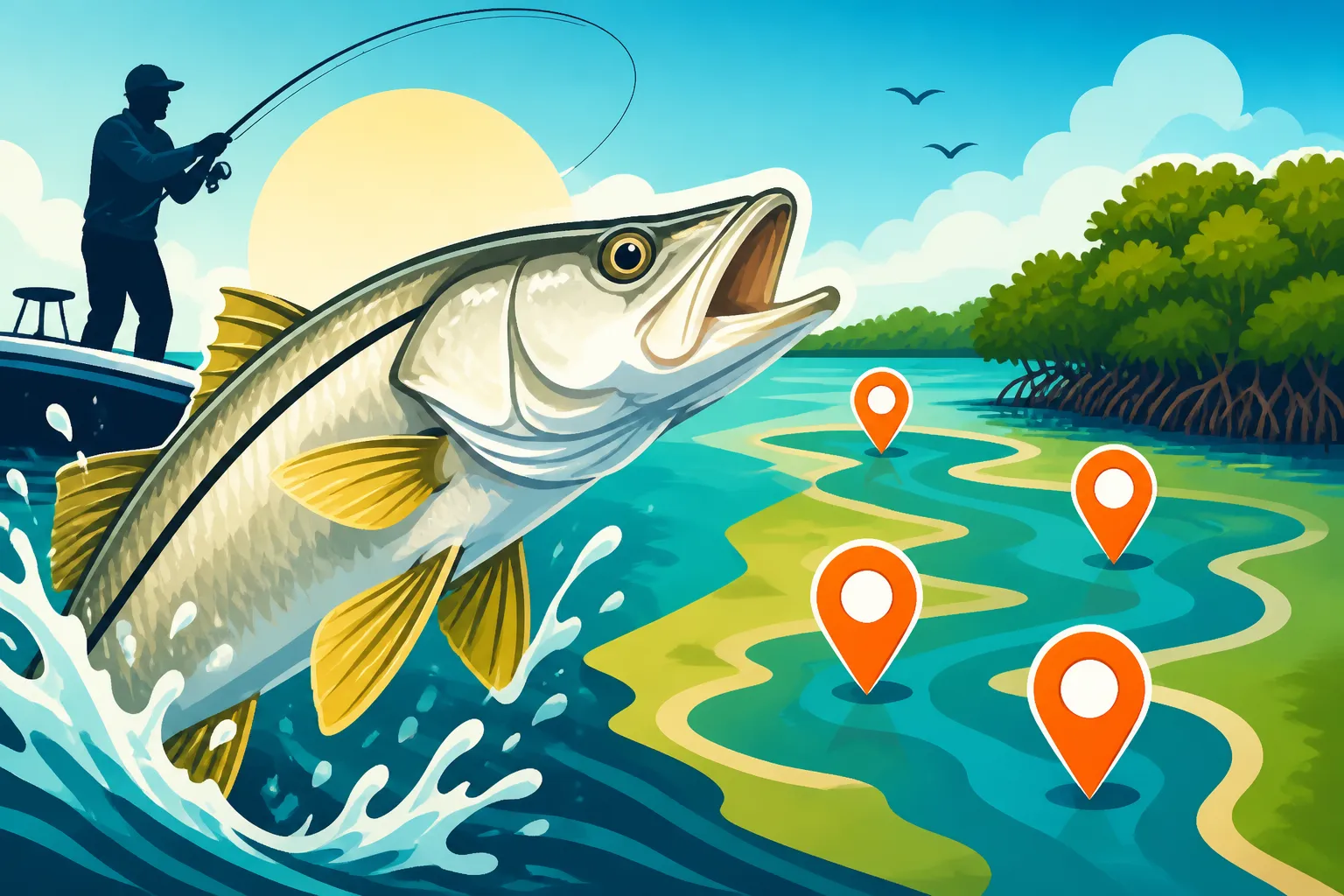
Given its immense size, the Indian River Lagoon can be broken down into general regions, each with its own unique characteristics and snook potential. Knowing these areas and what makes them tick can significantly narrow down your search.
Northern Lagoon Gems: Mosquito Lagoon and Haulover Canal
The northern reaches of the Indian River Lagoon, particularly the Mosquito Lagoon and the areas surrounding the Haulover Canal, are legendary for their snook fishing. The Mosquito Lagoon is famous for its vast, shallow seagrass flats, which, when healthy, teem with redfish and snook. Here, sight fishing is a popular and exhilarating technique. Anglers often pole their boats across these flats, looking for the tell-tale "push" of a snook or a dark shadow holding tight to a patch of grass. The snook here can be incredibly wary due to the clear, shallow water, making precise casting and stealth essential. Early mornings or late evenings often provide the best conditions for sight fishing, as the lower light makes fish less spooky and offers better visibility.
The Haulover Canal, which connects the Mosquito Lagoon to the Indian River, is a prime choke point for baitfish and a well-known snook hotspot. The strong currents flowing through the canal are a natural draw for snook, which position themselves in current breaks to ambush passing prey. Bridges spanning the canal are fantastic places to fish, especially during periods of strong tidal flow. Casting live bait like finger mullet or artificial lures such as soft plastic jigs or twitchbaits along the pilings and into the eddies can be incredibly effective. Night fishing here can also be phenomenal, as the bridge lights often attract baitfish, creating a feeding frenzy for snook.
Central Lagoon Favorites: Sebastian Inlet and Fort Pierce Inlet
Moving south into the central portion of the IRL, you'll encounter two of Florida's most iconic snook fishing destinations: Sebastian Inlet and Fort Pierce Inlet. These inlets are truly world-class for snook, especially for those seeking trophy-sized fish. Sebastian Inlet, often hailed as the "Snook Fishing Capital of the World," offers a unique convergence of conditions that snook thrive in. The strong tidal currents, deep channels, rocky jetties, and expansive seagrass flats both inside and outside the inlet create a dynamic environment. Anglers can target snook from the jetties, fishing the turbulent waters where the baitfish get churned up, or from boats drifting the outgoing or incoming tides.
Live baits, such as mullet, pilchards, and croakers, are incredibly effective here, particularly when free-lined or fished on a knocker rig. For those who prefer artificials, large bucktail jigs, soft plastic swimbaits, and topwater plugs can provoke aggressive strikes, especially at dawn and dusk. The snook here tend to be larger and more aggressive due to the abundant food sources and favorable conditions. Similarly, Fort Pierce Inlet offers excellent snook action, especially around the jetties and bridge pilings. The deeper waters and strong currents provide a constant influx of bait. When you're planning a trip to these areas, consider looking up local guides on platforms like FishingBooker who specialize in snook fishing; their expertise on specific tides and bait presentations can be invaluable. It's also worth checking the Florida Snook Season Guide as regulations often vary by region and time of year.
Southern Lagoon Opportunities: St. Lucie River and Jupiter Inlet
Further south, the Indian River Lagoon branches out, with the St. Lucie River estuary offering fantastic opportunities, eventually leading to the Jupiter Inlet. The St. Lucie River system, including its numerous canals and tributaries, provides a diverse habitat for snook. Unlike the more open flats of the Mosquito Lagoon, the St. Lucie offers a lot of intricate mangrove shorelines, dock lines, and deeper residential canals. These areas provide excellent protection for snook, especially during colder months or when there's heavy boat traffic. Fishing docks and seawalls with live shrimp or small pilchards, or casting jerkbaits and soft plastics, can be very productive.
The Jupiter Inlet marks the southernmost point of the Indian River Lagoon system and is another renowned snook hotspot. Similar to Sebastian and Fort Pierce, Jupiter Inlet features strong currents, deep rock formations, and bridge pilings that attract and hold snook. Anglers often fish the outgoing tide, as it flushes baitfish out of the lagoon and past the waiting snook. Night fishing under the bridge lights is particularly popular and productive here, as the lights act like a magnet for bait and, consequently, hungry snook. If you’re looking to experience the thrill of night fishing technique for trout under dock lights, many of the same principles apply to snook in these areas, as both species are opportunistic predators attracted to illuminated feeding grounds. The snook in these southern areas can be quite large, offering exhilarating fights on appropriate tackle.
Essential Techniques and Baits for Indian River Lagoon Snook
Catching snook in the Indian River Lagoon requires a blend of skill, patience, and the right approach. Understanding what baits and lures work best, and how to present them, is key to success.
Top Baits and Lures
Snook are opportunistic feeders, so having a variety of options is always a good idea. When it comes to live bait, it's tough to beat what the snook are naturally accustomed to eating. Live finger mullet are perhaps the most popular choice in the IRL, especially around the inlets and in areas with strong current. They mimic the natural forage perfectly. Pilchards (whitebait) and pinfish are also excellent options, particularly when free-lined near structure or over grass flats. During cooler months, or when snook are lethargic, live shrimp can be irresistible, especially when fished under a popping cork or on a small jig head. The key is to match the hatch and use fresh, lively bait. If you're wondering what bait do snook prefer, observing what's in the water around you is a great first step.
For those who prefer artificial lures, the options are vast and exciting. Topwater plugs, like the MirrOlure Top Dog or the Heddon Super Spook, are incredibly effective, especially during low light conditions or over shallow grass flats. The explosive strikes from snook on topwater are truly unforgettable. Soft plastic jerkbaits, such as those from D.O.A. Lures or Z-Man, rigged weedless or on a light jig head, can be worked around mangroves and docks. Hard plastic twitchbaits, like the MirrOlure MirrOdine, are deadly when worked with a retrieve that mimics a wounded baitfish. Bucktail jigs are classics for a reason, especially around deeper inlets and bridge pilings, and can be tipped with a piece of bait for added appeal. The beauty of the IRL is that both live bait vs artificial lures for Florida inshore fishing can be highly productive, depending on the conditions and the angler's preference.
Effective Fishing Techniques
One of the most thrilling ways to target snook in the Indian River Lagoon is through sight fishing. This technique is particularly effective in the shallow, clear waters of the Mosquito Lagoon. It involves slowly poling your boat or wading the flats, scanning the water for snook. Once spotted, a precise, quiet cast is essential to avoid spooking the fish. A good pair of polarized sunglasses is a must for this technique. The goal is to present your lure or bait a few feet in front of the snook's path, allowing it to intercept the offering naturally. This can be challenging but incredibly rewarding.
Casting to structure is another highly effective method. Snook love to hug structure, whether it's mangrove roots, dock pilings, submerged rocks, or bridge fenders. Cast your lure or bait as close to the structure as possible, as snook often won't move far to strike. Work your lure parallel to seawalls or deep under docks. During strong currents, snook will position themselves on the leeward side of structures, waiting for bait to be swept past them. This is where your ability to make accurate casts pays off immensely.
Nighttime fishing for snook is a local favorite, especially around lighted docks, bridges, and jetties. The lights attract baitfish, which in turn draw in snook. Casting into the shadows adjacent to the light, or letting a live bait drift into the light, can be incredibly productive. Snook often lose some of their wariness under the cover of darkness, leading to more aggressive bites. This technique often requires quiet movements and minimal light disturbance on your part.
Navigating the Indian River Lagoon for Snook Success
Successfully fishing for snook in the Indian River Lagoon isn't just about knowing where to go; it's also about understanding the ever-changing conditions and having the right gear.
Tides, Weather, and Water Conditions
The Indian River Lagoon is a dynamic environment, and success often hinges on adapting to conditions. Tides are arguably the most crucial factor, especially around the inlets and connecting waterways. Moving water brings bait and activates snook. The "beginning and end" of a tide, as the water starts to move or finishes moving, can be particularly productive. Look for eddies, current seams, and areas where baitfish are being funneled. Weather plays a significant role too. Overcast days can extend the bite, while bright, sunny days might push snook into deeper, shadier cover. Strong winds can make fishing challenging, muddying the water and making it harder to cast accurately or spot fish. However, a light chop can sometimes be beneficial, breaking up the surface and making fish less wary.
Water clarity is another vital consideration. After heavy rains, the lagoon can become stained or murky, pushing snook to areas with clearer, more saline water, or requiring different lure presentations (e.g., those with more vibration or scent). Conversely, extremely clear water means you need to be extra stealthy. Keep an eye on reports regarding how Red Tide affects fishing in Florida because such environmental events can drastically alter snook behavior and location. Always observe the conditions when you arrive at a spot – are baitfish present? Is there current? What's the water color? These observations will guide your strategy more than any fixed map.
Choosing the Right Gear
For Indian River Lagoon snook, a medium-heavy spinning rod paired with a 3000-4000 size reel is a versatile setup. This combination offers the power to handle larger snook and the sensitivity to feel subtle bites. A 7-foot to 7-foot 6-inch rod length is ideal for casting distance and accuracy around mangroves and docks. When it comes to line, 15-20 lb braided line is a popular choice for its strength, sensitivity, and casting distance, especially when paired with a fluorocarbon leader of 30-50 lb test. The leader is crucial not only for abrasion resistance against snook's sharp gill plates and rough structures but also for its invisibility in clear water.
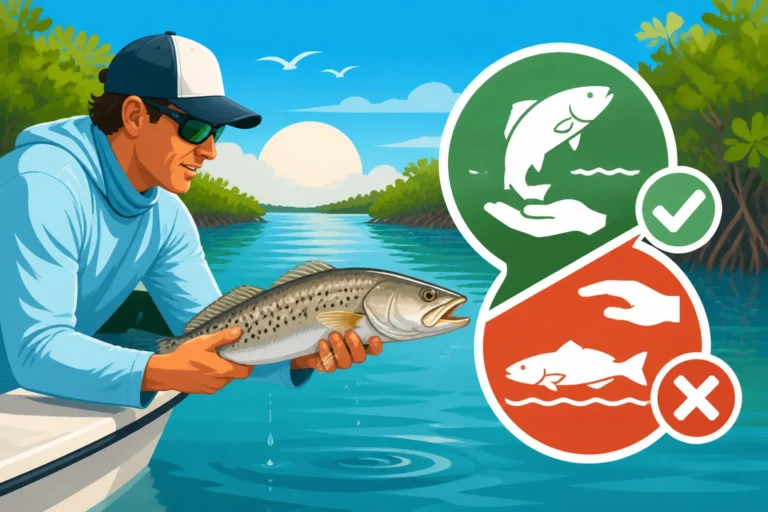
For specific techniques, like sight fishing on the flats, a slightly lighter setup might be preferred for delicate presentations. If you're targeting big snook in strong currents at the inlets, you might even consider bumping up your line and leader strength. Always ensure your drag is set properly – snook are powerful fighters and will test your gear. Don't forget a good pair of pliers for hook removal, a de-hooking tool (especially important for catch and release), and a net or BogaGrip to safely handle fish. A high-quality pair of polarized sunglasses is non-negotiable for spotting fish and structure. Thinking about your tackle, you might find useful information in a guide like Best Rod for Inshore Fishing in Florida.
| Indian River Lagoon Snook Hotspot | Key Features | Best Conditions | Primary Techniques | Target Size Potential |
|---|---|---|---|---|
| Mosquito Lagoon | Shallow seagrass flats, clear water, mangrove shorelines | Low light (dawn/dusk), calm winds, high tide (for shallow areas) | Sight fishing, shallow water casting, quiet approach | Medium to Large |
| Haulover Canal | Strong currents, bridge pilings, current breaks | Strong tidal flow (incoming/outgoing), night fishing under lights | Live bait (mullet), jigs, artificials cast near structure | Medium to Large |
| Sebastian Inlet | Jetties, deep channels, strong currents, rocky structure | Incoming/outgoing tides, low light, cooler months | Live bait (mullet, croaker), bucktail jigs, large topwaters | Large to Trophy |
| Fort Pierce Inlet | Jetties, bridge pilings, deep water, strong currents | Incoming/outgoing tides, stable weather | Live bait, large soft plastics, twitchbaits, jigs | Large to Trophy |
| St. Lucie River | Mangrove shorelines, residential docks, canals, deeper water | Mid-tide, stable water temps, cooler months (deeper areas) | Live bait (shrimp), jerkbaits, soft plastics around structure | Medium to Large |
| Jupiter Inlet | Strong currents, rocky structure, bridge lights | Outgoing tide, night fishing under lights | Live bait, jigs, topwaters | Large to Trophy |
Florida offers incredible fishing opportunities year-round, but always be sure to check the specific Florida fishing regulations and bag limits before heading out. Sometimes, snook might be catch and release only in certain areas or during specific seasons, which is vital information for any responsible angler. If you’re not sure about the rules, the Florida Fish and Wildlife Conservation Commission (FWC) website is always your best friend.
Disclaimer
Fishing conditions and regulations in Florida can change frequently. Always consult the latest Florida Fish and Wildlife Conservation Commission (FWC) rules and advisories before planning your trip. This guide is for informational purposes only and does not guarantee fishing success.