Best Saltwater Fishing Spots in Florida
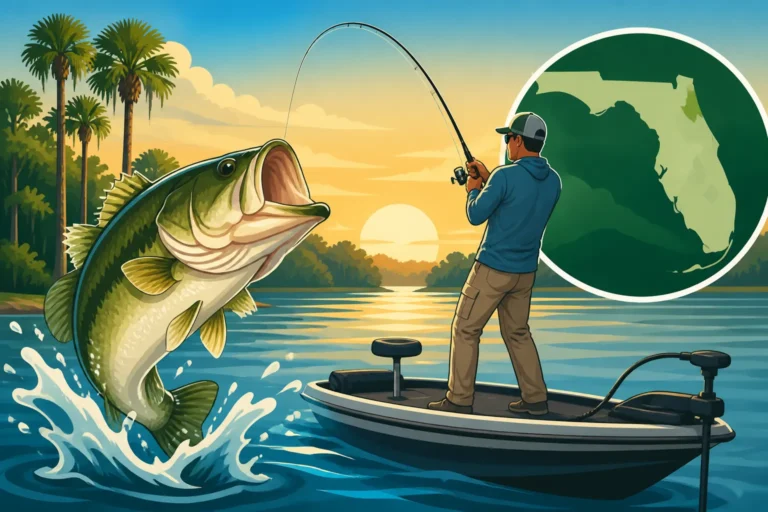
Oh, Florida. It's the Sunshine State for a reason, but when it comes to finding that perfect saltwater fishing spot, it can feel less like a paradise and more like a vast, overwhelming ocean of choices! With thousands of miles of coastline, diverse ecosystems, and countless species, pinning down where to cast your line can be a real head-scratcher. This comprehensive guide is here to cut through the confusion and highlight the absolute best saltwater fishing spots Florida has to offer, helping you plan your next unforgettable angling adventure.
The Iconic Florida Keys: A Saltwater Angler's Paradise
There's no place quite like the Florida Keys for saltwater fishing. This chain of islands, stretching from the tip of Florida into the Gulf of Mexico, is a world-renowned destination for anglers seeking everything from backcountry bonefish to deep-sea marlin. The unique environment, where the Atlantic Ocean meets the Gulf, creates an incredibly rich and diverse fishery that's truly unparalleled.
The Upper Keys: Islamorada's Sportfishing Legacy
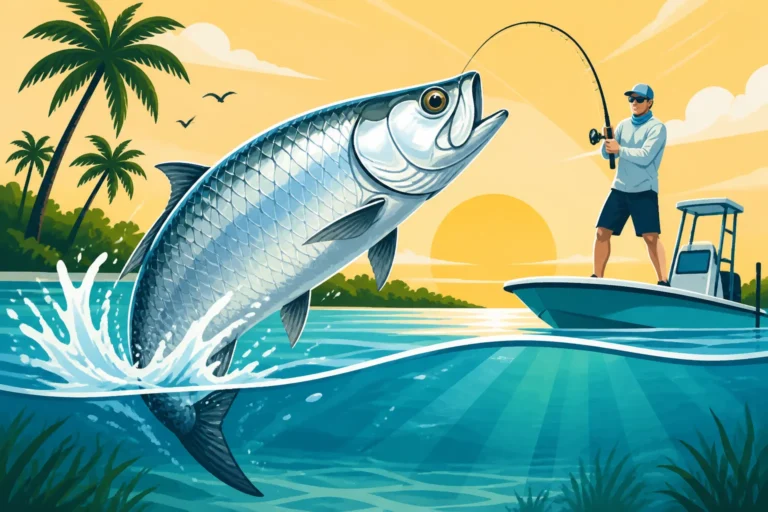
Islamorada isn't just a place; it's a legend. Often called the "Sportfishing Capital of the World," this segment of the Upper Keys offers an incredible range of fishing opportunities. From the moment you arrive, you can feel the angling history in the air. The shallow flats just offshore are teeming with elusive bonefish, permit, and tarpon, making it a fly-fishing Mecca. Further out, the reef and offshore waters host a spectacular variety of pelagic and bottom-dwelling species.
Imagine poling quietly across crystal-clear flats at dawn, spotting a shimmering tarpon rolling in the distance, or the tell-tale tail of a permit digging for crabs. The adrenaline rush of sight-fishing in these pristine waters is something every angler should experience. Local guides, many of whom are multi-generational Keysmen, know these waters like the back of their hand and can put you on fish even when conditions are challenging. For those who prefer deeper pursuits, just a short run offshore will put you over thriving reefs and wrecks holding snapper, grouper, and amberjack, not to mention the possibility of a sailfish or mahi-mahi encounter in the blue water. If you're looking to book a top-notch guide to experience this firsthand, platforms like FishingBooker can connect you with experienced captains who specialize in Islamorada's unique fishery.
The Middle Keys: Marathon's Magic
Moving further south, Marathon offers a slightly different, yet equally fantastic, fishing experience. It's often considered the heart of the Keys, balancing world-class fishing with a more laid-back, family-friendly vibe. Marathon's proximity to both the Atlantic reef and the Gulf wrecks, as well as its extensive bridge network, makes it incredibly versatile. The iconic Seven Mile Bridge itself is a renowned fishing spot, especially for tarpon during their spring migration.
Beyond the bridges, Marathon boasts excellent opportunities for offshore trolling for mahi-mahi, wahoo, and tuna when the conditions are right, particularly along the edge of the Gulf Stream. Closer in, the patch reefs and wrecks are alive with snapper, hogfish, and various grouper species. For those who enjoy bottom fishing, the options here are endless. The calm, shallow waters of Florida Bay on the Gulf side also offer fantastic backcountry fishing for redfish, snook, and trout, providing a great alternative if the ocean is a bit choppy. Many anglers find Marathon's central location ideal for accessing a wide array of fishing zones without long boat rides. If you're planning a trip, be sure to check out our detailed guide on Marathon Florida Fishing Spots for even more local insights.
The Lower Keys: Key West and Beyond
The southernmost point of the continental U.S., Key West and its surrounding Lower Keys, bring a unique blend of vibrant culture and incredible fishing. While it’s known for its lively atmosphere, the fishing here is anything but a party trick; it's serious business. The proximity to the Gulf of Mexico's vast expanse and the deep Atlantic waters means anglers have access to an extraordinary range of species and environments. From the tranquil flats of the Marquesas Keys to the deep-water wrecks, Key West has it all.
The flats around Key West are legendary for sight-fishing for tarpon, especially during their massive spring migration, often referred to as "Tarpon Mania." Bonefish and permit are also prevalent, offering challenging and rewarding pursuits for fly anglers. Offshore, the deep blue waters yield sailfish, marlin, wahoo, and huge tuna, making it a prime destination for big game fishing. The abundance of wrecks and artificial reefs also provides phenomenal opportunities for snapper, grouper, and amberjack. Whether you're chasing the "Silver King" on the flats or battling a monstrous amberjack in the depths, Key West offers an unforgettable adventure. Don't forget to look into Key West Fishing Charter Rates if you're thinking of hiring a local expert to guide you through these amazing waters.
Southwest Florida's Abundant Estuaries and Gulf Waters
Southwest Florida, stretching from Tampa Bay down to the Ten Thousand Islands, is a treasure trove of saltwater fishing opportunities. This region is characterized by its expansive estuaries, intricate mangrove shorelines, and productive inshore and nearshore Gulf waters, making it an ideal habitat for a plethora of popular sport fish.
Charlotte Harbor and Boca Grande Pass
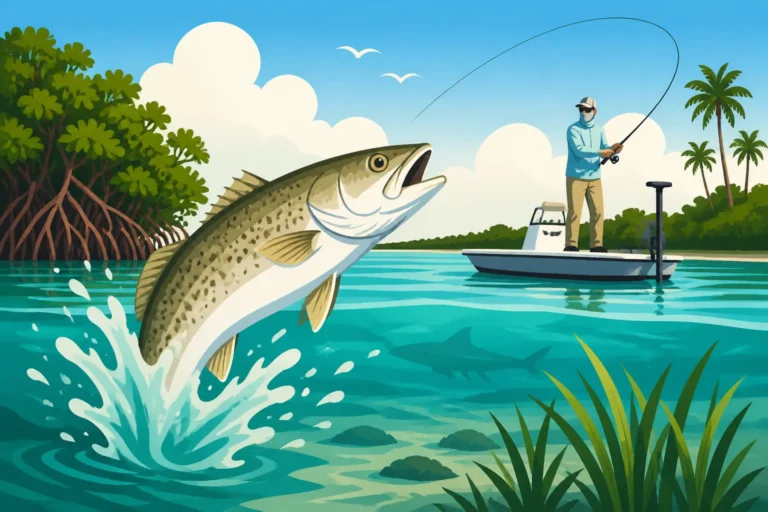
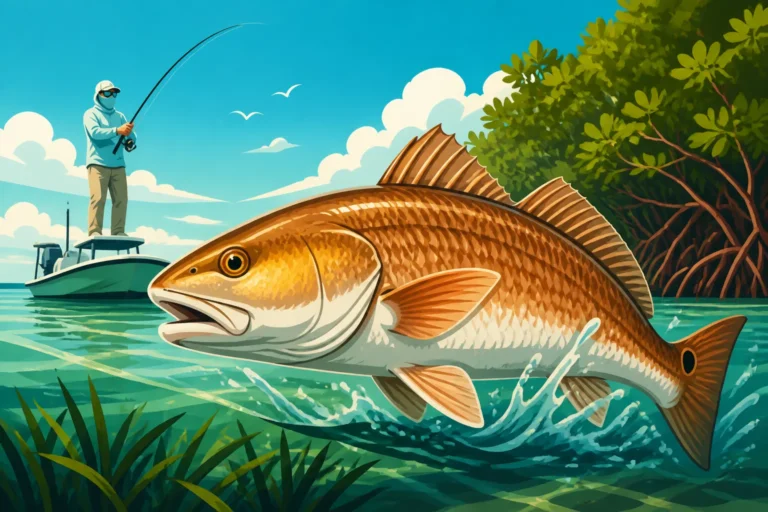
Charlotte Harbor is one of Florida's largest estuarine systems, a sprawling expanse of brackish and saltwater that serves as a nursery and feeding ground for an incredible number of species. It's widely regarded as one of the best places in Florida to target redfish, snook, and spotted seatrout. The myriad of mangrove islands, grass flats, and oyster bars provide endless ambush points for these predatory fish. The sheer size and diversity of the harbor mean there's always a new spot to explore, whether you're poling a shallow skiff or cruising in a bay boat.
Adjacent to Charlotte Harbor is the famous Boca Grande Pass, a deep, narrow channel connecting the harbor to the Gulf of Mexico. This pass is globally recognized as the "Tarpon Capital of the World," especially from April to July when massive schools of migrating tarpon stage here before moving offshore to spawn. The fishing during this time is nothing short of epic, with anglers from around the globe converging to experience the thrill of battling these giant "Silver Kings." Beyond tarpon, the pass also holds significant populations of snook, redfish, and various bottom fish. It’s a prime spot for both live baiting and artificial lure presentations, but be prepared for crowds during peak tarpon season! For more insights into this incredible fishery, check out our guide on Charlotte Harbor Fishing Guide.
Ten Thousand Islands and Everglades National Park
For a truly wild and immersive saltwater fishing experience, the Ten Thousand Islands region, extending into Everglades National Park, is a must-visit. This vast, intricate maze of mangrove islands, shallow bays, and tidal creeks on Florida's southwest coast is a pristine wilderness, offering unparalleled opportunities for inshore fishing in a stunning natural setting. It's a place where the journey is as much a part of the adventure as the catch itself.
This area is famous for its abundant snook, redfish, and tarpon, which thrive in the sheltered, nutrient-rich waters. The fishing here often involves navigating narrow channels, casting into mangrove prop roots, and exploring secluded ponds and creeks. It's sight-fishing heaven, where patient anglers can spot fish cruising the edges of the mangroves or busting bait on a flat. The raw beauty of the Everglades, with its diverse wildlife – from dolphins and manatees to countless bird species – adds an extra layer of magic to every fishing trip. Access points like Everglades City or Chokoloskee provide gateways to this incredible fishery. For those interested in exploring this unique environment, we have a fantastic Ten Thousand Islands Fishing Guide in South Florida that provides a deeper dive into what to expect.
Sanibel and Captiva: Barrier Island Bounty
Just offshore from Fort Myers, the barrier islands of Sanibel and Captiva offer a slightly different, yet equally productive, saltwater fishing experience. These islands are renowned not only for their shell-laden beaches but also for their excellent inshore and nearshore fishing opportunities. The calm, shallow waters of Pine Island Sound and Tarpon Bay on the backside of the islands provide sheltered havens for a variety of species.
Anglers here can expect to find thriving populations of snook, redfish, and trout in the grass flats, around oyster bars, and along mangrove shorelines. The passes between the islands, such as Blind Pass and Redfish Pass, are often hot spots for snook, especially during tidal changes. Nearshore, just off the Gulf beaches, anglers can encounter king mackerel, Spanish mackerel, cobia, and even tarpon during their migrations. The accessibility for kayak anglers and those with smaller boats, combined with the scenic beauty, makes Sanibel and Captiva a popular choice for both seasoned and novice fishermen. If you're contemplating a fishing trip to this beautiful area, consider booking a local charter through services like FishingBooker to maximize your chances of success.
Central Florida's Gulf Coast Gems: Tampa Bay and Beyond
Central Florida's Gulf Coast offers some of the state's most productive and accessible saltwater fishing, centered around the sprawling Tampa Bay estuary. This region is a powerhouse for inshore fishing and provides excellent nearshore and offshore opportunities as well.
Tampa Bay Fishing Guide
Tampa Bay isn't just a big bay; it's an enormous, complex estuarine system that functions as a massive fish factory. It's the largest open-water estuary in Florida, encompassing a huge network of interconnected waterways, seagrass flats, oyster reefs, and mangrove fringes. This diversity of habitats supports an incredibly rich food web, making it one of the premier inshore fishing destinations in the country.
Anglers flock to Tampa Bay year-round to target the "big three" inshore species: snook, redfish, and spotted seatrout. The vast seagrass flats are prime habitat for trout, while redfish can be found tailing in shallow waters or cruising along mangrove edges. Snook often lurk around structure, docks, and creek mouths, especially during cooler months when they seek thermal refuge. Beyond the "big three," Tampa Bay also offers excellent fishing for flounder, sheepshead, mangrove snapper, and even tarpon during their seasonal migrations. There are countless productive zones, from the vast open bay to the narrower tributaries like the Manatee River or the Weedon Island Preserve area. For a complete overview of what this incredible area offers, our dedicated Tampa Bay Fishing Guide is an essential read.
Clearwater and St. Petersburg Nearshore Action
Just west of Tampa, the barrier islands of Clearwater and St. Petersburg provide direct access to the productive nearshore waters of the Gulf of Mexico. While the inshore waters of Tampa Bay are fantastic, the areas directly off these coastal cities offer a different kind of saltwater thrill. The extensive pier networks, like the iconic St. Pete Pier, offer fantastic opportunities for land-based anglers to catch mackerel, pompano, and even smaller sharks.
For those with boats, the nearshore reefs and wrecks within a few miles of shore are magnets for a variety of species. Gag grouper and red grouper are common catches on these structures, alongside snapper, amberjack, and cobia during their seasonal movements. Trolling just outside the passes can yield Spanish mackerel and king mackerel, especially in spring and fall. The clear, calm waters on many days make for pleasant fishing, whether you're live-baiting over structure or casting artificials. The accessible boat ramps and numerous charter options make it easy for visitors to get out on the water.
Homosassa and Crystal River: Scalloping and Fishing
Heading north along the Gulf Coast, the towns of Homosassa and Crystal River offer a unique blend of fishing and other aquatic activities. While famous for their manatees and incredible scalloping opportunities during the summer months, these areas are also stellar saltwater fishing destinations, characterized by their pristine spring-fed rivers flowing into expansive grass flats.
The crystal-clear waters of the Homosassa and Crystal River systems allow for incredible sight-fishing, especially for redfish and snook in the shallowest of waters. The vast seagrass beds stretching out into the Gulf are some of the healthiest in Florida, providing an ideal environment for spotted seatrout and various other species. During certain times of the year, particularly late spring and early summer, tarpon also make their presence known in these nearshore waters. The "Rock Gardens" offshore are legendary for large grouper, making it a favorite spot for those looking for a battle with a bottom-dwelling heavyweight. These areas offer a quieter, more natural fishing experience compared to some of the busier coastal cities, making them perfect for those seeking tranquility along with their catches. Learn more about fishing in this serene area by checking out our Homosassa, Florida Fishing Guide.
The Atlantic Coast's Diverse Fishery: From Lagoon to Ocean
Florida's Atlantic Coast presents a truly diverse saltwater fishing landscape, ranging from vast, complex lagoon systems to deep-water offshore trenches. This side of the state offers unique challenges and incredible rewards for anglers targeting everything from snook and redfish to sailfish and tuna.
Indian River Lagoon and Mosquito Lagoon
The Indian River Lagoon system, stretching for over 150 miles along Florida's central east coast, is an ecological marvel and one of the most biodiverse estuaries in North America. Within this system, the Mosquito Lagoon stands out as a world-renowned fishery, especially for sight-fishing giant redfish. These shallow, pristine waters, often just inches deep, are home to some of the largest redfish in the state, making it a bucket-list destination for fly and light tackle anglers.
The entire Indian River Lagoon system offers phenomenal opportunities for snook, redfish, and spotted seatrout. The extensive seagrass flats, mangrove islands, and oyster beds provide perfect habitat. Anglers here often spend their days poling quietly through shallow water, spotting cruising fish and making precise casts. The clarity of the water in many parts of the lagoon allows for incredibly visual fishing, adding to the excitement. While catch-and-release is strongly encouraged, especially for trophy fish, the sheer abundance of healthy fish makes every trip an adventure. This ecosystem is a testament to the importance of conservation, and understanding Is the Indian River Lagoon Catch and Release Only? is crucial for any angler.
Sebastian Inlet: Snook and More
Sebastian Inlet State Park is arguably one of Florida's most iconic and productive land-based saltwater fishing spots. Situated on Florida's East Central coast, this dynamic inlet connects the Indian River Lagoon to the Atlantic Ocean, creating a powerful tidal flow that funnels baitfish and game fish through a narrow channel. This natural choke point makes it an incredible hotspot for a variety of species, especially snook.
Anglers from all over the world come to Sebastian Inlet specifically to target trophy snook, particularly during the cooler months and seasonal migrations. The jetties, both north and south, provide excellent vantage points for casting live baits, artificial lures, or even flies into the strong currents. Beyond snook, the inlet produces impressive catches of redfish, flounder, black drum, bluefish, and various species of jack. Offshore, the reefs and wrecks accessible from Sebastian Inlet are productive for snapper, grouper, and cobia. The unique conditions here demand specific techniques, and many seasoned anglers spend years mastering the currents and fish patterns of this legendary spot. For detailed advice, our Sebastian Inlet Fishing Guide in Florida is an invaluable resource.
Fort Lauderdale and Miami: Urban Offshore Adventures
For those seeking offshore thrills with the convenience of a major metropolitan area, Fort Lauderdale and Miami deliver in spades. These South Florida coastal cities boast deep water incredibly close to shore, thanks to the proximity of the Gulf Stream. This means less travel time and more fishing time for offshore enthusiasts, making them prime destinations for pelagic species.
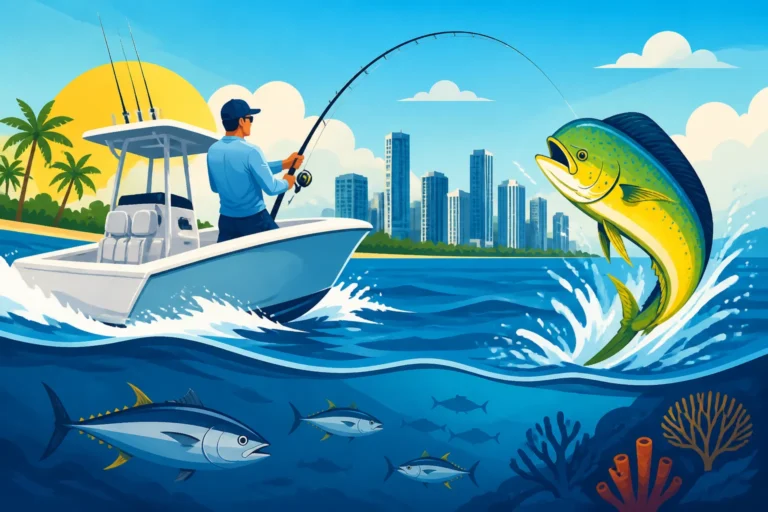
Just a few miles offshore, anglers can find themselves in prime waters for mahi-mahi (dorado), sailfish, wahoo, and various tuna species. Trolling with rigged ballyhoo or artificial lures is a popular and effective method here. During the winter months, sailfish action can be particularly hot, drawing anglers from around the world for exhilarating battles with these acrobatic billfish. For bottom fishing, the numerous artificial reefs and natural ledges hold snapper, grouper, and amberjack. The convenience of world-class marinas, charter operations (easily found on platforms like FishingBooker), and diverse fishing opportunities make these cities a top choice for offshore adventurers. From high-speed trolling for wahoo to kite-fishing for sailfish, the options here are as vast as the ocean itself. Check out our Best Spots Near Miami for Sailfish if you're chasing the ultimate billfish experience.
North Florida and the Panhandle's Gulf Coast Riches
As you move into North Florida and the Panhandle, the landscape and fishing change, but the opportunities for incredible saltwater catches remain abundant. This region is characterized by its stunning white sand beaches, productive bay systems, and accessible nearshore Gulf waters.
Destin and Panama City Beach: The Emerald Coast's Bounty
Destin, often called the "World's Luckiest Fishing Village," and nearby Panama City Beach, are jewels of the Florida Panhandle's Emerald Coast. These areas are renowned for their vibrant fishing communities and access to incredibly productive Gulf waters. The deep-water canyons and artificial reefs just offshore make them premier destinations for bottom fish and pelagic species alike.
Offshore charters from Destin regularly return with impressive hauls of red snapper, gag grouper, amberjack, and triggerfish, especially during the open seasons. Trolling for king mackerel, Spanish mackerel, mahi-mahi, and wahoo is also highly successful. For those without a boat, the numerous fishing piers, like the Destin Harbor Boardwalk or the Russell-Fields Pier in Panama City Beach, provide excellent land-based opportunities for catching a variety of species. Inshore, the bay systems behind the barrier islands offer good fishing for speckled trout, redfish, and flounder. The robust charter fleet in these areas ensures that anglers of all skill levels can experience the excitement of Gulf Coast fishing. For more on where to find the big ones, our Best Spots in Destin for Offshore Fishing guide is a must-read.
Apalachicola Bay and St. George Island
Further west in the Panhandle, the Apalachicola Bay system, along with barrier islands like St. George Island, offers a more natural, less developed fishing experience. This area is famous for its oyster beds, which are not only an economic engine but also create an incredibly rich habitat for a diverse range of fish species. The fishing here is often about exploring vast estuarine waters, targeting species that thrive in a bay environment.
Apalachicola Bay is a phenomenal spot for speckled trout, redfish, and flounder. The expansive seagrass flats and numerous oyster reefs provide ample feeding grounds. Anglers often target these fish using soft plastics, live shrimp, or cut bait. The passes and channels leading to the Gulf of Mexico, especially around St. George Island, offer opportunities for Spanish mackerel, pompano, and even tarpon during their migrations. The laid-back atmosphere, combined with abundant fish and stunning natural beauty, makes this area a favorite for anglers seeking a peaceful yet productive fishing trip. It’s a great place to connect with nature while reeling in some impressive catches.
Cedar Key and Steinhatchee: Old Florida Charm
Venturing to Florida's "Nature Coast" on the upper Gulf side, towns like Cedar Key and Steinhatchee offer a glimpse into Old Florida, where fishing traditions run deep. These areas are characterized by vast, shallow grass flats, numerous oyster reefs, and spring-fed rivers flowing into the Gulf. They are renowned for their consistent inshore action and excellent scalloping during the summer.
Cedar Key is known for its excellent spotted seatrout fishing on the expansive grass flats, as well as redfish around the islands and oyster bars. The tranquil waters make it a popular spot for kayak and small boat anglers. Steinhatchee, further north, is equally famous for its trout and redfish, often producing larger specimens due to the healthy ecosystem. Both locations are also prime for gathering bay scallops during the season, adding another layer to the aquatic adventure. The laid-back pace, friendly local guides, and abundant fish make these towns perfect for a relaxed yet rewarding saltwater fishing getaway. To delve deeper into what Steinhatchee offers, be sure to check out our Steinhatchee Fishing Guide.
Pier and Shoreline Fishing: Accessible Hotspots for Everyone
Not everyone has a boat, and that's perfectly okay! Florida's coastline is dotted with countless fishing piers, bridges, and accessible beaches that offer fantastic saltwater fishing opportunities for anglers of all ages and skill levels. These spots often require minimal gear and provide a unique perspective on Florida's diverse marine life.
Famous Fishing Piers
Florida is home to some truly legendary fishing piers that extend far into the productive nearshore waters. These structures act as artificial reefs, attracting baitfish and, consequently, larger predatory species. They offer a stable platform for fishing without the need for a boat, making them incredibly popular.
- Naples Pier: A beautiful wooden pier stretching 1,000 feet into the Gulf of Mexico. It's famous for catches of Spanish mackerel, king mackerel, pompano, snook, and various snapper species.
- Fort Lauderdale Pier (Anglin's Fishing Pier): The longest pier on Florida's Atlantic coast, providing access to deep water where anglers can target kingfish, Spanish mackerel, pompano, and even small sharks.
- Sunshine Skyway Fishing Pier State Park (St. Petersburg/Palmetto): This is actually two piers, built from the old Skyway Bridge, offering access to Tampa Bay and Gulf waters. It's known for its incredibly diverse catches, including snook, redfish, tarpon, grouper, snapper, and virtually anything that swims in the bay. It's often referred to as one of the best fishing piers in the world due to its length and productivity.
- Jacksonville Beach Pier: On the Atlantic coast, this pier is a hot spot for king mackerel, Spanish mackerel, whiting, pompano, and various bottom fish, especially during the spring and fall migrations.
Fishing from a pier means you often have access to deeper water and structure that's otherwise only reachable by boat. You'll want to review Do You Need a License to Fish From a Florida Pier? as rules can vary, but often, a pier's blanket license covers everyone.
Bridge and Beach Fishing
Beyond the dedicated fishing piers, many bridges and public beaches across Florida offer excellent opportunities for land-based saltwater anglers. Bridge fishing can be incredibly productive, as the pilings and surrounding structure provide prime habitat for fish, and the currents often funnel bait right to you.
- Bridges in the Florida Keys: As mentioned with the Middle Keys, the bridges throughout the Keys are legendary. The old Seven Mile Bridge (now a pedestrian/fishing pier) is just one example. Others like the Long Key Bridge or Bahia Honda Bridge are known for snook, tarpon, snapper, and jacks.
- Causeways and Bridges in Coastal Cities: Many causeways connecting mainland Florida to barrier islands (e.g., Sanibel Causeway, causeways in the Fort Myers/Cape Coral area, bridges around the Indian River Lagoon) have fishing platforms or accessible areas. These can be great for snook, redfish, trout, and flounder.
- Surf Fishing from Beaches: Florida's extensive coastline, both Gulf and Atlantic, offers fantastic surf fishing. Popular species caught from the beach include pompano, whiting, redfish, snook (especially along natural cuts and troughs), and various species of shark. The Atlantic beaches, especially, are known for strong pompano runs in spring and fall. Learning Best Rigs for Surf Fishing can significantly improve your success from the sand.
When fishing from shore or a bridge, always be mindful of local regulations, boating traffic, and any posted restrictions. It's also important to practice good etiquette and leave no trace behind.
Understanding Florida's Unique Saltwater Ecosystems
Florida's diverse geography plays a massive role in its incredible saltwater fishing. Understanding the different ecosystems is key to knowing where and when to target specific species. It's not just one big ocean; it's a tapestry of distinct environments, each with its own characteristics and residents.
Estuaries and Inshore Flats
Florida's estuaries are where freshwater meets saltwater, creating incredibly rich, brackish environments. These include vast systems like Tampa Bay, Charlotte Harbor, and the Indian River Lagoon. They are often characterized by extensive seagrass beds, mangrove forests, and oyster reefs, which act as critical nurseries and feeding grounds. This is where you'll find the "inshore grand slam" species: snook, redfish, and spotted seatrout.
These inshore flats and backwaters are dynamic environments, heavily influenced by tides, water temperature, and freshwater inflow. Fishing them successfully often requires knowledge of these factors, understanding how fish move with the tides, and identifying key structures like oyster bars or potholes in the grass. The sheer abundance of baitfish—like mullet, pilchards, and shrimp—in these areas supports a thriving ecosystem. For anglers, this means consistent action and the chance to target truly magnificent fish in relatively shallow water. It's crucial to be aware of Florida Fishing Regulations and Bag Limits for inshore species, as they can change based on species and region to protect these vital populations.
Nearshore Reefs and Wrecks
Just beyond the immediate coastline, typically within sight of land, lie Florida's nearshore reefs and wrecks. These can be natural rock formations, artificial reef deployments (like old bridge sections, concrete culverts, or sunken barges), or actual shipwrecks. These structures provide habitat and shelter for a variety of fish, acting as magnets in an otherwise sandy or featureless bottom.
Nearshore reefs and wrecks are prime locations for bottom fishing for gag grouper, red grouper, various snapper species (mangrove, lane, mutton), hogfish, and sheepshead. They also attract predatory species like cobia, especially during cooler months, and provide ambush points for king mackerel and Spanish mackerel. Often, these spots can be reached by smaller boats, making them accessible to a wider range of anglers. Locating these structures can be done using nautical charts or by consulting local tackle shops or guides. Fishing over these structures often involves using live bait, cut bait, or jigs, dropped directly onto or around the structure to entice fish out of hiding.
Offshore Deep Water and the Gulf Stream
Further out into the Gulf of Mexico or the Atlantic Ocean, Florida offers world-class deep-sea fishing. The Atlantic side is particularly influenced by the powerful Gulf Stream, a warm, fast-moving ocean current that brings nutrient-rich water and a parade of pelagic species close to the coast.
The deep blue waters offshore are home to sought-after game fish like mahi-mahi (dorado), sailfish, various tuna species (blackfin, yellowfin), wahoo, and marlin. These highly migratory fish often follow bait schools along current lines and temperature breaks. Trolling with natural baits (like ballyhoo) or large artificial lures is the most common and effective technique here. For bottom fishing in deeper waters, anglers can target larger grouper species (red, gag, scamp, Warsaw), snapper (red, vermilion), and massive amberjack on deep wrecks and ledges. Knowing Florida Offshore Fishing Techniques is crucial for success in these challenging but rewarding waters. Whether you're chasing billfish or hauling up a monster grouper, offshore fishing in Florida offers an unparalleled adventure for serious anglers.
Planning Your Saltwater Fishing Adventure: Tips for Success
Embarking on a saltwater fishing trip in Florida requires a bit of planning to ensure it's as successful and enjoyable as possible. From understanding local regulations to choosing the right time of year, a little preparation goes a long way.
Essential Gear and Licenses
Before you even think about casting a line, make sure you have the proper gear and, most importantly, your fishing license. Florida has specific requirements, and you'll need a Florida Saltwater Fishing License Rules unless you fall under one of the specific exemptions (e.g., fishing from a licensed pier or charter boat). Licenses can be purchased online through the Florida Fish and Wildlife Conservation Commission (FWC) website, over the phone, or at various retailers like Walmart or local bait and tackle shops.
As for gear, it largely depends on what and where you plan to fish. For inshore fishing in the flats and estuaries, a medium-light to medium action spinning rod with a matching reel spooled with 10-20 lb braided line is a good starting point. For nearshore and offshore adventures, you'll want heavier tackle, often medium-heavy to heavy rods and reels capable of handling 30-80 lb test line, especially for larger species. Don't forget essentials like a good pair of polarized sunglasses (critical for spotting fish in clear water), a wide-brimmed hat, sunscreen, and plenty of water.
Best Times to Fish
Florida's fishing is often good year-round, but certain seasons and times of day are definitely more productive for specific species. Generally, the spring and fall migrations are excellent for a wide variety of fish, both inshore and offshore, as water temperatures are moderate, and baitfish are abundant.
- Spring (March-May): This is prime time for tarpon in places like Boca Grande and the Keys, snook moving out of their winter haunts, and king mackerel and Spanish mackerel migrating along the coasts.
- Summer (June-August): While hot, early mornings and late evenings can be fantastic. Offshore, mahi-mahi are plentiful, and deep-sea bottom fishing for snapper and grouper is often productive. Inshore, snook and redfish remain active in lower light conditions.
- Fall (September-November): Many consider this the absolute best fishing season in Florida. The "mullet run" along the Atlantic coast brings in a frenzy of predatory fish, and redfish, snook, and trout are incredibly active. Offshore, pelagics remain strong, and cooler temperatures make for more comfortable fishing.
- Winter (December-February): While some species slow down, others thrive. Snook will often congregate in warmer creeks and rivers, while redfish can be found tailing in shallow, sunny spots. Offshore, larger grouper and snapper can be targeted on deep wrecks, and sailfish action can heat up off South Florida. For a detailed breakdown, our guide on the Best Time of Year to Fish in Florida will be incredibly helpful.
Hiring a Fishing Charter
If you're new to an area, short on time, or simply want the best chance of success, hiring a reputable fishing charter is an excellent idea. A good captain brings local knowledge, experience, specialized gear, and a safe, equipped boat. They'll know exactly where the fish are biting and what techniques to use.
When choosing a charter, consider the type of fishing you want to do (inshore, offshore, fly fishing), your budget, and the number of people in your group. Look for captains with good reputations, up-to-date equipment, and a focus on safety. Platforms like FishingBooker are excellent for finding and booking local guides, reading reviews, and comparing options. Remember to discuss what's included (bait, tackle, fish cleaning) and tipping etiquette beforehand. A good charter isn't just about catching fish; it's about learning, enjoying the environment, and making lasting memories. Our comprehensive Florida Fishing Charter Guide can help you navigate the process of finding the perfect guide for your trip.
| Fishing Region | Primary Target Species (Inshore) | Primary Target Species (Offshore/Nearshore) | Best Time of Year (General) | Notes |
|---|---|---|---|---|
| Florida Keys | Bonefish, Permit, Tarpon, Snook | Mahi-mahi, Sailfish, Tuna, Grouper, Snapper | Year-round (Tarpon peak Spring) | World-class sight-fishing on flats; deep-sea big game. |
| SW Florida Gulf | Snook, Redfish, Seatrout, Tarpon | Grouper, Snapper, Cobia, King Mackerel | Spring/Fall | Expansive estuaries (Charlotte Harbor), famous Tarpon migration (Boca Grande), wild Ten Thousand Islands. |
| Central Gulf Coast | Snook, Redfish, Seatrout, Flounder | Grouper, Snapper, Cobia | Spring/Fall | Massive Tampa Bay estuary, accessible nearshore reefs, serene Nature Coast (Homosassa/Crystal River). |
| Atlantic Coast | Snook, Redfish, Seatrout, Flounder | Sailfish, Mahi-mahi, Wahoo, Tuna, King Mackerel | Year-round (specific peaks) | Unique lagoon systems (Indian River/Mosquito Lagoon), legendary Sebastian Inlet, deep water close to shore in South Florida (Miami/Fort Lauderdale). |
| Panhandle Gulf | Seatrout, Redfish, Flounder, Pompano | Red Snapper, Grouper, Amberjack, King Mackerel | Spring/Summer/Fall | White sand beaches, productive bays (Apalachicola), "World's Luckiest Fishing Village" (Destin), limited Red Snapper season. |
| Piers/Shorelines | Pompano, Whiting, Spanish Mackerel | King Mackerel, Tarpon, Snook (opportunistic) | Year-round (species dependent) | Accessible fishing for all, structure attracts bait and predators, varied species depending on location and season. Check Do You Need a License to Fish From a Florida Pier? as pier licenses can sometimes cover you. |
Disclaimer
Please remember that fishing regulations in Florida, including bag limits, size limits, and seasons, are subject to change by the Florida Fish and Wildlife Conservation Commission (FWC). Always consult the latest FWC regulations before heading out on the water. This guide provides general information and recommendations but should not be considered a substitute for official FWC rules and updates. Be safe, fish responsibly, and always practice conservation.