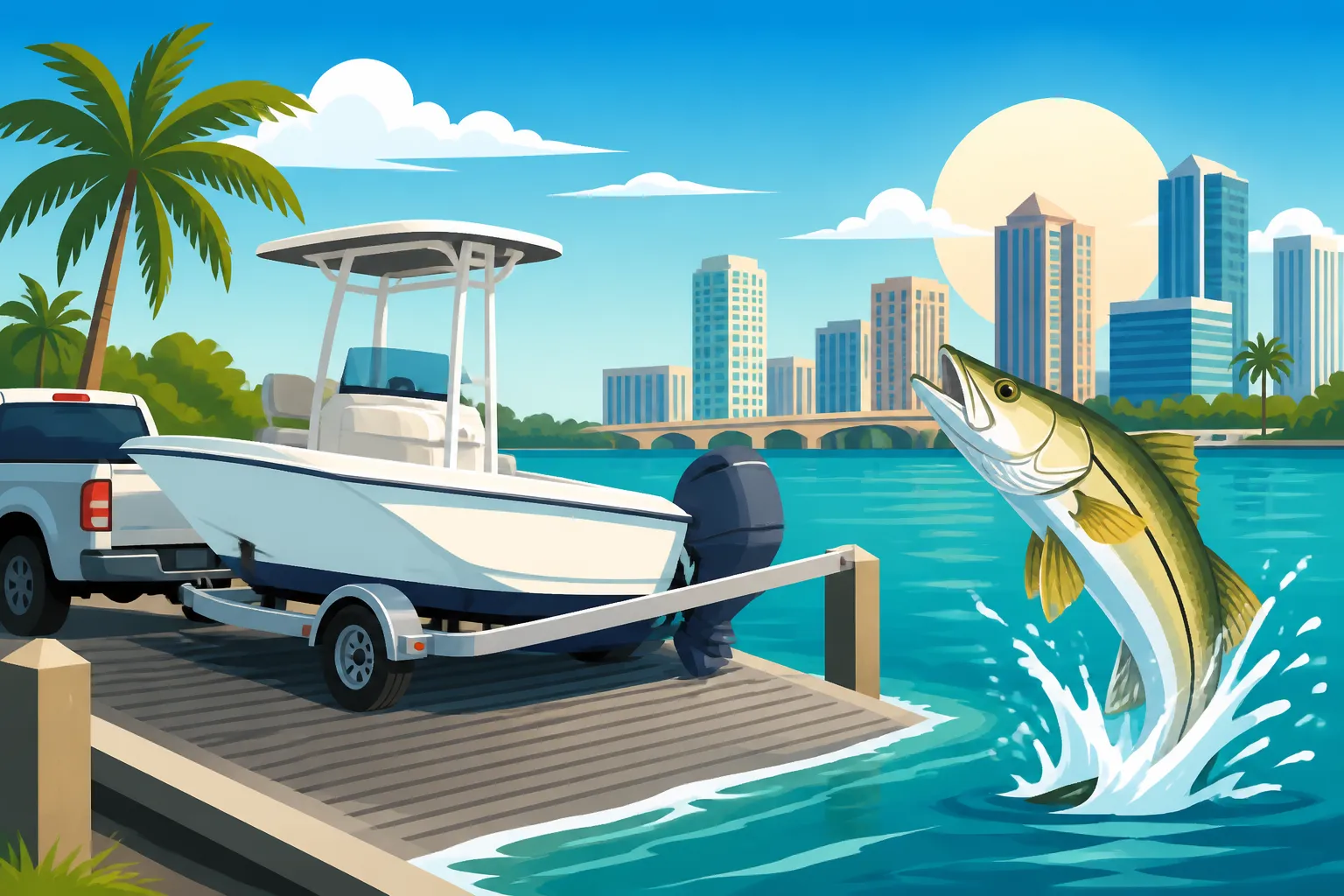
Best Public Boat Ramps Near Tampa Bay
There's nothing quite like the frustration of waking up early, meticulously preparing your gear, only to arrive at the boat ramp near Tampa Bay and find it completely swamped, the parking lot full, or the water too shallow for your vessel. That initial excitement for a day on the water can quickly turn into a massive headache before you even wet a line. This guide is designed to navigate those common pitfalls, providing you with detailed insights into the best public boat ramps around the Tampa Bay area, ensuring your next fishing adventure starts with ease and efficiency.
The Challenge of Finding the Perfect Launch Spot in Tampa Bay
Tampa Bay is a sprawling estuary, a mosaic of vibrant ecosystems offering incredible fishing opportunities, from the skinny water flats to the deeper channels and nearshore reefs. But with so much water to explore, choosing the right place to launch your boat can feel like a daunting task. It's not just about getting your boat in the water; it's about setting the stage for a successful and stress-free day.
Why Boat Ramp Selection Matters
The right boat ramp can make or break your fishing trip. Think about it: if you choose a ramp that's miles away from your target fishing grounds, you're burning precious fuel and daylight just commuting. If the ramp is notoriously shallow and you hit it at low tide, you could be stuck waiting for hours, or worse, damaging your boat. A well-chosen ramp provides direct access to the fish, offers adequate facilities, and generally saves you time and aggravation. It means less time stressing about the launch and more time enjoying the beautiful Florida waters.
Moreover, the best ramps are often strategically located to offer quick runs to specific habitats. For instance, some ramps might be perfect for accessing the grass flats where you'd target Florida Spotted Seatrout Fishing Guide and Redfish, while others are better suited for larger vessels heading out to deeper water for Grouper or Snapper. Knowing these nuances beforehand can drastically improve your overall fishing experience. It’s about more than just a concrete slab and water; it’s about strategic access to the bounty of the bay.
Common Frustrations for Anglers
We've all been there: the alarm clock blares at an ungodly hour, you've got your coffee in hand, tackle boxes are loaded, and the boat is hitched. You pull up to the ramp, and your heart sinks. The parking lot is already overflowing, lines of trucks are backed up, and the one working wash-down station has a queue. It’s enough to make you want to turn around and go home. Overcrowding, especially on weekends and holidays, is a massive pain point. Many popular ramps simply weren't designed for the sheer volume of anglers eager to get out on the water these days.
Beyond the crowds, inadequate parking is a recurring nightmare. You might find a spot for your truck, but then there’s nowhere for the trailer, forcing you to park awkwardly far away or risk a ticket. Then there's the issue of maintenance. Cracks in the ramp, slippery algae growth, or broken dock cleats can pose real safety hazards. And let's not forget the dreaded low tide scenario, where a seemingly good ramp becomes virtually unusable, leaving many boats stranded or worse, damaged. These frustrations are real, and they can certainly dampen the spirit of any angler.
Top Public Boat Ramps Around Tampa Bay
Tampa Bay offers a fantastic array of public boat ramps, each with its own advantages depending on your target species, boat size, and preferred fishing style. Whether you're chasing Redfish in the skinny water or heading offshore for larger game, there's a ramp that fits your needs. Knowing which ones offer the best access and amenities can significantly streamline your trip.
St. Pete Side Gems
Pinellas County, on the western side of Tampa Bay, boasts some truly excellent public boat ramps that cater to a wide range of anglers. These ramps often provide quick access to the Gulf of Mexico, as well as the expansive flats and channels within the bay itself. They're popular for a reason, but strategic planning can help you avoid the worst of the crowds.
One of the most renowned locations is Fort De Soto Park Boat Ramps. Located at the southern tip of St. Petersburg, this park offers multiple launch points, including North Beach and East Beach ramps. These ramps are exceptionally well-maintained, feature ample parking, and provide easy access to both Tampa Bay and the Gulf passes. From here, you can quickly reach the legendary "Pass-a-Grille" area, known for its strong currents and excellent Tarpon fishing during migration. It's also a fantastic spot for targeting Snook around the mangroves or venturing out to the nearshore reefs. While there is a nominal toll to enter Fort De Soto Park, the quality of the facilities and access often makes it well worth the fee.
Another fantastic option is the Maximo Park Boat Ramp, also in St. Petersburg. This ramp is located further north than Fort De Soto, on the western shore of the bay. It offers good concrete ramps, plenty of parking, and immediate access to the southern reaches of Tampa Bay. Maximo is a favorite among anglers looking to target Speckled Trout on the expansive grass flats or to find Redfish tucked away in the mangrove shorelines. The location is also convenient for accessing areas like Big Bayou and the Skyway Bridge, which can hold a variety of species depending on the season. Always check your Best Tides for Inshore Fishing in Florida when planning a trip here, as the ramp can get a bit shallow at extreme low tides, though generally it's quite usable.
For those looking for a downtown St. Pete launch, Demens Landing Boat Ramp is a viable choice. While perhaps not as expansive as Fort De Soto or Maximo, it's convenient for accessing the central bay area. It's particularly useful for smaller boats or kayaks, offering quick entry to the waters near the St. Petersburg Pier and the vibrant downtown waterfront. You might find fewer amenities here, but the location for a quick trip or accessing specific bay spots is hard to beat. Just be mindful of city parking regulations and keep an eye on water depth.
Tampa's Convenient Access Points
On the eastern side of Tampa Bay, Hillsborough County provides numerous public boat ramps, many of which are strategically placed for accessing different parts of the bay, including the Hillsborough River and various creeks. These ramps are often bustling, especially on prime fishing days, but they offer unparalleled convenience for Tampa residents and visitors alike.
Williams Park Boat Ramp in Riverview is a perennial favorite for many Tampa-area anglers. Located on the Alafia River, it provides excellent access to the southern parts of Tampa Bay. This ramp features multiple lanes, ample parking, and a convenient wash-down station. From Williams Park, anglers can quickly run out to the fertile waters where the Alafia meets the bay, which is a known hotspot for Florida Redfish Fishing Guide and Snook. It's also a great jumping-off point for exploring the intricate network of creeks and bayous that feed into the eastern side of the bay, often holding juvenile fish or offering shelter during strong winds. The convenience and quality of this facility make it a top contender for any angler.
Further north, closer to the heart of Tampa, you'll find the E.G. Simmons Park Boat Ramp (not to be confused with the other E.G. Simmons Park in Ruskin, though both are excellent). This ramp, located off of Cockroach Bay Road, is a fantastic option for accessing the central and southern portions of Tampa Bay, especially the prolific Cockroach Bay Aquatic Preserve. With multiple lanes, good parking, and even camping facilities, it's a great base for a longer fishing excursion. The nearby preserve is a haven for Redfish, Snook, and a variety of other inshore species. It's also a popular spot for those who enjoy sight fishing on the clear flats.
Another excellent option is the Ben T. Davis Beach Boat Ramp, situated right on the Courtney Campbell Causeway. This ramp offers direct access to the central part of Tampa Bay, making it ideal for those targeting species that prefer deeper channels or working the bridges. While parking can be a bit tight, especially on busy days, the ease of launching and immediate access to prime fishing areas is a huge draw. It's also a good spot for launching if you're planning to explore areas like Old Tampa Bay or heading further north towards the Rocky Creek area.
South Bay's Hidden Treasures
The southern reaches of Tampa Bay, particularly around the towns of Ruskin and Apollo Beach, offer a slightly different vibe. These areas are often less crowded than the more central ramps and provide access to some incredibly productive and diverse waters, including the vast Cockroach Bay Aquatic Preserve and the mouth of the Manatee River.
Little Harbor Boat Ramp in Ruskin is a prime example of a South Bay gem. Located near the mouth of the Little Manatee River, this ramp provides fantastic access to the lower portions of Tampa Bay and the Gulf of Mexico. It's typically well-maintained with good facilities, including plenty of parking, restrooms, and sometimes even a fuel dock nearby. Anglers launching from Little Harbor can easily target large concentrations of Redfish and Florida Snook Fishing Guide in the mangroves, or venture further into the open bay for Trout and other species. The location also makes it convenient for reaching deeper channels and even making a run across to the Manatee River or Terra Ceia Bay.
Not far from Little Harbor, you’ll find the main E.G. Simmons Regional Park in Ruskin, which offers another popular boat ramp. This expansive park is a fantastic resource for anglers, featuring multiple ramps, extensive parking, and direct access to Cockroach Bay. This area is known for its extensive grass flats, oyster bars, and mangrove islands, providing diverse habitats for a wide variety of inshore species. It's a particularly good spot for targeting Redfish and Trout, and during the warmer months, juvenile Tarpon can often be found in the creeks and channels. The park also provides campgrounds and picnic areas, making it a great spot for a full day out with the family. Many local guides, found on platforms like FishingBooker, often utilize this ramp due to its prime location and excellent facilities.
Finally, the Apollo Beach Nature Preserve Boat Ramp is another excellent choice for those looking to explore the South Bay. This ramp is a bit smaller and might be better suited for kayaks and smaller bay boats, but it offers immediate access to the shallow, productive waters around Apollo Beach. It's a fantastic spot for targeting Redfish and Snook in the numerous creek mouths and mangrove lines, as well as for exploring the active birdlife and serene natural environment. While facilities might be more limited than larger parks, the direct access to prime fishing grounds makes it a highly desirable launch point for those who know the area.
What to Look For in a Quality Boat Ramp
Choosing a boat ramp isn't just about location; it's about the facilities and infrastructure that support a smooth and safe launch. A well-designed and maintained ramp can significantly reduce stress and improve the overall enjoyment of your fishing trip. Paying attention to these details upfront can save you a lot of grief on the day of your adventure.
Essential Amenities and Features
When you're scrutinizing a boat ramp, a few key amenities stand out. First and foremost, look for multiple launch lanes. This isn't just a convenience; it's a necessity at popular ramps, as it helps to keep traffic flowing and reduces wait times. Imagine trying to launch on a busy Saturday morning with only one lane – it's a recipe for frustration. Equally important is sufficient dock space. Once your boat is off the trailer, you need somewhere safe to tie up while you park your truck and trailer, and then again when you retrieve your boat. Docks should be well-maintained, free of hazards, and have sturdy cleats.
Beyond the basics, a good ramp often includes a dedicated wash-down station. This might seem like a minor detail, but it’s crucial for flushing your engine and rinsing off your boat after a saltwater excursion, protecting it from corrosion. Clean, accessible restrooms are also a huge plus, particularly on longer trips or when fishing with family. Finally, consider the ramp's angle and depth. A ramp that's too steep can be difficult to launch and retrieve from, while one that's too shallow, especially at low tide, can make it impossible for certain boats to get in or out. Always check local tide charts, as even the best ramps can become tricky during extreme low tides.
Parking and Accessibility Considerations
Ample parking is arguably one of the most critical, yet often overlooked, aspects of a quality boat ramp. It’s not just about having a spot for your truck; it’s about having enough dedicated trailer parking. Some ramps might have a huge parking lot for cars but very few spots for truck-and-trailer combos, leading to a frustrating search or illegal parking. Look for ramps with clearly marked, generously sized trailer spots, and ideally, some overflow parking for those super busy days.
The ease of maneuvering your boat and trailer through the parking lot and around the ramp area is another vital factor. Tight turns, narrow access roads, or poorly lit areas can turn a simple launch into a nerve-wracking ordeal, especially for those new to trailering larger boats. Consider the size of your vessel: some ramps are perfectly suited for kayaks or small skiffs but would be a nightmare for a large offshore center console. Conversely, some large ramps might feel overwhelming for a solo kayaker. Good ramps cater to a range of boat sizes, offering enough space for safe and efficient operations, minimizing the risk of accidents or delays. This is particularly important if you're unfamiliar with the area; checking satellite images or reviews on sites like FishingBooker can give you a better idea of the layout beforehand.
Navigating Fees and Regulations
Venturing out on Tampa Bay requires more than just a boat and a rod; it involves understanding the local rules and, often, paying certain fees. These regulations are in place to help maintain the facilities, fund conservation efforts, and ensure a smooth experience for everyone using the waterways. Ignorance of these rules can lead to fines or delays, so it’s always best to be prepared.
Understanding Launch Fees
It's a common misconception that all public boat ramps are free to use. While some smaller, more basic ramps might be, many of the well-maintained, larger facilities, especially those within county or state parks, come with a launch fee. These fees can vary widely, from a few dollars for a daily pass to higher costs for annual permits. For instance, Hillsborough and Pinellas County parks often charge a daily fee, usually around $5-$10, which helps cover maintenance, security, and staffing. Some popular spots like Fort De Soto Park also have a separate park entrance fee in addition to any boat launch fees.
It's always a good idea to check the specific ramp's website or signage for current fee structures before you head out. Many places now offer automated payment kiosks, but it's wise to carry cash or a credit card, just in case. If you plan to fish frequently, an annual pass can often be a cost-effective solution, saving you money in the long run. These fees are not just about revenue; they contribute significantly to the upkeep of these vital public access points, ensuring they remain usable and safe for future generations of anglers. Remember, beyond launch fees, don't forget your Florida Fishing License Costs and Fees, which is essential for almost all recreational fishing in the state.
Local Rules and Etiquette
Every boat ramp and waterway has its own set of rules and unwritten codes of conduct. Understanding and respecting these is paramount for a harmonious experience on the water. Common regulations include strict no-wake zones around the ramp and docks to prevent damage to boats and property, and to ensure safety for those launching and retrieving. Speed limits on access roads are also standard, prioritizing pedestrian safety.
Beyond the formal rules, there's a strong emphasis on etiquette. One of the golden rules is to do all your boat preparation before you get to the ramp. That means loading all your gear, securing your cooler, putting in the drain plug, and checking your engine before you back down the ramp. Nothing is more frustrating than someone holding up the line while they meticulously rig up their boat on the ramp itself. Similarly, when retrieving, have your truck and trailer ready to go, and get your boat out of the water efficiently. Use the dock space for final securing, not for extended packing up. By following these simple courtesies, you contribute to a smoother process for everyone, reflecting the camaraderie that often defines the fishing community.
| Boat Ramp Name | Location | Fees (Approx. Daily) | Key Amenities | Ideal For |
|---|---|---|---|---|
| Fort De Soto Park | St. Petersburg (Pinellas County) | $5 + Park Toll | Multiple Lanes, Ample Parking, Restrooms, Washdown | Bay & Gulf Access, Tarpon, Snook, Redfish, Nearshore |
| Maximo Park | St. Petersburg (Pinellas County) | $5 | Multiple Lanes, Good Parking, Restrooms | Bay Access, Flats Fishing, Trout, Redfish |
| Williams Park | Riverview (Hillsborough County) | $5 | Multiple Lanes, Ample Parking, Washdown | Alafia River, East Bay, Snook, Redfish, Trout |
| E.G. Simmons Regional | Ruskin (Hillsborough County) | $5 | Multiple Ramps, Large Parking, Restrooms, Camping | Cockroach Bay, Flats Fishing, Snook, Redfish |
| Ben T. Davis Beach | Tampa (Hillsborough County) | $5 | Multiple Lanes, Moderate Parking | Central Bay, Bridge Fishing, Snook, Trout |
| Little Harbor Marina | Ruskin (Hillsborough County) | Varies (private) | Fuel, Store, Marina Services, Ramp | Lower Bay, Manatee River, Offshore (via Gulf) |
Maximizing Your Fishing Trip from the Ramp
Getting your boat into the water is just the first step. To truly make the most of your Tampa Bay fishing trip, it’s crucial to optimize your pre-launch routine and have a clear understanding of the fishing opportunities that lie just beyond the ramp. A little planning and preparation go a long way in turning a good day into a great one.
Pre-Launch Prep and Post-Launch Care
The moments leading up to your launch at a Tampa Bay boat ramp are critical. First, ensure your drain plug is in – it sounds obvious, but it's a mistake even seasoned boaters make! Load all your gear, tackle boxes, coolers, and safety equipment before you get in line for the ramp. Do a quick check of your engine, making sure the battery is connected and everything is ready to go. Having your lines tied to cleats, fenders out if needed, and a clear path to the dock will make your launch swift and smooth, especially when others are waiting.
Once your boat is safely in the water and you've parked your trailer, take a moment to double-check your charts and your fishing plan for the day, taking into account recent weather and tidal shifts. When your day of fishing is over, the care doesn't stop. After retrieving your boat, it's essential to use the wash-down station to thoroughly rinse your boat and trailer to remove saltwater and prevent corrosion. Don't forget to flush your engine as well, following your manufacturer's instructions. This post-launch care significantly extends the life of your vessel and keeps it ready for your next adventure. Taking these small steps can make a huge difference in the longevity of your equipment.
Nearby Fishing Opportunities
Once you've successfully launched, Tampa Bay opens up a world of fishing possibilities. From the St. Pete side, ramps like Fort De Soto give you direct routes to the mouth of the bay and the Gulf, making it an excellent base for chasing migratory Florida Tarpon Fishing Guide in the spring and summer, or heading offshore for Snapper and Grouper (when in season, of course!). The nearby grass flats and mangrove shorelines are also prime habitat for Speckled Trout, Redfish, and Snook year-round. Remember to check local regulations for bag and size limits before heading out.
Over on the Tampa side, ramps such as Williams Park offer immediate access to the Alafia River, a known nursery and feeding ground for Snook and Redfish, especially in the brackish water sections. From there, you can explore the eastern bay's intricate network of creeks, oyster bars, and deeper channels, which consistently produce excellent fishing for a variety of species. If you're looking for Best Spots in Tampa Bay for Snook or Redfish, these eastern bay systems are incredibly productive. Whether you're a seasoned angler or just starting out, Tampa Bay's diverse fishing spots, easily accessible from these public ramps, offer an unforgettable experience.
Disclaimer
Please note that all information provided in this guide is for informational purposes only. Boat ramp conditions, fees, and local regulations are subject to change without notice. Always verify current conditions, fees, and rules with the relevant authorities (e.g., county parks departments, Florida Fish and Wildlife Conservation Commission) before planning your trip. Fishing regulations, including license requirements, bag limits, and seasons, are strictly enforced and can change frequently. Always consult the latest FWC guidelines before fishing. Safety on the water is paramount; always wear appropriate safety gear and be aware of weather conditions.