Best Spots to Catch Pompano From the Surf
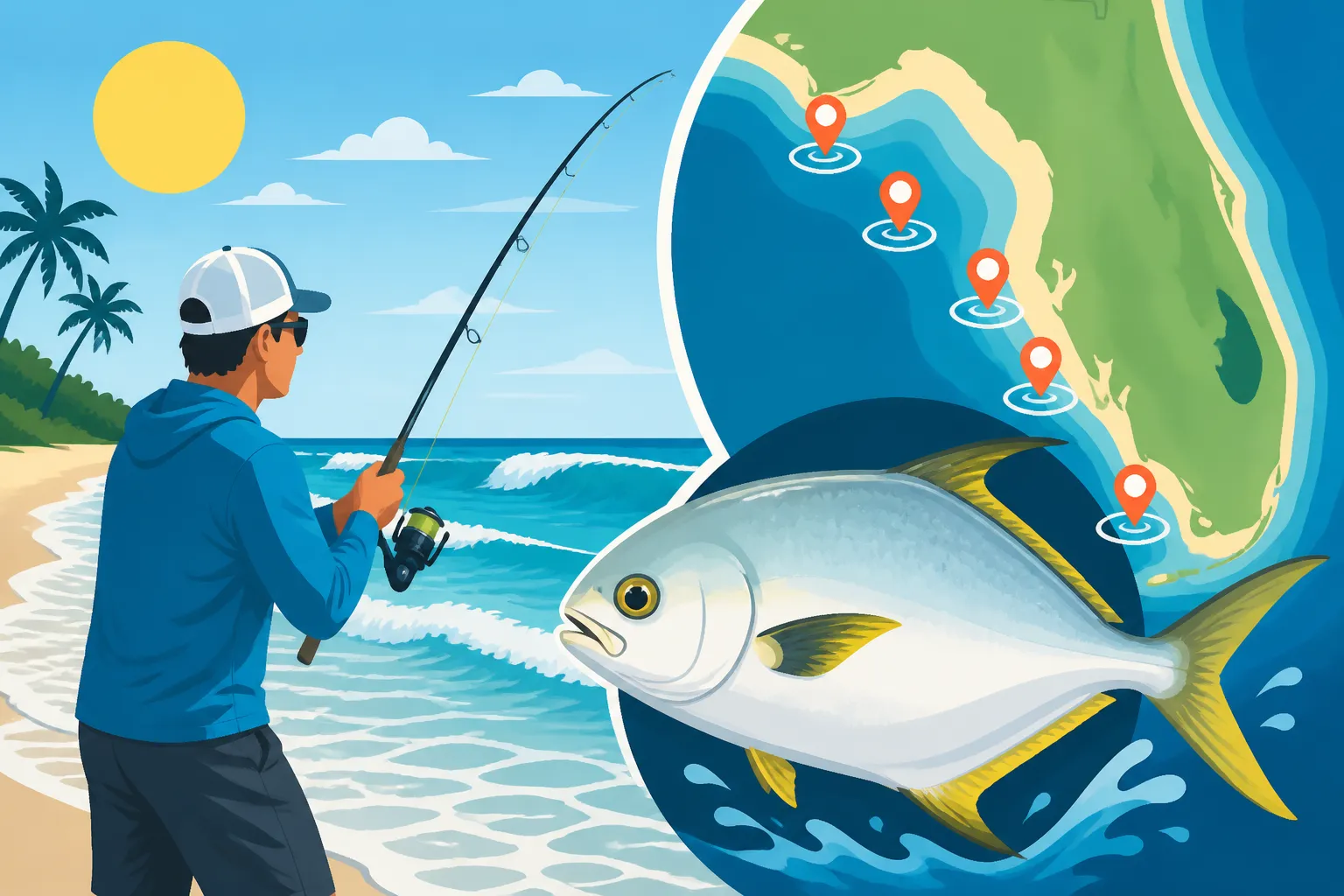
There's nothing quite like the thrill of feeling that distinctive pompano "thump" on your line while standing on a beautiful Florida beach, the waves crashing at your feet. But let's be honest, finding these elusive, delicious fish from the surf can sometimes feel like searching for a needle in a haystack. This comprehensive guide is here to cut through the guesswork, sharing the real-world hotspots and insider tips to help you consistently land pompano from Florida's sun-drenched shores.
Understanding Pompano Behavior and Habitat
Before we dive into specific locations, it's crucial to understand what makes a spot "good" for pompano. These fish aren't just swimming aimlessly; they have specific needs and preferences that dictate where they feed and travel. Grasping their behavior is the first step to truly successful surf fishing.
What Pompano Look For in the Surf
Pompano are creatures of habit, and their habits revolve around food and safety. They are primarily bottom feeders, sifting through sand for small crustaceans and invertebrates. This means they are constantly on the move, following the tides and currents to access their next meal. When you're standing on the beach, you need to think like a pompano. Where would you go to find sand fleas, small coquina clams, or tiny crabs?
They often frequent areas where the wave action churns up the bottom, dislodging food. This leads them to congregate in troughs, sloughs, and along sandbars just beyond the breaking waves. Look for subtle changes in water color, areas where waves break differently, or even areas with visible baitfish activity. A deeper, darker trough running parallel to the beach can be a goldmine, offering both a buffet and a highway for migrating fish. Don't overlook the importance of structure; although they love open sandy beaches, jetties, rock piles, and even submerged debris can concentrate bait and, consequently, pompano.
Seasonal Movements and Environmental Factors
Pompano are highly migratory, moving up and down Florida's coasts with the changing seasons and water temperatures. Generally, you'll find them in higher concentrations in South Florida during the cooler winter months and moving northward along both coasts as the water warms in spring and fall. This doesn't mean you can't catch them year-round in certain areas, but their presence can become more predictable during these transitional periods. Understanding the Florida Fishing Seasons Explained is key to knowing when to target them.
Beyond seasonal migration, daily environmental factors play a huge role. Water clarity, for instance, is a major factor. Pompano often prefer cleaner, less turbulent water, though they will feed in slightly stained water if food is abundant. Strong winds and heavy surf can make fishing challenging and drive them further offshore or into protected areas. However, a moderate chop can be ideal, as it helps dislodge food from the bottom without making the water too cloudy. Always keep an eye on the weather forecast and prevailing conditions; a little planning can make a big difference.
Prime Pompano Hotspots on Florida's Coasts
Florida's vast coastline offers countless miles of sandy beaches, but some spots consistently outperform others for pompano. These locations often share characteristics that make them ideal feeding grounds, from abundant natural bait to favorable bottom contours.
Atlantic Coast Pompano Paradises
The Atlantic coast, particularly the central and northern stretches, is a well-known pompano haven, especially during the cooler months when they migrate south.
New Smyrna Beach and Flagler Beach
These areas are legendary for their pompano runs, especially from late fall through spring. The beaches here feature long, gradually sloping sands and numerous sandbars that create perfect feeding troughs. Anglers often find success fishing the "first trough" close to shore, or by casting over the first bar into the deeper water behind it. The abundance of coquina clams and sand fleas makes these spots particularly attractive.
The best approach here is often to spread out your lines, trying different distances from shore until you locate the feeding zone. Mornings and evenings, particularly around tide changes, tend to be the most productive. Access is generally good, with plenty of public parking, but these popular spots can get crowded, especially on weekends during peak season. You can usually find a good stretch of beach to yourself if you're willing to walk a bit.
Hutchinson Island and Jensen Beach
Further south, Hutchinson Island and Jensen Beach offer excellent pompano fishing, particularly through the winter. This barrier island features miles of unspoiled beaches, with deeper cuts and troughs that hold bait. The Fort Pierce Inlet to the north and the St. Lucie Inlet to the south act as highways for migrating fish, and the adjacent beaches often intercept them.
Anglers here often target the sloughs and cuts created by wave action, especially after a period of rough surf that reshapes the bottom. These areas are rich in sand fleas and other small invertebrates, which are pompano delicacies. Pay close attention to subtle changes in the beach contour; a slight indentation or darker patch of water can indicate a productive feeding lane. Many anglers swear by the effectiveness of live sand fleas in these waters, though artificial lures can also produce.
Gulf Coast Pompano Hotspots
While the Atlantic side might get more hype for sheer numbers, the Gulf Coast provides fantastic pompano opportunities, especially in the spring and fall as fish move in and out of the deeper Gulf waters.
St. Pete Beach and Anna Maria Island
On Florida's central Gulf coast, areas like St. Pete Beach and Anna Maria Island are fantastic for pompano. These beaches are known for their beautiful, white sand and often have a more gentle slope than their Atlantic counterparts. However, don't let the calmer waters fool you; strong currents can still create excellent feeding zones. The numerous passes and inlets along this stretch of coast, like Pass-a-Grille, serve as natural pathways for pompano migrating in and out of the bay systems.
The key to success here often lies in identifying the subtle troughs and depressions in the sandy bottom. Early mornings, before the crowds descend, are often the best times. Many anglers have great success targeting pompano along the edges of the numerous public fishing piers in the area, or simply by walking the beach and casting into promising-looking cuts. Live sand fleas or small pieces of shrimp are almost always effective, but bright-colored artificial jigs like Doc's Goofy Jigs can also entice a strike, especially when tipped with a small piece of bait.
Sanibel and Captiva Islands
Heading southwest, Sanibel and Captiva Islands are famous for their shelling, but they also offer some stellar pompano fishing. The currents around these islands, particularly near Blind Pass, constantly reshape the bottom, creating prime feeding areas. The abundance of natural forage, combined with less fishing pressure than some mainland beaches, can lead to some incredible days.
Fishing the surf along Bowman's Beach on Sanibel or the beaches of Captiva can be very rewarding. Look for areas with slightly deeper water, where the waves create a good wash for sand fleas and coquinas. The best strategy is often to move and explore until you find an active school. Remember, these islands are known for conservation, so practice responsible angling and be mindful of wildlife. If you're looking for an experienced local to show you the ropes, checking out charters on a platform like FishingBooker can connect you with guides who specialize in these unique island fisheries.
Navarre Beach and Gulf Islands National Seashore
Up in the Florida Panhandle, Navarre Beach and the pristine stretches of the Gulf Islands National Seashore are outstanding for pompano, particularly in spring and fall. These white-sand beaches boast incredible beauty and healthy populations of baitfish and crustaceans. The deeper, clearer waters often allow for sight fishing on calm days, which is an exhilarating way to target pompano.
The beaches within the National Seashore are less developed, offering a more tranquil fishing experience. Look for areas where the natural contour of the beach creates a "lip" or a small drop-off where pompano might hold. The surf here can vary greatly, from calm to moderately rough, so adjust your tackle and technique accordingly. A good pair of polarized sunglasses is a must for spotting subtle signs of fish or bait. These northern Gulf beaches also see excellent runs of other surf species, making for a diverse fishing experience.
Essential Gear and Techniques for Surf Pompano
Having the right gear and employing effective techniques are paramount to consistently catching pompano from the surf. It’s not just about casting far; it’s about presenting your bait effectively in the feeding zone.
Rods, Reels, and Lines
For pompano surf fishing, you generally want a medium-light to medium action spinning rod, typically 9 to 12 feet long. This length gives you the casting distance needed to reach beyond the first sandbar and handle the inevitable fight in the surf. Brands like St. Croix, Tsunami, and Daiwa make excellent rods that are well-suited for this type of fishing, offering a good balance of backbone for casting and sensitivity for detecting those subtle pompano bites.
Pair your rod with a reliable spinning reel in the 3000-5000 size range, capable of holding 200+ yards of line. Corrosion resistance is a huge plus for saltwater use, so look for models from Penn, Shimano, or Daiwa that are sealed or treated for the harsh marine environment. Spool your reel with 10-20 lb braided line, which offers superior casting distance and sensitivity, and then use a 20-30 lb fluorocarbon leader for abrasion resistance and invisibility. A long leader, 3-5 feet, can be beneficial, especially in clear water.
Pompano Rigs and Baits
When it comes to rigs, the classic Pompano Rig is king. This rig typically features two dropper loops with small, sharp hooks (usually #1 or #2 kahle or circle hooks) and a pyramid sinker at the bottom, ranging from 1 to 4 ounces depending on current and surf conditions. The hooks are often adorned with small, brightly colored floats or beads (chartreuse, pink, orange, or yellow are popular) that help attract attention and keep the bait off the bottom, preventing crabs from stealing it too easily. Learn more about the Best Rigs for Surf Fishing.
For bait, live sand fleas are, without a doubt, the number one choice. Pompano absolutely gorge on them. You can catch your own by using a sand flea rake at the water's edge. Other effective natural baits include pieces of fresh peeled shrimp, small pieces of clam, or even small strips of FishBites (often tipped with a piece of natural bait for added scent). Artificial lures like small Goofy Jigs or Pompano Jigs (like those from Saltwater Assassin or DOA) can also be highly effective, especially when fished actively. Tipping artificial jigs with a small piece of shrimp or FishBites can further enhance their appeal.
Casting and Retrieval Techniques
Successfully presenting your bait is crucial. The goal is to cast your rig into the active feeding zone, often a trough or slough where pompano are moving. Start by casting parallel to the shore, targeting areas with darker water or subtle depressions. Don't be afraid to experiment with casting distance until you find where the fish are holding.
Once your rig is out, let the pyramid sinker dig into the sand to hold it in place. Pompano often bite subtly, so keep a close eye on your rod tip. Many anglers prefer to hold their rod to detect the lightest tap, but if you're fishing multiple rods, use a sand spike and watch for a distinct "thump" or a slow, steady bend. Occasionally, a slow, gentle retrieve with a jig or a baited rig can entice a strike, especially if the fish are scattered. The key is patience combined with willingness to adjust your strategy until you find what works on a given day. Sometimes, a short, sharp twitch of the rod can make those colorful floats dance and trigger a bite.
Timing Your Pompano Hunt: Seasons, Tides, and Conditions
Even with the perfect spot and gear, timing is everything. Pompano are incredibly sensitive to environmental changes, and knowing when to hit the beach can make the difference between a frustrating day and a fantastic one.
Best Seasons and Months
As mentioned, pompano are migratory. The prime windows for surf fishing them vary significantly by region in Florida. On the Atlantic coast, the peak season typically runs from late October through May, with March and April often being the absolute best months as fish make their northward migration. In the Panhandle, spring (March-May) and fall (September-November) are generally the most productive. Along the central and southwest Gulf coast, you can find them year-round, but spring and fall still offer the most consistent action.
During these peak seasons, water temperatures are usually in their preferred range (68-75°F). Cooler water in winter drives them south, while excessively hot summer water might push them further offshore or into deeper, cooler pockets. Monitoring local water temperatures can give you a significant advantage. This aligns perfectly with the broader advice on the Best Time of Year to Fish in Florida.
Tidal Influence and Bite Windows
Tides are perhaps the most critical factor for successful pompano surf fishing. Pompano actively feed during moving tides, as the current stirs up the bottom and dislodges their food. Both incoming and outgoing tides can be productive, but many anglers swear by the last hour of the incoming tide and the first hour or two of the outgoing tide. This is often when the water movement is strongest, creating prime feeding conditions in the troughs and along the sandbars.
However, sometimes a slower moving tide can also be productive, especially if bait is concentrated in certain areas. It's less about a hard-and-fast rule and more about understanding what the tide is doing to the bait sources. "Slack tide"—the period of minimal water movement between tides—is generally considered the least productive time to fish for pompano. Being able to How to Read a Tide Chart for Fishing is an indispensable skill for any surf angler.
Weather and Water Conditions
Pompano fishing can be highly dependent on recent weather patterns. A few days of consistent, moderate surf (1-3 feet) with light offshore winds can create ideal conditions, leading to clean water and well-defined troughs. Strong winds, especially those blowing onshore for extended periods, can churn up the surf, making the water dirty and difficult to fish, often pushing pompano further out or into calmer waters.
Conversely, dead calm, flat conditions can also be challenging, as the lack of wave action means less stirred-up food. A light breeze from the northeast or southeast (depending on the coast) often seems to invigorate the bite. After a cold front, pompano can be a bit sluggish, but as the water warms back up, they'll often resume feeding actively. It's about finding that sweet spot where the conditions are just right – not too rough, not too calm, and with the right water temperature. Consider checking local surf reports and webcams before heading out.
Local Knowledge and Conservation
Even with all the generalized information, nothing beats insights from seasoned local anglers. They often have an intuitive understanding of micro-conditions and nuances that can't be found in any guide.
Tapping into Local Expertise
If you're new to an area or just looking to improve your catch rate, don't hesitate to engage with local bait and tackle shops. These establishments are often goldmines of information, providing up-to-the-minute reports on what's biting, where, and on what. They can tell you about recent bait runs, changes in beach structure, and even recommend specific rigs or baits that are currently hot. Plus, supporting local businesses is always a good idea!
Another fantastic way to gain local insights is by connecting with fishing forums or local Facebook groups dedicated to surf fishing in Florida. Anglers in these communities are often willing to share tips, though they might not give away their exact secret spot. For a truly immersive experience and hands-on learning, consider hiring a local guide. Platforms like FishingBooker can help you find experienced captains who specialize in pompano surf fishing, offering personalized instruction and taking you directly to the best spots. This can be particularly useful if you want to understand the finer points of Florida Saltwater Fishing License Rules or Florida Fishing Regulations and Bag Limits as they pertain to pompano and other species.
Respecting the Resource
Pompano are a prized sport fish, and it's essential to practice responsible angling to ensure their populations thrive for future generations. Always adhere to Florida's fishing regulations, including size and bag limits. Check the latest rules from the Florida Fish and Wildlife Conservation Commission (FWC) before you go, as regulations can change.
When handling fish you intend to release, do so quickly and carefully, minimizing their time out of the water. If you're using circle hooks, they are generally safer for the fish, often hooking them in the corner of the mouth, making for easier release. Consider carrying a de-hooking tool. Remember to leave no trace: pack out all your trash, including discarded fishing line, which can be deadly to wildlife. By respecting the resource and the environment, we all contribute to a healthier fishery and more enjoyable experiences for everyone. And don't forget, you will need to understand the Florida Fishing License Costs and Fees and secure the appropriate license before casting a line.
| Coast/Region | Primary Season | Typical Bait | Key Features to Look For | Pro Tip |
|---|---|---|---|---|
| Atlantic Coast | Fall – Spring (Oct-May) | Live Sand Fleas, Shrimp | Defined troughs, sandbars, coquina concentrations | Fish tide changes; spread lines to find depth. |
| Central | Peak: March-April | FishBites (chartreuse/pink) | Gently sloping beaches, occasional deeper cuts | Target areas with good wave action to dislodge bait. |
| South | Peak: Dec-Feb | Clams, small jigs | Near inlets, deeper pockets, cleaner water | Warmer water holds fish in winter; focus on structure. |
| Gulf Coast | Spring & Fall | Live Sand Fleas, Shrimp | Subtle troughs, depressions, passes, clear water | Look for clean water and visual baitfish activity. |
| Central | Peak: March-May | FishBites, Doc's Goofy Jigs | White sand beaches, passes, shallow flats | Try tipping artificial jigs with a piece of natural bait. |
| Panhandle | Peak: April-May, Sep-Nov | Live Sand Fleas, Shrimp | Pristine beaches, deep cuts, sight fishing opportunities | Use polarized sunglasses for spotting fish in clear water. |
Disclaimer
Fishing conditions and regulations in Florida can change frequently. Always consult the latest Florida Fish and Wildlife Conservation Commission (FWC) rules and advisories before heading out. The information provided in this guide is for general informational purposes only and should not be considered a substitute for official regulations.