Florida Snook Season Guide
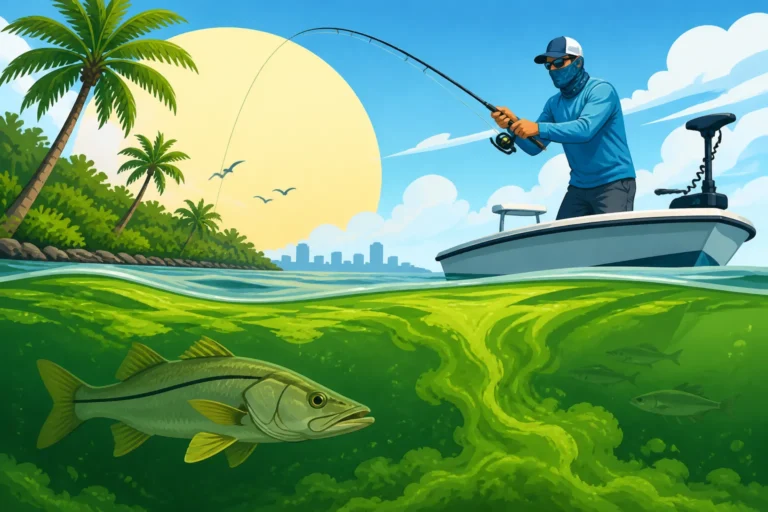
Florida snook fishing is a dream for many anglers, but navigating the ever-changing seasons and regulations can feel like trying to solve a complex puzzle. It's frustrating when you're geared up and ready to hit the water, only to realize the season is closed or you're in the wrong zone. This comprehensive guide will unravel the mysteries of Florida snook season, giving you the clear, up-to-date information you need to fish responsibly and successfully, ensuring you understand exactly when and where you can target these incredible game fish.
Understanding Florida's Snook Regulations
Snook are one of Florida's most iconic and prized game fish, known for their powerful strikes and acrobatic fights. Because they're so sought after, they're also highly regulated. The Florida Fish and Wildlife Conservation Commission (FWC) continuously monitors snook populations and adjusts rules to ensure these incredible fish remain abundant for future generations. It's not just about stopping people from fishing; it's about protecting a vital part of Florida's natural heritage. Ignoring these rules isn't just a minor infraction; it can significantly impact the health of the snook population and lead to hefty penalties for anglers.
The Importance of FWC Rules
The FWC takes a science-based approach to managing Florida's fisheries, and snook are no exception. Their regulations, including specific seasons, size limits, and bag limits, are designed to protect snook during critical times, such as their spawning periods, and to allow enough fish to grow to maturity and reproduce. This careful management is crucial because snook are sensitive to environmental changes, like cold fronts and red tides, which can dramatically affect their numbers. Without these rules, overfishing could quickly deplete local snook populations, turning a thriving fishery into a ghost town.
It can feel like the rules change constantly, and sometimes they do! That's why staying informed is so important. What was legal last year might not be this year, or even next month, as the FWC responds to data and scientific assessments. They balance recreational and commercial interests with the long-term sustainability of the species. This proactive management helps maintain the vibrant ecosystems where snook thrive, benefiting not just anglers but the entire aquatic environment.
Overview of Saltwater vs. Freshwater Designations
One common point of confusion for anglers, especially those new to Florida, is that snook are primarily a saltwater species but can be found in brackish and even some freshwater environments. However, regardless of where you catch them, snook are always considered a saltwater species under FWC regulations. This means that if you're targeting snook, even if you find them miles up a river or in a coastal lake that appears freshwater, you must abide by all saltwater fishing license requirements and snook-specific regulations.
This distinction is vital because Florida has separate licenses for freshwater and saltwater fishing. Many anglers initially assume that if they're fishing in a freshwater-dominated area, a freshwater license is sufficient. Not so for snook! Always ensure you have a valid Florida Saltwater Fishing License if you plan to target snook, even if you are in an area where their presence seems unusual. Misunderstanding this can lead to fines, even if you have a valid freshwater license.
Key Regulatory Changes Over Time
Florida's snook regulations have seen significant changes over the years, often in response to major environmental events or shifts in fish populations. For instance, severe cold snaps in the past have led to temporary closures or extended seasons to allow snook populations to recover from winter kills. Similarly, studies indicating declining populations or shifts in spawning patterns can trigger adjustments to slot limits or bag limits. It’s not uncommon for anglers to feel frustrated by these changes, especially when they disrupt long-standing fishing plans.
A notable shift has been the regionalization of rules, recognizing that snook populations and fishing pressures can vary significantly between the Gulf Coast and Atlantic Coast. This allows for more localized and effective management strategies. Staying on top of these updates means regularly checking the FWC website or resources like their GoOutdoors Florida app. This diligence ensures you're always compliant and contributing to sustainable fishing practices. For a deeper dive into the overall regulatory landscape, check out our Florida Fishing Regulations and Bag Limits guide.
Florida Snook Season by Region
The biggest head-scratcher for many snook anglers is that the season isn't uniform across the entire state. Florida is a big state with diverse ecosystems, and the FWC has tailored snook seasons to address regional differences in snook biology and fishing pressure. This means that what's open on the Atlantic Coast might be closed on the Gulf, or vice-versa. It’s absolutely critical to know which region you’re in before you even think about putting a snook in your cooler.
Gulf Coast Snook Season Details
The Gulf Coast of Florida, stretching from Collier County up through the Panhandle, generally has specific open and closed seasons for snook. Typically, the snook season in Gulf state waters opens on March 1st and runs through April 30th. It then closes for May, June, July, and August, which aligns with much of their primary spawning season and helps protect large aggregations of fish. The season then reopens from September 1st through November 30th. This allows for spring and fall fishing opportunities while providing critical protection during the warmer summer months when snook are most vulnerable during reproduction.
However, there's a significant exception: a permanent closure in some areas within Collier County (including Everglades National Park and Ten Thousand Islands) and all of Monroe County (the Florida Keys). This means if you're planning a trip to these prime snook fishing grounds, you must be prepared for strictly catch-and-release fishing only, year-round. This is a crucial detail that often catches visiting anglers by surprise, leading to potential fines if they mistakenly keep a fish.
Atlantic Coast Snook Season Details
On the Atlantic Coast, which covers counties from Brevard south to Palm Beach and Miami-Dade, the snook season follows a slightly different pattern. Generally, the Atlantic Coast season is open from February 1st through May 31st. It then closes for June, July, and August, similar to the Gulf, again to protect spawning snook during the warmest months. The season typically reopens from September 1st through December 14th. This gives Atlantic anglers a good spring run and a solid fall season, with a closure during peak summer and a shorter winter closure.
Understanding these precise dates is paramount. A simple error could turn an exciting fishing trip into a costly encounter with law enforcement. Always double-check the FWC's official site for the most current dates, as these can be subject to emergency closures or adjustments due to unforeseen environmental events like extreme cold fronts. This regional approach acknowledges that snook populations along Florida's coasts face different pressures and ecological conditions.
Specific Closures and Openings
While the general regional seasons provide a good framework, there are always those specific, localized rules that can trip up even experienced anglers. As mentioned, Monroe County and Everglades National Park, regardless of their coastal designation, are entirely catch-and-release for snook year-round. This special protection highlights the ecological significance of these areas and the need for stricter conservation efforts there.
Another vital point to remember is that these regulations apply to state waters. This means coastal waters up to 9 nautical miles on the Gulf side and up to 3 nautical miles on the Atlantic side. If you're fishing beyond these state water boundaries into federal waters, different regulations for other species might apply, but for snook, they are primarily a state-managed fishery, and the state rules prevail within those limits. For more specifics on these boundaries, our guide on State Waters vs Federal Waters Fishing Rules in Florida can offer clarity. Always confirm the exact location you're fishing and the rules that govern it.
| Region | Open Season (Recreational) | Closed Season (Recreational) | Special Notes |
|---|---|---|---|
| Gulf Coast | March 1 – April 30 | May 1 – August 31 | Permanent closure in Monroe County, Everglades National Park, and some areas of Collier County (catch-and-release only). |
| September 1 – November 30 | December 1 – February 28/29 | ||
| Atlantic Coast | February 1 – May 31 | June 1 – August 31 | No specific permanent closures like the Gulf. |
| September 1 – December 14 | December 15 – January 31 |
Note: Always verify current dates with the Florida Fish and Wildlife Conservation Commission (FWC) website as regulations can change.
Snook Size and Bag Limits
Beyond knowing when you can keep a snook, you absolutely must know what size snook you can keep and how many. These limits are designed to protect both juvenile fish, allowing them to grow and reproduce, and the largest, most prolific breeders. It's a critical balancing act that helps ensure the future of the fishery. Misunderstanding these limits is a common reason anglers run into trouble.
Understanding the Slot Limit
Florida employs a "slot limit" for snook. This means there's a minimum and a maximum size limit, and you can only keep fish that fall within that slot. For snook, the slot limit on both the Gulf and Atlantic coasts is 28 to 33 inches total length. This means any snook shorter than 28 inches must be immediately released, and any snook longer than 33 inches must also be immediately released. The FWC defines "total length" as measured from the most forward point of the head to the farthest tip of the tail, with the tail in a natural position.
The reasoning behind a slot limit is smart conservation. By protecting the smallest fish, you ensure they have a chance to reach reproductive maturity. By protecting the largest fish, often referred to as "brood stock," you safeguard the most productive spawners that contribute significantly to the overall population. These larger fish produce the most eggs and are vital for future generations. Catching a snook outside this slot, even by a quarter-inch, means it must go back into the water without delay. Our Florida Snook Size and Slot Limits guide provides even more in-depth information.
Daily Bag Limit and Annual Limits
In addition to the slot limit, there's also a daily bag limit for snook. This means you can only keep a certain number of legal-sized snook per day. Currently, the daily recreational bag limit for snook in Florida is one fish per person per day. This is a strict rule, and it applies even if you're fishing with friends and pooling your catch; each individual angler can only possess one legal snook.
There's also an annual closed season for snook, which means that even when the season is "open," there are extended periods (like the summer closure) when you cannot keep any snook. This is different from the daily bag limit and ties back to the regional season dates we discussed earlier. It's not about how many you can keep if it's open, but ensuring you don't keep any if it's closed, regardless of size. The one-fish-per-person daily limit is a strong conservation measure, preventing too many fish from being removed from the population even during open seasons.
The Snook Permit Requirement
If you plan to harvest a snook during an open season, you’ll need more than just a regular saltwater fishing license. Florida requires anglers to also purchase a separate Snook Permit. This permit is an additional cost on top of your fishing license, and it's mandatory for anyone wishing to keep a snook. All funds generated from the sale of snook permits go directly towards snook research and management, directly benefiting the species and the fishery. It’s a small investment that directly supports the future of snook fishing.
You can purchase a snook permit wherever you buy your Florida fishing license, whether that's online through the GoOutdoors Florida portal, at a local tackle shop, or a county tax collector's office. Make sure to have both your saltwater license and your snook permit valid and on your person (or easily accessible via the GoOutdoors Florida app) if you intend to harvest a snook. This dual requirement is in place to provide an additional layer of conservation funding and tracking for this highly valued species. More details can be found in our Florida Snook Permit Requirements article.
Why Snook Seasons and Limits Matter
Sometimes, when you're out on the water and the snook are biting, it's easy to forget why all these rules are in place. You might wonder why you have to throw back a perfectly good 35-inch snook, or why the season suddenly closed right when the bite got hot. But these regulations aren't arbitrary; they are the backbone of Florida's snook conservation efforts, designed to keep these fish around for generations to come.
Protecting Spawning Aggregations
One of the primary reasons for seasonal closures, particularly during the warmer summer months (June, July, August), is to protect snook during their spawning aggregations. Snook gather in large groups in specific areas, often near inlets, passes, and coastal estuaries, to reproduce. During this time, they are highly concentrated and can be particularly vulnerable to fishing pressure. Imagine if there were no limits during these periods – anglers could easily decimate an entire spawning population in a short amount of time.
By closing the season during these critical spawning months, the FWC ensures that a maximum number of snook have the opportunity to successfully reproduce without significant human interference. This allows eggs to be laid, fertilized, and larvae to develop, replenishing the population. It's a proactive measure that prioritizes the long-term health of the species over short-term harvest opportunities, securing future fishing experiences for everyone.
Ensuring Future Generations of Snook
Beyond protecting spawning activity, the slot limit and bag limit also play a huge role in ensuring that future generations of snook thrive. By requiring the release of smaller snook (under 28 inches), anglers allow these juveniles to grow to a size where they are reproductively mature and can contribute to the population. These younger fish need time to develop, and the slot limit gives them that crucial window.
Similarly, releasing the largest snook (over 33 inches) protects the most successful breeders. These "trophy" sized fish are often the strongest and most resilient, carrying the best genes for the species. Allowing them to continue spawning for many years helps maintain a robust and diverse gene pool within the snook population. This approach supports a healthy age structure in the snook population, making it more resilient to environmental challenges and ensuring a sustainable fishery for the future.
Ecological Role of Snook in Florida Ecosystems
Snook aren't just a prized catch; they play a vital role in Florida's delicate coastal ecosystems. As apex predators in many of their habitats, they help maintain the balance of various fish species, crustaceans, and other prey. They consume a wide range of smaller fish, such as mullet, pinfish, and shrimp, keeping those populations in check and preventing overpopulation that could strain resources.
When snook populations are healthy, it's often an indicator of a healthy overall ecosystem. A decline in snook numbers can ripple through the food web, potentially leading to imbalances in prey species and affecting other predators. Therefore, effective snook management isn't just about preserving a sportfish; it's about preserving the intricate ecological fabric of Florida's estuaries, mangroves, and nearshore waters. The FWC's careful approach to the Florida Fishing License Fees Fund Conservation underscores this broader commitment to ecological health.
What to Do During Closed Snook Season
So, the snook season is closed in your area, and you've got that itch to fish. Don't despair! A closed season for harvesting doesn't mean you have to hang up your rods. In fact, it presents a fantastic opportunity to refine your skills, explore different angling experiences, and practice responsible fishing techniques. You can still target snook for the thrill of the catch, or pivot to other species that are open.
Mastering Catch and Release Techniques
During closed snook season, or if you catch an undersized or oversized snook during the open season, practicing proper catch-and-release is absolutely essential. This isn't just about throwing the fish back; it's about giving that fish the best possible chance of survival. Improper handling can cause serious injury or even delayed mortality, negating the conservation efforts.
Here are some key tips for responsible catch and release:
- Minimize Fight Time: Use appropriate tackle (rods, reels, and line) that can handle the fish quickly, reducing stress.
- Handle With Care: Avoid touching the fish's gills or eyes. Use wet hands or a fish-friendly gripper on the lower jaw. If possible, keep the fish in the water.
- Dehook Safely: Have dehooking tools (like long-nose pliers or a dehooker) readily available. If the fish is deeply hooked, cut the line as close to the hook as possible rather than tearing the hook out, which often causes more damage.
- Support the Fish: If you must lift the fish for a quick photo, support its body horizontally, especially larger snook. Never hold a large snook vertically by the jaw; this can damage its spine and internal organs.
- Revive Gently: If the fish seems sluggish, gently hold it upright in the water, facing into a mild current, until it can swim away strongly on its own.
Mastering these techniques means you can still enjoy the exciting fight of a snook without contributing to population decline.
Targeting Alternative Species
Florida is a fishing paradise, and even when snook season is closed, there's a myriad of other fantastic species to target. This is a great time to expand your angling horizons! If you're passionate about inshore fishing, you can focus on species like redfish, spotted seatrout, or flounder, which often inhabit similar waters to snook. Many of these have different season and bag limits, offering year-round opportunities.
For those who prefer freshwater, Florida's numerous lakes and rivers are teeming with largemouth bass, crappie, bluegill, and even exotic species like peacock bass in South Florida canals. Heading offshore opens up a whole new world of grouper, snapper, mahi-mahi, and king mackerel, depending on the season. Utilizing the closed snook season to explore these different fisheries can make you a more versatile and knowledgeable angler. Our Florida Redfish Fishing Guide or Florida Spotted Seatrout Fishing Guide can provide excellent starting points for alternative inshore targets.
Responsible Angling Practices
Beyond catch and release, responsible angling during closed seasons encompasses a broader set of ethical considerations. This includes being mindful of your impact on the environment and other anglers. For instance, avoid fishing directly into known snook spawning aggregations, even if you intend to release them, as repeated harassment can disrupt their reproductive cycle.
Always pack out what you pack in, ensuring no trash is left behind. Be respectful of private property and other boaters or anglers. Staying informed about current regulations isn't just for snook; it applies to all species you target. Being a responsible angler means being an ambassador for the sport, ensuring everyone can enjoy Florida's incredible natural resources for years to come. This commitment to conservation is what keeps our waters vibrant and healthy.
Gear and Techniques for Snook Fishing
To truly enjoy snook fishing, whether during open season or catch-and-release periods, having the right gear and knowing effective techniques makes all the difference. Snook are powerful fish, and going undergunned will often lead to heartbreak. Investing in quality tackle suited for the task is crucial for both landing the fish and ensuring a successful release.
Essential Rods, Reels, and Line
For most inshore snook fishing, a medium-heavy spinning rod, typically 7 to 7.5 feet long, offers a good balance of casting distance and backbone to handle a fighting snook. Pair this with a 3000 to 4000 series spinning reel. Brands like Shimano, Penn, and Daiwa offer excellent options that can withstand the corrosive saltwater environment. When you're looking to upgrade your tackle, reliable platforms like Amazon offer a vast selection, from robust spinning reels perfect for battling a strong snook to high-quality braided line.
For line, 15 to 30-pound braided line is a popular choice for its strength, sensitivity, and casting distance. You'll need to tie a leader to your main line, typically 30 to 50-pound fluorocarbon. Fluorocarbon is less visible in the water and more abrasion-resistant, which is vital when snook try to rub your line against dock pilings or mangrove roots. Make sure your knots are strong; a good fishing knot can make or break your day!
Top Baits and Lures for Snook
Snook are opportunistic predators, and they'll hit a wide variety of baits and lures. When it comes to live bait, nothing beats a lively pilchard, mullet, or shrimp. These natural baits are often irresistible to hungry snook. You can cast net for your own bait or purchase it from local bait shops.
For artificial lures, there are countless options. Soft plastic paddle tails rigged on a jig head are incredibly versatile and effective, mimicking small baitfish. Topwater plugs, especially at dawn and dusk, can produce explosive strikes that are absolutely thrilling. MirrOlure, DOA, and Z-Man are popular brands for soft plastics and hard baits that consistently produce. Don't forget the essentials like polarized sunglasses and a good pair of pliers, easily found on Amazon, to help with sight fishing and hook removal. Remember, choosing the right bait often depends on what the snook are actively feeding on in your specific location, so observe the water for signs of baitfish.
Effective Fishing Strategies
Snook are ambush predators, meaning they often lurk in areas where they can surprise their prey. Look for them around structure: mangrove shorelines, dock pilings, bridge fenders, rock piles, and submerged fallen trees. Areas with moving water, like inlets and passes, are also prime spots, as the current brings food directly to them.
When fishing with live bait, a simple free-lined presentation or a small split shot to keep the bait near the bottom often works best. For artificials, vary your retrieve. Sometimes a steady retrieve works, other times a twitch-and-pause or erratic retrieve is more effective. Early morning and late evening are often the most productive times, as snook are more active during low light conditions. Night fishing under dock lights or bridge lights can also be incredibly productive, as snook gather to feed on baitfish attracted to the light. Patience and observation are key to consistent snook success. For more comprehensive insights into methods, our Florida Inshore Fishing Techniques guide provides a deeper dive.
Common Misconceptions and FAQs About Snook Season
Even with all the information out there, certain questions and misunderstandings about snook season persist. It's easy to get caught up in rumors or outdated information, which can lead to confusion or, worse, unintended violations. Let's clear up some of the most common myths and frequently asked questions.
"Can I keep a snook if I catch it in a river during the closed season?"
This is a common misconception! As we covered earlier, snook are always classified as a saltwater species, regardless of whether you find them far up a freshwater river or in a brackish canal. Therefore, if the snook season is closed in the region you're fishing, you cannot keep a snook, even if you caught it in what appears to be a freshwater environment. The rules apply statewide based on coastal regions.
The FWC's jurisdiction for snook is determined by the species itself, not the salinity of the water you happen to find it in. If you're fishing a river that flows to the coast, and you hook into a snook, you must adhere to the regional saltwater snook season and limits. Always assume saltwater rules apply to snook, no matter where they roam.
"Do charter boats follow different rules?"
No, not in terms of snook season, size, and bag limits for recreational anglers. While a licensed Florida Fishing Charter Guide or captain holds a specific vessel license that covers all passengers, making individual fishing licenses for clients unnecessary, they still must adhere to all the same FWC recreational rules for snook. This means if the season is closed, they cannot allow clients to keep snook. If it's open, clients are subject to the same one-fish-per-person daily bag limit and the 28-33 inch slot limit.
The captain's license covers the right to fish, but the rules for harvest remain the same as for any recreational angler. Any reputable charter captain will be well-versed in the current regulations and will ensure their clients comply. Don't be shy about asking your captain to clarify any rules before you head out. Our Florida Fishing Charter Guide goes into more detail about how charters operate within state regulations.
"What if I accidentally catch an undersized or oversized snook?"
Accidentally catching a snook outside the legal slot limit (under 28 inches or over 33 inches) is a very common occurrence, and it's perfectly legal as long as you handle it correctly. The key is immediate release. You cannot keep, possess, or transport a snook that falls outside the legal slot. This means if you measure it and it's too small or too large, it must go straight back into the water without delay.
Even during the open season, if you catch a snook that's too big or too small, it's considered illegal to keep it. The same proper catch-and-release techniques we discussed earlier apply here. Minimize handling, use dehooking tools, and revive the fish gently. Never assume you can just quickly take it to shore or hide it, as penalties for violating these rules can be severe, including fines and potential jail time if you are caught violating the rules. For more information on potential consequences, see our What Happens If You Fish Without a License guide, as similar penalties can apply to poaching violations.
Where to Find Snook Year-Round
Even during closed seasons where harvest is prohibited, or if you're in a year-round catch-and-release zone like the Florida Keys, you can still enjoy the thrill of targeting snook. Knowing where these fish prefer to hang out can significantly increase your chances of a successful day on the water, whether you're keeping a fish or just enjoying the fight.
Inshore Hotspots: Mangroves, Docks, and Bridges
Snook are masters of ambush, and their preferred habitats offer plenty of cover and structure to hide from prey and predators alike. Mangrove shorelines are quintessential snook territory. The intricate root systems provide shelter, shade, and an abundance of small baitfish and crustaceans. Casting parallel to mangrove lines, especially during incoming or outgoing tides, can be incredibly productive.
Docks and piers, particularly those with good lighting at night, are also prime snook magnets. The pilings provide structure, and the lights attract baitfish, creating a perfect feeding ground. Bridges are another major hotspot, especially around their pilings and shadow lines. The current that flows around bridge structures concentrates bait and creates eddies where snook can sit and wait. Look for areas with current breaks, potholes, and channels that offer deeper water access and ambush points.
Coastal Inlets and Passes
Coastal inlets and passes are major thoroughfares for baitfish moving between the open ocean and the calmer backwaters. This makes them incredibly important feeding grounds for snook, especially during tidal changes. As the tide rushes in or out, it sweeps baitfish through these narrow channels, creating a buffet for predatory snook.
You'll often find snook staged along the edges of these channels, in deeper holes, or near any submerged structure that breaks the current. Fishing jigs, live bait, or large swimbaits that imitate the migrating baitfish can be very effective here. Remember, these can be high-pressure areas with strong currents, so adjust your gear and techniques accordingly. Some of the best spots for Best Spots at Sebastian Inlet for Snook are prime examples of this kind of snook habitat.
Identifying Prime Snook Habitat
Learning to "read the water" is perhaps the most valuable skill for finding snook. Look for signs of baitfish activity –nervous water, baitfish showering out of the water, or diving birds. Snook are often nearby. Also, pay attention to water temperature. Snook are sensitive to cold, so during cooler months, they will seek out warmer, deeper pockets of water or canals. During hot summer days, they might seek shade under docks or in mangrove tunnels.
Water clarity also plays a role. While snook can tolerate a range of clarities, they often prefer areas where they can effectively ambush prey. Learning the nuances of various habitats and adapting your approach based on conditions will significantly improve your chances of consistently finding these amazing fish, no matter the season or regulations. A good pair of polarized sunglasses, available from retailers like Amazon, will help you spot snook lurking in clear water.
Disclaimer
The information provided in this guide is intended for general informational purposes only and is subject to change. Fishing regulations, including seasons, size limits, and bag limits for snook in Florida, are set by the Florida Fish and Wildlife Conservation Commission (FWC) and can be modified at any time due to biological assessments, environmental factors, or other management considerations. It is the angler's sole responsibility to ensure they are fully aware of and compliant with all current and applicable FWC regulations before engaging in any fishing activity. Always consult the official FWC website or their GoOutdoors Florida app for the most up-to-date and accurate information. Failure to comply with regulations can result in fines, penalties, and loss of fishing privileges.