Best Month to Catch Spotted Seatrout in Florida
If you've ever spent a beautiful Florida day on the water, only to come up short on one of the state's most beloved inshore species, the spotted seatrout, you know that frustration. It feels like everyone else is reeling them in, but you just can't crack the code. The truth is, while you can catch trout year-round, timing your trips to the best months can make all the difference in turning a slow day into an epic one. This guide is all about pinpointing those prime times and giving you the insights to make your next trout trip a success.
Understanding the Seasonal Dance of Spotted Seatrout
Florida's unique climate means our fishing seasons aren't always about extreme temperature shifts like up north. Instead, it's a subtle ballet of water temperature, bait migrations, and spawning cycles that dictates where and when certain species like spotted seatrout are most active. Cracking the code to consistently catching these beautiful fish means understanding their annual rhythm.
Why Water Temperature is the Unsung Hero
Let's be real, water temperature isn't just a number on a gauge for fish; it's their entire world. For spotted seatrout, cooler water generally means more activity. They are cold-blooded creatures, and their metabolism speeds up and slows down with the water around them. In Florida, this means the shoulder seasons of fall and spring, and even the milder winter months, are often when you find them most energized and hungry.
Imagine yourself on a blazing hot summer day – are you running a marathon or lounging by the pool? Fish are similar. When the water gets too warm (think 85°F and above), trout become lethargic. They'll seek out deeper channels, shaded areas, or places with strong tidal flow to find cooler, more oxygenated water. Conversely, when the water is in that sweet spot, generally between 65°F and 78°F, they're on the hunt, actively chasing bait. This directly impacts their feeding patterns and where you'll find them holding. Knowing this helps you predict their behavior far more accurately than just guessing.
The Role of Baitfish Migrations
Another massive piece of the puzzle is the movement of baitfish. Spotted seatrout are opportunistic predators, and their presence in certain areas is heavily influenced by the availability of food. When schools of mullet, pilchards, or threadfin herring are thick on the flats, you can bet the trout won't be far behind.
Florida's coastal ecosystems are incredibly dynamic. In the fall, for instance, huge schools of baitfish migrate along the coast, triggering a feeding frenzy among many predatory species, including trout. This "fall run" is a legendary time for inshore anglers. As winter sets in, some baitfish move offshore or into deeper, warmer pockets, and trout adjust their diets, often focusing on shrimp or smaller, slower-moving prey. Come spring, as waters warm and bait returns, the cycle begins anew, often coinciding with the trout's own spawning activities, which makes them incredibly hungry. Having a keen eye for baitfish activity – whether it's nervous water, birds diving, or simply seeing schools around – is like having an insider tip on where the trout are.
Spawning Cycles and Their Impact
Spotted seatrout typically spawn throughout the warmer months, roughly from March through November, with peak activity often in spring and early summer. During these periods, trout congregate in specific areas – usually shallow, grassy flats with good tidal flow near inlets or passes – to reproduce.
While they're spawning, trout can be highly aggressive as they defend their territory and feed to regain energy. This makes them more predictable and often easier to catch. However, it's also a critical time for their population, so understanding and respecting Florida Spotted Seatrout Size and Bag Limits is paramount. After spawning, trout often disperse slightly but remain active as they rebuild their energy reserves. Knowing the general timing of these cycles helps you target areas where trout are likely to be abundant, even if they're not actively "on the bite" every minute of the day.
The Prime Months for Targeting Spotted Seatrout
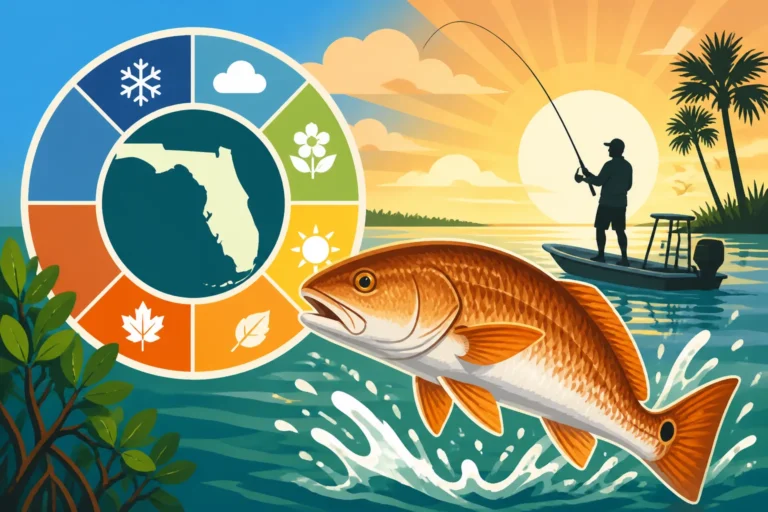
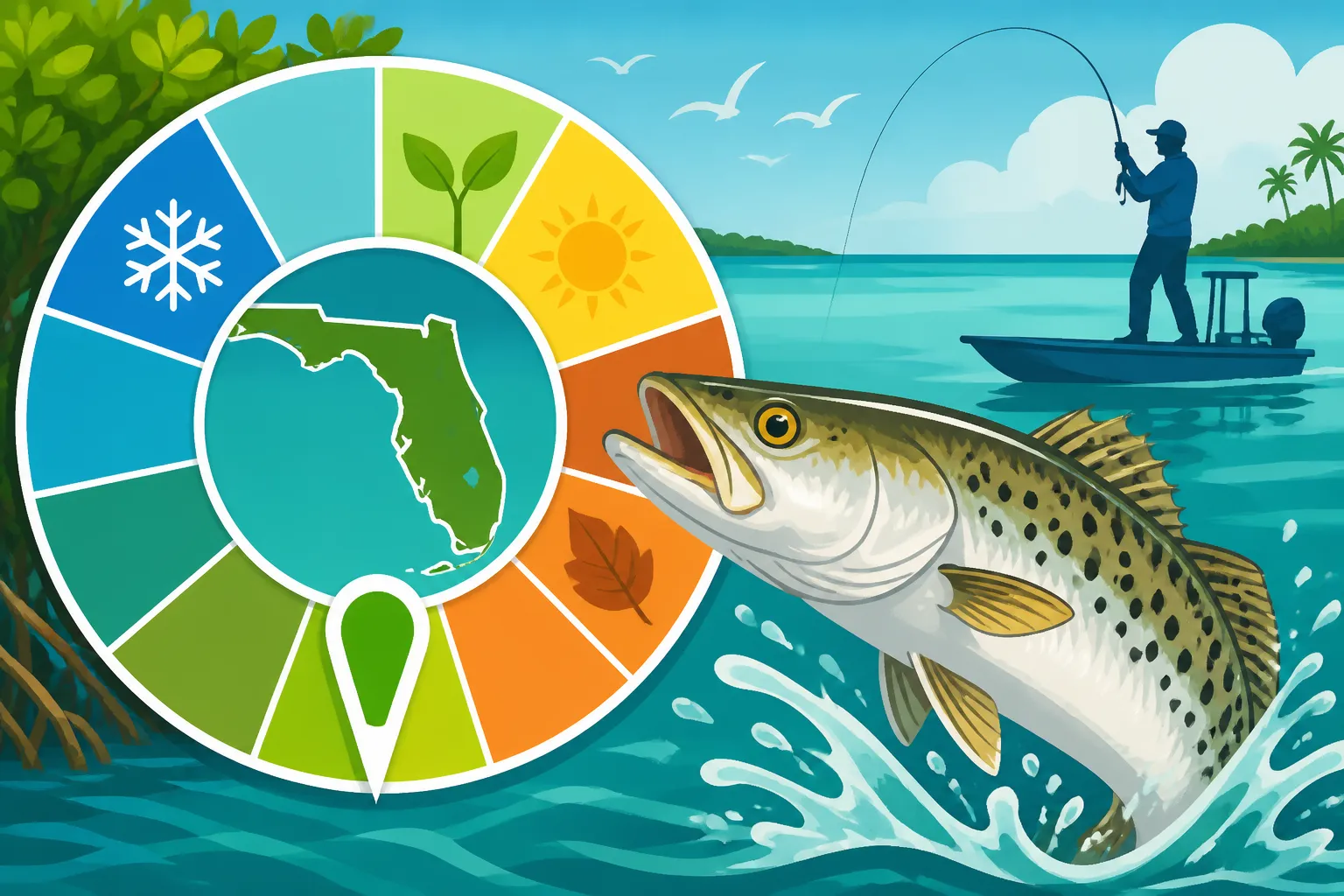
When it comes down to it, while you can catch spotted seatrout almost any day of the year in Florida, certain months consistently offer better opportunities due to the confluence of ideal water temperatures, abundant bait, and active feeding patterns. If you're looking for the absolute sweet spot, you're primarily aiming for the cooler parts of the year, with a special emphasis on the shoulder seasons.
Fall (October-November): The Golden Window
If there's one season that stands out for spotted seatrout fishing across much of Florida, it's the fall. As the oppressive summer heat begins to wane and the first cool fronts push through, the inshore waters truly come alive. Water temperatures drop into that optimal 70-75°F range, signaling to trout that it's time to put on the feedbag before winter.
This period is often marked by massive baitfish migrations, particularly mullet, that move along the coast. Trout gorge themselves on these abundant food sources, making them incredibly aggressive and willing to strike a wide variety of offerings. You'll find them actively hunting on shallow grass flats, around oyster bars, and lurking in potholes. Early mornings and late afternoons are often fantastic, but even midday can produce great action as the fish are actively feeding. It’s a fantastic time to throw topwater lures at dawn, as the cooler air and active fish create explosive strikes. Imagine the sun just breaking the horizon, a gentle breeze, and the sudden smash of a big trout on your topwater plug – that's what fall trout fishing is all about. This season is often heralded as the Best Time of Year to Fish in Florida for many species, and trout are certainly no exception.
Spring (March-May): Post-Spawn Perfection
As winter gives way to spring, and water temperatures steadily climb back into the ideal range (68-75°F), spotted seatrout become incredibly active again. This is often the primary spawning season for trout in many parts of Florida, and while they're focused on reproduction, they also need to feed heavily.
You'll find large numbers of trout congregating in shallow estuaries and on grass flats, often grouped up in anticipation or recovery from spawning. They're typically very aggressive, making them a prime target for anglers. Live bait like shrimp and pilchards are always effective, but this is also an excellent time for soft plastics and even small twitchbaits. The fishing pressure can be a bit higher during these months as more anglers hit the water, but the sheer abundance and willingness of the trout to bite often makes up for it. The combination of warming waters and an influx of bait makes spring an exceptionally productive time, especially in areas like the Indian River Lagoon or Tampa Bay where large flats provide ample habitat.
Winter (December-February): The Challenge & Reward
While fall and spring offer more widespread, aggressive action, winter fishing for spotted seatrout can be incredibly rewarding, especially for those who understand how trout adapt to cooler temperatures. This is particularly true in the warmer regions of South Florida, or during mild winters across the state. When strong cold fronts hit, trout will seek refuge in deeper, warmer waters. This means targeting residential canals, spring-fed rivers (like parts of the St. Johns River), deep pockets on the flats, or areas with dark, muddy bottoms that absorb solar heat.
However, during sunny days between cold fronts, or on extended mild spells, trout will push back onto shallow grass flats to bask in the sun and feed. These are the days when the grass flats truly shine. Look for darker grass beds and "potholes" – sandy depressions within the grass – where trout will ambush unsuspecting bait. Live shrimp or slow-moving soft plastics are often the most effective baits during these cooler periods. While the bite might be slower, the fish caught can often be larger "gator trout" that have been conserving energy. Understanding Why Grass Flats Hold More Trout in Winter is key to unlocking success during these months.
Summer (June-September): Early Bird Gets the Worm
Summer in Florida means heat, and that means warm water. While spotted seatrout don't disappear, their behavior shifts dramatically. They become more nocturnal, or at least crepuscular, meaning the best fishing window is usually at first light or last light.
During the scorching midday, trout retreat to deeper water, shaded areas under mangroves, or places with strong tidal flow that brings in cooler water and oxygen. Targeting deep grass flats, channels, and mangrove lines with good current is essential. Topwater lures are still effective in the low light of morning and evening, but live bait (especially shrimp) fished on a popping cork or free-lined becomes a go-to during the brighter parts of the day. This is also when you need to be mindful of red tide events, which can significantly impact trout populations and fishing success in certain areas. Despite the challenges, committed anglers can still find plenty of success by adapting their approach and fishing during cooler parts of the day.
Here's a quick overview of the best times:
| Season | Months | Water Temp Range (approx.) | Typical Location | Best Baits/Lures | Notes |
|---|---|---|---|---|---|
| Fall | Oct-Nov | 70-78°F | Shallow grass flats, oyster bars, potholes | Live mullet, pilchards, topwater, soft plastics | Highly aggressive, "fall run" baitfish |
| Winter | Dec-Feb | 60-70°F | Deep channels, canals, spring-fed rivers, potholes on sunny flats | Live shrimp, slow-fished soft plastics | Slower bite, but potential for "gator trout" |
| Spring | Mar-May | 68-75°F | Shallow grass flats, estuaries, spawning grounds | Live shrimp, pilchards, soft plastics, twitchbaits | Post-spawn feeding frenzy, very active |
| Summer | Jun-Sep | 80-88°F | Deeper grass, shaded mangroves, strong current areas | Live shrimp (popping cork), soft plastics (early/late) | Early morning/late evening best, lethargic midday |
Essential Techniques and Gear for Florida Trout Fishing
No matter what month you decide to target spotted seatrout in Florida, having the right techniques and gear in your arsenal will significantly improve your chances of success. Trout aren't usually the pickiest eaters, but presenting your bait or lure effectively is crucial, especially when the bite is tough.
Top Baits and Lures for Hungry Trout
When it comes to tempting a spotted seatrout, you've got a fantastic array of options, whether you prefer the realism of live bait or the versatility of artificials.
Live Bait Reigns Supreme
For many seasoned Florida anglers, nothing beats live bait for consistency, especially when targeting larger trout or when the bite is slow.
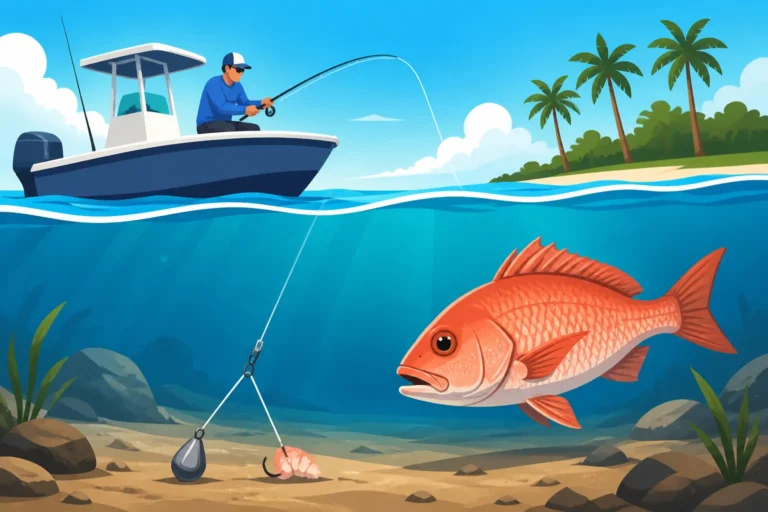
- Live Shrimp: This is arguably the most universal bait for trout. Fished under a popping cork, free-lined with a small split shot, or on a jig head, live shrimp are irresistible. They're effective year-round and can be purchased easily at most tackle shops. Brands like D.O.A. also make excellent artificial shrimp imitations if live bait isn't available.
- Live Pilchards/Sardines: These small baitfish are trout candy, particularly during the fall and spring migrations. Chumming with cut pieces to draw in schools of bait, then free-lining a live one, can be incredibly effective. You'll often need a cast net to catch these yourself, but the effort is usually worth it.
- Live Finger Mullet: Larger trout often key in on these. Free-line them with a small weight or just let them swim naturally. They're especially good in areas with strong current or deeper grass.
Artificials for Active Angling
Artificial lures offer the advantage of covering more water and appealing to a trout's predatory instincts.
- Soft Plastics: These are a must-have for any trout angler. Grubs, jerkbaits, and paddletails, especially in natural colors like "new penny," "chartreuse," or "white," rigged on a light jig head (1/8 to 1/4 ounce) are deadly. The key is a slow retrieve with subtle twitches. You can find a huge variety of these on Amazon. D.O.A. CAL series and Z-Man DieZel MinnowZ are popular choices.
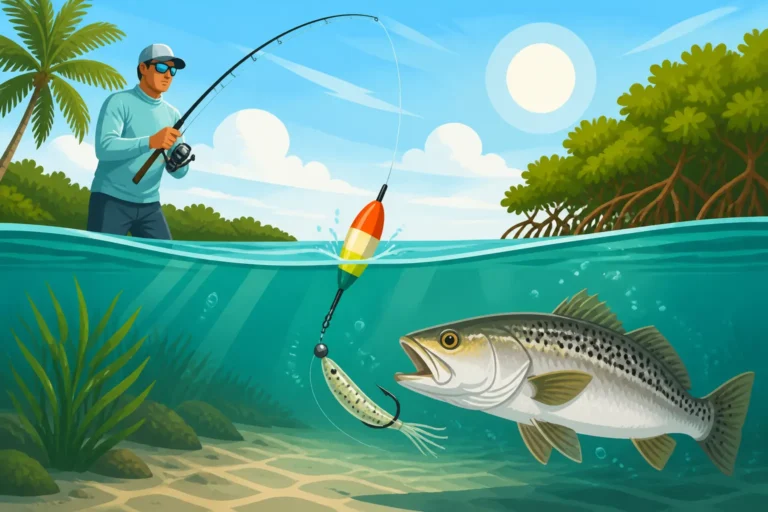
- Popping Corks: When trout are on the flats and actively feeding, a popping cork rig is incredibly effective. The cork simulates the sound of feeding baitfish, attracting trout to your live or artificial shrimp suspended beneath it. Learning How to Fish a Popping Cork for Trout effectively will greatly increase your hook-ups.
- Topwater Lures: For explosive, heart-stopping strikes, especially in low light conditions, nothing beats a topwater plug. Walk-the-dog style lures like the Heddon Super Spook Jr. or MirrOlure MirrO PRO are fantastic. The key is to work them with a steady cadence, mimicking a wounded baitfish on the surface.
- MirrOlures: Hard plastic twitchbaits from MirrOlure, particularly the 52M and 17MR series, are iconic for Florida trout fishing. They suspend in the water column and, with a twitch-pause retrieve, can be incredibly effective at drawing strikes, especially in cooler water.
Rods, Reels, and Line Setups
Having the right tackle ensures you can cast effectively, feel the subtle bites, and handle a feisty trout.
- Rod: A 7-foot to 7-foot 6-inch medium-light to medium power spinning rod with a fast action is ideal. This length provides good casting distance while maintaining sensitivity for detecting those light trout bites. A fast action tip allows for quick hook sets. Brands like St. Croix, Ugly Stik, or Penn offer excellent options.
- Reel: A 2500-size spinning reel is perfectly matched for this rod. It offers a good balance of line capacity, drag power, and lightweight feel. Shimano Sedona or Daiwa BG are popular, reliable choices. You can easily find these on Amazon or at local tackle shops.
- Line: Spool your reel with 10-15 lb braided line. Braid offers superior casting distance, sensitivity, and strength compared to monofilament. It also cuts through wind better.
- Leader: Connect your braid to a 2-3 foot section of 15-20 lb fluorocarbon leader using an FG knot or a double uni knot. Fluorocarbon is nearly invisible underwater, more abrasion-resistant, and won't spook wary trout.
Knowing your gear and practicing your casting and retrieve techniques will make you a much more successful trout angler. Focus on subtle presentations and pay attention to what the fish are telling you on any given day. To learn more, check out our guide on the Best Rod and Reel Setup for Florida Inshore Fishing.
Mastering the Tides and Time of Day
Beyond the general monthly trends, successful spotted seatrout fishing in Florida hinges on understanding the daily rhythms of the tides and making the most of specific times of day. Even during a prime month, if you're fishing at the wrong tide or the wrong time, your results can be dismal.
Deciphering Tidal Influence
Tides are the lifeblood of Florida's inshore fisheries, and for spotted seatrout, they often dictate where the fish will be and how actively they'll feed.
Incoming Tide: Bringing the Feast
The incoming tide is often considered one of the best times to target spotted seatrout, especially on shallow grass flats. As the water pushes in, it brings with it cooler, cleaner water from offshore and washes baitfish, shrimp, and crabs over the flats and into mangrove root systems. Trout will position themselves to ambush this incoming buffet.
- Strategy: As the tide rises, focus on the edges of channels, around oyster bars, and on the leading edge of grass flats where the water is just starting to cover previously exposed areas. Trout will move with the tide, pushing further onto the flats as the water deepens. This is a great time to work a popping cork or a soft plastic jig. On some days, the bite can be absolutely furious during a strong incoming tide.
Outgoing Tide: The Funnel Effect
The outgoing tide can be equally productive, albeit in different locations. As the water recedes, it pulls baitfish off the flats and funnels them through choke points, making them easy targets for predatory fish.
- Strategy: During an outgoing tide, focus your efforts on creek mouths, natural drains, the edges of channels, and the deeper potholes within grass flats. Trout will stage in these areas, waiting for the current to deliver their next meal. Live shrimp or a MirrOlure twitchbait can be incredibly effective as bait is flushed out. The end of the outgoing tide, often referred to as "low slack," can sometimes be slower, but as the water begins to turn and the next incoming tide starts to trickle in, activity can pick up again. Understanding Best Tides for Inshore Fishing in Florida can give you a significant advantage.
High and Low Slack: Proceed with Caution
Slack tide, whether high or low, is often the slowest period for trout fishing. With little to no current, baitfish tend to disperse, and trout become less active. While you can still catch fish, the consistent action often slows down. It's often best to use these periods to relocate or take a break.
The Best Times of Day for Trout
Beyond the tides, the position of the sun plays a huge role in trout behavior.
Early Morning: The Golden Hour
Without a doubt, early morning, especially the first hour or two after sunrise, is often the most productive time for spotted seatrout. The water is usually cooler, baitfish are active, and trout are fresh from their overnight hunting, looking for an easy meal before the sun gets too high.
- Strategy: This is prime time for topwater lures. The low light and calm conditions make for explosive surface strikes. As the sun rises, switch to subsurface lures like soft plastics or live bait under a popping cork. This is also a fantastic time to sight fish on shallow flats when the water is clear. The cool, crisp air combined with a productive bite makes this a favorite time for many anglers.
Late Afternoon/Evening: The Encore
Similar to the morning, the last few hours before sunset can be incredibly productive. As the sun begins to dip towards the horizon, water temperatures cool slightly, and baitfish become more active again.
- Strategy: This is another excellent window for topwater action, though often not as consistent as the morning bite. Soft plastics and live bait continue to be effective. Trout will often move back onto the shallower flats from deeper areas as the light fades. Pay attention to changes in light, as a sudden cloud cover can often trigger a short, aggressive feeding spell.
Night Fishing: A Hidden Gem
Don't overlook night fishing for spotted seatrout, especially during the warmer summer months. Trout are often highly active predators under the cover of darkness, particularly around dock lights, bridge lights, and streetlights that cast their glow onto the water.
- Strategy: These lights attract baitfish, which in turn attract trout. Work soft plastics, small jigs, or even live shrimp in the edges of the light and shadow. The key is to present your bait naturally and often on a slow, steady retrieve. This can be a surprisingly peaceful and productive way to fish, offering a completely different experience than daytime angling.
By combining an understanding of tidal movements with the best times of day, you can maximize your chances of success, no matter the season. It’s all about putting yourself in the right place at the right time.
Final Thoughts and Conservation
Ultimately, the best month to catch spotted seatrout in Florida isn't just one month, but rather a combination of the shoulder seasons – fall (October-November) and spring (March-May) – offering the most consistent and widespread action. However, dedicated anglers can find success year-round by adapting their techniques to seasonal changes, understanding Why Trout Move to Deeper Water in Summer and where to find them when How Cold Fronts Affect Winter Fishing in Florida.
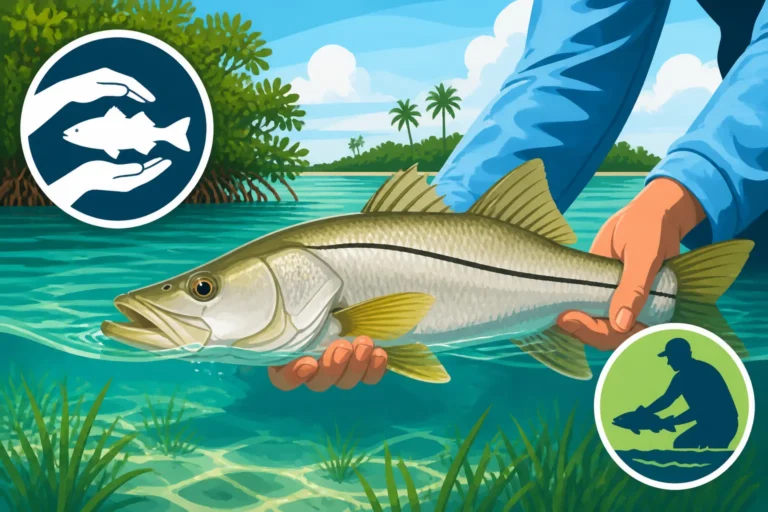
Florida's bountiful waters are a treasure, and enjoying the thrill of catching spotted seatrout comes with the responsibility of ensuring their populations remain healthy for future generations. Always adhere to the current regulations set by the Florida Fish and Wildlife Conservation Commission (FWC), including size and bag limits. Consider practicing catch and release, especially for the larger "gator trout" which are vital breeding stock. Use proper fish handling techniques, minimizing their time out of water and using appropriate tools like dehookers.
By being mindful of the environment and practicing responsible angling, we can all contribute to the sustainable future of Florida's incredible fishing opportunities. Tight lines, and may your next trout trip be one for the books!
Disclaimer
Fishing conditions and regulations in Florida can change rapidly due to environmental factors, legislative updates, or emergency closures. Always consult the latest Florida Fish and Wildlife Conservation Commission (FWC) regulations before heading out on the water. This guide provides general information and recommendations, but it is the angler's responsibility to be informed of and comply with all current rules and laws.