How to Rig a Pinfish for Snook
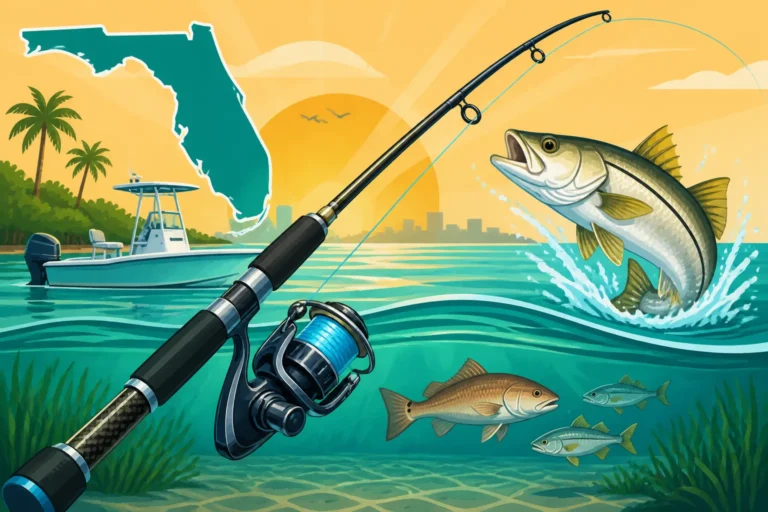
Fishing for snook in Florida is an exhilarating experience, but sometimes it feels like they’re just too smart for us, doesn't it? You've got your prime spot, the tides are right, and you’re casting out what you hope is the perfect bait, only to have a finicky snook turn up its nose. One of the biggest frustrations anglers face is ensuring their live bait, especially lively pinfish, is presented in the most irresistible way. This comprehensive guide is here to unravel the mysteries of rigging a pinfish effectively for snook, transforming those frustrating near-misses into exciting hookups.
The Unbeatable Appeal of Pinfish for Florida Snook
When you're chasing snook in Florida's abundant waters, you quickly learn that some baits just hit different. Pinfish aren't just good bait; they're often the best bait, especially when those snook are being particularly stubborn. Understanding why these small, spiny fish are such a powerful attractant is the first step in mastering their use.
Why Snook Love Pinfish
Snook are apex predators in the inshore and nearshore environments of Florida, and they are incredibly opportunistic. Their diet consists largely of whatever small fish, shrimp, and crustaceans are readily available and easy to ambush. Pinfish, with their distinctive barred patterns and spiny fins, are an incredibly common forage fish found in the same seagrass flats, mangrove prop roots, and around the docks and bridges where snook love to lurk. This natural overlap in habitat means snook are highly accustomed to seeing and preying on pinfish.
Think about it: a snook is an ambush predator. It lies in wait, often tucked away in structure, waiting for an unsuspecting meal to swim by. A lively, struggling pinfish swimming erratically or trying to hide is like ringing a dinner bell. Their natural swimming action and the subtle vibrations they emit are perfectly tuned to a snook’s predatory instincts. Plus, pinfish are hardy, meaning they stay alive and kicking on your hook longer, continuing to tempt those wary snook. This makes them a top choice for anyone serious about a successful day on the water, whether you're sight fishing on the flats or blind casting into mangrove cuts. If you want to dive deeper into targeting these amazing fish, check out our in-depth Florida Snook Fishing Guide.
Pinfish Characteristics as Live Bait
Beyond their "natural snack" appeal, pinfish possess several physical characteristics that make them ideal live bait. They're robust little fish, much tougher than some other common baits like pilchards or threadfins, which can quickly expire once hooked. This durability is a huge advantage, especially when you're making longer casts or waiting out a cautious snook. A pinfish can take a fair amount of abuse and still swim with purpose, which is exactly what you want to draw a strike.
Their spiny dorsal and anal fins, while a bit of a challenge to handle if you're not careful, actually add to their allure for snook. When a snook engulfs a pinfish, those spines flair out, creating a more substantial mouthful and making it harder for the snook to spit out. This gives you precious extra seconds for a solid hookset. When choosing your pinfish, consider their size. For most inshore snook, a pinfish between 3 and 6 inches is perfect. Too small, and you might attract smaller fish; too large, and it could intimidate all but the biggest snook. The ideal size presents a hearty meal without being overwhelming.
Essential Gear for Successful Pinfish Rigging
Having the right bait is only half the battle; the other half is making sure it's presented perfectly. That means having the correct terminal tackle and understanding how each piece contributes to your overall presentation. Don't skimp on these details, as they can make or break your snook fishing day.
Choosing the Right Hook
The hook is your direct connection to the fish, so selecting the right one is paramount. For snook fishing with live pinfish, you'll generally be choosing between circle hooks and J-hooks, each with its own advantages and ideal situations.
Circle Hooks: These are often the preferred choice, especially if you're practicing catch and release, which is common for snook, given their Florida Snook Slot Limit Explained and Florida Snook Season Guide closures. Circle hooks are designed to hook fish in the corner of the mouth, minimizing gut-hooking and increasing survival rates. Look for non-offset circle hooks, as these are mandatory for many species in Florida's state waters when using natural baits. Sizes typically range from 3/0 to 6/0, depending on the size of your pinfish and the target snook. A general rule of thumb is that the gap of the hook should be wide enough to easily encompass the thickest part of the pinfish's head or back without impeding its natural movement. Many anglers prefer trusted brands like Gamakatsu or Owner for their sharpness and strength.
J-Hooks: While effective, J-hooks require a more immediate and assertive hookset, which can sometimes lead to gut-hooking if the fish swallows the bait deeply. However, some anglers prefer them when fishing in heavy current or around dense structure where a quick, decisive hookset is crucial to prevent the snook from burying itself. If you opt for J-hooks, choose a strong, sharp, corrosion-resistant hook in a similar size range (3/0-6/0). Always try to set the hook quickly to avoid deep ingestion, and consider switching back to circle hooks if you find yourself gut-hooking fish frequently. The sharpness of any hook cannot be overstated; a dull hook is a missed opportunity. You can find a wide array of hooks and other terminal tackle on platforms like Amazon if you're stocking up for your next trip.
Selecting Leader Material and Strength
The leader is the section of line directly connected to your hook, and it's absolutely crucial when targeting snook. These fish have abrasive mouths and are known for their powerful runs through structure that can quickly fray and break lighter lines.
Fluorocarbon vs. Monofilament:
- Fluorocarbon is the undisputed champion for snook leaders. Its refractive index is very close to that of water, making it nearly invisible beneath the surface – a massive advantage when targeting wary snook in clear Florida waters. It's also incredibly abrasion-resistant, standing up well to the snook's rough mouth and any underwater obstacles like barnacle-encrusted pilings or oyster bars.
- Monofilament can be used as a leader, especially in stained or murky water where invisibility isn't as critical. It's generally more affordable and has a bit more stretch, which can be forgiving on sudden strikes. However, it's not as abrasion-resistant as fluorocarbon, so you'll need to check your leader frequently for nicks and abrasions.
Appropriate Pound Test: For snook, you'll want a leader that can withstand their powerful strikes and head shakes. A general range of 30-pound to 50-pound test fluorocarbon leader is common. In clearer water or when snook are particularly spooky, you might drop down to 25-pound, but always be mindful of the increased risk of break-offs. Conversely, if you're fishing in really heavy cover or targeting monster snook, bumping up to 60-pound might be necessary. It's a balance between stealth and stopping power. Knowing What Pound Test Line for Snook Fishing? is crucial for building a balanced setup.
Knots: The connection between your main line and your leader, and your leader to your hook, needs to be strong and reliable. For connecting your main braided line to your fluorocarbon leader, knots like the FG knot, Alberto knot, or uni-to-uni knot are popular and extremely strong. For tying your hook to your leader, a Palomar knot or improved clinch knot are excellent choices, offering high breaking strength. Practice these knots at home; a weak knot is the easiest way to lose a trophy fish.
Weights, Floats, and Terminal Tackle
Beyond hooks and leaders, other pieces of terminal tackle play a vital role in presenting your pinfish naturally and effectively.
Weights:
- Split Shot: These small, pinch-on weights are perfect for adding just a touch of weight to your line to help a pinfish swim down slightly or to counteract a strong current without hindering its natural movement too much. They're best for freeline rigging or when you want a very subtle presentation.
- Egg Sinkers: For getting your bait down quickly in deeper water or strong currents, a small egg sinker (1/4 oz to 1 oz) can be effective. Slide it onto your main line before tying on your swivel. The swivel will then act as a stopper, keeping the sinker from sliding down to your hook. This "knocker rig" allows the bait to swim somewhat freely from the weight.
Floats/Popping Corks:
- Popping Corks: These specialized floats are designed to make a "chugging" or "popping" sound when you twitch your rod tip, imitating the sound of baitfish feeding on the surface. This noise can be incredibly effective at drawing attention from snook, especially in murky water or when they're actively feeding. Pinfish rigged under a popping cork are deadly.
- Traditional Corks/Floats: A simple float can be used to suspend your pinfish at a specific depth, particularly useful around pilings, docks, or mangrove edges where snook are holding at a certain level. They're less noisy than popping corks and offer a subtler presentation.
Swivels: A small, strong barrel swivel or, even better, a ball-bearing swivel, should be used when adding weight (like an egg sinker) or to connect your main line to your leader. Swivels help prevent line twist, which can be a major headache, especially with a lively baitfish that might spin as it swims. Choose a black swivel to reduce flash that might spook fish.
Step-by-Step Pinfish Rigging Techniques
Now that we've covered the "why" and the "what," let's get into the "how." Different situations call for different rigging methods. Mastering these techniques will make you a much more versatile and successful snook angler.
The Classic Nose-Rig: Free-lining and Light Weight Applications
This is arguably the most common and often most effective way to rig a pinfish for snook, especially when you want the bait to swim as naturally as possible. It’s perfect for working grass flats, shallow edges, and anywhere you want a subtle, lifelike presentation. This technique is a cornerstone of Florida Inshore Fishing Techniques.
Detailed Steps for Rigging Through the Nostrils or Upper Lip:
- Select Your Hook: Opt for a 3/0 to 5/0 circle hook or a J-hook of similar size, matching it to the size of your pinfish.
- Prepare Your Leader: Tie a 2-3 foot section of 30-50 lb fluorocarbon leader to your main line using a strong knot (e.g., FG or Alberto). Then, tie your chosen hook to the end of the leader with a Palomar or improved clinch knot.
- Handle the Pinfish Gently: Carefully pick up the pinfish. Some anglers use a rag or a specialized fish holder to minimize contact with its spines. Be quick but gentle to avoid stressing the bait.
- Insert the Hook:
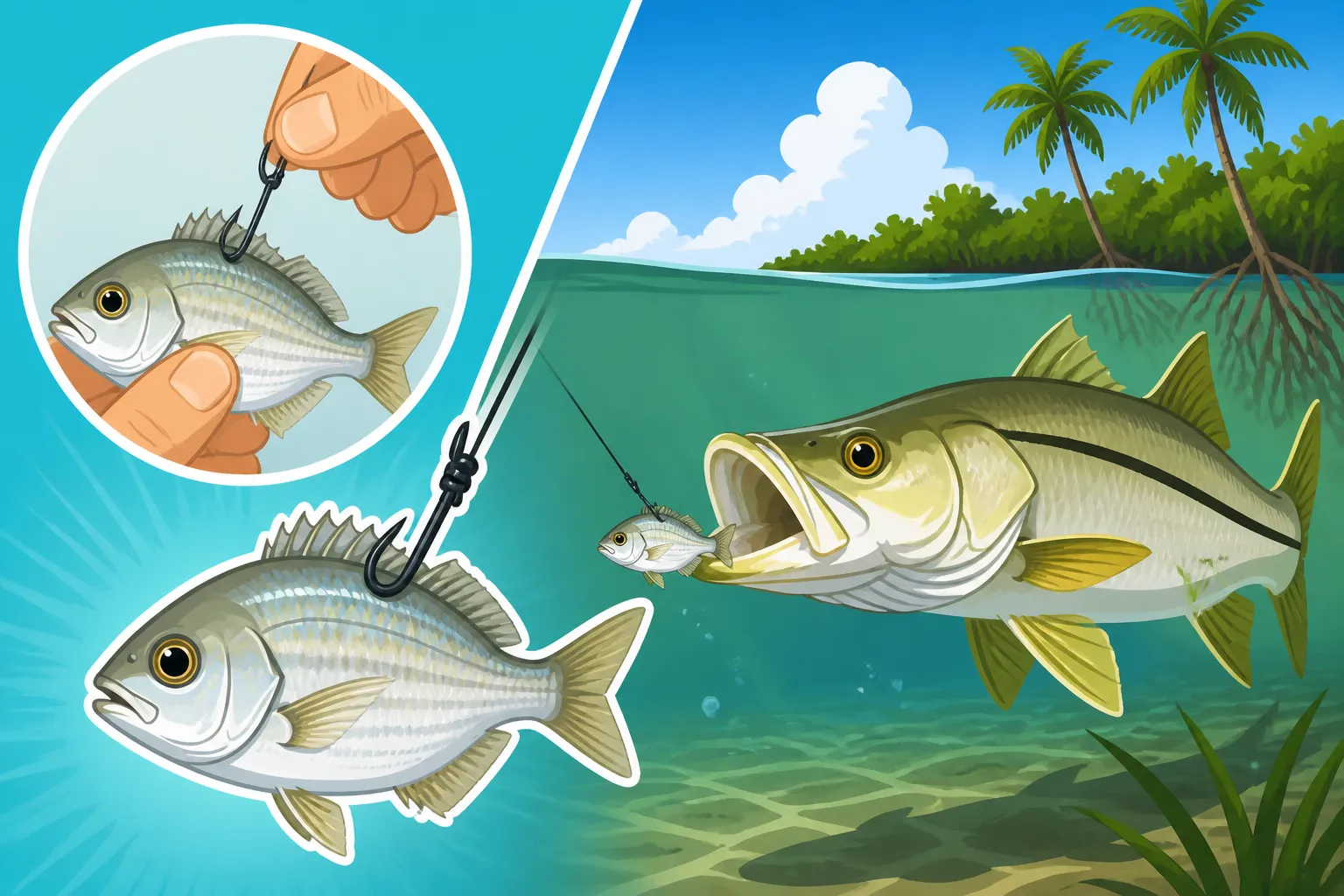
- Through the Nostrils: This is the preferred method for the most natural swim. Carefully thread the hook point through one nostril and out the other, ensuring the hook's bend and barb are fully exposed outside the fish's nose. This allows the pinfish to breathe freely and swim unimpeded.
- Through the Upper Lip: If the nostrils are too small or you prefer, you can thread the hook point through the bottom of the upper lip and out the top, again making sure the hook is fully exposed. This is slightly less ideal for the pinfish's breathing but still offers a good presentation.
- Check the Rig: Once hooked, hold the pinfish gently by the tail and observe its movement in the water. It should swim freely and naturally. If it's spinning or swimming awkwardly, re-rig it.
Benefits for Natural Swimming Action:
Rigging through the nose or lip ensures the pinfish maintains its natural, horizontal swimming posture. It can breathe easily, and its dorsal and anal fins are free to propel it through the water, mimicking a healthy, uninjured baitfish. This natural presentation is key to fooling wary snook who have seen it all.
Best Scenarios for This Method:
- Free-lining: This is fantastic for areas with current, allowing the pinfish to drift naturally into snook ambush points. No weight means maximum natural movement.
- Light Weight: A single split shot a foot or two above the hook can help the pinfish sink slowly or stay in a specific depth range in a light current.
- Shallow Water: Ideal for targeting snook on shallow grass flats or around mangroves where a natural, subtle presentation is paramount.
The Back-Rig: For Injured Bait Presentation or Specific Depths
Sometimes, you want to mimic a distressed or injured baitfish, or you need to get your pinfish down to a specific depth without too much weight. This is where the back-rig comes into play.
Detailed Steps for Rigging Through the Back:
- Select Your Hook and Leader: Again, a 3/0 to 5/0 circle or J-hook is appropriate, tied to your fluorocarbon leader.
- Handle with Care: Gently grasp the pinfish.
- Insert the Hook: Carefully insert the hook point through the top of the pinfish's back, just behind the dorsal fin, and barely beneath the lateral line. The key is to avoid the spine and internal organs. You want the hook to pass through just enough flesh to hold securely, with the hook point and barb fully exposed.
- Check for Damage: Ensure the pinfish can still swim, albeit with a slightly different action. It should look a little more vulnerable.
When to Use This Method (Slower Retrieves, Deeper Water):
Rigging a pinfish through the back causes it to swim with a slightly more erratic or "injured" motion, which can trigger a predatory strike from a snook looking for an easy meal. This method is particularly effective when:
- You're slowly retrieving the bait through deeper channels or around structure.
- Snook are lethargic or holding tight to cover and need a more enticing presentation.
- You need the bait to stay down in the water column without a heavy sinker.
Considerations for Hook Placement to Avoid Spine/Organs:
Precise hook placement is critical with the back-rig. If you hit the spine, you'll instantly kill the bait or severely impede its movement, defeating the purpose. Aim for the fleshy part of the back, avoiding the dark line (lateral line) and any bony areas. A good rule of thumb is to place the hook about one-third of the way down the back from the dorsal fin, slightly above the lateral line. This allows for enough meat to hold the hook securely while letting the fish swim with its characteristic "struggling" motion.
Popping Cork Rigging for Active Snook
When snook are aggressive, or you need to cover a lot of water and create some commotion, a popping cork rig is an incredibly effective tool. It's especially useful over grass flats or along mangrove shorelines where snook are actively hunting. This method can be a game-changer when combined with knowing the Best Tides for Inshore Fishing in Florida.
How to Set Up a Popping Cork Rig:
- Main Line to Leader: Connect your main line to a longer fluorocarbon leader (3-5 feet) with a strong knot.
- Add the Cork: Slide the popping cork onto your leader, ensuring the weighted end is facing down.
- Add a Swivel (Optional but Recommended): Tie a small barrel swivel below the cork. This acts as a stopper for the cork and prevents line twist between the cork and your hook.
- Attach the Hook: Tie your 3/0-5/0 circle hook or J-hook to the end of the leader, below the swivel.
- Hook the Pinfish: Rig your pinfish through the nose or upper lip, as described in the free-lining section. The goal is a natural, horizontal swim beneath the cork.
Technique for "Chugging" the Cork to Attract Snook:
Once your pinfish is rigged under the popping cork, cast it out to your desired target area. Let it sit for a few seconds, allowing the pinfish to swim naturally. Then, with a sharp, downward twitch of your rod tip, make the cork "pop" or "chug" on the surface. This sound mimics the feeding activity of baitfish and often gets the attention of nearby snook. Let the cork sit again for a moment, then repeat. The idea is to create a rhythm of "pop-pause-pop-pause" that draws the snook in.
Ideal Conditions for This Setup:
- Choppy Water: The popping cork is excellent in light chop or breezy conditions where the natural movement of your pinfish might go unnoticed.
- Murky Water: The sound and disturbance created by the cork help snook locate your bait even when visibility is poor.
- Actively Feeding Snook: When snook are aggressively hunting, the popping cork acts like a beacon, signaling an easy meal.
- Covering Ground: You can cast a popping cork a good distance, making it ideal for covering expansive grass flats or long stretches of shoreline.
Maximizing Your Chances: Bait Care and Presentation
Rigging the pinfish is just one part of the equation. To truly increase your success rate, you need to pay attention to how you care for your bait and how you present it once it's in the water. A lively, well-presented bait is almost always more effective than a sluggish one.
Keeping Your Pinfish Alive and Kicking
A dead or dying pinfish is far less appealing to a snook. Your goal is to keep your bait as frisky as possible from the moment you catch it until it's on your hook.
Livewell Importance, Aeration, Water Quality:
- Livewell: A good livewell is indispensable. It should be large enough to hold your bait without overcrowding and have a strong pump to circulate fresh water.
- Aeration: Even with good circulation, an aerator or oxygenator can significantly extend the life of your bait, especially on hot days or during long trips. Good aeration ensures there's enough dissolved oxygen in the water.
- Water Quality: Avoid shocking your bait with drastic temperature changes. If you're running your livewell for an extended period in hot weather, consider adding a frozen water bottle (not ice directly, as it can melt and change salinity) to keep the water temperature down, especially if you're targeting sensitive species. Regularly drain and replenish a portion of the water if it starts to get murky or foamy. Overcrowding in the livewell is a common mistake that quickly depletes oxygen and fouls the water.
Handling Pinfish Gently:
Every time you handle a pinfish, you risk stressing or injuring it. Use a de-hooker to remove them from cast nets or bait hooks. When taking one out of the livewell, use a small net to scoop it, rather than grabbing it with your hands. If you must handle it directly, do so quickly and with wet hands to protect its slime coat. The less you stress your bait, the more energetic it will be on your hook, and the more likely it is to entice a snook.
Casting and Presenting Your Rigged Pinfish
You've got a perfectly rigged, lively pinfish – now what? How you get that bait into the water and how you work it can be the difference between a bite and just another cast.
Gentle Casting Techniques:
Pinfish are durable, but they're not indestructible. A hard, jerky cast can stun or even kill your bait, or worse, tear the hook out.
- Lob Cast: For heavier rigs or when casting shorter distances, a gentle lob cast is best. Use your rod's flex to toss the bait rather than forcefully slinging it.
- Sidearm/Underhand Cast: For longer, more accurate casts, especially when trying to skip a bait under mangroves or docks, a smooth sidearm or underhand cast will keep the pinfish from flying off the hook or getting tangled. Aim for a trajectory that allows the bait to land softly on the water.
Reading the Water, Current, and Structure:
Snook are masters of their environment. They use current and structure to their advantage, ambushing prey.
- Current: Snook often face into the current, waiting for food to be swept to them. Cast your pinfish upstream of where you expect a snook to be, allowing the current to carry it naturally to the strike zone.
- Structure: Mangrove shorelines, dock pilings, bridge fenders, oyster bars – these are all prime snook territory. Cast as close to the structure as possible without getting hung up. Snook will often be tucked deep within these areas, waiting. Our guide on Best Bridges for Shore Fishing in Florida offers some fantastic spots to practice this.
- Water Clarity and Depth: Adjust your rigging (freeline, light weight, or popping cork) based on water clarity and the depth where snook are holding. In clear, shallow water, stealth and a natural presentation are paramount. In deeper or murkier water, you might need more weight or the commotion of a popping cork.
Allowing Natural Movement:
Once your pinfish is in the water, resist the urge to constantly retrieve it. Let the bait do the work! If you're free-lining, allow the current to move the pinfish naturally. If you're using a popping cork, give it the occasional pop, but let the pinfish swim freely in between. The more your pinfish looks and acts like a normal, unthreatened fish, the more likely a snook is to commit to a strike.
The Critical Hookset
So, a snook just inhaled your pinfish! This is the moment of truth, and how you react depends heavily on the type of hook you're using.
Differences in Hookset for Circle vs. J-Hooks:
- Circle Hooks: This is where patience truly pays off. When you feel the weight of the fish, resist the urge to violently "set" the hook with a strong rod sweep. Instead, slowly reel in, taking up any slack in the line, and smoothly lift the rod tip. The design of the circle hook will cause it to slide into the corner of the fish's mouth as pressure is applied. A hard jerking motion will often pull the hook right out of the snook's mouth. This gentle, consistent pressure is the key to proper Catch and Release Best Practices for Snook when using circle hooks.
- J-Hooks: With J-hooks, you need a more traditional, decisive hookset. When you feel the strike and confirm the fish has the bait, quickly and firmly sweep your rod to the side or upward to embed the hook. The goal is to set it before the snook can swallow the bait too deeply.
Patience is Key for Circle Hooks:
It can be counter-intuitive, especially if you're used to J-hooks, but trust the circle hook. Often, you'll feel a subtle thump or tug, then solid weight as the snook takes the bait. Don't react immediately. Let the fish turn and start to swim away with the bait, then simply start reeling smoothly and lift the rod tip. The hook will do its job. This deliberate approach not only leads to better hookups but also ensures the hook is placed in the safest part of the fish's mouth for release.
No matter your chosen technique, a well-rigged pinfish is one of the most exciting ways to target Florida's formidable snook. Pay attention to the details, be patient, and enjoy the fight!
| Rigging Method | Best for Snook Behavior | Best for Water Conditions | Hook Type | Key Advantage | Potential Disadvantage |
|---|---|---|---|---|---|
| Nose-Rig (Freeline) | Wary, selective snook | Clear, calm, shallow water; light current | Circle or J-hook | Most natural presentation; bait swims freely | Less effective in strong currents or deep water |
| Nose-Rig (Light Weight) | Moderately active snook | Light current, slightly deeper water (3-6 ft) | Circle or J-hook | Subtle presentation with controlled depth | Can be difficult to get deep enough in strong current |
| Back-Rig | Less active, ambush-oriented snook | When mimicking injured bait; around structure | Circle or J-hook | Erratic, struggling swim action; stays lower in water column | Risk of injuring bait; less natural horizontal swim |
| Popping Cork Rig | Active, aggressive snook; covering wide areas | Choppy water, murky water, over grass flats | Circle or J-hook | Creates commotion to attract attention from afar | Less stealthy; not ideal for very wary fish |
Disclaimer
Fishing regulations, including license requirements, bag limits, and gear restrictions, are subject to change by the Florida Fish and Wildlife Conservation Commission (FWC). It is the angler's responsibility to stay informed of the most current rules and regulations before heading out to fish. This guide is for informational purposes only and does not supersede official FWC guidelines. Always fish responsibly and ethically.