Best Bait for Grouper Fishing in Florida
There's nothing quite like the thrill of feeling a big grouper hit your line, but let's be honest, getting them to bite can sometimes feel like solving a mystery. The truth is, choosing the right bait for grouper fishing in Florida isn't just a suggestion, it's absolutely crucial to your success. With so many options out there, from live wriggling treasures to perfectly crafted lures, figuring out what's going to entice these bottom dwellers can be daunting. This guide will cut through the noise, breaking down everything you need to know about the best bait for grouper fishing in Florida, ensuring your next trip is filled with more strikes and less head-scratching.
Understanding Grouper Preferences and Habits
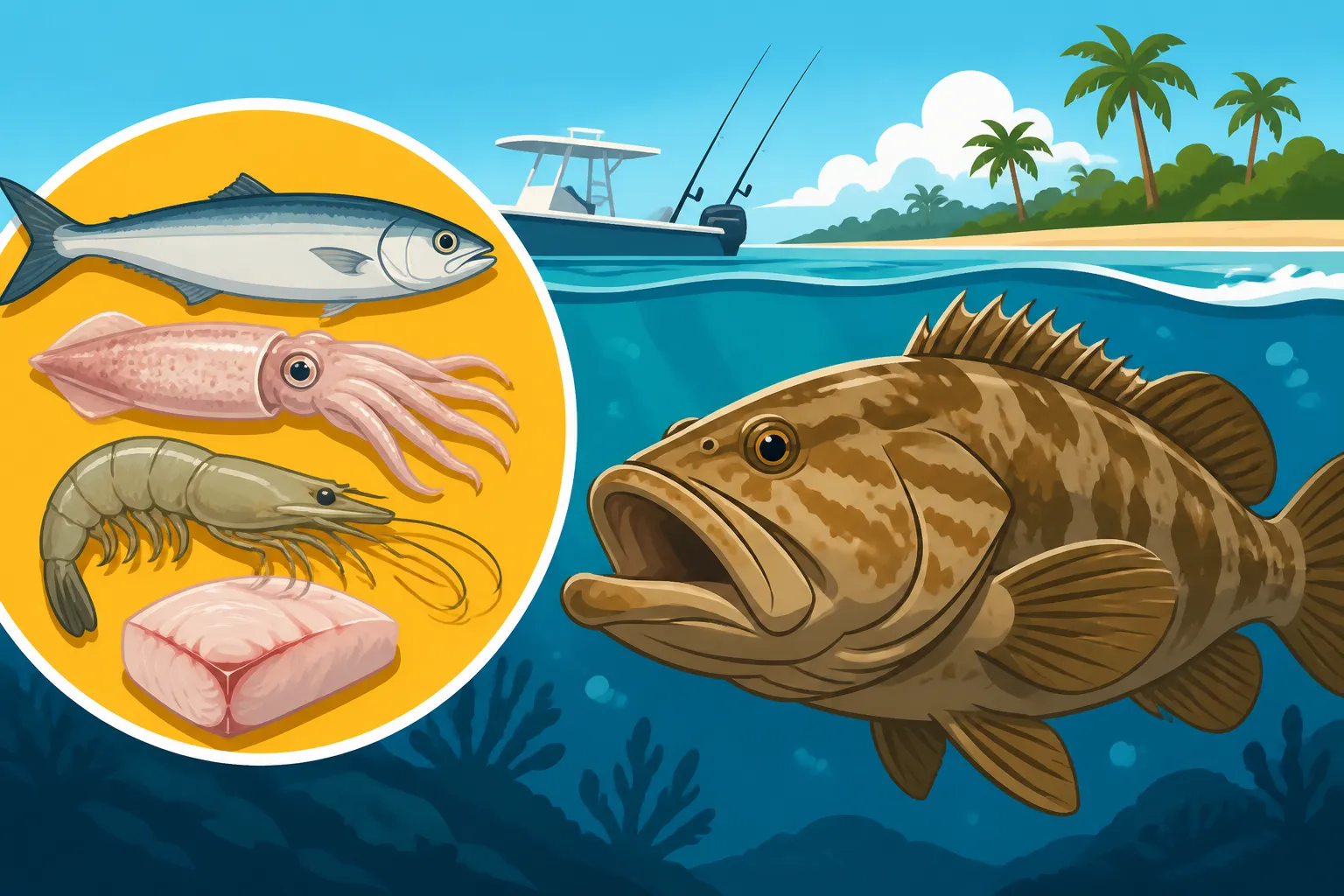
Before we even talk about specific baits, it's vital to understand what makes a grouper tick. These powerful fish are ambush predators, often lurking near structure like reefs, wrecks, ledges, and rocky bottoms, waiting for an unsuspecting meal to swim by. Their diet primarily consists of smaller fish, crustaceans, and cephalopods. Knowing this helps us select baits that mimic their natural prey and present them in a way that triggers their predatory instincts.
Why Bait Choice Matters for Grouper
You might think any old bait will do, but that's a common misconception that can lead to a frustrating day on the water. Grouper, especially the larger, more experienced ones, aren't always easily fooled. The right bait, whether it’s alive and kicking or a lifelike imitation, needs to appeal to their senses – sight, smell, and vibration – to draw them out of their hiding spots. A bait that looks, smells, and moves naturally is far more likely to get a reaction than something out of place or presented poorly.
For instance, a lively baitfish struggling just above a rocky ledge sends out distress signals that can pique a grouper's interest from a distance. Similarly, a well-chosen artificial lure, jigged correctly, can replicate the erratic movements of a wounded prey fish, triggering an aggressive strike. The key is to match the hatch, so to speak, or at least offer something irresistible that they perceive as an easy meal. This knowledge is fundamental to increasing your catch rate and understanding the nuances covered in our broader Florida Grouper Fishing Guide.
Key Factors Influencing Grouper Feeding
Several environmental and biological factors influence what bait grouper will respond to on any given day. Water temperature, current strength, depth, time of day, and even the specific grouper species you're targeting can all play a significant role. For example, in warmer waters, grouper tend to be more active and might chase faster-moving baits. Conversely, in colder conditions, a slow-moving or stationary bait might be more effective as their metabolism slows down.
Current is another huge factor. Grouper will often position themselves facing into the current, waiting for food to be swept past them. Presenting your bait upstream of their suspected location, allowing it to drift naturally into their strike zone, can be incredibly effective. Understanding these behaviors is just as important as the bait itself. Species like Gag Grouper are often found in shallower, rocky areas, while others like Warsaw or Goliath Grouper prefer much deeper, structure-rich environments, each potentially requiring a different approach and bait size. Knowing the specific Florida Gag Grouper Season Dates for your area can also help you plan your trips around optimal conditions.
The Power of Live Bait: Top Choices and Presentation
When it comes to consistently catching grouper, especially larger ones, live bait often reigns supreme. There's just something about the natural movement, scent, and vibration of a live baitfish that grouper can't resist. It perfectly mimics their natural diet and triggers their primal hunting instincts.
Top Live Bait Species and How to Rig Them
Choosing the right live bait is critical. Here are some of the most effective options for Florida grouper:
- Pinfish: These are arguably the most popular and effective live baits for grouper in Florida. They're hardy, readily available in grass flats, and grouper absolutely love them. Rig them with a circle hook through the nose or lips for a natural presentation, allowing them to swim freely. Circle hooks are paramount for grouper to ensure a good hookup in the corner of the mouth, minimizing gut hooks, which is important for conservation efforts and adherence to Gag Grouper Size and Bag Limits.
- Pilchards (Whitebait): Smaller than pinfish, pilchards are a fantastic option, especially when grouper are feeding on smaller forage. They create a lot of commotion in the water, attracting attention. Hook them through the nose for free-lining or through the back just ahead of the dorsal fin for more aggressive presentations.
- Threadfin Herring (Greenbacks): Similar to pilchards but often a bit larger, greenbacks are another highly effective bait. They're oily and put out a strong scent trail. Rig them similarly to pilchards, focusing on keeping them lively.
- Mullet: Larger mullet can be excellent for targeting bigger grouper. They're robust and a substantial meal. You can use them whole, live, or cut them into chunks. When using a whole live mullet, hook it through the nose or just above the tail.
- Squirrelfish/Tomtates: These are often found around rocky bottoms, exactly where grouper live. If you can catch them, they make superb natural bait. Their hardiness and natural habitat make them incredibly appealing.
- Cigar Minnows: These are a favorite offshore bait, easily netted or found at bait shops. Their slim profile and oily flesh make them irresistible. Hook them through the nose or eye sockets.
The correct rigging is just as important as the bait itself. For most grouper fishing, a stout leader (50-100 lb fluorocarbon or monofilament), a sufficient egg sinker to get to the bottom, and a 6/0 to 9/0 circle hook are standard. Make sure your leader is abrasion-resistant because grouper will try to drag you into the rocks and cut you off. When you drop your bait, try to feel for the bottom and then reel up a few feet to keep the bait just above the structure where grouper lurk. This technique is similar to what's described in our guide on How to Bottom Fish for Snapper.
Sourcing and Keeping Live Bait Fresh
Having lively bait is crucial. There are two main ways to source live bait: catching it yourself or buying it.
Catching your own bait is often the most cost-effective and ensures the freshest product. A good cast net is indispensable for catching pilchards, threadfins, and mullet in shallow flats or around docks. Sabiki rigs, which are small, multi-hooked jigs, are perfect for catching pinfish, cigar minnows, and even pilchards around channel markers, bridges, or structure. You can find a wide variety of these rigs and cast nets on Amazon, ensuring you're ready for your next bait-catching adventure. Remember, fresh bait will swim harder and attract more attention than sluggish, stressed bait.
Once you have your bait, keeping it alive and healthy is paramount. A good quality livewell with a functioning aeration system is essential. Ensure the water is regularly exchanged or aerated to maintain oxygen levels. Avoid overcrowding your livewell, as this stresses the bait and can lead to quick mortality. Adding a small amount of livewell additive can also help reduce stress and remove harmful ammonia. Some anglers even bring frozen water bottles to slowly melt and cool the water on hot days, which can significantly extend the life of your bait. A healthy, active bait will wiggle, swim, and dart, creating the kind of commotion that alerts a grouper to an easy meal.
Mastering Artificials: Lures, Jigs, and Techniques
While live bait is often king, there are plenty of scenarios where artificial baits can be incredibly effective for grouper. They offer convenience, don't require a livewell, and can sometimes trigger a more aggressive reaction, especially when jigged correctly.
Effective Lures for Grouper
When reaching for your tackle box, here are some artificials that consistently produce for grouper:
- Jigs (Metal, Bucktail, or Soft Plastic): Jigs are perhaps the most versatile artificial bait for grouper.
- Metal jigs: These heavy, slender lures are designed to get down quickly in deep water. Vertical jigging them over reefs and wrecks can entice powerful strikes. Brands like Williamson and Shimano Butterfly jigs are popular choices. The technique involves dropping the jig to the bottom, then rapidly reeling and dropping, mimicking a wounded baitfish.
- Bucktail jigs: Dressed with natural hair or synthetic fibers, bucktail jigs are excellent for imitating baitfish or even shrimp. Tip them with a piece of cut bait or a soft plastic grub for added scent and appeal. White, pink, and chartreuse are popular colors.
- Soft plastic jigs: Pairing a heavy jig head with a large curly-tail grub or paddle-tail swim bait can be deadly. The soft plastic provides a realistic profile and enticing action. Sizes ranging from 5-8 inches are common. You can find a huge selection of soft plastics and jig heads to experiment with on Amazon.
- Swim Baits: Large, heavy soft plastic swimbaits with internal lead heads offer a realistic profile and swimming action. They can be slow-rolled over structure or jigged. Colors that mimic local baitfish, like silver, blue, and green, are often successful.
- Diving Plugs/Lipless Crankbaits: When trolling, deep-diving plugs are excellent for covering ground and attracting grouper. The aggressive wobble and vibration can draw grouper out of hiding. Choose lures that dive to the depth you're targeting. Rapala X-Raps and Yo-Zuri Crystal Minnows are classic choices. This technique falls under a broader category of Trolling Technique for Offshore Fishing that is highly effective for many species.
The key to artificials is often about finding the right weight to reach the bottom quickly and stay there, especially with strong currents. You'll need enough weight to feel the bottom every few seconds when drifting or to maintain bottom contact when vertical jigging.
Techniques for Fishing Artificials
Presenting artificials effectively requires active engagement. It's not just about dropping it down and waiting.
- Vertical Jigging: This is a highly effective method, particularly in deeper waters over pronounced structure. Drop your metal or heavy soft plastic jig to the bottom, then reel up a few cranks and begin a series of sharp rod lifts and drops, allowing the jig to flutter and fall. Grouper often strike on the fall, so pay close attention to your line. This active presentation is perfect when grouper are aggressively feeding.
- Bounce or Drag: For jigs and large soft plastics, you can gently "bounce" or "drag" them along the bottom, mimicking a foraging crab or a slow-moving baitfish. This is often done while drifting. Let the current or drift do some of the work, occasionally lifting your rod tip to clear snags and impart action.
- Trolling: Deep-diving plugs are fantastic for trolling. This method allows you to cover large areas, especially over extended ledges or reefs. Set your lures to run at the desired depth and maintain a slow, consistent speed. The wobble and vibration of the plug can trigger reaction strikes from grouper lurking below. This is especially effective for species like Red Grouper which are less tightly tied to specific structures than Gag Grouper. Our Best Depth to Fish for Grouper Offshore guide provides more insights into optimal trolling depths.
Experiment with retrieve speeds and jigging motions. Some days, a fast, aggressive presentation works best, while other days, a slow, methodical retrieve is more productive. The more you fish artificials, the more you'll develop a feel for what the fish want.
Essential Rigging and Bait Presentation Tips for Success
Having the right bait is only half the battle; how you rig and present it makes all the difference. Grouper live in unforgiving environments, and your tackle needs to be up to the task.
Rigging Strategies for Different Conditions
The environment you're fishing in dictates your rigging choices.
- Knocker Rig: This is a classic for grouper. It involves a lead weight (egg sinker or bullet sinker) threaded directly onto your main line, which then slides down to a swivel connecting your leader and hook. The weight "knocks" against the bait, which can attract attention. It allows the bait to move more naturally. For heavier weights needed to get to the bottom, this is a very effective setup.
- Carolina Rig (Fish Finder Rig): Similar to a knocker rig, but with a swivel fixed above the weight, creating a short leader between the weight and the hook. This rig is great for keeping your bait off the bottom slightly, letting it drift enticingly. It's also excellent for areas with a slightly softer bottom where a knocker rig might bury too deep.
- Dropper Loop Rig: For targeting grouper actively feeding higher in the water column or when fishing multiple baits, a dropper loop rig can be useful. It allows you to present one bait closer to the bottom and another a few feet higher. This can increase your chances, especially if you're not entirely sure of the exact depth they're holding.
- Leader Material: Always use heavy fluorocarbon or monofilament leader, generally 50 to 100 lb test, depending on the size of grouper you expect to encounter and the amount of structure present. Fluorocarbon offers better abrasion resistance and is less visible underwater, which can be an advantage in clearer waters. Make sure your knots are strong and reliable. Quality swivels and strong hooks are also readily available on Amazon, making it easy to stock up on reliable tackle. For a comprehensive overview, our guide on Best Rod and Reel Setup for Florida Offshore Fishing delves deeper into specific gear recommendations.
Maximizing Your Chances with Bait Placement
Grouper are ambush predators, so placing your bait where they expect to find food is crucial.
- Finding Structure: Always aim to present your bait near structure. This means directly over reefs, wrecks, ledges, or rock piles. Your fish finder is your best friend here. Mark any significant changes in bottom contour or schools of baitfish. Knowing where these fish hold is vital, and resources like our Best Offshore Fishing Spots in Florida guide can provide invaluable intel.
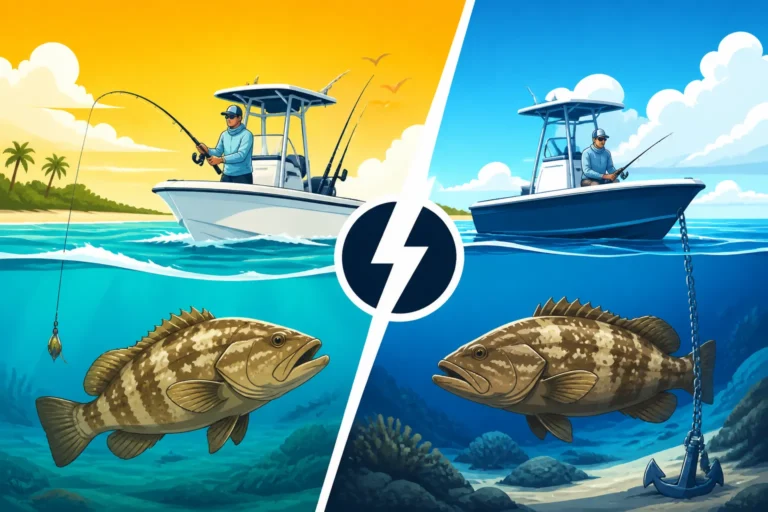
- Controlled Drift: A controlled drift, allowing your boat to move slowly over structure while your bait remains near the bottom, is often the most effective method. This covers more ground and increases your chances of encountering actively feeding grouper. Adjust your weight as needed to maintain bottom contact without getting snagged constantly. This is a common tactic, often called a Drift Fishing Technique for Grouper.
- Anchor and Fan Cast: If you find a particularly productive spot, anchoring upcurrent and casting your bait to different parts of the structure can be successful. Let the current carry your bait naturally into the strike zone. This method works well when you've pinpointed a specific, high-percentage area.
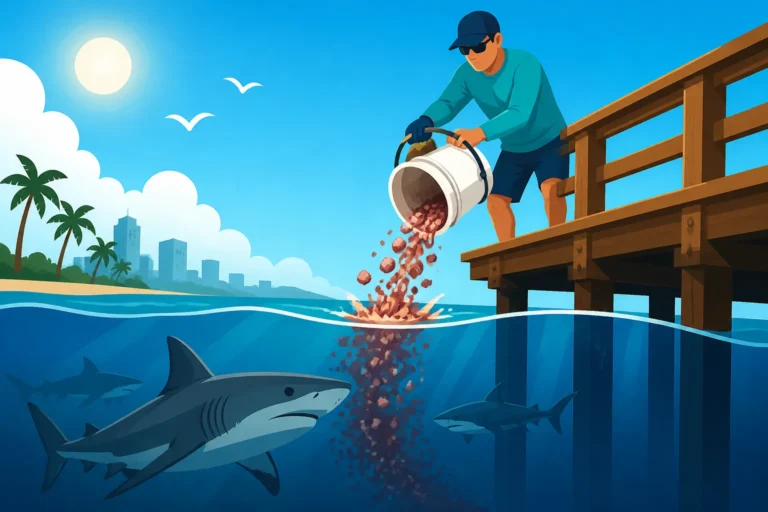
- Chumming: While not as common for deep-water grouper as it is for other species, a light chum slick can sometimes draw grouper out from their hiding spots, especially in shallower areas. Use finely ground baitfish or shrimp and deploy it sparingly to avoid overfeeding the fish.
Remember that patience is a virtue when grouper fishing. Sometimes it takes multiple drifts or drops to locate them and entice a bite. Pay attention to your rod tip for even the slightest tap, and be ready for a powerful strike.
Live Bait vs. Artificial Bait for Florida Grouper
| Feature | Live Bait | Artificial Bait |
|---|---|---|
| Effectiveness | Often superior for larger, wary grouper | Highly effective, especially for active fish |
| Cost | Can be free (if caught) or expensive (if bought) | One-time purchase, can be reused |
| Convenience | Requires livewell, bait catching/buying | Easy to store, always ready |
| Presentation | Natural movement, scent, vibration | Mimics wounded prey with jigging/trolling |
| Skill Level | Easier for beginners to present naturally | Requires more active technique and retrieve variations |
| Species Appeal | Broad appeal to various grouper species | Can be tailored for specific species/conditions |
| Snag Risk | Less prone to snags if free-lined | High risk of snags on bottom structure |
Disclaimer
Fishing conditions, regulations, and availability of bait can change. Always consult the latest Florida Fish and Wildlife Conservation Commission (FWC) regulations before heading out on the water. This guide is for informational purposes only and does not supersede official FWC guidelines.