Florida Bonefish Fishing Guide
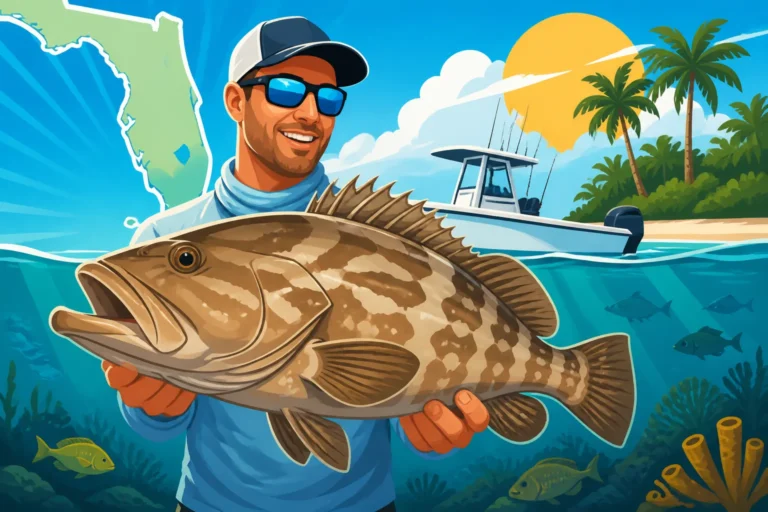
For many anglers, the thought of fishing for bonefish conjures images of endless, sun-drenched flats and the thrill of spotting a ghost-like shadow darting across the bottom. It's a pursuit that can be incredibly challenging, often leading to frustration for even seasoned fishermen, but the reward of hooking into one of these powerful, elusive creatures is unparalleled. This comprehensive guide will walk you through everything you need to know to successfully target bonefish in Florida's incredible inshore waters.
The Elusive "Ghost of the Flats" – Why Bonefish are a Florida Icon
There's something almost mythical about the bonefish, known affectionately as the "Ghost of the Flats." They are legendary for their incredible speed, their camouflaged appearance, and the sheer challenge they present to anyone hoping to catch one. If you've ever spent time on the shallow, pristine flats of Florida, you've likely heard hushed whispers about them, or seen an angler with a wide grin, recounting the tale of a bonefish that stripped their line down to the backing in seconds.
What Makes Bonefish So Special?
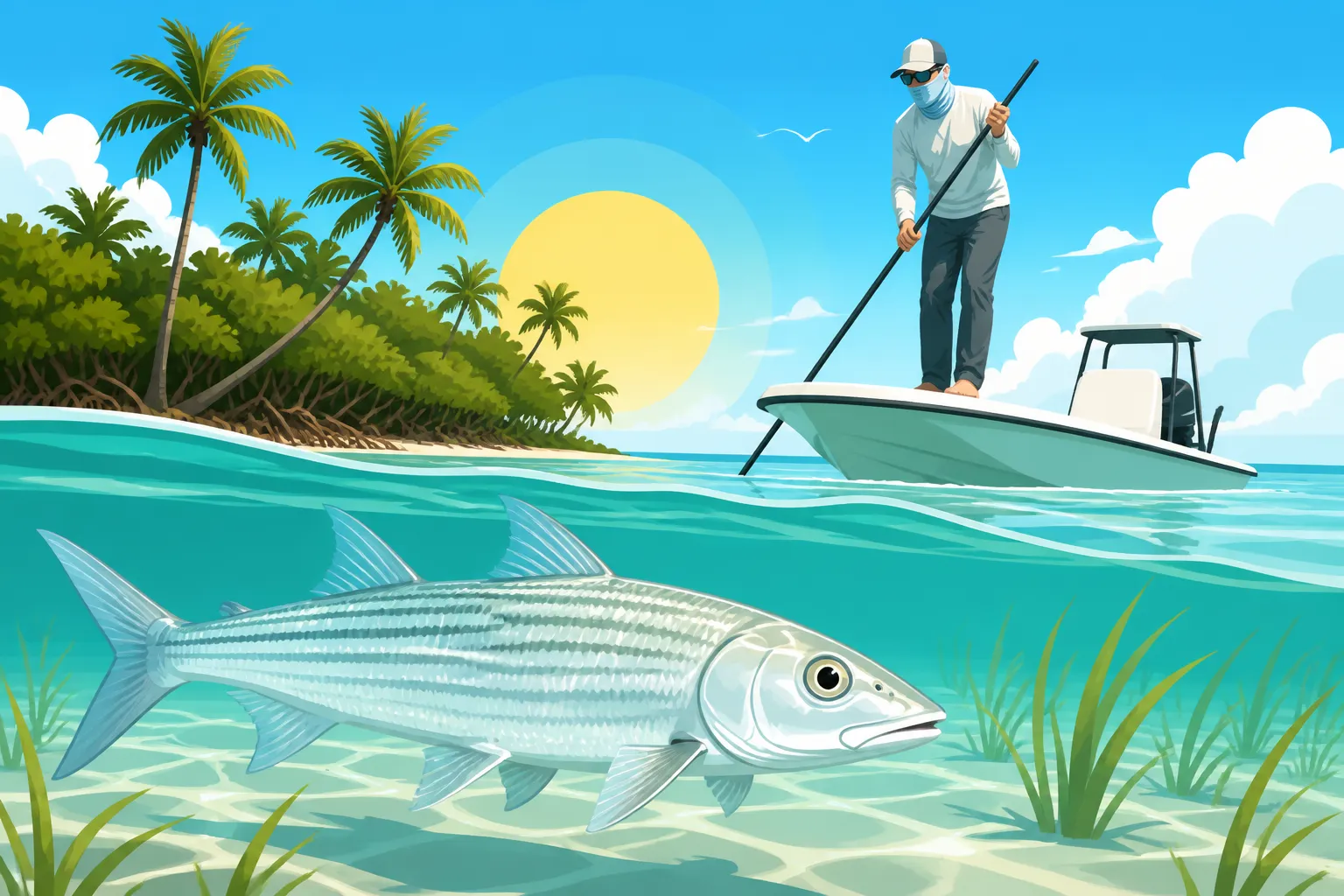
Bonefish are truly remarkable creatures. Their sleek, torpedo-shaped bodies are perfectly adapted for life in shallow water, allowing them to glide silently and almost invisibly over sandy bottoms and seagrass beds. Their coloration is a masterclass in camouflage – iridescent silver flanks that mirror the sky, and a darker back that blends seamlessly with the bottom, making them incredibly difficult to spot. This natural adaptation is a big part of what makes bonefishing such a unique and exciting challenge.
But it's not just their stealth that makes them special. Once hooked, bonefish are renowned for their blistering, drag-screaming runs. They are pound-for-pound one of the strongest fighting fish in shallow water, often leading to heart-stopping moments as they race away, forcing you to test the limits of your gear and your angling skills. It’s a pure adrenaline rush that keeps anglers coming back for more, year after year, hoping to experience that thrilling first run.
The Thrill of the Hunt: Why Anglers Obsess Over Them
The obsession with bonefish stems largely from the "hunt" itself. Unlike many other forms of fishing where you might cast blindly or rely on sonar, bonefishing is primarily a sight-fishing game. You're actively scanning the water, looking for subtle signs: a slight disturbance on the surface, a "tailing" fish with its tail fin breaking the water as it feeds, or just a dark shape moving against the lighter bottom. It requires patience, keen eyesight, and a calm demeanor.
The moment you spot one, your heart rate instantly spikes. Then comes the delicate dance of positioning, casting, and presenting your bait or fly perfectly, all while trying not to spook the incredibly wary fish. It’s a chess match played out in slow motion, where every move counts. Success feels like a true accomplishment, a testament to your skill and persistence, making it one of the most rewarding experiences in Florida fishing. Many anglers consider a bonefish caught on the flats to be a true trophy, regardless of its size, simply because of the effort and precision required.
Where to Find Bonefish in Florida's Waters
While bonefish are known for their elusiveness, they do frequent specific areas in Florida where conditions are just right. Understanding their preferred habitats is key to increasing your chances of finding them, and ultimately, hooking into one. It’s not about blind luck; it’s about knowing where to look and what to look for.
Key Florida Bonefish Habitats
When you think of bonefish in Florida, one region immediately springs to mind: the Florida Keys. This chain of islands boasts expansive, shallow flats that are perfect bonefish territory. Places like Islamorada, Marathon, and Key West are legendary destinations for bonefishing, with guides specializing in taking anglers out to these productive grounds. The clear, warm waters and abundant food sources make the Keys a prime location for these prized fish. If you're planning a trip, exploring The Florida Keys Fishing Guide is a must.
Another incredibly productive area, often overlooked by those not in the know, is Biscayne Bay Fishing Guide in South Florida. Just east of Miami, this vast, shallow estuary offers incredible opportunities for bonefish, especially its southern reaches. The bay features extensive seagrass beds, sandy patches, and channels that provide ideal feeding and refuge areas for bonefish. While perhaps not as famous as the Keys for bonefish, Biscayne Bay holds its own as a world-class destination for these revered shallow-water fighters.
Understanding Bonefish Preferred Environments
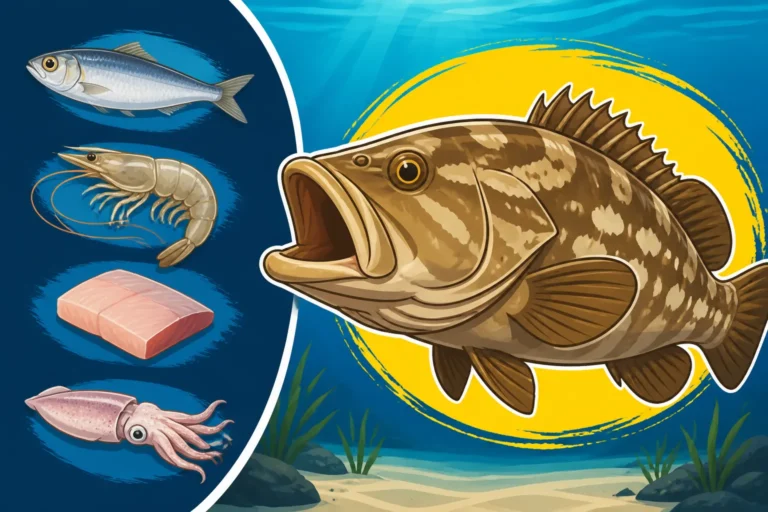
Bonefish are creatures of habit and specific environmental preferences. They thrive in shallow, warm, clear water, typically ranging from a few inches to a few feet deep. You'll primarily find them cruising over firm, sandy bottoms, often interspersed with patchy seagrass beds or coral rubble. These areas are rich in the small crabs, shrimp, and worms that make up their diet. Their downward-pointing mouths are perfectly designed for rooting around in the substrate to find these tasty morsels.
The clarity of the water is paramount, both for the bonefish to spot its prey and for anglers to spot the bonefish! Turbid or muddy water makes sight-fishing nearly impossible, which is why areas with good water flow and healthy ecosystems are so crucial. Look for vast stretches of undisturbed flats, particularly those with good tidal flow, as this brings in fresh food and oxygen, stimulating feeding activity. Understanding these preferences will help you narrow down your search and focus your efforts on the most promising spots.
When to Plan Your Bonefish Expedition
Timing is everything when it comes to bonefishing. You can have the best gear and technique in the world, but if you're fishing at the wrong time, your chances of success plummet. Bonefish are highly sensitive to environmental conditions, and understanding these factors is crucial for planning a productive trip.
Optimal Seasons for Bonefishing in Florida
While it's possible to catch bonefish year-round in Florida, certain seasons offer more consistent action and better conditions. Generally, spring (March to May) and fall (October to December) are considered prime bonefishing seasons. During these months, the weather is typically more stable, water temperatures are comfortable, and migratory patterns often bring more fish onto the flats. The mild temperatures mean the water isn't too hot, which can make bonefish sluggish, nor too cold, which can drive them off the flats into deeper water.
Summer can also be productive, especially in the early mornings before the intense heat settles in, but afternoon thunderstorms can be a common occurrence. Winter can be hit-or-miss; cold fronts can push bonefish off the flats, but on warm, sunny days between fronts, the fishing can be exceptional. The key is flexibility and paying close attention to local weather patterns. Guides often have the most up-to-date information on seasonal movements and feeding habits.
Tides, Weather, and Moon Phases
Beyond the seasons, daily conditions like tides, weather, and even moon phases play a significant role. Bonefish heavily rely on tides to access their feeding grounds on the shallow flats. An incoming tide often brings them onto the flats to feed, providing deeper water cover and access to new food sources. As the tide recedes, they'll typically move off the flats into deeper channels or basins. Best Tides for Inshore Fishing in Florida will give you more insights into how to read these patterns.
Clear, sunny days with light winds are ideal for sight fishing. Cloud cover makes it incredibly difficult to spot bonefish, as does a strong breeze that ripples the water's surface. High winds can also make boat handling and casting challenging. As for moon phases, while opinions vary, many experienced bonefish anglers believe that the periods around the new and full moons, when tidal swings are most pronounced, can often be the most productive due to the increased water movement and feeding opportunities. Always check the local tide charts and weather forecasts before heading out.
Essential Gear for Successful Bonefishing
Having the right equipment is non-negotiable for bonefishing. These fish are powerful and cunning, and inadequate gear will quickly lead to broken lines, pulled hooks, and missed opportunities. Whether you prefer fly fishing or spin fishing, understanding the nuances of your setup is paramount.
Rods, Reels, and Lines for the Flats
For fly fishing, a 7-weight to 9-weight rod is typically recommended, with an 8-weight being a versatile choice. You need a fast-action rod that can deliver accurate casts quickly, often into a headwind. Pair this with a high-quality saltwater reel that has a smooth, strong drag system – this is crucial for those blistering runs. Your fly line should be a weight-forward floating line designed for saltwater, and you'll need at least 200 yards of backing, sometimes more, as a large bonefish can easily take 100 yards on its first run.
For spin fishing, a medium-light to medium action rod, around 7 to 7.5 feet long, is a great choice. This provides enough backbone for casting and fighting, but enough sensitivity to feel subtle bites. Combine it with a durable saltwater spinning reel, spooled with 10 to 15-pound braided line. Braid offers incredible sensitivity and casting distance, both highly advantageous when targeting wary bonefish. A fluorocarbon leader of 15 to 20 pounds is then tied to the braid for invisibility and abrasion resistance. When selecting gear, check retailers like Amazon for a wide selection and competitive pricing on Best Rod and Reel Setup for Florida Inshore Fishing.
Baits, Lures, and Flies That Bonefish Can't Resist
Bonefish are primarily opportunistic feeders that root around on the bottom, so your bait, lure, or fly needs to mimic their natural prey effectively.
For Spin Fishing:
Live bait is often the most effective choice. Small live shrimp, fiddler crabs, or small pieces of cut crab are bonefish magnets. Present these on a light jig head (1/8 to 1/4 ounce) or under a small popping cork, allowing them to drift naturally. Artificial lures can also work, with small soft plastics resembling shrimp or crabs, fished slowly along the bottom, sometimes provoking a strike.
For Fly Fishing:
Fly selection is critical. Patterns that imitate small shrimp and crabs are key. Some popular and highly effective bonefish flies include the Gotcha, Crazy Charlie, Squimp, and various Merkin patterns. The weight of the fly is important; you want it to sink quickly but not "plunk" too heavily, which can spook the fish. Often, you'll carry flies with different weights to adjust to varying water depths and current speeds. Always ensure your fly box is well-stocked before hitting the flats, and a quick search on Amazon will show you many reliable patterns. Consider researching Best Live Bait for Florida Inshore Fishing for more details on bait selection.
| Gear Type | Fly Fishing | Spin Fishing |
|---|---|---|
| Rod | 7-9 weight, fast-action (8-weight versatile) | 7-7.5 ft, medium-light to medium action |
| Reel | High-quality saltwater, smooth/strong drag | Durable saltwater spinning reel |
| Main Line | Weight-forward floating line + 200yds+ backing | 10-15 lb braided line |
| Leader | Tapered leader (10-12lb tippet) | 15-20 lb fluorocarbon leader |
| Preferred Bait/Lure | Shrimp/Crab imitations (Gotcha, Crazy Charlie) | Live shrimp, fiddler crabs, small soft plastics |
| Casting Style | Delicate, accurate presentation | Accurate, soft presentations to avoid spooking |
Mastering Bonefish Fishing Techniques
Catching a bonefish requires more than just the right gear; it demands a refined approach and meticulous technique. It's a game of subtlety, patience, and precision, where every movement and cast can make or break your chances.
The Art of Sight Fishing and Presentation
The foundation of bonefishing is sight fishing. You'll typically be poling quietly across the flats in a shallow-draft boat or wading, constantly scanning the water. Look for any sign of a bonefish: a moving shadow, a "mud" plume where a fish is rooting for food, or most excitingly, a "tailing" fish. Once you spot a fish, the approach is critical. You need to position yourself downwind or down-current, allowing for a natural presentation and minimizing the chance of spooking the fish. A skilled guide will be an invaluable asset here, expertly poling the boat silently, as detailed in How to Pole a Flats Boat Quietly.
The cast itself must be accurate and delicate. For fly fishing, aim to land your fly a few feet ahead of and slightly beyond the fish, allowing it to sink to the bottom before the bonefish reaches it. Then, a series of short, slow strips will bring the fly to life. For spin fishing with bait, make a soft cast, again a few feet ahead of the fish, allowing the bait to settle naturally. Avoid casting directly on top of the fish, as this will almost certainly send it rocketing away. The presentation needs to be subtle, as if the bait or fly is a natural part of the environment. Sometimes, a second or third cast is required if the fish doesn't immediately react, but remember, too many casts can increase the chance of spooking it.
Fighting and Landing Your Bonefish
Once a bonefish takes your bait or fly, get ready for an explosive fight! Their initial run is legendary – incredibly fast and powerful, often stripping line off your reel at an alarming rate. It’s crucial to maintain constant pressure and let your drag do the work. Do not try to muscle the fish, especially on light tackle, as you'll risk pulling the hook or breaking your line. Keep your rod tip up, absorbing the shocks and directing the fish.
After the initial burst, a bonefish might make several shorter, but equally strong, runs. The fight is typically a series of intense sprints interspersed with moments of reeling as you regain line. When the fish gets close, avoid lifting it out of the water by the leader, as this can easily break the line or damage the fish. Instead, gently guide it into a net or, if wading, grasp it carefully by the tail while supporting its belly. The goal is to land the fish quickly and efficiently to minimize stress before release. Remember, this is a catch-and-release fishery, and proper handling is paramount.
Preserving the Future of Florida Bonefishing
Bonefish are a highly valued species in Florida, not for their culinary appeal, but for their incredible sportfishing qualities. As such, conservation efforts and responsible angling practices are vital to ensure that future generations can continue to experience the thrill of chasing the "Ghost of the Flats."
Catch and Release Best Practices
Because bonefish are almost exclusively a catch-and-release species, proper handling is paramount to their survival. The goal is to minimize stress and physical harm to the fish. Always try to land the fish as quickly as possible, avoiding prolonged fights that can exhaust them. Once landed, keep the fish in the water as much as possible. If you need a photo, do so quickly, supporting the fish horizontally with both hands, one under the head and one under the tail, and never holding it vertically by the jaw.
Remove the hook gently with pliers or forceps. If the hook is deeply ingested, cut the line as close to the hook as possible. Once released, hold the fish gently in the water, facing into any current, until it regains its strength and swims away on its own. Never just toss it back. These practices are aligned with general Catch and Release Best Practices for Snook and other sensitive shallow-water species. By following these guidelines, we contribute to the health and sustainability of the bonefish population.
Understanding Regulations and Conservation Efforts
Florida's bonefish population is carefully managed by the Florida Fish and Wildlife Conservation Commission (FWC). It is crucial for every angler to understand and adhere to the current regulations. Bonefish are typically managed under a strict catch-and-release only policy, meaning it is illegal to harvest them. This protects the species and allows them to continue to thrive in Florida's fragile ecosystems.
Beyond the specific bonefish regulations, all anglers need to possess a valid Florida fishing license. Be sure to check Florida Fishing License Guide for detailed information on requirements and types of licenses. Furthermore, understanding general Florida Fishing Regulations and Bag Limits for other species you might encounter, as well as being aware of any marine protected areas or special zones, is part of being a responsible angler. These regulations are in place to ensure a healthy fishery for everyone and contribute directly to the conservation of these incredible fish and their habitats.
Disclaimer
This article is for general informational purposes only and does not constitute professional advice. Laws, prices and regulations vary by location and change over time. Consult a qualified professional for guidance on your specific situation.