Florida Tripletail Fishing Guide
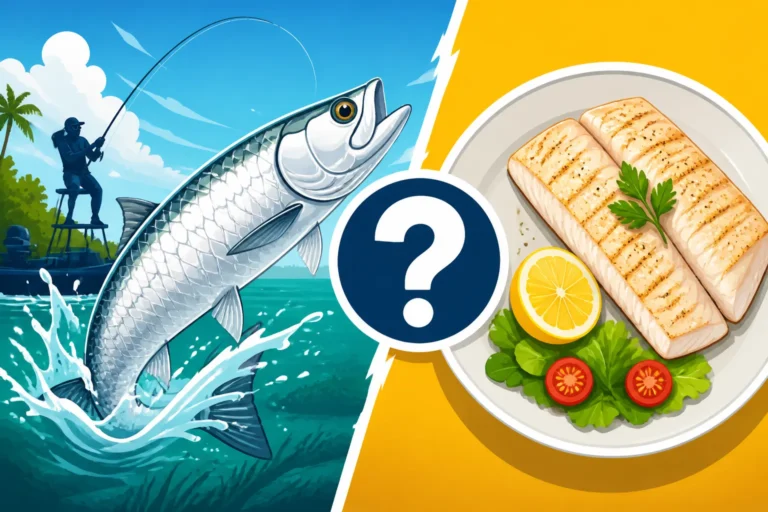
There's a special kind of thrill that comes with sight fishing for tripletail in Florida waters, but let's be honest, these fish are masters of disguise, and sometimes finding them feels like trying to spot a ghost in broad daylight. Many anglers get frustrated because they know tripletail are out there, lurking near structure, but actually getting one to bite can be a whole different challenge. This comprehensive guide is here to demystify tripletail fishing, offering proven strategies and tips to help you consistently find and catch these elusive, delicious fish.
Understanding the Elusive Tripletail
Tripletail are truly unique in Florida's vast array of game fish. They're not like your typical snook or redfish that hug the mangroves, nor are they deep-water bottom dwellers. They have a fascinating biology and behavior that makes them both challenging and incredibly rewarding to target. If you've ever spent an afternoon scanning the water, hoping for that tell-tale dark shape near a crab trap buoy, you know exactly what I mean.
Tripletail Biology and Habitat Preferences
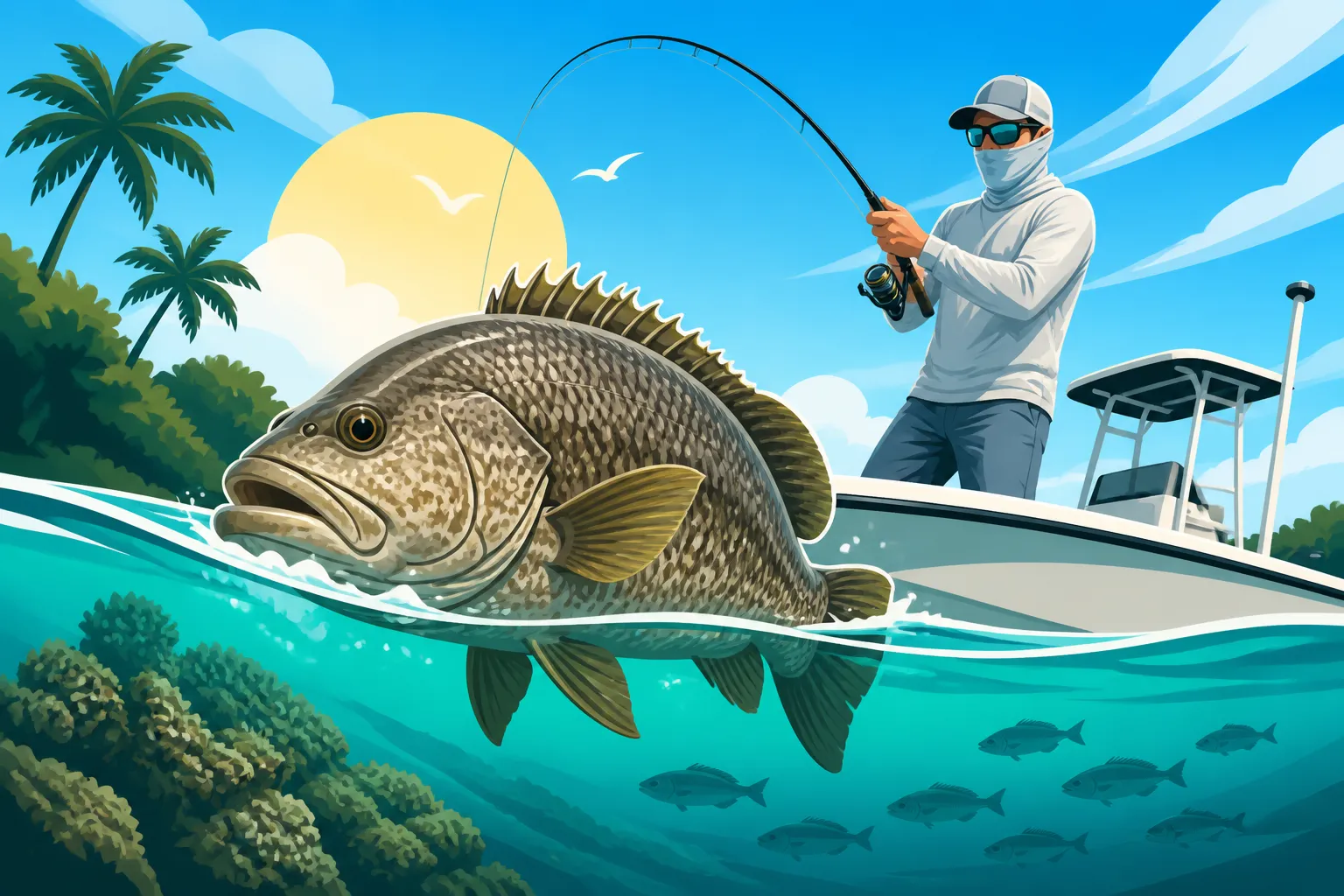
Tripletail (scientific name: Lobotes surinamensis) get their common name from the way their soft-rayed dorsal and anal fins extend back, almost appearing like three distinct tails alongside their caudal fin. This unique body shape, combined with their mottled brown, black, and yellow coloration, allows them to blend in perfectly with floating debris or shadowed structure. They are opportunistic predators, often lying on their side, masquerading as a floating leaf or piece of trash, waiting for an unsuspecting shrimp or baitfish to swim by. This camouflage is their superpower, and it's why you often have to look twice, or even three times, to spot one.
Their preferred habitats are largely dictated by this camouflage strategy. You'll find them almost exclusively around floating objects or vertical structure in both inshore and nearshore waters. Think about anything that provides shade and a potential ambush point: channel markers, crab trap buoys, floating sargassum weed lines, navigational aids, pilings, and even discarded plastic buckets. They love to just "hang out" there, almost imperceptibly, making them incredibly difficult to spot until you're right on top of them. Understanding this behavior is the first step to successful tripletail fishing.
Tripletail Diet and Feeding Habits
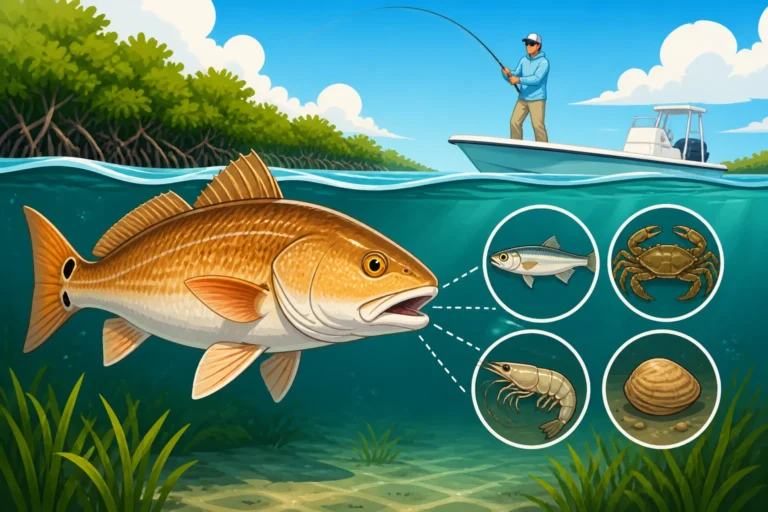
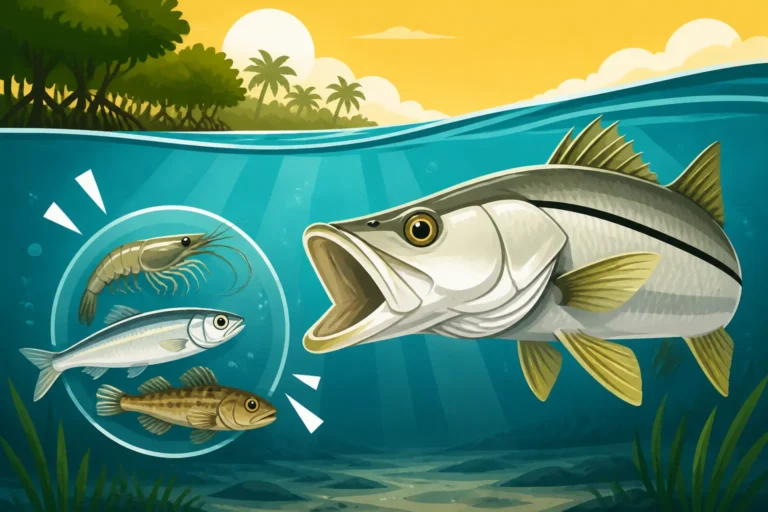
Tripletail are not picky eaters when it comes to what they consume, but they can be incredibly particular about how it's presented. Their diet primarily consists of smaller fish like minnows and pilchards, various shrimp species, crabs, and even squid. They are ambush predators, often using their camouflage to lie in wait, then striking quickly when prey ventures too close. This means your bait presentation needs to mimic natural, easy prey.
While they might eat a wide variety of things, their feeding habits often revolve around conserving energy. They won't usually chase down fast-moving prey over long distances. Instead, they prefer to wait for food to come to them. This is why a slowly drifting live shrimp or a perfectly presented artificial lure that hovers near their chosen structure is often more effective than something retrieved quickly. It's all about making it irresistible and requiring minimal effort on their part. Many a time, I've watched a tripletail eyeball a lure for what feels like an eternity before making a decision, validating the patience needed when targeting these fascinating fish.
Where to Find Florida Tripletail
Finding tripletail isn't about knowing a "secret spot" as much as it is about knowing what to look for and where those things tend to be. They are not uniformly distributed throughout the water column or over vast expanses of open water. Their presence is almost always tied to specific types of structure, making them a true sight-fishing target.
Inshore and Nearshore Hotspots
Inshore, you'll commonly find tripletail in bays, estuaries, and along the Intracoastal Waterway. The key is to look for anything that breaks the surface or offers a shadowed area. Common hotspots include:
- Channel Markers and Buoys: These are perhaps the most classic tripletail hideouts. As you slowly motor or pole along, constantly scan both sides of every channel marker, navigational buoy, and even crab trap floats. Tripletail will often position themselves on the side of the buoy that's in the shade or facing away from the current.
- Floating Debris: Sargassum weed lines, floating logs, old pallets, derelict crab traps, or even larger pieces of trash like plastic sheeting can be tripletail magnets. These offer perfect camouflage and ambush points. It's amazing how a seemingly insignificant piece of floating junk can hold a beautiful tripletail.
- Pilings and Docks: While less common than open-water structure, tripletail will sometimes hang around dock pilings or bridge fenders, especially those with some current flow or shade. They prefer the less disturbed areas.
Nearshore, as you head out into the Gulf or Atlantic, the possibilities expand. You'll still find them around buoys and floating debris, but also consider:
- Offshore Navigation Buoys: Larger, more substantial buoys found further offshore often hold bigger tripletail. These are major current breaks and aggregation points for bait.
- Sargassum Lines: These vast floating weed lines are incredible ecosystems, sheltering all sorts of marine life, including tripletail. Trolling or drifting along these lines, constantly scanning, is a productive method. Florida Fishing Seasons Explained touches on how these conditions vary throughout the year.
Seasonal Movements and Environmental Factors
Tripletail in Florida do exhibit some seasonal movements, though they are often more localized than some other species. In the cooler months, they tend to move further offshore into deeper waters, often congregating around reefs, wrecks, or larger floating structures. As water temperatures warm in spring, they push back into shallower inshore and nearshore areas, becoming more accessible to anglers targeting them by sight. This makes spring and fall prime times for tripletail fishing along the coast.
Environmental factors like water clarity and currents also play a significant role. Clear water is your best friend when sight fishing for tripletail, as it allows you to spot their subtle forms against the structure. Strong currents can also be beneficial, as they bring a steady supply of food to the fish waiting in ambush. However, extremely rough water can make spotting nearly impossible and often disperses floating debris, making it harder for tripletail to find their preferred cover. Always check marine forecasts and tide charts before heading out. For more on how water conditions affect fishing, check out How Hot Weather Affects Summer Fishing in Florida.
Best Baits and Lures for Tripletail
When it comes to tripletail, presentation is often more critical than the specific bait or lure itself, but having the right options in your tackle box certainly helps. Tripletail can be finicky, ignoring offerings that don't look natural or are presented too aggressively. Think subtle, enticing, and easy.
Live Bait Selections
Live bait is almost always the top choice for tripletail, especially when they are being particularly stubborn. The natural movement and scent of live bait can often tempt even the most reluctant fish.
- Live Shrimp: This is arguably the king of tripletail baits. A medium to large live shrimp, hooked lightly through the tail or just under the horn, presented on a small jig head or a weighted circle hook, is incredibly effective. The slow, natural descent of a live shrimp perfectly mimics their natural prey. I've seen countless tripletail, initially ignoring a lure, absolutely pounce on a well-presented live shrimp. You can often find excellent live shrimp at local bait shops, or even sometimes cast net your own.
- Live Minnows/Baitfish: Pilchards, threadfin herring, or small mud minnows are also excellent choices. Again, a natural presentation is key. Hook them through the lips or dorsal fin on a small circle hook, allowing them to swim naturally near the structure where the tripletail is holding. These can be particularly good for larger tripletail.
- Crabs: Small fiddler crabs or pieces of blue crab can be irresistible to tripletail, especially those found around crab trap buoys, as crabs are a natural food source in those environments. This is a less common bait but highly effective when used.
No matter which live bait you choose, keep your tackle light. A fluorocarbon leader of 20-30 lb test is usually sufficient, as it's nearly invisible in the water.
Artificial Lure Options
While live bait is often preferred, artificial lures can be highly effective, especially for more aggressive fish or when covering a lot of water. The key is to mimic the natural movement of a slow-moving or injured prey item.
- Jig Heads with Soft Plastics: This is my go-to artificial. A weedless, weighted jig head (1/8 to 1/4 ounce) tipped with a soft plastic shrimp imitation (like a D.O.A. Shrimp) or a small jerk shad can be deadly. Cast it beyond the tripletail and retrieve it slowly, letting it sink naturally near the fish. Experiment with colors – natural shrimp or baitfish colors are usually best. You can often find a great selection of these on Amazon, making it easy to stock up before a trip.
- Bucktail Jigs: Small bucktail jigs (1/8 to 1/4 ounce) can also work wonders. Their subtle pulsation in the water can entice a strike. Tip them with a small piece of shrimp or Gulp! bait for added scent and appeal.
- Small Surface Poppers/Walk-the-Dogs: Occasionally, an aggressive tripletail will hit a topwater lure, especially during low light or when they are actively feeding on the surface. This is more of a thrill strike, but it can be incredibly exciting. Think small, subtle presentations rather than aggressive splashes.
Always carry a variety of lures and be prepared to switch if the fish are not responding. Sometimes, a slight change in lure size, color, or retrieve speed is all it takes to trigger a strike.
Techniques for Catching Florida Tripletail
Catching tripletail is less about brute strength and more about finesse, stealth, and precise presentation. It's truly a sight-fishing game that rewards patience and observation. Many times, you'll feel like a hunter stalking its prey, and that's exactly the right mindset.
Sight Fishing and Approach Tactics
This is the quintessential tripletail technique. It all starts with spotting the fish.
- Spotting the Fish: This requires a keen eye and good polarized sunglasses. Slowly cruise parallel to channel markers, crab trap lines, or weed lines. Look for that dark, sometimes irregular, shape against the background. Tripletail often tilt on their side, making them look like debris. Don't assume something is trash until you've confirmed it. Use a high vantage point if possible (a poling platform or casting deck helps). Early mornings or late afternoons with the sun at your back can be ideal for spotting.
- Stealth is Key: Once you spot a tripletail, approach slowly and quietly. Tripletail are easily spooked. Use a trolling motor at a low speed, or better yet, pole or drift into position. Avoid casting a shadow over the fish. The goal is to get within casting distance without alerting the fish to your presence. Remember, they are masters of camouflage, but they can still see and feel vibrations.
- The Perfect Cast: This is where the magic happens. Cast your bait or lure beyond the fish, then retrieve it slowly, allowing it to sink naturally right in front of the tripletail's face. You want to present it as if it's drifting towards them with the current. Avoid splashing or landing the bait directly on top of the fish, which will almost certainly spook it. A soft, accurate cast is paramount. Sometimes, a tripletail will be incredibly lazy, and you might need to leave the bait suspended right in front of them for several seconds before they decide to eat. It can be a test of patience, but it's worth it. Beginner Tips for Saltwater Fishing in Florida offers more general advice on stealth.
Effective Retrieve and Hook Set
Once your bait is in the water, the retrieve and hook set are crucial for success.
- Slow and Deliberate Retrieve: For soft plastics, a slow, jigging retrieve with pauses is usually best. Let the lure sink, give it a subtle twitch, let it sink again. For live bait, just letting it drift naturally with the current is often enough. The goal is to make the bait look easy and enticing, not fast and evasive. Watch the tripletail's reaction – if it shows interest, keep the presentation consistent. If it turns away, try a different retrieve or even a different bait.
- The Hook Set: Tripletail have tough mouths, so a firm hook set is important. With live bait on a circle hook, simply tighten the line and let the rod load up; the hook will typically set itself in the corner of the fish's mouth. With artificial lures and J-hooks, a sharp, upward sweep of the rod tip is necessary. Once hooked, tripletail can put up a surprisingly strong fight, often making powerful runs and even jumping. Keep steady pressure and be ready for their head shakes near the boat.
- Landing the Fish: These fish are delicious, and many anglers want to keep them. Have a net ready. Tripletail can be feisty at the boat, and a good net is essential to avoid losing your prize at the last moment. Be mindful of their sharp gill plates when handling. For more information on fish handling, consider Catch and Release Best Practices for Snook which shares relevant techniques.
Tripletail Regulations and Conservation
As with all of Florida's valuable fish species, responsible fishing practices and adherence to regulations are crucial for maintaining healthy tripletail populations. Nobody wants to see these unique fish disappear from our waters. Knowing the rules isn't just about avoiding a fine; it's about being a good steward of our natural resources.
Size and Bag Limits
Florida has specific regulations for tripletail that dictate the minimum size you can keep and the maximum number you can harvest per day. These regulations can change, so it's always important to check the latest rules from the Florida Fish and Wildlife Conservation Commission (FWC) before you head out. Generally, there's a minimum length requirement, often measured from the tip of the jaw to the center of the tail, and a daily bag limit per person.
It's not uncommon for tripletail to be found on free fishing days too, but the regulations still apply! For example, Do License-Free Days Cover Snook and Lobster in Florida? details how specific species permits are still necessary even if a general license is not. Always make sure your fish measures up before putting it in the cooler. Carrying a measuring device that's clearly marked is a must, and avoid "stretching" the fish – a violation could lead to penalties.
The Importance of Conservation
Tripletail are not as prolific as some other species, and their unique life history makes them somewhat vulnerable. They are often targeted by commercial and recreational fishermen alike, which adds pressure to their populations. Practicing catch-and-release, especially for larger breeding-size fish, when you've already met your bag limit, helps ensure future generations of tripletail.
Think about how you handle the fish if you're releasing it. Minimize its time out of water, support its body horizontally, and revive it gently if needed before letting it go. Proper handling increases its chances of survival. These simple acts of conservation make a real difference in the long run. By respecting the regulations and practicing responsible fishing, we can all help ensure that tripletail remain a vibrant part of Florida's incredible fishery for years to come. You can read more about how these regulations are set and maintained in articles like How Much Do Florida Fishing License Fees Fund Conservation?.
Essential Gear for Tripletail Fishing
Having the right gear makes a huge difference in your success and enjoyment when chasing tripletail. While you don't need a boat full of specialized equipment, a few key items will significantly improve your chances and make the experience more comfortable.
Rods, Reels, and Line
For tripletail, light to medium-light tackle is generally preferred. It allows for more sporting fights and makes casting lighter baits and lures much easier and more accurate.
- Rods: A 7-foot to 7-foot 6-inch spinning rod with a fast action and medium-light power is ideal. This length provides good casting distance and accuracy, while the fast action gives you the sensitivity to feel subtle bites and the backbone to fight a strong fish. Brands like St. Croix or Ugly Stik make fantastic rods that fit this description and can be found readily on Amazon.
- Reels: Pair your rod with a reliable spinning reel in the 2500-3000 size range. Look for a reel with a smooth drag system, as tripletail can make powerful runs. Shimano and Penn are popular choices known for their durability.
- Line: Spool your reel with 10-15 lb braided line. Braid offers incredible sensitivity, casting distance, and strength for its diameter. Always tie on a 2-3 foot fluorocarbon leader of 20-30 lb test. Fluorocarbon is nearly invisible underwater, which is a huge advantage when targeting wary tripletail, and its abrasion resistance protects your main line from their rough gill plates and the structure they inhabit. For understanding line choices, What Pound Test Line for Snook Fishing? offers good comparative insights.
Tackle and Accessories
Beyond the basic rod and reel, a few key pieces of tackle and accessories will complete your tripletail setup.
- Hooks and Jig Heads: Carry an assortment of small, sharp circle hooks (sizes 1/0 to 3/0) for live bait. For artificials, a variety of weedless jig heads (1/8 to 1/4 ounce) are essential. Make sure they are saltwater-grade to prevent corrosion.
- Polarized Sunglasses: I cannot stress this enough. High-quality polarized sunglasses are absolutely critical for spotting tripletail. They cut glare, allowing you to see into the water and distinguish a fish from floating debris. Costa Del Mar and Maui Jim are popular brands known for their excellent optics.
- Sun Protection: You'll be spending a lot of time scanning the water, often in direct sunlight. Wide-brimmed hats, long-sleeved sun shirts (like those from Columbia PFG or Simms), and plenty of sunscreen are non-negotiable.
- Landing Net: A good, wide-mouthed landing net with a rubberized mesh is invaluable for safely bringing a tripletail into the boat, especially if you plan on releasing it.
- Pliers/De-hooker: Essential for safely removing hooks, especially if the fish has swallowed the bait or the hook is in a tricky spot.
By having these essential items, you'll be well-equipped to tackle the unique challenges and enjoy the rewarding experience of tripletail fishing in Florida.
| Bait/Lure Type | Advantages | Disadvantages | Best Use Case |
|---|---|---|---|
| Live Shrimp | Natural scent & movement, highly attractive | Can be delicate, easily stolen by small fish | Finicky fish, slow drifts, high success rate |
| Live Minnows | Good for larger fish, natural movement | Harder to keep alive, sometimes harder to find | Aggressive fish, larger targets |
| Soft Plastic Jig | Durable, customizable colors, good action | No natural scent, requires precise retrieve | Covering water, sight fishing, active fish |
| Bucktail Jig | Good sinking rate, subtle action | Less natural movement than live bait | When fish are deeper or slightly more aggressive |
Common Mistakes and How to Avoid Them
Even experienced anglers can make mistakes when targeting tripletail. These fish have a knack for frustrating you, but often, the error lies in our approach rather than their inherent elusiveness. Learning from common pitfalls can significantly increase your success rate.
Spooking the Fish
This is by far the most common mistake, and it's devastating because once a tripletail is spooked, it's usually gone for good. There's nothing more disheartening than spotting a beautiful tripletail, getting excited, and then watching it dart away in a flash because of a clumsy approach.
- Loud Engine Noise or Footsteps: Tripletail are highly sensitive to vibrations. If you're running your outboard engine too close to potential holding spots, or stomping around on the deck of your boat, you're sending alarm signals through the water. Solution: Approach quietly, using a trolling motor on a low setting or, ideally, poling or drifting.
- Casting Shadows: Tripletail often sit in shaded areas or against dark structure. If your boat or your body casts a shadow directly over them, they'll perceive it as a threat from above. Solution: Always keep the sun in mind and position your boat so shadows are cast away from the fish, or make casts from a position that minimizes shadow intrusion.
- Direct Casts: Landing a heavy lure or bait right on top of a tripletail is almost a guaranteed spook. The splash and sudden movement are unnatural and alarming. Solution: Cast well beyond the fish, allowing your bait or lure to sink and drift naturally into their strike zone. A soft, accurate presentation from a distance is always best. How to Approach Fish Without Spooking Them dives deeper into these tactics.
Improper Bait Presentation
Tripletail are often opportunistic but can be incredibly particular about how their meal is served. An unnatural presentation, even with the best bait, will often be ignored.
- Too Fast or Erratic Retrieve: Tripletail prefer easy meals. A lure or bait that's darting around too quickly looks like something they'd have to expend too much energy to catch, or worse, something that's trying to escape. Solution: Employ a slow, deliberate retrieve for artificials, mimicking an injured or drifting baitfish. For live bait, allow it to swim or drift as naturally as possible, with minimal added movement from your rod.
- Wrong Hook Size or Weight: Using a hook that's too large for your bait makes it look unnatural, and excessive weight can cause your bait to sink unnaturally fast or sit awkwardly. Solution: Match your hook size to your bait. For live shrimp, a small, light-wire circle hook is often best. For jig heads, choose the lightest weight possible that still allows you to cast and get the bait to the desired depth. You want a slow, natural descent.
- Ignoring the Fish's Mood: Tripletail can have different "moods." Sometimes they're aggressive and will hit anything; other times, they're lethargic and require extreme finesse. Solution: Pay attention to how the fish is reacting. If it ignores your first offering, don't keep doing the same thing. Try a different bait, a lighter leader, a slower retrieve, or even a different type of lure. Sometimes, leaving the bait motionless for an extended period right in front of them is the key.
By being mindful of your approach and perfecting your presentation, you'll significantly increase your chances of fooling these clever and rewarding fish.
Disclaimer
This article is for general informational purposes only and does not constitute professional advice. Laws, prices and regulations vary by location and change over time. Consult a qualified professional for guidance on your specific situation.