Florida Permit Fishing Guide
Oh, the Florida permit! If you've ever spent time on the flats or near our coastal wrecks, you know the frustration and exhilaration that comes with chasing these incredible fish. They're notoriously skittish, incredibly intelligent, and possess a fighting spirit that few other inshore species can match. Many anglers consider a permit to be the ultimate challenge in Florida's shallow waters, and for good reason! This guide is here to walk you through everything you need to know to increase your chances of landing one of these silver ghosts, from where they hide to what makes them bite, and crucially, how to respect them for future generations.
What Exactly is a Florida Permit (and Why Anglers Obsess Over Them)?
Imagine a fish that combines the broad, disc-like shape of a pompano with the size and wary intelligence of a large redfish. That's a permit (Trachinotus falcatus) in a nutshell. They are absolutely stunning to look at, with their shimmering silver bodies, often showcasing hints of gold or bronze, especially around their fins, and those distinctive dark, forked tails. They can grow to impressive sizes, often exceeding 30 pounds, and when you hook into one, you'll quickly understand why they're so highly revered. It's not just their size or beauty; it's the sheer difficulty in outsmarting them that draws anglers back again and again.
The Elusive Nature of Permit
Permit are, without a doubt, one of the most challenging fish to target in Florida. They possess an almost uncanny ability to detect danger, whether it's a boat approaching too fast, a clumsy cast, or even a shadow falling over the flat. Their large, keen eyes are constantly scanning for predators and prey alike, making a stealthy approach absolutely paramount. Unlike some other aggressive species that might strike out of instinct or territoriality, a permit will often simply disappear with a flick of its tail if it feels threatened. This elusive quality is what makes catching one such a triumph; it's a testament to an angler's skill, patience, and understanding of the environment.
Their similarities to pompano can sometimes lead to misidentification, especially when they're smaller. However, permit have a much more pronounced, tall dorsal and anal fin, giving them a more "sail-like" profile. They also tend to be much larger and possess a deeper body. This constant wariness means that even when you do spot them, getting them to eat your offering is a whole different ballgame. It's a game of chess, not checkers, and the permit are master strategists.
Permit Biology and Behavior
Permit are primarily carnivorous, with a diet heavily focused on crustaceans. Crabs are their absolute favorite, particularly small fiddler crabs, blue crabs, and even hermit crabs. They'll also readily slurp up shrimp and small bottom-dwelling invertebrates. This dietary preference is key to understanding what baits and lures to use. You'll often see them "tailing" on the flats, with their tails breaking the surface as they nose down into the grass or sand to root out crabs and other tasty morsels. This behavior is a clear sign that they are actively feeding and can be a prime target for sight fishing.
While they can be found individually, permit often cruise in small schools, sometimes groups of two or three, but occasionally larger aggregations, especially around deeper structures or during certain feeding events. They are sensitive to water temperature and clarity, preferring clean, warm, but not excessively hot, water. On the flats, they use seagrass beds and sand pockets for foraging, while in deeper water, they'll congregate around wrecks, reefs, and rocky bottom structures, using these areas for both feeding and refuge. Their strong swimming ability allows them to navigate currents with ease, often holding just outside the main flow, ready to ambush prey swept past.
Where to Find Permit in Florida's Waters
Florida is blessed with incredible permit habitat, stretching from the Gulf Coast to the Atlantic, with particular hotspots in the southern regions. Knowing where to look is half the battle; understanding why they are there is the other. Their distribution is largely dictated by food availability, water conditions, and proximity to deeper water for refuge.
Coastal Flats and Reefs
The vast shallow water flats of Florida, particularly in the Florida Keys Fishing Guide region, are world-renowned for permit fishing. Here, you'll find them cruising over expansive seagrass beds, sandy potholes, and along the edges of channels. They love areas where tidal currents bring in food, and where they can easily spot their prey in the clear water. The trick is to spot them before they spot you! Areas with a mix of grass and sand are particularly productive, as these offer both cover and abundant food sources.
Beyond the flats, permit also spend a significant amount of time around offshore reefs, wrecks, and even bridge pilings. These deeper structures act as gathering points, providing food and protection. Anglers often target them in these areas by bottom fishing or jigging. While not as visually thrilling as sight fishing on the flats, fishing these structures can be incredibly productive, especially during colder months or when rougher conditions make flat fishing challenging. Identifying good wrecks or natural reefs that hold baitfish and crustaceans is key here.
Seasonal Movements and Habitat Preferences
Permit are sensitive to environmental changes, particularly water temperature. While you can find them year-round in Florida's warmer southern waters, their behavior and locations can shift with the seasons. During the cooler winter months, they might move to deeper water, seeking more stable temperatures around wrecks and reefs, or gather in large schools in certain channels or basins on the flats. As the water warms in spring and summer, they become more active on the shallow flats, aggressively tailing and feeding. This is often considered prime sight-fishing season for many.
They also have a preference for clear water. After heavy rains or strong winds that churn up the bottom, permit might move to areas with better visibility to feed. Tides play a crucial role too. An incoming tide often brings clear water and fresh food onto the flats, stimulating their feeding activity. Similarly, an outgoing tide can concentrate bait in certain areas, making them easier targets. Understanding Best Tides for Inshore Fishing in Florida is absolutely essential for permit success. Pay attention to how different tidal stages affect their presence and feeding patterns in your chosen fishing grounds.
Essential Gear for Targeting Florida Permit
Chasing permit demands specialized gear. You wouldn't use a sledgehammer to drive a finish nail, and you certainly wouldn't use ultralight trout gear to wrestle a 20-pound permit off a wreck. The right equipment is crucial for success, offering the power, sensitivity, and durability needed for these formidable fish.
Rods, Reels, and Line Selection
For sight fishing on the flats, a 7 to 8-foot medium-heavy fast-action spinning rod paired with a high-quality 3000-4000 series reel is ideal. This setup provides the casting distance, accuracy, and backbone needed to handle a powerful permit. You'll want a reel with a smooth, strong drag system – permit are known for blistering runs! For line, 10-15 lb braided line is common, offering incredible sensitivity and strength for its diameter. The lack of stretch in braid helps with immediate hooksets. Crucially, you'll need a fluorocarbon leader, typically 20-30 lb test, about 6-8 feet long. Fluorocarbon is nearly invisible underwater, a huge advantage when targeting wary permit, and offers excellent abrasion resistance against their rough mouths and any structure.
If you're going the fly fishing route, a 9-foot, 9-10 weight fly rod with a large arbor reel loaded with a weight-forward floating line is the standard. Again, a strong, smooth drag is non-negotiable. Fly leaders are usually specialized permit leaders, tapering down to a 15-20 lb fluorocarbon tippet. For deeper water fishing around wrecks, a slightly heavier conventional or spinning setup might be preferred, capable of handling 20-30 lb mainline and heavier leaders, especially if larger fish or deeper dives are expected. You can find a fantastic selection of suitable rods, reels, and fluorocarbon leaders on Amazon, ensuring you're well-equipped for the battle. Check out Best Rod and Reel Setup for Florida Inshore Fishing for more details on balancing your tackle.
Best Baits and Lures for Permit
When it comes to live bait, small, live crabs are king for permit. Fiddler crabs, blue crabs (especially quarter-sized ones), and even small stone crabs are irresistible to them. They'll also readily take live shrimp, though shrimp can sometimes attract other unwanted species. The key is to present the live bait naturally, often on a small, sharp circle hook (1/0 to 3/0, depending on bait size) with minimal weight, or even free-lined.
For artificial lures, crab imitations are, unsurprisingly, highly effective. Soft plastic crab lures, weighted jigs tied with crab-like patterns, or even small, heavy bucktail jigs can work wonders. The color typically mimics natural crab or shrimp tones – tan, brown, olive, or natural grey. Some anglers also have success with small, sinking flies tied to imitate crabs or shrimp, particularly during Fly Fishing for Florida Bonefish or permit on the flats. The retrieve should be slow, subtle, and mimic the natural movement of a crab scuttling along the bottom. Remember, permit are looking for an easy, natural meal, not something flashy or fast-moving.
Mastering Permit Fishing Techniques
Permit fishing isn't just about having the right gear; it's about the art of the approach, the cast, and the retrieve. These techniques demand patience, precision, and an understanding of fish behavior. There's a reason seasoned guides spend years honing these skills!
Sight Fishing on the Flats
Sight fishing for permit on shallow flats is perhaps the most exhilarating and challenging method. It requires a keen eye, stealth, and nerves of steel. You'll typically be poling quietly across vast expanses of clear water, often accompanied by an experienced guide who can spot these camouflaged fish from a distance. The approach is everything: move slowly, quietly, and keep your shadow off the water. When a permit is spotted, the angler must make a precise, delicate cast, leading the fish by several feet, allowing the bait or lure to settle naturally in its path without spooking it.
The moment of truth comes as the permit approaches your offering. Will it shy away, or will it slowly turn, investigate, and then thump? It's a game of millimeters and milliseconds. If the fish spooks, it's often game over. If it eats, the fight is on! This method teaches you an incredible amount about fish behavior and your own ability to remain calm under pressure. It's often compared to hunting, where the stalk is as important as the shot. For a deeper dive, check out Sight Fishing Technique for Shallow Flats.
Fishing Reefs and Wrecks for Permit
While not as visually intense as sight fishing, targeting permit on reefs and wrecks can be incredibly rewarding, especially when they congregate in larger schools. This often involves anchoring up-current of the structure and deploying live crabs or shrimp on the bottom, sometimes with a light weight to keep it in the strike zone. Chumming with cut pieces of crab or shrimp can sometimes draw them closer to the boat, making them easier to target. When fishing deeper, using a fish finder to locate the structure and schools of bait is a huge advantage.
Jigging with heavy bucktail jigs or soft plastic crab imitations can also be effective. The key is to let the jig hit the bottom and then work it slowly, mimicking a crab moving along the structure. Permit have excellent eyesight, even in deeper water, so natural colors and a subtle presentation remain paramount. This method requires a bit more feel, as you're not seeing the strike directly, but rather feeling a subtle tap or the sudden weight of a fish on the line. It's also a great way to target permit when conditions on the flats are less than ideal, such as on windy days or when water clarity is poor.
Presentation is Everything: The Art of the Cast
Regardless of whether you're on the flats or over a wreck, presentation reigns supreme. For flats fishing, a long, accurate, and quiet cast is non-negotiable. You need to be able to cast accurately at varying distances and angles, often into the wind, placing your offering precisely where the permit will see it without being startled. Too close, and you'll spook them; too far, and they won't even notice it. The bait or lure must land softly, mimicking a natural splash, not a cannonball.
Once your bait is in the water, the retrieve needs to be slow and natural. For crabs, a gentle twitch-pause retrieve can simulate a crab trying to bury itself. For shrimp, a slow drift with the current often works best. Every movement should be purposeful and subtle. The slightest unnatural motion or sound can send these highly sensitive fish darting away. Practice your casting in your backyard or a local park; becoming proficient with a spinning rod or fly rod under pressure is one of the biggest keys to unlocking permit fishing success.
Florida Permit Regulations and Conservation
Fishing for permit is a privilege, and with that comes the responsibility to understand and adhere to all Florida fishing regulations. The Florida Fish and Wildlife Conservation Commission (FWC) sets rules designed to protect and conserve these valuable fish populations for future generations. Ignoring these rules not only puts the fish at risk but can also lead to significant penalties.
Understanding Size and Bag Limits
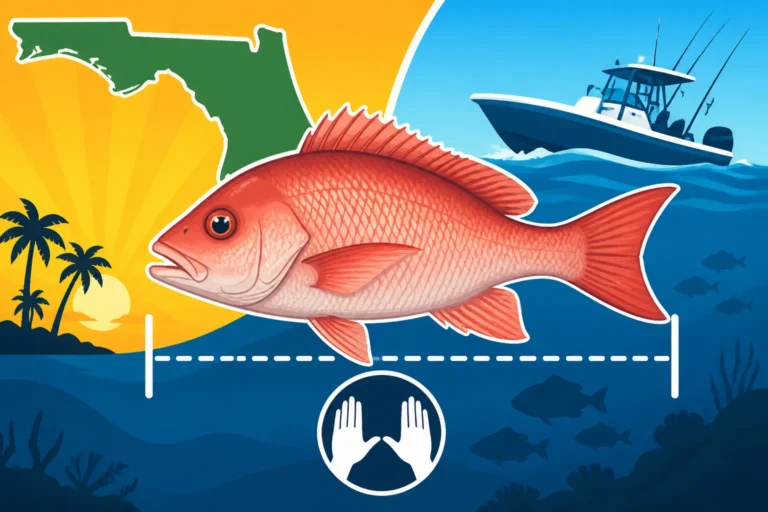
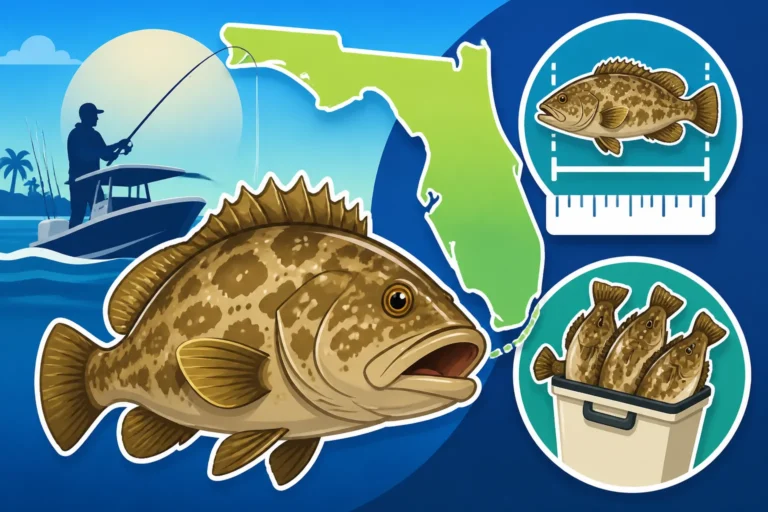
Florida has specific regulations for permit, including minimum and maximum size limits (often referred to as a "slot limit") and a daily bag limit. These regulations can change, so it's absolutely vital to check the latest FWC guidelines before every trip. Generally, permit have a slot limit, meaning you can only keep fish within a certain size range, and a limited bag limit per angler per day. For instance, fish that are too small haven't had a chance to reproduce, and very large fish are often the prime breeders. The slot limit helps protect these crucial stages of their life cycle.
Always carry a tape measure and understand how to properly measure your catch. If a fish is outside the legal slot, it must be immediately and carefully released. Catching a permit that is out of slot or over the bag limit can result in fines and other penalties. These rules are in place to ensure that permit populations remain healthy and abundant, allowing future generations of anglers to experience the thrill of chasing these incredible fish. Educating yourself on Florida Fishing Regulations and Bag Limits is a fundamental step for any responsible angler.
Catch and Release Best Practices for Permit
Given the challenging nature of permit fishing and their conservation status, catch and release is highly encouraged, especially for any fish outside the legal slot limit. Proper handling is critical to ensure a high survival rate for released fish. Here are some best practices:
- Minimize Fight Time: While exciting, prolonged fights can exhaust a fish. Use appropriate tackle to land the fish as quickly as possible without over-stressing it.
- Handle with Care: Avoid touching the fish's gills or eyes. Support its body horizontally with both hands, especially if it's a larger fish. Never hold a permit vertically by its tail or by a gill plate, as this can cause internal damage.
- Use the Right Tools: A pair of long-nose pliers or a dehooking tool (many excellent options are available on Amazon) can quickly and safely remove hooks, especially if they are deeply set. Avoid tearing flesh.
- Keep it Wet: Whenever possible, keep the fish in the water while dehooking and photographing. If you must remove it from the water for a quick picture, do so for only a few seconds.
- Revive If Necessary: If the fish seems sluggish, gently hold it upright in the water, facing into the current, allowing water to flow over its gills. Only release it when it's strong enough to swim away vigorously on its own.
Following these practices not only helps individual fish survive but also contributes to the overall health of the permit population. For more detailed advice, consider reviewing articles on Catch and Release Best Practices for Snook, as many of the principles apply directly to permit.
Tips for a Successful Permit Fishing Trip
Fishing for permit is a marathon, not a sprint. It takes dedication, adaptability, and often, a little help from the pros. But the rewards are absolutely worth every ounce of effort.
Hiring a Knowledgeable Guide
For many anglers, especially those new to permit fishing, hiring a reputable local guide is the fastest and most effective way to learn the ropes and increase your chances of success. A good guide knows the waters intimately – where the fish are likely to be, what they're eating, and how to approach them without spooking them. They have years of experience reading the water, spotting subtle signs of fish presence, and putting clients on fish. They also provide all the specialized gear, bait, and knowledge of current regulations.
A specialized flats guide, particularly one with extensive experience in the Florida Keys Fishing Guide or similar permit hotspots, can make a world of difference. They understand the nuances of tide, wind, and light conditions that are so crucial for successful permit fishing. While it's an investment, the learning experience and the potential for catching a trophy permit are invaluable. Remember to discuss your expectations with the guide beforehand, especially if your primary goal is permit. You can also explore articles like Florida Flats Fishing Guide Rates to get an idea of what to expect when booking.
Patience, Persistence, and Learning from Each Outing
More than perhaps any other species, permit fishing demands patience and persistence. You might spend hours poling across flats, scanning the horizon, making countless casts, only to have fish spook or refuse your offering. It's easy to get discouraged, but those who stick with it are the ones who eventually feel the thrill of a permit on the line. Every outing, whether successful or not, offers valuable lessons. Pay attention to the conditions: wind direction, tide stage, water clarity, time of day, and how the fish reacted (or didn't react) to your presentation.
Keep a fishing journal to note these details, as patterns often emerge over time. Don't be afraid to experiment with different baits, lures, or retrieve speeds. Permit are incredibly intelligent, and what worked yesterday might not work today. Embrace the challenge, learn from your mistakes, and celebrate the small victories, even if it's just a perfectly executed cast or spotting a permit before it sees you. The journey of chasing permit is as rewarding as the catch itself, fostering a deeper connection with the environment and honing your skills as an angler.
Permit Baits and Their Best Use
| Bait Type | Description | Ideal Conditions | Target Scenario | Pros | Cons |
|---|---|---|---|---|---|
| Live Fiddler Crab | Small, hard-shelled crabs, incredibly natural. | Clear, shallow flats, sight fishing. | Tailing permit, nervous fish. | Highly effective, natural presentation. | Can be hard to source, fragile, attracts small fish. |
| Live Blue Crab (quarter-sized) | Larger, more robust crab, strong scent. | Flats, channels, around structure, deeper water. | Actively feeding permit, larger fish. | Excellent scent, durable, appeals to larger permit. | Can be harder to cast, may attract other species. |
| Live Shrimp | Common and versatile bait, good scent. | All conditions, especially murky water. | General permit fishing, bycatch possible. | Easy to find, appealing to many fish. | Attracts non-permit species, less "permit-specific". |
| Soft Plastic Crab | Artificial crab imitation, various sizes and colors. | Sight fishing, deeper water, when live bait scarce. | Wary permit, specific color match. | Durable, reusable, no live bait hassle. | Requires skillful presentation, less natural scent. |
| Small Jigs (Bucktail/Hair) | Weighted jig, often tied to mimic crabs or shrimp. | Deeper water, around wrecks/reefs, casting. | Bottom-dwelling permit, active feeders. | Versatile, casts well, good feel for bites. | Less natural than live bait, can snag on structure. |
Disclaimer
This article is for general informational purposes only and does not constitute professional advice. Laws, prices and regulations vary by location and change over time. Consult a qualified professional for guidance on your specific situation.