Destin Fishing Spots
Trying to figure out where to cast your line in Destin, Florida, can feel a bit like trying to find a needle in a haystack, albeit a beautiful, emerald-green haystack brimming with fish. With its reputation as the "World's Luckiest Fishing Village," the sheer abundance of options, from the tranquil bay to the deep Gulf waters, can be overwhelming for both seasoned anglers and first-time visitors. This comprehensive guide will cut through the noise, revealing the absolute best Destin fishing spots and helping you plan your next unforgettable fishing adventure.
Understanding Destin's Unique Fisheries
Destin isn't just a pretty face; its geography makes it a truly special place for anglers. The deep natural harbor, often cited as one of the closest points to the 100-fathom curve (where the continental shelf drops off dramatically), means that incredible offshore opportunities are just a short boat ride away. Combine this with the expansive Choctawhatchee Bay, connected by a dynamic pass, and you have a fishing ecosystem that supports an astounding diversity of species.
The Destin Pass: Gateway to the Gulf and Bay
The Destin Pass, or East Pass, is a critical choke point, funneling vast amounts of water, bait, and predatory fish between the Choctawhatchee Bay and the Gulf of Mexico. This constant tidal flow creates prime feeding grounds, making the jetties that line the pass one of the most accessible and productive spots in Destin. Anglers here can target everything from Spanish mackerel and pompano to redfish, flounder, and even ambitious snook that venture into the area. It's a true melting pot of species, thriving on the currents and the baitfish pushed through the bottleneck.
The strong currents also mean that fishing here requires a bit of technique. Heavier tackle might be needed to keep your bait down, especially during peak tidal movements. Many locals prefer to fish the outgoing tide when bait is flushed out, or the incoming tide when gamefish stack up waiting to ambush prey. Understanding the dynamics of the Destin Pass is key to unlocking its full potential, offering exciting action for anglers willing to adapt to the conditions.
Choctawhatchee Bay: A Nursery of Species
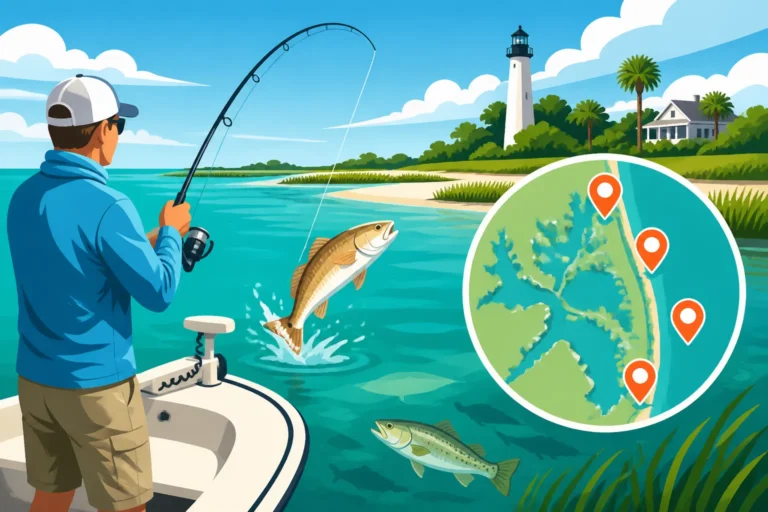
While the Gulf gets all the glory for its deep-sea monsters, the sprawling Choctawhatchee Bay offers a completely different, yet equally rewarding, fishing experience. This brackish estuary is shallower, teeming with seagrass beds, oyster reefs, and numerous creeks and bayous. It acts as a vital nursery for many juvenile species and a year-round home for redfish, spotted seatrout, flounder, and various panfish. The calmer waters of the bay are ideal for smaller boats, kayaks, and even wade fishing, providing a more serene angling environment.
Exploring the bay often involves targeting specific structures. The grass flats are excellent for prospecting with artificial lures or live bait for trout and redfish, particularly during cooler months when these species prefer shallower, sun-warmed waters. Oyster beds, often found near creek mouths or along shorelines, attract a variety of species seeking food and shelter. The bay offers a fantastic opportunity for anglers to practice their Florida Inshore Fishing Techniques and enjoy consistent action without venturing into the open Gulf.
The Emerald Coast's Deepwater Advantage
What truly sets Destin apart as a fishing destination is its unparalleled proximity to deep Gulf waters. Unlike many other coastal towns where a long run is required to reach productive offshore grounds, Destin boasts a very narrow continental shelf. Within just a few miles of the harbor, the water depths quickly plunge, bringing anglers to areas rich in snapper, grouper, amberjack, and various pelagic species. This "deepwater advantage" saves precious fishing time and fuel, making offshore trips more accessible and efficient.
This unique geological feature means that a productive day of deep-sea fishing isn't just for those with massive, fast offshore boats. Even medium-sized vessels can make quick runs to the edge of the shelf, opening up opportunities for a wider range of anglers to experience Destin's legendary offshore bounty. Understanding that this quick access defines much of Destin's fishing culture helps explain why it holds its "Luckiest Fishing Village" title so proudly, allowing for more time with lines in the water where the big fish roam.
Top Inshore Fishing Spots in Destin
Destin's inshore fishing scene is incredibly vibrant, offering diverse habitats that appeal to various species and angling preferences. From the bustling harbor to the serene bayou, there's always a productive spot within easy reach, often without needing a large vessel or extensive travel.
East Pass and Destin Harbor Hotspots
The East Pass, with its dramatic jetties, is arguably Destin's most famous inshore fishing spot. The rock jetties provide structure and ambush points for a wide array of fish, attracting species like redfish, flounder, sheepshead, and even some migratory species like Spanish mackerel. Fishing along the jetties, whether from the rocks themselves (with extreme caution, as they can be slick) or from a boat positioned strategically, can yield impressive results, especially during peak tidal flows. Anglers frequently use live shrimp, fiddler crabs, or small jigs bounced along the bottom or near the rocks.
Inside the calmer waters of Destin Harbor, anglers can find opportunities around the many docks, pilings, and boat slips. These structures provide shade, cover, and a feeding ground for various fish. Spotted seatrout often cruise the edges of the harbor, while redfish might hide under docks. Even the occasional snook might be found lurking around the deeper pilings, especially near lights at night. Using lighter tackle with live bait or small artificial lures often works best in these urban fishing environments. Many local guides listed on platforms like FishingBooker specialize in navigating these intricate inshore waters.
Choctawhatchee Bay's Hidden Gems
Beyond the immediate harbor, the vast expanse of Choctawhatchee Bay holds countless "hidden gems" for the inshore angler. The expansive seagrass flats, particularly those found around Hogtown Bayou, Four Prong Bayou, and the flats closer to Niceville and Fort Walton Beach, are prime locations for targeting spotted seatrout and redfish. Drifting over these flats with a popping cork and live shrimp, or casting topwater lures at dawn and dusk, can be incredibly productive. These calmer waters are perfect for kayak anglers or those in smaller skiffs seeking a peaceful day on the water.
Another highly productive area within the bay are the numerous oyster bars and creek mouths. These natural structures provide excellent habitat and food sources, attracting larger predatory fish. Fishing the outgoing tide at the mouth of creeks where baitfish are flushed out can be particularly rewarding for redfish and flounder. While requiring a bit more local knowledge to locate, these spots offer a chance to escape the crowds and connect with some of the bay's most sought-after species, often thriving in relatively undisturbed environments.
Productive Docks and Bridge Pilings
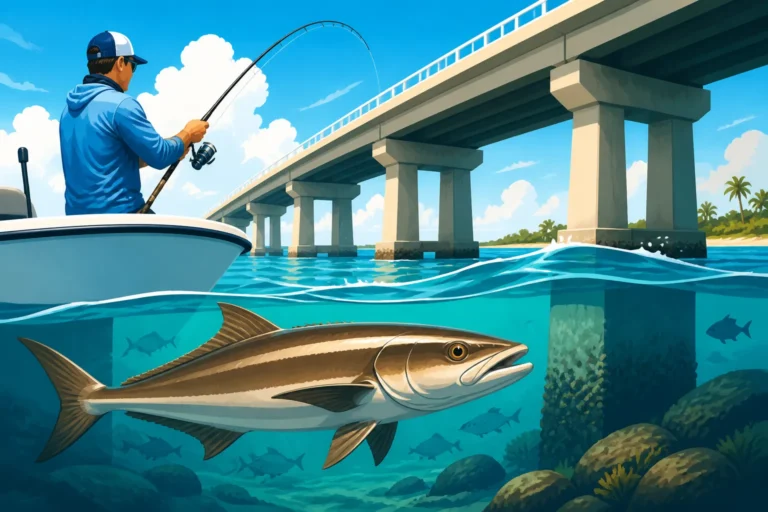
Destin and its surrounding areas are crisscrossed with numerous docks and bridges that offer fantastic fishing opportunities, especially for shore-bound anglers or those with smaller boats. The pilings of the Destin Bridge (officially the Marler Bridge, connecting Destin to Okaloosa Island) and other smaller bridges throughout the bay system create excellent vertical structure where baitfish congregate and gamefish ambush. Sheepshead are notoriously fond of barnacle-encrusted pilings, while speckled trout and redfish will often hold in the shadows.
Private docks throughout the harbor and bayou systems, while requiring permission if fishing from them, often provide incredible fishing access from a boat. Casting small jigs, soft plastics, or live shrimp underneath these docks can entice a variety of species seeking cover and cooler water, especially during the warmer months. Always be mindful of private property when fishing around docks. Furthermore, many anglers utilize platforms like FishingBooker to scout for guides who can specifically take them to these productive, structure-rich locations in Destin.
Prime Nearshore Fishing Locations around Destin
Destin's nearshore waters, stretching from just beyond the jetties out to about 9 miles offshore (which marks the edge of Florida's state waters on the Gulf Coast), are incredibly rich. This zone offers a fantastic blend of easy access and diverse species, making it a popular choice for many anglers who want a taste of Gulf fishing without a full offshore commitment.
Artificial Reefs: Habitat for Abundant Species
The Florida Panhandle, and Destin in particular, boasts an extensive and highly successful artificial reef program. These man-made structures—ranging from concrete culverts, bridge rubble, and old military vehicles to specially designed reef pyramids—create vital habitat for a multitude of marine species. Just a short boat ride from Destin Pass, anglers can find numerous public artificial reefs holding impressive numbers of snapper (like mangrove snapper and grey snapper), various grouper species, triggerfish, and even amberjack. These reefs are meticulously charted, with many local bait and tackle shops offering GPS coordinates.
Fishing these artificial reefs often involves bottom fishing with cut bait, live bait (like pinfish or cigar minnows), or heavy jigs. It’s crucial to use tackle stout enough to pull fish away from the structure to prevent break-offs. The sheer number of these reefs means that if one spot isn't producing, another is usually just a short hop away. Always be aware of Florida Fishing Regulations and Bag Limits for specific species, as many reef fish have strict seasons and size limits.
Natural Bottom and Rockpiles
While artificial reefs get a lot of attention, Destin's nearshore waters also feature significant areas of natural hard bottom and scattered rockpiles. These often overlooked spots can be incredibly productive, holding the same species as artificial reefs but often with less fishing pressure. Experienced anglers and guides frequently use their electronics to scout for these subtle changes in bottom composition, looking for ledges, coral patches, or scattered rock formations that attract bait and predatory fish.
These natural formations are particularly good for various snapper and grouper species, which thrive in healthy, undisturbed habitats. Fishing these spots requires a keen eye on your sonar and often involves a more precise anchoring or drift strategy to stay on the structure. The challenge of finding and successfully fishing natural bottom can be very rewarding, offering a more pristine angling experience away from the more heavily fished artificial sites.
State Waters and Public Access Sites
Within Florida's state waters (up to 9 nautical miles in the Gulf), recreational anglers enjoy more relaxed regulations for certain species compared to federal waters. This makes nearshore fishing from Destin highly appealing. Beyond specific reefs, the open expanses of state waters are excellent for trolling for pelagic species like Spanish mackerel, king mackerel, and bonito, especially during their seasonal migrations. These species often follow bait schools along the coastline, making them accessible to boats that don't need to venture far offshore.
Several public access points, like boat ramps and beachfront areas, allow easy entry to these nearshore opportunities. For those without a boat, fishing from the beaches or wading out can still yield catches like pompano, whiting, and Spanish mackerel, particularly in the spring and fall. Even though you're close to shore, a Florida Saltwater Fishing License Rules is generally required for most nearshore fishing activities, so make sure you're properly licensed before you head out.
Exceptional Offshore Fishing Grounds from Destin
Destin truly shines as an offshore fishing mecca, thanks to its unique geography that puts deep water within easy reach. The adventures out here are legendary, targeting some of the most sought-after gamefish in the Gulf of Mexico.
The Edge of the Shelf: Beyond State Waters
The most significant draw for offshore anglers from Destin is its proximity to the continental shelf's edge, often referred to as "The Edge" or "The Dip." This area, where depths rapidly drop from hundreds to thousands of feet, is a biological hotspot, attracting massive schools of baitfish and, consequently, large predatory fish. Running to this zone can take anywhere from 1 to 3 hours depending on the target species and vessel speed, but the rewards are often well worth the journey.
This is where you'll find consistent action for a variety of deepwater species. Bottom fishing along ledges and humps can yield monster red snapper, gag grouper, scamp grouper, and amberjack. Trolling along the color changes or weedlines that form over the deeper water can connect you with mahi-mahi (dolphin), wahoo, and tuna. Many anglers specifically target this region during the highly anticipated Florida Red Snapper Season Guide, as it often holds the largest concentrations of these prized fish.
Trolling Alleys for Pelagic Powerhouses
Beyond the shelf, the vast open waters of the Gulf transform into "trolling alleys" where anglers target fast-swimming pelagic species. Destin's offshore environment supports incredible migrations of fish like king mackerel, wahoo, mahi-mahi, and even billfish such as sailfish and marlin. Trolling involves dragging multiple baits or lures at various depths and distances behind the boat, covering a wide area to intersect with schooling fish.
Dedicated offshore boats will often employ outriggers and downriggers to present baits effectively. Watching for diving birds, floating debris, or distinct color changes in the water can indicate concentrations of baitfish and, therefore, hungry predators. Live bait, such as pilchards or cigar minnows, trolled slowly, or high-speed artificial lures are both effective strategies. The thrill of a screaming reel as a kingfish or mahi-mahi strikes is what keeps many offshore anglers coming back for more.
Deepwater Wrecks and Rigs
The Gulf of Mexico is dotted with numerous deepwater wrecks and oil and gas rigs, many of which are within striking distance from Destin. These massive structures act as vertical artificial reefs, providing habitat from the surface down to the seabed. They become magnets for an incredible diversity of marine life, including large schools of baitfish, pelagic predators, and various snapper and grouper species. Fishing these structures requires specialized equipment, often including electric reels for dropping baits down hundreds of feet.
These spots are legendary for massive amberjack, which school around the legs of the rigs, as well as significant populations of large snapper and grouper. Tuna, particularly blackfin tuna, are also frequently found cruising around deepwater rigs. While challenging to fish due to depth and structure, these wrecks and rigs offer the chance to hook into truly trophy-sized fish and provide an unforgettable deep-sea experience. For those looking to experience this, comparing different Destin Fishing Charter Rates on sites like FishingBooker can help you find captains who specialize in these deepwater expeditions.
Family-Friendly and Pier Fishing in Destin
Not every fishing trip needs to be an epic offshore battle or a stealthy hunt on the flats. Destin offers plenty of fantastic, accessible options perfect for families, beginners, or anyone looking for a relaxed day of fishing without the need for a boat.
Destin's Iconic Piers: The Okaloosa Island Pier
The Okaloosa Island Pier, located just across the Marler Bridge from Destin, is a true angler's paradise and a major draw for visitors. Extending over 1,200 feet into the Gulf of Mexico, it provides access to nearshore waters without needing a boat. For a single fee, anglers can enjoy a day of fishing, and often, no separate Florida Fishing License Guide is required for pier fishing if you pay the pier's fishing fee, as the pier typically holds a blanket license. This makes it an incredibly convenient option for tourists and locals alike.
The pier offers diverse opportunities, depending on the season. Anglers regularly catch Spanish mackerel, king mackerel, pompano, whiting, flounder, redfish, and even cobia during their migrations. Sheepshead and various snapper species can be found around the pilings. Many pier-goers enjoy the camaraderie and the chance to observe marine life, including dolphins and sea turtles. Bring a medium-heavy rod, some bait (live shrimp, squid, or cut bait work well), and enjoy the panoramic views of the Emerald Coast.
Beach and Surf Fishing Access
Destin's stunning white-sand beaches aren't just for sunbathing; they offer excellent surf fishing opportunities. Many stretches of public beach, particularly those away from heavily trafficked swimming areas, allow anglers to cast directly into the Gulf. This is an extremely accessible and budget-friendly way to fish, requiring minimal gear: a surf rod, a sand spike, and some bait like fresh shrimp, sand fleas, or Fishbites.
Surf fishing is particularly productive for pompano, whiting, and sometimes even redfish and Spanish mackerel. Look for areas with deeper troughs, sudden drop-offs, or cuts in the sandbars, as these are natural highways for fish. Early mornings and late evenings, or during incoming tides, often yield the best results. The tranquil setting, the sound of the waves, and the chance to reel in a fresh catch make surf fishing a quintessential Destin experience for many.
Kid-Friendly Park and Shoreline Fishing
For families with young children or those new to fishing, Destin offers several parks and shoreline access points that are safe, easy to navigate, and often very productive. Places like Joe's Bayou Boat Launch & Park and Clement Taylor Park offer public docks or designated fishing areas right on the bay or bayou. These spots are calmer than the Gulf and typically hold smaller, more manageable fish like pinfish, croakers, small trout, and catfish, making them perfect for building confidence in young anglers.
These locations often have amenities like restrooms, picnic areas, and playgrounds, allowing families to make a full day of it. Simple techniques, like a bobber with a live shrimp or a small piece of squid, are usually all that's needed. Remember, kids under 16 generally don't need a Florida Fishing License Age Requirements, making it even easier to introduce them to the joys of fishing.
Navigating Destin's Seasons and Species
Fishing in Destin is a year-round affair, but understanding the seasonal movements of fish and which species are most active at different times is key to maximizing your success. The Emerald Coast experiences distinct fishing seasons driven by water temperature, bait migrations, and spawning cycles.
Seasonal Migrations and Best Times to Visit
Spring (March-May): This is arguably one of the best times to fish in Destin. As water temperatures rise, many species become highly active. The spring sees massive migrations of king mackerel, Spanish mackerel, cobia, and pompano moving along the coast. Bottom fish like snapper and grouper also become more aggressive. This is a prime time for both inshore and offshore action, with baitfish schools providing abundant food.
Summer (June-August): Destin summers are hot, and so is the fishing! Offshore, this is peak season for mahi-mahi, wahoo, and the highly anticipated Florida Red Snapper Season Guide. Inshore, redfish, trout, and flounder remain active, often seeking cooler water around deeper docks, bridges, or creek mouths. Early mornings and late evenings are often the most productive inshore as fish avoid the midday heat.
Fall (September-November): Many consider fall to be another peak fishing season. The cooling water temperatures trigger another wave of migrations, with king mackerel, Spanish mackerel, and redfish becoming extremely active. Large schools of baitfish move through the pass, igniting feeding frenzies. Offshore, tuna and wahoo are still good targets, and bottom fishing remains strong. This is an excellent time for Best Time of Year to Fish in Florida in Destin.
Winter (December-February): While cooler, winter fishing in Destin can still be very productive, especially on milder days. Nearshore, sheepshead are abundant around structure, and various species of snapper and grouper can be caught offshore. Inshore, spotted seatrout and redfish often school up in deeper pockets of the bay and bayous, making them easier to locate for anglers utilizing Florida Freshwater Fishing License Rules if targeting certain areas of the bay that lean freshwater.
Key Species to Target in Each Zone
Destin's diverse habitats support a wide range of popular gamefish:
- Inshore (Choctawhatchee Bay, Harbor, Pass): Redfish, Spotted Seatrout, Flounder, Sheepshead, Spanish Mackerel, Pompano, Bluefish. These species thrive in the calmer, shallower waters and around structures.
- Nearshore (Artificial Reefs, Natural Bottom, Piers): Spanish Mackerel, King Mackerel, Cobia, Red Snapper (during season), Florida Grouper Fishing Guide species (Gag, Red, Scamp), Triggerfish, Amberjack, Pompano. This zone offers a mix of bottom dwellers and migratory pelagics.
- Offshore (The Edge, Wrecks, Rigs): Red Snapper (during season), various Grouper species, Amberjack, Mahi-Mahi, Wahoo, Tuna (Blackfin, Yellowfin), Sailfish, Marlin. This is where you target the big game, often requiring specialized gear and techniques.
Understanding the typical haunts of each species helps you select the right location and strategy for your trip. For instance, if you're keen on finding a Florida Snook Permit Requirements (though less common in Destin than further south in Florida), you'd be looking in specific, warmer inshore areas rather than offshore.
Understanding Regulations and Permits
Florida has detailed and frequently updated fishing regulations, and it's absolutely crucial for all anglers to be familiar with them. These regulations cover everything from minimum and maximum size limits (slot limits) to daily bag limits, seasonal closures, and tackle restrictions. Failing to comply can result in hefty fines and even confiscation of your catch and gear.
Before every trip, consult the latest regulations published by the Florida Fish and Wildlife Conservation Commission (FWC). These are readily available online. Remember, different rules apply to state versus federal waters, and some species, like red snapper and gag grouper, have very specific and often short seasons. A valid Florida Saltwater Fishing License Rules is required for most saltwater fishing activities, with some exceptions like fishing from a licensed pier or charter boat. Always verify what licenses or permits you need to avoid any issues on the water.
| Species | Where to Find Them | Best Time of Year | Common Bait/Lure | Typical Size (lbs) |
|---|---|---|---|---|
| Redfish | Bay flats, jetties, docks | Spring, Fall | Shrimp, cut bait, spoons | 3-15 |
| Spotted Seatrout | Bay flats, creek mouths | Spring, Fall | Shrimp, soft plastics | 1-5 |
| Flounder | Pass, jetties, sandy areas | Fall | Live minnows, jigs | 1-5 |
| Spanish Mackerel | Nearshore, jetties, surf | Spring, Fall | Spoons, jigs, live bait | 2-8 |
| King Mackerel | Nearshore, offshore | Spring, Fall | Trolled lures, live bait | 10-40+ |
| Red Snapper | Offshore reefs, wrecks | Summer (season-dep) | Squid, cut bait, jigs | 5-25 |
| Grouper (Gag) | Offshore reefs, wrecks | Year-round (season-dep) | Live bait, jigs, cut bait | 10-50+ |
| Mahi-Mahi | Offshore (weedlines, current breaks) | Summer | Trolled lures, ballyhoo | 5-30+ |
| Amberjack | Offshore wrecks, rigs | Year-round | Live bait, heavy jigs | 20-80+ |
Disclaimer
The information provided in this guide is for general informational purposes only and is not intended as legal or professional advice. Fishing regulations in Florida can change frequently. Always consult the latest Florida Fish and Wildlife Conservation Commission (FWC) guidelines and local authorities before engaging in any fishing activities. Ensure you have the necessary licenses and permits, and adhere to all size and bag limits. Fishing involves inherent risks; please exercise caution and prioritize safety on the water.