Spotted Seatrout Size and Bag Limits
It can be incredibly frustrating to head out for a peaceful day of fishing, excited to catch some delicious spotted seatrout, only to constantly worry if the fish you just reeled in is the right size or if you've already hit your daily limit. Florida's fishing regulations can feel like a labyrinth, especially when different species have different rules, and even the same species might have varying guidelines depending on where you are. This guide is here to untangle the complexities of spotted seatrout size and bag limits in Florida, helping you fish confidently and responsibly.
Understanding Spotted Seatrout in Florida Waters
Spotted seatrout, often affectionately called "specks" or "gator trout" when they get big, are one of Florida's most cherished inshore game fish. They're a staple for anglers across the state, from the Panhandle down to the Keys, and for good reason!
Why Spotted Seatrout are So Popular
There's a special charm to spotted seatrout that draws anglers of all skill levels to the grassy flats and oyster bars. First off, they're incredibly accessible. You don't always need a fancy boat to find them; they can be caught from kayaks, wade fishing, or even from some docks and shorelines. This accessibility makes them a fantastic target for beginners just learning the ropes, as well as seasoned pros looking for a consistent bite.
Beyond their availability, spotted seatrout are just plain fun to catch. They strike aggressively, often putting up a spirited fight on light tackle, which adds to the thrill of the chase. Whether you're casting artificial lures like soft plastics or topwaters, or soaking a live shrimp under a popping cork, the anticipation of that distinctive "thump" of a trout strike is addicting. They're also quite plentiful, which means a higher chance of success for anglers, keeping spirits high throughout the day.
And let's be honest, a big part of their popularity is how delicious they are! Spotted seatrout have delicate, flaky white meat that holds up well to various cooking methods, from pan-searing to baking or even frying. Many anglers consider them one of the best eating fish in Florida, making them a prime target for those looking to fill the cooler for a fresh seafood dinner. This combination of accessibility, sporting quality, and culinary appeal firmly cements their place as a favorite among Florida's recreational anglers. You can learn more about targeting this species in our Spotted Seatrout Fishing Guide.
Key Characteristics and Habitats
To properly identify a spotted seatrout, you'll want to look for their distinct features. They have an elongated body, typically silver with a greenish-gray back, and are covered in prominent dark spots along their back and sides, extending onto their dorsal and caudal fins. Their most recognizable characteristic is usually their two prominent canine-like teeth in the upper jaw, which they use to grasp prey. Don't confuse them with other similar-looking species; for instance, understanding the Difference Between Speckled Trout and White Trout can be crucial.
Spotted seatrout are primarily found in saltwater and brackish environments, thriving in estuaries, bays, and sounds. Their preferred habitat is usually shallow water with abundant seagrass beds, oyster bars, and sandy or muddy bottoms. These areas provide both ample food sources, like small fish and crustaceans, and crucial cover from predators. You'll often find them congregated around structure within these habitats, such as channel edges, mangrove shorelines, or even around submerged rocks.
Their diet is quite varied, making them receptive to a wide range of baits and lures. They are opportunistic feeders, preying on whatever is available, from shrimp and small crabs to mullet, pilchards, and other baitfish. This adaptability in their feeding habits is why so many different Best Bait for Trout Fishing in Florida methods work, from throwing topwater plugs at dawn to drifting live bait in deeper pockets. Knowing their preferred haunts and feeding behaviors is key to a successful day on the water.
Florida's Spotted Seatrout Regulations Overview
Fishing in Florida means adhering to specific rules, and spotted seatrout are no exception. These regulations are set by the Florida Fish and Wildlife Conservation Commission (FWC) to ensure sustainable populations for future generations of anglers. Understanding the size and bag limits is not just about avoiding a fine; it's about being a responsible steward of our precious marine resources.
Statewide Size Limits Explained
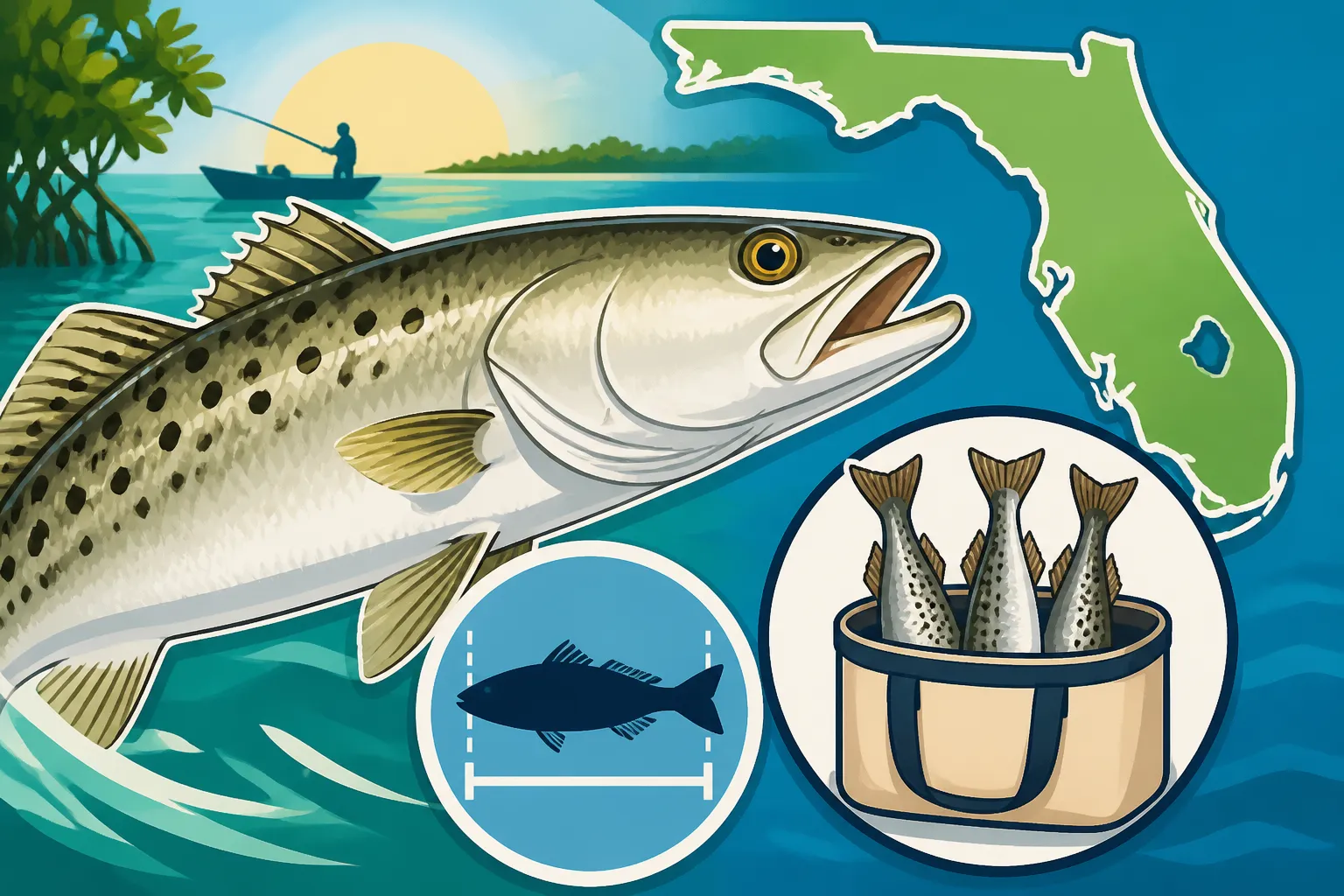
When it comes to spotted seatrout, Florida employs a specific type of regulation known as a "slot limit." This isn't just a simple minimum size; it's a range that aims to protect both the very young fish that haven't had a chance to spawn and the large, mature breeding adults that are vital for population health. While exact numbers can fluctuate based on ongoing stock assessments and environmental factors, the general principle remains constant: there's a minimum length and a maximum length, and any fish you keep must fall within that "slot."
The reasoning behind this slot limit is twofold. The minimum size ensures that fish have at least one opportunity to reproduce before being harvested. This helps replenish the population. The maximum size, on the other hand, protects those large, older "gator trout." These are often the most prolific breeders, producing the most eggs and contributing significantly to the genetic diversity and resilience of the species. By releasing these trophy-sized fish, we're ensuring they can continue to spawn and contribute to healthy future populations.
It's absolutely critical to stay informed about the current statewide slot limit for spotted seatrout. These numbers are reviewed regularly and can change. Always check the latest FWC guidelines before you head out, whether through their website, the Florida GoOutdoors App Fishing License on your phone, or by consulting a reputable tackle shop. Keeping a fish outside the legal slot, even by an inch, can lead to stiff penalties.
Bag Limits for Recreational Anglers
In addition to size limits, the FWC also imposes daily bag limits for spotted seatrout. A bag limit specifies the maximum number of fish of a particular species that a recreational angler can harvest and possess within a 24-hour period. This regulation is another crucial tool in managing fish stocks and preventing overfishing. It ensures that the collective harvest by thousands of anglers doesn't deplete the population faster than it can reproduce.
For spotted seatrout, the statewide daily bag limit applies to individual anglers. This means that each licensed angler is allowed to keep a certain number of fish that fall within the legal slot limit. It's important to remember that this limit applies regardless of how many trips you make in a single day or whether you're fishing from shore, a kayak, or a boat. Once you've reached your personal bag limit, you must stop retaining spotted seatrout for the remainder of that calendar day.
These bag limits are designed to balance fishing opportunities with the need for conservation. They're a dynamic part of the Florida Fishing Regulations and Bag Limits and are adjusted as biologists monitor the health and abundance of the spotted seatrout population. Adhering strictly to these limits is vital for the long-term sustainability of this popular fishery. It also contributes to the overall conservation efforts funded in part by your How Florida Fishing License Fees Fund Conservation.
Regional Management Zones and Their Impact
While there are often statewide regulations, Florida's extensive coastline and diverse marine environments mean that certain species, including spotted seatrout, can sometimes have regional management zones with specific rules. The state is divided into different zones (e.g., Northwest, Southwest, Southeast), and while the general framework of a slot and bag limit applies, the exact numbers might be tailored to the unique conditions and stock assessments of each particular region.
These regional adjustments take into account local population dynamics, fishing pressure, and environmental factors specific to that part of the state. For instance, a region that experienced a significant environmental event might have more conservative regulations temporarily to allow fish stocks to recover. Conversely, an area with a thriving, robust population might have slightly different allowances. This localized approach allows for more precise management, ensuring that regulations are as effective as possible for the specific area they cover.
It cannot be stressed enough how important it is to know which management zone you are fishing in and to verify the specific regulations for that zone. What's legal in the Panhandle might not be legal in the Keys, even for the same species! Before any fishing trip, make it a habit to check the FWC website or the official Florida fishing app for the most up-to-date information pertaining to your exact location. This due diligence ensures you comply with all rules, helping to maintain healthy spotted seatrout populations across all of Florida's beautiful waters. If you're unsure about the general rules, our Florida Fishing License Guide is a great starting point, though specific bag limits are always best checked directly with FWC.
The "Slot Limit" for Spotted Seatrout
The slot limit is a cornerstone of spotted seatrout management in Florida, and understanding its nuances is key to responsible angling. It's designed to be a win-win for both fish populations and anglers.
What is a Slot Limit and Why Does it Matter?
Unlike a simple minimum size limit that says, "any fish over X inches is legal," a slot limit establishes both a minimum and a maximum size. For example, a slot might be "15 to 20 inches." This means you can only keep fish that measure between 15 and 20 inches, inclusive. Fish shorter than 15 inches must be released, and critically, fish longer than 20 inches must also be released. This approach is highly effective for species like spotted seatrout, which have distinct growth patterns and reproductive contributions at different life stages.
The brilliance of the slot limit lies in its dual conservation power. By requiring the release of smaller fish, we ensure that these juveniles have the opportunity to grow, mature, and spawn at least once, contributing to the next generation. This protects the recruitment of new fish into the population. By also requiring the release of the largest fish—the "gator trout"—we safeguard the most productive breeders. Larger, older female seatrout are known to produce significantly more eggs, and often healthier offspring, than younger, smaller females. They are the genetic backbone of the fishery.
So, why does it matter? Because this targeted management strategy helps maintain a healthy age structure within the spotted seatrout population. It protects both ends of the spectrum: the future of the fishery (juveniles) and the most significant contributors to spawning success (large adults). This method is far more effective than just a minimum size limit in ensuring long-term sustainability and providing consistent fishing opportunities for generations to come.
Practical Examples of Measuring and Keeping Fish
Understanding the concept of a slot limit is one thing, but applying it on the water can sometimes feel tricky, especially when you're excited about a catch! The cardinal rule for measuring any fish in Florida is from the tip of the jaw (mouth closed) to the farthest tip of the tail (tail pinched). This ensures you get the maximum length measurement. Always use a reliable measuring device; a simple tape measure or a dedicated fish measuring board will do the trick. Many anglers find a good quality measuring board, easily found on Amazon, to be invaluable for quick and accurate measurements on a rocking boat or slippery kayak.
Imagine you're out on the flats, targeting spotted seatrout. You reel in your first fish, measure it, and it comes in at 12 inches. If the current slot limit is, say, 15-20 inches, this fish is too short, and you'd carefully release it. A little later, you hook into a much larger one. You measure it, and it's 22 inches! Even though it's a magnificent fish, a true "gator trout," it falls outside the upper end of our hypothetical 15-20 inch slot. This fish, too, must be released so it can continue its crucial role in spawning. Finally, you catch one that measures a perfect 17 inches. This fish falls squarely within the slot, and assuming you haven't reached your bag limit, you can confidently add it to your cooler.
It's crucial to be meticulous with your measurements. Even being off by a quarter-inch can constitute a violation. It’s also important to remember that fish shrink slightly when removed from the water and placed on ice, so if a fish is right on the edge of the minimum size, it's often best practice to err on the side of caution and release it. Always double-check your measurements, especially if you're planning to keep the fish. Remember, game wardens carry their own measuring devices!
The Importance of Releasing Oversized Fish
The decision to release an oversized spotted seatrout, especially a truly massive "gator trout," can sometimes be tough for an angler. After all, a trophy-sized fish is a thrilling catch! However, this is where the conservation aspect of the slot limit truly shines, and where angler responsibility makes the biggest difference. Releasing those big breeders is not just a regulatory requirement; it's a vital contribution to the health and future of the entire fishery.
These large female spotted seatrout, often topping out at 25 inches or more, are the powerhouses of the species' reproductive cycle. They produce significantly more eggs than smaller females, and studies suggest that these larger, older fish often produce higher quality eggs, leading to more viable offspring. By allowing them to remain in the water, you're ensuring that the population benefits from their immense reproductive capacity season after season. Think of them as the matriarchs of the trout world, crucial for sustaining the gene pool.
Beyond the biological imperative, there's a profound satisfaction in releasing a magnificent oversized fish. It's a testament to your understanding and commitment to conservation. It's knowing that you've played a direct role in safeguarding the future of Florida fishing. Many anglers who regularly target these larger specimens practice catch and release exclusively for them, often snapping a quick photo before gently returning the fish to the water. This practice helps ensure that others, including future generations, will also have the opportunity to experience the thrill of catching such an impressive fish. It's a similar principle to the Catch and Release Best Practices for Snook which many anglers embrace.
Special Considerations and Best Practices
Fishing responsibly goes beyond just knowing the rules; it also involves how we interact with the fish and the environment. Especially with species like spotted seatrout that are often caught and released, proper handling is paramount.
Handling and Releasing Spotted Seatrout Properly
When you're out there landing spotted seatrout, whether they're keepers or destined for release, how you handle them makes a huge difference to their survival. The goal is to minimize stress and physical damage. First and foremost, try to keep the fish in the water as much as possible, especially if you're planning to release it. If you must remove it for a quick photo or measurement, do so quickly and gently. Always wet your hands before touching a fish; dry hands can remove the protective slime layer, leaving the fish vulnerable to disease.
Support the fish horizontally, especially larger ones, by cradling its belly. Avoid holding them vertically by the jaw or tail alone, as this can damage their internal organs and spinal column. For hook removal, use a de-hooking tool or needle-nose pliers to carefully back out the hook. Circle hooks are often recommended for live bait fishing as they tend to hook in the corner of the mouth, making removal easier. Lures with single hooks are also generally easier to manage than those with multiple treble hooks. If the hook is deeply swallowed, sometimes the best course of action is to simply cut the line as close to the hook as possible, as attempts to dig it out can cause more harm. A good quality de-hooker, readily available on Amazon, can make this process incredibly smooth and quick, getting the fish back in the water faster.
After hook removal, gently revive the fish by holding it upright in the water, facing into a mild current, allowing water to flow over its gills. Don't simply toss it back; wait until it shows signs of strength, like kicking its tail, before letting it swim away on its own power. These practices, part of Florida Inshore Fishing Techniques, significantly increase the chances of a successful release and help maintain healthy fish stocks.
Checking Current Regulations and Avoiding Violations
Let's face it, regulations change. What was true last year, or even last season, might not be the case today. This is why it's absolutely critical to always, always check the current regulations before every fishing trip, especially if you haven't been out in a while or are visiting a new area. Relying on outdated information is a surefire way to find yourself in hot water, and ignorance is rarely accepted as an excuse.
The official source for all Florida fishing regulations is the Florida Fish and Wildlife Conservation Commission (FWC). Their website is constantly updated, and they offer the "Fish Rules" app (available on most smartphones) and their own Florida GoOutdoors App Fishing License which provides real-time access to bag limits, size limits, and closed seasons based on your GPS location. Making a quick check a part of your pre-trip routine, much like checking the weather or your tackle box, is a simple habit that pays huge dividends.
The consequences of violating fishing regulations can range from substantial fines and citations to the confiscation of your catch, fishing gear, or even your boat. Nobody wants to deal with a fine, and certainly no one wants the embarrassment of having their fish confiscated. More importantly, violations undermine the very conservation efforts designed to protect these fisheries. A quick glance at "What Happens If You Keep an Undersized Fish in Florida?" can give you a clear picture of the kind of trouble you could face. By staying informed, you're not only protecting yourself but also actively contributing to the sustainable enjoyment of Florida's incredible fishing resources.
The Role of Conservation in Spotted Seatrout Management
Every regulation, every size limit, and every bag limit for spotted seatrout in Florida serves a singular, critical purpose: conservation. These rules aren't arbitrary hurdles designed to make fishing harder; they are carefully crafted management tools based on scientific research into fish populations, spawning cycles, and ecological impacts. They are about ensuring that the joy of catching a spotted seatrout can be experienced by your children, grandchildren, and beyond.
When you adhere to the slot limit, carefully measure your fish, and release oversized breeders or undersized juveniles, you are directly participating in conservation. You're giving the fish population the best chance to thrive and replenish itself naturally. Furthermore, the financial contributions from fishing license sales play a direct role in funding FWC's research, enforcement, and habitat restoration programs. Every time you buy a Florida Saltwater Fishing License Rules, you're literally putting money back into protecting the very resources you love to enjoy.
It's a collective effort. From the individual angler making responsible choices on the water to the scientists studying population trends and the wardens enforcing the rules, everyone plays a part. Responsible angling, informed by an understanding of conservation, ensures that Florida remains the "Fishing Capital of the World" for years to come.
Regional Spotted Seatrout Regulations at a Glance
While specific numbers are dynamic and should always be checked directly with FWC, this table illustrates how Florida generally approaches spotted seatrout regulations across its primary management zones. Note that bag limits and the existence of a "zero harvest" period can vary significantly.
| Regulation Aspect | Northwest Zone | Southwest Zone | Southeast Zone |
|---|---|---|---|
| Size Limit Type | Slot Limit | Slot Limit | Slot Limit |
| Target Lengths | Within a specified range (e.g., Min-Max inches) | Within a specified range (e.g., Min-Max inches) | Within a specified range (e.g., Min-Max inches) |
| Bag Limit | Daily per angler (e.g., 3-5 fish) | Daily per angler (e.g., 2-4 fish) | Daily per angler (e.g., 2-4 fish) |
| Vessel Limit | Often a per-vessel maximum applies, regardless of anglers | Often a per-vessel maximum applies, regardless of anglers | Often a per-vessel maximum applies, regardless of anglers |
| Harvest Seasons | Open year-round, but check for specific closed periods | Open year-round, but check for specific closed periods | Open year-round, but check for specific closed periods |
| Releasing Oversized Fish | Mandatory | Mandatory | Mandatory |
| Local Spawning Closures | Possible specific dates or areas to protect spawning | Possible specific dates or areas to protect spawning | Possible specific dates or areas to protect spawning |
| Youth Bag Limits | Typically same as adults above a certain age | Typically same as adults above a certain age | Typically same as adults above a certain age |
Important Note: This table provides a generalized overview. Exact size limits, bag limits, vessel limits, and harvest seasons are subject to change by the FWC. Always consult the official Florida Fish and Wildlife Conservation Commission (FWC) website or the FWC's Fish Rules app for the most current and accurate regulations for your specific fishing location and date.
Disclaimer
This article is for general informational purposes only and does not constitute professional advice. Laws, prices and regulations vary by location and change over time. Consult a qualified professional for guidance on your specific situation.