What Is the Florida State Record Largemouth Bass?
There's a special kind of thrill that pulses through every angler's veins, especially here in Florida: the dream of hooking into a truly monstrous largemouth bass. You've heard the whispers, seen the photos, and perhaps even felt the pull of a solid five or six-pounder yourself, but it leaves you wondering, "Just how big do they get here in the Sunshine State, and what's the benchmark for ultimate bragging rights?" This guide is all about diving deep into that legendary fish, uncovering the Florida state record largemouth bass, and exploring what it takes to even dream of joining such an elite club.
The Legendary Florida State Record Largemouth Bass
For many, the largemouth bass isn't just a fish; it's an obsession. And in Florida, where these powerful freshwater giants thrive, the state record is a truly hallowed mark, a testament to both the incredible fisheries we have and the skill and luck of one very fortunate angler. It's the kind of catch that defines a lifetime, putting one name forever in the annals of Florida fishing history.
Unveiling the Record Holder
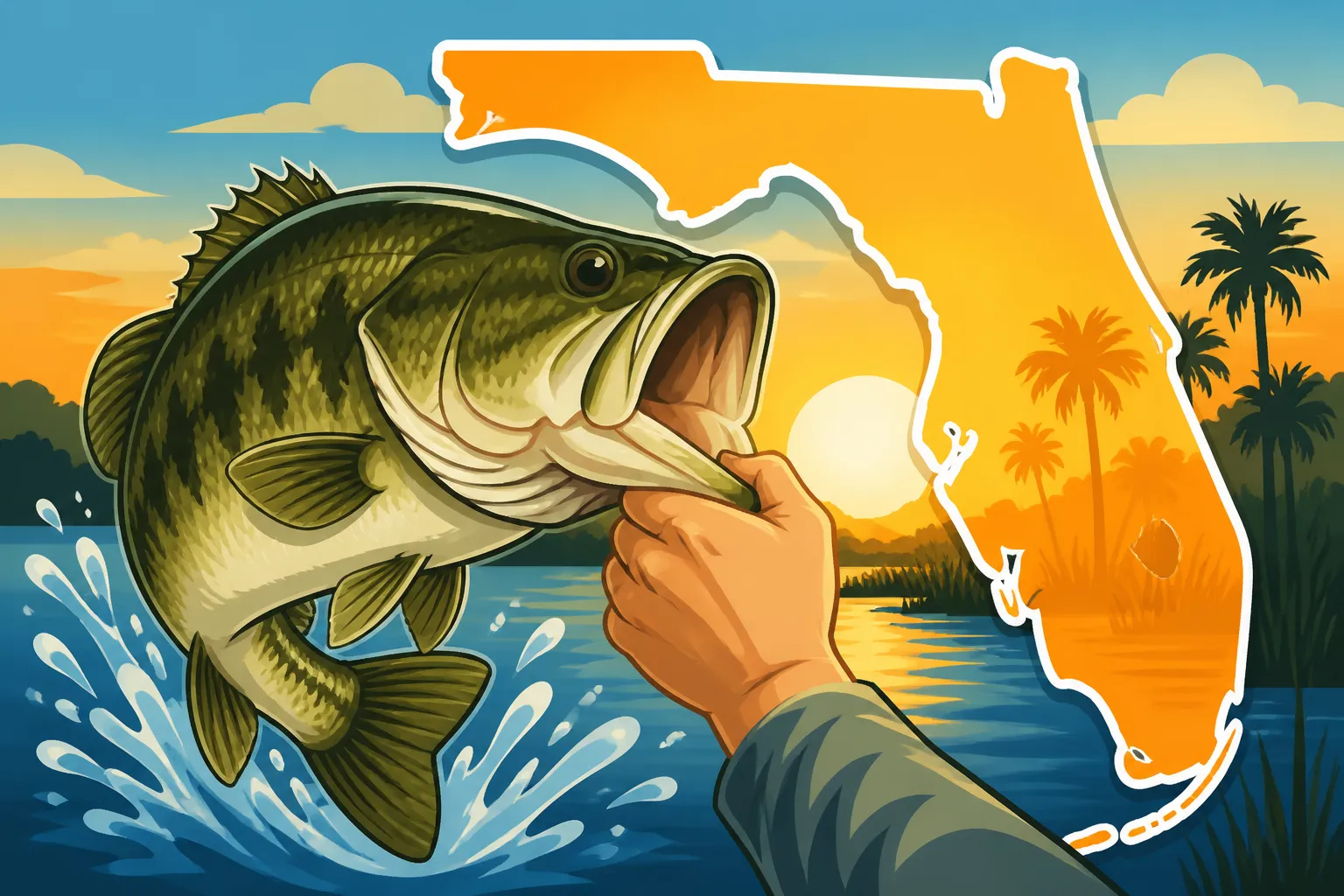
Let's cut right to the chase, because this is probably what brought you here. The official Florida state record largemouth bass is a true behemoth, weighing in at an astonishing 17 pounds, 4 ounces. This legendary fish wasn't caught yesterday, nor last year; it's a record that has stood the test of time, captured back in 1986. Think about that for a moment – nearly four decades later, no one has managed to top this incredible feat. It speaks volumes about the rarity of such a giant and the perfect storm of conditions required for a bass to reach such epic proportions.
The weight alone paints a picture of its immense size, but imagine holding a fish that massive. It's not just a big fish; it's a true beast of the deep, a dominant predator that has evaded countless anglers and grown to an almost mythical status. While we celebrate this incredible catch, it also serves as a constant challenge, a target for every serious bass angler who casts a line into Florida's fertile waters.
The Story Behind the Catch
The story of the record-setting bass begins on a quiet evening in July of 1986, on a private water body known as the unpronounceable "Polk County Public Lake" – actually, the legend states it was caught on a private lake in Polk County. This isn't one of the sprawling public lakes you might typically imagine, but a smaller, nutrient-rich environment that provided the perfect conditions for a bass to grow to such a colossal size. The angler, Billy O'Berry, was reportedly fishing with a shiner, a classic and highly effective live bait for targeting big bass. Live bait is often the ticket when you're after those truly massive fish, as it presents a natural, irresistible meal.
Details surrounding record catches often take on a legendary quality, and O'Berry's story is no different. The fight itself must have been epic, a struggle against a fish with immense power and wisdom gained over many years. Landing a bass of that magnitude, especially one that wasn't expecting to be caught, is a feat of strength, patience, and good fortune. The fish was quickly weighed and verified by officials, cementing its place in Florida's fishing lore and leaving an enduring legacy for future generations to chase.
Why Florida Produces Giants
There's a reason why Florida is often hailed as a bass fishing mecca, and it's not just a marketing slogan. Our unique environment fosters the growth of some of the largest largemouth bass on the planet. Several factors contribute to this phenomenon, creating a perfect ecosystem for these freshwater giants. For starters, Florida boasts a subspecies often referred to as the "Florida Strain" largemouth bass, known for its faster growth rates and larger maximum size compared to its northern counterparts.
Beyond genetics, the climate plays a huge role. Our long growing seasons, with warm temperatures almost year-round, mean bass can feed and grow continuously without the extended dormant periods experienced in colder climates. This consistent feeding translates directly into larger fish. Furthermore, Florida's abundance of nutrient-rich lakes, rivers, and canals provides a bountiful food source, from shiners and bluegill to crawfish and even small ducklings. This rich larder, coupled with diverse aquatic vegetation for cover and ambush points, creates an ideal habitat for largemouth bass to thrive and achieve impressive sizes. You can explore many of these prolific waters by checking out our Florida Largemouth Bass Fishing Guide.
What Makes a Largemouth Bass a "Trophy" in Florida?
When we talk about "trophy" bass in Florida, it's not just about hitting that state record. For most anglers, a trophy is a personal milestone, a fish that represents the culmination of skill, effort, and a little bit of luck. While the state record is the ultimate benchmark, there's a wide spectrum of sizes that can be considered a true trophy in our waters.
Size vs. Record
Let's be realistic: the 17-pound, 4-ounce state record is an extreme outlier, an absolute unicorn. For the average angler, or even a seasoned pro, catching a fish that size is a once-in-a-lifetime event, if it ever happens. So, what is a trophy bass in Florida? Generally, anything over 8 pounds is considered a significant catch by most anglers. A 10-pounder is often dubbed a "double-digit" bass and is truly a fish of a lifetime for many. Hitting the 12 to 14-pound mark puts you in a very elite club, and anything beyond that is simply extraordinary.
The distinction is important because it sets realistic expectations. While the dream of shattering the state record fuels many fishing trips, the joy of landing an 8-pounder after years of trying can be just as fulfilling, if not more so, for the individual angler. It’s about setting personal goals and celebrating those achievements, knowing that every big fish you catch contributes to the vibrant story of Florida's freshwater fishing scene.
Key Characteristics of a Florida Largemouth
When you see a true Florida largemouth, especially a trophy-sized one, you immediately notice a few distinguishing characteristics. These fish are often built like footballs: incredibly stout, with a broad back and a deep belly. Unlike some leaner, more streamlined bass from other regions, Florida bass tend to be thicker and heavier for their length. Their mouths are, of course, large, extending past the eye, a clear indicator of their predatory nature and ability to engulf substantial prey.
The coloring can vary depending on the water body, from dark green to almost black in tannic waters, sometimes with distinct lateral lines or blotches. But what truly stands out on a big Florida bass is the sheer mass. When you lift one of these giants, its weight often surprises you, feeling heavier than you might expect for its length. This density is a testament to their efficient feeding habits and the rich caloric intake available in their Florida habitats.
Beyond Just Weight
While weight is the primary metric for official records and bragging rights, it's not the only factor that makes a bass a true trophy. Length and girth measurements also tell a compelling story about a fish's growth and health. A longer fish, even if slightly lighter than another due to recent feeding or spawning cycles, can still be an incredible catch. Girth, often measured around the thickest part of the fish, really highlights that "football" shape and the sheer volume of a well-fed specimen.
Beyond the physical measurements, there's the story of the catch itself. Was it a tough fight in heavy cover? Did you fool it on a highly technical presentation? The circumstances and the challenge involved contribute just as much to the "trophy" status in an angler's mind. Some anglers even prefer to celebrate the fish for its beauty and the fight it gave, opting for a quick photo and release rather than focusing solely on the numbers. This appreciation for the whole experience is a big part of what makes Florida Bass Fishing Techniques so rewarding.
Pursuing Your Own Florida Largemouth Trophy
So, you're inspired and ready to chase that dream bass? Florida offers an incredible playground for largemouth bass anglers. While catching the state record is incredibly difficult, landing a personal best or a double-digit fish is a much more achievable goal with the right approach and a bit of perseverance. It's about combining knowledge of the fish with understanding the specific waters you're fishing.
Prime Locations for Monster Bass
Florida is dotted with world-class bass fisheries, each with its own unique charm and potential for producing giants. Of course, the vast expanse of Lake Okeechobee Fishing Guide immediately comes to mind. Known as the "Big O," it's a legendary destination for a reason, holding an immense population of big bass. Its sprawling grass beds and hydrilla provide endless cover and feeding opportunities.
Beyond Okeechobee, you've got other fantastic choices like Lake Toho Fishing Guide in Central Florida, part of the Kissimmee Chain, which is a consistent producer of trophy bass and a frequent stop for professional tournaments. Further north, the Rodman Reservoir Fishing Guide in North Florida is another highly regarded spot, especially known for its fluctuating water levels that concentrate fish. Don't forget Lake Kissimmee Fishing Guide in Central Florida either, another gem in the Kissimmee Chain known for its healthy bass population. Exploring these waters, often with the help of local guides, significantly increases your chances of encountering a truly big fish.
Essential Techniques and Gear
Targeting trophy largemouth bass often requires a slightly different approach than simply catching numbers of smaller fish. You'll want to focus on bigger baits that appeal to larger predators who aren't afraid to commit to a substantial meal. Big plastic worms, swimbaits, and even large shiners or golden shiners as live bait are popular choices. When it comes to lures, many anglers find success with lipless crankbaits, spinnerbaits, and even large topwater frogs worked over heavy cover. You can find a fantastic selection of these options on platforms like Amazon, making it easy to stock up on the gear you need.
Your gear also needs to be up to the task. Forget the ultralight setups; you'll want heavy-action rods paired with robust baitcasting reels spooled with strong braided line, typically 50-65 lb test, often with a fluorocarbon leader. This kind of setup allows you to cast heavy baits, drive stout hooks through bony mouths, and most importantly, pull a big bass out of thick vegetation before it can bury itself. For a detailed look at appropriate gear, check out our guide on Best Rod and Reel Setup for Florida Inshore Fishing (much of which applies to heavy freshwater as well!).
| Fishing Scenario | Recommended Bait/Lure | Line Strength (Braided) | Rod Action/Power |
|---|---|---|---|
| Heavy Vegetation/Mats | Large hollow-body frogs, punching jigs, large creature baits | 65 lb + | Heavy/Extra-Heavy |
| Open Water/Ledges | Deep-diving crankbaits, large swimbaits, Carolina rigs | 20-50 lb | Medium-Heavy/Heavy |
| Flipping/Pitching Docks | Jig and trailer, creature baits, Texas-rigged worms | 50-65 lb | Heavy/Extra-Heavy |
| Live Bait (Shiners) | Large wild shiners (freelined or under a float) | 20-40 lb | Medium-Heavy/Heavy |
| Topwater | Walking baits, poppers, prop baits | 40-65 lb | Medium-Heavy/Heavy |
Note: Leader material (fluorocarbon) typically used for stealth, often 15-30 lb test depending on water clarity and cover.
Patience and Persistence
Catching a truly trophy-sized largemouth bass is often a game of patience and persistence. These fish are not only larger but also older and wiser. They've seen countless lures and heard many boats. It might take many trips, many casts, and many hours on the water before you get that one magical bite. Don't get discouraged if you're not immediately hauling in giants. Focus on learning the water, understanding seasonal patterns like the Florida Bass Spawning Season, and refining your techniques.
Every cast is a chance, and every outing, even if it doesn't yield a monster, is an opportunity to learn something new about the fish and their habitat. The thrill of the chase, the anticipation, and the sheer challenge are what keep dedicated bass anglers coming back. It’s a journey, not just a destination, and the rewards, when they come, are truly unforgettable.
Officially Documenting a Potential Record Catch
Imagine the moment: you've battled a beast, brought it to the boat, and it looks absolutely enormous. Your heart is pounding, and you realize this might be more than just a personal best – it could be a state record. Knowing what to do in those precious few moments is crucial for official recognition.
Crucial Steps for Verification
If you believe you've caught a potential state record largemouth bass, immediate and precise action is essential. First, keep the fish alive and as healthy as possible. This means having a livewell or a large cooler with aerated water ready. Time is of the essence, as fish can lose weight after being caught. Next, you need a certified scale. This isn't your average kitchen scale or even a high-end fishing scale. It needs to be a scale certified by the state's Department of Agriculture and Consumer Services. Most tackle shops or official weigh stations might have one.
You'll also need witnesses. Having multiple, credible witnesses who can attest to the catch and the weighing process is vital for verification. Take clear photographs of the fish, especially on a measuring board, and with the scale displaying the weight. These visual proofs, along with detailed documentation, will be submitted to the Florida Fish and Wildlife Conservation Commission (FWC) for review. Always prioritize the well-being of the fish, especially if you plan to release it after documentation.
Understanding FWC Regulations
The Florida Fish and Wildlife Conservation Commission (FWC) is the governing body responsible for maintaining official state records and ensuring fair play. Their regulations are very specific when it comes to documenting a potential record. Beyond the certified scale and witnesses, they will require detailed information about the catch, including the date, time, location, method of capture, and the bait or lure used. It's a thorough process designed to prevent fraudulent claims and maintain the integrity of the state records.
You'll also need to ensure that all general fishing regulations, such as Florida Fishing Regulations and Bag Limits, were followed during the catch. Any violation could disqualify the fish, regardless of its size. The FWC's website has comprehensive guidelines and contact information for reporting a potential record, which you should consult immediately if you find yourself in this incredibly rare and exciting situation. Remember, accuracy and adherence to their protocol are paramount for official recognition. For instance, the rules for a What Is the Florida State Record Snook? are equally strict.
Catch and Release for Future Generations
While the allure of an official state record is undeniable, many anglers, especially those targeting trophy bass, practice catch and release. This conservation-minded approach ensures that these magnificent breeding fish can continue to contribute to the fishery, potentially producing even more giants for future generations. If you do catch a truly exceptional bass and plan to release it, minimizing its time out of the water and handling it carefully are crucial.
Use wet hands to support its belly, avoid holding it by the jaw vertically for too long (especially larger fish), and use a good quality net to land it quickly. Even if you're documenting a potential record, the FWC encourages the safe release of fish whenever possible. Consider getting a replica mount made from detailed photos and measurements instead of keeping the actual fish. This allows you to forever cherish the memory of your catch while ensuring the fish itself continues its life cycle, contributing to the health and vitality of Florida's incredible bass fisheries.
Disclaimer
This article is for general informational purposes only and does not constitute professional advice. Laws, prices and regulations vary by location and change over time. Consult a qualified professional for guidance on your specific situation.