Best Way to Cook Snapper
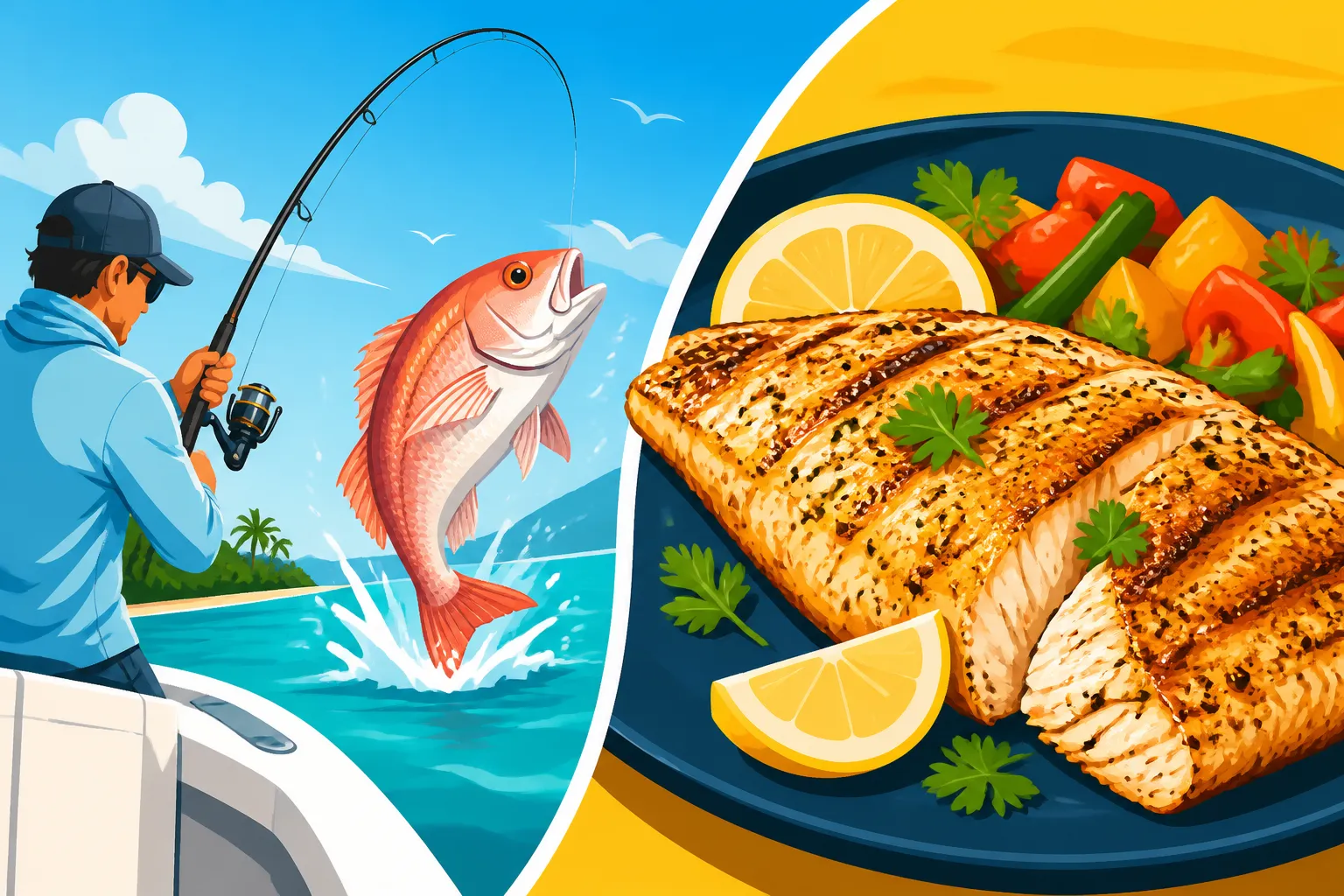
You’ve just reeled in a beautiful Florida snapper, maybe a vibrant red, a feisty mangrove, or a sleek lane snapper, and now that it's out of the water, a new challenge begins: how do you cook this magnificent fish to truly honor its fresh, delicate flavor? Many anglers feel a mix of pride and apprehension, not wanting to mess up such a prime catch. This guide will walk you through the best ways to prepare and cook your Florida snapper, ensuring every bite is a celebration of your hard-earned success.
Understanding Florida Snapper as a Culinary Delight
Snapper is more than just a popular sport fish; it's a gourmet's dream. Its mild, slightly sweet flavor and firm, flaky white flesh make it incredibly versatile for a myriad of cooking methods. However, not all snapper are created equal, and understanding the nuances of the various Florida species can elevate your dish from good to unforgettable.
Why Snapper is a Culinary Favorite
There's a reason snapper consistently appears on menus of fine dining establishments and in the hearts of home cooks. Its texture is firm enough to hold up to grilling or pan-searing, yet delicate enough to flake beautifully with a fork. It’s not an overly "fishy" fish, which makes it approachable for those who might be hesitant about stronger-tasting seafood. The lean, white meat readily absorbs flavors from marinades, herbs, and spices, allowing you to get creative without overpowering its natural goodness. Plus, a perfectly cooked snapper fillet, especially with its crispy skin, is a textural masterpiece that can rival any cut of meat.
Common Florida Snapper Species and Their Nuances
Florida waters are home to several delicious snapper species, each with subtle differences that can influence your cooking approach. While general cooking methods apply, a little knowledge goes a long way.
- Red Snapper: This is often the poster child for snapper, known for its vibrant red color. It boasts a rich, nutty flavor and a firm, moist flesh. Red snapper fillets are typically thicker, making them ideal for grilling whole or as substantial fillets. Its skin crisps up beautifully, adding a delicious textural element. If you're lucky enough to catch one, check out our Florida Red Snapper Fishing Guide for more details on this prized catch.
- Mangrove Snapper (Gray Snapper): Found closer to shore, especially around structure and mangroves, these fish are abundant and fantastic eating. They tend to be smaller than red snapper but offer a similar firm, white, and flaky flesh. Their flavor is mild and sweet. Smaller mangrove snapper are excellent pan-fried whole, while larger ones can be filleted. For tips on finding these, you might find our Florida Mangrove Snapper Fishing Guide helpful.
- Lane Snapper: Recognizable by its distinctive yellow stripes and spots, lane snapper is another excellent table fish. It has a delicate flavor and very tender, flaky flesh. It cooks quickly and is perfect for lighter preparations like baking, steaming, or pan-searing, where its tenderness can truly shine.
- Mutton Snapper: These are often larger, with a pinkish hue to their scales and flesh. Mutton snapper has a slightly richer, more robust flavor than some other snapper species, along with a firm texture. It stands up well to bolder seasonings and is exceptional when baked whole or grilled in larger fillets.
No matter which snapper you catch, the key is to handle it properly from the moment it leaves the water to ensure maximum freshness. This includes bleeding the fish, keeping it on ice, and processing it quickly. You can learn more about preserving your catch in Best Way to Keep Fish Fresh on a Boat.
Freshness Is Key: From Boat to Table
The absolute best way to ensure your snapper tastes amazing is to start with the freshest possible fish. This means getting it on ice immediately after catching it and keeping it cold until you're ready to cook. If you're not cooking it within a day or two, proper freezing techniques are crucial.
When inspecting fresh snapper, look for clear, bright eyes, vibrant red gills (not brown or slimy), firm flesh that springs back when pressed, and a fresh, oceanic smell – not a "fishy" odor. Whole fish offer the best indication of freshness. If buying fillets, ensure they are moist, firm, and uniformly colored without any brown edges or strong smells. Remember, quality ingredients are the foundation of any great meal. A sharp fillet knife, which you can find readily on platforms like Amazon, is essential for preparing your catch efficiently and cleanly.
Classic & Popular Snapper Cooking Methods
While snapper is versatile, some cooking methods truly stand out for highlighting its natural attributes. Let's dive into the most popular and delicious ways to prepare your catch.
Grilling Snapper: The Smoky, Outdoor Experience
Grilling is arguably one of the most beloved ways to cook snapper, especially in Florida where outdoor cooking is a way of life. The high heat of the grill sears the fish, locking in moisture and creating a beautiful char that adds depth of flavor. Plus, there’s nothing quite like the aroma of fresh fish sizzling over an open flame.
For grilling, you can either cook whole fish or thick fillets. If grilling whole, make sure to scale and gut the fish thoroughly. You can make a few diagonal slits on the sides to help it cook evenly and absorb flavors. For fillets, keep the skin on! That crispy skin from the grill is a true delicacy. A simple marinade of olive oil, lemon juice, garlic, and fresh herbs like cilantro or parsley works wonders. Don't overdo the marinade time; 20-30 minutes is usually enough for such delicate fish. Place the snapper directly on a clean, well-oiled grill grate over medium-high heat. Cook for about 4-6 minutes per side for fillets, or longer for whole fish, until the flesh is opaque and flakes easily. A meat thermometer inserted into the thickest part should read 145°F (63°C). Turning it only once helps achieve that perfect sear. Consider a grilling basket for whole fish or more delicate fillets to prevent sticking and breaking. These are widely available on Amazon and can make grilling fish much less intimidating.
Pan-Searing Snapper: Achieving that Perfect Crispy Skin
Pan-searing is a fantastic method for fillets, especially if you crave that irresistible crispy skin. It’s quick, easy, and can be done right on your stovetop, making it perfect for a weeknight meal or when the weather isn't cooperating for grilling.
Start with skin-on snapper fillets, pat them thoroughly dry with paper towels – this is crucial for crispy skin! Season generously with salt, pepper, and perhaps a touch of paprika or a mild fish rub. Heat a heavy-bottomed skillet (cast iron or stainless steel works best) over medium-high heat with a tablespoon or two of high smoke point oil like avocado oil or grapeseed oil. Once the oil shimmers, carefully place the snapper fillets skin-side down. Press gently with a spatula for the first 30 seconds to ensure even contact with the pan. Cook for 3-5 minutes on the skin side, until the skin is golden brown and crispy, and the flesh has cooked about two-thirds of the way up. Flip the fillet and cook for another 1-2 minutes until the flesh is opaque and flakes easily. Finish with a squeeze of fresh lemon juice and a sprinkle of fresh herbs.
Baking or Roasting Snapper: Effortless and Flavorful
Baking or roasting offers a hands-off approach that’s perfect for both whole fish and fillets. It’s a great way to infuse flavors and keep the fish moist without a lot of active cooking time.
For baking whole snapper, stuff the cavity with lemon slices, herbs (like thyme or dill), and aromatics like garlic or onion. Rub the outside with olive oil, salt, and pepper. You can also add some vegetables like cherry tomatoes, asparagus, or sliced potatoes to the baking sheet for a complete meal. For fillets, arrange them in a single layer on a greased baking sheet. You can top them with a medley of chopped vegetables, a flavorful crumb topping, or a simple butter and herb mixture. Bake in a preheated oven at 375-400°F (190-200°C). Fillets usually take 12-18 minutes, while a whole fish might take 20-30 minutes, depending on size. The fish is done when it flakes easily with a fork. This method allows you to cook multiple portions easily, which is great for feeding a crowd after a successful day on the water.
Steaming or Poaching Snapper: Light and Healthy Options
For those seeking the lightest, healthiest preparation that truly lets the snapper's delicate flavor shine, steaming or poaching are excellent choices. These methods involve cooking the fish gently in moist heat, preventing it from drying out and preserving its tender texture.
- Steaming: Place seasoned snapper fillets in a steamer basket over simmering water or a flavorful broth (with ginger, soy sauce, and scallions for an Asian flair). Cover tightly and steam for 5-10 minutes, depending on thickness, until opaque. This method requires minimal fat and results in incredibly tender, moist fish.
- Poaching: Gently simmer snapper fillets in a shallow pan with liquid that barely covers the fish. Water, white wine, vegetable broth, or even coconut milk make excellent poaching liquids. Add aromatics like bay leaves, peppercorns, and lemon slices. Bring the liquid to a gentle simmer, then add the fish, ensuring the heat is kept low to avoid boiling vigorously. Poach for about 8-12 minutes, until the fish is cooked through. The subtle flavors of the poaching liquid are absorbed by the snapper, creating a wonderfully nuanced dish. These methods are fantastic for showcasing the purity of the fish, especially if you’ve landed a pristine specimen.
Flavor Profiles and Pairings for Snapper
Snapper's mild nature makes it a fantastic canvas for a wide array of flavors. From bright and zesty to rich and savory, there are countless ways to dress up your catch.
Herbs and Spices That Complement Snapper
When it comes to seasoning snapper, you want to enhance, not overpower. Fresh herbs are often the best companions, lending bright, aromatic notes.
- Dill: A classic pairing with fish, dill brings a fresh, slightly anisy flavor that is perfect with snapper, especially when poached or baked.
- Parsley: Fresh parsley adds a clean, herbaceous note. It's excellent as a garnish or mixed into a butter sauce.
- Cilantro: For a more vibrant, Latin or Asian-inspired dish, fresh cilantro provides a zesty, citrusy aroma that complements snapper beautifully.
- Thyme or Rosemary: These woody herbs can add a more earthy, robust flavor, particularly good with grilled or roasted whole snapper.
- Garlic and Onion: These foundational aromatics are almost universally good with snapper, providing savory depth.
- Paprika: A sprinkle of sweet or smoked paprika can add a lovely color and subtle warmth without too much heat.
- Cumin: Used sparingly, cumin can introduce an earthy, exotic note, especially in dishes with a slight spice kick.
- Lemon Pepper: A simple and effective blend that provides both citrus and peppery notes.
Experiment with different combinations to find your favorite. Sometimes, less is truly more when you have incredibly fresh fish.
Sauces and Sides for an Elevated Snapper Dish
A well-chosen sauce or side dish can take your snapper from delicious to divine. Think about contrasts in texture and complementary flavors.
- Citrus Butter Sauce: A simple pan sauce made with browned butter, lemon juice, white wine, and capers is a perennial favorite. It adds richness and bright acidity.
- Salsa Verde: A fresh salsa made with finely chopped parsley, mint, capers, anchovies (optional), lemon juice, and olive oil can provide a vibrant, herbaceous counterpoint.
- Mango Salsa: For a taste of the tropics, a sweet and tangy mango salsa (with red onion, jalapeño, lime juice, and cilantro) is a fantastic pairing, especially with grilled snapper.
- Vinaigrettes: Light, oil-and-vinegar-based dressings with fresh herbs can be drizzled over baked or steamed snapper for a fresh finish.
- Roasted Vegetables: Asparagus, green beans, bell peppers, or zucchini roasted alongside the fish make for a convenient and healthy side.
- Rice Pilaf or Quinoa: These absorb the delicious juices and provide a satisfying base for your meal.
- Creamy Polenta or Grits: For a heartier dish, particularly with richer preparations, these sides offer a comforting texture.
Regional Florida-Inspired Snapper Recipes
Florida's culinary landscape is diverse, drawing influences from the Caribbean, Latin America, and the American South. Incorporating these regional flavors can make your snapper dish truly unique.
- Key West-Style Snapper: Think bright and zesty. Marinate snapper fillets in lime juice, orange juice, garlic, and a touch of cumin. Grill or pan-sear, then top with a fresh salsa of diced tomatoes, red onion, cilantro, and more lime. Serve with black beans and rice.
- Cuban-Inspired Snapper: A whole roasted snapper, seasoned with a "mojo" marinade (garlic, sour orange juice, oregano), stuffed with bell peppers and onions, and served with plantains and yuca. This preparation captures the essence of South Florida's Cuban heritage.
- Gulf Coast Snapper with Creole Sauce: Pan-seared snapper topped with a rich, spicy Creole sauce featuring tomatoes, bell peppers, celery, and a kick of cayenne. This pays homage to the flavors prevalent across the Gulf.
- "Fish in a Bag" (En Papillote) Florida Style: This method involves baking snapper fillets with vegetables (like corn, cherry tomatoes, and bell peppers) and a splash of citrus juice and white wine in a parchment paper pouch. It’s light, healthy, and incredibly flavorful, capturing the steam to cook the fish perfectly. You can easily find parchment paper rolls on Amazon for this method.
Tips for Perfect Snapper Preparation and Storage
Even the best cooking method can fall flat without proper preparation and handling. These tips will help you make the most of your snapper from start to finish.
Cleaning and Filleting Snapper Like a Pro
The quality of your fillets directly impacts the cooking process and eating experience. A sharp knife is your best friend here.
- Scaling: Hold the fish firmly by the tail and use a fish scaler (or the back of a knife) to scrape against the direction of the scales, starting from the tail and working towards the head. Rinse thoroughly.
- Gutting: Make a shallow cut from the anal fin up to the gills. Open the cavity and remove all internal organs. Scrape out any remaining bloodline along the backbone. Rinse well.
- Filleting: Place the fish on its side. Make a cut behind the pectoral fin down to the backbone. Turn the knife flat and cut along the backbone towards the tail, separating the fillet. Repeat on the other side.
- Skinning (Optional): If you don't want the skin, lay the fillet skin-side down. Hold the tail end firmly, then slide a flexible fillet knife between the skin and the flesh, angling the blade slightly towards the skin.
- Pin Boning: Run your finger along the center of the fillet to feel for any small pin bones. Use a pair of needle-nose pliers or special fish tweezers to pull them out.
For a more detailed visual guide, you might want to check out our post on How to Fillet a Snapper. Practice makes perfect, and soon you'll be filleting like a seasoned pro!
Avoiding Common Snapper Cooking Mistakes
Even experienced cooks can make mistakes. Here are a few to watch out for to ensure your snapper turns out perfectly every time:
- Overcooking: This is the cardinal sin of cooking fish. Snapper is lean and will dry out quickly if overcooked, becoming tough and bland. Always err on the side of slightly undercooked; it will continue to cook for a minute or two off the heat. Aim for 145°F (63°C) internal temperature, or when the thickest part of the fish flakes easily.
- Not Drying the Fish: Especially for pan-searing or grilling, moisture on the surface of the fish prevents a good sear and crispy skin. Always pat your fillets thoroughly dry with paper towels before seasoning and cooking.
- Using Too Little Oil/Fat: While snapper is lean, a little fat in the pan or on the grill helps prevent sticking and promotes even cooking and browning.
- Over-Seasoning: Snapper has a delicate flavor. Let it shine! Use fresh, complementary herbs and spices rather than heavy, overpowering ones.
- Cold Fish to Hot Pan: Don't cook snapper straight from the fridge. Let it sit out for 10-15 minutes to come closer to room temperature for more even cooking.
Storing Fresh and Cooked Snapper
Proper storage is crucial for both food safety and maintaining quality.
- Fresh Snapper: If you're not cooking your snapper within a day of catching it, it's best to freeze it. For short-term storage (1-2 days), keep whole fish or fillets on ice in the coldest part of your refrigerator. Ensure melting ice doesn't pool around the fish.
- Freezing Snapper: To freeze snapper fillets, pat them dry and wrap them tightly in plastic wrap, then aluminum foil, or use a vacuum sealer. A vacuum sealer, often available on Amazon, is highly recommended as it removes air, preventing freezer burn and significantly extending storage life. Label with the date. Frozen snapper can last 3-6 months. Thaw frozen snapper slowly in the refrigerator overnight before cooking.
- Cooked Snapper: Leftover cooked snapper should be cooled quickly and stored in an airtight container in the refrigerator for up to 2-3 days. Reheat gently to avoid drying it out. A quick warm-up in a skillet or oven is better than the microwave.
| Cooking Method | Best For | Key Benefits | Best Snapper Species | Flavor Profile/Pairing Notes |
|---|---|---|---|---|
| Grilling | Whole fish, thick fillets | Smoky flavor, crispy skin, outdoor fun | Red, Mutton | Lemon-herb marinades, bold rubs, fresh salsas (e.g., mango) |
| Pan-Searing | Fillets (skin-on) | Crispy skin, quick cook, stovetop | Mangrove, Lane | Butter sauces, capers, fresh herbs (dill, parsley), simple salt/pepper |
| Baking/Roasting | Whole fish, fillets | Hands-off, moist, easy for groups | All species | Stuffed with aromatics, vegetable medleys, crumb toppings, mild sauces |
| Steaming/Poaching | Delicate fillets | Very moist, light, healthy | Lane, Mangrove | Light broths (Asian, Mediterranean), citrus, ginger, soy, delicate herb infusions |
Catching a snapper in Florida is an experience in itself, but turning that fresh catch into an amazing meal is the perfect way to cap off the adventure. By understanding the fish and employing the right techniques, you can enjoy a truly spectacular culinary creation right in your own kitchen. Remember, fishing is not just about the catch; it’s about the entire journey, from the fight on the line to the feast on the plate. Enjoy every delicious bite!
Disclaimer
This article is for general informational purposes only and does not constitute professional advice. Laws, prices and regulations vary by location and change over time. Consult a qualified professional for guidance on your specific situation.