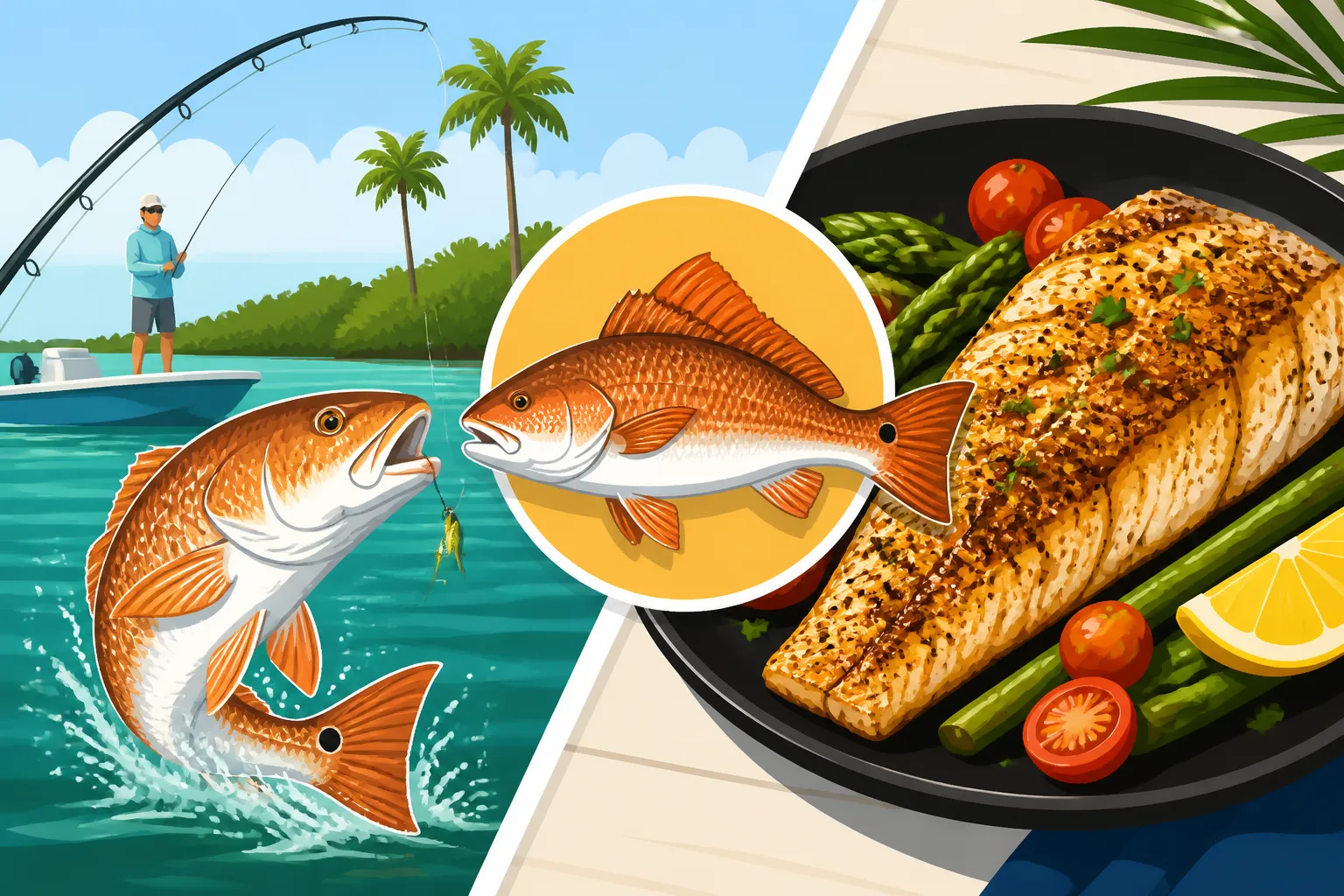
Best Way to Cook Redfish
You've just landed a beautiful Florida redfish, perhaps after a triumphant day navigating the flats of Mosquito Lagoon or the oyster bars of Charlotte Harbor. Now, the real challenge begins for many anglers: transforming that prized catch into a culinary masterpiece. It’s a common frustration to have a freezer full of fish but feel unsure how to honor it on the dinner plate without drying it out or losing its delicate flavor. This comprehensive guide is here to walk you through the best ways to cook redfish, ensuring every bite is a testament to your fishing prowess and a delicious experience for your taste buds.
Prepping Your Redfish for the Kitchen
Before you even think about firing up the grill or seasoning your skillet, proper preparation is key to ensuring your redfish tastes its absolute best. A fresh, well-handled fish will always yield superior results, so pay close attention to these initial steps. Remember, the journey from water to plate impacts the final flavor significantly.
Cleaning and Filleting Your Catch
Once you've brought your redfish home, the first order of business is cleaning and filleting. This is often seen as a chore, but with the right technique, it becomes much easier and even a bit satisfying. Start by rinsing the fish thoroughly under cold water to remove any slime or loose scales. Then, using a sharp, flexible fillet knife – you can find excellent options on Amazon – begin by cutting behind the pectoral fin, down to the backbone. Turn the knife flat and carefully slide it along the backbone towards the tail, separating the fillet from the bones. Repeat on the other side.
For redfish, which have fairly large scales and a robust skin, many anglers prefer to remove the skin. To do this, place the fillet skin-side down on your cutting board. Hold the tail end of the skin firmly and work your knife at a slight downward angle between the skin and the flesh, sawing gently as you pull the skin. You'll be left with a beautiful, boneless, skinless fillet. If you're new to filleting, there are plenty of online tutorials that can show you the visual steps to make this process smoother. Knowing How Many Redfish Can You Keep in Florida? is essential, but equally important is knowing how to prepare what you keep.
To Keep the Skin On or Off?
This is a common dilemma when cooking redfish, and the answer largely depends on your chosen cooking method and personal preference. Redfish skin is thicker than some other species, and while edible, it can be quite tough if not cooked properly.
- Skin On: Keeping the skin on can be beneficial for grilling or baking, as it acts as a protective layer, helping the fillet retain moisture and prevent it from sticking to the grates or pan. If you cook it skin-on, scoring the skin a few times before cooking can help prevent the fillet from curling up and allow the heat to penetrate more evenly. The skin can also get wonderfully crispy, offering a textural contrast. However, if you plan to blacken or pan-sear, many find the skin too tough and prefer it removed.
- Skin Off: For most other methods, especially pan-searing or creating blackened redfish, removing the skin is often the preferred choice. It allows the seasonings to adhere directly to the flesh and ensures a more uniform texture. If you're doing catch and release, remember How to Handle a Redfish for Release carefully to ensure the fish's survival, but for the ones you keep, consider the skin decision early in your prep.
Proper Storage for Optimal Freshness
Even the best cooking method won't salvage a poorly stored fish. After filleting, if you're not cooking it immediately, pat the fillets dry with paper towels. Wrap each fillet tightly in plastic wrap or vacuum seal them to prevent freezer burn. Then, place them in an airtight container or freezer bag. Fresh redfish should be cooked within 1-2 days if stored in the refrigerator. For longer storage, freezing is your friend. Properly frozen redfish can last for several months. Always thaw frozen fish slowly in the refrigerator overnight for the best texture and flavor. The freshness of your catch truly makes a difference, highlighting why knowing a little about Florida Redfish Fishing Guide can enhance your entire experience, from the water to the dinner table.
Popular Cooking Methods for Redfish
Redfish is a versatile fish, and its firm, white, flaky meat holds up well to a variety of cooking techniques. Whether you prefer a smoky char or a delicate, moist fillet, there's a method that will bring out the best in your redfish.
Pan-Seared Perfection
Pan-searing is arguably one of the most popular and delicious ways to cook redfish, especially if you're aiming for that irresistible crispy exterior and tender, juicy interior. This method is quick, simple, and showcases the fish's natural flavors beautifully.
To pan-sear redfish, start with a heavy-bottomed skillet, ideally cast iron or stainless steel, over medium-high heat. Add a tablespoon or two of a high smoke point oil, like olive oil or avocado oil. While the pan heats, season your redfish fillets generously on both sides with salt, pepper, and your favorite fish seasoning blend. I've found a good quality seasoning can elevate the dish significantly, and you can find a wide array of options for fish seasonings on Amazon. Once the oil is shimmering and just starting to smoke, carefully place the fillets in the pan, skin-side down if you've opted to keep the skin. Cook for about 3-5 minutes per side, depending on thickness, until the fish is opaque and flakes easily with a fork. The key is to get a beautiful golden-brown crust without overcooking the inside. A squeeze of fresh lemon juice at the end brightens everything up.
Grilling for a Smoky Flavor
Grilling imparts a wonderful smoky flavor that complements redfish beautifully, making it a fantastic choice for backyard BBQs or a relaxed evening meal. This method works particularly well with skin-on fillets, as the skin helps keep the fish intact on the grates.
Before grilling, make sure your grates are clean and well-oiled to prevent sticking. Preheat your grill to a medium-high heat. Season your redfish fillets with salt, pepper, garlic powder, and a touch of paprika. For an extra layer of flavor, consider marinating the fillets for 20-30 minutes in a mixture of olive oil, lemon juice, fresh herbs like parsley or dill, and a dash of hot sauce. Place the fillets directly on the hot grill grates, skin-side down. Grill for about 4-6 minutes per side, depending on thickness, until cooked through. If you're worried about sticking or breaking the fish apart, a grilling basket can be a lifesaver, and there are many convenient choices available on Amazon. This ensures an easy flip and perfectly cooked fish every time.
Baked Redfish for an Effortless Meal
Baking is an excellent option for those who prefer a hands-off approach or want to cook multiple fillets at once. It results in a moist, tender fish that's perfect for a lighter meal. This method is also very forgiving for beginners.
Preheat your oven to 400°F (200°C). Lightly grease a baking dish or line it with parchment paper. Place your seasoned redfish fillets in the dish. You can season simply with salt, pepper, and butter, or get more creative with a topping. A popular choice is to top the fillets with a mixture of breadcrumbs, parmesan cheese, and herbs like thyme and oregano, drizzled with melted butter or olive oil. Alternatively, bake them with a vibrant medley of vegetables like cherry tomatoes, bell peppers, and onions, all tossed with olive oil and herbs. Bake for 12-18 minutes, again depending on thickness, until the fish is opaque and flakes easily. This method is wonderful for those interested in a healthy, minimal-fuss meal that still delivers on flavor.
Blackened Redfish: A Louisiana Classic
Blackened redfish is a culinary legend, originating from Louisiana, and it’s a phenomenal way to cook this fish if you love bold, spicy flavors and a dramatic presentation. It involves coating the fish in a special seasoning blend and cooking it at extremely high heat in a cast iron skillet until a dark, flavorful crust forms.
To blacken redfish, you'll need a very hot cast iron skillet – I mean, smoking hot. Many home cooks use their outdoor grill side burner or even a turkey fryer burner outside to get enough heat and avoid setting off smoke alarms indoors. Ensure the area is well-ventilated regardless. Melt unsalted butter in a shallow dish. Dip each redfish fillet into the melted butter, ensuring it's fully coated. Then, generously dredge the fillet in a quality blackened seasoning blend. This blend typically includes paprika, cayenne pepper, garlic powder, onion powder, thyme, and oregano. You can find excellent pre-made blackened seasonings on Amazon that save you the trouble of mixing your own.
Place the seasoned, buttered fillet into the smoking hot dry cast iron skillet. Cook for about 2-3 minutes per side, creating that iconic dark, crusty char. The high heat seals in the juices and creates an incredibly flavorful exterior. Be ready for a lot of smoke! The fast cook time ensures the interior remains moist. This technique is for those who truly love a kick and a distinct, rich flavor profile. If you're targeting big redfish, consider reading up on Florida Redfish Slot Limit Explained to make sure you're keeping legal-sized fish for this delicious preparation.
Flavor Pairings and Seasonings
While the cooking method is crucial, the right flavor pairings and seasonings can truly elevate your redfish from good to unforgettable. Don't be afraid to experiment, but some combinations are classics for a reason.
Classic Combinations That Always Work
When it comes to redfish, simplicity often shines. The fish itself has a mild, slightly sweet flavor that doesn't need to be overwhelmed.
- Lemon and Butter: This is perhaps the most timeless pairing for white fish. A generous squeeze of fresh lemon juice at the end of cooking brightens the flavor, while melted butter adds richness and moisture. A simple pan-seared or baked redfish with this combo is pure bliss.
- Garlic and Herbs: Minced garlic, fresh parsley, dill, chives, or a mix of Italian herbs like oregano and thyme, all complement redfish beautifully. These can be sprinkled over the fish before baking, mixed into a marinade, or used to create a flavorful compound butter to melt over the cooked fillets.
- Cajun/Creole Spices: For those who enjoy a bit of a kick, Cajun or Creole seasoning blends are a match made in heaven for redfish, especially for blackening. The blend of paprika, cayenne, garlic, onion, and various herbs creates a complex, spicy, and incredibly savory crust that is quintessentially Southern. If you're going for this, you'll want to make sure your Florida Fishing License Guide is up to date, as you'll be wanting to catch more than one of these tasty fish!
Crafting Your Own Herb and Spice Blends
While pre-made blends are convenient, creating your own allows for customization and fresh flavors. Here are a few ideas for redfish:
- Simple Citrus Herb Rub:
- 1 tsp salt
- ½ tsp black pepper
- 1 tsp garlic powder
- 1 tsp onion powder
- ½ tsp dried thyme
- ½ tsp dried oregano
- Zest of one lemon
- Mix all ingredients together. Pat fillets dry, rub generously, and cook.
- Smoked Paprika & Cumin Blend (great for grilling):
- 1 tsp smoked paprika
- ½ tsp ground cumin
- ½ tsp salt
- ¼ tsp black pepper
- ¼ tsp cayenne pepper (optional, for heat)
- Mix and apply. This gives a deeper, earthier flavor profile that's fantastic with a char.
- Spicy Garlic Butter Sauce (for drizzling):
- ¼ cup unsalted butter, melted
- 2 cloves garlic, minced
- ½ jalapeño, finely minced (seeds removed for less heat)
- 1 tbsp fresh chopped parsley
- Squeeze of lime juice
- Salt and pepper to taste
- Whisk together and drizzle over hot, cooked redfish. This adds a burst of fresh, spicy, and buttery flavor.
Experimenting with these allows you to find your perfect flavor balance. Whether you prefer the classic Florida Saltwater Fishing License Rules or the simplicity of a Florida Freshwater Fishing License Rules, remember that the joy of fishing extends to the kitchen!
Tips for a Perfect Redfish Meal Every Time
Cooking fish, especially a prized catch like redfish, can feel intimidating. However, with a few key tips, you can consistently achieve restaurant-quality results in your own kitchen.
Don't Overcook Your Fish!
This is, hands down, the most crucial piece of advice for cooking any fish, and redfish is no exception. Overcooked fish becomes dry, tough, and loses its delicate texture and flavor. Redfish is relatively lean, making it more susceptible to drying out.
The best way to tell if your redfish is done is by checking its internal temperature with a meat thermometer. Fish is typically cooked when it reaches an internal temperature of 145°F (63°C). Insert the thermometer into the thickest part of the fillet. Alternatively, you can use the fork test: insert a fork into the thickest part of the fish and gently twist. If the fish flakes easily and is opaque throughout, it's done. Remove it from the heat immediately, as it will continue to cook slightly from residual heat (carryover cooking). Investing in a reliable meat thermometer is a game-changer, and you can find many highly-rated ones on Amazon. Trust me, it takes the guesswork out of it!
Complementary Side Dishes
A great redfish meal isn't just about the fish; it's about the entire plate coming together. Here are some side dish ideas that pair beautifully with redfish:
- Roasted Asparagus or Green Beans: Simple, fresh, and healthy. Toss with olive oil, garlic, salt, and pepper, then roast until tender-crisp.
- Dirty Rice or Quinoa: For a heartier meal, particularly with blackened redfish, a flavorful dirty rice or a fluffy quinoa pilaf provides a wonderful base.
- Coleslaw or Fresh Salad: A crisp, tangy coleslaw or a light garden salad with a vinaigrette dressing offers a refreshing contrast to the richness of the fish.
- Grilled Vegetables: Zucchini, bell peppers, or corn on the cob, grilled alongside your fish, add smoky flavor and vibrant color.
- Hushpuppies or Cornbread: For a truly Southern experience, these fried delights are perfect with any preparation of redfish.
- Citrus Aïoli or Tartar Sauce: A homemade sauce can elevate the entire dish. A simple lemon-garlic aïoli or a classic tartar sauce provides a creamy, zesty counterpoint.
Consider what you're doing with the fish. If you're serving Is Redfish Good to Eat?, then a lighter side dish allows the fish to be the star.
Serving Suggestions and Presentation
Presentation might seem secondary to taste, but a beautifully plated meal enhances the dining experience.
- Garnish: Always finish your redfish with a fresh garnish. A sprinkle of chopped fresh parsley, cilantro, or dill adds color and aromatic freshness. Lemon or lime wedges are a must-have, allowing diners to add extra brightness.
- Plating: Arrange your redfish fillet neatly on the plate, perhaps slightly overlapping a bed of rice or nestled beside your chosen vegetables. Don't crowd the plate. Less is often more.
- Warm Plates: Serve your delicious redfish on warm plates to keep the food at its optimal temperature for longer.
- Sauces on the Side: If you're offering a sauce like tartar sauce or aïoli, serve it in a small ramekin on the side rather than smothering the fish, allowing the natural beauty of the redfish to shine through.
By paying attention to these details, you'll not only cook incredible redfish but also serve a memorable meal that truly celebrates your Florida fishing adventure. From understanding Florida redfish season guide to mastering the art of cooking, every step enriches the experience.
Redfish Cooking Method Comparison
To help you decide which method might be best for your next redfish feast, here's a quick comparison of the popular techniques we've covered:
| Cooking Method | Best For | Pros | Cons | Skill Level |
|---|---|---|---|---|
| Pan-Seared | Skin-off fillets | Crispy exterior, moist interior; quick cook time | Can create some splatter; requires attention | Beginner-Intermediate |
| Grilled | Skin-on fillets | Smoky flavor; beautiful grill marks | Can stick to grates; requires consistent heat | Intermediate |
| Baked | Larger fillets, multiple servings | Hands-off; moist and tender; easy cleanup | Less crispy texture; longer cook time | Beginner |
| Blackened | Skin-off fillets | Bold, spicy flavor; dramatic crust; very fast | Produces significant smoke; requires high heat | Intermediate-Advanced |
Disclaimer
This article is for general informational purposes only and does not constitute professional advice. Laws, prices and regulations vary by location and change over time. Consult a qualified professional for guidance on your specific situation.