Best Way to Cook Mahi Mahi
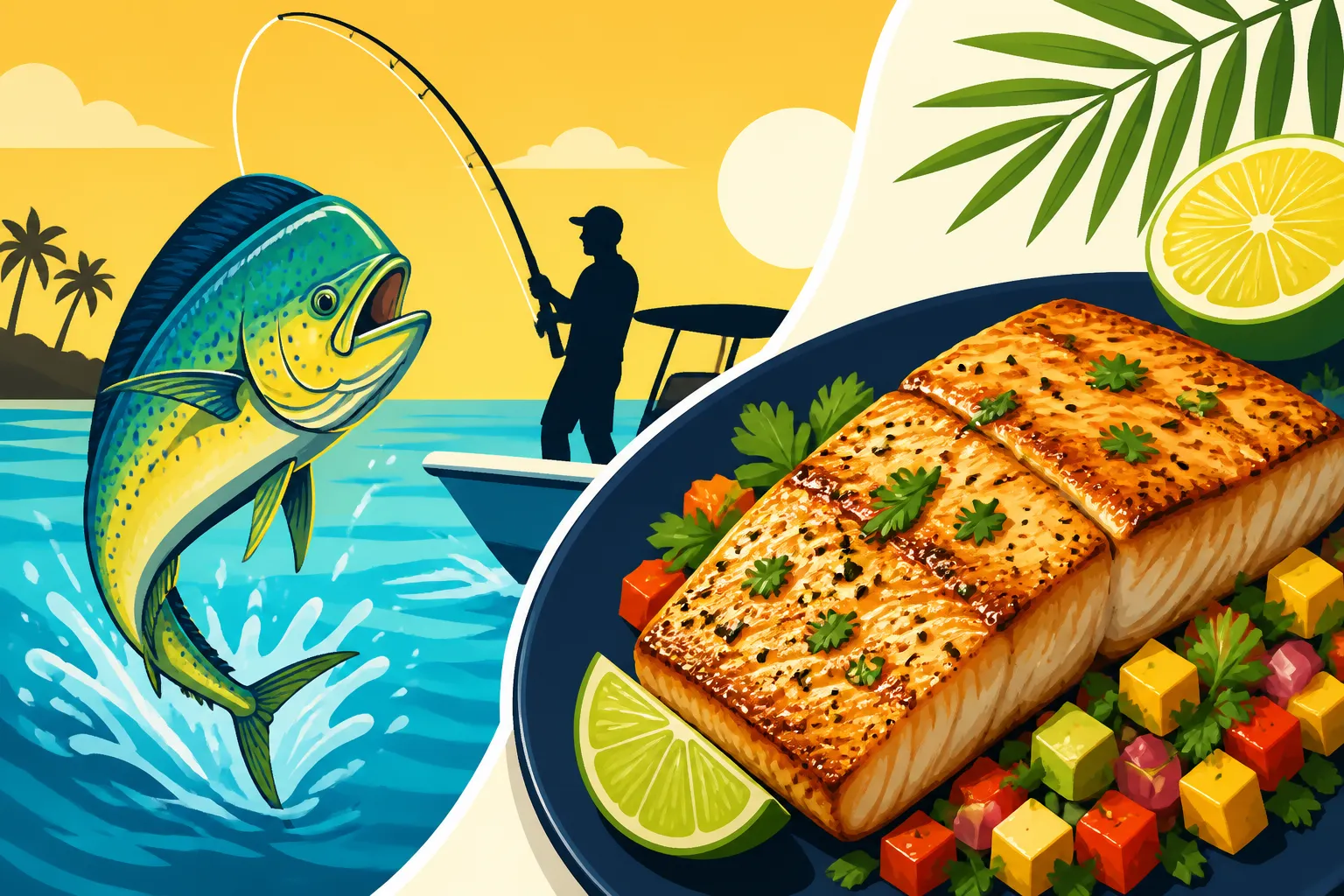
There's nothing quite like the thrill of reeling in a beautiful Mahi Mahi, that vibrant explosion of color fighting on the line, especially when you're out on the sparkling waters off Florida. But once you've landed your prize and brought it home, the next question often hits: "Okay, now what do I do with it?" This guide is all about taking that incredible fresh catch and transforming it into a meal that tastes as amazing as the fishing experience itself, ensuring you make the most of every delicious flake.
Bringing Your Catch Home: Essential Prep for Mahi Mahi
Getting your Mahi Mahi from the water to your dinner plate in peak condition is absolutely crucial for the best flavor and texture. Think of it as the first, and arguably most important, step in the cooking process. Proper handling from the moment it comes aboard will make all the difference when it's time to fire up the grill or preheat the oven.
Keeping Your Mahi Mahi Fresh Post-Catch
The Florida sun is no friend to fresh fish, so rapid cooling is key. As soon as that Mahi Mahi hits the deck, it needs to go on ice. Don't just toss it in a cooler with a few cubes; you want a proper ice slurry. This means a mix of ice and water, which chills the fish more uniformly and quickly than just ice alone. The colder the better, without actually freezing it solid.
Imagine you're on a deep-sea fishing trip off Key West, and you've just boated several beautiful Mahi. The immediate action should be to bleed them quickly (a cut to the gill arch is usually sufficient) and then plunge them into that icy bath. This not only stops spoilage but also helps the flesh firm up and improves its overall appearance. The goal is to keep that fish as close to "still swimming" freshness as possible until you're ready to fillet it. Remember, time is of the essence when it comes to quality seafood. If you're wondering about general practices, check out our guide on Best Way to Keep Fish Fresh on a Boat.
Filleting and Skinning Your Mahi Mahi
Once you're back on shore and ready to process your catch, it's time to fillet. Mahi Mahi has a distinct texture and flavor, and getting clean fillets is important. Use a sharp, flexible fillet knife. Start behind the gill plate, cut down to the backbone, and then turn the knife flat, running it along the backbone towards the tail. Repeat on the other side.
Mahi Mahi skin is edible, but many people prefer to remove it, especially for pan-searing or baking, as it can be a bit tough and strong-tasting. To skin a fillet, lay it skin-side down on a cutting board. Hold the tail end firmly with your non-dominant hand, angling your knife slightly downwards between the flesh and the skin. Saw gently back and forth while pulling the skin tightly towards you, separating it cleanly from the meat. It takes a little practice, but once you get the hang of it, you'll be skinning like a pro. If you need a visual, many of the techniques described in How to Fillet a Snapper or How to Fillet a Grouper apply here, even though the species are different.
Unleashing Flavor: Top Cooking Methods for Mahi Mahi
Mahi Mahi's firm, white, and slightly sweet flesh makes it incredibly versatile in the kitchen. It holds up well to various cooking methods, making it a favorite among Florida anglers and chefs alike. Choosing the right method often comes down to personal preference, the desired texture, and what kind of meal you're aiming for.
Grilling Mahi Mahi to Perfection
Grilling is arguably one of the most popular ways to cook Mahi Mahi, especially here in Florida, where outdoor cooking is practically a religion. The high heat creates a beautiful char on the outside while keeping the inside moist and flaky. Before grilling, consider marinating your fillets for at least 30 minutes to an hour. A simple marinade of olive oil, lemon juice, garlic, and your favorite herbs (think dill or cilantro) works wonders.
Preheat your grill to medium-high heat and make sure the grates are clean and well-oiled to prevent sticking. Place the Mahi fillets directly on the hot grates. Grill for about 3-5 minutes per side, depending on thickness. You're looking for those gorgeous grill marks and an internal temperature of around 140-145°F. Don't overcook it! Overcooked Mahi Mahi becomes dry and tough, losing its delicate flavor. Many outdoor enthusiasts swear by grilling Mahi Mahi, especially after a successful day offshore, perhaps using techniques learned from a Florida Offshore Fishing Techniques guide.
Pan-Searing for a Crispy Exterior
For those who love a golden, slightly crispy crust, pan-searing is an excellent choice. This method is quick, easy, and yields impressive results. You'll want to use a heavy-bottomed pan, like cast iron, which retains heat well. Pat your Mahi Mahi fillets thoroughly dry with paper towels before seasoning them. This is key to achieving that perfect sear.
Heat a tablespoon or two of high-smoke-point oil (like grapeseed, avocado, or even butter for extra flavor) in your pan over medium-high heat until it's shimmering. Carefully place the seasoned fillets in the hot pan, presentation-side down. Sear for 2-4 minutes until a beautiful golden-brown crust forms. Flip the fillets and cook for another 2-4 minutes, or until the fish flakes easily with a fork and reaches the desired internal temperature. A sprinkle of fresh parsley or a squeeze of fresh lime juice after searing elevates the dish.
Baking or Broiling for a Healthier Option
If you're looking for a hands-off, healthier cooking method, baking or broiling Mahi Mahi are fantastic choices. Both methods allow the fish to cook evenly and gently, preserving its moisture and flavor with minimal added fat. This is especially good if you're preparing a large batch or have other dishes that need attention on the stovetop.
For baking, preheat your oven to 400°F (200°C). Place your seasoned Mahi Mahi fillets on a lightly greased baking sheet or in a shallow baking dish. Bake for 10-15 minutes, again, depending on thickness, until the fish is opaque and flakes easily. For broiling, place the seasoned fillets on a broiler-safe pan and position it 4-6 inches from the heat source. Broil for 5-8 minutes, flipping halfway through if desired, until cooked through. These methods are particularly forgiving and can be a great way to handle the delicious meat from a fish caught during the Best Month to Catch Mahi Mahi Offshore Florida.
Blackening for a Spicy Kick
Blackening is a classic Southern-inspired technique that gives Mahi Mahi a bold, spicy crust. It's not for the faint of heart, but if you love flavor and a little heat, this is the way to go. The key to true blackening is using a screaming hot cast-iron skillet and a specific blend of spices.
You'll need a good blackening seasoning blend (many excellent options are available, often with paprika, cayenne, garlic powder, onion powder, and thyme). Generously coat your dry Mahi Mahi fillets in melted butter, then dredge them completely in the blackening seasoning. Heat your cast-iron skillet over high heat until it just starts to smoke. Place the seasoned fillets in the hot pan (you might need to do this in batches to avoid overcrowding). Sear for 1-2 minutes per side; the spices will turn very dark, almost black, forming a delicious crust. Be prepared for smoke, so ensure good ventilation! This method truly highlights the robust nature of Mahi Mahi. If you're feeling adventurous after a successful fishing trip facilitated by one of the best fishing charters for catching mahi mahi, blackening is a fantastic culinary adventure.
Crafting Culinary Magic: Marinades, Seasonings, and Pairings
Mahi Mahi is a fantastic canvas for a wide array of flavors. Its mild, firm flesh means it can stand up to bold seasonings and rich sauces without being overpowered. The choices you make here can transform a simple fillet into a gourmet experience.
Popular Marinades to Enhance Flavor
Marinades don't just add flavor; they can also help keep your Mahi Mahi moist during cooking. Citrus-based marinades are always a winner with white fish. Think lemon, lime, or orange juice as the base, combined with olive oil, minced garlic, fresh herbs like cilantro or parsley, and a pinch of salt and pepper. A teriyaki or soy-ginger marinade also works beautifully, lending an Asian-inspired twist.
For a taste of the tropics, try a marinade with pineapple juice, coconut milk, a touch of ginger, and a little hot sauce. Let your fillets soak for at least 30 minutes, but no more than a couple of hours, as too much acid can start to "cook" the fish (like ceviche). If you're looking for inspiration for seasoning kits or specialized tools to create these marinades, check out options on Amazon – they often have great starter kits.
Seasoning Blends for Mahi Mahi
While marinades infuse flavor over time, a good dry seasoning rub can create an instant flavor burst and a beautiful crust. For a simple yet effective seasoning, a mix of salt, black pepper, garlic powder, onion powder, and a touch of paprika is usually all you need. If you prefer a bit of heat, add cayenne pepper.
Cajun or Creole seasoning blends are fantastic for blackening or pan-searing, providing that iconic zesty kick. Mediterranean-inspired blends with oregano, thyme, and dried lemon peel are another great option, especially for baked Mahi Mahi. Don't be afraid to experiment with your spice rack! You can find a huge variety of spices and seasoning blends on Amazon that cater to every taste preference.
Complementary Sides and Sauces
What you serve alongside your Mahi Mahi can elevate the entire meal. For a light and refreshing plate, consider a fresh mango salsa or a simple avocado salad. The sweetness of the mango or the creaminess of the avocado beautifully balances the fish. Roasted asparagus, grilled vegetables, or a wild rice pilaf are also excellent choices.
When it comes to sauces, a lemon-butter sauce is a classic for a reason – it's simple, elegant, and highlights the fish's natural flavors. A chimichurri sauce offers a vibrant, herbaceous counterpoint, while a creamy dill sauce can add a touch of richness. Don't forget a squeeze of fresh lime or lemon juice right before serving; it brightens up almost any Mahi Mahi dish. If you're asking yourself is mahi mahi good to eat, pairing it with the right sides and sauces will definitively answer that with a resounding "Yes!"
Mastering Mahi Mahi: Tips for a Flawless Finish
Even with the best recipes and freshest fish, a few key tips can truly make the difference between a good Mahi Mahi dish and an unforgettable one. It's all about paying attention to details and understanding the nuances of cooking this fantastic fish.
Preventing Overcooking: The Golden Rule
This cannot be stressed enough: do not overcook your Mahi Mahi! Because it's a lean fish, it can dry out very quickly. Overcooked Mahi Mahi turns tough, rubbery, and loses much of its delicate flavor and moist texture. The ideal internal temperature for cooked fish is generally 140-145°F (60-63°C).
The best way to check for doneness is with an instant-read meat thermometer inserted into the thickest part of the fillet. Alternatively, visually inspect the fish: it should be opaque throughout and flake easily with a fork. It’s better to slightly undercook and then let it rest for a minute or two, as it will continue to cook from residual heat. This carryover cooking is your friend. You can find reliable instant-read thermometers on Amazon if you don't already have one, which can be invaluable for ensuring perfectly cooked fish every time.
The Importance of Freshness and Quality
We talked about it briefly when discussing post-catch handling, but it bears repeating: the quality of your raw Mahi Mahi is paramount. Freshly caught fish, handled properly, will always taste better than fish that has been sitting for too long or wasn't cared for well after being landed.
When purchasing Mahi Mahi, look for firm, translucent flesh that smells fresh, like the ocean, not "fishy." Avoid any fillets that look dry, discolored, or have a strong ammonia odor. The eyes should be clear and bright if buying a whole fish. Investing in quality ingredients, right from the source – whether that's your own fishing trip or a trusted seafood market – is the foundation of a delicious meal.
Experimenting with Flavors and Techniques
While we've covered some classic and popular ways to prepare Mahi Mahi, don't be afraid to get creative in your kitchen! Mahi Mahi is incredibly versatile. Have you ever considered making Mahi Mahi tacos with a vibrant slaw? Or perhaps grilling it on cedar planks for a smoky flavor? What about using it in a curry or a hearty fish stew?
The beauty of cooking fish like Mahi Mahi, especially when it's as accessible and delicious as it is here in Florida, is the endless possibility. Each fish is a new opportunity to try something different, whether it's a new spice blend you picked up, a cooking technique you've been wanting to master, or a side dish pairing you've never considered. Take inspiration from guides like How to Clean a Trout for Cooking for fundamental fish prep, and then let your culinary imagination run wild.
| Cooking Method | Pros | Cons | Best For |
|---|---|---|---|
| Grilling | Great smoky flavor, beautiful sear. | Can dry out easily if overcooked. | Outdoor cooking, larger fillets. |
| Pan-Searing | Crispy crust, quick cooking, easy cleanup. | Requires constant attention, can spatter. | Dinner for two, quick weeknight meals. |
| Baking/Broiling | Healthy, hands-off, even cooking. | Less intense crust/sear than other methods. | Larger groups, minimal oil. |
| Blackening | Bold, spicy flavor; iconic crust. | Very smoky, requires good ventilation. | Flavor adventurers, thick fillets. |
Disclaimer
This article is for general informational purposes only and does not constitute professional advice. Laws, prices and regulations vary by location and change over time. Consult a qualified professional for guidance on your specific situation.