Hardest Fish to Catch in Florida
There's a special kind of frustration that washes over an angler when you know the fish are there, you see them, you cast, you retrieve, you switch lures, you try live bait, and still… nothing. It's enough to make even the most seasoned fisher throw in the towel, especially when you're targeting those notoriously difficult species in Florida's diverse waters. This guide is here to shed some light on the fish that truly test your mettle, why they're so challenging, and what strategies you can employ to finally outsmart them.
The Allure of the Challenge: Why Anglers Seek Hard-to-Catch Fish
For many of us who love to cast a line in the Sunshine State, fishing isn't just about catching dinner or racking up numbers; it's about the chase, the intellectual game, and the sheer joy of overcoming a genuine challenge. Florida's waters are teeming with incredible fish, from the easily accessible panfish in freshwater ponds to the powerful pelagics miles offshore. But there’s a distinct group that holds a special place in the hearts of ambitious anglers – those species that are famously, almost maddeningly, difficult to catch.
Beyond the Bend: The Thrill of the Hunt
There's an undeniable thrill that comes with pursuing a fish that demands more than just a lucky cast. It's not just about the fight once they're hooked; it's the entire process leading up to it. The countless hours spent researching their habits, studying tide charts, understanding bait preferences, and perfecting your presentation. It’s a chess match, with the angler trying to anticipate every move of a creature perfectly adapted to its environment. When you finally feel that powerful strike after so much effort, the satisfaction is unlike any other. It’s a primal urge, the hunter within us responding to the ultimate test of skill and patience. We don't just want to catch a fish; we want to catch that fish, the one everyone talks about but few truly conquer.
Mastering the Art: Skill Development and Bragging Rights
Targeting these tougher species forces you to become a better angler. You can't rely on brute force or simple luck. You need finesse, precision, and an intimate understanding of the ecosystem. Every failed attempt teaches you something valuable, honing your casting accuracy, improving your knot-tying, and sharpening your observation skills. It pushes you to experiment with new techniques and gear, turning you into a more versatile and knowledgeable fisher. And, let's be honest, there's a certain pride in sharing stories of a hard-won battle with an elusive fish. These aren't just fish stories; they're tales of perseverance and mastery, earning you serious bragging rights among your angling peers. Having a photo with a truly challenging catch from Florida's rich waters is a badge of honor, a testament to your dedication and skill in a place renowned for its angling opportunities.
Top Contenders for "Hardest to Catch" in Florida
When we talk about the "hardest fish to catch" in Florida, we're not just talking about fish that pull hard. We're talking about species that combine wariness, incredible strength, complex habitats, and often, specific feeding behaviors that make them incredibly challenging to fool and land. These are the fish that frustrate, humble, and ultimately, elevate the anglers who pursue them.
The Elusive Silver King: Tarpon
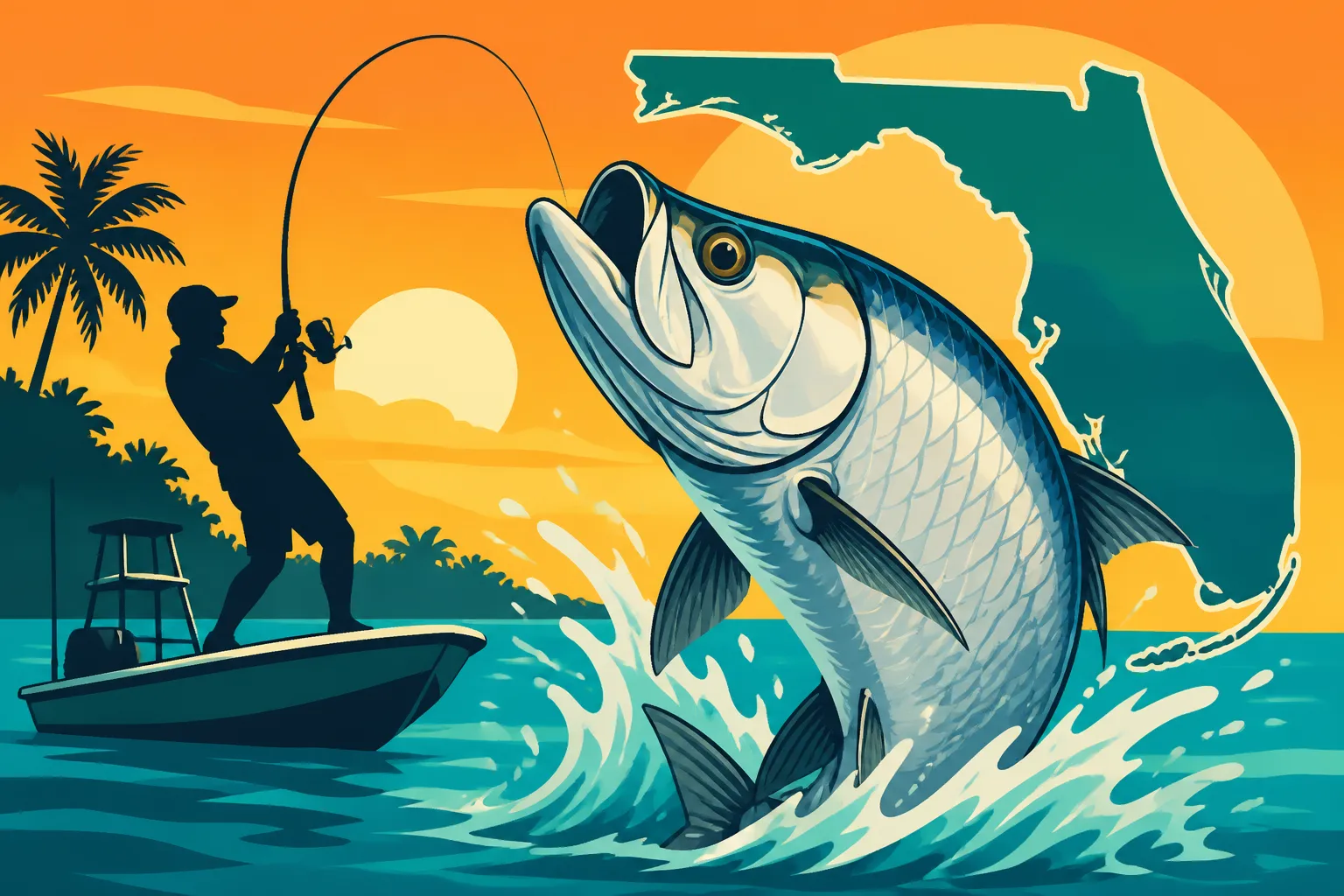
Ah, the Florida Tarpon Fishing Guide. The "Silver King" of Florida, a truly majestic and iconic game fish. Tarpon are without a doubt one of the hardest fish to catch, and for good reason. First, they have incredibly bony mouths, making hook sets notoriously difficult. It's often said that out of ten bites, you might only hook two, and land one if you're lucky. Their powerful, acrobatic jumps are legendary – they'll often throw the hook with violent head shakes mid-air.
Beyond the fight itself, just finding them can be a challenge. Tarpon are migratory, following baitfish and warm waters, so timing is crucial. They can be found in a variety of habitats, from shallow flats in the Florida Keys to brackish rivers and even deep channels. Once you spot them, they are incredibly wary. A boat shadow, a clumsy cast, or even an incorrect leader size can send an entire school scattering. Presentation is everything, requiring soft, accurate casts with live bait like mullet or crabs, or perfectly timed fly casts with artificial patterns. The pure power and stamina of a large tarpon can also wear out an angler, turning a twenty-minute fight into an epic hour-long battle, sometimes even more. Their sheer size, often exceeding 100 pounds, means you need robust tackle and unwavering focus to bring one boatside.
The Ghost of the Flats: Bonefish
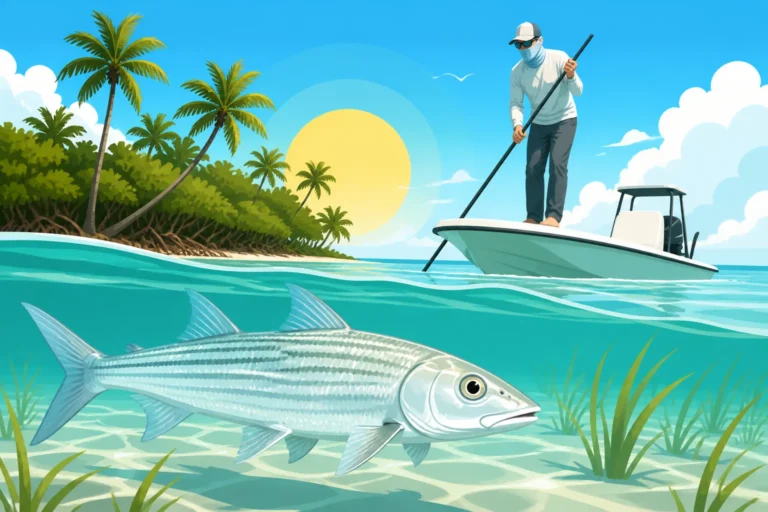
If you've ever tried flats fishing for bonefish, you understand why they're called the "ghosts of the flats." These fish are masters of camouflage, blending seamlessly with the sandy and grassy bottom of the shallow waters they inhabit, particularly in places like the Florida Keys. Spotting them is the first Herculean task, often requiring polarized sunglasses, a keen eye, and calm, sunny conditions.
Once sighted, they are incredibly skittish. The slightest noise – a dropped tackle box, a noisy push pole, or even a heavy footstep on the boat deck – can send them streaking away in a puff of sand. A perfect cast is essential, landing quietly and accurately ahead of the fish's path without spooking it. Bonefish are incredibly selective eaters, often ignoring anything that doesn't perfectly mimic their natural prey, like small crabs or shrimp. Their mouths are also surprisingly delicate, making a soft touch necessary to avoid tearing the hook out during the fight. While not as acrobatic as a tarpon, a hooked bonefish will make blistering, drag-screaming runs that will test the quality of your reel and your knot-tying skills to their absolute limit. Their speed and initial burst of power are astounding for their size. Trying to catch one on a fly rod elevates the challenge to an art form, demanding extreme precision and stealth. If you're looking for a serious challenge, chasing these silvery torpedoes across the pristine flats will certainly deliver.
The Wary Gladiator: Permit
Often found in the same shallow, clear water environments as bonefish, the permit takes the challenge up a notch. This species is arguably the most coveted and frustrating fish on the flats, even for seasoned guides. Permit possess an almost uncanny ability to spot an angler or boat from a remarkable distance, often before you even see them. They are incredibly observant and have excellent eyesight, making them even warier than bonefish.
Their feeding habits are also notoriously finicky. While they primarily eat crabs, they can be incredibly selective about the size, shape, and even the way a crab pattern or live crab is presented. You can make a perfect cast, and they might simply nose the bait and swim away, leaving you scratching your head. This species often travels in small, cautious schools, and if you spook one, the whole group is gone. When you do manage to hook a permit, be ready for a formidable fight. They are incredibly strong, making long, powerful runs and using their broad, flat bodies to leverage against the line. Landing a permit on light tackle or fly in shallow water is considered one of the highest achievements in flats fishing. Many anglers will spend years trying to land a single permit, a testament to its "gladiator" status. You definitely want to ensure you know your Florida Permit Fishing Guide before you head out.
Deep-Sea Giants: Swordfish and Large Tunas
Moving offshore, the definition of "hard to catch" shifts dramatically. Here, it’s less about wariness and more about sheer endurance, specialized techniques, and battling the immense power of creatures that live in the vast, deep ocean. Swordfish, often called "broadbills," are a prime example. They are primarily deep-water dwellers, often caught at night or using specialized daytime deep-dropping techniques that require heavy gear, specialized lights, and often, an electric reel to manage the hundreds of feet of line.
The fight itself is legendary. A swordfish can spend hours deep-diving, pulling immense drag, and making powerful, head-shaking surges. Landing one is a test of both angler and crew endurance, demanding coordinated effort and significant physical strength. Similarly, targeting large tunas (like bluefin or yellowfin) in Florida’s offshore waters involves fast trolling, chumming, or chunking techniques, often far from shore. These fish are pure muscle and speed, capable of incredibly long and powerful runs that can strip hundreds of yards of line from a reel in seconds. A large tuna fight can last for hours, involving multiple anglers on a rotation, and pushing tackle to its breaking point. These deep-sea giants require not only robust gear but also a deep understanding of ocean currents, thermoclines, and migratory patterns, along with a boat capable of reaching their remote habitats. This is where Florida Offshore Fishing Techniques truly come into play.
Strategies and Gear for Tackling Tough Targets
Okay, so we've identified some of Florida's most challenging fish. Now, how do you even begin to tackle them? It's not just about luck; it's about preparation, precision, and having the right tools for the job. Success with these species often comes down to meticulous planning and execution.
Research and Reconnaissance: Knowledge is Power
Before you even think about putting a line in the water, immerse yourself in knowledge about your target species. Understand their diet, their preferred habitats, their migratory patterns, and their behavior in different weather and tide conditions. For instance, knowing the Best Time of Year to Fish in Florida for certain species is critical. If you're after tarpon, understanding their movements along the coast in spring and early summer is paramount. For bonefish and permit, studying tide charts and moon phases to predict optimal feeding times on the flats can make all the difference.
Books, online forums, and reputable fishing reports are great resources. Pay attention to water temperatures, salinity levels, and baitfish presence. The more you know about the fish's world, the better you can anticipate their actions and present your offering. It's like being a detective, gathering clues to solve the mystery of where, when, and how to tempt that elusive bite. Don't overlook the importance of local knowledge—speaking with bait shop owners or other experienced anglers can provide invaluable real-time insights that no book can offer.
The Right Tools for the Job: Specialized Tackle
You absolutely cannot skimp on gear when targeting these formidable species. Using inadequate tackle is a surefire way to lose a trophy fish and leave you with nothing but a broken heart and an empty spool.
- Rods and Reels: For tarpon, you'll need heavy-duty spinning or conventional setups, often rated for 50-80 lb braid, capable of handling immense drag and the explosive power of their jumps. Think about a strong backbone with a fast tip for casting precision. For bonefish and permit on the flats, lighter, yet powerful, rods (like 8-10 weight fly rods or medium-heavy spinning rods) are required for delicate presentations, coupled with reels that have incredibly smooth, powerful drags for those blistering runs. Offshore, for swordfish or large tuna, you're talking about heavy conventional reels spooled with hundreds of yards of heavy braid, matched with specialized deep-drop or stand-up rods.
- Line and Leaders: Strong, abrasion-resistant braided line is often preferred for its sensitivity and power. Fluorocarbon leaders are essential for their near invisibility in clear water, and you'll need to choose the right What Pound Test Line for Tarpon Fishing? or other species. For instance, a 60-80 lb fluorocarbon leader for tarpon, or a 15-20 lb fluorocarbon for bonefish and permit, is common.
- Hooks and Terminal Tackle: Sharp, strong hooks are non-negotiable. For tarpon, large, razor-sharp circle hooks are often preferred to ensure a solid hook set in their bony mouths. For permit, small, super-sharp live bait hooks are a must. Swivels, split rings, and snaps should all be rated well above the anticipated breaking strength of your main line.
- Lures and Bait: Specific lures or bait are often key. For tarpon, live mullet, threadfin herring, or crabs are often deadly. For permit, live crabs are king. Having a selection of high-quality artificial lures that mimic natural prey is also important. Brands like Amazon offer a wide array of specialized tackle, from heavy-duty reels to various fluorocarbon leader materials, making it easy to equip yourself for these challenges.
Remember, every component in your setup is a potential weak link. Invest in quality gear that can withstand the incredible forces these fish will exert.
Patience, Persistence, and Professional Guidance
This might be the most critical strategy of all. These fish don't give themselves up easily. You will experience frustrating days, missed bites, and broken lines. Patience is not just a virtue; it's a necessity. You need to be able to cast hundreds of times without a bite, spot a fish, make a perfect cast, watch it ignore your bait, and still maintain your composure and optimism.
Persistence means learning from every experience, adapting your approach, and never giving up. Sometimes, the difference between success and failure is simply being in the right place at the right time with the right bait, and that often comes after many, many hours of effort.
Finally, especially if you're new to targeting these particular species, consider hiring a professional How to Choose a Florida Fishing Guide. Guides who specialize in tarpon, bonefish, or permit fishing on the flats, or captains who run Florida Offshore Fishing Charter Guide trips for swordfish, have spent decades on the water. They know the local waters intimately, understand the fish's habits, and can provide invaluable insights into presentation, reading the water, and fighting techniques. Yes, it's an investment, but the knowledge and experience gained can dramatically shorten your learning curve and significantly increase your chances of success. They also have all the specialized gear, like the latest fishing electronics you might find on Amazon, saving you the initial outlay.
Table: Gear Considerations for Challenging Florida Species
| Species | Recommended Rod Action | Recommended Reel Size (Spinning/Conventional) | Typical Line (Braid/Mono) | Leader Material/Strength | Preferred Bait/Lure Types | Key Skill Focus |
|---|---|---|---|---|---|---|
| Tarpon | Heavy, Fast Action | 6000-10000 / 30-50 Conventional | 50-80 lb Braid | Fluorocarbon 60-100 lb | Live Mullet/Crabs, Large Flies, Topwater Plugs | Accurate Casting, Strong Hook Set, Jumping Fish |
| Bonefish | Medium-Light, Fast Action (Fly: 8-10 wt) | 2500-3000 (Fly: Large Arbor) | 10-20 lb Braid/Mono | Fluorocarbon 15-25 lb | Live Shrimp/Crabs, Small Jigs, Crab/Shrimp Flies | Stealth, Sight Fishing, Delicate Presentation |
| Permit | Medium-Heavy, Fast Action (Fly: 10-12 wt) | 3000-4000 (Fly: Large Arbor) | 20-30 lb Braid/Mono | Fluorocarbon 20-30 lb | Live Crabs, Crab Flies | Extreme Stealth, Precise Casting, Patience |
| Swordfish | Heavy (Deep Drop/Stand-up) | 50-80 Wide Conventional | 80-130 lb Braid | Mono/Fluoro 200-400 lb | Squid, Mackerel, Bonito | Deep Dropping, Endurance, Heavy Tackle Mgmt |
| Large Tuna | Heavy (Trolling/Jigging) | 50-80 Wide Conventional | 80-130 lb Braid | Fluorocarbon 100-200 lb | Live Bait, Large Poppers, Trolling Lures | Long Fights, Drag Pressure, Boat Maneuvers |
Common Pitfalls and How to Avoid Them
Even with the right gear and a good plan, there are common mistakes that can quickly derail your efforts when targeting Florida's hardest-to-catch fish. Recognizing these pitfalls and actively working to avoid them is just as important as knowing what to do right.
Underestimating the Fight
This is a huge one, especially for anglers who are new to truly powerful species. Many an angler has hooked into a monster tarpon, a blistering bonefish, or a deep-diving swordfish, only to be completely unprepared for the sheer power and stamina involved. They might grip the rod too tightly, tire out quickly, or lose focus at a critical moment.
How to Avoid:
- Practice your fighting stance: Even if you can't hook a monster every day, practice reeling against a set drag or a heavy bucket to build your muscle memory and endurance.
- Maintain proper technique: Keep the rod tip up, pump and reel, and stay hydrated. Don't "lock up" your drag unless absolutely necessary, as it can lead to pulled hooks or broken lines.
- Understand Catch and Release Best Practices for Snook and other species: This includes how to properly handle the fish for a quick photo and safe release, minimizing stress on both you and the fish.
- Listen to your guide: If you've hired a professional, they'll often coach you through the fight, telling you when to reel, when to let the fish run, and how to maintain pressure effectively. Their experience is invaluable in these moments.
Overlooking Environmental Factors
Florida's environment is dynamic, and subtle changes can have a massive impact on fishing success, particularly for finicky species. Ignoring factors like moon phase, unusual weather patterns, or water clarity can lead to frustrating, unproductive trips.
How to Avoid:
- Consult tide charts diligently: For flats species like bonefish and permit, tides dictate their feeding patterns. Knowing if it's an How to Fish an Incoming Tide or outgoing, and the strength of the current, is crucial.
- Monitor weather closely: Sudden cold fronts can shut down a bite, especially for temperature-sensitive species like tarpon and snook. Strong winds can make sight fishing impossible and offshore trips dangerous. Always check the forecast and adjust your plans accordingly.
- Observe water conditions: Clear water is often necessary for sight fishing on the flats. Murky water, on the other hand, might require different lure presentations or sound-producing baits. Red tide or other algal blooms can completely change where fish are found and how they behave.
- Understand habitat nuances: Not all "flats" or "reefs" are created equal. Some areas hold more bait, have better cover, or offer more advantageous current breaks. Research specific areas you plan to fish, perhaps using resources like Best Fishing Spots in Florida to get a head start.
Skimping on Essential Gear
This ties back to specialized tackle, but it's such a common mistake that it deserves its own point. Many anglers try to make do with general-purpose gear for highly specialized fishing, and it rarely ends well. A reel that works fine for catching mackerel won't stand a chance against a 150-pound tarpon.
How to Avoid:
- Invest wisely: You don't need the absolute most expensive gear, but you do need gear that is appropriately rated for the fish you're targeting. Read reviews, talk to experts, and prioritize quality in critical components like your reel's drag system and your line.
- Check your gear: Before every trip, inspect your rods for cracks, your line for nicks and abrasions, and your knots for any weaknesses. Ensure your drag is smooth and properly set. A small oversight can cost you the fish of a lifetime.
- Pack thoughtfully: Bring all the essentials, not just the rod and reel. This includes appropriate apparel, sun protection, a good pair of polarized sunglasses (for sight fishing), and a well-stocked tackle box with diverse bait and lure options. Check out a guide like What to Bring on a Florida Fishing Charter even if you're fishing on your own boat, to ensure you haven't forgotten anything critical. You can get quality leader material, extra hooks, and even specialized tools like pliers and hook removers from reputable fishing suppliers found on sites like Amazon.
- Don't forget the small stuff: A dull hook or a frayed leader, easily preventable, can be the reason you miss that one precious bite. Always keep extra leader material and fresh hooks on hand.
By being mindful of these common pitfalls, you can significantly improve your chances of success and turn those frustrating "almosts" into triumphant catches. The challenge remains, but you'll be better equipped to meet it head-on.
Disclaimer
This article is for general informational purposes only and does not constitute professional advice. Laws, prices and regulations vary by location and change over time. Consult a qualified professional for guidance on your specific situation.