Where Do Snook Live in Florida?
Oh, the elusive snook! If you've spent any time on Florida's waters, you know the frustration of trying to pinpoint where these incredible game fish hang out. They can seem to disappear into thin air or pop up in the most unexpected places, leaving anglers scratching their heads. This guide is all about demystifying the snook's favorite haunts, helping you understand their preferred living conditions across the Sunshine State, and boosting your chances of finding one of these prized fighters.
The Dynamic World of Florida Snook Habitats
Snook are truly remarkable fish, known for their powerful strikes and acrobatic fights. But what makes them even more fascinating is their incredible adaptability. They're not just found in one type of environment; they thrive in a diverse array of Florida's aquatic landscapes, constantly moving and adjusting to conditions. Understanding this dynamic nature is key to consistently finding them. For a deeper dive into the species, check out our Florida Snook Fishing Guide.
Why Snook Are So Adaptable
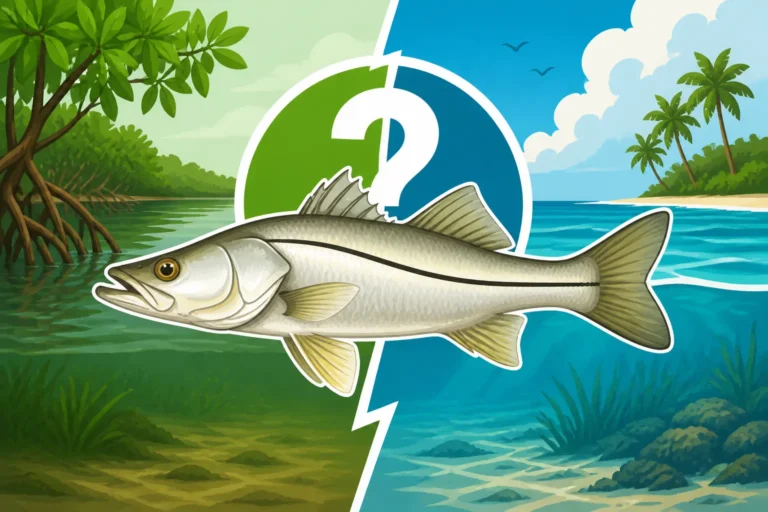
One of the biggest reasons snook are so widely distributed and can be so hard to pin down is their unique physiological makeup. Unlike many other strictly marine fish, snook are what we call euryhaline, meaning they can tolerate a wide range of salinities. This isn't just a slight adjustment; they can move from full-strength saltwater into brackish water, and even survive for periods in nearly fresh conditions. This incredible ability means they aren't confined to just the ocean or just estuaries. It’s part of the answer to the age-old question, Do Snook Live in Freshwater or Saltwater?.
This adaptability extends to temperature as well, though with limits. While they prefer warmer tropical and subtropical waters, they can seek out thermal refuges during colder periods, moving into deeper holes or areas with stable temperatures. This flexibility allows them to exploit different food sources and escape predators across various ecosystems. It’s a survival strategy that keeps them thriving in Florida's ever-changing environment.
Geographic Distribution Across Florida
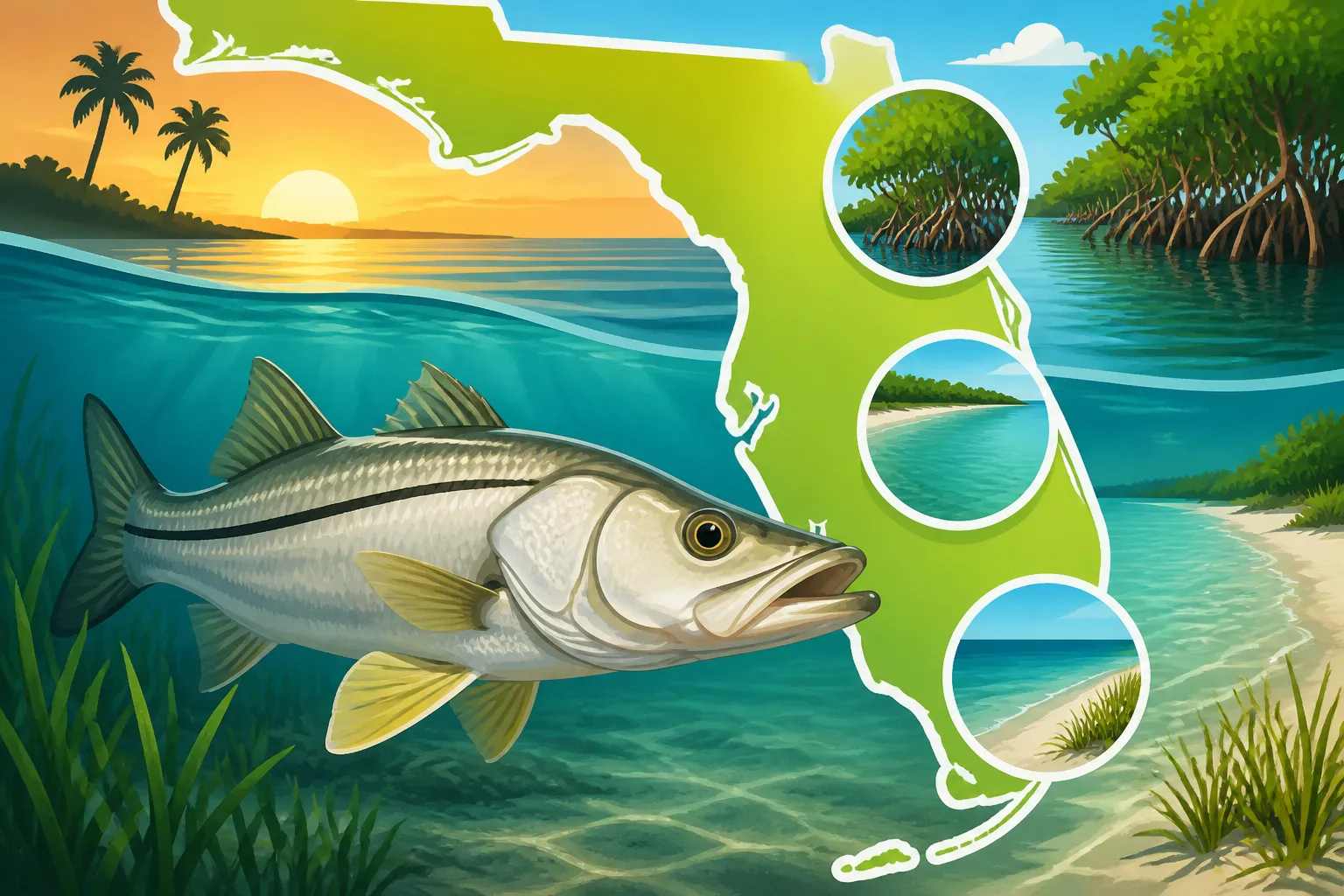
While snook are found throughout much of peninsular Florida, their populations are densest in the southern half of the state. Think of a line roughly from Cocoa Beach on the Atlantic coast to Crystal River on the Gulf. South of this line is prime snook territory. The warmer waters year-round provide the consistent temperatures they crave, and the extensive network of estuaries, mangroves, and coastal structures offers abundant habitat.
On the Gulf Coast, from the Ten Thousand Islands north through Tampa Bay and up towards the Panhandle, you'll find healthy snook populations. The Atlantic Coast also boasts strong numbers, especially in areas like the Indian River Lagoon, Fort Lauderdale, and Miami. While they can occasionally be caught further north during exceptionally warm years, sustained cold temperatures generally limit their permanent residency in North Florida. Their distribution is a constant dance with water temperature, making them less common but not unheard of in the Panhandle, often as transient visitors rather than year-round residents.
Key Saltwater Environments Snook Call Home
When most people think of snook, they picture them in saltwater – and for good reason. These are their primary hunting grounds and where you’ll most consistently encounter them. Understanding the specific features within these saltwater environments can give you a significant advantage.
Estuaries and Mangrove Mazes
Estuaries are absolutely vital to snook, acting as the lifeblood of their existence. These transitional zones where freshwater meets saltwater are incredible nurseries for juvenile snook, offering protection from larger predators and a rich buffet of baitfish and crustaceans. As snook grow, they continue to rely heavily on these intricate systems.
The dense root systems of mangroves are like natural fortresses for snook. They provide shade, which helps regulate water temperature, and they offer countless ambush points where snook can hide and dart out to snatch unsuspecting prey. You'll often find them tucked deep under the overhangs, especially during high tide, waiting for the current to deliver a meal. Besides mangroves, snook also gravitate towards oyster bars, rocky outcrops, and the edges of expansive seagrass beds. These structures break up current, provide shelter, and hold an incredible amount of forage. Casting into these areas, probing the shadows and cuts, is a classic way to target them.
Inlets, Passes, and Nearshore Structures
When snook aren't tucked away in the backcountry, they frequently patrol the more dynamic waters of inlets and passes. These areas are characterized by strong tidal flows, which act like conveyor belts for baitfish moving between the ocean and the estuaries. Snook, being opportunistic predators, will stack up in these pinch points, waiting for an easy meal.
You'll often find them lurking around man-made structures like jetties, bridge pilings, and rock piles that line these passes. These structures provide current breaks where snook can rest out of the main flow while still having access to passing bait. During certain times of the year, particularly around spawning season, large numbers of snook will congregate in and around these inlets and their adjacent nearshore waters. They use these highways to move between feeding grounds and spawning sites. Look for current lines, eddies, and areas where baitfish are schooling up – snook won't be far behind.
Beaches and Surf Zones
While not always the first place anglers think of, Florida's beaches and surf zones can be surprisingly productive snook fishing grounds, especially along the Atlantic coast. Snook will cruise the first trough, just beyond where the waves break, looking for crustaceans, small baitfish, and anything else the surf churns up. This is particularly true during warmer months and around strong tidal pushes.
Picture a long stretch of sandy beach; snook will often patrol the subtle depressions and cuts, sometimes even feeding on schools of baitfish pushed right up against the shore. You might see them busting bait in the wash, a truly exhilarating sight! While the open beach might seem featureless, look for subtle changes in bottom contour, darker patches that could indicate a trough, or any sign of baitfish activity. Fishing the surf demands a different approach than the mangroves, but the reward of a powerful surf snook is unforgettable.
Exploring Snook in Brackish and Freshwater Zones
This is where snook really show off their unique capabilities. Many anglers are surprised to learn that snook aren't exclusively saltwater dwellers. Their ability to tolerate varying salinities means they can push far inland, sometimes creating incredible fishing opportunities in places you might not expect. This directly answers the question, Can You Catch Snook in a River?.
Tidal Rivers and Creeks
Florida is crisscrossed with numerous tidal rivers and creeks that maintain a connection to larger estuarine systems and eventually the ocean. Snook will readily travel many miles up these waterways, especially during warmer periods, to exploit abundant food sources or to find refuge from predators or fishing pressure in the main bays.
In these environments, you'll find them holding around submerged logs, fallen trees, brush piles, bridge pilings, and bends in the river where current eddies form. The salinity can fluctuate dramatically depending on rainfall and tidal flow, but as long as there's a connection to the salt, snook can adapt. These areas often offer a different kind of challenge, requiring more precise casting and an understanding of riverine currents, but they can hold some truly massive fish. Keep an eye out for areas where the river narrows or deepens, creating natural bottlenecks that concentrate bait and, consequently, snook.
Canals and Retention Ponds with Saltwater Access
Perhaps the most surprising habitat for snook, particularly in South Florida, is the extensive network of man-made canals and even some retention ponds. Many of Florida's residential areas and agricultural lands are laced with canals that, directly or indirectly, connect to the larger estuarine systems. When these connections exist, snook will often use them as highways and hunting grounds. For specific rules, you might want to review Canal Fishing License Rules in Florida or Retention Pond Fishing License Rules in Florida.
These canals can offer incredible fishing, especially during cold snaps when snook seek out deeper, warmer water. They'll hug seawalls, hide under docks, and cruise along shadowed banks. Similarly, some retention ponds, particularly those built near coastal developments, may have culverts or other connections to tidal creeks or bays. If there's enough tidal exchange and a consistent food supply, snook can establish themselves, providing a truly unique urban fishing experience. This really underscores their adaptability – turning what seems like an ordinary drainage ditch into a potential trophy fishery.
What Makes Freshwater Tolerable for Snook?
It’s truly a marvel of nature how snook can handle such varied water conditions. Their bodies have a remarkable system called osmoregulation. In simpler terms, they can adjust the salt balance within their cells and blood to match the surrounding water, whether it's full-strength ocean or nearly freshwater. This process consumes energy, so snook typically won't stay in completely freshwater for extended periods without a reason, but it allows them to enter these environments for feeding or refuge.
One common theory is that moving into lower salinity water helps them shed parasites that thrive in saltwater. It's like a natural spa treatment! However, they still need a way to return to saltier waters to fully thrive long-term. This capability to move into and out of different salinity zones is a huge advantage, allowing them to escape fishing pressure, find untouched food sources, and evade some predators, making them a truly versatile species in Florida's waters.
Seasonal Movements and Environmental Factors
Snook are constantly on the move, and their location throughout the year is heavily dictated by the seasons and immediate environmental conditions. If you want to consistently find them, you need to think like a snook and anticipate their shifts.
Winter Retreats and Cold Sensitivity
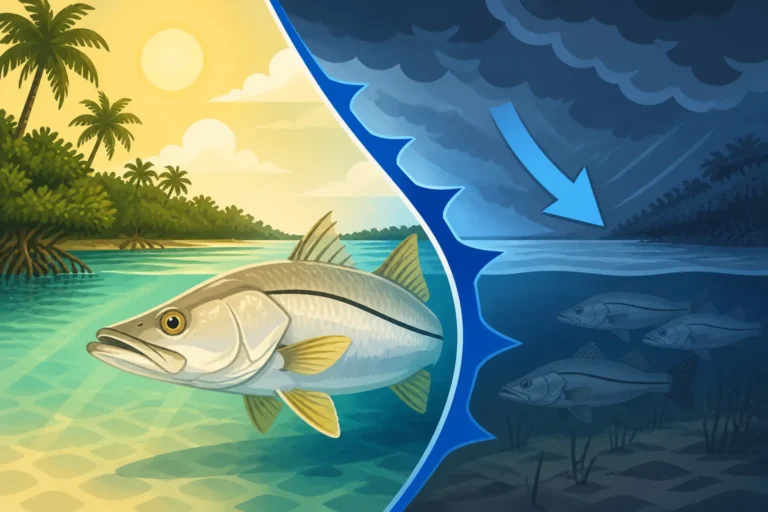
Snook are warm-water fish, and they absolutely despise cold temperatures. When water temperatures drop into the low 60s Fahrenheit (around 15-18 Celsius), snook become stressed, lethargic, and extremely vulnerable. A significant cold snap, especially below 55°F (13°C), can even be fatal. This is why their populations are primarily concentrated in South Florida, where prolonged cold periods are less common.
During winter, particularly after a strong cold front, snook will abandon shallow flats and open bays, retreating to warmer, deeper waters. They seek out thermal refuges like deep canals, residential dock canals with dark muddy bottoms that absorb solar heat, power plant discharges, and protected creek bends. Sometimes they'll pile up in incredible numbers in these areas. Finding them during these times can be tough, as they become less active and finicky, but knowing where they go is half the battle. This behavior is precisely Why Snook Are Protected During Cold Weather and explains What Happens to Snook During a Cold Snap?. It's also Why Florida Closes Snook Season in Winter.
Summer Spawning and Open Water Forays
As water temperatures warm up in late spring and early summer, snook begin their migration towards coastal inlets, passes, and nearshore Gulf or Atlantic waters for their annual spawning aggregations. This is when you might find large numbers of trophy-sized snook concentrating in these areas. They will often hold just inside or outside the passes, taking advantage of the strong currents to position themselves for reproduction and feeding on the abundant baitfish that also move through these channels.
After spawning, usually by late summer, the snook disperse. Many will head back into the protective estuaries, scattering into the mangrove creeks, flats, and canals where they spend much of the rest of the year growing and feeding. During these summer months, they are generally more active and aggressive, making for some fantastic fishing opportunities. However, it's worth noting Florida Snook Closed Season Dates often coincide with these spawning periods to protect the breeding stock.
Impact of Weather and Water Conditions
Beyond seasonal temperature shifts, daily and weekly weather patterns, as well as broader environmental events, play a huge role in where snook decide to hang out.
- Rainfall: Heavy rainfall can significantly drop salinity levels in estuaries and rivers. While snook are tolerant, extreme changes can push them into saltier water. However, a good rain can also invigorate a bite by washing bait into the system.
- Winds: Strong winds can muddy up shallow flats, making it harder for snook to hunt visually. They might move to more protected, clearer areas, or deeper pockets. Conversely, light winds can create ideal sight-fishing conditions.
- Red Tide and Algae Blooms: These harmful algal blooms can severely impact snook populations, causing fish kills and forcing surviving fish to migrate away from affected areas. Understanding How Red Tide Affects Where You Can Fish is crucial for planning a trip. Snook will try to escape the toxins, often moving into areas with better water quality.
- Tides: Tidal flow is paramount for snook, especially in estuaries and inlets. They often position themselves to ambush prey with the current. An outgoing tide might flush bait out of the mangroves, while an incoming tide pushes bait into shallow areas. Knowing What Tide Is Best for Snook Fishing? is invaluable.
Finding Snook: Angler Tips for Different Habitats
Now that we understand where snook live and why they move, let’s talk about how you, the angler, can use this knowledge to your advantage. No matter their habitat, snook are incredible fighters, and landing one is a true Florida fishing experience.
Essential Gear for Varying Environments
Your tackle choice can make a big difference when targeting snook in their diverse habitats. While the core principle is a strong rod, reel, and appropriate line, specifics will shift.
- Mangrove/Canal Fishing: For tight quarters, a medium-heavy spinning rod (7-7.5 feet) with a fast action is ideal. You need enough backbone to pull a snook out of the roots, but enough tip sensitivity for accurate casting. I personally prefer a 3000-4000 size spinning reel spooled with 20-30 lb braided line. A strong fluorocarbon leader (30-50 lb) is a must, as snook have abrasive gill plates. Lures like weedless soft plastics, topwater plugs, and shallow-running suspending twitch baits work wonders. You can find a fantastic selection of these on sites like Amazon, making it easy to stock up for your next trip.
- Inlet/Pass Fishing: Here, you might need a slightly heavier setup, perhaps a 7.5-8 foot medium-heavy to heavy rod, especially if you're battling strong currents or larger fish. Braided line up to 40-50 lb and a 50-80 lb fluorocarbon leader will give you the pulling power needed. Larger swimbaits, bucktail jigs, and even live bait like pilchards or mullet under a cork are common.
- Beach/Surf Fishing: A longer rod (9-10 feet) can help you cast further into the surf. Still, a medium-heavy action is sufficient. You'll likely use heavier lures or bait rigs designed to cut through the wind and waves. Live baits like sand fleas or a hearty pilchard can be very effective here, as can a variety of swimbaits.
Remember, the goal is to match your gear to the environment and the potential size of the fish you expect to encounter.
Reading the Water for Snook Signs
Snook are masters of camouflage and stealth, but they do leave clues. Learning to read the water is paramount.
- Look for Baitfish: This is rule number one. Snook are predators, and where there's bait, there are usually snook. Look for nervous baitfish skipping on the surface, showers of glass minnows, or even subtle dimples indicating bait activity. In creeks and canals, watch for mullet schools. For more on their diet, refer to What Do Snook Eat?.
- Current and Structure: Identify current seams, eddies behind points, and any structure (docks, pilings, fallen trees, mangrove points) that breaks the current. Snook love to sit in these current breaks, expending minimal energy while waiting for prey to wash by.
- Water Color and Depth: Clearer water often means visual hunting for snook, while slightly stained water might require more scent or vibration. Also, understand that snook will move to deeper water for safety or comfort, especially during cold weather or high boat traffic.
- Subtle Busts or Wakes: Sometimes you'll see a distinct swirl or wake on the surface as a snook moves or ambushes prey. It might not be a massive splash, but a subtle telltale sign that a predator is around.
Best Times to Target Snook in Specific Spots
Timing is everything in snook fishing, and it often revolves around the tides and time of day.
- Tidal Flow: For estuary and inlet fishing, moving water is almost always better. Snook use the current to feed. An incoming tide will push bait into the mangroves and onto the flats, while an outgoing tide will pull bait out, often concentrating snook at choke points. The first few hours of a strong outgoing tide can be particularly productive around creek mouths and points in the backcountry.
- Time of Day: Snook are often most active during low light conditions – dawn, dusk, and even into the night. Many anglers swear by night fishing for snook, especially around dock lights and bridge lights where baitfish congregate. During the heat of the day, they'll often retreat to deep shade or deeper water.
- Moon Phases: While not as critical as tide or light, some anglers believe certain moon phases, especially the new and full moons, can correlate with increased snook activity due to stronger tidal currents.
- Seasonality: Remember their seasonal movements. During winter, focus on deep, warm refuges. During summer, target inlets, passes, and nearshore areas as they stage for spawning. To understand the regulations that align with these movements, consult Florida Snook Season Guide and Florida Snook Size and Slot Limits. If you're hoping for a monster, knowing the Best Time of Year to Catch a Trophy Snook can guide your efforts.
| Snook Habitat Type | Typical Features | Optimal Tides & Times | Recommended Lures/Bait | Gear Considerations |
|---|---|---|---|---|
| Mangrove Creeks/Estuaries | Mangrove roots, oyster bars, seagrass edges, small docks | Moving tides (incoming/outgoing), dawn/dusk, night | Soft plastics (weedless), shallow twitch baits, topwater, live shrimp/pinfish | 7-7.5ft MH rod, 20-30lb braid, 30-50lb fluoro leader, accurate casting |
| Inlets/Passes | Jetties, bridge pilings, rock piles, strong current | Strong moving tides, low light, night fishing | Larger swimbaits, bucktail jigs, live mullet/pilchards | 7.5-8ft MH/H rod, 30-40lb braid, 50-80lb fluoro leader, casting distance |
| Beaches/Surf Zones | First trough, sandbars, subtle cuts | Incoming/outgoing tides (choppy water can be good), dawn/dusk | Spoons, heavy jigs, topwater, live sand fleas/shrimp | 9-10ft MH rod, 20-30lb braid, 30-50lb fluoro leader, long casting |
| Tidal Rivers/Canals | Seawalls, docks, submerged structure, deep bends | Moving tides, low light, night fishing | Soft plastics, jigs, suspending plugs, live shiners/shrimp | 7-7.5ft MH rod, 20-30lb braid, 30-50lb fluoro leader, stout retrieve |
No matter where you choose to pursue them, snook fishing in Florida is an experience unlike any other. They are a powerful, intelligent, and truly magnificent game fish that epitomize the thrill of the hunt. Just remember to always check current regulations and consider catch-and-release practices for these precious resources, especially since you need a Florida Saltwater Fishing License Rules if you plan to keep any. Good luck out there!
Disclaimer
This article is for general informational purposes only and does not constitute professional advice. Laws, prices and regulations vary by location and change over time. Consult a qualified professional for guidance on your specific situation.