Can You Catch Snook in a River?
Many anglers picture snook as strictly saltwater denizens, cruising mangrove shorelines and crashing baits in the clear flats of the Gulf or Atlantic. But if you've ever wondered if you could hook into one of these elusive fighters far up a winding Florida river, you're asking a question many passionate anglers ponder. This guide will dive deep into the fascinating world of snook and their surprising adaptability to Florida's diverse river systems, helping you understand where and how to find them.
The Intriguing Adaptability of Snook to River Systems
It's a common misconception that snook are exclusively saltwater fish. While their primary habitat is undoubtedly coastal saltwater, these incredible fish are what we call euryhaline – meaning they can tolerate a wide range of salinities, from pure ocean water to almost entirely fresh river conditions. This unique physiological trait is a game-changer for anglers, opening up a whole new realm of fishing possibilities far from the conventional flats and inlets. You might be surprised just how far upstream these powerful predators will venture.
The idea of snook in a river might seem counterintuitive at first. You imagine clear, salty water, perhaps a hint of seagrass, and plenty of tidal flow. However, Florida's extensive network of rivers, estuaries, and brackish creeks provides an alternative, often overlooked, ecosystem that snook readily exploit. It's a testament to their resilience and their relentless pursuit of food and favorable conditions.
Why Snook Head Upstream
So, why would a snook leave the comfort of the salty coastal waters for the murky embrace of a river? It's usually a combination of factors related to survival, comfort, and sustenance. Understanding these motivations is key to unlocking the secrets of river snook fishing.
One major draw is freshwater access itself. Snook, particularly juvenile snook, often utilize the less saline waters of rivers and estuaries as nurseries. This provides them with a degree of protection from larger, saltwater predators and can offer a more stable environment during certain times of the year. Beyond that, many larger snook will push far up into brackish and even nearly freshwater sections of rivers in search of food. Rivers act like conveyor belts, carrying baitfish, crustaceans, and other forage that snook find irresistible. They're opportunistic feeders, and a river brimming with mullet, shrimp, or small bream is a buffet they simply can't pass up.
Another significant factor, especially for mature snook, is temperature. During colder months, when coastal water temperatures drop dramatically, snook become very susceptible to cold shock. They'll seek out warmer, more stable thermal refuges, which are often found deep within river systems, sometimes even near warm water discharges from power plants or natural springs. These areas can provide a lifeline when the mercury plummets, making rivers hotbeds for snook action when other areas are dead. Conversely, during the scorching summer, the slightly cooler, often shadier conditions found deeper in rivers can also be a draw.
Distinguishing River Snook from Their Saltwater Cousins
While they are the same species, snook caught in rivers can sometimes exhibit slight differences from their open-water counterparts. River snook tend to be lean, mean fighting machines, adapted to navigating currents and ambushing prey in tighter quarters. Their coloration might even be a bit darker or more mottled, reflecting the tannin-stained waters some Florida rivers are known for.
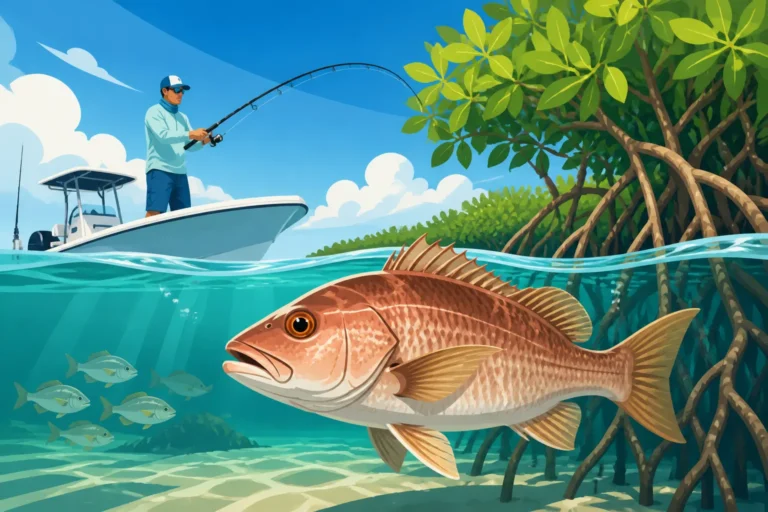
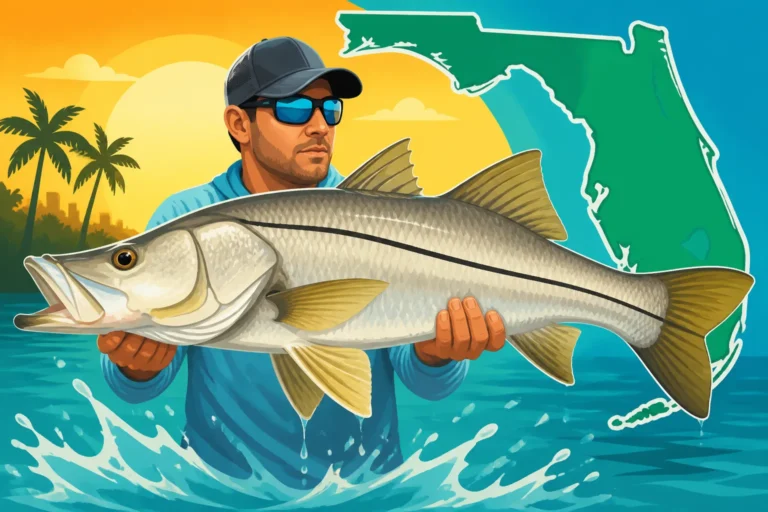
Physically, a river snook will still have that unmistakable dark lateral line, large pectoral fins, and distinct "snook mouth" that defines the species. What might differ, however, is their behavior. River snook often hold tighter to structure – fallen trees, bridge pilings, undercut banks, and feeder creeks – using the current to their advantage, much like a freshwater bass. They become masters of ambush, exploding from cover to strike unsuspecting prey. This makes fishing for them a unique challenge, often requiring a more precise approach and understanding of current dynamics.
Identifying Florida Rivers Where Snook Thrive
Florida boasts an incredible array of river systems, but not all of them are prime snook territory. To increase your chances of success, you need to know which rivers offer the right conditions for these adaptable fish. The key is often proximity to the coast, access to brackish water, and the presence of suitable habitat and forage. Where Do Snook Live in Florida? goes into more detail about their general habitat.
East Coast River Hotspots
On Florida's Atlantic coast, several major river systems are renowned for their snook populations, especially in their lower and middle reaches. These rivers connect directly to vast estuaries and the ocean, providing easy migratory pathways for snook.
The Indian River Lagoon system, including the St. Lucie River and the Loxahatchee River, is a prime example. These waterways, though technically estuaries, extend far inland and exhibit strong freshwater influences in their upper sections. Snook are plentiful here, often holding around docks, mangrove lines, and canal junctions. Further north, the St. Johns River, particularly its lower basin near Jacksonville and the various creeks and tributaries that feed it, can also hold snook, especially during warmer months. Anglers here often find snook mingling with largemouth bass in surprisingly freshwater environments. The Sebastian River is another well-known spot, celebrated for its robust snook population and offering excellent opportunities for anglers seeking these fish in a riverine setting.
West Coast River Sanctuaries
The Gulf Coast of Florida also offers fantastic opportunities for river snook, with numerous river systems flowing into major bays and the Gulf of Mexico. These rivers are often characterized by extensive mangrove forests and seagrass beds in their lower sections, transitioning to more freshwater environments upstream.
The Caloosahatchee River near Fort Myers is a stellar example. Snook are regularly caught far upriver, often mixed in with tarpon and even bass. The Peace River, flowing into Charlotte Harbor, also sees snook pushing upstream, particularly where it becomes brackish. Further north, rivers like the Myakka River, the Manatee River, and even the Hillsborough River in Tampa often hold snook in their estuarine and lower freshwater sections. These systems offer complex networks of feeder creeks, deep bends, and natural structure that are irresistible to snook. The Everglades, though not a traditional "river" in some sections, features numerous freshwater canals and flowing sloughs where snook can be found deep within the interior, demonstrating their incredible range.
Understanding the Salinity Gradient
When targeting snook in rivers, it's crucial to understand the salinity gradient. Snook can tolerate fresh water, but they are still saltwater fish. They'll typically be found in the brackish zones where freshwater mixes with saltwater, or in areas of pure freshwater that are still within relatively easy reach of saltier environments. They might make forays into pure freshwater to feed or seek refuge, but they won't typically stay there for extended periods if the salinity doesn't eventually return.
Using a salinity meter (which you can find on sites like Amazon) can be incredibly helpful for pinpointing the ideal zones. Look for areas where the river widens, slows, or has significant structure like oyster bars or mangrove islands, as these often mark transitions in salinity and provide prime ambush points.
Tactics for River Snook Fishing
Fishing for snook in rivers requires a slightly different approach than fishing the open flats or inlets. The environment is often tighter, with more current and structure, demanding precision and adaptability. Florida Inshore Fishing Techniques provides a broader overview, but river fishing has its own nuances.
Locating River Snook Hotspots
River snook are structure-oriented fish. They love to hide and ambush. Think like a snook: where would you wait for an easy meal to drift by?
- Docks and Pilings: These man-made structures provide shade, cover, and attract baitfish. Cast parallel to docks or right up against pilings.
- Mangrove Edges and Overhangs: The tangled roots of mangroves offer excellent cover and ambush points. Focus on areas with deeper water nearby or strong current.
- Fallen Trees and Logjams: Natural structure like submerged timber is a goldmine. Snook will sit tight to these, waiting for prey. Be prepared for snags!
- Bridge Pilings and Abutments: Bridges create current breaks and deep pockets, perfect for snook. Cast up-current and let your bait or lure drift naturally past the structure. How to Fish a Bridge for Snook offers more targeted tips.
- Feeder Creeks and Ditches: These smaller waterways often flush bait into the main river, creating feeding opportunities at their mouths.
- Channel Bends and Drop-offs: Deeper holes and sharp bends in the river concentrate both bait and predators.
Best Baits and Lures for River Snook
Snook are aggressive eaters, and in a river setting, they're often keying in on local forage. Matching the hatch is always a good strategy. Best Bait for Snook Fishing in Florida details many options.
- Live Bait: This is often the most effective.
- Mullet: Small finger mullet are irresistible to snook. They are abundant in many Florida rivers and are a natural food source.
- Shrimp: Live shrimp are universally loved by snook and can be fished under a popping cork or free-lined.
- Pinfish/Mojarra: These hardy baits are great for larger snook, especially around docks and deeper structure.
- Artificial Lures:
- Soft Plastic Jerkbaits: Rigged weedless, these are excellent for fishing around heavy cover without snagging. Try natural baitfish colors.
- Swimbaits: Paddle-tail swimbaits in white, chartreuse, or silver mimic mullet and other baitfish.
- Topwater Plugs: Early morning or late evening, especially around calmer water or current seams, topwater lures can trigger explosive strikes. Topwater Lure Fishing for Snook has specific recommendations.
- Hard Jerkbaits/Suspending Plugs: These can be worked erratically to draw strikes from snook holding in current.
- Bucktail Jigs: A classic choice, bucktails are great for probing deeper holes and current lines.
When choosing lures, consider the water clarity. In murky river water, brighter colors or lures with rattles can be more effective. In clearer sections, more natural tones might be better.
Essential Gear for River Snook Fishing
Having the right tackle is crucial when tackling river snook. These fish are powerful, known for their explosive runs and head shakes, and the river environment often presents challenges like heavy current and abrasive structure.
Rods, Reels, and Line
For river snook, you'll want a setup that offers a balance of power and sensitivity.
- Rods: A medium-heavy to heavy action spinning rod, typically in the 7 to 7.5-foot range, is ideal. This length provides good casting distance while still allowing for accurate casts into tight spots. The sensitivity of the tip is important for detecting subtle bites, while the backbone helps you turn a powerful snook away from heavy cover.
- Reels: A high-quality spinning reel in the 3000 to 5000 size class is generally sufficient. Look for a reel with a smooth drag system, as snook can make blistering runs, and a good drag will prevent break-offs. Corrosion resistance is also a plus, even in brackish water. Brands known for durable reels often have great options for this type of fishing.
- Line: Braided line is almost a must for river snook. Its lack of stretch provides excellent sensitivity for feeling bites and fantastic power for setting the hook and pulling fish out of cover. A 20 to 40-pound test braided line is a good starting point. You'll definitely want to spool up with a high-quality braid you can trust. For leader material, fluorocarbon in 30 to 50-pound test is essential. It's abrasion-resistant, nearly invisible underwater, and crucial for resisting the snook's rough mouth and gill plates. What Pound Test Line for Snook Fishing? details line choices.
Terminal Tackle and Accessories
Don't skimp on your terminal tackle; it's the weakest link in your system!
- Hooks: When using live bait, circle hooks are highly recommended, especially if you plan on releasing fish. They are designed to hook in the corner of the mouth, reducing gut hooking. Sizes 3/0 to 6/0 are common, depending on bait size.
- Swivels and Snaps: High-quality barrel or ball-bearing swivels can prevent line twist, especially with certain lures. Snaps allow for quick lure changes.
- Pliers/Dehooker: Snook have sharp gill plates, so a good pair of long-nose pliers or a dehooking tool is essential for safe release. You can easily find these and other fishing accessories on Amazon.
- Net/Boga Grip: A sturdy landing net or a Boga Grip (or similar lip gripper) can help you safely land and control a snook, especially larger ones, minimizing stress on the fish.
Licensing and Regulations
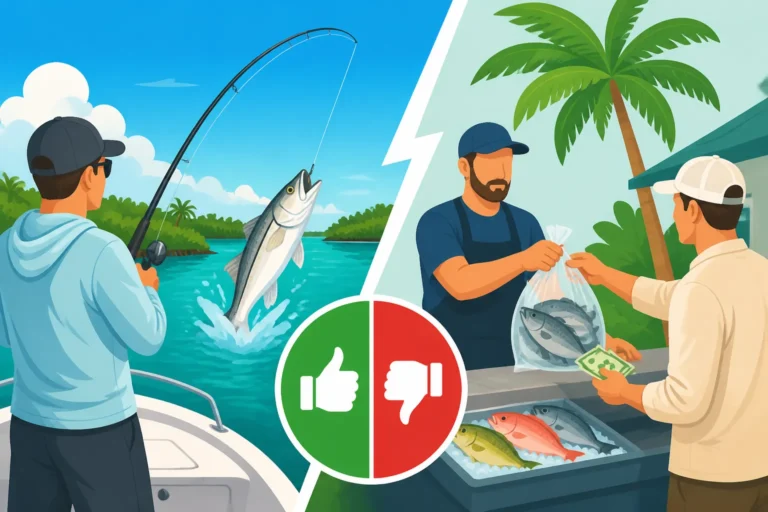
It's absolutely critical to remember that even when snook are found far upriver in what might feel like freshwater, they are still considered a saltwater game fish in Florida. This means you must possess a valid Florida saltwater fishing license to target them, unless you fall under one of the specific exemptions. This isn't just a suggestion; it's the law, and Florida Fish and Wildlife Conservation Commission (FWC) officers do patrol these river systems. Florida Saltwater Fishing License Rules is a great resource to ensure you're compliant.
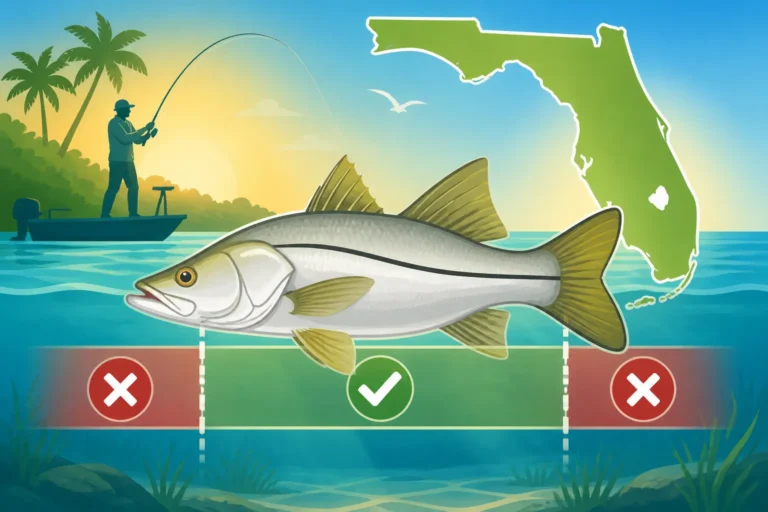
In addition to a general saltwater license, you'll also need a Snook Permit to keep any legal-sized snook you catch. Snook are closely managed with specific open and closed seasons, as well as strict size and bag limits. These regulations vary by region and can change, so always check the latest FWC guidelines before heading out. Florida Snook Season Guide and Florida Snook Size and Slot Limits are excellent places to get the most current information. Ignoring these rules can lead to significant fines and penalties, so play it safe and stay informed.
Practical Tips for Success in River Snook Fishing
Armed with knowledge about snook behavior and the right gear, let's talk about some practical tips to make your river snook fishing trips more successful and enjoyable.
Understanding River Currents and Tides
Unlike the open coast, river fishing is heavily influenced by current. The current brings food, positions fish, and can make or break your presentation.
- Tidal Influence: Even far upstream, many Florida rivers are tidally influenced. Incoming tides can push saltwater and baitfish further upriver, often triggering a bite. Outgoing tides can pull bait out of smaller creeks and ditches, concentrating snook at choke points. Learning to read tide charts for your specific river section is invaluable.
- Current Breaks: Snook will position themselves in current breaks behind structure – pilings, points, fallen trees – where they can ambush prey without expending too much energy fighting the flow. Cast upstream of these breaks and let your bait or lure drift naturally into the strike zone.
- Eddies and Seams: Look for areas where currents collide or create swirling eddies. These are prime feeding zones.
Stealth and Presentation
River snook, especially in clearer water, can be surprisingly wary. A stealthy approach often pays dividends.
- Approach Quietly: If fishing from a boat, use your trolling motor or pole to approach spots quietly. Avoid loud noises or banging on the boat.
- Accurate Casting: You'll often be casting into tight windows around structure. Practice your accuracy to get your bait or lure right where it needs to be.
- Natural Presentation: Whether using live bait or lures, strive for a natural presentation. Let the current do some of the work, making your offering appear like an easy meal. If using lures, vary your retrieve until you find what triggers a strike. Sometimes a slow, methodical retrieve is best, while other times an aggressive twitch-and-pause works wonders.
Safety Considerations
River fishing comes with its own set of safety concerns, distinct from open water.
- Obstacles: Rivers often have submerged trees, stumps, and rocks. Be aware of your surroundings, especially if navigating unfamiliar waters.
- Current Strength: Strong currents can be dangerous, particularly if you're wading or in a smaller craft. Always be mindful of the current's power.
- Wildlife: Florida rivers are home to alligators, snakes, and other wildlife. Always keep a respectful distance and be aware of your surroundings.
- Weather: Florida's weather can change rapidly. Summer afternoons often bring thunderstorms, so keep an eye on the sky and have a plan to seek shelter if needed.
| River System (Example) | Primary Snook Areas | Common Forage | Best Conditions | Key Tactics |
|---|---|---|---|---|
| Caloosahatchee River (West) | Lower to middle reaches, canals, docks | Mullet, shrimp, small fish | Incoming tide, cooler temps | Live bait, soft plastics, targeting structure |
| St. Lucie River (East) | Junctions with Indian River Lagoon, bridges | Mullet, glass minnows, shrimp | Strong tidal flow, moving water | Lures, live bait, current breaks |
| Myakka River (West) | Brackish sections, mangrove lines, fallen trees | Mullet, crabs, small fish | High tide, early morning | Stealthy approach, weedless presentations |
| Loxahatchee River (East) | Upper brackish reaches, natural springs | Mullet, shiners, bream | Cold fronts, stable temps | Slow retrieves, live shiners, targeting warm pockets |
Remember, fishing is about enjoying the journey as much as the catch. Exploring Florida's rivers for snook offers a unique adventure, connecting you to the wild heart of the state and challenging your angling skills in a refreshing way.
Disclaimer
This article is for general informational purposes only and does not constitute professional advice. Laws, prices and regulations vary by location and change over time. Consult a qualified professional for guidance on your specific situation.