Best Time of Year to Catch a Trophy Bass in Florida
There’s nothing quite like the thrill of feeling a true monster bass engulf your lure, that sudden, jarring strike that signals you’ve hooked into something truly special. For many anglers, the dream isn't just catching a bass, but catching a trophy bass – that once-in-a-lifetime lunker that tests your gear and your grit. If you're wondering when your best shot at landing one of these giants in the Sunshine State is, you’ve come to the right place. This guide will walk you through the seasonal secrets and crucial factors that make or break your trophy bass quest in Florida.
Understanding Florida's Trophy Bass Season
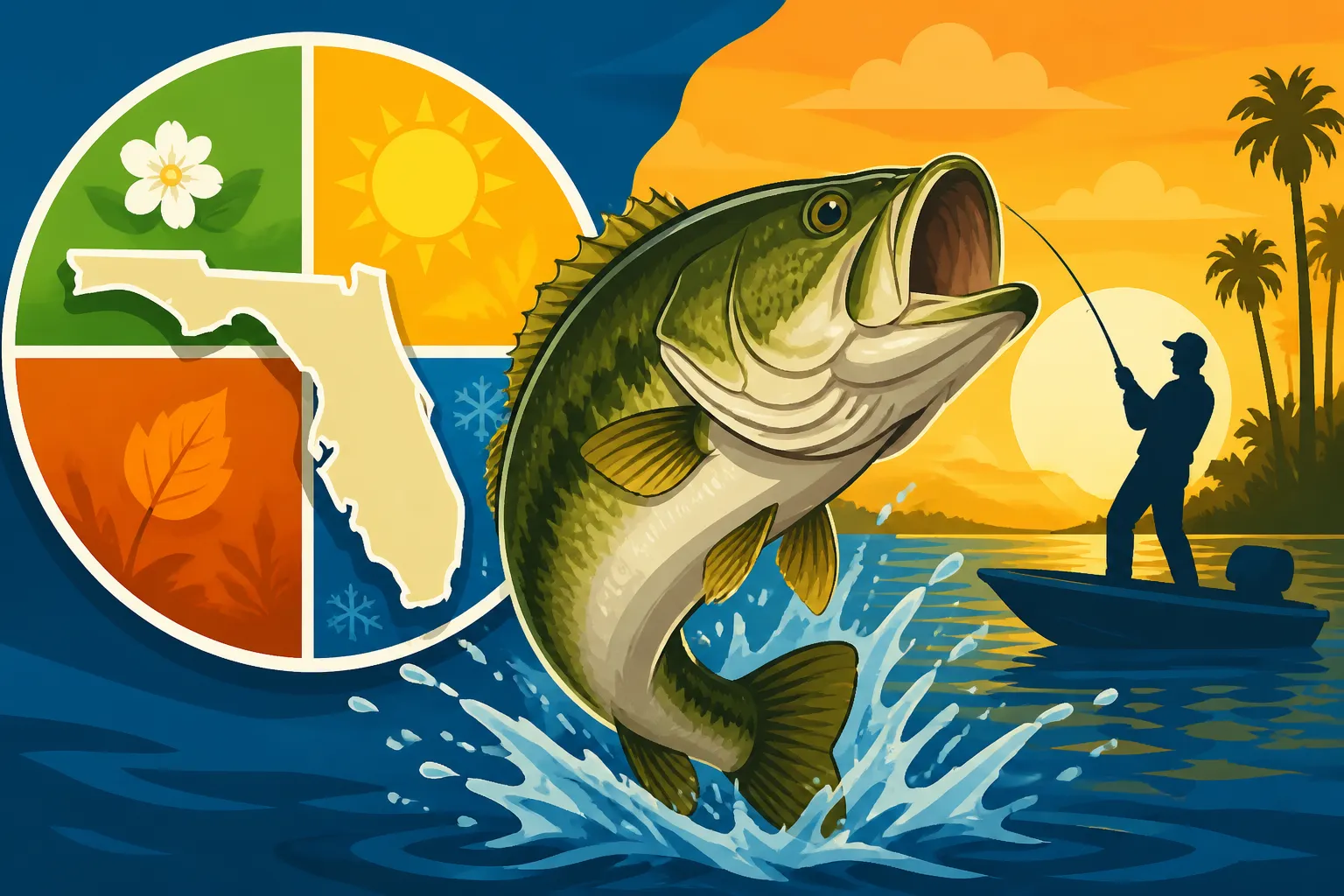
Chasing a trophy bass in Florida isn't just about throwing a line in the water; it's about understanding the subtle rhythms of nature, particularly how temperature, spawning cycles, and feeding patterns align to bring those colossal fish within reach. Florida is a unique beast when it comes to bass fishing, with mild winters and long, hot summers, meaning our "seasons" are often dictated more by water temperature than by traditional calendar months.
The Allure of a Florida Trophy Bass
Let's be honest, there's a reason Florida is world-renowned for its bass fishing. The warm climate means a longer growing season, allowing largemouth bass to reach truly impressive sizes. These aren't just any bass; they're often thick, powerful, and notoriously smart. The allure lies in that moment of anticipation, knowing that any cast could connect you with a fish weighing double-digits, a fish that represents the pinnacle of freshwater angling for many. It’s a challenge, a test of skill, and a pursuit that fuels countless fishing trips and campfire stories.
The thought of pulling a 10-pound-plus bass from the hydrilla or a submerged cypress tree is what drives anglers from all over. These fish don't just put a bend in your rod; they demand respect, forcing you to refine your techniques and understand their habits. It's not just about the fight; it's about the hunt, the strategy, and the incredible satisfaction of holding a true giant before gently releasing it back into its watery home.
Defining "Trophy Bass" in Florida
What exactly constitutes a "trophy bass" in Florida? While personal definitions vary, most seasoned anglers consider a largemouth bass weighing eight pounds or more to be a legitimate trophy. A truly exceptional catch often starts at ten pounds, with the holy grail being a bass weighing over thirteen pounds – the mark of a true giant and often referred to as a "double-digit" fish. Florida holds the state record for largemouth bass at a staggering 17.27 pounds, a testament to the potential lurking in our waters.
Reaching these sizes takes years of growth, abundant food sources, and ideal environmental conditions. These larger fish are often older, wiser, and have survived countless encounters with predators and anglers. They've seen every lure in the tackle box and have a keen sense of self-preservation. This is why targeting them successfully requires a blend of knowledge, patience, and often, a bit of luck. Understanding what makes a particular fish a "trophy" helps set realistic expectations and appreciate the true magnitude of such a catch.
Prime Time for the Big Bite: Spawning Season
If you're serious about catching a trophy bass in Florida, you absolutely must key into the spawning season. This is, without a doubt, the most consistent window of opportunity for targeting the biggest bass our state has to offer. During this time, female bass, heavy with roe, move into shallower waters, making them more accessible and often more aggressive.
Water Temperature is King
The single most critical factor in triggering the bass spawn in Florida is water temperature. Unlike regions further north where cold weather keeps bass dormant for months, Florida's mild climate means bass can begin their spawning rituals much earlier. Typically, when water temperatures consistently reach the mid-60s Fahrenheit (around 62-68°F), the pre-spawn begins, and female bass start moving toward bedding areas.
As the water warms further into the upper 60s and low 70s, the full-blown spawn kicks into gear. Cold fronts can temporarily halt this process, sending fish back to deeper water, but they'll return once stable, warm weather resumes. Experienced anglers keep a close eye on water temperatures, often using boat-mounted thermometers or even a simple handheld gauge, because hitting that sweet spot is crucial. Missing the optimal temperature by just a few degrees can mean the difference between seeing active beds and empty water.
Peak Spawning Windows
Florida's vastness means the bass spawn doesn't happen uniformly across the entire state. Generally, the spawn begins earliest in South Florida, sometimes as early as late December or January, and progresses northward. Central Florida typically sees its peak from late January through March, while North Florida might experience it from February into April.
- South Florida (e.g., Lake Okeechobee, Everglades): Often kicks off in December or January, peaking into February. Best Month for Bass Fishing on Lake Okeechobee provides more detailed insights into this legendary fishery.
- Central Florida (e.g., Lake Toho, Kissimmee Chain): The prime window is usually late January through March. Many anglers flock to these areas, hoping to catch a true giant during this period. Check out Fishing Lake Toho for Trophy Bass for specific strategies.
- North Florida (e.g., Rodman Reservoir, St. Johns River): The spawn here tends to be a bit later, typically February through April, sometimes even into early May, depending on the year's specific weather patterns. Fishing Rodman Reservoir for Big Bass is a must-read for anyone targeting this region.
It's not uncommon for a lake to experience multiple "waves" of spawning fish. Some bass will spawn early, others mid-season, and some late, creating extended opportunities. This staggered approach means that even if you miss the absolute peak, there's still a chance to find active fish on beds. Keeping an eye on local fishing reports and forums can provide real-time updates on where the action is hottest.
Pre-Spawn and Post-Spawn Strategies
While the actual spawn is fantastic, the periods immediately before and after can be equally, if not more, productive for trophy bass.
Pre-Spawn: This is arguably the best time to catch the heaviest bass. Females are gorging themselves on baitfish and crawfish, packing on weight before they expend all that energy on bedding. They are often found staging in slightly deeper water adjacent to their spawning flats. Think creek channels, submerged grass lines, or points leading into shallower areas. These fish are aggressive and will readily strike large baits like lipless crankbaits, jerkbaits, and big swimbaits. They're trying to build up as much energy as possible, making them highly receptive to a well-presented meal.
Anglers often focus on transition areas where bass move between their deeper wintering grounds and shallower spawning areas. Using electronics to locate schools of baitfish or subtle depth changes can be incredibly effective during this phase. Large shiners are also a deadly choice, as these fish are looking for a substantial meal to fuel the upcoming spawn.
Post-Spawn: After the rigors of spawning, female bass are typically exhausted and a bit thinner. They often retreat to slightly deeper cover to recover, but they're still hungry! This phase can be a bit trickier, as some fish are still recuperating, while others are already back on the feed. Focus on areas where they can easily ambush prey without expending too much energy – structure like submerged timber, offshore grass beds, or even the cooler, shaded areas of docks.
Smaller, easier-to-eat baits like soft plastics, wacky worms, or even topwater lures during low-light conditions can be very effective for these recovering fish. They might not be as aggressive as pre-spawn bass, but they are still catchable. Patience and a more subtle approach are key during the post-spawn. This period can last for several weeks after the main spawn, offering continued opportunities if you adjust your tactics.
Beyond the Spawn: Other Productive Periods
While the spawn is undeniably prime time, Florida's year-round mild climate means you can pursue trophy bass successfully during other seasons too. It just requires different strategies and an understanding of how bass adapt to varying conditions. Don't put your rods away once the last bed is empty; the hunt for a giant continues!
Cooler Months: Winter Fishing for Big Bass
Even though Florida doesn't experience harsh winters like many other states, our "cooler months" from November through January (before the peak spawn kicks off in many areas) can be incredibly productive for big bass. During this time, water temperatures drop, usually into the 50s and low 60s, and bass tend to consolidate in specific areas. They're often found in deeper channels, holes, or around dense cover like hydrilla mats where the water might be slightly warmer or more stable.
Trophy bass during the winter are often more lethargic, meaning you need to slow down your presentation considerably. Jigs, slow-rolled spinnerbaits, or large shiners fished slowly are often the ticket. The bites can be subtle, feeling more like a "thump" or added weight on the line rather than a violent strike. But when you do get a bite, it's often a quality fish that’s conserving energy and looking for a substantial, easy meal. How Cold Fronts Affect Winter Fishing in Florida highlights the importance of understanding these weather shifts.
One effective technique is to target areas with dark bottom composition, as these spots tend to absorb more sunlight and warm up faster. North-facing banks that receive direct sunlight throughout the day can also be excellent holding areas. Remember, bass are cold-blooded, and they seek out the most comfortable water temperatures they can find, which often means slightly deeper or more sheltered spots in winter.
Summer Challenges and Opportunities
Florida summers are hot, there's no denying it. The scorching sun and high water temperatures (often reaching into the 80s or even 90s in shallow areas) can make fishing for trophy bass challenging during the day. However, it's not impossible, and there are distinct opportunities.
Early Mornings and Late Evenings: The absolute best times to target summer bass are during the low-light hours of dawn and dusk. The water is cooler, and bass are much more active, often moving into shallower feeding grounds. Topwater lures like poppers, frogs, or walking baits can produce explosive strikes in these conditions. This is a thrilling way to fish, watching a huge bass blow up on your lure as the sun rises or sets.
Deep Water and Shady Cover: During the heat of the day, trophy bass will seek refuge in cooler, deeper water or dense shade. Target areas like deep hydrilla edges, brush piles, submerged ledges, or under the thick canopy of cypress trees or overhanging docks. Punching through heavy vegetation with jigs or soft plastics, or Carolina rigging worms along deep ledges, can be very effective. Look for water movement too, as current can bring cooler, oxygenated water and concentrated baitfish.
Many anglers even embrace night fishing during the summer months. Under the glow of a full moon or even dock lights, big bass become much more active, ambushing baitfish that are drawn to the light. This often involves using larger, darker-colored baits that create a strong silhouette against the moonlit surface. Amazon offers a wide selection of fishing lights and headlamps perfect for these nocturnal adventures.
Fall Transition: Bass Getting Aggressive
As the intense summer heat begins to wane and water temperatures gradually cool in the fall, Florida bass enter a highly active feeding period. This "fall turnover" is a fantastic time for trophy bass, as they become incredibly aggressive, fattening up for the upcoming winter and spawn. Baitfish schools become more prevalent and active, and the bass are right there with them.
During the fall, bass will often chase schools of baitfish in open water or along prominent points and humps. Reaction baits like crankbaits, spinnerbaits, and swimbaits are exceptionally effective as bass actively pursue their prey. Look for birds diving, which can indicate schooling baitfish, and you'll likely find bass nearby. The mild temperatures of fall make for very comfortable and highly productive fishing days.
This is a period of transition where bass might be found in a wider range of depths. They’ll move shallow to feed, then retreat to slightly deeper, comfortable water. Fan casting a variety of baits until you find what they’re hitting, and at what depth, is a solid strategy. The key is to cover water and locate those active feeding fish.
| Season | Typical Florida Water Temperature | Bass Behavior | Prime Locations | Recommended Lures/Techniques |
|---|---|---|---|---|
| Winter | 50s – low 60s F | Lethargic, seeking warmer, stable water | Deeper channels, holes, dense hydrilla mats | Slow-fished jigs, large shiners, slow-rolled spinnerbaits |
| Pre-Spawn | Mid-60s F | Gorging, staging near spawning areas | Creek channels, points, hydrilla edges leading to flats | Lipless crankbaits, jerkbaits, large swimbaits, jumbo shiners |
| Spawn | Upper 60s – low 70s F | Protecting beds, aggressive in specific spots | Shallow flats, protected coves, lily pad edges | Soft plastics (worms, lizards), senkos, small jigs |
| Post-Spawn | Mid-70s F | Recovering, retreating to cover, still feeding | Offshore grass, submerged timber, shaded docks | Wacky worms, soft plastics, smaller topwater |
| Summer | 80s F + | Seek deep, cool water & shade; active low-light | Deep hydrilla, brush piles, cypress shade, bridge pilings | Punching jigs/plastics, Carolina rigs, topwater (dawn/dusk), night fishing |
| Fall | 70s – low 80s F | Aggressive, chasing baitfish, fattening up | Open water, points, humps, active bait schools | Crankbaits, spinnerbaits, swimbaits, lipless crankbaits |
Maximizing Your Chances for a Giant
Catching a truly massive bass is often more than just being in the right place at the right time. It involves preparation, understanding the specific environments, and employing the right tactics. Think of it as putting together a puzzle, where each piece contributes to the overall picture of success.
Key Lakes and Regions for Trophy Bass
Florida boasts several legendary bodies of water that consistently produce trophy bass. While big bass can be found almost anywhere, some lakes just have that extra magic.
- Lake Okeechobee: The undisputed "Big O" is a mecca for trophy bass anglers. Its vast size, abundant hydrilla, and healthy forage base create ideal conditions for bass to grow enormous. Whether you're flipping heavy mats or throwing lipless crankbaits, Okeechobee consistently delivers. Lake Okeechobee Fishing Guide offers a deep dive into this famous lake.
- Kissimmee Chain of Lakes (including Lake Toho, Lake Kissimmee): These Central Florida lakes are another powerhouse for giants. Lake Toho, in particular, is famous for its large bass, especially during the spawn. Its extensive grass beds and strong current flows provide prime habitat.
- Rodman Reservoir: Located in North Florida, Rodman is a renowned trophy fishery, particularly known for producing double-digit bass. The cyclical drawdowns concentrate fish and make for incredible fishing during certain periods.
- Everglades: While challenging to navigate, the Everglades canals and marshes hold some incredibly robust bass. These fish are wild, powerful, and often untamed, offering a unique trophy hunting experience. Everglades Fishing Guide will help you explore this wild frontier.
- St. Johns River: This slow-moving river system, especially its various lakes and backwaters like Lake George, also produces impressive bass, particularly for anglers who know how to navigate its currents and dense cover.
Focusing your efforts on these well-known big-bass factories significantly increases your odds. However, don't overlook smaller, less-pressured local lakes or even golf course ponds; sometimes, the hidden gems hold unexpected monsters!
Essential Gear and Bait
Catching a trophy bass requires more than just your standard fishing setup. You need gear that can handle the sheer power of a massive fish and baits that appeal to their discerning palate.
- Heavy Tackle: Forget your ultralight spinning gear. For trophy bass, you'll want heavy-action casting rods, often 7' to 8' long, paired with baitcasting reels spooled with strong braided line (50-80 lb test) or heavy fluorocarbon. This setup gives you the power to pull big fish out of thick cover. Amazon offers a vast selection of heavy-duty rods and reels perfect for the task.
- Larger Baits: Big bass eat big meals. Think large swimbaits (8-12 inches), oversized jigs (3/4 oz to 1.5 oz), magnum crankbaits, and substantial soft plastics like 10-inch worms or creature baits. Live shiners, especially jumbo ones, are also incredibly effective, especially during the pre-spawn and spawn.
- Quality Components: Hooks need to be sharp and strong. Terminal tackle, such as swivels and split rings, should be heavy-duty. When a giant bites, you don't want a flimsy component to be the weak link in your chain.
- Electronics: A good depth finder with side imaging or down imaging can be invaluable for locating submerged structure, deep grass lines, and even schools of baitfish where trophy bass might be lurking. How to Use a Fish Finder for Inshore Fishing covers similar principles applicable to freshwater.
Remember to bring extra gear. Snags are inevitable when fishing heavy cover for big fish, so having spare rods, reels, and plenty of extra lures means you won't have to cut your trophy hunt short. For more specific recommendations, check out Best Lures for Florida Bass Fishing.
Patience and Persistence: Mindset for Trophy Hunting
Perhaps the most crucial "gear" for trophy bass fishing isn't something you can buy on Amazon, it's your mindset. Trophy hunting requires an immense amount of patience and persistence. You might make hundreds of casts without a single bite. You might spend hours dissecting a specific piece of cover only to move on empty-handed. But it’s that one sudden, violent strike that makes it all worthwhile.
Don't get discouraged by slow periods. Big bass are few and far between, and catching one is a testament to your dedication. Learn from every cast, every retrieve, and every subtle change in conditions. Pay attention to minor details: the direction of the wind, cloud cover, water clarity, and even boat traffic. These seemingly small factors can influence where and how a trophy bass decides to feed.
Embrace the challenge, enjoy the process, and when that moment comes, be ready. A trophy bass is a worthy adversary, and landing one is a memory that will last a lifetime. So, gear up, study the seasons, and hit the water with confidence – that monster is out there waiting for you! Florida Largemouth Bass Fishing Guide can help you prepare for your next big adventure.
Disclaimer
This article is for general informational purposes only and does not constitute professional advice. Laws, prices and regulations vary by location and change over time. Consult a qualified professional for guidance on your specific situation.