Most Popular Fish to Target in the Florida Keys
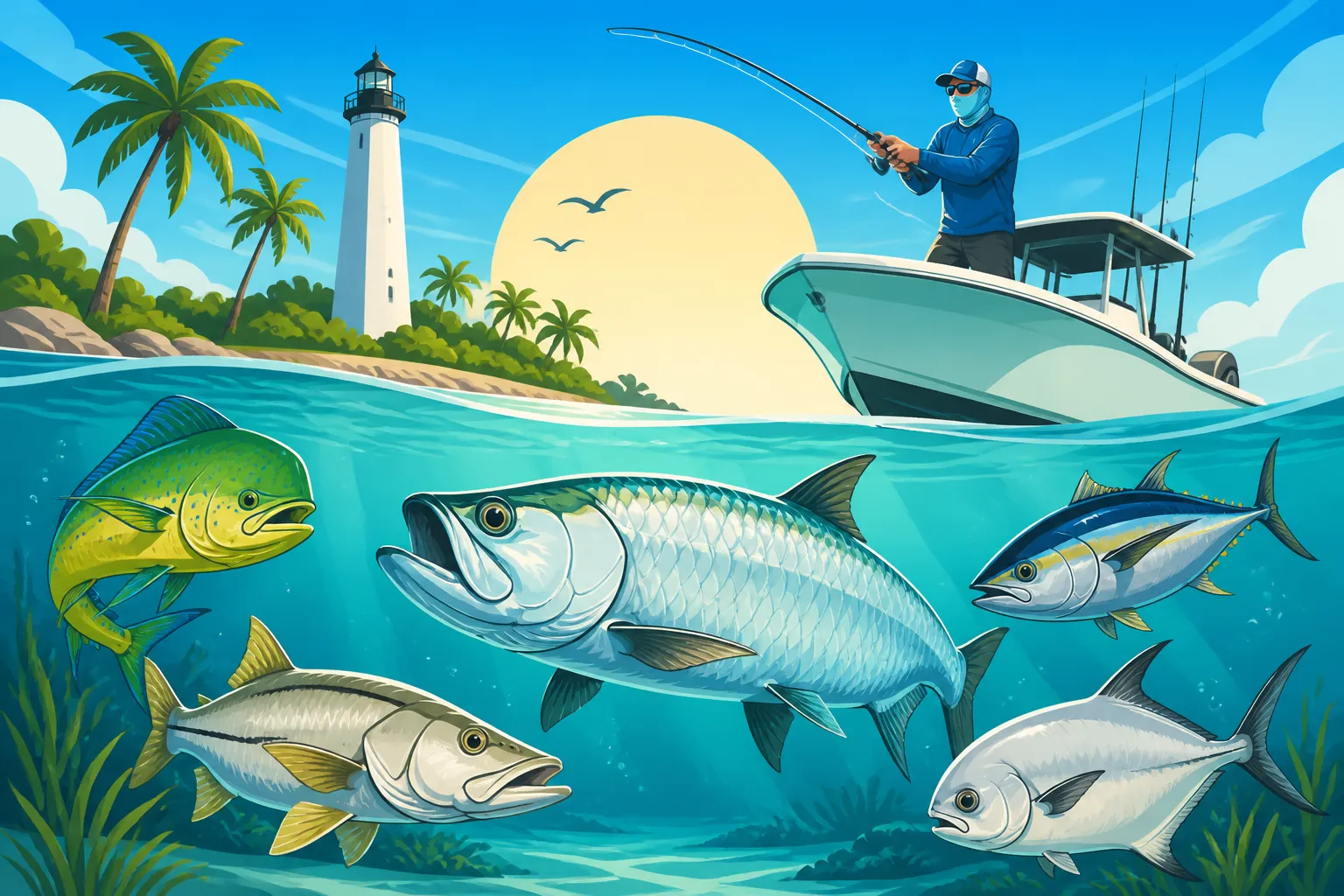
If you've ever dreamt of casting a line into turquoise waters, reeling in a trophy fish under the Florida sun, then the Florida Keys is probably already on your radar. But with so many incredible species calling these waters home, it can feel a little overwhelming trying to figure out where to even start! This guide is here to cut through the confusion and highlight the most popular and exciting fish species that anglers love to target in the magnificent Florida Keys.
The Allure of the Florida Keys Fishery
The Florida Keys isn't just a chain of islands; it's a vibrant, interconnected ecosystem that acts as a natural magnet for an astounding array of marine life. From the shallowest flats to the deepest offshore canyons, these waters offer something truly special for every type of angler. It's a place where your fishing dreams can truly come alive, but knowing what you're most likely to encounter and target effectively is key.
A Haven for Diverse Species
What makes the Florida Keys so unique for fishing? It’s a convergence point. You have the warm, clear waters of the Gulf of Mexico on one side and the deeper, nutrient-rich currents of the Atlantic Ocean on the other. This creates an incredible tapestry of habitats: vast shallow flats perfect for sight fishing, intricate mangrove estuaries teeming with baitfish, healthy coral reefs bustling with vibrant life, and the deep blue of the open ocean where pelagic giants roam. This diversity means a huge variety of fish species thrive here, from tiny baitfish to enormous game fish. It's this natural abundance that makes the Keys a world-renowned fishing destination, drawing anglers from all corners of the globe. You might start your day stalking a ghostly figure on the flats and end it battling a powerful offshore predator – that’s the magic of the Keys! If you're planning your trip, our Florida Keys Fishing Guide can help you get started.
Seasonal Shifts and Angler Expectations
While many species are present year-round, the popularity and abundance of certain fish can definitely swing with the seasons. Just like us, fish have preferences for water temperature, spawning cycles, and feeding patterns that influence where they are and how actively they bite. For example, tarpon migrate through the Keys in massive numbers during spring and early summer, creating one of the most exciting fishing spectacles anywhere. Conversely, certain snapper and grouper species might be more accessible on the reefs in cooler months. Understanding these seasonal shifts helps you set realistic expectations and plan your trip around targeting the species you're most passionate about. A local guide can offer invaluable insights into these patterns, but even a little research into Florida Fishing Seasons Explained can go a long way in maximizing your success and enjoyment.
Top Inshore Targets and How to Hook Them
When you think of Florida Keys fishing, often the first image that comes to mind is an angler standing on the bow of a flats boat, peering into crystal clear water for a cruising fish. This is the heart of inshore fishing in the Keys, and it offers some of the most thrilling and visually engaging angling experiences you can find. These are the species that make the shallow water experience so legendary.
The Elusive Bonefish: Ghost of the Flats
Ah, the bonefish! Known as the "ghost of the flats," these silver bullets are revered for their incredible speed and powerful runs, often stripping hundreds of yards of line in a blink. Targeting bonefish is a true testament to an angler's stealth and casting precision. They inhabit the super shallow, sandy or grassy flats, often with just inches of water covering their backs. The key to catching them is sight fishing: spotting them tailing (feeding with their tails out of the water) or cruising, and making a delicate, accurate cast with a small jig or a carefully presented fly. It's a game of patience and finesse, and the reward is an adrenaline rush like no other. Light tackle is the name of the game here, usually spinning gear spooled with light braid or a 7-9 weight fly rod. You can find excellent quality bonefish flies and specialized jigs on Amazon to prepare for your trip. For more specific tactics, check out our Florida Bonefish Fishing Guide.
Permit: The Finicky Fighter
If bonefish are ghosts, then permit are arguably the grand champions of finickiness. Often found in slightly deeper water on the flats, around wrecks, or near channels, permit are known for their distinctive tall, sickle-shaped dorsal fin and incredible strength. They are notoriously challenging to fool, making a successful permit catch one of the most coveted achievements in shallow-water fishing. Crabs, both live and artificial, are typically the go-to bait. Fly anglers often use crab imitations, while spin fishermen rely on live crab or Gulp! crab lures. The fight itself is explosive, characterized by powerful, deep runs that test your drag and your resolve. Many anglers dedicate entire trips to just permit, embracing the challenge. Preparing with the right leader material and strong, sharp hooks, often found in specialty tackle shops or online at Amazon, is crucial for these strong fighters. If you're curious about pursuing this challenging species, our Florida Permit Fishing Guide dives deeper into the specifics.
Snook and Redfish: Estuary Royalty
While often associated with other parts of Florida, both snook and redfish are immensely popular and readily available targets in the Keys, particularly in the mangrove-lined canals, backcountry bays, and around shallow structure. These species are not just beautiful; they’re incredible fighters and prized table fare (when in season, of course!).
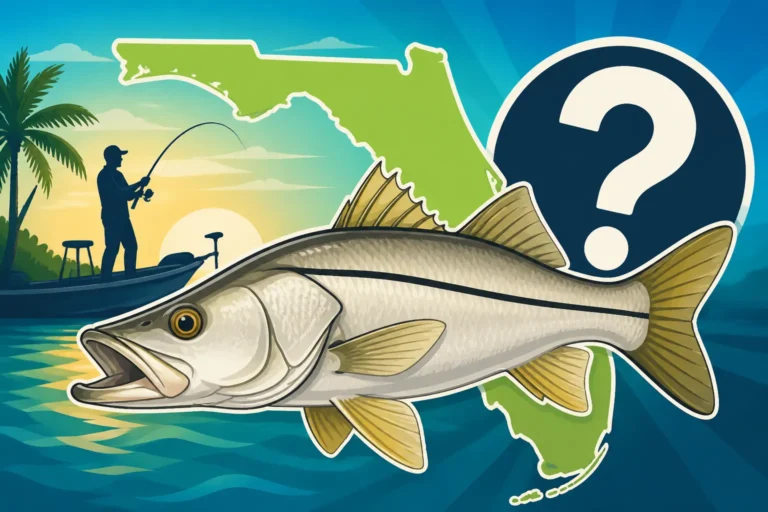
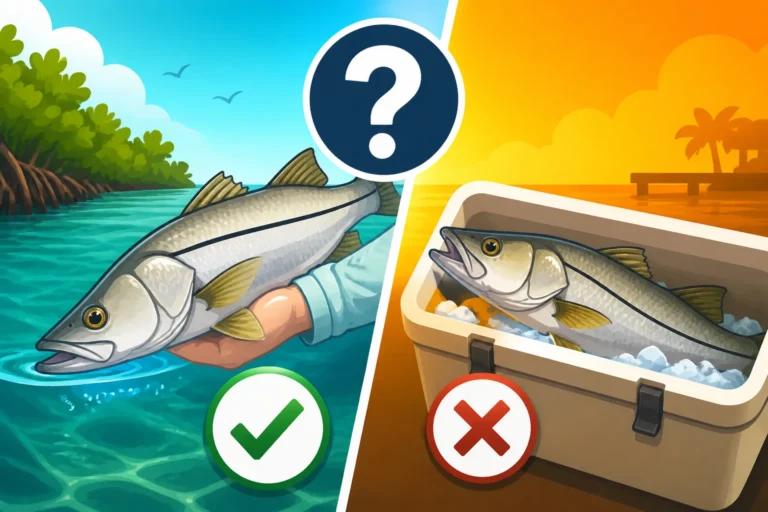
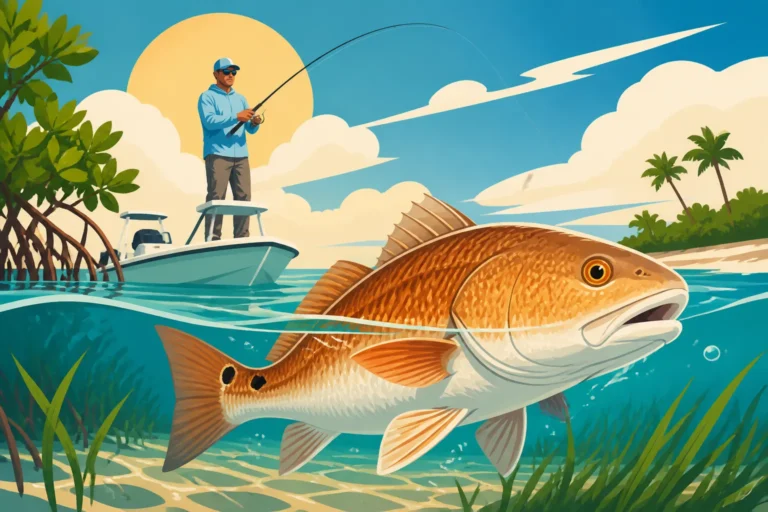
Snook are known for their distinctive black lateral line and aggressive strikes, especially on topwater lures or live bait like pilchards and mullet. They love ambush points – think shadowy mangrove roots, bridge pilings, or submerged structure. Redfish, with their iconic tail spot, are powerful bottom feeders that readily take scented soft plastics, cut bait, or shrimp. They often school up on the flats or cruise along oyster bars and grass beds. Both offer fantastic sight fishing opportunities, but they can also be found by casting into likely holding areas. A medium-heavy spinning rod or a baitcaster is ideal for these powerful fish. For detailed guidance on these amazing species, read our Florida Snook Fishing Guide and Florida Redfish Fishing Guide.
Offshore Giants and Reef Dwellers
Beyond the shallows, the deep blue waters surrounding the Keys are a world unto themselves, offering an entirely different kind of fishing adventure. Here, you'll find powerful pelagic species that roam the open ocean and a thriving community of fish that call the reefs and wrecks home.
Tarpon: The Silver King's Reign
No discussion of Florida Keys fishing would be complete without revering the mighty tarpon. Known as the "Silver King" for good reason, these magnificent fish are famous for their acrobatic leaps and tireless fights, making them one of the most sought-after game fish in the world. Tarpon primarily migrate through the Keys in huge numbers during the spring and early summer, though resident fish can be found year-round in certain areas. They frequent channels, bridges, and the deeper edges of the flats.
Targeting tarpon often involves live bait like mullet, pinfish, or crabs fished on heavy spinning gear or even specialized fly tackle. The fight can last for an hour or more, testing every fiber of your being. It's truly a bucket-list experience for many anglers, and the Keys offers some of the best tarpon fishing anywhere. Make sure your reels have plenty of fresh line; you can find high-quality braided line and fluorocarbon leader material on Amazon before your trip. Dive into our Florida Tarpon Fishing Guide for all the details on this incredible species.
Mahi-Mahi (Dolphin Fish): The Colorful Pelagic
For those who love offshore action, the mahi-mahi (often called dolphin fish, though they are not related to marine mammals) is an incredibly popular target. These vividly colored, fast-growing fish are aggressive feeders and put on an impressive aerial show when hooked. They are often found cruising offshore, particularly around sargassum weed lines, floating debris, or temperature breaks, where baitfish congregate.
Trolling with lures, ballyhoo, or skirts is a common and effective method to find mahi. Once you find a school, they often stay with the boat, allowing for multiple hook-ups. Not only are they spectacular fighters, but they are also considered excellent eating, making them a dual-threat species for anglers. Look for specialized offshore trolling lures and rigged baits, which can often be purchased from reputable online retailers like Amazon if you prefer to stock up beforehand.
Grouper and Snapper: Reef and Wreck Staples
Beneath the surface, the intricate reef systems and numerous shipwrecks of the Florida Keys are bustling with life, and among the most popular inhabitants are various species of grouper and snapper. These bottom-dwelling fish are powerful, hard-fighting, and delicious, making them perennial favorites for offshore anglers.
You'll find species like gag grouper, red grouper, black grouper, mangrove snapper, mutton snapper, and yellowtail snapper. Each has its own preferred habitat and behavior, but generally, they are caught by bottom fishing with live or cut bait, or by vertical jigging over structure. Heavy-duty tackle is a must, as these fish will try to dive back into the coral or wreck as soon as they feel the hook, risking a "reef out" and a lost fish. A good quality conventional reel spooled with strong braided line and a heavy fluorocarbon leader is typically used. Learning the bag limits and seasons for each species is vital for responsible fishing; our Florida Grouper Fishing Guide has more information.
Here's a quick look at some key characteristics of popular Keys fish:
| Species | Primary Habitat | Common Bait/Lures | Key Challenge/Appeal | Average Size (Keys) |
|---|---|---|---|---|
| Bonefish | Shallow, sandy flats, grass beds | Small jigs, crab flies | Incredible speed, stealth required, sight fishing fun | 2-8 lbs |
| Permit | Flats, wrecks, channels | Live crab, crab flies, jigs | Extremely finicky, powerful fighter | 5-30 lbs |
| Snook | Mangroves, bridges, docks, estuaries | Live bait, topwater lures | Explosive strikes, strong fight, acrobatic | 5-20 lbs |
| Redfish | Flats, grass beds, oyster bars | Soft plastics, cut bait, shrimp | Strong pull, tailing action, readily caught | 5-20 lbs |
| Tarpon | Channels, bridges, deep flats | Live bait, large flies, plugs | World-class fight, acrobatic jumps, sheer size | 40-150 lbs |
| Mahi-Mahi | Offshore weed lines, open water | Trolling lures, ballyhoo | Colorful, aggressive, great eating, often multiple hook-ups | 5-30 lbs |
| Grouper | Reefs, wrecks, rocky bottom | Live bait, cut bait, jigs | Powerful bottom fights, excellent table fare | 10-50+ lbs |
| Snapper | Reefs, wrecks, structures | Cut bait, live shrimp, jigs | Consistent bite, great eating, various species | 1-20 lbs |
Planning Your Keys Fishing Adventure
So, you're ready to head down to the Keys and chase some of these incredible fish? Fantastic! A little preparation can go a long way in ensuring a memorable and successful trip. From making sure you have the right gear to understanding the local rules, being prepared means more time fishing and less time worrying.
Essential Gear and Preparations
The type of gear you need will largely depend on what species you plan to target. For flats fishing, light to medium spinning rods (7-8 foot, 10-20 lb braid) and matching reels are standard. For tarpon, you'll want something a bit heavier (20-40 lb braid). Offshore fishing for mahi, grouper, and snapper often requires heavier conventional or spinning gear (30-80 lb line). Don't forget a good selection of terminal tackle: hooks, weights, swivels, and plenty of fluorocarbon leader material in various strengths. Polarized sunglasses are absolutely non-negotiable for sight fishing on the flats – they make all the difference in spotting fish.
Beyond the fishing equipment, consider sun protection: wide-brimmed hats, long-sleeved UPF shirts (you can find fantastic options on Amazon), and plenty of sunscreen. A good cooler for drinks and keeping your catch fresh is also essential. If you plan on chartering a boat, most guides provide all the necessary fishing gear, but it's always wise to ask what's included and if there's anything specific they recommend you bring. You can learn more about what to expect with our What to Bring on a Florida Fishing Charter guide.
When and Where to Go
The Florida Keys stretches for over a hundred miles, offering countless fishing opportunities. The "best" time and place really depend on what you want to catch. Key West is famous for its offshore fishing and proximity to deep water, while Islamorada is often dubbed the "Sportfishing Capital of the World" for its incredible flats and backcountry opportunities. Marathon sits right in the middle, offering a blend of both.
Spring (March-May) is often considered prime time, especially for tarpon and migrating pelagics like mahi. Summer can be excellent for offshore species and permit, but bring plenty of water to combat the heat. Fall sees many species become active again as water temperatures cool, and winter can offer fantastic opportunities for bonefish and cooler-water reef species. Don't be afraid to consult local bait shops or fishing reports for the most current conditions and hot spots. Our Best Time of Year to Fish in Florida article provides a general overview, but local knowledge is golden.
Regulations and Conservation
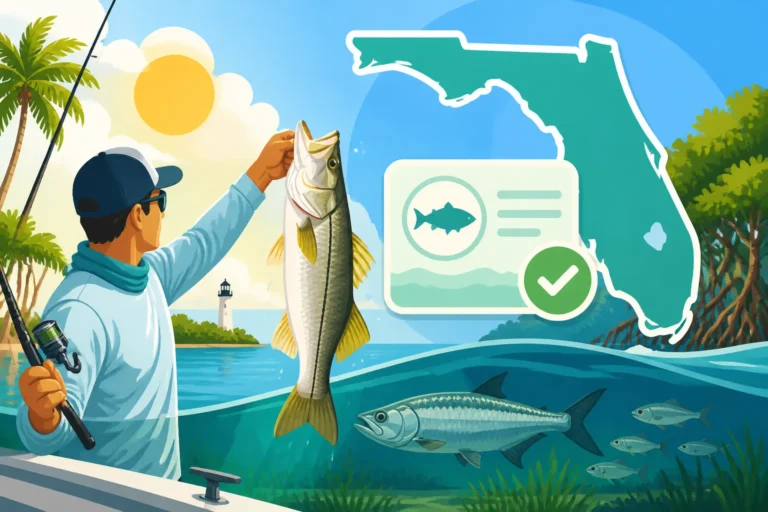
Before you even wet a line, it is absolutely crucial to understand the current fishing regulations in Florida, especially for the Keys. This includes possessing a valid Florida Fishing License Guide for both saltwater and potentially freshwater if you venture into certain areas. Beyond licenses, you must adhere to species-specific rules regarding minimum and maximum size limits (slot limits), bag limits (how many fish you can keep), and open/closed seasons. Some species, like tarpon, are catch-and-release only with very specific exceptions.
These regulations are in place to protect Florida's precious marine resources and ensure sustainable fishing for future generations. Ignorance of the law is no excuse, and penalties for violations can be steep. Always carry a measuring device and be ready to release fish that don't meet the requirements quickly and carefully. Check the latest rules from the Florida Fish and Wildlife Conservation Commission (FWC) before each trip, as they can change. Understanding Florida Fishing Regulations and Bag Limits is a responsibility every angler shares.
Disclaimer
This article is for general informational purposes only and does not constitute professional advice. Laws, prices and regulations vary by location and change over time. Consult a qualified professional for guidance on your specific situation.