Most Commonly Caught Fish in Florida
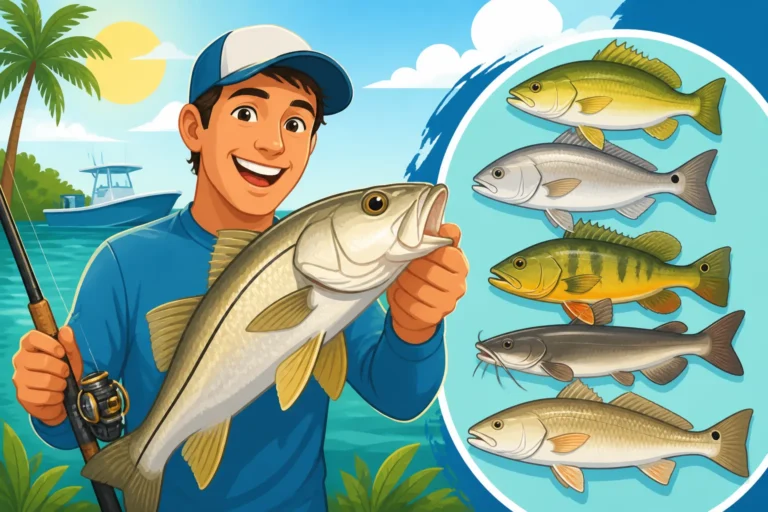
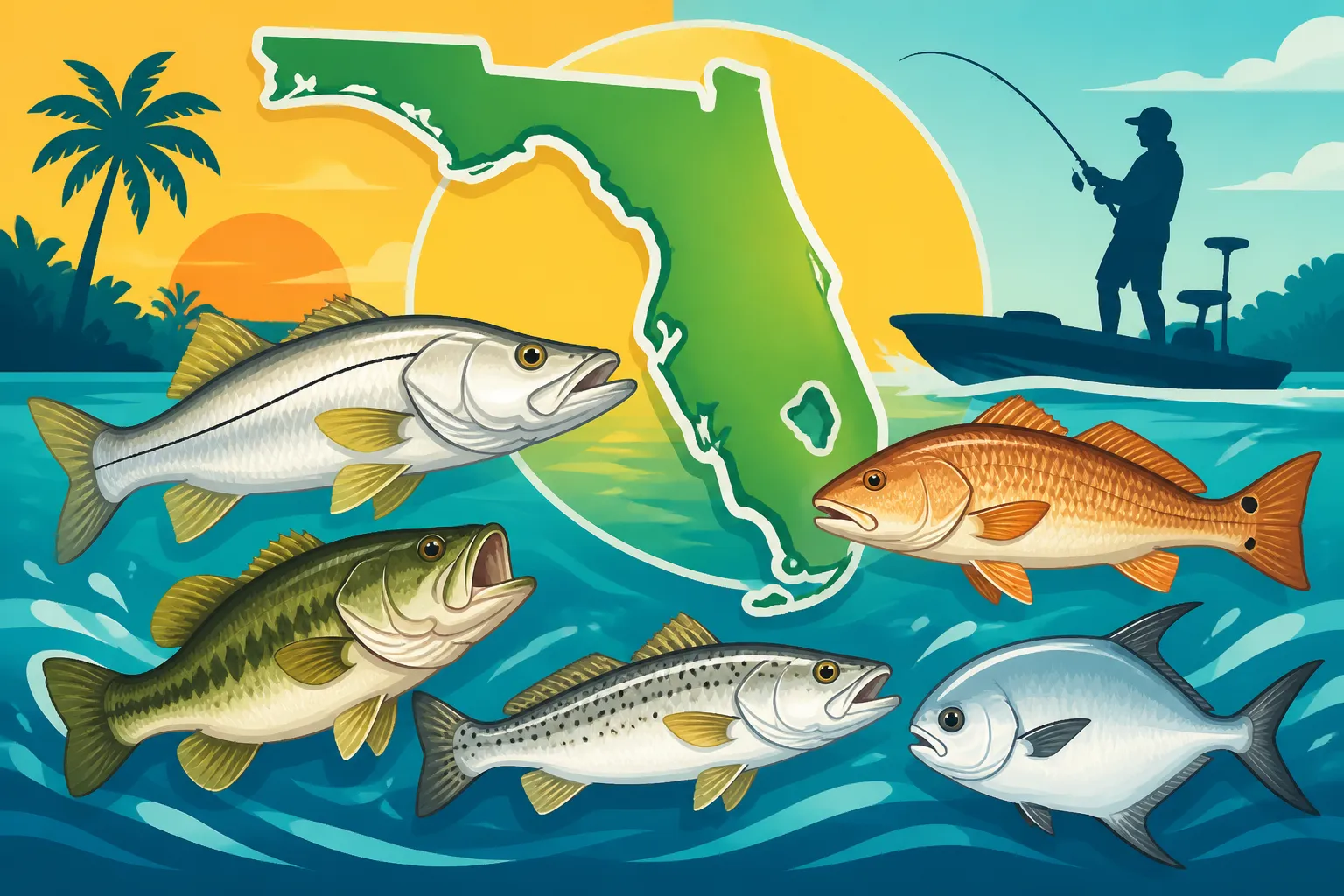
Stepping into the vast and varied world of Florida fishing can feel like trying to drink from a firehose. With two massive coastlines, countless freshwater lakes and rivers, and an incredible array of fish, it's easy to wonder: "What fish am I actually likely to catch here?" This guide will cut through the overwhelm and highlight the most commonly encountered species across the Sunshine State, preparing you for successful and enjoyable trips.
The Ubiquitous Saltwater Stars
Florida's coastal waters are teeming with life, and certain species consistently appear on anglers' lines, whether you're casting from a pier, wading the flats, or venturing offshore. Knowing these common catches helps you plan your tackle and techniques.
Spotted Seatrout: The Inshore Staple
Ah, the spotted seatrout – often affectionately called "specs" or "gator trout" when they get big. These guys are practically synonymous with Florida inshore fishing. If you're out on the grass flats, fishing around oyster bars, or cruising through a mangrove estuary, chances are you'll be running into these sleek, speckled predators. They're a fantastic target for beginners and seasoned anglers alike because they're typically quite cooperative.
They love live shrimp, baitfish like pilchards or pinfish, and a variety of artificials. Many anglers swear by a simple jig head with a soft plastic tail, often retrieved with a slow, twitching motion. For those who enjoy a more active approach, a popping cork with a live shrimp underneath is a deadly combination, creating that enticing "pop" that mimics a feeding fish and calls them in. You can cast net for your own bait, or pick up a bucket of live shrimp from local tackle shops. The beauty of seatrout is their widespread presence and willingness to bite, making them a cornerstone of any Florida inshore fishing trip. They're also quite delicious, though remember to always check current bag and slot limits! You'll find them in nearly every coastal region, from the Panhandle down to the Keys. If you're just getting started, don't overthink it; a basic rod and reel setup with light to medium tackle will do the trick. You can even find Best Rod and Reel Setup for Florida Inshore Fishing to get an idea of what works well.
Redfish: The Hard-Fighting Reds of the Flats
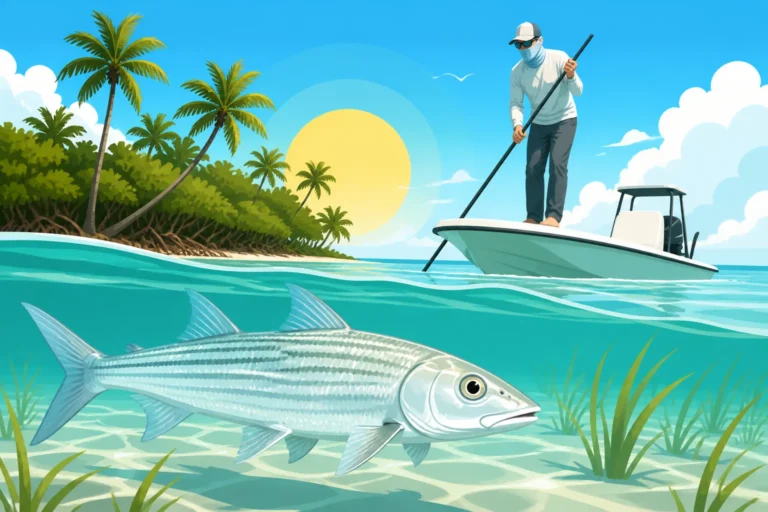
The redfish, or red drum, is another icon of Florida's inshore scene, famous for its aggressive strikes and powerful fights. That distinctive black spot (or spots!) on its tail makes it easily identifiable and a prized catch. While they share similar habitats with spotted seatrout – grass flats, oyster beds, and mangrove shorelines – redfish tend to hang around structure more, like dock pilings, fallen trees, and creek mouths. They're also known for tailing in super shallow water, their tails breaking the surface as they root for crabs and shrimp in the mud.
Targeting redfish often involves patience and a good understanding of tides. They'll readily hit live or cut bait like mullet, pinfish, or shrimp. For artificials, weedless spoons, soft plastic jerkbaits, and topwater plugs can be incredibly effective, especially during low light conditions or when they're actively feeding on the surface. Casting accurately is key, as these fish can be spooky in shallow water. Many anglers enjoy sight fishing for reds on clear flats, where you spot the fish first and then make a precise cast. The thrill of watching a redfish chase down your lure or inhale a bait is something truly special. Remember that these fish are highly regulated, and strict Florida Redfish Fishing Guide and bag limits are in place to protect their populations, so always fish responsibly.
Snook: The Elusive Lunker of the Backcountry
If there's one fish that sends shivers of excitement down a Florida angler's spine, it's the snook. Known for their explosive strikes, acrobatic jumps, and strong runs, snook are a true challenge and a serious reward. They're also known as "linesiders" for the prominent black lateral line running down their golden bodies. Snook are predominantly found in warmer waters, favoring mangrove estuaries, inlets, passes, and around docks and bridges. They're incredibly sensitive to cold, which is why their populations thrive further south.
Snook are ambush predators, often hiding in structure waiting for an unsuspecting meal to swim by. Live bait like pilchards, mullet, or shrimp are irresistible to them. For artificials, soft plastic paddle tails, suspending twitchbaits, and topwater lures can produce spectacular bites, especially at dawn, dusk, or under dock lights at night. Fishing for snook often means fishing tight to cover, where they love to hide, so accurate casting is essential. You'll need stout tackle to pull them away from structure before they break you off. Be mindful of their seasonal closures; Florida Snook Fishing Guide explains when you can and can't harvest them, as they're a highly valued sport fish that requires careful management. The fight they put up is legendary, making every snook catch a memorable experience.
Freshwater Favorites and Lake Legends
While the saltwater coast gets a lot of the attention, Florida's freshwater fishing scene is equally incredible, offering diverse experiences from trophy bass lakes to tranquil canals.
Largemouth Bass: The Undisputed King of Freshwater
When you think of freshwater fishing in Florida, the largemouth bass immediately comes to mind. Florida is world-renowned for its trophy bass fishing, particularly on lakes like Okeechobee, Toho, and Kissimmee. These waters hold giant bass that draw anglers from all over the globe hoping to land that fish of a lifetime. Florida bass are generally bigger and heavier than their northern counterparts, thanks to the warm climate and abundant forage.
Targeting largemouth bass involves a huge variety of techniques and baits. Plastic worms, spinnerbaits, crankbaits, jigs, and topwater frogs are just a few of the artificial lures that can entice a bite. Live shiners are also a very popular and often effective bait for catching bigger bass, especially if you're targeting that lunker. Look for them around submerged vegetation, lily pads, hydrilla mats, timber, and deeper ledges. Early mornings and late evenings are often the most productive times, especially during the warmer months, when bass feed aggressively. Understanding the different patterns and techniques can be a lifelong pursuit, but for starters, simply casting a plastic worm around lily pads can yield exciting results. Check out Florida Largemouth Bass Fishing Guide for more in-depth strategies. Many anglers find great deals on specialized bass lures and tackle on Amazon, rounding out their tackle box.
Panfish: Bluegill, Crappie, and Shellcracker
Beyond the bass, Florida's freshwater systems are brimming with panfish, offering fantastic opportunities for anglers of all ages and skill levels. These smaller, but incredibly fun-to-catch species, provide consistent action and are often excellent table fare.
- Bluegill: These feisty little fish are found in virtually every pond, lake, and slow-moving river in Florida. They're aggressive eaters and perfect for introducing kids to fishing. A simple cane pole, a hook, a bobber, and a worm or crickets are all you need to have a blast catching bluegill.
- Crappie (Speckled Perch): Known as "specks" in Florida, crappie are highly sought after for their delicate white meat. They tend to school up, especially around submerged structures like brush piles or docks in deeper areas of lakes and rivers. Small jigs (often tipped with a minnow) or live minnows are their preferred snacks. Finding a school of crappie can lead to non-stop action, making them a winter favorite for many.
- Shellcracker (Redear Sunfish): These sunfish get their name from their habit of eating snails and other mollusks, which they crush with specialized plates in their throats. They often inhabit similar areas to bluegill but might prefer slightly deeper water or harder bottoms. Worms, particularly red wigglers, are the go-to bait for shellcrackers.
These panfish are not only abundant but also teach valuable fishing skills like bait presentation and reading the water. Plus, a fresh meal of pan-fried bluegill or crappie is a true Florida delicacy.
Other Common Catches and Seasonal Surprises
Florida's diverse ecosystems mean you're likely to encounter many other species throughout the year, some of which are incredibly common depending on your location and the season.
Catfish: The Bottom Dwellers
Whether you're fishing freshwater or certain brackish areas, catfish are a constant presence. Florida hosts several species, including channel catfish, blue catfish, and flathead catfish in freshwater, along with hardhead and gafftopsail catfish in saltwater and brackish zones. They're opportunistic feeders, known for their strong pull, and are often caught incidentally while targeting other species, though many anglers specifically seek them out.
Catfish are bottom feeders, relying on their barbels (whiskers) to detect food. They'll eat just about anything, from cut bait (mullet, shad) to worms, stink baits, and even hot dogs. You'll find them in deeper holes, around submerged logs, or anywhere there's a good food source. A simple bottom rig with a weight and a hook is usually all you need. While hardhead catfish are often considered a nuisance in saltwater, the freshwater varieties like channel cats are highly regarded for their flavor and size. They offer a reliable catch, especially during slower periods for other species, making them a great target for a relaxed day of fishing.
Ladyfish and Jack Crevalle: The Pound-for-Pound Fighters
If you've spent any time casting lures in Florida's inshore or nearshore saltwater, you've almost certainly encountered ladyfish or jack crevalle. These two species are often referred to as "trash fish" by some, but any angler who appreciates a hard fight knows they deserve more respect.
- Ladyfish: Often called "poor man's tarpon" due to their acrobatic jumps and similar appearance, ladyfish are slender, silvery, and lightning-fast. They will absolutely inhale a small baitfish imitation or a live shrimp and put on an impressive aerial show. While not typically eaten (they're very bony), they make excellent cut bait for larger predatory fish like snook or tarpon. They are abundant and can provide non-stop action, making them perfect for testing your gear and honing your casting skills.
- Jack Crevalle: These powerful, thick-bodied fish are pound-for-pound some of the hardest fighters you'll encounter inshore. When a school of jacks starts busting bait on the surface, it's pure chaos and excitement. They'll hit anything that moves, from topwater plugs to spoons and soft plastics. Once hooked, they pull like a freight train and rarely give up, making for an exhausting but exhilarating battle. Like ladyfish, they're not highly regarded for eating but are fantastic sport fish that are found in huge numbers throughout the state's coastal and brackish waters.
Both species are aggressive and widely distributed, offering consistent action for anglers, especially when other target species are being finicky. They are frequently caught when fishing for Florida Spotted Seatrout Fishing Guide or Florida Redfish Fishing Guide, adding an exciting, unexpected battle to your day.
Preparing for Your Common Florida Catches
Knowing what you're likely to catch is only half the battle; having the right approach and gear makes all the difference. Florida fishing requires a specific mindset and some fundamental equipment.
Licensing and Regulations: Don't Get Caught Off Guard
Before you even think about casting a line, the first thing you absolutely must do in Florida is get your fishing license. It's a fundamental requirement for most recreational fishing activities, whether you're a resident or just visiting. There are different licenses for freshwater and saltwater, and sometimes combination licenses. For instance, if you're planning to fish both in Lake Okeechobee for bass and then head to Tampa Bay for redfish, you'll need both freshwater and saltwater privileges.
The rules can feel a bit complex, especially with exemptions for kids, seniors, and certain shoreline activities. It's crucial to understand Florida Fishing License Guide and always verify the latest regulations, including bag limits, size restrictions, and open seasons for the species you intend to target. Penalties for fishing without a license or violating regulations can be steep, so it's not something to take lightly. Luckily, buying a license is easy. You can often purchase one online through the state's wildlife commission website, at local tackle shops, or even certain large retailers like Walmart or Bass Pro Shops. Knowing How to Buy a Fishing License Online is a great time-saver.
Essential Gear for Florida Fishing
While you don't need to break the bank to start fishing in Florida, having the right basic gear will significantly improve your experience and success. A good medium-action spinning rod and reel combo, spooled with 10-20 lb braided line and a fluorocarbon leader, is a versatile setup for many common inshore and freshwater species. For those just getting into it, a basic combo from a brand like Shimano or Penn, readily available on Amazon or at local sporting goods stores, is a perfect starting point.
Here's a quick rundown of what you'll want in your tackle box:
- Hooks: A variety of sizes, from small Aberdeen hooks for panfish to larger circle hooks for redfish or snook.
- Weights: Split shots, egg sinkers, and slip sinkers to get your bait down.
- Bobbers/Floats: Essential for fishing live bait at a specific depth.
- Lures: A selection of soft plastic paddletails (chartreuse, white, natural colors), a few weedless spoons, and perhaps a topwater plug or two. For freshwater, some plastic worms and a spinnerbait are a must. You can find many popular and effective lure brands on Amazon.
- Line & Leader: Always carry extra line and leader material. Fluorocarbon leader is almost a necessity in Florida's clear waters.
- Pliers/Forceps: For hook removal and cutting line.
- Net or Lip Gripper: To safely land and handle fish.
- Cooler with Ice: For keeping your catch fresh, and for your drinks and snacks!
- Sun Protection: Sunscreen, a wide-brimmed hat, and polarized sunglasses are not optional in the Florida sun.
Remember that bait choices can make a huge difference. Live shrimp and live baitfish (like pilchards or mullet) are often king for saltwater, while worms, crickets, and live shiners shine in freshwater. Researching Best Live Bait for Florida Inshore Fishing or Best Lures for Florida Bass Fishing can give you an edge.
Understanding Florida's Fishing Seasons
Florida doesn't have the dramatic four seasons of colder climates, but its fishing opportunities definitely shift throughout the year. Knowing these general patterns can help you target the most active species. Winter can bring cold fronts, pushing many inshore saltwater species into deeper holes or canals, while also being prime time for crappie in freshwater. Spring is often a fantastic time as water temperatures rise, igniting feeding frenzies for many species. Summer means hot weather and often earlier starts to beat the heat, with offshore fishing becoming popular. Fall can be incredible, with bait migrations fueling aggressive feeding by predatory fish. Understanding Best Time of Year to Fish in Florida will give you a significant advantage.
No matter the time of year, fishing conditions like tides, moon phases, and weather patterns play a huge role. Learning to "read the water" and observing nature around you will make you a more successful angler.
Table: Common Florida Fish Species at a Glance
Here's a quick look at some of the most commonly caught fish in Florida, both freshwater and saltwater, and what generally makes them popular targets.
| Species | Habitat (General) | Typical Bait/Lure Favorites | Popularity Reason |
|---|---|---|---|
| Spotted Seatrout | Saltwater, Inshore Grass Flats | Live Shrimp, Soft Plastics, Popping Corks | Abundant, readily bites, good eating |
| Redfish | Saltwater, Inshore Flats/Mangroves | Live/Cut Bait, Spoons, Soft Plastics, Topwaters | Hard fighter, striking appearance, strong populations |
| Snook | Saltwater, Inlets/Estuaries | Live Bait (Pilchards), Suspending Twitchbaits, Topwaters | Explosive fight, acrobatic jumps, highly sought-after |
| Largemouth Bass | Freshwater, Lakes/Rivers | Plastic Worms, Spinnerbaits, Live Shiners, Crankbaits | Trophy potential, widespread, aggressive strikes |
| Bluegill | Freshwater, Ponds/Lakes | Worms, Crickets, Small Jigs | Easy to catch, great for kids, consistent action |
| Crappie | Freshwater, Lakes/Rivers | Live Minnows, Small Jigs | Excellent eating, schools up, fun to catch |
| Catfish | Freshwater/Brackish, Bottom | Cut Bait, Worms, Stink Bait | Abundant, strong fighters, good eating (freshwater) |
| Ladyfish | Saltwater, Inshore | Small Lures, Live Shrimp, Cut Bait | Super acrobatic, constant action, good baitfish |
| Jack Crevalle | Saltwater, Inshore/Nearshore | Topwater Plugs, Spoons, Live Bait, Any Fast Lure | Extremely hard fighters, aggressive, schooling |
Florida truly is an angler's paradise, offering an incredible variety of fishing experiences. By understanding the most commonly caught species and preparing accordingly, you'll be well on your way to making lasting memories on the water.
Disclaimer
This article is for general informational purposes only and does not constitute professional advice. Laws, prices and regulations vary by location and change over time. Consult a qualified professional for guidance on your specific situation.