Florida Combination Freshwater and Saltwater License Cost
Thinking about hitting both the freshwater lakes for some trophy bass and then heading out to the coast for redfish or snook? It can get pretty confusing trying to figure out which fishing license you actually need in Florida. Many anglers wonder if there’s a way to cover all their bases with one easy purchase, and the combination freshwater and saltwater license seems like the perfect solution. But what’s the actual Florida combination freshwater and saltwater license cost, and is it really the best deal for you? This comprehensive guide is here to break down all the prices, considerations, and hidden details so you can fish with peace of mind.
Understanding the Florida Combination Fishing License
Florida is a paradise for anglers, offering an incredible diversity of fishing experiences from the vast, shimmering freshwater lakes to the endless stretches of salty coastline. For those of us who love to chase both largemouth bass in the morning and snook in the afternoon, the thought of managing separate licenses for each water type can be a bit of a headache. That's where the combination fishing license comes in, offering a streamlined approach to enjoying all of Florida's aquatic bounty.
What Exactly Is a Combination License?
At its core, a Florida combination freshwater and saltwater fishing license is exactly what it sounds like: a single license that grants you the legal right to fish in both freshwater and saltwater environments across the state. Instead of purchasing a standalone Florida Freshwater Fishing License Rules and then turning around to buy a separate Florida Saltwater Fishing License Rules, the combo license bundles these two essential permissions into one convenient package. This means if you decide to try your luck at Lake Okeechobee one weekend and then head to Tampa Bay the next, you're covered without needing multiple pieces of paper or digital permits.
This option is particularly appealing to anglers who don't want to be limited to just one type of fishing. Maybe you're visiting Florida for an extended period and want to experience everything, or perhaps you're a resident whose fishing interests span rivers, ponds, and the open ocean. The combination license simplifies the process, ensuring you’re compliant no matter where your fishing adventures take you, as long as you adhere to all other regulations like bag and size limits for specific species.
Why Consider a Combination License?
The primary allure of a combination license lies in its convenience and potential cost savings. Imagine you’re planning a multi-day trip that involves a guided bass fishing excursion on the St. Johns River and a DIY pier fishing session on the Gulf Coast. If you had to buy two separate annual licenses, the cost would add up. The combo license often offers a slight reduction compared to buying the two annual licenses individually, making it a smart financial choice for avid anglers. Beyond the wallet, there's the sheer simplicity of having just one license to keep track of. Losing track of a single license is common enough; trying to juggle two different ones can be a real hassle.
Moreover, the flexibility it provides is invaluable. Sometimes, fishing plans change on a whim. A friend might invite you on an unexpected offshore trip, or you might spot a promising canal near a freshwater lake you're exploring. With a combination license, you can pivot your fishing strategy without worrying if you have the proper credentials. It removes the barrier of having to pause your plans, find a vendor, and purchase an additional license on the fly. For tourists, especially, who want to maximize their time enjoying the Sunshine State's diverse fisheries, this flexibility is a huge bonus. However, it's crucial to remember that this general license covers most recreational fishing but doesn't include specialized permits for certain species or activities, which we'll delve into later.
Breakdown of Combination License Costs for Florida Residents
For those lucky enough to call Florida home, obtaining a fishing license is generally more affordable, and the combination option still presents good value. The Florida Fish and Wildlife Conservation Commission (FWC) offers various durations for resident licenses, each with its own cost structure, designed to cater to different fishing habits.
Annual Resident Combination License
The most common choice for Florida residents who fish regularly throughout the year is the annual combination freshwater and saltwater license. This license provides 12 months of coverage from the date of purchase, allowing you to fish in both types of waters without interruption.
Currently, the cost for a Florida Resident Annual Combination Freshwater and Saltwater Fishing License is typically around $32.50. This price is subject to minor changes due to processing fees, but it's a solid benchmark. To put this in perspective, buying a separate annual freshwater license (Florida Freshwater Fishing License Cost for Residents) and a separate annual saltwater license (Florida Saltwater Fishing License Cost for Residents) would usually cost more when purchased individually. The combination license often saves you a few dollars, making it a preferred choice for the dedicated resident angler. It's important to have proof of residency readily available when purchasing, such as a Florida driver's license or state identification card. Understanding the Florida Resident Fishing License Rules is key here, as residency is strictly defined.
5-Year Resident Combination License
For those committed to fishing Florida's waters for the long haul, the 5-year resident combination license offers an excellent blend of convenience and long-term savings. Instead of renewing your license every single year, you pay a single fee that covers you for five consecutive years.
The cost for a 5-year Resident Combination Freshwater and Saltwater Fishing License is approximately $159.00. While this is a larger upfront investment, it translates to significant savings over time compared to buying five individual annual combination licenses. If you plan to fish in Florida consistently for the next half-decade, this option is a no-brainer. It effectively locks in your fishing rights, protecting you from potential future price increases and saving you the hassle of annual renewals. Many anglers find the convenience of not having to think about their license for five years incredibly appealing. For more specific details, you can look into the Florida 5-Year Resident Fishing License Cost.
Lifetime Resident Combination License
For the truly passionate and lifelong angler, Florida offers a Lifetime Resident Combination Freshwater and Saltwater Fishing License. This is the ultimate investment, providing fishing privileges for the entirety of your life, regardless of how long you reside in Florida. It's a commitment, but one that pays dividends over decades.
The cost for a Lifetime Resident Combination Freshwater and Saltwater Fishing License varies significantly based on the age of the applicant at the time of purchase. For instance:
| Age at Purchase | Estimated Lifetime Combo License Cost |
|---|---|
| 0-4 years old | ~$401.50 |
| 5-12 years old | ~$701.50 |
| 13 years old and older | ~$1,001.50 |
(Note: These are approximate costs and can include application fees. Always verify current prices with the FWC.)
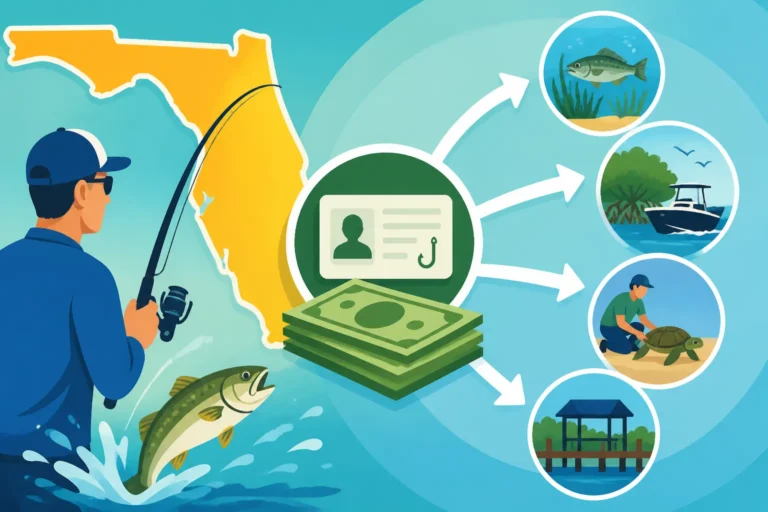
While the upfront cost is substantial, especially for adults, the long-term value is undeniable. Imagine never having to worry about license renewals again, or about the Florida Fishing License Renewal and Expiration process. The lifetime license is an incredible gift for a young angler, ensuring they can enjoy Florida's fisheries forever. It also serves as a direct contribution to conservation efforts, as funds from these licenses often support wildlife and fisheries management in Florida, as detailed in How Florida Fishing License Fees Fund Conservation. This option is perfect for someone who envisions a lifetime of fishing enjoyment in the Sunshine State.
Breakdown of Combination License Costs for Non-Residents
Visiting Florida to fish is a dream for many, but navigating the license requirements and costs as a non-resident can be a bit different. While residents have the advantage of multiple-year and lifetime options, non-residents typically face higher fees and fewer long-term choices.
Annual Non-Resident Combination License
If you're an out-of-state visitor planning an extended stay or multiple trips to Florida within a year, the annual non-resident combination freshwater and saltwater license might be your best bet. It provides coverage for 12 months from the date of purchase, allowing you the same flexibility as a resident combination license to fish in both freshwater and saltwater environments.
However, the cost is notably higher. The estimated cost for a Florida Non-Resident Annual Combination Freshwater and Saltwater Fishing License is around $99.00. This reflects the state's policy of offering more affordable licenses to residents who contribute to the state's tax base and economy year-round. While it's a higher price tag than what residents pay, it's still a convenient option for snowbirds or frequent visitors who plan to fish extensively across Florida's diverse habitats. It ensures you’re legal whether you're chasing bass in the central lakes or redfish on the coast. For a detailed breakdown of specific non-resident costs, you can refer to the Florida Nonresident Annual Fishing License Cost.
The Lack of Short-Term Non-Resident Combination Options
Here's where it gets a little tricky and can be a source of frustration for many non-resident anglers: Florida does not offer short-term combination licenses for non-residents. This means you cannot purchase a 3-day or 7-day license that covers both freshwater and saltwater simultaneously. This is a common query, and it's important to clarify.
If you are a non-resident and only plan to fish for a few days, you would need to purchase separate short-term licenses for freshwater and saltwater if you intend to fish both environments. For example, a 3-day non-resident freshwater license might cost around $17, and a 3-day non-resident saltwater license might also cost around $17. This adds up to $34 for three days of dual-water fishing, which is less than the annual combo for non-residents, but more inconvenient. Many visitors find this policy surprising, especially when compared to other states.
This policy often forces non-residents to make a choice: either commit to the annual combination license for $99 if they anticipate enough fishing days to make it worthwhile, or purchase individual short-term freshwater and saltwater licenses as needed. This can be a hassle, especially if your plans aren't set in stone. You can learn more about specific non-resident options in Florida Nonresident Fishing License Rules. While you can't get a short-term combo on places like the FWC's GoOutdoorsFlorida website, you can still easily buy individual short-term licenses online. If you're planning a trip, consider what kind of fishing you'll mostly be doing before you commit to an annual license, or prepare to purchase two separate short-term licenses.
Additional Costs and Permits to Consider
Even with a combination freshwater and saltwater fishing license, there are still a few other factors that can impact your overall fishing budget in Florida. The state's regulations are comprehensive, and certain activities or target species require specific endorsements beyond the basic license.
Federal Waters vs. State Waters
A common misconception among anglers is that a state fishing license covers all waters. While your Florida combination license covers you for recreational fishing in state waters, extending out to 9 nautical miles on the Gulf coast and 3 nautical miles on the Atlantic coast, the rules change once you venture into federal waters.
For certain federally managed species, particularly those targeted in deeper offshore areas, you might need additional federal permits or participate in specific seasons. For example, recreational harvest of species like red snapper and some grouper in federal waters often falls under strict federal regulations with specific seasons and sometimes requires a State Reef Fish Angler designation, which is automatically included with a Florida recreational saltwater fishing license. However, anglers need to stay informed about federal bag and size limits, which can sometimes differ from state limits. It's crucial to understand these distinctions, as violations in federal waters can carry significant penalties. Always check the latest regulations from the National Oceanic and Atmospheric Administration (NOAA) Fisheries in conjunction with FWC rules. Detailed information on this can be found in State Waters vs Federal Waters Fishing Rules in Florida.
Special Permits (Snook, Lobster, etc.)
Your combination license is fantastic for general fishing, but it doesn't give you a free pass for everything. Florida has several popular species that require a special permit or endorsement in addition to your base fishing license. These permits are typically low in cost but are absolutely mandatory if you plan to target and keep these specific fish or invertebrates.
- Snook Permit: If you're hoping to land one of Florida's most iconic game fish, the snook, you'll need to purchase a Snook Permit. This typically costs around $10.00. Without it, you can fish for snook, but you must release them immediately, even if they are within the legal slot limit and season. Make sure to check Florida Snook Permit Requirements before you head out.
- Lobster Permit: For those interested in harvesting spiny lobster, particularly during the recreational lobster mini-season, a Lobster Permit is required. This permit also costs around $5.00. It's an absolute must for anyone planning to go bug hunting. You can find more details in Florida Lobster Permit Requirements.
- Tarpon Tag: While a tarpon is primarily a catch-and-release species, if you intend to keep a tarpon (which is extremely rare and only allowed under very specific circumstances, such as trying for a state record), you would need to purchase a Tarpon Tag. These are significantly more expensive, around $50.00, and are not for general recreational harvest.
These special permits are vital for conservation and managing specific popular species. Always double-check current regulations and permit requirements before your trip. The FWC website is the official source for this up-to-date information.
Online vs. In-Person Fees and Vendor Convenience
Purchasing your Florida fishing license is usually a straightforward process, but where and how you buy it can sometimes affect the final cost due to minor fees.
- Online: The most convenient way to buy your license is often through the FWC's official GoOutdoorsFlorida website. You can purchase your license anytime, anywhere, and print it out or keep a digital copy on your phone (which is legally valid in Florida). While the base license cost remains the same, there's usually a small convenience fee (often around $2.25 to $2.50) added to online transactions. This fee covers the cost of processing and maintaining the online system. So, an annual resident combo license might come out to approximately $34.75 when purchased online. You can learn all about How to Buy a Fishing License Online.
- In-Person: Many retailers across Florida, such as Walmart, Bass Pro Shops, tackle shops, and county tax collector offices, sell fishing licenses. When you buy in person, you might also encounter a small vendor fee in addition to the base license cost. This fee compensates the vendor for processing the sale. For instance, a Florida fishing license at Walmart or a local bait shop might have a similar small service charge. While the exact fee might vary slightly by vendor, it's generally comparable to the online convenience fee. Places like Florida Fishing License at Bass Pro Shops make it easy to grab your license and some new gear at the same time.
It's a small difference, but it's worth noting, especially if you're on a tight budget. Even if you buy your license in person, you might still want to grab a waterproof license holder from Amazon to keep it safe on the water. When planning a trip, don't forget to check Amazon for sunscreen and bug spray; sometimes you can bundle fishing gear with your license purchase if you're already online.
Comparing Your Options: Combo vs. Individual Licenses
To truly understand the value of a combination license, it helps to see how it stacks up against purchasing individual freshwater and saltwater licenses. This comparison is particularly relevant for residents, as non-residents don't have the same flexibility in short-term combo options.
Here’s a simplified breakdown for Florida residents based on typical annual costs:
| License Type | Estimated Cost (Residents) | Notes |
|---|---|---|
| Annual Freshwater Fishing License | ~$17.00 | Covers freshwater only. |
| Annual Saltwater Fishing License | ~$17.00 | Covers saltwater only. |
| Annual Combination (Freshwater & Saltwater) | ~$32.50 | Saves ~$1.50 compared to buying both annual individual licenses. Most convenient for diverse fishing. |
| 5-Year Combination (Freshwater & Saltwater) | ~$159.00 | Significant long-term savings and convenience over 5 years. |
| Lifetime Combination (Freshwater & Saltwater) | Varies by age | Ultimate convenience and savings for a lifetime of fishing. |
As you can see, the Florida Combo License Savings Versus Buying Two Licenses is minor for an annual purchase, but it's there. The real savings and convenience come with the 5-year and lifetime options for residents. For non-residents, the decision is simpler: either the annual combination or separate short-term licenses for each water type you plan to fish.
Always think about your fishing habits. If you only fish freshwater or only saltwater, then buying the individual license makes perfect sense. But if you're someone who loves the diversity Florida offers, from the bass-filled canals to the snook-rich estuaries, the combination license is almost always the more practical and slightly more economical choice.
Conclusion
Navigating the world of fishing licenses in Florida can feel a bit like deciphering a complex treasure map, especially when you're trying to figure out the best bang for your buck. The Florida Combination Freshwater and Saltwater License truly simplifies things for many anglers, offering the freedom to cast your line in both fresh and salty waters without juggling multiple permits. Whether you're a long-time Florida resident investing in a lifetime of angling adventures or a visitor making the most of a year in paradise, understanding the precise Florida combination freshwater and saltwater license cost is your first step to a hassle-free fishing experience. By considering your fishing frequency, residency status, and whether you'll venture into federal waters or target special species, you can confidently choose the right license and focus on what truly matters: catching fish!
Disclaimer
The information provided in this guide is for general informational purposes only and is subject to change. While we strive to keep the information up-to-date and accurate, fishing regulations and license costs are determined by the Florida Fish and Wildlife Conservation Commission (FWC) and can be updated at any time. Always consult the official FWC website or contact them directly for the most current and authoritative information before purchasing any license or engaging in fishing activities.