Buying a Florida Fishing License at the County Tax Collector
Trying to figure out where and how to get your Florida fishing license can feel like navigating a maze, especially if you prefer a more personal touch than just clicking buttons online. Many of us like the reassurance of speaking to a real person, getting our questions answered directly, and walking out with a physical license in hand. This comprehensive guide will walk you through everything you need to know about purchasing your Florida fishing license specifically at your local County Tax Collector's office, ensuring a smooth, stress-free experience.
Why Choose the County Tax Collector for Your License?
In an increasingly digital world, it's easy to assume everything needs to be done online. However, for something as important as a fishing license, heading to your County Tax Collector's office offers distinct advantages that online portals or general retail stores might not. It's not just about getting the piece of paper; it's about the service, the local expertise, and the immediate satisfaction of having it in your hands.
Personalized Assistance and Local Expertise
One of the biggest benefits of visiting a County Tax Collector's office is the personalized assistance you receive. Let's be honest, the rules and regulations around Florida Fishing License Guide can sometimes feel like a legal textbook. You might have specific questions about your residency status, whether a particular exemption applies to you, or if you need a specific permit for snook or lobster. A knowledgeable clerk at the Tax Collector's office can clarify these nuances, helping you choose the correct license without second-guessing. They deal with these inquiries day in and day out, so they're often up-to-date on the latest changes in Florida fishing regulations and bag limits.
Imagine you're a new resident trying to understand Florida Resident Fishing License Rules, or perhaps you're an out-of-state visitor confused about Florida Nonresident Fishing License Rules. Trying to decipher the exact wording on a website can lead to frustration and uncertainty. A real person can break down the jargon, offering practical advice that directly applies to your situation. This level of personalized guidance can save you from purchasing the wrong license or, worse, unknowingly violating a regulation.
Immediate Issuance and Physical Proof
There's something incredibly satisfying about walking out of an office with your fishing license immediately in hand. When you purchase online, you often receive a temporary printout or an email confirmation, which, while valid, might not feel as secure or permanent as a laminated card. The Tax Collector's office provides you with an official, durable license right on the spot. This instant gratification means you can head straight to your favorite fishing spot without waiting for mail or worrying about printer issues.
Having a physical license is also incredibly practical. While digital options like the Florida GoOutdoors App Fishing License are available and perfectly valid, some anglers prefer a tangible card, especially if they're often in areas with spotty cell service or don't want to risk draining their phone battery. It's a reliable form of proof that you're legally permitted to fish, and it’s always good to have that peace of mind. Plus, it serves as a handy reminder of your license number and important dates.
Supporting Local Government Services
Choosing to purchase your fishing license at the County Tax Collector's office also means you're directly interacting with and supporting local government services. These offices play a crucial role in the community beyond just issuing fishing licenses; they handle vehicle registrations, property taxes, and a host of other essential services. Your visit contributes to the efficient operation and accessibility of these vital local institutions.
The revenue generated from fishing licenses directly contributes to conservation efforts across the state. By making your purchase through official channels, you're ensuring that your funds are properly allocated to programs that manage fish populations, maintain waterways, and enhance public access to fishing areas. It's a small but significant way to give back to the natural resources that provide us with so much enjoyment. So, while it might seem like a simple transaction, it's part of a larger ecosystem of support for Florida's outdoor heritage.
Step-by-Step Guide to Buying Your License at the Tax Collector's Office
Visiting a government office can sometimes feel intimidating, but buying your fishing license at the County Tax Collector's office is usually a straightforward process. A little preparation can go a long way in ensuring your visit is quick and efficient, getting you on the water faster.
Before You Go: What to Prepare
Preparation is key to a smooth experience. First and foremost, you'll need to confirm your eligibility and gather the necessary identification. If you're a Florida resident, you'll need proof of residency. This can include a Florida driver's license or ID card, voter registration, or a utility bill in your name. For those seeking Florida Resident Fishing License Rules, ensuring you have appropriate documentation is crucial for receiving resident pricing. If you're a non-resident, your out-of-state driver's license or ID will suffice.
Next, consider which type of license you need. Will you be fishing in fresh water, saltwater, or both? Florida offers distinct Florida Freshwater Fishing License Rules and Florida Saltwater Fishing License Rules, as well as convenient combination licenses. Thinking this through beforehand will save time at the counter. Also, check if you qualify for any exemptions, such as those related to age for seniors or those with disabilities – although keep in mind that Do Seniors Need a Fishing License in Florida? often clarifies specific age cutoffs and certificate requirements. While you can browse fishing gear on Amazon later, your focus here is on official documentation.
Finally, confirm the operating hours of your local County Tax Collector's office. A quick search online for "County Tax Collector [Your County, Florida] hours" will usually give you the most up-to-date information. It's also a good idea to bring a pen and a list of any specific questions you might have about Florida Fishing License Costs and Fees or regulations. Having all your ducks in a row before you leave home will make your visit much more pleasant.
At the Office: The Process Explained
Once you arrive at the County Tax Collector's office, the process is generally quite simple. You'll likely take a number and wait for your turn, similar to visiting the DMV. When called to the counter, you'll present your identification to the clerk. They will typically ask you a few questions to determine the correct license type for your needs, such as if you are a resident, your age, and whether you plan to fish freshwater, saltwater, or both. Don't be shy about asking for clarification if anything is unclear; that's why they're there!
The clerk will input your information into their system. This is where they verify your residency and ensure you're getting the appropriate license. They will then present you with the various license options available to you, including annual licenses, multi-year options like a Florida 5-Year Resident Fishing License Cost if you're a resident, and any necessary permits like a Florida Snook Permit Requirements or Florida Lobster Permit Requirements. You'll confirm your selection, and they will inform you of the total cost.
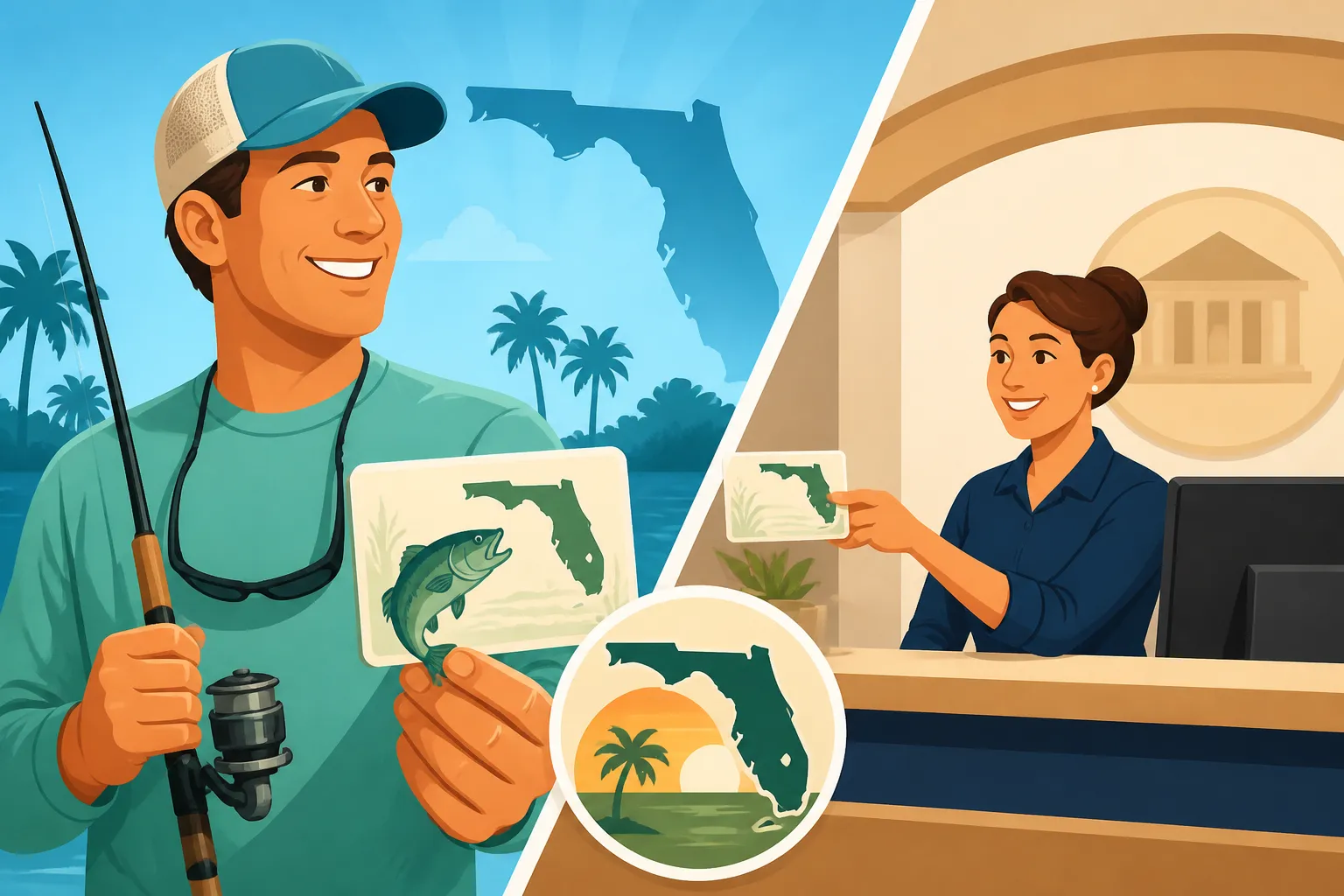
After processing your payment, which usually accepts cash, credit cards, or checks (always good to confirm their accepted payment methods beforehand), the clerk will print your official Florida fishing license. They might even laminate it for you on the spot, adding a layer of protection against the elements. You'll sign it, and just like that, you're officially licensed to fish in Florida! It's a quick and efficient transaction, designed to get you back out enjoying the beautiful Florida waters.
Common Questions and Troubleshooting
Even with the best preparation, questions or minor issues can arise. One common question revolves around proof of residency for new Florida residents. If you've just moved to the Sunshine State and don't yet have a Florida driver's license, the Tax Collector's office can guide you on acceptable alternative documents. Generally, two forms of proof showing your physical address, such as a utility bill and a deed or rental agreement, might be accepted, but it's always best to call ahead and confirm. This helps avoid delays if you're trying to figure out How to Prove Florida Residency for a Cheaper License.
Another frequent concern is about renewing an expiring license. If your current license is nearing its Florida Fishing License Renewal and Expiration date, the Tax Collector's office can process your renewal on the spot. They can also assist if you’ve misplaced your license and need to How to Replace a Lost Florida Fishing License, which is a common scenario for many anglers. Often, they can look up your previous purchase history and issue a duplicate or new license with minimal hassle.
If there's ever a discrepancy in pricing or eligibility, the Tax Collector's staff are usually equipped to investigate. For instance, if you believe you qualify for a discount or exemption, but the system doesn't immediately reflect it, they can often manually review your documentation. Don't be afraid to politely explain your situation. Their goal is to help you comply with the law and get the correct license. While you can find fishing line and tackle box organizers on Amazon without much fuss, dealing with legal documents like licenses sometimes requires a human touch.
Understanding License Options and Costs Available
Florida's fishing license system can seem a bit complex due to the variety of options designed to cater to different types of anglers and situations. However, breaking it down into categories makes it much easier to understand what you need.
Resident vs. Non-Resident Licenses
The most fundamental distinction in Florida fishing licenses is between residents and non-residents. If you're a bonafide Florida resident, you'll generally pay significantly less for your fishing privileges, a benefit of living in this angler's paradise. Florida Resident Annual Fishing License Cost are designed to be affordable for those who call Florida home year-round, or at least for the majority of the year. This distinction is strictly enforced, and you'll need to provide verifiable proof of residency as discussed earlier.
For visitors and those who don't permanently reside in Florida, non-resident licenses are required. These licenses, while more expensive than resident ones, come in various durations to suit vacation plans. You can often find Florida Nonresident Annual Fishing License Cost, but also shorter-term options such as a Florida 3-Day Nonresident Fishing License Cost or a Florida 7-Day Nonresident Fishing License Cost. These shorter options are perfect for tourists who are only visiting for a brief period and don't need a full year of coverage. Understanding these differences is crucial when determining Who Needs a Fishing License in Florida.
Freshwater, Saltwater, and Combination Options
Florida offers separate licenses for freshwater and saltwater fishing, reflecting the diverse ecosystems and species found across the state. If you plan to fish in lakes, rivers, or retention ponds for bass, crappie, or panfish, you'll need a freshwater license. If your adventures take you to the bays, estuaries, or open ocean for snook, redfish, or snapper, a saltwater license is your requirement. Many anglers enjoy both, and Florida offers a convenient and often cost-saving Florida Combination Freshwater and Saltwater License Cost.
The choice between a single type or a combination license really depends on your fishing habits. If you stick exclusively to your local freshwater lake, then a freshwater-only license makes sense. However, if you live near the coast and enjoy occasional trips to both the nearest pond and the gulf, the combo license is usually the most economical and hassle-free choice. When comparing options, consider your typical fishing spots over the course of a year. The Tax Collector's office can present these options clearly, allowing you to make the best decision for your angling style.
Special Permits and Add-ons
Beyond the basic freshwater and saltwater licenses, Florida sometimes requires additional permits for certain highly sought-after species or specific fishing methods. The two most common special permits recreational anglers encounter are for snook and lobster. For instance, if you plan to target snook, you'll need to acquire a Florida Snook Permit Cost and Requirements in addition to your saltwater fishing license. Similarly, if you're dreaming of catching Florida's delicious spiny lobster, a Florida Lobster Permit Cost and Requirements is a must-have, especially during the popular mini-season.
These special permits are put in place to help manage the populations of these popular species and ensure sustainable fishing for future generations. While they add a small extra cost, they are vital for conservation. The Tax Collector's office can easily add these to your purchase when you're getting your primary license. It’s always a good idea to research the species you plan to target to ensure you're fully compliant with all state regulations before you cast a line. For specialized gear for these target species, many anglers turn to online retailers, though of course, a Florida fishing license cannot be found on Amazon or similar sites.
| License Type | Resident Annual Cost (Approx.) | Non-Resident Annual Cost (Approx.) | Short-Term Non-Resident Options | Details |
|---|---|---|---|---|
| Freshwater Fishing | $17.00 | $47.00 | 3-day ($17.00), 7-day ($30.00) | Required for fresh bodies of water (lakes, rivers, ponds). |
| Saltwater Fishing | $17.00 | $47.00 | 3-day ($17.00), 7-day ($30.00) | Required for ocean, gulf, bays, estuaries. Does NOT cover fishing from shore or licensed piers (with some exceptions). |
| Combination (Fresh & Salt) | $32.50 | $97.00 | Not typically available | Most convenient for anglers who fish both fresh and saltwater. Offers significant savings over buying two separate annual licenses. |
| Snook Permit | $10.00 (add-on) | $10.00 (add-on) | Not applicable | Required in addition to a saltwater license to harvest snook. |
| Lobster Permit | $5.00 (add-on) | $5.00 (add-on) | Not applicable | Required in addition to a saltwater license to harvest spiny lobster. |
Note: Costs are approximate and subject to change. Always verify current fees at the time of purchase.
Tips for a Smooth Experience and What to Expect
Even though visiting the Tax Collector's office for a fishing license is generally straightforward, a few insider tips can make your trip even smoother, helping you avoid common pitfalls and get back to fishing faster.
Best Times to Visit and Avoid Crowds
Just like any government office, Tax Collector locations can have peak times when wait times are longer. Generally, the middle of the week (Tuesday, Wednesday, Thursday) tends to be less busy than Mondays or Fridays. Mornings right when they open or late afternoons before they close are often the busiest. A sweet spot is usually mid-morning to early afternoon, say between 10:00 AM and 2:00 PM. Checking their website for a "wait time" feature, if available, can also be a real lifesaver.
Avoiding the beginning of hunting or fishing seasons is another smart move. Many people procrastinate and rush to get their licenses right before a big season opener, leading to longer lines. Planning ahead by a few weeks ensures you miss the crowds and can take your time with the purchase. While you might be tempted to put off tasks like this, it's not like ordering new polarized sunglasses or a tackle box from Amazon with next-day delivery; this requires in-person attention and verification.
Payment Methods and Fees
Most County Tax Collector offices in Florida accept a variety of payment methods, typically including cash, major credit cards (Visa, Mastercard, Discover, American Express), and personal checks. However, it's always a good practice to confirm their specific payment policies before you go, especially for checks, as some offices might have restrictions (e.g., needing to be a local check, or specific ID requirements for check payments).
It's also important to be aware of any potential service fees. While the license fees themselves are set by the Florida Fish and Wildlife Conservation Commission (FWC), some Tax Collector offices might charge a small processing fee for in-person transactions, or a convenience fee if you pay by credit card. These fees are usually minimal but can add a couple of dollars to your total, so it's good to factor them in. The clerk will always inform you of the exact total before processing your payment, so you'll know exactly what you're paying for.
Digital vs. Physical License: What You Get
When you purchase your fishing license at the County Tax Collector's office, you will receive a physical license. This is typically a durable, credit card-sized document that you can keep in your wallet, tackle box, or boat. It will clearly display your name, license number, the type of license you hold, and its expiration date. This physical proof is readily available and doesn't rely on battery life or cell service, which many anglers appreciate, especially when out on the water in remote areas.
However, purchasing a physical license does not preclude you from also accessing a digital version. Once your license is issued, your information is updated in the state's system. You can then often access a digital copy of your license through the Florida GoOutdoors App Fishing License on your smartphone. This means you get the best of both worlds: a reliable physical card and a convenient digital backup. Regardless of how you choose to carry it, make sure you understand the Florida Fishing License Age Requirements and other specific rules applicable to your license type.
Disclaimer
The information provided in this guide is for general informational purposes only and is not intended as legal advice. Florida fishing regulations, license requirements, and fees are subject to change by the Florida Fish and Wildlife Conservation Commission (FWC). Always consult the official FWC website or your local County Tax Collector's office for the most current and accurate information before engaging in any fishing activities.