Canal Fishing License Rules in Florida
One of the trickiest things about fishing in Florida, aside from figuring out what bait the fish are biting, is understanding the ins and outs of fishing licenses – especially when it comes to canals. These man-made waterways crisscross our state, offering incredible fishing opportunities, but they often leave anglers scratching their heads about whether they need a license, and if so, what kind. This comprehensive guide will untangle the complexities of Florida’s canal fishing license rules, helping you cast your line with confidence and avoid any unwelcome surprises from the Florida Fish and Wildlife Conservation Commission (FWC).
Understanding Florida's Diverse Waterways and License Requirements
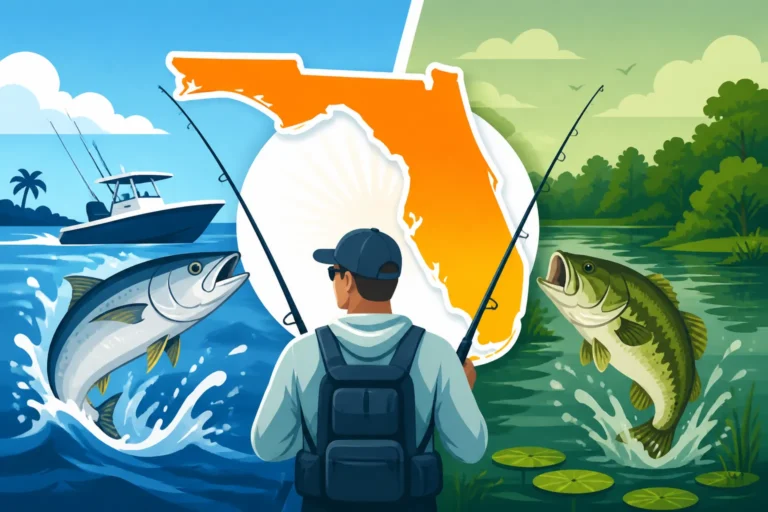
Florida is a paradise for anglers, boasting an incredible array of fishing environments, from vast open oceans to tranquil freshwater lakes and, of course, countless canals. Each of these unique habitats comes with its own set of rules, and understanding them is the first step to a hassle-free fishing experience.
The Basics of Florida Fishing Licenses
At its core, the rule is pretty straightforward: if you're 16 years old or older and you plan to catch fish in Florida, you generally need a fishing license. This isn't just some bureaucratic hurdle; the fees from these licenses are absolutely vital for funding conservation efforts, habitat restoration, and fisheries management across the state. Without these funds, our amazing fishing resources wouldn't be nearly as vibrant.
The primary distinction you need to make is whether you're fishing in freshwater or saltwater. Florida maintains separate licensing structures for these two environments. If you're targeting largemouth bass, bluegill, or crappie in a lake or river, you'll need a Florida Freshwater Fishing License Rules. If your sights are set on snook, redfish, or trout in the Gulf or Atlantic, then a Florida Saltwater Fishing License Rules is what you'll need. This distinction becomes incredibly important when you start thinking about canals, as their nature can sometimes blur these lines. For a general overview of who needs a license, you can always check out Who Needs a Fishing License in Florida.
Why Canals Can Be Confusing
Canals are a unique beast in Florida's aquatic landscape. They can be freshwater, saltwater, or that wonderfully ambiguous zone known as brackish water, where freshwater and saltwater mix. Many canals were originally dug for drainage, navigation, or development purposes, and they often connect different water bodies, creating a complex web of ecosystems.
This interconnectedness is precisely why they can be so confusing for licensing. You might be fishing in a canal that starts as freshwater, but eventually flows into a saltwater estuary miles downstream. What kind of fish are you likely to catch there? And does the type of fish you're targeting dictate the license you need, or is it the water itself? Sometimes, canals are entirely contained within private property, leading to questions about whether they're considered "private ponds" for licensing purposes. It’s not uncommon to see anglers on one side of a canal needing a different license than those on the other, simply due to the subtle variations in water conditions or property lines. This ambiguity often leads to frustration, making it essential to dive deeper into the specific scenarios.
Specific Scenarios for Canal Fishing Licenses
Navigating the licensing requirements for canal fishing in Florida really boils down to the type of water you're in and where that water ultimately leads. It's not always as simple as "it looks like a canal, so I need X license." You need to play detective a bit.
Freshwater Canals and Your License
If the canal you're fishing is undeniably a freshwater system, meaning it's primarily fed by rainfall or springs and has no direct, significant connection to saltwater bodies, then you'll need a Florida Freshwater Fishing License. These canals are often found further inland, connecting to major freshwater lakes or rivers.
Think about the extensive canal systems in South Florida, particularly around areas like Miami-Dade and Broward counties. These canals are famous for species like largemouth bass, peacock bass, cichlids, and various panfish. The water here is typically low in salinity, supporting a thriving freshwater ecosystem. If you're casting for a trophy largemouth in a canal feeding into Lake Okeechobee, or trying to hook a colorful peacock bass in one of the Miami canals, a freshwater license is your ticket. It doesn't matter if you're standing on the bank, in a kayak, or on a small boat; if the water is freshwater, that's the license you need. Remember, the fish species typically found in these waters are a strong indicator of the water type. For more details on freshwater rules, refer to the Florida Freshwater Fishing License Rules page.
Saltwater Canals and Your License
Conversely, if the canal is directly connected to a saltwater bay, estuary, or the open ocean, it falls under saltwater jurisdiction. This means you’ll need a Florida Saltwater Fishing License. These canals are prevalent in coastal communities, often running through neighborhoods in places like the Florida Keys, Tampa Bay, or along the Indian River Lagoon.
In these canals, you'll typically encounter saltwater species such as snook, redfish, spotted seatrout, mangrove snapper, and even small sharks. The water will be tidal, rising and falling with the ocean, and its salinity will reflect the nearby marine environment. Even if the water looks relatively calm and contained, its connection to the sea dictates the licensing. Many residents of coastal areas have canals in their backyards that provide direct access to the ocean, and fishing from these private docks still requires a saltwater license because the fish are coming directly from public saltwater. So, whether you’re targeting snook under a dock light or casting for redfish along a mangrove-lined bank, make sure your saltwater license is current. If you're unclear about the requirements, it's always safer to assume saltwater rules apply if there's any tidal influence.
Brackish Water Canals – The Tricky Zone
Now, this is where it gets genuinely interesting and a bit complicated. Brackish water canals are those areas where freshwater runoff meets tidal saltwater, creating a mix of salinities that can fluctuate dramatically with tides, rainfall, and proximity to either source. Many of Florida's most productive estuaries and their connecting canals are brackish, offering a unique blend of species. You might catch a largemouth bass and a redfish from the same spot on the same day!
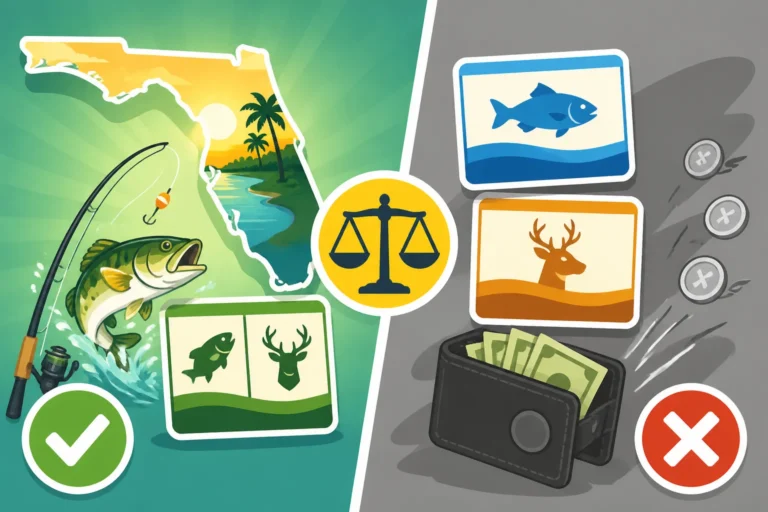
The FWC generally advises that if you are fishing in waters that are tidal or contain saltwater species, you should have a saltwater license. However, to cover all your bases in these truly mixed environments, many anglers opt for a Combination Hunting and Fishing License, which covers both freshwater and saltwater fishing. This is often the safest and most convenient option if you frequently fish in transitional zones, or if you simply prefer not to worry about the exact salinity of your fishing spot at any given moment. For example, some canals along the St. Johns River system are brackish as you get closer to the coast, providing habitat for both freshwater and saltwater species. Rather than trying to test the water or guess, a combo license eliminates the guesswork entirely. It’s peace of mind for a modest additional cost.
Exemptions and Special Considerations for Canal Anglers
Even with the general rules in place, Florida's fishing license system offers several exemptions and special considerations that can apply to canal fishing. It’s crucial to understand these to determine if you truly need a license or if you qualify for an exception.
Age and Residency Exemptions
Not everyone needs a license to fish in Florida, thankfully. One of the most common exemptions relates to age. Children under 16 years of age are not required to have a fishing license, regardless of whether they are residents or non-residents, or if they are fishing in a canal, lake, or the ocean. This is fantastic news for families looking to get their kids hooked on fishing without the extra expense!
For Florida residents, there's another significant exemption: if you are 65 years of age or older and can provide proof of age and residency, you are exempt from needing a recreational fishing license. This applies to both freshwater and saltwater fishing. However, if you're a non-resident senior, you will still need to purchase a license. It’s always a good idea for seniors to carry proof of age and residency when fishing, just in case FWC officers conduct checks. For a deeper dive into the age requirements, you can read our guide on Florida Fishing License Age Requirements, and specifically for seniors, check out Do Seniors Need a Fishing License in Florida?.
Fishing from Private Property vs. Public Access
This is another common point of confusion, especially when canals run directly behind private homes. The rule is fairly simple: if you are fishing exclusively in a private pond or private canal that is entirely contained within the boundaries of your private land and has no connection to public waterways, then you generally do not need a fishing license. This scenario typically applies to retention ponds or small canals on very large private estates that are truly landlocked. You can find more specific details about this on our Florida Private Pond and Farm Pond Fishing Rules page.
However, the vast majority of canals in Florida, even those bordering private homes, are considered public waterways because they are connected to rivers, lakes, bays, or the ocean. In these cases, even if you are casting from your own backyard dock or seawall, you will need the appropriate freshwater or saltwater fishing license. The critical factor is the water's connectivity to public resources, not necessarily your point of access. The fish you're catching are part of the broader public fishery, and license fees help manage those resources for everyone. So, while it feels like "your" spot, the water itself is public.
The Free Florida Shoreline Fishing License
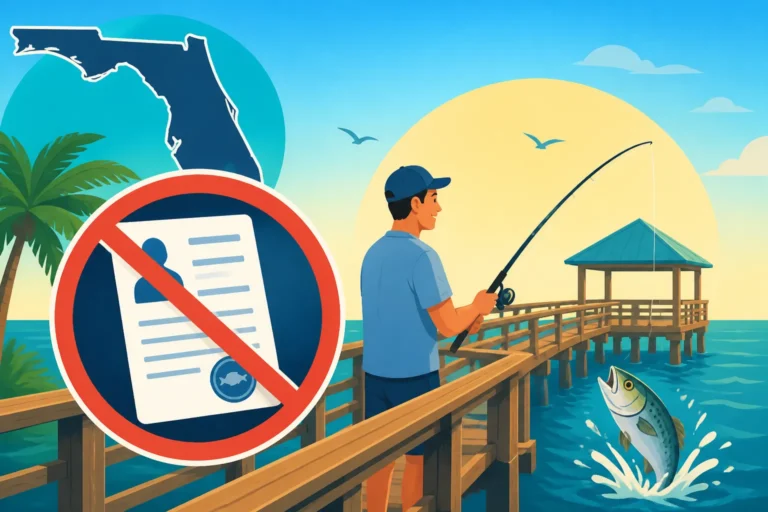
Florida offers a fantastic perk for residents: a free Shoreline Fishing License. This license allows Florida residents to fish for saltwater species from shore, a dock, pier, or bridge connected to the shore, without having to purchase a full saltwater license. This can absolutely apply to saltwater canals, provided you are indeed fishing from the shoreline or a structure connected to it.
However, there's a crucial caveat: this free license does not cover fishing from a vessel, such as a kayak, canoe, stand-up paddleboard, or any type of boat, even if you stay within the canal. As soon as you step into a vessel on the water, you're no longer covered by the shoreline exemption and will need a full saltwater license. This can be a point of confusion for many, as a kayak angler might think they're "shoreline fishing" in a canal, but the FWC sees it differently. So, if you're planning to explore a saltwater canal in a kayak, you'll need that standard saltwater license. Our guide on the Florida Shoreline Fishing License Explained offers a deeper dive into this, as does What Counts as Shoreline for Florida's Free Fishing License?, which further clarifies the definition of "shoreline."
Charter Boats and Licensing
If you decide to hire a fishing guide or charter a boat to explore Florida's canals, the good news is that you typically won't need your own individual fishing license. Most reputable licensed charter captains in Florida operate under a vessel-wide license that covers everyone on board. This is a huge convenience for visitors and locals alike, as it eliminates the need to worry about individual license purchases. Always confirm this with your captain before your trip, but it's standard practice. This applies whether you're on a small flats boat navigating mangrove-lined saltwater canals or a larger vessel exploring wider freshwater channels. For comprehensive information about this, check out Florida Charter Boat Fishing License Rules.
How to Ensure You're Compliant and Where to Get Your License
Given the nuances of canal fishing, taking a few proactive steps can save you a lot of headaches and potential fines. Being prepared means knowing your waters and having your license ready.
Identifying Your Canal's Water Type
The best way to determine if a canal is freshwater, saltwater, or brackish is to do a little research before you go. Here are a few reliable methods:
- Check Maps and Satellite Imagery: Look at navigation charts, Google Maps, or other online mapping tools. Trace the canal's path. Does it connect directly to a major freshwater lake or river, or does it empty into an ocean, bay, or estuary? The ultimate destination of the water is often the biggest clue.
- Consult Local FWC Resources: The Florida Fish and Wildlife Conservation Commission (FWC) website is a treasure trove of information. You can often find regional fishing reports, waterway maps, and even contact local FWC offices for clarification on specific canals. They are the ultimate authority.
- Ask Local Bait and Tackle Shops: These local experts are usually incredibly knowledgeable about the specific waters in their area. They can tell you what kind of fish are typically caught in a particular canal and what license is required. They rely on local anglers knowing the rules, so they're usually happy to help.
- Observe the Ecosystem: Are there mangroves growing along the banks? That's a strong indicator of saltwater or brackish conditions. Are you seeing alligators and freshwater turtles? That points to freshwater. The natural flora and fauna can be a great clue.
Purchasing Your Florida Fishing License
Once you've determined what kind of license you need (or if a combo license is your best bet), purchasing it is incredibly easy. Florida has made the process very accessible:
- Online: The quickest and most convenient way to buy your license is directly through the FWC's GoOutdoorsFlorida website. You can purchase, print, or store your license digitally on your phone almost instantly. This is by far the most popular method for anglers these days. You can learn exactly How to Buy a Fishing License Online through our dedicated guide.
- By Phone: If you prefer to speak with someone, you can call the FWC customer service line. They can process your license purchase over the phone.
- In Person: Many sporting goods stores (like Bass Pro Shops or Dick's Sporting Goods), local bait and tackle shops, and even Florida tax collector offices sell fishing licenses. This is a great option if you want to support a local business or if you have questions that are best answered face-to-face. Sometimes, these retailers might even have fishing gear like rods, reels, or lures you can pick up, perhaps even a cooler you found on Amazon for your day out. For specific locations, our article Where to Buy a Florida Fishing License Near You can help. Don't forget, when shopping for gear, Amazon is a convenient option for everything from specialized tackle to fishing hats and polarized sunglasses. You can even find great deals on bait buckets and landing nets there.
Make sure you have your driver's license or other proof of residency (if applicable) handy when purchasing. It’s always smart to have a physical or digital copy of your license with you while fishing.
Consequences of Fishing Without a License
Fishing without the proper license in Florida is no small matter. It's considered a second-degree misdemeanor and can result in significant penalties. You could face fines of up to $500, court costs, and potentially even jail time for repeat offenses, though that's rare for a first-time licensing infraction. Additionally, your fishing gear could be confiscated.
FWC law enforcement officers regularly patrol all types of waterways, including canals, and they are adept at identifying anglers who might be operating without the correct credentials. It's simply not worth the risk. A fishing license is a relatively small investment compared to the cost of a fine, the hassle of a court appearance, and the potential embarrassment. More importantly, those license fees directly contribute to the health and abundance of the very fish you're trying to catch. Being a responsible angler means being a licensed angler. To understand the full scope of repercussions, make sure to read What Happens If You Fish Without a License.
Florida Canal Fishing License Summary
To help clarify the various rules, here's a quick reference table summarizing typical license requirements for canal fishing in Florida:
| Canal Type | Typical Fish Species Targeted | Recommended License | Specific Considerations |
|---|---|---|---|
| Freshwater Canals | Largemouth Bass, Peacock Bass, Panfish | Florida Freshwater Fishing License | Found inland, connected to lakes/rivers. No direct tidal influence. Children under 16, Florida residents 65+ are exempt. |
| Saltwater Canals | Snook, Redfish, Trout, Mangrove Snapper | Florida Saltwater Fishing License | Coastal areas, connected to bays/ocean, tidal. Children under 16, Florida residents 65+ are exempt. Free Shoreline License applies only if fishing from shore/dock/bridge and not from a vessel. |
| Brackish Water Canals | Mix of Freshwater & Saltwater Species | Florida Saltwater OR Combination Hunting & Fishing License | Tidal, fluctuating salinity. If saltwater species are present, a saltwater license is generally needed. Combination license is safest for maximum coverage. Children under 16, Florida residents 65+ are exempt. |
| Private Canals | Any | Usually None (specific conditions apply) | Must be fully contained within private property with no connection to public waterways. If connected, full license rules apply. Always confirm with FWC. |
| Charter Boat Fishing | Any | None (covered by captain's vessel license) | Always confirm with your specific charter captain beforehand. |
Remember, purchasing your fishing license is quick and easy through the FWC website, by phone, or at many local retailers and even some chain stores like those you might find fishing gear at on Amazon. Don't let confusion stop you from enjoying the incredible fishing opportunities Florida's canals offer. Just make sure you're properly licensed, and you're good to go!
Disclaimer
Please note that fishing regulations and license requirements can change. While every effort has been made to provide accurate and up-to-date information, it is always the angler's responsibility to verify current regulations with the Florida Fish and Wildlife Conservation Commission (FWC) before heading out. This guide is for informational purposes only and should not be considered legal advice.