Florida Keys Fishing Guide
The Florida Keys – just the name conjures images of turquoise waters, swaying palms, and, for many of us, the ultimate fishing adventure. But if you’ve ever tried to plan a trip there, you know how quickly that dream can turn into a dizzying maze of fishing zones, species, regulations, and guide options. It’s a lot to unpack! This comprehensive guide is here to cut through the confusion, offering a clear, empathetic roadmap to making your Florida Keys fishing dreams a reality.
Why the Florida Keys Remain a Global Fishing Mecca
There’s a reason why anglers from all corners of the globe flock to the Florida Keys year after year. It's more than just beautiful scenery; it's a truly unique confluence of natural elements that creates an unparalleled fishing environment. From the shallow, emerald flats to the vast, cobalt depths of the Atlantic, the Keys offer an incredible diversity that caters to every type of angler.
A Unique Ecosystem and Biodiversity
What makes the Keys so special is their delicate and vibrant ecosystem, a living tapestry that supports an astounding array of marine life. Here, the temperate waters of the Gulf of Mexico meet the tropical currents of the Atlantic Ocean, creating a perfect habitat for both temperate and tropical fish species. This ecological crossroads is one of Florida's most cherished natural treasures.
Imagine vast stretches of seagrass beds, which act as crucial nurseries for countless juvenile fish and invertebrates. These lush underwater meadows are the foundation of the food chain, attracting everything from tiny baitfish to formidable predators. Then there are the intricate mangrove islands, their gnarled roots providing shelter, food, and protection for a multitude of creatures, including juvenile snook, tarpon, and redfish. These areas are not just picturesque; they are vital life support systems for the entire Keys fishery. Beyond the mangroves, the stunning coral reefs, part of the third-largest barrier reef system in the world, teem with colorful life, offering habitat for snapper, grouper, and countless other reef fish, creating a truly biodiverse environment.
Year-Round Fishing Opportunities
Unlike many fishing destinations that are highly seasonal, the Florida Keys boast productive fishing opportunities throughout the entire year. While certain species have their peak seasons, there's always something exciting to target, thanks to the region's consistently warm climate and diverse fisheries. This means you don't have to plan your life around a narrow window; the Keys are almost always ready for you.
For example, winter might bring cooler temperatures, which can send certain species, like large predatory sharks or sailfish, closer to shore, offering incredible action. Spring marks the beginning of the annual tarpon migration, drawing anglers for some of the most acrobatic fights imaginable. Summer brings consistent offshore action for mahi-mahi and tuna, while the fall often sees a resurgence of migratory species and excellent permit fishing on the flats. This constant activity means that no matter when you decide to visit, a memorable fishing experience is waiting.
Understanding the Different Fishing Zones in the Keys
One of the biggest keys to successful fishing in the Florida Keys is understanding its distinct ecological zones. Each area presents different challenges, targets different species, and requires specific approaches. Trying to fish the flats with offshore gear, for instance, would be like bringing a butter knife to a sword fight. Knowing where you are and what that means for your fishing strategy is paramount.
The Flats and Backcountry
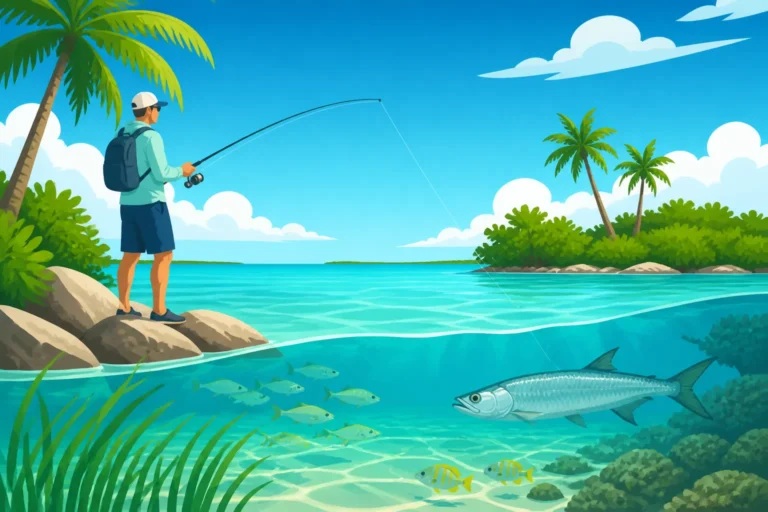
The shallow, gin-clear waters of the flats and the intricate network of channels and mangrove islands in the backcountry are what many anglers envision when they think of Keys fishing. These areas, typically ranging from a few inches to several feet deep, are often fished from specialized shallow-draft boats like flats skiffs or even by wading. The visibility here is often incredible, allowing for sight fishing where you literally spot your target before making a cast.
This type of fishing is often a game of stealth, patience, and precision. You're not just casting blindly; you're actively hunting, looking for subtle signs like a nervous water "push" from a bonefish tailing in the turtle grass, or the dark shadow of a lurking tarpon. The challenge and reward of sight casting to an elusive permit or a cruising snook in their natural habitat are unparalleled. It’s an intimate, highly engaging form of fishing that demands skill and a keen eye, often making it feel more like hunting than traditional angling. The species you'll encounter here, like bonefish, permit, and tarpon, are renowned for their strength and cunning, making them prized catches for fly and light tackle anglers alike.
Nearshore Reefs and Wrecks
Just a short run from shore, the Florida Keys are dotted with an incredible array of natural and artificial reefs, as well as numerous wrecks. These underwater structures act as magnets for marine life, providing food, shelter, and ambush points for a wide variety of fish. Fishing these areas typically involves anchoring or drift fishing directly over the structure.
Here, you'll find a different class of fish – the reef dwellers and those that patrol the edges of these underwater cities. Expect to tangle with delicious snappers, including mangrove, mutton, and yellowtail, which are excellent table fare and provide a spirited fight. Grouper, such as gags and reds, also call these structures home, offering a powerful, bottom-hugging battle that will test your tackle and your stamina. Pelagic species like king mackerel and barracuda also frequently cruise these areas, ambushing baitfish that congregate around the reefs. These spots are fantastic for both bait fishing and jigging, often yielding a diverse cooler full of fish.
Deep Offshore Waters
For those who crave the thrill of battling large, fast-moving pelagic species, the deep offshore waters of the Florida Keys are an absolute playground. A short boat ride to the edge of the continental shelf, where the water drops dramatically, often places you right in the path of the powerful Gulf Stream current. This warm, nutrient-rich current acts like an aquatic highway, carrying an abundance of baitfish and attracting top-tier predators.
This is where you'll find species like the vibrant mahi-mahi (dorado), known for their acrobatic jumps and striking colors, or the majestic sailfish, famous for their incredible speed and bill-waving displays. Tuna species, wahoo, and even marlin can also be targeted in these deep blue waters. Offshore fishing often involves trolling with natural baits or artificial lures, covering vast areas to find schools of fish or current lines where predators ambush their prey. It’s a high-stakes, adrenaline-pumping experience, often requiring heavier tackle and specialized boats, but the reward of hooking into a truly massive game fish is an unforgettable rush. For those visiting the Florida Keys, securing a good offshore charter through platforms like FishingBooker can make all the difference in connecting with these elusive, powerful fish.
Top Fish Species to Target in the Florida Keys
The sheer variety of fish species you can encounter in the Florida Keys is staggering. From the elusive "silver kings" of the flats to the vibrant "dolphin fish" of the open ocean, each species offers a unique challenge and thrill. Knowing what you're targeting helps you prepare the right gear and tactics for your Keys adventure.
The "Big Three" of the Flats: Tarpon, Bonefish, Permit
These three species are the holy grail for many fly and light tackle anglers in the Keys, known collectively as the "Grand Slam." Catching all three in a single day is a lifetime achievement.
-
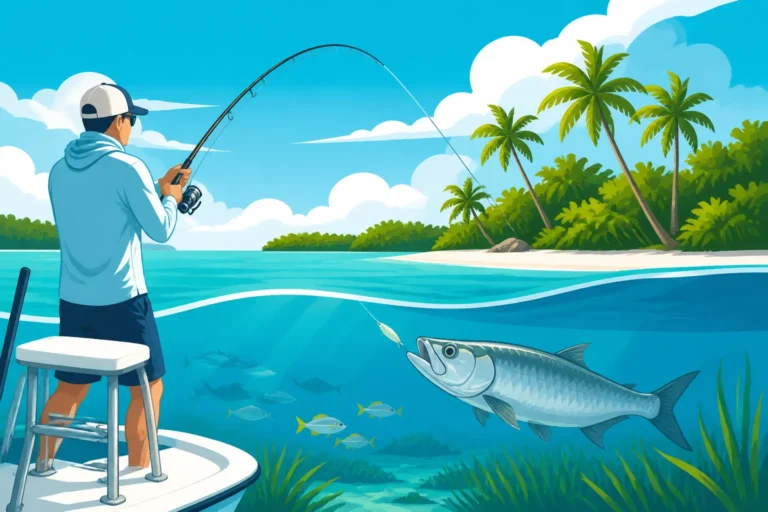
Tarpon (Megalops atlanticus): The "Silver King" is legendary for its size, power, and spectacular aerial displays. They migrate through the Keys in huge numbers, especially in spring and early summer, creating a world-class fishery.
- Targeting tarpon often involves sight casting to cruising fish in the channels, around bridges, or on the flats. They can be incredibly wary, demanding precise casts and careful presentations.
- Live bait, such as mullet or pilchards, is very effective, especially around bridges at night or during the tides. Artificial lures like large soft plastics or topwater plugs also work. Fly anglers often use large dark-colored flies, like toad or cockroach patterns.
- A strong drag and heavy leader are essential, as these fish can strip line at incredible speeds. If you're planning a trip during the peak season, you'll want to review the Florida Tarpon Fishing Season Guide to maximize your chances.
-
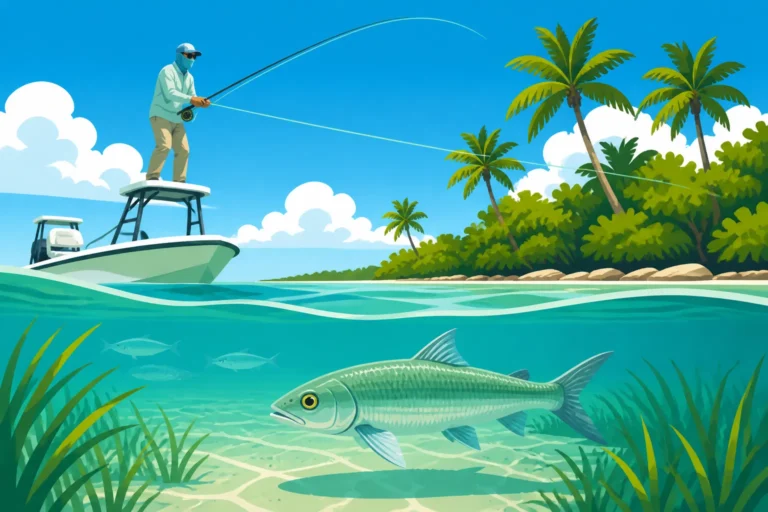
Bonefish (Albula vulpes): Known as the "Grey Ghost of the Flats," bonefish are prized for their incredible speed and blistering runs. They are typically found tailing in shallow water, foraging for crabs and shrimp.
- Sight fishing for bonefish requires excellent vision and a delicate approach. They spook easily, so long, accurate casts with minimal splash are crucial.
- Small live shrimp or crabs are deadly baits. For fly anglers, crab and shrimp imitations like the Gotcha or Merkin fly are go-to patterns.
- Light tackle, often spinning gear with 8-10 lb test, or 8-weight fly rods, are preferred to match their cautious nature and provide sporting fights. The challenge is spotting them before they spot you!
-
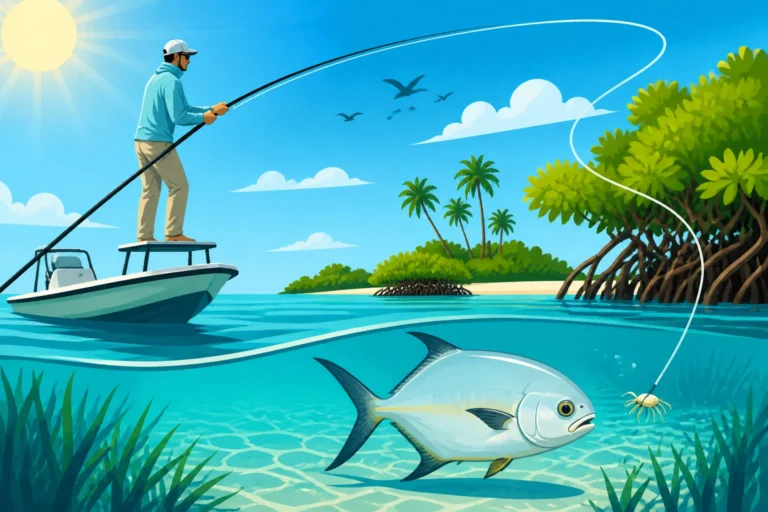
Permit (Trachinotus falcatus): Arguably the most challenging and frustrating of the flats species, permit are highly intelligent and notoriously picky eaters. Catching one on a fly is considered the pinnacle of flats fishing.
- Permit frequent shallow flats, often cruising along the edges or around wrecks and patch reefs. They are constantly moving and inspecting their food carefully.
- The best bait for permit is a live crab, either a small blue crab or a fiddler crab, presented perfectly. Artificial crab imitations or small jigs can sometimes entice them. Fly fishing requires realistic crab patterns and impeccable presentation.
- You'll need a steady hand and a lot of patience. They have incredible eyesight and will often refuse a fly or bait if anything seems off. Their fight is powerful and dogged, often involving long, deep runs.
Reef and Wreck Dwellers: Snapper, Grouper, King Mackerel
Transitioning from the flats, the Keys’ reefs and wrecks offer a different kind of action, often with a focus on delicious table fare and powerful, bottom-oriented battles.
-
Snapper (Various species): The Keys are home to an abundance of snapper, with Mangrove (Grey), Mutton, and Yellowtail Snapper being the most popular targets. Each has its own habits but all are excellent eating.
- Mangrove Snapper: Common around mangroves, docks, and rocky areas, as well as patch reefs. They are aggressive feeders and can be caught on light tackle with small live baits or pieces of cut bait.
- Mutton Snapper: Larger and more elusive, often found around deeper reefs and wrecks. They require heavier tackle and fresh live baits like pilchards or pinfish. Night fishing can be particularly productive.
- Yellowtail Snapper: A schooling fish that is a staple of chumming operations on patch reefs and deep channels. They readily take small pieces of cut bait, often on long leaders to fool their keen eyesight.
- For all snapper, sharp hooks and presentation are key. They are smart, so presentation matters, especially in clear Keys waters.
-
Grouper (Various species): Gag and Red Grouper are the most common species targeted in the Keys. These powerful bottom dwellers are known for their initial "head-shake" run back into the structure, challenging anglers to pull them out.
- Grouper prefer rocky ledges, wrecks, and artificial reefs in deeper water. They are ambush predators, so presentation needs to be near their hideouts.
- Live baits, particularly pinfish, grunts, or even small jacks, are highly effective. Large jigs and vertical dropped baits also work. Heavy tackle is a must to keep them from "rocking" you (breaking off on the structure).
- Florida Grouper Season Guide provides crucial information on when and where you can legally harvest these prized fish. Knowing the current regulations is paramount before targeting them.
-
King Mackerel (Scomberomorus cavalla): Also known as "Kingfish," these fast, toothy predators are a blast to catch and often found cruising the edges of reefs and wrecks, as well as open water.
- Kingfish are primarily caught by trolling live baits (like blue runners or pilchards) or artificial lures (spoons, skirts). They are also attracted to chum lines.
- A wire leader is essential due to their razor-sharp teeth. They make blistering runs and often leap out of the water. Medium-heavy tackle is generally used.
- These fish can be found year-round but are particularly abundant during their migratory periods, often following baitfish schools.
Pelagic Powerhouses: Mahi-Mahi, Sailfish, Wahoo
Heading further offshore into the deep blue, a whole new world of hard-fighting pelagic species awaits, offering some of the most exciting big game fishing experiences.
-
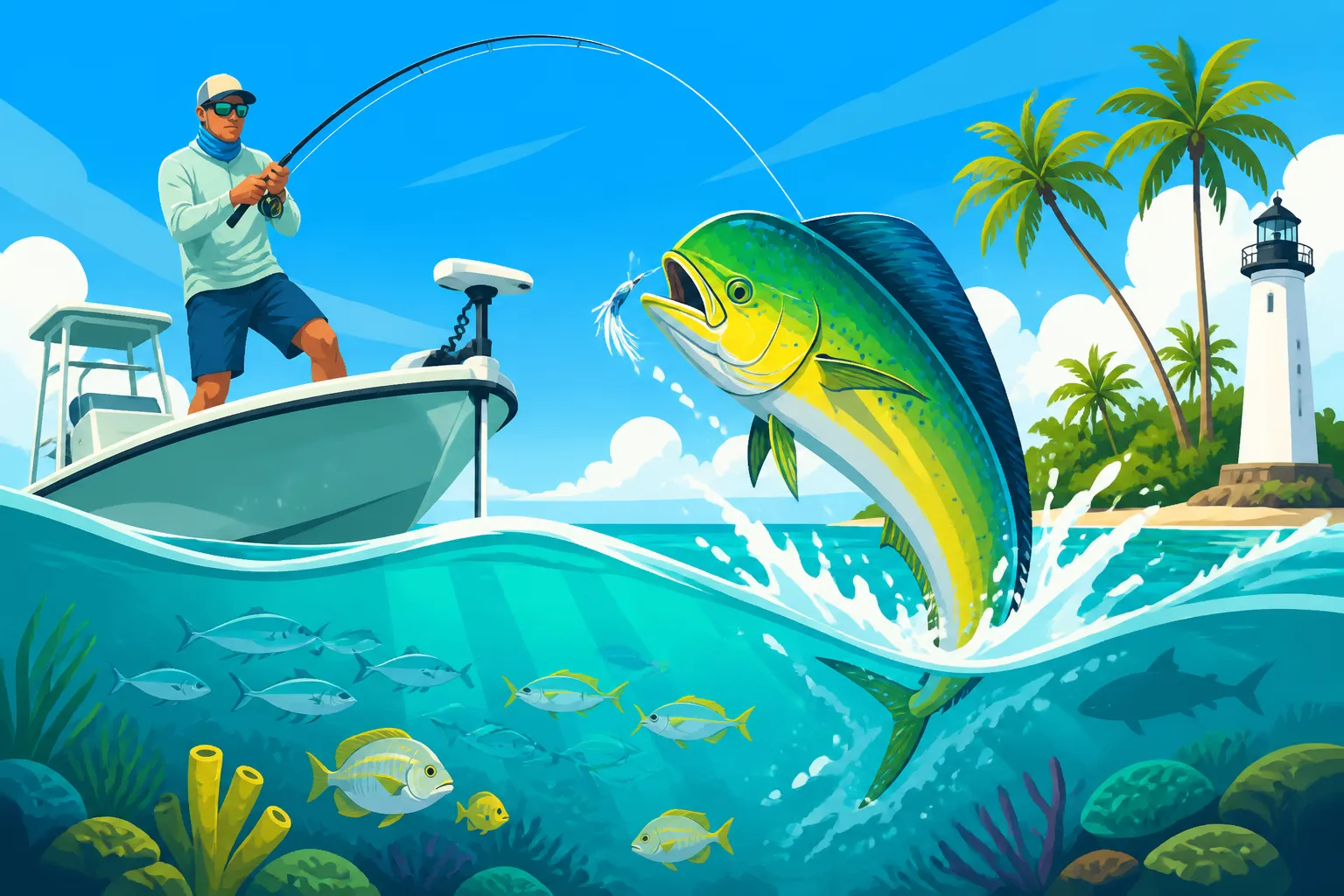
Mahi-Mahi (Coryphaena hippurus): Also known as Dorado or Dolphin (not to be confused with marine mammals), mahi-mahi are visually stunning fish, vibrant with greens, blues, and yellows, and are exceptional fighters.
- Mahi are typically found offshore, often around floating debris, sargassum weed lines, or current breaks where baitfish congregate. They are aggressive and often travel in schools.
- Trolling ballyhoo or artificial lures is a common method. Once a school is located, they can often be kept near the boat by leaving a hooked fish in the water and chumming, leading to a "bail out" scenario where multiple fish are caught.
- They are incredibly acrobatic, putting on a show with jumps and fast runs. Mahi-mahi are also one of the most delicious fish in the ocean, making them a highly sought-after catch.
-
Sailfish (Istiophorus platypterus): The state fish of Florida, sailfish are renowned for their incredible speed, dazzling jumps, and, of course, their magnificent dorsal "sail."
- Sailfish are found offshore, often near the edge of the reef or in the open ocean where baitfish are abundant. They are typically targeted by trolling natural baits like ballyhoo or by "kite fishing" with live baits like goggle-eyes or pilchards.
- They are incredible fighters, making long, powerful runs and spectacular leaps, making them a prime target for sport fishing. Many anglers practice catch and release for these beautiful billfish.
- The winter months often bring the best sailfish action to the Keys, especially on the Atlantic side, as they move closer to shore following cold fronts.
-
Wahoo (Acanthocybium solandri): A true speed demon of the ocean, the wahoo is known for its incredibly fast, line-stripping runs and delicious, white meat.
- Wahoo are found in deeper offshore waters, often around structure like seamounts, wrecks, or pronounced current edges. They are solitary hunters but can sometimes be found in small groups.
- They are primarily caught by high-speed trolling with heavy lures or large rigged baits. Their strikes are explosive and often unexpected.
- Their sharp teeth necessitate a wire leader, and their sheer speed and power make them a formidable opponent on rod and reel. Wahoo can be caught year-round in the Keys, but they tend to be more prevalent in cooler months or around specific moon phases.
Here’s a quick overview of some top species and their habitats/baits:
| Species | Primary Habitat | Best Time of Year | Key Baits/Lures | Special Notes |
|---|---|---|---|---|
| Tarpon | Flats, Channels, Bridges | Spring-Summer | Live Mullet/Pinfish, Large Flies/Plugs | Famous for jumps; strict regulations. |
| Bonefish | Shallow Flats | Year-Round | Live Shrimp/Crabs, Crab/Shrimp Flies | "Grey Ghost," incredibly fast runs, very wary. |
| Permit | Flats, Wrecks, Reefs | Year-Round (peak Spring/Fall) | Live Crabs, Crab Flies | Most challenging flats fish; extremely selective. |
| Mangrove Snapper | Mangroves, Docks, Reefs | Year-Round | Live Shrimp, Cut Bait, Small Jigs | Excellent table fare; aggressive. |
| Mutton Snapper | Deeper Reefs, Wrecks | Summer-Fall | Live Pilchards/Pinfish, Cut Bait | Large, powerful, delicious. |
| Yellowtail Snapper | Patch Reefs, Channels | Year-Round | Small Cut Bait, Jigs | Fun to catch on light tackle; great for dinner. |
| Grouper | Reefs, Wrecks, Ledges | Check Season | Live Pinfish/Grunts, Large Jigs | Powerful bottom fighters; Florida Grouper Season Guide is critical. |
| King Mackerel | Reef Edges, Open Water | Year-Round (peak Fall/Winter) | Trolled Baits/Lures, Live Blue Runners | Fast, toothy, require wire leader. |
| Mahi-Mahi | Offshore Weed Lines, Debris | Summer | Trolled Ballyhoo/Lures, Live Pilchards | Colorful, acrobatic, delicious. |
| Sailfish | Offshore, Reef Edge | Winter | Live Goggle Eyes (kite), Trolled Ballyhoo | Majestic leaps, sportfish, often catch & release. |
| Wahoo | Deep Offshore Structure | Year-Round (peak Fall/Winter) | High-speed Trolled Lures | Extreme speed, sharp teeth, excellent eating. |
Essential Gear and Techniques for Keys Fishing
Having the right equipment and knowing how to use it is crucial for a successful and enjoyable fishing trip to the Florida Keys. The diverse environments, from shallow flats to deep ocean, demand specialized setups. While you can certainly rent gear or use a charter’s equipment, understanding the basics will enhance your experience.
Rods, Reels, and Line for Each Zone
Matching your tackle to your target and environment is not just about efficiency; it's about giving yourself the best chance of success and preventing unnecessary frustration.
-
For the Flats (Bonefish, Permit, Small Tarpon): Light spinning gear or fly rods are king here.
- Spinning Gear: Opt for a 7-foot, medium-light to medium action rod paired with a 2500-3000 size spinning reel. Spool it with 10-15 lb braided line, which offers excellent casting distance and sensitivity. A 20-30 lb fluorocarbon leader is essential for stealth in clear water. Brands like Shimano and Penn offer reliable setups.
- Fly Rods: An 8-weight fly rod is versatile for bonefish and smaller permit, while a 10-12 weight is needed for tarpon and larger permit. Pair these with a quality saltwater reel that has a smooth, strong drag and plenty of backing (200-250 yards of 20-30 lb dacron). Fly lines should be weight-forward floating lines, sometimes with an intermediate tip for permit.
- The emphasis here is on precision casting, presentation, and the ability to handle long, fast runs from powerful fish on relatively light tackle.
-
For Nearshore Reefs and Wrecks (Snapper, Grouper, Mackerel): Medium-heavy conventional or spinning setups are more appropriate for these tougher fish.
- Spinning Gear: A 7-8 foot, medium-heavy action rod with a 4000-6000 size spinning reel is a good all-around choice. Load it with 30-50 lb braided line, which provides the backbone needed to pull fish away from structure. A 40-60 lb fluorocarbon leader is typical, sometimes with a short piece of wire for toothy king mackerel.
- Conventional Gear: For dedicated bottom fishing, a conventional setup offers more cranking power. A 6-7 foot, heavy action rod with a 15-30 lb class conventional reel spooled with 50-80 lb braid is ideal. This setup provides the leverage to muscle stubborn grouper out of their rocky homes.
- The goal in these zones is power and durability, as you’ll be fighting fish that are trying to break you off on sharp ledges and wrecks.
-
For Deep Offshore Waters (Mahi-Mahi, Sailfish, Wahoo): Heavy-duty conventional tackle or large spinning outfits are necessary for these big game species.
- Light Offshore (Mahi-Mahi, Sailfish): A 7-foot, medium-heavy stand-up rod with a 30-50 lb class conventional reel (like a Penn Fathom or Shimano Tyrnos) spooled with 50-80 lb monofilament or braid is common. For sailfish, many prefer lighter 20-30 lb class setups for a more sporting fight.
- Heavy Offshore (Tuna, Wahoo, Marlin): For true heavyweights, you’ll step up to 50-80 lb class bent-butt rods paired with large conventional reels (e.g., a Shimano Tiagra or Penn International) spooled with 80-130 lb mono.
- Large spinning reels (8000-14000 series) with heavy braided line (60-80 lb) can also be used for casting to mahi-mahi or smaller tuna.
- Offshore fishing is about handling powerful, fast-moving fish over long fights. Reliable drag systems and robust construction are paramount.
Baits and Lures That Get Bites
The Keys offer an incredible array of natural food sources for fish, so matching your bait or lure to the local forage is key.
-
Live Bait: This is often the undisputed king in the Keys, especially for picky fish.
- Shrimp: Absolutely indispensable for inshore fishing. Live shrimp are irresistible to bonefish, permit, snook, redfish, and various snapper species. You can fish them under a popping cork or free-lined.
- Pilchards/Sardines: Excellent for chumming and catching a variety of inshore and nearshore species, including snook, redfish, trout, snapper, and even small mahi-mahi offshore. Cast netting them in channels or over grass flats is a common practice. Check out Best Live Bait for Florida Inshore Fishing for more details.
- Pinfish/Grunts: Hearty baits that are perfect for larger snook, tarpon, grouper, and mutton snapper. They are durable and often caught on sabiki rigs or small hooks with bait.
- Ballyhoo: The go-to bait for offshore trolling, especially for mahi-mahi, sailfish, and wahoo. They are typically rigged dead on a hook with a skirt.
- Crabs: Essential for targeting permit. Small blue crabs or fiddler crabs are presented with minimal weight to mimic their natural movement.
-
Artificial Lures: While live bait is often preferred, artificials can be incredibly effective, especially for covering ground or targeting aggressive fish.
- Jigs: Soft plastic jigs with weighted jig heads (1/8 oz for flats, up to 2 oz for reefs) are versatile for trout, redfish, snook, and snapper. Bucktail jigs are great for grouper and snappers around structure.
- Plugs/Topwaters: Topwater plugs create explosive strikes from snook and redfish in low light conditions. Subsurface plugs and lipped diving plugs are excellent for trolling or casting to migratory species.
- Spoons: Casting spoons are effective for Spanish mackerel, bluefish, and other aggressive feeders. Trolling spoons are used for king mackerel and wahoo.
- Soft Plastics: Paddle tails, jerk shads, and Gulp! shrimp imitations are incredibly versatile for nearly all inshore species when rigged on a jig head.
Mastering Key Techniques
Beyond the gear, understanding the prevalent fishing techniques in the Keys will drastically improve your success.
- Sight Fishing: Predominant on the flats, this technique involves actively spotting fish in clear water before making a cast. It requires a keen eye, good polarized sunglasses, and a stealthy approach. You're aiming to present your bait or fly a few feet ahead of the fish, allowing it to "intercept" the offering. This is a highly rewarding, visual experience that blends hunting with angling.
- Chumming: An effective method for attracting schooling fish, especially yellowtail snapper and baitfish. Chum, typically ground fish or pellets, is slowly deployed from the boat, creating a scent trail that draws fish in. Once they are in the chum slick, anglers use very light tackle and small baits to present to the feeding fish. This method creates a frenzied environment that is often visually spectacular.
- Trolling: The primary method for covering large areas offshore and targeting pelagic species like mahi-mahi, sailfish, and wahoo. Lines with baited hooks or artificial lures are deployed at various distances and depths behind a moving boat. Speed, lure color, and depth are adjusted based on conditions and target species. Trolling often triggers aggressive reaction strikes from fast-moving predators.
- Bottom Fishing: Used extensively over reefs and wrecks to target snapper and grouper. This involves dropping baited hooks directly to the bottom, often with sufficient weight to combat current. The key is to feel for bites and quickly react to prevent fish from "rocking" you (running into structure and breaking off). It's a game of patience and quick reflexes, often yielding excellent eating fish.
Choosing a Florida Keys Fishing Charter or Guide
For many, especially those new to the area or seeking specific, hard-to-find species, hiring a professional fishing charter or guide in the Florida Keys is the best investment you can make. It takes the guesswork out of finding fish, navigating regulations, and providing specialized gear.
Different Types of Charters Available
The diverse fishing zones in the Keys mean there's a specific type of charter designed for almost every angling desire.
- Flats Boats: These are shallow-draft skiffs, typically 16-20 feet long, designed to quietly pole through inches of water. They usually accommodate 1-2 anglers (plus the guide) and are ideal for sight fishing for bonefish, permit, and tarpon with fly or light spinning tackle. The focus is on stealth, precision, and the intimate experience of hunting fish in crystal-clear shallows.
- Bay Boats (Inshore/Nearshore): Larger and more stable than flats boats, bay boats (20-26 feet) can handle slightly choppier bay waters but still operate effectively in shallower areas. They can take 2-4 anglers and are versatile for targeting snook, redfish, trout, and nearshore snapper/grouper. These are great for families or groups who want a mix of fishing styles without venturing too far offshore.
- Offshore Sportfishing Boats: These are larger, typically 30-60+ foot vessels, designed for blue water conditions and targeting pelagic species. They are equipped with outriggers, live wells, heavy tackle, and advanced electronics. Offshore charters can accommodate 4-6+ anglers and specialize in trolling for mahi-mahi, sailfish, wahoo, and tuna. These trips are an adventure in themselves, often involving long runs to distant fishing grounds.
- Party Boats (Head Boats): These are large vessels that take many anglers (sometimes dozens) on a shared trip, typically for bottom fishing over reefs and wrecks. They are the most economical option and usually provide all bait and tackle. Party boats are great for beginners, families with kids, or solo anglers looking for a social fishing experience without the high cost of a private charter.
What to Look For in a Reputable Guide
Choosing the right guide is paramount to having a successful and enjoyable trip. A good guide offers more than just a boat; they provide local expertise, safety, and an unforgettable experience. Websites like FishingBooker can be incredibly helpful here, allowing you to browse available charters, compare reviews, and directly book trips with reputable captains.
- Experience and Local Knowledge: The Keys are complex, with ever-changing tides, currents, and fish movements. An experienced guide will have countless hours on the water, understanding the nuances of the local ecosystem. They know where the fish are likely to be based on the conditions and time of year. Don't be afraid to ask about their years of experience in the specific type of fishing you're interested in.
- Proper Licensing and Insurance: Ensure your guide holds a valid U.S. Coast Guard (USCG) Captain's License. This is a non-negotiable safety requirement. They should also carry proper commercial insurance. These details ensure you're in safe hands and operating legally. You can learn more about this in Florida Charter Boat Fishing License Rules.
- Boat and Equipment Quality: A reputable guide will have a well-maintained, safe boat and quality fishing tackle that is appropriate for the target species. Don't hesitate to ask about the type of boat, the brand of rods/reels, and if bait and tackle are included in the price. Cleanliness and safety features (life jackets, first aid) are also important.
- Communication and Personality: A great guide is also a great communicator and teacher. They should be patient, friendly, and willing to share their knowledge. Before booking, a quick phone call can give you a good sense of their personality and whether they are a good fit for your group, especially if you're bringing kids or are new to fishing. Check out How to Choose a Florida Fishing Guide for more tips.
- Reviews and References: Online reviews on platforms like FishingBooker or Google are invaluable. Pay attention to consistent positive feedback regarding safety, fish-catching success, professionalism, and overall experience. A guide with a strong track record of satisfied clients is often a good indicator.
DIY vs. Guided Trips
Deciding whether to go it alone or hire a guide depends on several factors, including your experience, budget, and desired outcome.
-
DIY Trips:
- Pros: Cost-effective, offers ultimate freedom and flexibility, allows you to explore at your own pace. If you have your own boat and tackle, and are familiar with Florida fishing, this can be a very rewarding experience.
- Cons: Requires significant local knowledge to find fish, navigate safely, and understand regulations. You're responsible for all gear, bait, fuel, and potential mechanical issues. Can be frustrating if you don't know the waters, potentially leading to unproductive days. You also need to purchase your own Florida Fishing License Guide.
- Best For: Experienced anglers with their own boat and equipment, who are familiar with the Keys or are keen on the challenge of self-discovery.
-
Guided Trips:
- Pros: Maximizes your chances of catching fish, captain provides all necessary gear and bait, offers invaluable local knowledge and expertise, ensures safety, and often includes fish cleaning. Great for learning new techniques or targeting specific species. It's often the most efficient way to fish the Keys, especially for specific targets like tarpon or permit. You don't need to worry about individual Florida Fishing License Costs and Fees as the charter typically covers a boat license.
- Cons: More expensive than a DIY trip. You adhere to the guide's schedule and agenda. Depending on the charter, you might be sharing the boat with others. The cost varies significantly, so checking Key West Fishing Charter Rates or Islamorada Fishing Charter Rates is a good idea.
- Best For: Anglers of all skill levels, especially beginners or those wanting to target specific species, who want to maximize their fishing time and benefit from expert guidance. Also ideal for families, corporate groups, or those without their own boat.
Popular Fishing Destinations within the Florida Keys
The Florida Keys stretch for over 100 miles, and each "Upper," "Middle," and "Lower" section offers its own unique fishing opportunities and charm. Understanding these differences can help you pick the perfect base for your angling adventure.
Key Largo and Islamorada: Upper Keys Fishing Hotspots
The Upper Keys, including Key Largo and Islamorada, are often considered the "Sportfishing Capital of the World" for good reason. Their proximity to the deep waters of the Atlantic and the expansive Florida Bay backcountry makes them incredibly versatile.
-
Key Largo: As the first island you encounter when driving south from mainland Florida, Key Largo offers excellent access to both inshore and offshore fisheries. The extensive mangrove labyrinth of the Everglades National Park (north and west) provides prime habitat for snook, redfish, and small tarpon.
- On the Atlantic side, the proximity of the Florida Reef Tract means quick access to patch reefs and wrecks teeming with snapper, grouper, and mackerel. Just a short run further offshore, the Gulf Stream often holds mahi-mahi and sailfish.
- Key Largo is also famous for its diving and snorkeling, but don't let that overshadow its incredible fishing. The numerous canals and residential areas can also hold surprises for land-based anglers or those exploring by kayak.
-
Islamorada: Widely recognized as the heart of sportfishing in the Keys, Islamorada boasts a legendary status among anglers. Its unique geographical position, with the shallow Florida Bay to the west and the deep Atlantic just a few miles offshore to the east, creates a convergence of fishing opportunities.
- The backcountry of Islamorada, accessed via countless channels and creeks, is legendary for its world-class flats fishing. Anglers here chase giant tarpon, elusive permit, and speedy bonefish. This is where many of the top flats guides operate, honing their craft for decades.
- Offshore, the Atlantic waters off Islamorada are prime for sailfish, mahi-mahi, tuna, and wahoo. The deep-sea fishing charters here are among the best in the world, with captains specializing in specific techniques like kite fishing for sailfish.
- Islamorada also has numerous bridges and piers, such as Bud N' Mary's Marina, offering excellent opportunities for bridge fishing for snapper, snook, and even tarpon during their migrations. It's a truly comprehensive fishing destination.
Marathon and Big Pine Key: Central Keys Versatility
Moving south, the Middle Keys, centered around Marathon and Big Pine Key, offer a fantastic blend of all the Keys fishing styles, often with slightly less crowded waters than the Upper Keys.
-
Marathon: Situated in the heart of the Keys, Marathon is known for its incredible bridge fishing, thanks to the iconic Seven Mile Bridge and surrounding structures. These bridges create massive artificial reefs, attracting huge numbers of baitfish and, consequently, large predators.
- The bridge channels are renowned for tarpon fishing, particularly at night during the spring and summer migrations. Snapper and barracuda are also common catches around the pilings.
- Marathon also provides excellent access to both the Atlantic Ocean and the Gulf of Mexico, making it a truly versatile base. Anglers can easily target offshore pelagics or explore the calmer Gulf side for a different array of species and conditions.
- The deeper reefs and wrecks off Marathon hold good numbers of grouper, snapper, and amberjack. Inshore, the surrounding bay areas offer opportunities for permit, bonefish, and resident tarpon.
-
Big Pine Key: Home to the endangered Key Deer, Big Pine Key offers a quieter, more natural fishing experience compared to some of the busier Keys. It's particularly celebrated for its access to pristine flats.
- The flats around Big Pine Key, including the famous Newfound Harbor area, are renowned for sight fishing for permit and bonefish. The clear, shallow waters provide ideal conditions for spotting these elusive species.
- The channels and bridges connecting Big Pine to other islands also offer excellent fishing for snapper, grunts, and migratory species.
- Its proximity to the Atlantic allows for quick runs to the reef line for snapper and grouper, or further offshore for pelagics. Big Pine Key is a perfect spot for anglers seeking a more tranquil setting with diverse fishing opportunities.
Key West and Lower Keys: Historic Fishing Grounds
At the very end of the road, Key West and the Lower Keys offer a distinct blend of historic charm and incredible fishing, particularly for deep-sea and backcountry enthusiasts.
-
Key West: The southernmost point of the continental U.S., Key West is a vibrant hub with a rich maritime history, and its fishing legacy is just as storied. It’s an ideal base for a wide variety of fishing experiences.
- Offshore, Key West's proximity to the Gulf Stream ensures fantastic opportunities for mahi-mahi, sailfish, tuna, and wahoo. Many world-class deep-sea charters operate out of the Key West Bight.
- The vast backcountry to the west of Key West, including the Marquesas Keys and the Dry Tortugas area, offers some of the most remote and productive flats and wreck fishing in the world. This is where you can find giant tarpon, permit, bonefish, and a host of other species, often with minimal fishing pressure.
- Nearshore wrecks and artificial reefs around Key West hold abundant snapper, grouper, and amberjack. Shoreline fishing from the famous White Street Pier can also yield surprises.
- For those interested in exploring different fishing options, Key West Fishing Charter Rates can give you an idea of the costs involved in hiring a local expert.
-
Lower Keys (e.g., Cudjoe Key, Summerland Key): These keys between Big Pine and Key West offer a fantastic blend of flats and nearshore action, often with a more laid-back vibe than Key West itself.
- The numerous channels, smaller bridges, and extensive flats in this area are prime for targeting all three of the "Grand Slam" species. This region is a favorite among dedicated flats anglers who enjoy the solitude and pristine environment.
- Access to both the Atlantic and Gulf sides is excellent, allowing for diverse fishing days, whether you're targeting reef fish or exploring the calm Gulf waters for different species.
- Kayakers and paddleboard anglers find these waters particularly inviting due to the relatively protected channels and accessible shallow areas. You can often find unpressured fish simply by being able to reach areas larger boats can't.
Navigating Florida Keys Fishing Regulations and Conservation
Fishing in Florida, especially in a unique ecosystem like the Keys, comes with a responsibility to understand and adhere to the regulations. These rules are in place to protect fish populations and ensure healthy fisheries for future generations. Ignoring them can lead to hefty fines and damage to the environment.
Understanding Licenses and Permits
Before you even wet a line, you need to make sure you're legally permitted to fish. The rules can be a bit tricky, but it's crucial to get it right.
- Florida Fishing License Guide: Almost everyone needs a Florida fishing license. Whether you're a resident or non-resident, freshwater or saltwater angler, there's a specific license for you. You can purchase them online, over the phone, or in person at bait and tackle shops.
- For those visiting, understanding Florida Nonresident Fishing License Rules is essential. You'll generally need a saltwater fishing license for most Keys fishing.
- There are some exemptions, such as fishing from a licensed pier or a for-hire charter boat that holds a valid vessel license covering all passengers. If you're on a charter, your captain's license usually covers you.
- Additional permits might be required for specific species. For example, if you plan to target snook, you'll need a Florida Snook Permit Requirements in addition to your saltwater license. The same goes for lobster; a Florida Lobster Permit Requirements is necessary during their season. Always double-check before heading out.
Size and Bag Limits
These are the rules dictating how many fish of a certain species you can keep, and what size they must be. These limits are designed to prevent overfishing and protect juvenile fish and breeding populations.
- Species-Specific Rules: Every fish species has its own set of regulations. These can vary not only by species but also by region (Gulf vs. Atlantic), season, and even specific management zones within the Keys. For example, snook might have different slot limits and closed seasons depending on where you are. Consult the official Florida Fish and Wildlife Conservation Commission (FWC) regulations or a current fishing guide.
- Catch and Release: Many anglers in the Keys practice catch and release, especially for iconic sportfish like tarpon and permit, or when targeting species that are out of season or below/above the slot limit. If you plan to release fish, learn proper handling techniques to minimize stress and injury. Keep fish in the water as much as possible, use de-hooking tools, and revive them gently.
- Check Before You Go: The regulations are subject to change, so always check the most current FWC regulations just before your trip. This can save you a lot of headache and potential fines. A great starting point is the comprehensive Florida Fishing Regulations and Bag Limits. Many bait and tackle shops in the Keys also provide printed copies of the current rules.
Conservation Efforts and Sustainable Practices
The beauty and bounty of the Florida Keys are not limitless. Every angler has a role to play in protecting this precious resource for future generations.
- Respect the Environment: Avoid disturbing seagrass beds with your boat propeller, anchor only in sandy areas, and never leave trash or discarded fishing line in the water or on shore. Disposing of monofilament line and hooks properly is crucial to prevent harm to marine wildlife.
- Support Research: Consider participating in citizen science programs or reporting your catches (and releases) through apps like the FWC's Fish and Wildlife Reporter. This data helps biologists monitor fish populations and inform future management decisions.
- Ethical Angling: Beyond just following the law, strive to be an ethical angler. This means using appropriate tackle to avoid unnecessarily long fights that exhaust fish, practicing responsible catch and release, and never taking more than you need. The future of Florida Keys fishing depends on all of us doing our part.
Disclaimer
The information provided in this guide is for general informational purposes only and is subject to change. Fishing regulations in Florida, including license requirements, bag limits, and seasons, are set by the Florida Fish and Wildlife Conservation Commission (FWC) and can be updated frequently. Always consult the most current official FWC regulations before engaging in any fishing activities. We are not responsible for any actions taken based on the information presented herein.