St. Johns River Fishing Guide
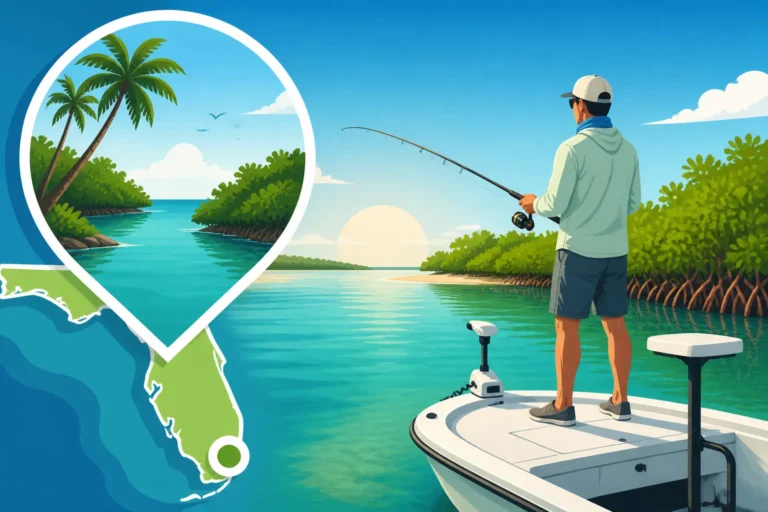
Oh, the St. Johns River! It's one of those iconic Florida waterways that calls to every angler's heart, but let's be honest, its sheer size and diverse environments can feel incredibly intimidating. You might be wondering where on earth to even cast a line, what species you'll encounter, or whether you need different gear for different sections. It's a valid frustration, as this isn't your average neighborhood creek! This comprehensive guide is here to untangle the complexities of fishing the St. Johns River, breaking down its unique characteristics, species, best techniques, and access points so you can approach this magnificent river with confidence and hook into some incredible fish.
Understanding the Mighty St. Johns River
The St. Johns River is more than just a river; it's a living, breathing ecosystem unlike any other in Florida, and frankly, in many parts of the world. It flows north, which is a curious anomaly, meandering through vast wetlands, cypress swamps, and urban landscapes for over 310 miles. This journey from its headwaters near Vero Beach all the way to Jacksonville, where it empties into the Atlantic Ocean, creates a staggering variety of fishing environments. Understanding these unique characteristics is the first step to unlocking its angling potential.
A River Like No Other: Its Unique Characteristics
What makes the St. Johns River so special, and sometimes so challenging, for anglers? First, there's its slow, lazy flow. Unlike fast-moving rivers that often dictate where fish hold, the St. Johns often feels more like a series of interconnected lakes, particularly in its upper and middle basins. This slow current allows for extensive vegetation growth, creating incredible habitat but also presenting challenges for navigation and finding fish in dense cover.
Secondly, and perhaps most importantly, is its hydrologic connection to the ocean. While much of the river is unequivocally freshwater, the lower basin, especially from Lake George northwards, becomes increasingly brackish. By the time you reach Jacksonville, you're fishing a true estuary, influenced by oceanic tides and salinity levels that fluctuate daily. This means you can target everything from largemouth bass and crappie in the upper reaches to redfish, snook, and even tarpon closer to the coast. It’s a remarkable transition that offers unparalleled fishing diversity, but it also means you need to adjust your approach significantly depending on where you are.
Major Sections and How They Differ
To really get a handle on fishing the St. Johns, it's helpful to break it down into three general sections: the Upper Basin, the Middle Basin, and the Lower Basin. Each offers a distinct fishing experience and presents different target species.
The Upper Basin: Headwaters to Lake Harney
This section starts with the river's humble beginnings in the vast marshes of Indian River and Brevard counties, flowing north through a series of shallow lakes like Lake Hell 'n Blazes, Lake Washington, and Lake Harney. This is classic Florida freshwater fishing territory. The river here is often narrow, winding, and dominated by dense aquatic vegetation, cypress trees, and sawgrass. Think undisturbed wilderness, where airboats might be your best mode of transport in some areas. The fishing here is primarily for largemouth bass, various panfish (like bluegill and shellcracker), and catfish. The water can be stained or tannic, and the focus is often on flipping jigs, punching mats, or throwing spinnerbaits into cover. It's a peaceful, often solitary angling experience far from the hustle and bustle.
The Middle Basin: Lake Harney to Lake George
As the St. Johns continues its northward journey, it widens considerably, forming large, shallow expanses like Lake Monroe, Lake Jessup, and the massive Lake George. This is arguably the most famous section for freshwater anglers, especially those seeking trophy largemouth bass and slabs of black crappie (speckled perch). Lake George, in particular, is Florida's second-largest lake and a renowned fishing destination. Here, the river takes on more of a lake-like character with expansive open waters, but still features plenty of hydrilla beds, lily pads, and cypress lines. The current is still minimal, and navigation is generally easier than in the headwaters. While primarily freshwater, there can be very slight salinity influences this far north, especially during dry seasons when the river's flow is reduced, but it's still very much a freshwater fishery. You might find a wider variety of freshwater species here, including chain pickerel, bowfin, and various sunfish.
The Lower Basin: Lake George to the Atlantic Ocean
This is where the St. Johns River truly transforms. North of Lake George, especially as you approach Palatka, Green Cove Springs, and then Jacksonville, the river becomes noticeably wider, deeper, and increasingly tidal. The influence of saltwater is undeniable here, creating a vibrant brackish environment that supports both freshwater and saltwater species. The river's character changes from wild wetlands to more developed banks with marinas, bridges, and industrial areas, particularly around Jacksonville.
In this lower basin, you can expect to catch largemouth bass, crappie, and catfish right alongside redfish, spotted seatrout, flounder, and even transient species like snook and tarpon. The tides become a critical factor for fishing success, influencing bait movement and fish behavior. It's a truly unique "best of both worlds" scenario, offering an incredible variety for anglers willing to adapt their techniques to the shifting conditions. Understanding the Florida Saltwater Fishing License Rules becomes important in this section, as opposed to the Florida Freshwater Fishing License Rules for the upper and middle basins.
Targeting Freshwater Species in the Upper & Middle Basins
The upper and middle basins of the St. Johns River are a paradise for freshwater anglers. This is where Florida's iconic largemouth bass thrive, alongside abundant panfish and hefty catfish. The environment here, with its dense vegetation and slow-moving water, demands specific techniques to coax these fish out of their comfortable hiding spots.
Chasing Largemouth Bass: Techniques and Hotspots
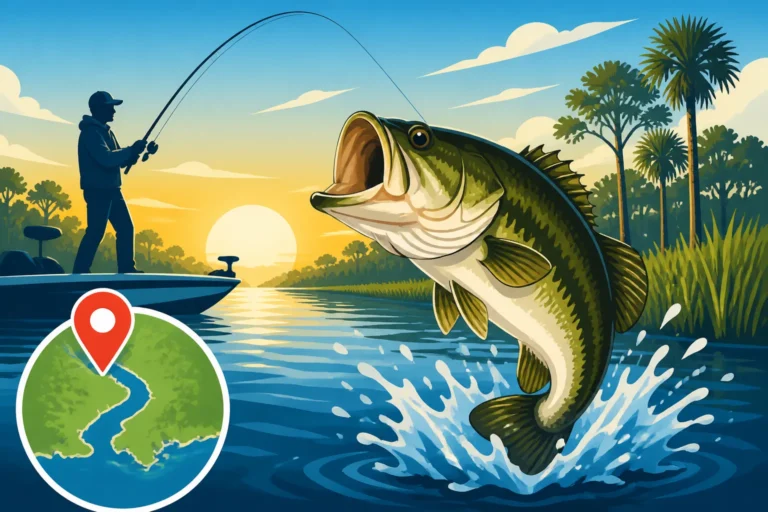
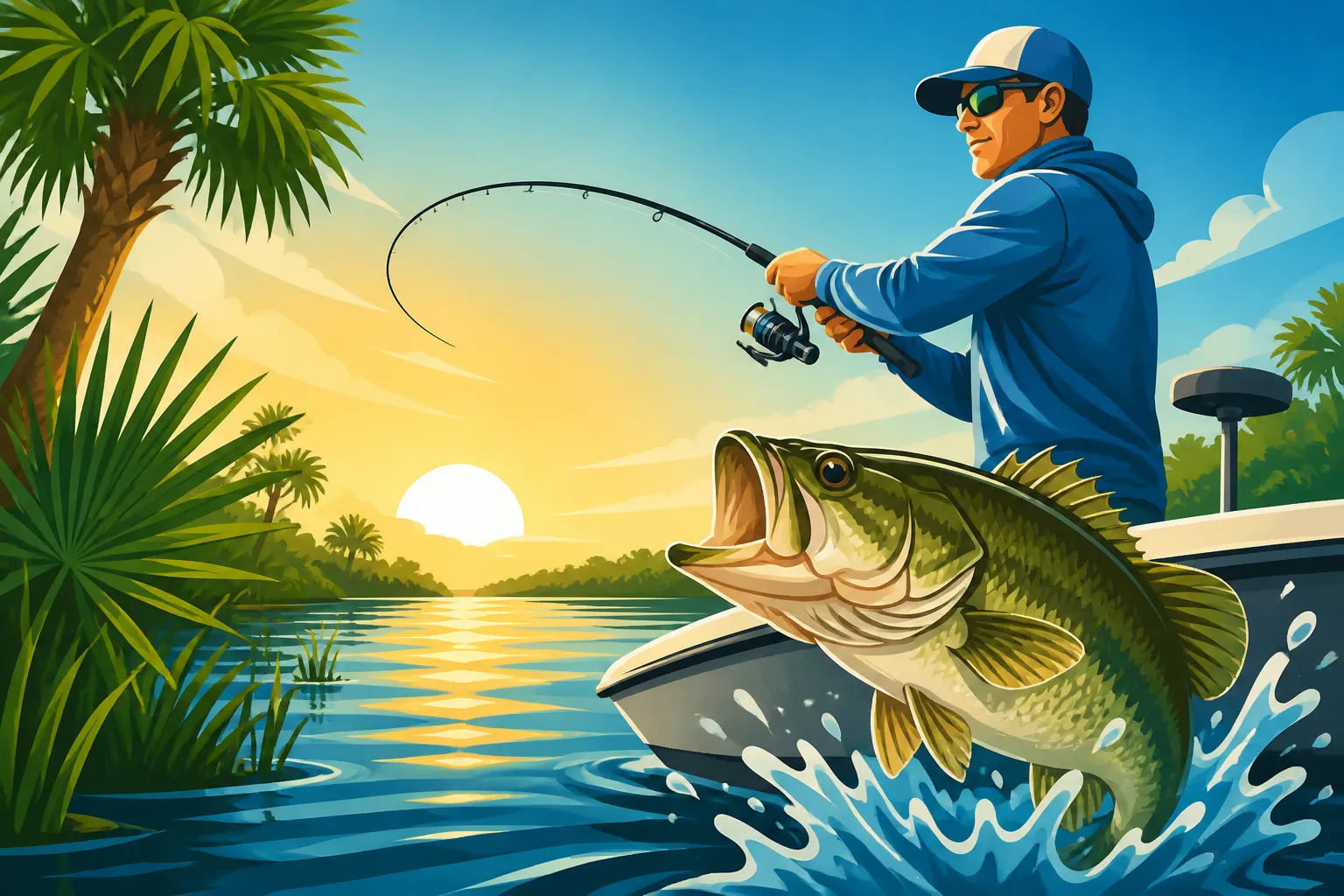
If you're coming to the St. Johns for bass, you're in good company. This river system is legendary for its largemouth, with many anglers reporting trophy-sized catches. The key to success often lies in understanding their preferred habitats and adjusting to the river's unique conditions.
Best Baits and Techniques
For big bass in the St. Johns, especially in the thick vegetation, heavy-duty gear is often a must. Think flipping and pitching. Punching jigs or creature baits rigged with heavy tungsten weights through dense mats of hydrilla, water hyacinths, or lily pads is incredibly effective. This technique allows you to get your bait directly into the fish's living room. Texas-rigged plastic worms, Senkos, and creature baits in darker colors (junebug, black and blue) are also staples. Spinnerbaits and chatterbaits can be great for covering water along grass lines and cypress tree edges, especially in slightly clearer water or during active feeding periods. Topwater lures like frogs or popping baits are electrifying during low-light conditions or when bass are actively feeding on the surface around dense cover. Remember, the water can be tannic and stained in many areas, so baits with good vibration or dark profiles tend to stand out. Learn more about effective strategies in a comprehensive Florida Bass Fishing Techniques guide.
Hotspots for Bass
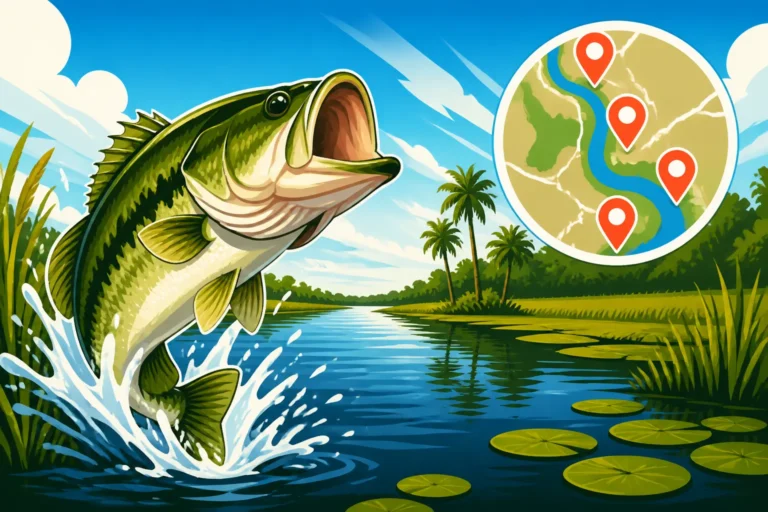
While bass can be found throughout the upper and middle basins, certain areas consistently produce. Lake George is a perennial favorite, known for its extensive hydrilla beds and offshore shell bars. Areas like Drayton Island, the numerous creek mouths feeding into the lake, and the edges of vast grass flats are prime locations. Lake Monroe and Lake Jessup also offer excellent opportunities, particularly around their many docks, cypress trees, and submerged structure. Look for areas with a mix of vegetation and deeper channels, especially where tributaries or canals feed into the main river, creating current breaks and ambush points. Fishing during the Best Time of Year to Fish in Florida often means focusing on the cooler months for trophy bass, but they can be caught year-round.
Crappie and Panfish: A Delicious Pursuit
Beyond the bass, the St. Johns River is a fantastic destination for "slab" crappie (also known as speckled perch or specks) and a variety of panfish like bluegill, shellcracker, and warmouth. These smaller but feisty fish offer excellent table fare and provide consistent action, making them perfect targets for family outings or when you just want to put some fish in the cooler.
Simple Rigs for Consistent Bites
Crappie and panfish generally respond well to lighter tackle. A light or ultralight spinning rod with 4-6 lb test line is perfect. For crappie, live minnows are king, often fished under a bobber near brush piles, submerged timber, or bridge pilings. Small jigs (1/32 to 1/16 oz) in white, chartreuse, or black, tipped with a tiny plastic grub or a minnow, are also deadly. Spider rigging multiple rods with different depths and baits is a popular and effective crappie technique, especially over deeper holes or open water structure in lakes like Lake Monroe or Lake George.
Panfish are less particular. Crickets, worms (especially red wigglers), and small pieces of bread or corn work wonders. Fish these under a bobber near lily pads, docks, or along shady banks where there's plenty of cover. Small fly fishing setups can also be incredibly fun for bluegill and shellcracker.
Finding the Panfish Pockets
Crappie tend to congregate in deeper pockets, especially during warmer months, moving to shallower spawning grounds in late winter and early spring. Look for them around fallen trees, brush piles, bridge supports, and submerged structure in the main river channel or in the larger lakes. Lake George and the numerous sloughs and oxbows connected to the river are excellent crappie grounds. Bluegill and shellcracker, on the other hand, are often found closer to shore, in areas with lily pads, cattails, and over sandy or shell beds. Creek mouths and residential docks also hold a lot of panfish. They love structure and shade, so targeting these areas with natural baits will almost always produce.
Catfish: Bottom-Dwellers of the River
For those who love the fight and the flavor of catfish, the St. Johns River delivers. It's home to good populations of channel catfish, white catfish, and the impressive blue catfish, particularly in the middle and lower freshwater sections. These powerful bottom-dwellers can grow to considerable sizes and provide excellent angling opportunities, especially for those fishing after dark.
Heavy Tackle for Heavy Hauls
Catfish aren't particularly picky, but you do need robust tackle to handle their size and strength, especially if you hook into a large blue catfish. Medium-heavy to heavy action rods with spinning or baitcasting reels spooled with 15-30 lb monofilament or braided line are appropriate. A simple bottom rig, such as a Carolina rig with an egg sinker or a three-way swivel rig, is standard.
Bait-wise, catfish are opportunistic scavengers. Cut bait (shad, mullet, or any oily fish), chicken livers, nightcrawlers, and shrimp are all highly effective. Prepared stink baits can also be irresistible to them. For larger blue catfish, bigger pieces of cut bait or even live bream can be the ticket. When fishing for them, patience is key. Cast out your bait, let it settle on the bottom, and wait for that characteristic slow pull or sudden thump.
Prime Catfish Spots
Catfish are found throughout the freshwater sections of the St. Johns, but they tend to prefer deeper holes, channel edges, and areas with slower current or eddies. Look for them around bridge pilings, submerged logs, and drop-offs. Tributary mouths, where food washes into the main river, are also excellent spots. Many anglers target catfish at night, as they are nocturnal feeders and often become more active after the sun goes down. Fishing from stationary boats anchored near channel breaks or from public fishing piers and docks can be very productive.
Navigating the Brackish and Saltwater Transition Zones
The St. Johns River's journey from freshwater haven to tidal estuary is truly fascinating for an angler. As you move northward past Lake George, the river gradually embraces the sea, offering a unique blend of species and fishing challenges. This transition zone, particularly from Palatka through Jacksonville, requires a different mindset and different tackle than the purely freshwater sections.
Where Fresh Meets Salt: The Estuarine Environment
The estuarine portion of the St. Johns River is a dynamic environment where freshwater from inland runoff mixes with saltwater pushed in by the Atlantic tides. This creates a fascinating and often challenging fishing scenario. Salinity levels can vary significantly throughout the day and with seasonal rainfall, impacting where fish are found. A heavy rain event upstream can push fresh water further downstream, temporarily lowering salinity, while prolonged dry periods allow saltwater to creep further inland. This means the fish you encounter can change almost daily.
Understanding the Tidal Influence
Unlike the upper river, where current is minimal, the lower St. Johns is heavily influenced by the tides. Tidal currents become a crucial factor, moving bait and positioning fish. Incoming tides bring in clearer, saltier water and often baitfish from the ocean, while outgoing tides can flush out nutrients and smaller organisms from the marshes, attracting predators to feeding lanes. Knowing the tide schedule is paramount for success in this section. Fish often feed most actively during moving water, particularly around the beginning and end of incoming or outgoing tides. Slack tide, when the water movement is minimal, can sometimes be slower.
Common Brackish Water Species
In these transition zones, it's not uncommon to catch a largemouth bass on one cast and a redfish on the next. The most common "game fish" here are redfish, spotted seatrout, and flounder. However, you'll also encounter a variety of other species, including black drum, sheepshead, and even some of the hardier freshwater species like catfish and sometimes even striped bass that have adapted to the brackish environment. During warmer months, true saltwater species like snook and even juvenile tarpon can push far upriver, offering exciting and unexpected opportunities.
Targeting Redfish and Speckled Trout
Redfish and spotted seatrout are the bread and butter of the St. Johns River's brackish waters, especially in the areas closer to Jacksonville and the Atlantic. They're both fantastic sport fish and excellent table fare, making them highly sought after by local anglers.
Redfish: The Powerful Brawler
Redfish are robust, hard-fighting fish that patrol the shallows and feed around structure. In the St. Johns, they can be found cruising oyster bars, grass flats, docks, and submerged structures. They love to ambush baitfish and crustaceans. For redfish, live bait like finger mullet, shrimp, or mud minnows are incredibly effective, typically fished on a 1/4 to 1/2 oz jig head or under a popping cork. Artificial lures such as soft plastic paddletails (chartreuse, white, or new penny colors) rigged on jig heads, weedless spoons, and topwater plugs during low-light conditions are also extremely productive. When sight fishing, a weedless soft plastic or a D.O.A. Shrimp can be irresistible. Focus your efforts around creek mouths, points, oyster beds, and bridge pilings during moving tides. A good resource for targeting these fish is a Florida Redfish Fishing Guide.
Spotted Seatrout: The Speckled Ambusher
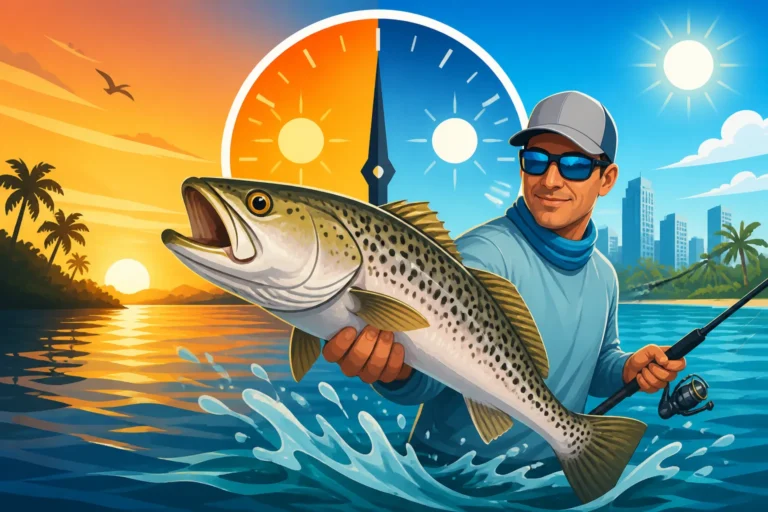
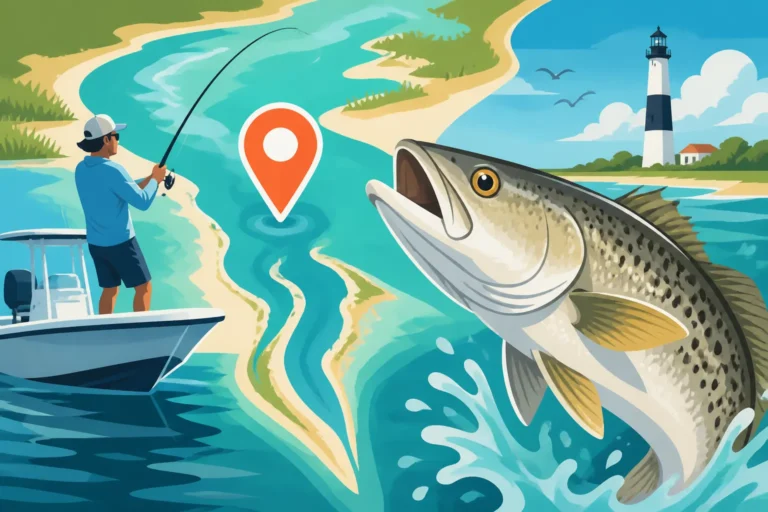
Spotted seatrout, or "specks" as they're affectionately called, are ambush predators that often lurk in grass flats, channel edges, and around oyster bars. They have delicate mouths, so a softer hand on the hook set is often required. Live shrimp are almost always a winning bait for trout, fished under a popping cork or free-lined. Artificial shrimp, soft plastic jigs (like Gulp! shrimp or Z-Man scented plastics), and topwater lures in the early morning or late evening are also excellent choices. Look for them in areas with healthy seagrass beds, especially along deeper edges or near current breaks. The Florida Spotted Seatrout Fishing Guide can offer more specific tips for success.
Occasional Saltwater Visitors and How to Find Them
While redfish and trout are mainstays, the lower St. Johns River can surprise you with a variety of other saltwater species, especially as you get closer to the Atlantic Ocean. These visitors add an exciting layer of unpredictability to your fishing day.
Snook: The Elusive Fighter
Snook are a highly prized game fish, known for their explosive strikes and powerful fights. While typically associated with warmer, coastal waters, snook can push surprisingly far up the St. Johns, especially during the warmer months. Look for them around structure: docks, bridge pilings, seawalls, and creek mouths that offer ambush points and current breaks. They love live pilchards, pinfish, or mullet, but will readily hit artificials like flair hawk jigs, soft plastic paddle tails, and topwater lures. Targeting snook requires stealth and precision. Remember, snook have strict size and bag limits, and seasons vary, so always check current Florida Fishing Regulations and Bag Limits before heading out.
Flounder: The Bottom Dweller
Flounder are delicious flatfish that lie camouflaged on the bottom, waiting to ambush passing bait. They are most commonly found in the lower St. Johns, especially around sandy or muddy bottoms, channel edges, and jetties near the mouth of the river. Live mud minnows, finger mullet, or shrimp fished on a Carolina rig are highly effective. You can also catch them on small bucktail jigs or soft plastic grubs fished slowly along the bottom. The key to flounder fishing is a slow, methodical retrieve to keep your bait in their strike zone. Their bite is often a subtle "thump," so pay close attention!
Other Surprises: Tarpon, Black Drum, and More
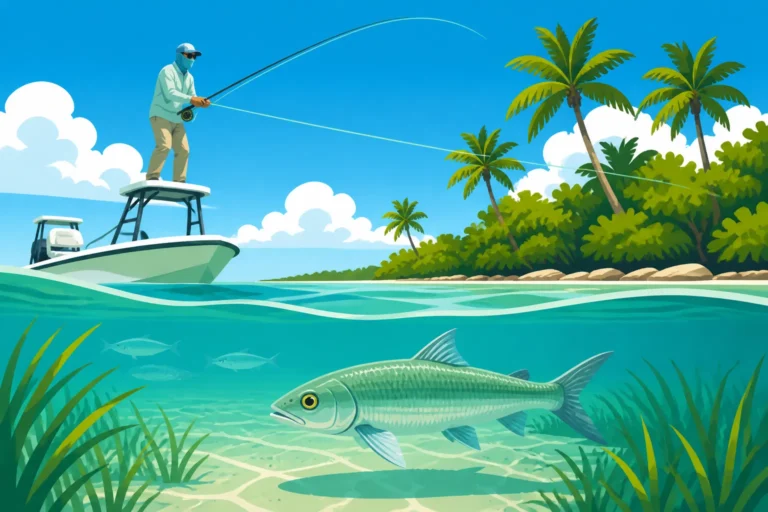
Believe it or not, juvenile tarpon occasionally venture into the lower St. Johns, particularly during late spring and summer. While not a common catch for most, targeting them with live mullet or large artificials can lead to an unforgettable fight. Black drum, often mistaken for redfish, are also common around oyster bars and deeper channels, biting on shrimp, crabs, or cut bait. Sheepshead, with their distinctive human-like teeth, are structure-oriented fish, often found around pilings and docks, eager to snatch a fiddler crab or a small piece of shrimp. The sheer diversity of species you can encounter in the St. Johns River's brackish zone truly makes it a unique and rewarding fishery.
Essential Gear and Tackle for St. Johns River Anglers
Fishing the St. Johns River, with its incredible range from pure freshwater to saltwater estuary, means that a "one-size-fits-all" approach to gear just won't cut it. You'll need to be prepared for diverse conditions and a wide variety of species. Having the right rods, reels, and terminal tackle is crucial for a successful and enjoyable trip.
Rod and Reel Setups for Diverse Species
Given the varied environments, it's wise to consider having a few different rod and reel setups, or at least one versatile setup that can handle a range of scenarios.
Freshwater Workhorses (Upper & Middle Basins)
For largemouth bass, especially when punching heavy mats or working thick cover, a medium-heavy to heavy power baitcasting rod (7' to 7'6") paired with a high-quality baitcasting reel (7.1:1 or higher gear ratio) spooled with 30-50 lb braided line is ideal. This setup provides the backbone to pull big fish out of dense vegetation. For crappie and panfish, a lighter touch is needed. A 6' to 7' ultralight or light action spinning rod with a small spinning reel (1000-2000 series) spooled with 4-6 lb monofilament or fluorocarbon line is perfect for sensing those subtle bites and enjoying the fight of smaller fish. A medium-action spinning rod (7') with 10-15 lb braid can be a versatile option for lighter bass fishing or larger panfish.
Saltwater-Ready Combos (Lower Basin)
As you venture into the brackish and saltwater sections, corrosion resistance becomes important. For redfish, spotted seatrout, and flounder, a medium to medium-heavy power spinning rod (7' to 7'6") paired with a 3000-4000 series saltwater spinning reel is a great all-around choice. Spool it with 10-20 lb braided line, which offers sensitivity and casting distance. You'll want to use a 20-30 lb fluorocarbon leader for abrasion resistance and stealth. If you're targeting larger snook or an unexpected tarpon, you might step up to a medium-heavy rod and a 5000-series reel with 30-40 lb braid and a heavier leader. Remember to rinse all your saltwater gear thoroughly with fresh water after each outing to prevent corrosion.
Baits and Lures That Get Bites
The St. Johns River is a smorgasbord of feeding opportunities for fish, and your bait selection should reflect that diversity.
Natural Baits: The Universal Attractors
Live bait is often incredibly effective throughout the St. Johns. In freshwater sections, live shiners are hard to beat for trophy largemouth bass. Live minnows are king for crappie, while crickets and worms are irresistible to panfish. For catfish, cut bait (mullet, shad, or even pieces of hot dog), chicken livers, and nightcrawlers are top choices. In the brackish and saltwater zones, live shrimp are perhaps the most versatile bait, catching everything from trout and redfish to flounder and even snook. Live mud minnows, finger mullet, and small pinfish are also excellent choices for redfish and snook. Cast netting for bait in Florida waters can be a fun and effective way to secure fresh bait.
Artificial Lures: Precision and Persistence
The right artificial lures can be incredibly productive, especially for covering water and targeting specific species. For bass, think soft plastic worms, creature baits, jig-and-trailer combos, spinnerbaits, chatterbaits, and topwater frogs. In the brackish zones, soft plastic paddletails (3-5 inches) on jig heads are deadly for redfish and trout. Colors like chartreuse, white, new penny, and motor oil are popular. Weedless spoons are excellent for redfish on grass flats. Topwater plugs (like MirrOlure TopDogs or Heddon Super Spooks) can elicit explosive strikes from redfish, trout, and snook during low-light conditions. Lipless crankbaits and shallow-diving jerkbaits can also be effective in both fresh and brackish water. Having a range of these options will keep you prepared for whatever the St. Johns throws your way.
| Species Group | Recommended Rod/Reel | Primary Baits (Live) | Primary Lures (Artificial) | Leader Material/Size |
|---|---|---|---|---|
| Largemouth Bass | Med-Heavy Baitcaster (7-7'6") / 30-50lb Braid | Live Shiners | Jigs, Soft Plastics, Spinnerbaits, Frogs | Fluorocarbon 15-25lb |
| Crappie/Panfish | Ultralight Spinning (6-7') / 4-6lb Mono | Minnows, Crickets, Worms | Small Jigs, Tiny Grubs | Fluorocarbon 4-8lb |
| Catfish | Med-Heavy Spinning/Baitcaster (7') / 15-30lb Braid/Mono | Cut Bait, Chicken Livers, Worms | Stink Baits (rarely lures) | Mono/Fluoro 20-40lb |
| Redfish/Trout/Flounder | Med-Heavy Spinning (7-7'6") / 10-20lb Braid | Live Shrimp, Mud Minnows, Mullet | Soft Plastics, Spoons, Popping Corks | Fluorocarbon 20-30lb |
| Snook/Tarpon (Lower River) | Med-Heavy to Heavy Spinning/Baitcaster (7'6") / 30-50lb Braid | Live Pilchards, Pinfish, Mullet | Flair Hawk Jigs, Topwater, Large Soft Plastics | Fluorocarbon 40-80lb |
Navigational Tools and Safety Equipment
Fishing the St. Johns River, particularly in its larger lakes and the lower, wider sections, demands attention to navigation and safety. It's a vast waterway, and conditions can change rapidly.
Charts and GPS
A good GPS unit with up-to-date mapping is invaluable. Whether it's a dedicated marine GPS, a fishfinder with charting capabilities, or a reliable app on your smartphone/tablet, it will help you navigate channels, avoid shallow areas, and mark productive fishing spots. Many areas, especially in the upper and middle basins, have extensive shallow flats and submerged hazards. Navionics and C-MAP are popular charting options. Familiarize yourself with the river's main channels and common boat routes before heading out.
Essential Safety Gear
Always prioritize safety. Ensure you have all required U.S. Coast Guard safety equipment on board, including life jackets for everyone (especially kids!), a throwable device, a sound-producing device (horn or whistle), navigation lights if fishing at night, and a fire extinguisher. A VHF radio is highly recommended for communication in emergencies, particularly in the lower river where commercial traffic is present. A first-aid kit, sun protection (hat, sunscreen, sunglasses), plenty of water, and a reliable anchor with sufficient rode are also non-negotiables for a safe day on the St. Johns. The river can be quite wide and exposed in places, so always check the weather forecast before you go.
Best Times to Fish the St. Johns River
Timing is everything when it comes to fishing, and the St. Johns River is no exception. Its diverse ecosystem means that what's hot in one season might be slow in another, and even the daily tides can dictate success. Understanding these rhythms will significantly increase your chances of a memorable trip.
Seasonal Strategies for Success
Florida's seasons are more subtle than in other parts of the country, but they profoundly impact fishing on the St. Johns.
Spring (March-May): Peak Action for Many Species
Spring is arguably the most productive time across the entire river system. As water temperatures rise, fish become incredibly active. This is prime time for largemouth bass spawning, meaning big females move shallow and are aggressive. Crappie are also in their post-spawn feeding frenzy, schooling up in large numbers. In the lower, brackish sections, redfish and trout become very active, and the first migratory snook and tarpon begin to appear as waters warm. The weather is generally pleasant, making for comfortable fishing days. It's a fantastic time to target a wide variety of species. Consult Florida Fishing Seasons Explained for a broader view.
Summer (June-August): Early Mornings and Evenings are Key
Florida summers mean heat and afternoon thunderstorms. While fishing can be excellent, you'll need to adjust your approach. Bass often move to deeper, cooler water or seek refuge in dense cover. Early mornings and late evenings, or even night fishing, become the most productive times for bass and catfish. In the lower river, the heat means snook and tarpon are more prevalent, and redfish and trout are still active, but often seek deeper grass flats or shaded structure during the heat of the day. Be prepared for strong afternoon storms; always check the radar and prioritize safety. Fishing around these summer storm patterns can actually be productive as fish feed actively before and after the rain.
Fall (September-November): The "Migration" and Cooler Waters
As temperatures begin to drop slightly, fall brings a renewed vigor to fishing on the St. Johns. Baitfish start to migrate, triggering feeding frenzies among predatory species. This is an excellent time for redfish and spotted seatrout in the lower river, as they aggressively feed in preparation for winter. Bass also become more active, moving to shallower waters as the cooler weather approaches. Catfish fishing remains strong, and crappie begin to school up. The weather is generally more stable and enjoyable than summer, making it a favorite season for many anglers. This is often considered the Best Time of Year to Fish in Florida by many.
Winter (December-February): Cold Fronts and Deep Water
Winter in Florida often means cold fronts, which can dramatically affect fishing. Largemouth bass will often retreat to deeper holes, creek channels, or dense cover, becoming less active. Crappie also school up tightly in deeper water. In the brackish sections, redfish can "school up" in large numbers in shallow, dark-bottomed areas that absorb the sun's heat, making them vulnerable to sight fishing. Trout will often move to deeper grass flats or canals. Snook become very sensitive to cold and often seek refuge in warm water discharges or deep canals. Fishing during cold snaps can be challenging, but the days between fronts, as temperatures stabilize, can be incredibly productive.
Understanding Tides and Water Levels
For the lower St. Johns River, tides are a critical factor that can make or break your day.
Tidal Influence (Lower Basin)
The lower St. Johns River experiences two high and two low tides each day, driven by the Atlantic Ocean. Moving water is almost always better for fishing. Incoming tides bring clean, cooler, and saltier water into the estuary, often pushing baitfish in. Outgoing tides flush bait, nutrients, and small organisms out of the backwaters, creating feeding opportunities along channel edges and creek mouths. Fish will position themselves to ambush bait in these currents. Pay attention to tide charts and plan your fishing around the periods of strongest current (the two to three hours before and after a high or low tide). During slack tide, when the water is relatively still, fishing can slow down.
Water Levels (Upper & Middle Basins)
In the freshwater upper and middle basins, rainfall and river flow are more influential than oceanic tides. High water levels, often after heavy rains, can push fish into flooded vegetation and make them harder to locate. Lower water levels concentrate fish in the main river channel or deeper holes. Pay attention to local rainfall patterns and river gauge reports. Stable water levels, or slowly falling water levels after a rain event, are often ideal, as fish become more predictable.
Weather Impacts and Adapting Your Approach
Beyond seasons and tides, daily weather conditions play a huge role in fishing success.
Wind and Current
Wind can create chop on the water, making boat control difficult and muddying shallow areas. It can also create strong currents, especially in the wider sections of the river. Use the wind to your advantage where possible for drift fishing, or seek sheltered areas. Conversely, a calm, windless day might mean flat, clear water where fish are easily spooked.
Barometric Pressure
Sudden drops in barometric pressure (often associated with approaching cold fronts or storms) can make fish less active. Stable or slowly rising pressure often correlates with more active feeding. While you can't control the pressure, knowing its trend can help manage expectations.
Water Temperature
Water temperature is perhaps the most critical factor influencing fish activity. Each species has a preferred temperature range. During extreme cold, fish become sluggish and seek thermal refuge. During extreme heat, they might move to deeper, cooler water or become active only during cooler periods of the day. Many modern fishfinders can provide accurate water temperature readings, which can be invaluable for locating active fish. Being adaptable and having alternative strategies for different weather conditions is a hallmark of a successful St. Johns River angler.
Public Access Points, Boat Ramps, and Shoreline Opportunities
One of the great things about the St. Johns River is its accessibility. Stretching for hundreds of miles, there are numerous places to launch a boat, cast from shore, or just enjoy the scenery. Knowing where to go is key to maximizing your time on the water.
Finding Your Entry Point: Ramps and Parks
Whether you're trailering a bass boat, a flats skiff, or a modest jon boat, you'll find plenty of public boat ramps strategically located along the St. Johns River.
Upper and Middle Basin Ramps
In the upper reaches, closer to its headwaters, ramps might be simpler, sometimes just dirt or gravel, providing access to more remote sections. As you move into the middle basin, particularly around the larger lakes like Lake Monroe, Lake Jessup, and Lake George, you'll find more developed ramps. Popular spots include:
- Public ramps on Lake Monroe: Often found in or near Sanford, offering access to this large lake and the river upstream and downstream.
- Lake George State Forest Boat Ramp: Provides access to the massive Lake George.
- Astor boat ramp: Located near the town of Astor, a popular access point for the river and Lake George.
Many of these ramps are well-maintained, with ample parking, and some even offer facilities like restrooms and bait shops. It's always a good idea to check local county or Florida Fish and Wildlife Conservation Commission (FWC) websites for specific ramp details and any usage fees.
Lower Basin and Estuary Ramps
As you head north towards Palatka and Jacksonville, the ramps become more numerous and often larger, accommodating bigger boats suitable for the wider, deeper, and sometimes choppier conditions of the lower river.
- Palatka's public ramps: Excellent for accessing the transition zone where freshwater species still mingle with brackish inhabitants.
- Green Cove Springs: Offers good access to the mid-lower river.
- Jacksonville area ramps: Numerous options from small neighborhood ramps to large municipal facilities like those at Arlington Lions Club Park or metropolitan parks, providing access to the full estuarine environment, including Jacksonville's extensive urban fishing opportunities.
When launching, always be mindful of other boaters, especially during peak seasons or weekends.
Fishing from Piers, Docks, and Shorelines
You don't always need a boat to enjoy fantastic fishing on the St. Johns River. Many areas offer excellent opportunities for land-based anglers.
Public Piers and Docks
Several communities along the St. Johns have public fishing piers or docks that extend into the river, allowing anglers to reach deeper water without a vessel. These are particularly popular in the more developed lower and middle sections. For instance, in Sanford, you'll find the popular RiverWalk, which includes fishing areas. In Jacksonville, there are numerous docks and bulkheads along the river, especially downtown and in residential areas, that provide access to the brackish waters.
- Benefits: These spots are often well-lit (great for night fishing), accessible for all ages and abilities, and don't require any special equipment beyond your rod and reel. They're prime spots for catfish, panfish, and in the lower river, even redfish and trout.
- Considerations: Can sometimes be crowded, and you might be limited to a single fishing spot. Always be courteous to other anglers. Do you need a license to fish from a Florida pier? Generally, no, if the pier has a valid pier fishing license covering its patrons, but it's always good to double-check local regulations.
Shoreline and Bridge Fishing
Many parks and wildlife management areas along the St. Johns offer miles of fishable shoreline. These are fantastic for a more relaxed angling experience, perhaps with a cooler and a folding chair. Look for areas with natural cover like overhanging trees, fallen logs, or grass lines, which hold fish.
Bridge fishing can also be productive, particularly on bridges that span the wider parts of the lower river. Bridge pilings create current breaks and attract baitfish, making them prime ambush points for larger predators like redfish and even snook. Just ensure that fishing from a particular bridge is legal and safe, and always watch for traffic. The City of Jacksonville, for example, has several bridges that offer fishing access.
Navigating the River: Boating Considerations
For those exploring by boat, understanding the St. Johns' unique navigational aspects is crucial.
Channel Markers and Hazards
The St. Johns River is well-marked in its main channels, especially in the middle and lower basins where commercial and recreational traffic is heaviest. Pay close attention to channel markers (red right returning from the ocean) and heed speed zones, especially in narrower sections or near populated areas. However, venturing off the main channel, particularly in the upper and middle basins, can quickly lead you into shallow water or areas with submerged logs, stumps, or sandbars. Always use your GPS and sonar to stay safe.
Respecting Wildlife and Private Property
The St. Johns River is teeming with wildlife, including alligators, manatees, and various bird species. Give manatees a wide berth, especially in designated slow zones, as they are protected. Also, be mindful of private property when fishing from a boat. While the water itself is public, docks, seawalls, and private land extending to the water are not for public access without permission. Always keep a respectful distance from private docks and residences. By being prepared and respectful, you can enjoy all the incredible boating and fishing opportunities the St. Johns River has to offer.
Hiring a St. Johns River Fishing Guide
While the St. Johns River offers incredible DIY opportunities, its vastness and complexity can be daunting, especially for first-time visitors or those new to the area. This is where a professional fishing guide can be an invaluable asset, transforming a potentially frustrating day into a highly successful and educational experience.
When a Local Expert Makes All the Difference
Imagine stepping onto a boat with someone who has spent thousands of hours learning the river's every nuance, from secret honey holes to the subtle changes in fish behavior with the shifting tides or weather. That's what a St. Johns River fishing guide brings to the table.
Unlocking Hidden Gems and Prime Locations
The St. Johns is huge. Without local knowledge, you could spend days, even weeks, just trying to locate productive areas. Guides know where the fish are holding based on the time of year, water levels, recent rainfall, and even specific times of day. They can take you directly to those productive hydrilla mats for bass, the deep holes for crappie, or the oyster bars where redfish are tailing. This saves you valuable fishing time and eliminates the guesswork, getting you straight to the action.
Mastering Local Techniques and Baits
Specific sections of the St. Johns, and even specific species, respond best to particular techniques or baits. A guide will have all the local tricks up their sleeve – whether it's the perfect jig for river crappie, the precise way to work a topwater plug over a bass bed, or the most effective live bait rig for redfish in a specific current. They'll also provide all the necessary gear, often top-of-the-line rods, reels, and fresh bait, saving you the expense and hassle of buying or transporting your own. You'll learn not just where to fish, but how to fish effectively on this unique river. A guide can also help with the Catch and Release Best Practices for Snook or other sensitive species.
Choosing the Right Guide for Your Trip
Selecting the right guide is crucial for a positive experience. Not all guides specialize in the same species or sections of the river.
Researching and Specialization
Before booking, consider what kind of fishing experience you're looking for. Are you dead-set on a trophy largemouth bass? Do you want to target redfish and trout in the brackish lower river? Or are you looking for a family-friendly panfish trip?
- Bass Guides: Many guides specialize in the bass fisheries of Lake George, Lake Monroe, and the upper river, often operating out of bass boats. They'll focus on traditional freshwater techniques.
- Crappie/Panfish Guides: Some guides cater specifically to crappie and panfish, often using specialized techniques like spider rigging.
- Inshore/Estuary Guides: In the lower St. Johns near Jacksonville, guides will typically run bay boats or flats boats and specialize in saltwater species like redfish, trout, and flounder, often providing more of a Florida Inshore Fishing Techniques experience.
Look for guides with good reviews and a strong track record for the type of fishing you're interested in. Websites like FishingBooker are excellent resources for finding guides, reading reviews, and checking their specialties. You can browse various St. Johns River fishing guides and compare their offerings, ensuring you find someone who matches your expectations.
Credentials and Experience
Ensure your guide is properly licensed and insured. In Florida, charter captains operating for hire typically need a U.S. Coast Guard (USCG) Captain's License. Don't be shy about asking about their experience on the St. Johns itself. A long-time local guide will have an intimate knowledge of the river's ever-changing conditions. Also, consider their boat and equipment – it should be well-maintained, safe, and appropriate for the type of fishing and water you'll be on. A good resource for choosing a guide is How to Choose a Florida Fishing Guide.
What to Expect on a Guided Trip
A guided trip is more than just fishing; it's an educational adventure.
What's Typically Included
Most St. Johns River fishing charters include:
- Expert Guidance: The captain's knowledge, experience, and assistance throughout the trip.
- Gear: High-quality rods, reels, and tackle appropriate for the target species.
- Bait: Live and/or artificial bait, often custom-selected for the day's conditions.
- Licensing: Often, the guide's vessel will cover the required Florida fishing licenses for all anglers on board, eliminating the need for you to purchase one individually. However, it's always wise to confirm this beforehand, especially for specific permits like snook or lobster.
- Fish Cleaning: Many guides will clean and bag your catch at the end of the trip, ready for you to take home and cook.
What to Bring and Tipping Etiquette
You'll generally need to bring personal items like snacks, drinks, sun protection (hat, sunglasses, sunscreen), and appropriate clothing for Florida's weather. Rain gear is always a good idea, even on sunny days, due to pop-up showers.
Tipping your guide is customary and highly appreciated, much like tipping in a restaurant. A standard tip is 15-20% of the trip's cost, assuming you received good service and enjoyed your experience. If the guide went above and beyond, consider tipping more. This industry relies heavily on gratuities, and a good tip acknowledges their hard work, knowledge, and efforts to ensure you have a successful day.
A guided trip on the St. Johns River is an investment, but for many, it's an investment in a memorable experience, a learning opportunity, and a higher chance of landing that dream fish.
Regulations, Licenses, and Conservation Efforts
Fishing is a privilege, and ensuring the health and sustainability of the St. Johns River's incredible fisheries for future generations is paramount. This means understanding and adhering to Florida's fishing regulations and actively participating in conservation efforts.
Understanding Florida Fishing Regulations
Navigating fishing regulations can sometimes feel like deciphering a complex legal document, but it's absolutely crucial. Florida has specific rules that cover everything from licensing requirements to size and bag limits.
Licensing Requirements
The first and most important step for any angler in Florida is to secure the correct fishing license. The type of license you need depends on where you'll be fishing on the St. Johns:
- Freshwater Fishing: If you're solely fishing in the upper and middle basins, where the water is purely freshwater, you'll need a Florida Freshwater Fishing License Rules. This covers species like largemouth bass, crappie, bluegill, and catfish.
- Saltwater Fishing: If you plan to fish in the lower St. Johns, from Lake George north through Jacksonville, where brackish and saltwater species are present, you'll need a Florida Saltwater Fishing License Rules. This covers redfish, spotted seatrout, flounder, snook, and other marine species.
- Combination License: Many anglers opt for a combination freshwater and saltwater license, which offers the most flexibility for fishing anywhere on the river without worrying about the water type.
- Exemptions: There are certain exemptions, such as for very young children (under 16), Florida residents over 65, and those fishing from a licensed pier or charter boat. Always check the current Florida Fishing License Exemptions to see if you qualify. You can easily buy a Florida fishing license online or at most bait and tackle shops, Walmart, or through the FWC GoOutdoorsFlorida.com website.
Size and Bag Limits
Florida's FWC sets specific size and bag limits for most recreational fish species. These limits are designed to protect fish populations and ensure healthy breeding stocks. It's not just about what you catch, but what you keep.
- Largemouth Bass: Typically, there's a slot limit, meaning fish within a certain size range must be released, while you can keep a limited number of fish outside that slot.
- Redfish & Spotted Seatrout: These popular brackish water species often have slot limits and strict bag limits, which can vary by region.
- Snook: Snook have highly regulated seasons, size limits, and bag limits, with closures during critical spawning periods and cold weather. They also require a separate Snook Permit in addition to a saltwater license if you plan to keep them.
These regulations are dynamic and can change seasonally or annually based on stock assessments. Always consult the latest FWC regulations guide (available online and at most tackle shops) before you head out. Ignorance of the law is not an excuse, and penalties for fishing without a license or violating limits can be severe, including fines and gear confiscation.
Ensuring a Sustainable Fishery
Every angler plays a vital role in protecting the St. Johns River's fishery. Conservation isn't just about following rules; it's about adopting best practices that promote the health of the ecosystem.
Catch and Release Best Practices
For many species, especially those with strict limits or those you don't intend to eat, responsible catch and release is crucial.
- Minimize Fight Time: Land the fish quickly to reduce stress.
- Handle With Care: Use wet hands or a wet, soft-rubberized net. Avoid touching gills or eyes. Support the fish's full body weight, especially for larger fish.
- Proper Hook Removal: Use de-hooking tools if possible. If the fish is deeply hooked, cut the line as close to the hook as possible; don't try to rip it out.
- Revive the Fish: Hold the fish gently in the water, facing into the current, until it regains its strength and swims away on its own. Never just toss a tired fish back.
These practices increase the survival rate of released fish, contributing to a healthier population.
Protecting Habitat
Healthy fish populations rely on healthy habitats. Avoid damaging seagrass beds, oyster bars, and sensitive shorelines with your boat propeller or anchor. Be mindful of your wake, especially in narrow channels or near delicate marsh areas. Dispose of all trash, including fishing line, properly. Fishing line can be a deadly hazard to wildlife. Many marinas and public access points have monofilament recycling bins.
How Florida Fishing License Fees Fund Conservation
It's easy to grumble about license fees, but it's important to remember that these fees are directly invested back into conservation efforts across Florida, including the St. Johns River.
The revenue generated from fishing license sales goes to the FWC, which uses these funds for:
- Fisheries Management: Conducting scientific research, stock assessments, and setting sustainable regulations.
- Habitat Restoration: Projects to restore degraded wetlands, seagrass beds, and other critical fish habitats.
- Enforcement: Funding wildlife officers who patrol waterways, educate anglers, and enforce regulations.
- Fish Hatcheries: Stocking efforts for certain species, although most of Florida's game fish rely on natural reproduction.
- Public Access: Maintaining boat ramps, piers, and other public access points for anglers.
So, when you purchase a Florida Fishing License Guide, you're not just getting permission to fish; you're directly contributing to the long-term health and vitality of Florida's incredible aquatic resources, including the magnificent St. Johns River. It's an investment in the future of fishing.
Disclaimer
Fishing involves inherent risks, including but not limited to adverse weather conditions, encounters with wildlife, and personal injury. Always prioritize safety, check local weather forecasts, and ensure you have appropriate safety gear. Adhere strictly to all Florida Fish and Wildlife Conservation Commission (FWC) regulations regarding fishing licenses, seasons, and bag limits. Regulations can change, so consult the latest official FWC guidelines before each trip. The information provided in this guide is for informational purposes only and should not be considered a substitute for professional advice or current regulatory updates.