Apalachicola Bay Fishing Guide in the Florida Panhandle
Florida's Gulf Coast offers a bounty for anglers, but sometimes, the sheer crowds and over-fished spots can leave you feeling frustrated, wondering if there are any truly wild places left. If you're yearning for a fishing experience where pristine estuaries meet abundant fish populations, Apalachicola Bay in the Florida Panhandle is a hidden gem that often flies under the radar. This comprehensive guide is designed to cut through the noise and show you exactly how to navigate, explore, and successfully fish this incredible natural wonder, transforming your fishing dreams into a reel-life adventure.
The Unique Ecosystem of Apalachicola Bay
Apalachicola Bay isn't just another body of water; it's a dynamic, intricate estuarine system that truly stands apart. Its relative remoteness in the Florida Panhandle means it has largely escaped the intensive development seen in other parts of the state, preserving a unique ecological balance that benefits both wildlife and anglers. Understanding this ecosystem is the first step to unlocking its incredible fishing potential.
The Role of the Apalachicola River System
The heart of Apalachicola Bay's productivity lies in the mighty Apalachicola River, which empties into the bay after flowing over 100 miles from the confluence of the Chattahoochee and Flint Rivers. This immense freshwater input brings with it a rich supply of nutrients, organic matter, and sediment, creating a highly fertile environment. When this freshwater meets the Gulf of Mexico's saltwater, it forms a brackish zone that is an absolute nursery for a staggering array of marine life.
This constant mixing of fresh and salt water is what defines the bay, creating varying salinity levels throughout the system. These gradients are crucial for different fish species, many of which use the bay's shallower, less saline areas as spawning grounds or safe havens for juveniles. Imagine a massive, natural filtering system and food factory combined – that's what the Apalachicola River does for the bay. For anglers, this means a constant influx of baitfish and a vibrant food chain, translating into healthy populations of game fish year-round. It’s truly a testament to how interconnected our waterways are and why conservation efforts upstream are just as important as those directly on the coast.
Expansive Grass Flats and Oyster Reefs
Beyond the river's influence, Apalachicola Bay is characterized by vast, healthy seagrass beds and extensive oyster reefs. These aren't just pretty underwater landscapes; they are the backbone of the bay's ecosystem and the primary hunting grounds for most of its prized sportfish. The seagrass flats, particularly those around St. George Island and St. Vincent Island, act as critical habitat, providing shelter and food for everything from tiny shrimp and crabs to juvenile redfish and trout.
Fishing over these lush grass flats requires a keen eye and often a stealthy approach, but the rewards can be immense. Redfish, in particular, love to cruise the edges of these flats, tailing in the shallows as they root for crustaceans. Likewise, spotted seatrout ambush baitfish hiding in the swaying blades. The oyster reefs, both visible and submerged, serve as natural artificial reefs, attracting a diverse community of fish that use them for shelter, feeding, and spawning. These living structures filter the bay's water, keeping it remarkably clear in many areas, which in turn benefits the seagrass and allows for more effective sight fishing opportunities. It’s a beautifully symbiotic relationship that makes Apalachicola Bay such a rich and rewarding fishing destination.
Prime Target Species in Apalachicola Bay
When you cast a line into Apalachicola Bay, you’re not just hoping for a bite; you’re engaging with a thriving ecosystem brimming with popular inshore species. The bay's unique blend of freshwater influence, healthy grass flats, and abundant oyster beds creates perfect conditions for several beloved sportfish. Knowing what to target and where to find them is key to a successful outing.
Redfish and Spotted Seatrout: The Inshore Royalty
No discussion of Apalachicola Bay fishing would be complete without highlighting the undisputed kings of the inshore waters: redfish and spotted seatrout. These two species thrive in the bay's diverse habitats and are the primary targets for most anglers.
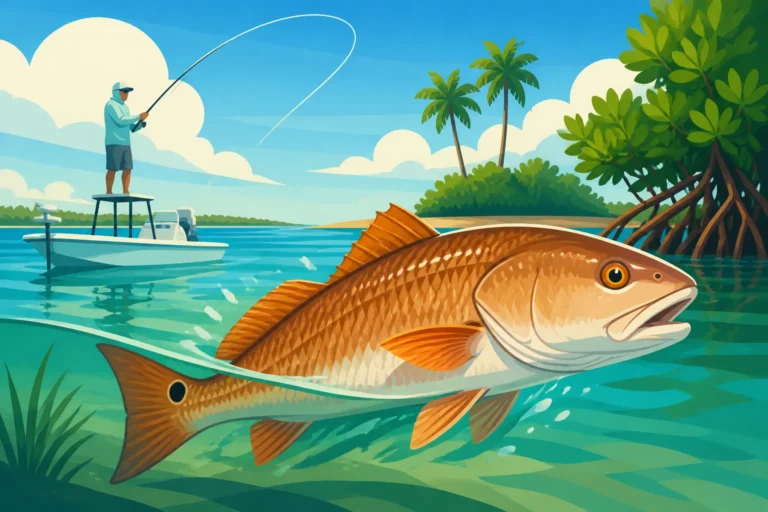
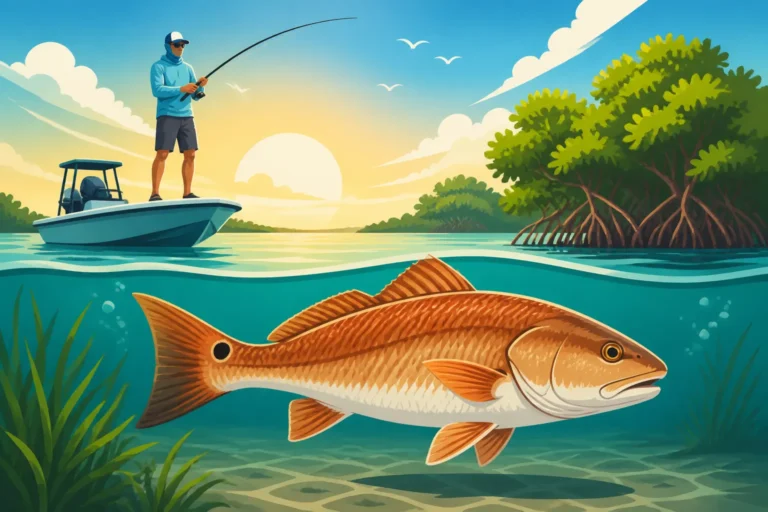
Redfish, often spotted "tailing" in the skinny water as they feed, are powerful fighters that will test your tackle and your patience. They're typically found patrolling the edges of seagrass flats, around oyster bars, and near any structure that provides cover or ambush points. Their diet consists mainly of shrimp, crabs, and small baitfish, so mimicking these with your bait or lure is essential. Apalachicola Bay offers a fantastic opportunity for sight fishing these copper-colored beauties, especially on calm, clear days. If you're looking for an exhilarating battle, mastering the art of the Florida Redfish Fishing Guide is definitely a goal you can achieve here.
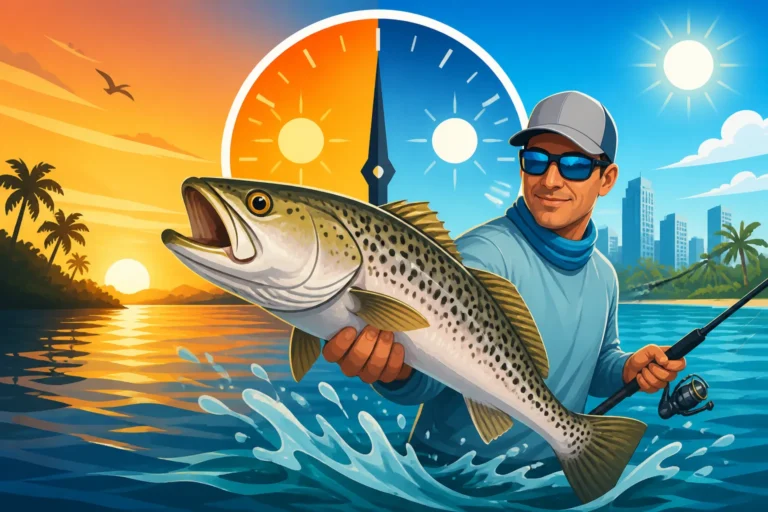
Spotted seatrout, on the other hand, are ambush predators that often lurk in deeper pockets within the grass flats or along channels. While not as brutish as redfish, they offer a consistent bite and are highly prized for their delicious, flaky white meat. Trout school up more often than redfish, so when you find one, you're likely to find more. They eagerly strike soft plastics, topwater lures, and live shrimp. The bay's extensive seagrass beds provide ideal habitat for juvenile trout, ensuring a healthy population year after year. Learning more about the Florida Spotted Seatrout Fishing Guide will significantly improve your chances of success in these waters.
Flounder, Sheepshead, and Gulf Gobblers
While redfish and trout might get most of the glory, Apalachicola Bay is also home to a fantastic array of other species that offer unique angling challenges and delicious table fare. Among these are flounder and sheepshead, both masters of camouflage and structure.
Flounder are fascinating bottom dwellers, perfectly adapted to ambush prey. They lie camouflaged on sandy bottoms, often near oyster reefs, channels, or bridge pilings, waiting for an unsuspecting baitfish or shrimp to swim by. Catching them often involves slow retrieves of jigs or live bait bounced along the bottom. The thrill of feeling that distinctive thud as a flounder takes your bait is incredibly satisfying, even if their fight isn't as spectacular as a redfish. They are, however, incredibly tasty, making them a sought-after catch.
Sheepshead, with their human-like teeth, are notoriously clever bait stealers but are incredibly rewarding to catch if you can master their subtle bite. They congregate around pilings, docks, bridges, and oyster bars, using those strong teeth to munch on barnacles, oysters, and crabs. Small pieces of shrimp, fiddler crabs, or barnacles on a small, sharp hook are your best bet. They are fantastic fighters on light tackle and, like flounder, are excellent eating. Targeting these "Gulf Gobblers" adds a wonderful dimension to your Apalachicola fishing experience, challenging you to refine your technique beyond just casting and retrieving.
Seasonal Visitors and Offshore Strays
While Apalachicola Bay is primarily an inshore paradise, its proximity to the Gulf of Mexico means that certain migratory species and "offshore strays" can make appearances, adding an exciting element of surprise to your trip. The passes leading out to the Gulf, like East Pass and West Pass, are particularly productive for these transitional species.
During cooler months, especially spring and fall, you might encounter impressive runs of Spanish mackerel and often their larger cousins, the king mackerel, just outside the bay or even venturing into the deeper parts of the passes. These aggressive predators will readily hit fast-moving spoons, jigs, and live bait. Pompano, another highly prized game fish known for its powerful fight and exquisite taste, also migrates through the area, particularly along the beaches and in the clear, sandy areas near the passes. Surf fishing for pompano can be incredibly productive during their seasonal movements.
Even cobia, a hard-fighting and delicious species, can occasionally be found cruising the channels or around navigation markers within the bay, especially in spring and early summer. While not a primary target inside the bay, keeping an eye out for these seasonal visitors near the passes or on deeper structure can lead to an unexpected and memorable catch. Being prepared with a heavier rod and steel leader can turn a casual inshore trip into an epic battle with one of these powerful migratory fish.
Effective Fishing Techniques for Apalachicola Bay
To truly unlock the potential of Apalachicola Bay, it's not enough to know what fish are there; you need to understand how to catch them. The bay's diverse environments, from shallow grass flats to deeper channels and oyster reefs, demand a variety of techniques. Adapting your approach to the specific conditions and target species will make all the difference between a frustrating day and a memorable one.
Mastering Inshore and Flats Fishing
Inshore and flats fishing is perhaps the most iconic way to experience Apalachicola Bay. This often involves navigating shallow waters, typically from a shallow-draft boat like a flats skiff or a kayak, or even wading. The key to success here is stealth and observation.
Sight fishing is a technique that truly shines on the clear flats of Apalachicola. On calm days, with good sun and polarized sunglasses, you can often spot redfish, trout, or even flounder cruising or feeding in the shallows before you cast. This allows for precise presentations and can be incredibly exciting. When sight fishing, make long, accurate casts to avoid spooking the fish. For those who enjoy a challenge, casting artificial lures like soft plastic jerkbaits, topwater plugs, or weedless spoons can be incredibly effective. Many anglers swear by the natural presentation of live bait, such as live shrimp or small mud minnows, fished under a popping cork or free-lined. Remember, the goal is to make your bait or lure appear as natural and irresistible as possible. For more insights on refining your approach, check out our guide on Florida Inshore Fishing Techniques.
Fishing Structure and Channels
While the grass flats get a lot of attention, the deeper channels, oyster bars, and man-made structures within Apalachicola Bay are equally productive. These areas provide current, shelter, and concentrated food sources, making them hotspots for a variety of species.
When targeting fish around oyster bars, bridges, or docks, a different approach is often required. Bottom fishing with live or cut bait is extremely effective, especially for species like sheepshead, flounder, and mangrove snapper that frequent these areas. Using a simple Carolina rig or a knocker rig will present your bait directly on the bottom where these fish feed. Jigs tipped with shrimp or small baitfish can also be bounced along the bottom or jigged vertically near structure to entice bites. The current in channels can concentrate baitfish, which in turn attracts predators. Look for eddies and current breaks where fish might be staging to ambush prey. These areas can be surprisingly deep, so having a good depth finder on your boat is a huge asset to pinpoint submerged structures or drop-offs that hold fish.
The Advantage of Kayak and Paddleboard Fishing
For those who crave an intimate connection with nature and the ultimate stealth advantage, kayak or paddleboard fishing in Apalachicola Bay is an absolute game-changer. The bay's extensive shallow waters and protected areas are ideally suited for these silent crafts, allowing anglers to access spots that larger boats simply cannot reach.
Paddling quietly through the backcountry marshes or across vast, skinny water flats puts you directly into the fish's environment without the noise and disturbance of a motor. This increased stealth often results in more bites and less-spooked fish. Kayaks are particularly effective for targeting redfish and trout in very shallow water, especially when sight fishing. You can slowly stalk fish, making precise casts to targets you might otherwise never see. The portability of kayaks also means you can launch from a wider variety of locations, including remote shorelines and public access points that lack boat ramps. While it requires more physical effort, the reward of exploring untouched pockets of the bay and the challenge of fighting a strong fish from a small craft is an unparalleled experience that every serious inshore angler should try.
Key Fishing Spots and Access in Apalachicola Bay
Apalachicola Bay is a sprawling body of water, and knowing where to focus your efforts can feel overwhelming at first. However, with a little local knowledge and understanding of the bay's geography, you can pinpoint the most productive areas and maximize your fishing time. The region offers a mix of public access points, natural features, and protected areas that are teeming with life.
The Lush Grass Flats of St. George and St. Vincent
When it comes to expansive, fish-rich grass flats, the areas surrounding St. George Island and St. Vincent Island are legendary in Apalachicola Bay. These islands create a natural barrier, protecting the inner bay from the full force of the Gulf and allowing the seagrass meadows to flourish.
The grass flats on the north side of St. George Island, facing the mainland, are particularly productive. These areas are vast and often hold large schools of spotted seatrout, especially during cooler months when they move into shallower, warmer waters. Redfish also patrol these flats, particularly along the edges and in potholes – sandy depressions within the grass where they ambush bait. Accessing these flats typically requires a shallow-draft boat or kayak, and careful navigation is a must to avoid running aground. Similarly, the waters around St. Vincent Island, which is a National Wildlife Refuge, offer incredible, largely undisturbed fishing. While public access to the island itself is regulated, fishing the surrounding waters from a boat or kayak is permitted and highly rewarding. The sheer expanse and health of these grass flats are a testament to the bay's pristine nature, offering countless opportunities for both sight fishing and blind casting.
Apalachicola River Mouth and Tributaries
The point where the Apalachicola River meets the bay is a dynamic zone of converging waters, current, and nutrients, making it a prime fishing location. The freshwater inflow creates a distinct salinity gradient that attracts a unique mix of species, particularly during certain times of the year.
The main river channel, as it braids and spreads out into the bay, provides deeper water and strong currents that concentrate baitfish. Here, you might find larger redfish, trout, and even some freshwater species like largemouth bass that tolerate brackish conditions. The numerous smaller creeks and sloughs that feed into the bay from the river are also excellent targets, especially on outgoing tides when baitfish are flushed out. These smaller tributaries offer more sheltered fishing, which can be ideal on windy days. Look for fallen trees, docks, and other structures along these banks, as they provide excellent cover for predatory fish. Fishing these river mouths and tributaries requires paying close attention to tidal charts, as the movement of water can dramatically affect fish activity and bait movement.
Public Access and Boat Ramps
One of the great things about fishing Apalachicola Bay is the availability of public access, making it relatively easy for both locals and visitors to get on the water. Whether you're launching a boat, a kayak, or simply looking for a spot to fish from shore, there are options.
The town of Apalachicola itself offers several public boat ramps, providing convenient access to the central and eastern parts of the bay. These ramps are well-maintained and can accommodate a variety of vessel sizes. Across the bay, the towns along St. George Island also have public ramps and access points, particularly around the causeway and within state park areas. For kayak and paddleboard anglers, many of these ramps also offer easy paddle-in access. If you're looking to book a guided trip, many local charters operate out of Apalachicola or Eastpoint. Websites like FishingBooker can be an excellent resource for finding reputable guides in the area who know these waters like the back of their hand. Additionally, there are numerous small fishing piers and public waterfront parks in Apalachicola and Eastpoint that provide shore fishing opportunities, perfect for a casual afternoon or for targeting sheepshead and small baitfish.
Essential Gear for Your Apalachicola Bay Adventure
Heading out onto Apalachicola Bay unprepared can quickly turn a hopeful day into a frustrating one. The right gear not only increases your chances of success but also enhances your overall enjoyment and safety on the water. Given the diverse fishing opportunities, from sight fishing skinny water to probing deeper channels, a thoughtful selection of rods, reels, tackle, and accessories is crucial.
Rods, Reels, and Line Selection
For the majority of inshore fishing in Apalachicola Bay, versatility is key. You'll want a setup that can handle both the subtle bite of a trout and the powerful run of a redfish.
A good general-purpose spinning rod in the 7-foot to 7-foot 6-inch range, with a medium-light to medium action, is ideal. This length provides good casting distance and leverage for fighting fish, while the action offers enough sensitivity for detecting light bites and enough backbone for larger fish. Pair this with a reliable spinning reel in the 2500-3000 size range, spooled with 10-20 lb braided line. Braided line offers superior casting distance, sensitivity, and strength-to-diameter ratio, which is a huge advantage in structure-rich environments. Crucially, always use a fluorocarbon leader (20-30 lb test) tied to your braid with a strong knot like an FG or Alberto knot. Fluorocarbon is nearly invisible underwater, abrasion-resistant, and helps prevent spooking wary fish. This setup provides the perfect balance for targeting everything from trout on popping corks to redfish with soft plastics or live bait. If you're exploring the nuances of different setups, our guide on Florida Saltwater Fishing License Rules can provide more context on legal requirements.
Baits and Lures That Consistently Produce
While live bait often reigns supreme, a well-stocked tackle box with a variety of artificial lures can be just as, if not more, productive, especially for active anglers covering a lot of water. Matching the hatch – using baits and lures that imitate the natural forage – is always a smart strategy in Apalachicola Bay.
Live shrimp are a universal bait in Florida and are consistently effective in Apalachicola Bay for just about any inshore species. Fished under a popping cork or free-lined, they are irresistible. Live mud minnows or finger mullet are also excellent choices, especially for larger redfish and trout. For artificials, soft plastic lures are a must-have. Paddle tails, jerkbaits, and grub tails in natural colors (like rootbeer, chartreuse, or white) rigged on a jig head (1/8 oz to 1/4 oz) are incredibly versatile. Topwater plugs are exhilarating, especially at dawn and dusk, for drawing explosive strikes from aggressive trout and redfish. Spoons, particularly weedless gold or silver spoons, are fantastic for covering a lot of ground on the grass flats and attracting reds. Don't forget a few small bucktail jigs or Gulp! shrimp for flounder and sheepshead around structure. For specific recommendations, our guide on the Best Bait for Redfish Fishing in Florida offers some fantastic insights.
Essential Accessories and Safety Gear
Beyond your primary rod and reel setup, a handful of essential accessories will make your Apalachicola Bay fishing trip safer, more comfortable, and more successful. Safety should always be your top priority, especially when navigating unfamiliar waters.
A high-quality pair of polarized sunglasses is non-negotiable for inshore fishing. They cut glare, allowing you to see into the water to spot fish, discern changes in bottom contour, and identify structure. Sun protection, including wide-brimmed hats, long-sleeved shirts, and sunscreen, is vital under the Florida sun. A reliable cooler with plenty of ice is essential for keeping your catch fresh, as well as staying hydrated with water and other beverages. If you're in a boat, a well-stocked first aid kit, life jackets (PFDs) for everyone on board, and all required safety equipment (flares, whistle, anchor) are mandatory. A cast net (for those with a Do You Need a License to Cast Net in Florida? license or exemption) is also invaluable for catching fresh bait. Finally, a good pair of pliers or a de-hooking tool will protect both you and the fish, especially when practicing catch and release. Having these items on hand ensures you’re prepared for whatever the bay throws your way.
Planning Your Ultimate Apalachicola Bay Fishing Trip
A successful fishing trip to Apalachicola Bay, like any great adventure, requires thoughtful planning. From understanding the best times to visit to knowing when to hire an expert, making informed decisions upfront can significantly enhance your experience. This is especially true when dealing with the unpredictable nature of tides, weather, and the ebb and flow of fish populations.
Best Times to Fish Apalachicola Bay
Apalachicola Bay offers fantastic fishing opportunities year-round, but understanding the seasonal nuances can help you target specific species more effectively and avoid common frustrations like battling extreme heat or cold fronts.
Spring (March-May) is often considered prime time. As water temperatures rise, fish become more active, and baitfish migrations kick into high gear. Redfish and trout are very active on the flats, and the weather is generally pleasant. Fall (September-November) is equally productive, if not more so, for the same reasons. Cooler temperatures invigorate the fish, and large schools of bait move through the bay, sparking aggressive feeding frenzies. This is often the time for "fall runs" of various species. Summer (June-August) can be challenging due to the intense heat, but early mornings and late evenings can still yield great results, especially for topwater action. Thunderstorms are common in the afternoons, so monitoring the Fishing During Florida's Hurricane Season is crucial. Winter (December-February) fishing can be excellent on sunny, calm days, as redfish and trout often school up in deeper pockets and along darker, warmer mud flats. However, cold fronts can shut down the bite, validating the frustration many feel when trying to fish during erratic weather. For a broader perspective on timing your trip, consult a guide on the Best Time of Year to Fish in Florida.
Understanding Tides and Weather
In an estuarine environment like Apalachicola Bay, tides and weather aren't just factors; they are the fishing conditions. Learning to read them will dramatically improve your success.
Tides dictate water movement, and moving water almost always means moving fish. An incoming or rising tide can push baitfish onto the flats, stimulating predators. An outgoing or falling tide can pull bait out of the creeks and off the flats into deeper channels, creating feeding opportunities at choke points. The best tide often depends on the specific spot and target species. For example, redfish love to push into the skinny water on a rising tide. Always check a local tide chart before heading out. Weather, particularly wind and temperature, also plays a huge role. Strong winds can make fishing difficult, stir up the water, and make sight fishing impossible. A light, consistent breeze, however, can be perfect, creating a ripple that breaks up the water's surface and makes fish less wary. Pay attention to temperature swings; dramatic drops can make fish lethargic. Always check the forecast and be prepared to adapt your plans or even reschedule if conditions are unfavorable.
Choosing a Reputable Fishing Charter
While Apalachicola Bay offers ample opportunities for independent anglers, hiring a local fishing charter or guide can be an invaluable investment, especially if you're new to the area or want to maximize your chances of catching specific species.
A good fishing guide brings a wealth of local knowledge – they know the secret spots, the current bite patterns, and how the tides and weather are influencing the fish on any given day. They also provide all the necessary gear, bait, and often even handle the required licenses, ensuring you're compliant with Florida Fishing License Guide. This takes a lot of stress out of the planning, allowing you to focus purely on the fishing experience. When looking for a guide, consider their experience, their specialization (e.g., flats fishing, fly fishing), and check reviews from previous clients. Websites like FishingBooker are excellent resources for finding and booking trusted captains in the Apalachicola area, offering a convenient way to compare options and secure your spot. Don't hesitate to communicate your expectations – whether you're looking for a trophy catch, a family-friendly outing, or simply to learn new techniques. For more comprehensive advice, our guide on How to Choose a Florida Fishing Guide is a great resource.
Regulations and Conservation Efforts
Fishing in Florida comes with specific rules and regulations designed to protect fish populations and ensure sustainable angling for future generations. Understanding and adhering to these is not just about avoiding fines, but about being a responsible steward of the environment.
Before you cast a line, ensure you have the appropriate Florida fishing license. This usually means a saltwater fishing license, which you can purchase online, by phone, or from many local tackle shops and bait stores. Additionally, be aware of species-specific regulations, including size limits, bag limits (the number of fish you can keep), and seasonal closures. These regulations can change, so always check the latest rules provided by the Florida Fish and Wildlife Conservation Commission (FWC). For detailed information, refer to the Florida Fishing Regulations and Bag Limits. Catch and release practices, particularly for oversized redfish or snook (if caught as a seasonal stray, as they are not a primary target here), are highly encouraged to help preserve these valuable breeding fish. Responsible boating, minimizing wake in sensitive areas, and properly disposing of trash are also critical conservation practices that every angler should embrace in a place as special as Apalachicola Bay.
| Species | Primary Habitat | Preferred Bait/Lure (General) | Best Season (General) | Notes |
|---|---|---|---|---|
| Redfish | Grass flats, oyster bars, creek mouths | Live shrimp, cut mullet, soft plastics, spoons | Spring, Fall | Sight fish in skinny water; powerful fighters. |
| Spotted Seatrout | Grass flats, potholes, channel edges | Live shrimp, soft plastics, topwater lures | Year-round | Consistent bite; excellent eating; school up. |
| Flounder | Sandy bottoms, near oyster reefs, channels | Live bait (minnows, shrimp), jigs | Fall, Winter | Ambush predators; subtle bite; great table fare. |
| Sheepshead | Pilings, docks, bridges, oyster bars | Fiddler crabs, small shrimp, barnacles | Winter, Spring | Clever bait stealers; great fight on light tackle. |
| Spanish Mackerel | Open bay, passes, near Gulf | Fast-moving spoons, jigs, live bait | Spring, Fall | Migratory; aggressive feeders; can be found just outside the bay. |
| Pompano | Beaches, clear sandy areas near passes | Sand fleas, small jigs, Fishbites | Spring, Fall | Highly prized; strong fighters for their size. |
Disclaimer
Fishing conditions and regulations in Florida are subject to change. Always consult the latest rules and advisories from the Florida Fish and Wildlife Conservation Commission (FWC) before your trip. This guide is for informational purposes only and does not constitute professional advice. Stay safe and fish responsibly.