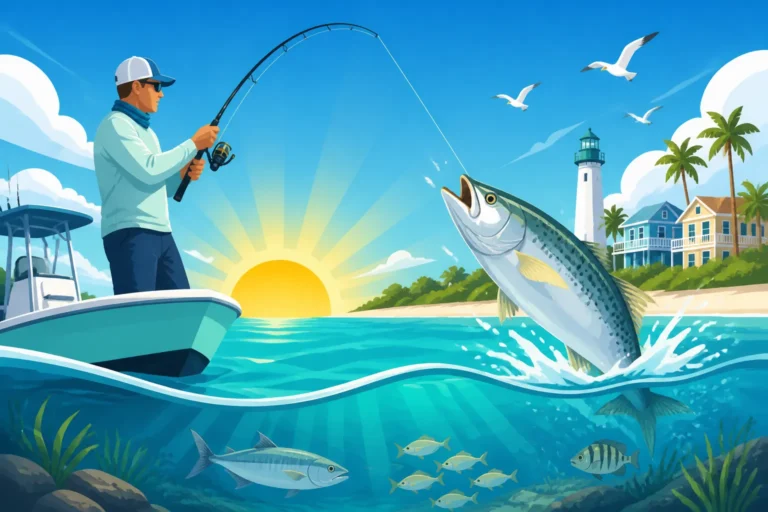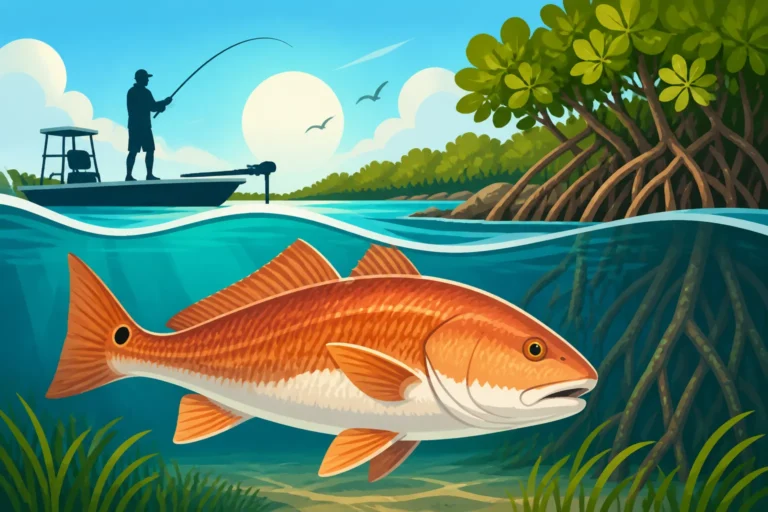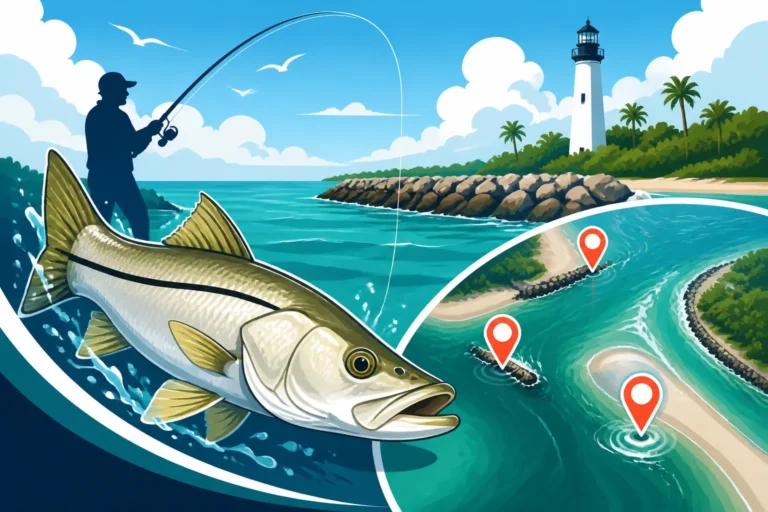
Best Spots in Biscayne Bay for Bonefish
Trying to find that elusive "Ghost of the Flats," the bonefish, in a sprawling, intricate ecosystem like Biscayne Bay can feel like a daunting task, especially if you're not intimately familiar with its every nook and cranny. Many anglers spend countless hours just trying to locate these wary creatures, often leaving frustrated and empty-handed. This comprehensive guide is designed to cut through that confusion, pinpointing the prime locations in Biscayne Bay where you'll have the best shot at hooking into these incredible sportfish, along with the essential techniques to make your trip a success.
Understanding Bonefish and Biscayne Bay
Biscayne Bay, stretching along Florida's southeastern coast, isn't just a picturesque body of water; it's a vibrant, shallow-water ecosystem teeming with life, and for many anglers, it's synonymous with world-class bonefishing. But what makes this particular bay such a magnet for these notoriously shy fish, and what exactly are you up against when you target them?
Why Biscayne Bay is a Bonefish Haven
Biscayne Bay is truly a unique environment, an almost perfect storm of conditions that bonefish absolutely adore. First and foremost, the bay is characterized by its vast expanses of shallow, clear water flats. These flats are primarily covered in turtle grass and other sea grasses, creating an ideal foraging ground. Bonefish, with their downturned mouths, are perfectly adapted to rooting around in these sandy and grassy bottoms, searching for crabs, shrimp, and small mollusks. The abundance of these food sources is a critical factor.
Beyond the food, the bay's consistent warm water temperatures throughout most of the year are crucial. Bonefish are a tropical species, and the mild climate of South Florida provides a comfortable habitat year-round, though they can be sensitive to sudden cold snaps. The bay's relatively sheltered nature, protected from the full force of the Atlantic by barrier islands like Key Biscayne and Miami Beach, offers calm conditions that allow for excellent sight fishing opportunities. This combination of shallow, clear water, abundant food, and stable temperatures makes Biscayne Bay an unparalleled destination for those seeking to test their skills against one of the flats' most challenging adversaries.
Characteristics of Bonefish
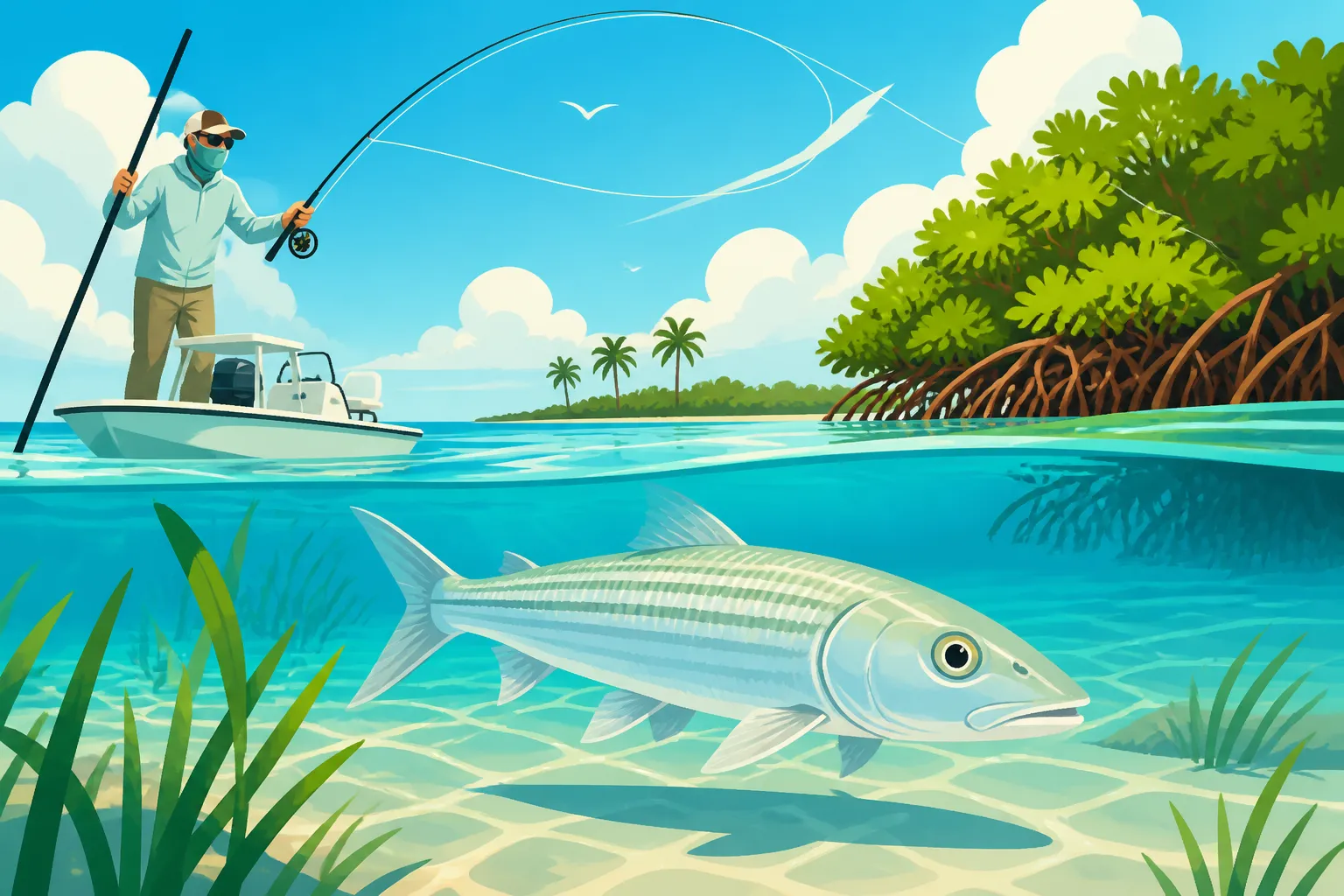
Bonefish, or Albula vulpes, are often called the "Ghost of the Flats" for good reason. Their silvery, almost translucent bodies blend seamlessly with the sandy bottoms and dappled light of the shallow water, making them incredibly difficult to spot. They are also incredibly spooky; even a shadow, a misplaced cast, or a slight vibration from a boat can send them rocketing away in a burst of speed that leaves anglers in awe. This elusiveness is precisely what makes them such a prized game fish for fly and light tackle enthusiasts.
Despite their wariness, when hooked, bonefish are renowned for their blistering, drag-screaming runs. They are pure muscle, built for speed, and will test your gear and your angling prowess to its limits. Typically, bonefish in Biscayne Bay range from 2 to 6 pounds, but trophy-sized fish pushing into the double digits are certainly present. Targeting them requires patience, stealth, keen eyesight, and often, the ability to make a quick, accurate cast under pressure. It's not just about catching a fish; it's about the hunt, the challenge, and the exhilarating fight once you connect.
Key Bonefish Hotspots in Biscayne Bay
Biscayne Bay is expansive, and knowing where to start looking for bonefish is half the battle. While these fish roam, certain areas consistently hold higher concentrations due to ideal habitat and food availability.
The Northern Flats: From Key Biscayne to Government Cut
The northern reaches of Biscayne Bay, particularly the flats surrounding Key Biscayne and extending towards Government Cut, are legendary for bonefish. This area benefits from excellent water flow, rich grass beds, and proximity to deeper channels that provide refuge.
One of the most famous areas is the "Flats" on the ocean side of Key Biscayne, accessible by boat. These pristine shallow-water areas, often less than two feet deep, are where bonefish come to feed during incoming tides. The sandy potholes within the grass beds are prime targets, as bonefish will tail up while rooting for crabs. Being poling a shallow-draft boat or even wading very quietly can be highly effective here. Another notable spot is the flats near Virginia Key, particularly the areas around Bear Cut. These spots offer similar characteristics – clear water, healthy grass, and plenty of crustaceans. Anglers often find success working these areas during the middle of the tide cycle, when fish are actively feeding but not yet too deep. For those looking to explore with a guide, many excellent Miami-based captains specializing in bonefish charters frequent these northern flats, offering an invaluable advantage. If you're planning a trip, looking up available guides on platforms like FishingBooker can help you find local experts familiar with these specific zones.
Central Bay's Grassy Expanses
Moving south into the central part of Biscayne Bay, the character of the flats changes slightly, offering even broader, less interrupted expanses of grass beds. These areas require a bit more navigation but can be incredibly rewarding.
The vast flats south of the Rickenbacker Causeway, particularly around Bill Baggs Cape Florida State Park and extending towards the mainland, are prime bonefish territory. These flats are often characterized by extensive turtle grass, interspersed with sand patches and small channels. Bonefish here can be found patrolling the edges of the grass lines or pushing onto the shallower sand bars during higher tides. It's crucial to pay attention to current and tide here, as the movement of water dictates where the bonefish will be foraging. The key is patience and observation; scan the water carefully for subtle signs like tails breaking the surface, muds from feeding fish, or sudden wakes. These central bay flats are also known to hold other desirable species like redfish and spotted seatrout, making for a diverse fishing experience. You might even find yourself in a great spot to try some Florida Redfish Fishing Guide techniques if the bonefish aren't cooperating.
Southern Bay's Remote Gems
The southernmost sections of Biscayne Bay, particularly those leading towards the Arsenicker Keys and Card Sound, offer a more remote and pristine bonefishing experience. These areas are less pressured and can produce some truly impressive fish, though they often require longer runs and more intricate navigation.
The flats around the Arsenicker Keys are a favorite among experienced bonefish anglers. These keys are largely undeveloped, providing a natural, undisturbed habitat. The surrounding flats feature a mix of hard, sandy bottom and healthy grass, creating ideal conditions. Accessing these areas often requires a good shallow-draft boat and a solid understanding of the bay's channels and hazards. Another excellent zone is the flats west of Elliott Key, where the expansive grass beds provide endless opportunities for tailing bonefish. Because these areas are further from the main population centers, the fish tend to be less pressured and potentially more aggressive. However, this remoteness also means you need to be prepared with all your gear, including extra water and sun protection. For serious anglers, exploring these southern reaches can lead to truly memorable encounters with large, unmolested bonefish.
Essential Techniques and Gear for Biscayne Bay Bonefish
Landing a bonefish in Biscayne Bay is a testament to an angler's skill. It requires more than just knowing where to go; it demands precision, stealth, and the right tools for the job.
Sight Fishing Tactics
Bonefishing in Biscayne Bay is almost exclusively a sight fishing game. This means spotting the fish before you cast, often while they are actively feeding or cruising in the shallow water. It's a challenging but incredibly rewarding aspect of the sport.
- Patience and Observation: The first rule of sight fishing is patience. Don't rush. Position your boat (ideally poled by a guide or quietly pushed by an electric trolling motor) into the wind or current, allowing you to drift silently. Scan the water intently, looking for movement, shadows, disturbances, or most commonly, "tailing" fish where their tails break the surface as they root for food. Polarized sunglasses are absolutely non-negotiable for cutting glare and seeing into the water. For more details on this approach, consider checking out resources on Sight Fishing Technique for Shallow Flats.
- The Approach: Once a fish is spotted, the approach is critical. You want to get within casting range without alerting the fish. This means minimal noise, slow movements, and staying downwind or down-current if possible. If you're with a guide, they will expertly position the boat.
- Accurate Casting: When the moment comes, a quick, accurate cast is paramount. For fly anglers, this means presenting the fly softly, a few feet in front of the fish's nose, allowing it to sink naturally. For spin anglers, a light jig or bait needs to land softly and not spook the fish. A hard splash will send them packing every time. Leading the fish is key; you want your offering to be in its path as it moves.
Preferred Baits and Lures
Bonefish are primarily opportunistic feeders, but they have distinct preferences. Matching the hatch, or at least presenting something appealing, is essential.
- Live Bait: For many, live bait is the most consistent producer, especially for less experienced anglers or those new to bonefishing. Live shrimp are hands down the most popular and effective bait. They are naturally found on the flats and irresistible to bonefish. A small, unweighted live shrimp free-lined on a light fluorocarbon leader often gets the job done. Crabs, particularly small fiddler crabs or pieces of larger crab, are also highly effective, especially for larger bonefish. Presenting live bait requires a delicate touch; you want it to look as natural as possible.
- Artificial Lures/Flies: For those who prefer artificials, consistency is key. Small jigs, typically 1/8 to 1/4 ounce, dressed with synthetic materials or small plastic tails in natural colors (tan, pink, white) that mimic shrimp or crabs, can be deadly. The retrieve should be slow and subtle, just enough to hop the jig along the bottom. For fly anglers, patterns like the Gotcha, Crazy Charlie, Mantis Shrimp, and Squimp are classic bonefish flies. These flies are designed to land softly and imitate common bonefish prey. The weight of the fly is important; it needs to sink to the bottom relatively quickly without spooking the fish. Learning about Live Bait vs Artificial Lures for Florida Inshore Fishing can help you decide which approach suits you best.
Rods, Reels, and Line Selection
Using the correct tackle is crucial for successful bonefishing and managing their explosive runs.
- Rods: For spin fishing, a light to medium-light action rod, typically 7 to 7.5 feet long, provides the sensitivity to detect subtle bites and the backbone to fight powerful fish. For fly fishing, an 8 or 9-weight rod is standard. This weight offers enough power to cast in the wind and handle larger bonefish, while still being light enough for delicate presentations.
- Reels: A high-quality spinning reel in the 2500-3000 size range, with a smooth, reliable drag system, is essential for spin fishing. For fly fishing, a saltwater-specific reel with a large arbor and a smooth, reliable drag is paramount. Bonefish will test your drag to its limits, so investing in a good one is non-negotiable.
- Line: For spin tackle, 10 to 12-pound braided line is common, offering excellent casting distance and sensitivity. It should be paired with a 10 to 15-pound fluorocarbon leader, typically 6-8 feet long, for stealth and abrasion resistance. For fly fishing, a weight-forward floating fly line matched to your rod weight is standard, coupled with a 9-12 foot tapered leader with a 10-12 pound fluorocarbon tippet. Fluorocarbon is less visible in clear water and more resistant to abrasion.
| Spot Category | Example Location | Best Tide | Key Feature | Typical Depth | Access |
|---|---|---|---|---|---|
| Northern Flats | Key Biscayne Ocean Side | Incoming | Healthy turtle grass, sandy potholes | 1-3 feet | Shallow draft boat, poling or wading |
| Central Grassy | Rickenbacker Causeway South | Mid-tide | Extensive grass beds, small channels | 2-4 feet | Boat, careful navigation |
| Southern Remote | Arsenicker Keys Flats | Higher | Undisturbed habitat, mix of sand/grass | 2-5 feet | Boat, longer run, local knowledge recommended |
| Channels/Edges | Government Cut Edges | Moving | Deeper water access, current breaks | 4-8 feet | Boat |
Navigating Biscayne Bay for Bonefish Success
Beyond the specific spots and gear, understanding the environmental factors and local expertise can drastically improve your bonefishing prospects in Biscayne Bay.
Tides, Weather, and Time of Day
Bonefish are incredibly sensitive to environmental conditions, and timing your trip around these factors is critical. The saying "no tide, no ride" often holds true for flats fishing.
- Tides: The tide cycle is arguably the most important factor in bonefishing. Bonefish typically push onto the shallow flats to feed during the incoming tide, especially the last half of the incoming and the first hour or so of the outgoing. This is when the water is bringing in food, and the fish feel safe enough to venture into the skinny water. On a falling tide, they often retreat to the edges of deeper channels or basins. Monitoring local tide charts for areas like Key Biscayne or Miami is essential for planning your trip. Understanding Best Tides for Inshore Fishing in Florida will give you a significant edge.
- Weather: Clear, sunny skies are ideal for sight fishing, as they allow maximum visibility into the water. Overcast conditions make spotting fish significantly harder. Wind is another major factor; a light breeze can create a ripple on the water that helps mask your presence, but too much wind can make casting difficult and stir up the bottom, reducing visibility. Cold fronts, common in Florida winters, can send bonefish seeking deeper, warmer water, making them harder to find on the flats. Always check the forecast before heading out.
- Time of Day: While bonefish can be caught at any time of day when conditions are right, early mornings and late afternoons often provide the best light for spotting fish, especially when the sun is not directly overhead creating harsh glare. Plus, these times can be cooler and more comfortable for anglers. Knowing the Best Time of Day to Fish in Florida can make your outing much more productive.
Guides and Charters
While DIY bonefishing in Biscayne Bay is possible for seasoned local anglers, for most visitors or those new to the area, hiring a professional guide is highly recommended, almost essential.
- Local Expertise: A good local guide possesses an encyclopedic knowledge of the bay's intricate network of flats, channels, and tides. They know where the fish are holding based on the day's conditions, saving you countless hours of searching. They also understand the subtle nuances of bonefish behavior in different areas.
- Specialized Equipment: Guides typically provide specialized shallow-draft boats (often referred to as flats boats or skiffs) equipped with poling platforms, which are crucial for silently navigating the skinny water. They'll also have the right rods, reels, and a selection of proven baits and flies. This means you don't have to invest in expensive, specialized gear just for one trip.
- Increased Success Rate: Quite simply, a guide dramatically increases your chances of finding and catching bonefish. They'll help you spot the fish, guide your casts, and provide invaluable coaching. If you're looking for an experienced guide, platforms like FishingBooker can connect you with highly-rated captains in the Miami and Florida Keys area who specialize in bonefishing. This allows you to browse various options and find someone who fits your specific needs. When considering options, you might want to review our comprehensive Florida Fishing Charter Guide to understand what to look for.
Conservation and Catch & Release
Bonefish are primarily a catch-and-release species in Florida, valued for their sporting qualities rather than their table fare. Practicing responsible angling ensures these incredible fish continue to thrive in Biscayne Bay for future generations.
- Handle with Care: Always handle bonefish with wet hands. Minimize the time the fish is out of the water. Support its body horizontally, especially if taking a photo. Avoid squeezing its belly or gills.
- Quick Release: Use barbless hooks or crimp down the barbs on your hooks to facilitate an easier release. If the hook is deeply set, cut the line as close to the hook as possible rather than tearing the fish's mouth.
- Revive the Fish: After a hard fight, a bonefish might be exhausted. Gently hold the fish upright in the water, facing into the current, until it regains its strength and can swim away under its own power. Never just toss a tired fish back into the water. Following Catch and Release Best Practices for Snook is a good guideline, as the principles apply across many sensitive species. Remember, securing your Florida Fishing License Guide is the first step towards ethical and legal angling in the Sunshine State, even for catch and release.
Disclaimer
Fishing conditions and regulations in Florida can change frequently. Always consult the latest rules and regulations published by the Florida Fish and Wildlife Conservation Commission (FWC) before your trip. This guide is for informational purposes only and does not constitute legal advice or an endorsement of any specific fishing location or technique over another. Always prioritize safety and respect marine ecosystems.