Is the Indian River Lagoon Catch and Release Only?
One of the biggest concerns and points of confusion for anglers looking to fish the beautiful Indian River Lagoon is whether it's truly a "catch and release only" fishery. The truth is, it's a bit more nuanced than a simple yes or no, and misunderstanding the regulations can lead to a lot of frustration, or worse, legal trouble. This guide will cut through the misinformation, explain the current state of fishing in the IRL, and help you navigate the rules so you can enjoy this incredible natural treasure responsibly.
Understanding the Indian River Lagoon's Unique Ecosystem
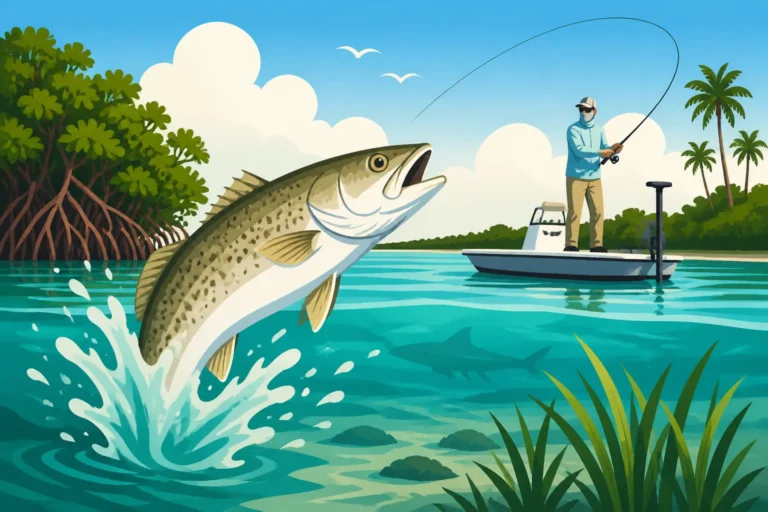
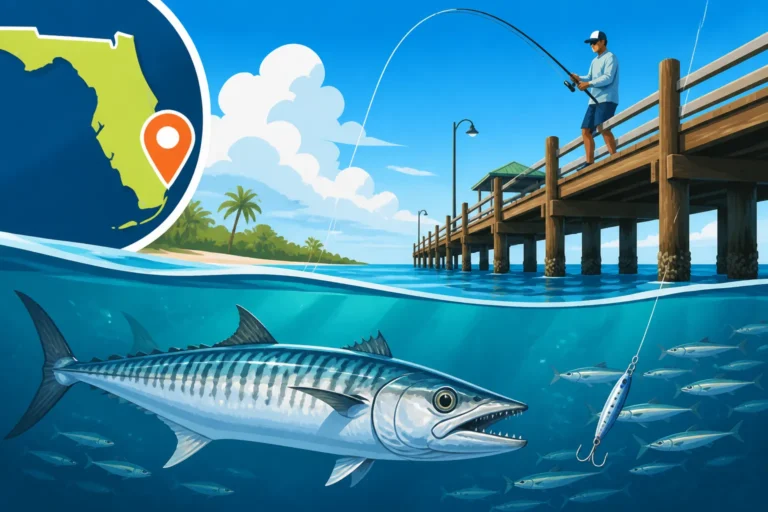
The Indian River Lagoon (IRL) isn't just one body of water; it's a vast, diverse estuary stretching for 156 miles along Florida's east coast, from Volusia County all the way down to Palm Beach County. It's actually North America's most biodiverse estuary, home to over 4,300 species of plants and animals, including more than 700 species of fish. This incredible biodiversity, combined with its shallow, brackish waters, makes it an angler's paradise, offering opportunities to catch everything from trophy redfish and snook to speckled trout and tarpon.
A Vital but Vulnerable Fishery
For generations, the Indian River Lagoon has been the lifeblood of many coastal communities, supporting commercial and recreational fishing, tourism, and countless local businesses. It's a nursery for many offshore species and a critical habitat for manatees, dolphins, and a myriad of bird species. The shallow grass flats, mangrove shorelines, and oyster reefs provide perfect hunting grounds and refuge for game fish, making it a bucket-list destination for many anglers. The sheer variety of species you can target within a relatively small area is truly remarkable. From sight fishing the clear flats for tailing redfish to working mangrove edges for snook, the opportunities are endless, which is why preserving this ecosystem is so crucial.
The Lagoon's Health Challenges
Despite its beauty and bounty, the Indian River Lagoon has faced significant environmental challenges over the last few decades. Algal blooms, pollution from stormwater runoff, aging septic systems, and habitat loss have severely impacted the lagoon's health, particularly diminishing its vital seagrass beds. These grass beds are the foundation of the estuary's food web and provide crucial shelter for juvenile fish. The decline has been heartbreaking for locals and anglers alike, leading to a noticeable drop in fish populations in certain areas and a general sense of concern about the future of this precious resource. This environmental stress is precisely why regulations have become so stringent and why anglers often hear that fishing here is largely "catch and release." The aim is to give the lagoon and its fish populations a fighting chance to recover.
Specific Fishing Regulations in the Indian River Lagoon
Given the ecological challenges the Indian River Lagoon faces, the Florida Fish and Wildlife Conservation Commission (FWC) has implemented specific, often stricter, regulations for fishing within its boundaries. These rules are designed to protect vulnerable species and help the ecosystem recover, and they can definitely make planning a fishing trip a bit more complicated if you're not up-to-date.
Is It Catch and Release Only? The Reality
No, the Indian River Lagoon is not entirely catch and release only, but there are very specific and often strict harvest regulations, especially for popular game species. For many years, and particularly during periods of intense algal blooms and fish kills, there have been calls and sometimes emergency orders for catch-and-release only for certain species or areas within the lagoon. While these specific "catch-and-release only" mandates may come and go based on environmental conditions and FWC assessments, the general trend for sensitive species in the IRL is towards highly restricted harvest.
For example, many anglers choose to voluntarily practice catch and release for species like redfish and snook, even when harvest is technically allowed, simply out of a deep respect for the fishery and a desire to see populations rebound. However, you can generally keep certain species within their legal size and bag limits. The key is to always check the latest FWC regulations for the exact zone you plan to fish, as rules can change seasonally or in response to biological data. FishingBooker, for instance, often works with guides who are meticulously up-to-date on these regulations and can provide current advice. It’s also important to remember that even if you are allowed to keep a fish, handling it properly for release if it’s undersized or you choose not to keep it is crucial for its survival.
Species-Specific Regulations and Limits
To truly understand what you can and cannot keep in the Indian River Lagoon, you need to dive into the specific rules for each target species. The FWC sets these regulations, and they typically include minimum and maximum size limits (often referred to as a "slot limit"), daily bag limits per angler, and seasonal closures. Some species might even have regional differences in regulations, meaning what's legal in the northern IRL might differ slightly from the southern portions.
Let's look at some of the most popular species:
- Snook: Snook populations in Florida are carefully managed, and the Indian River Lagoon region is often subject to specific management zones. You'll find strict slot limits (e.g., typically between 28-32 inches) and a low daily bag limit, often one fish per person per day when the season is open. However, snook season is frequently closed for significant portions of the year, particularly during colder months when they are vulnerable to cold snaps, and during summer spawning. Always check the current Florida Snook Season Guide to confirm open dates.
- Redfish: Redfish are another highly sought-after species in the IRL. Similar to snook, they are often managed with slot limits and strict bag limits (e.g., typically 18-27 inches and one fish per person per day). There have been times and specific zones within the IRL where redfish harvest has been catch-and-release only due to population concerns. Make sure to consult the latest Florida Redfish Size and Bag Limits.
- Spotted Seatrout: Trout are abundant in the seagrass beds of the IRL. They also have slot limits (e.g., often 15-19 inches) and bag limits, which can vary by region. Sometimes, there are special "trophy trout" regulations that allow for one fish over the slot limit, but this is less common in areas with stressed populations like parts of the IRL. Refer to the Florida Spotted Seatrout Fishing Guide for current details.
- Other Species: Many other species, such as black drum, mangrove snapper, and various species of flounder, also have their own specific regulations. These generally tend to be less restrictive than those for snook and redfish but still require anglers to be aware of the rules. For example, you might find more leniency with species like whiting or croaker, which are often targeted for table fare.
Here’s a simplified overview of typical FWC recreational harvest regulations for common Indian River Lagoon species. Please note: These are general guidelines and specific regulations can change based on FWC emergency orders, regional rules, or seasonal closures. Always verify with current FWC publications before fishing.
| Species | Typical Slot Limit (Length) | Typical Bag Limit (Per Angler/Day) | Common Restrictions |
|---|---|---|---|
| Snook | 28-32 inches | 1 fish | Often closed for significant portions of the year (winter & summer spawning), sometimes catch-and-release only in specific management zones, especially after cold snaps. Check Florida Snook Closed Season Dates. |
| Redfish | 18-27 inches | 1 fish | Can be catch-and-release only in certain areas or during specific periods within the IRL. State-wide rules apply, but regional nuances are common. |
| Spotted Seatrout | 15-19 inches | 3-5 fish | Rules can vary by management zone; often includes a provision for one fish over the slot or slightly modified slot limits in certain regions. |
| Black Drum | 14-24 inches | 5 fish | Less restrictive than snook or redfish, but still has a slot limit to protect larger breeding fish. |
| Flounder | 14 inches minimum | 5 fish | Subject to seasonal closures (e.g., October 15 – November 30) for spawning. |
| Sheepshead | 12 inches minimum | 8 fish | Generally consistent, popular for table fare. |
It's truly a dynamic situation, and what was legal last month might not be today. Always make sure you have the most current information, which can usually be found on the FWC website or by using their Fish Rules app.
Why Regulations Matter for the IRL's Future
The stringent regulations in the Indian River Lagoon are not just arbitrary rules designed to make fishing harder. They are a critical response to the ecological crisis the lagoon has faced, and they play a vital role in the hope for its recovery and long-term sustainability as a world-class fishery.
Conservation Efforts and Angler Responsibility
The health of the Indian River Lagoon is a complex issue, but conservation efforts, spearheaded by organizations like the FWC and local environmental groups, are continuously working towards restoration. These efforts often involve scientific research into water quality, seagrass restoration projects, and public awareness campaigns. The fishing regulations are a direct outcome of these conservation goals, aiming to reduce pressure on fish populations that are already struggling with habitat loss and declining water quality.
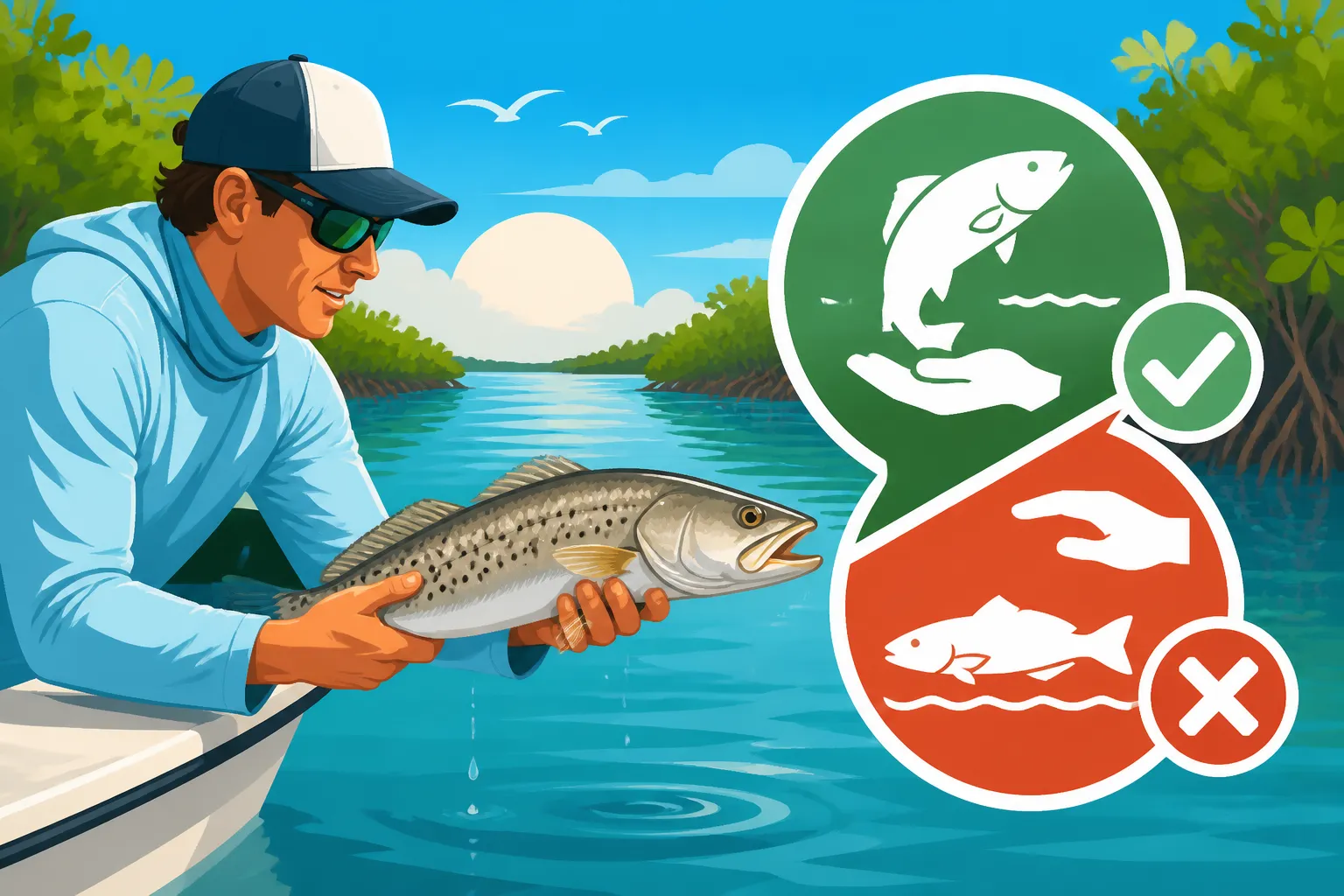
As anglers, we have a profound responsibility to be part of the solution, not the problem. This means more than just following the legal limits; it means understanding the spirit behind them. Choosing to voluntarily practice catch and release, especially for vulnerable species or when fishing particularly sensitive areas, is a powerful way to contribute. Proper catch and release techniques are also paramount. Using appropriate gear, minimizing fight time, handling fish gently with wet hands, and ensuring a quick, healthy release significantly increases a fish's survival rate. This personal stewardship is what will truly make a difference in the long run for the IRL. Learning about Catch and Release Best Practices for Snook or How to Handle a Redfish for Release can go a long way.
How Anglers Can Contribute to the Lagoon's Recovery
Beyond adhering strictly to the FWC regulations, there are many ways anglers can actively contribute to the Indian River Lagoon's recovery. One of the most impactful is advocating for clean water initiatives and supporting organizations dedicated to the lagoon's health. This might involve participating in local clean-up events, reducing your own nutrient runoff at home, or contacting elected officials to express your concerns about water quality.
Furthermore, being a vigilant observer and reporting unusual fish kills, algal blooms, or other environmental anomalies to the FWC or local authorities is incredibly helpful. Your eyes on the water can provide crucial, real-time data that scientists and managers need. Choosing to patronize businesses that prioritize sustainable practices, including fishing guides who emphasize conservation and responsible angling, also sends a powerful message. Every action, no matter how small, can collectively contribute to restoring this magnificent estuary.
Navigating the Regulations and Planning Your Trip
Fishing in the Indian River Lagoon, while rewarding, requires a bit more homework than some other fisheries due to its critical environmental status and dynamic regulations. But don't let that deter you! With the right information and preparation, you can have an incredible and responsible fishing experience.
Essential Resources for Up-to-Date Information
Staying informed is your best defense against inadvertently breaking a regulation. The Florida Fish and Wildlife Conservation Commission (FWC) is your primary and most authoritative source for all fishing regulations. Their website (MyFWC.com) is constantly updated with current rules, emergency orders, and news releases. They also offer a fantastic "Fish Rules" app, which provides location-based regulations right on your smartphone, a must-have for any Florida angler.
Beyond the FWC, local bait and tackle shops are invaluable resources. Shop owners and staff often have their fingers on the pulse of very localized conditions and any recent changes in rules. They can also advise on what's biting, what baits or lures are working, and even suggest good spots. Lastly, keep an eye on reputable local fishing forums and social media groups dedicated to the Indian River Lagoon; while these shouldn't be your sole source of regulatory information, they can offer insights into current trends and angler experiences. Remember, securing a proper Florida Fishing License Guide is the first step, so be sure to understand who needs a fishing license in Florida.
Finding Reputable Guides and Charters
If you're new to the Indian River Lagoon or want to maximize your chances of success while ensuring you're fishing responsibly, hiring a local fishing guide is an excellent investment. A good guide will not only know the best fishing spots and techniques but will also be thoroughly versed in the latest FWC regulations for the area. They can teach you proper catch-and-release methods and help you understand the nuances of the local ecosystem.
Websites like FishingBooker are fantastic for finding reputable guides in the Indian River Lagoon. You can browse local captains, read reviews from other anglers, and see what species they specialize in, often indicating their commitment to sustainable practices. Many experienced captains operating through platforms like FishingBooker are deeply invested in the health of the lagoon and will ensure your trip is both productive and compliant with all conservation efforts. When booking, don't hesitate to ask about their approach to conservation and their knowledge of current regulations. It's a great way to learn about the fishery firsthand and contribute to its future. You might even find a guide who specializes in Sight Fishing Technique for Shallow Flats, which is a thrilling way to experience the IRL.
Disclaimer
The information provided in this guide is for general informational purposes only and is not intended as legal advice. Fishing regulations in Florida, especially within sensitive ecosystems like the Indian River Lagoon, are subject to frequent changes by the Florida Fish and Wildlife Conservation Commission (FWC). It is the angler's sole responsibility to consult the official FWC website (MyFWC.com) or use their official resources, such as the Fish Rules app, to verify all current regulations, bag limits, and seasons before engaging in any fishing activity. Failure to do so may result in fines or penalties.