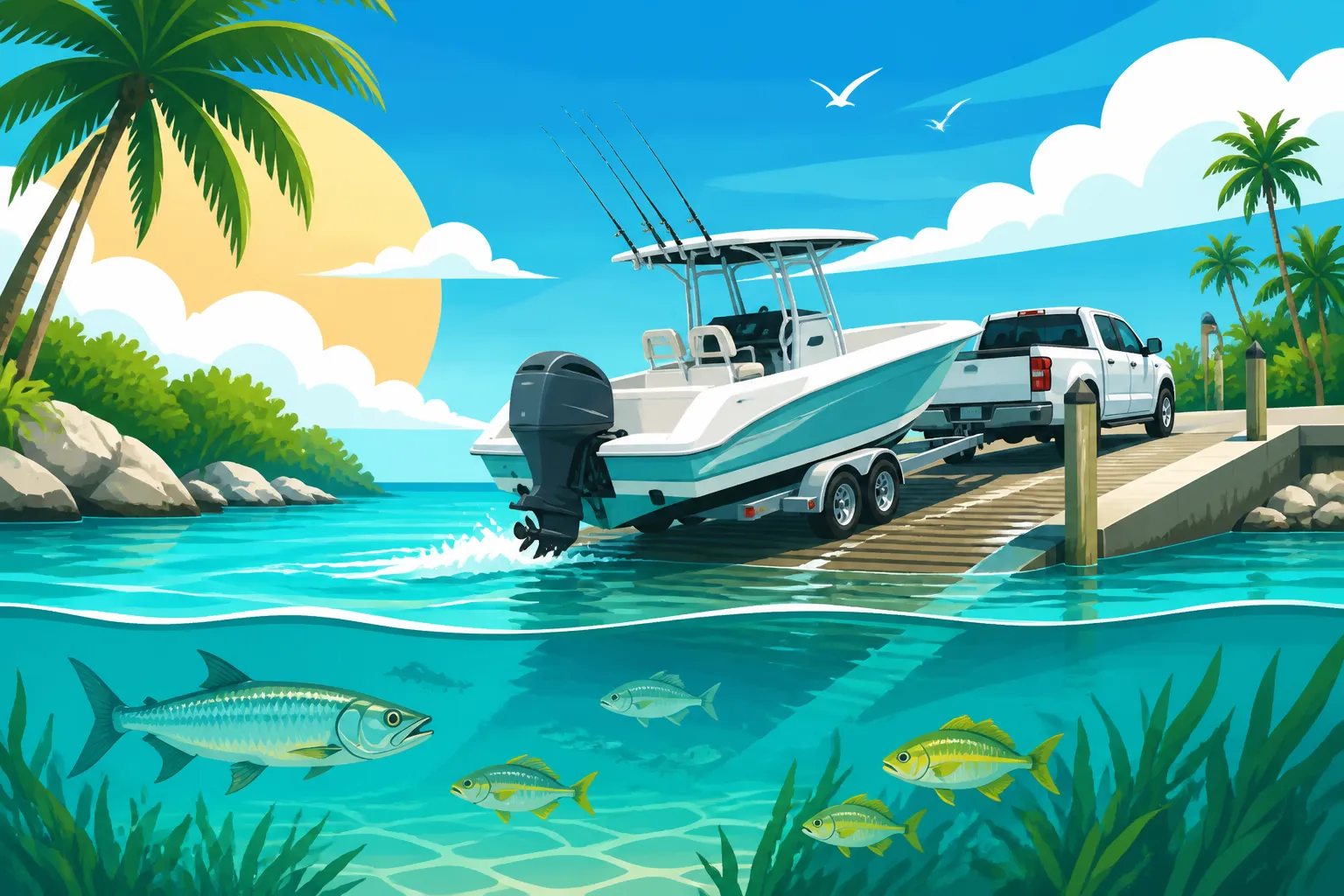
Best Public Boat Ramps in the Florida Keys
Trying to find a decent boat ramp in the Florida Keys can feel like a treasure hunt, especially when you're itching to get your boat in the water and hit those legendary fishing grounds. Limited public access, crowded facilities, and the unique challenges of navigating a narrow island chain mean that showing up unprepared can quickly turn your exciting fishing trip into a frustrating ordeal. This guide aims to cut through that confusion, offering a comprehensive look at the best public boat ramps across the Keys, helping you plan a seamless launch and make the most of your time on the water.
Navigating Boat Ramp Challenges in the Florida Keys
The Florida Keys, with its delicate ecosystem and dense development along the Overseas Highway, presents a unique set of challenges for boaters seeking public access. Unlike more expansive mainland areas, space is at a premium, and environmental considerations often dictate where and how launching facilities can be established and maintained. Understanding these nuances before you even hitch up your trailer can save you a lot of headaches.
The Scarcity of Convenient Access Points
It’s no secret that real estate in the Florida Keys is incredibly valuable, and that extends to waterfront property suitable for boat ramps. Many prime locations are owned by private marinas, resorts, or residential communities, leaving fewer options for public use. This scarcity means that the public ramps available are often heavily utilized, especially during peak fishing seasons or holiday weekends. You might find yourself waiting in a line of eager anglers, some of whom may have traveled a long way, including visitors from other states looking to experience the world-class fishing after securing their Florida Nonresident Fishing License Rules. Planning ahead, particularly for early morning launches, is not just a suggestion; it’s a necessity to avoid prolonged delays and frustration. Moreover, the sheer length of the Keys means that a suitable ramp might not always be just around the corner, requiring you to factor in travel time along the often-busy single highway.
Understanding Parking and Fees
One of the biggest hurdles at public boat ramps in the Keys isn't just getting your boat in the water, but finding a place to park your truck and trailer afterward. Parking availability varies wildly from one ramp to the next. Some ramps offer extensive, dedicated trailer parking, while others have very limited spots, forcing you to find overflow parking or, worse, risk a citation for parking illegally. The fees associated with using these ramps also differ. Many public ramps are managed by county or state parks and often require a daily use fee, sometimes paid via an automated kiosk or an attendant. For example, some state parks might have a separate entrance fee on top of the ramp fee. It's always a good idea to check the specific ramp's website or call ahead to confirm current rates and payment methods. Having exact change or a credit card ready can expedite the process. Improper parking, whether blocking access or taking up multiple spots, is a common issue and can lead to fines, so it’s crucial to be mindful of designated parking areas and fellow boaters.
Launch Etiquette and Safety Considerations
Using a public boat ramp is a shared experience, and practicing proper etiquette ensures a smoother process for everyone. The golden rule is efficiency. Have your boat prepped before you back down the ramp. This means all gear loaded, lines untangled, drain plug in, and engine cover off. Don't be that person holding up the line while you load tackle boxes or rig your rods. Once launched, quickly move your boat away from the ramp to a nearby dock or staging area to allow the next boater to launch. The same goes for retrieval: have your vehicle and trailer ready to go, and be quick about pulling your boat out.
Safety is paramount, especially with the currents and sometimes unpredictable conditions in the Keys. Always wear appropriate footwear, as ramps can be slippery with algae or wet. Be aware of your surroundings, especially children and other boaters. When launching or retrieving, pay close attention to the wind and currents, which can quickly push your boat into obstacles or other vessels. Checking your boat's registration and ensuring you have all required safety gear onboard, like life jackets for everyone, flares, and a sound-producing device, is also non-negotiable. It's part of being a responsible boater in a popular destination like the Keys. Before heading out, make sure you're familiar with Florida Fishing Regulations and Bag Limits for the species you plan to target.
Top Public Boat Ramps in the Upper and Middle Florida Keys
The Upper and Middle Keys, stretching from Key Largo down through Islamorada and Marathon, offer a mix of facilities catering to various boating needs. These areas are popular for both inshore fishing on the flats and backcountry, as well as easy access to the reef and offshore waters.
Key Largo and Islamorada Ramps
These northernmost sections of the Keys are vibrant hubs for fishing and diving, drawing countless visitors each year. Naturally, their boat ramps see a lot of action.
Harry Harris Park (Tavernier/Key Largo Area)
Located at MM 92.5 oceanside in Tavernier, Harry Harris Park is a jewel among the public access points in the Upper Keys. It’s more than just a boat ramp; it’s a full-fledged county park with a protected lagoon, swimming area, and picnic facilities. The ramp itself is concrete, usually featuring multiple lanes which helps to alleviate some of the congestion during busy times. This ramp provides excellent access to the Hawk Channel and the Atlantic Ocean for offshore excursions, where you might be chasing mahi-mahi or tuna. However, its position also makes it a viable option for those looking to fish the backcountry on the Gulf side, though it requires a slightly longer run through Tavernier Creek or other channels.
Parking at Harry Harris Park is generally ample, with designated spaces for trucks and trailers, although on peak weekends or during major fishing tournaments, it can fill up quickly. There is typically a small daily fee required to enter the park, which covers ramp use. Amenities include restrooms, a children's playground, and picnic tables, making it a great spot if you’re bringing the family along or want to spend some time relaxing after your fishing trip. You might even consider booking a charter through a service like FishingBooker that often uses these very ramps, saving you the hassle of launching your own boat.
Founders Park (Islamorada)
Founders Park, situated at MM 87 bayside in Islamorada, often referred to as the "Sportfishing Capital of the World," is another fantastic facility. This expansive park offers a wide range of recreational activities beyond just boating, including an Olympic-sized pool, tennis courts, and a beach. The boat ramp here is well-maintained and provides multiple lanes, designed to handle a good volume of traffic. The bayside location offers immediate access to Florida Bay and the vast Everglades backcountry, which is renowned for its snook, redfish, and tarpon fishing. From here, you can explore the shallow flats or navigate the intricate maze of mangrove islands. For offshore anglers, access to the Atlantic is via Snake Creek, which is a controlled channel with bridge restrictions, so always be mindful of your boat's clearance.
Parking at Founders Park is generous, with plenty of designated spots for boat trailers. Like Harry Harris Park, there is an entrance fee for non-residents of Islamorada, but it grants access to all the park’s facilities. Restrooms and a fish cleaning station are available, which is always a welcome sight after a successful day on the water. Given its popularity and prime location, planning an early arrival is highly recommended, especially during the Florida Tarpon Fishing Season Guide when the ramps can get very busy. Many charter captains also favor this park for its convenience and amenities, and you can often find a great charter on FishingBooker listing this as a launch point.
Marathon and Lower Matecumbe Ramps
Moving further south, Marathon marks the heart of the Keys, offering a vibrant mix of fishing opportunities, from reef fishing just a few miles offshore to exploring the numerous bridges and channels.
Rotary Park (Marathon)
Rotary Park, located around MM 54 bayside in Marathon, is a community-focused park that provides reliable public boat ramp access. This ramp is particularly popular with local anglers due to its central location and easy access to both the Gulf and Atlantic sides. While it might not boast as many lanes as some of the larger park facilities, it is typically well-maintained and functional. The bayside launch provides direct access to the calmer waters of the Gulf of Mexico, making it ideal for those heading to the Seven Mile Bridge area or the channels that flow into the Atlantic.
Parking at Rotary Park is more limited compared to the larger parks, so it's wise to arrive early, especially if you have a larger trailer. There's generally no direct fee for the ramp itself, but parking regulations should be observed. You'll find basic amenities like restrooms, and its proximity to Marathon’s numerous bait shops, fuel docks, and tackle stores means you can easily stock up before or after your trip. It's a great local spot if you're targeting snapper and grouper around the bridges, or venturing out to the deeper wrecks. For those who prefer a guided experience, many Marathon-based Florida Fishing Charter Guide services depart from ramps like Rotary Park.
Curry Hammock State Park (Marathon/Lower Matecumbe)
Just south of Marathon, between MM 56 and 57 oceanside, lies Curry Hammock State Park, a truly stunning natural preserve. While primarily known for its pristine beaches, kayaking, and camping, it also features a very useful public boat ramp. This ramp offers direct access to the Atlantic Ocean, putting you right near the productive reef lines and offshore fishing grounds. It’s also a fantastic launch point for exploring the flats on the oceanside, where you might spot permit or bonefish in the clear waters. The natural beauty of the park adds an extra layer of enjoyment to your boating experience.
The ramp itself is well-maintained, and parking for boat trailers is usually adequate, though like all Keys parks, it can fill up during peak season. There is a state park entrance fee required per vehicle, which includes ramp usage. Facilities include restrooms, picnic areas, and walking trails. It's a less congested option than some of the more urbanized ramps, offering a more serene start to your fishing adventure. If you're looking for a peaceful launch into some of the most beautiful waters in the Keys, Curry Hammock is an excellent choice. This can be a great place to fish during the Best Time of Year to Fish in Florida if you want to avoid some of the heavier crowds.
Premier Public Boat Ramps in the Lower Florida Keys and Key West
As you venture into the Lower Keys, the landscape becomes wilder, with vast stretches of pine lands and smaller islands leading to the bustling hub of Key West. The fishing here is legendary, offering diverse opportunities for anglers.
Big Pine Key and Surrounding Areas
Big Pine Key and its neighboring islands are characterized by a quieter, more natural ambiance, making them a favorite for those seeking a less crowded experience on the water.
Big Pine Key Community Park
Located on the Gulf side of Big Pine Key, this community park offers a well-maintained public boat ramp around MM 30. It's a popular choice for locals and visitors staying in the Lower Keys who want to explore the extensive backcountry and flats of the Gulf of Mexico. The ramp provides easy access to the numerous channels, mangrove islands, and shallow waters where redfish, snook, and trout thrive. It’s also a good launching point for trips towards the Content Keys or the remote Marquesas, though those require longer runs.
Parking for trailers is available and generally sufficient, though it can become busy during weekends and local events. There's typically no fee to use this ramp, making it a budget-friendly option. Amenities are basic but include restrooms and a small park area. Given its location, Big Pine Key Community Park is an ideal spot for smaller boats, flats boats, and kayaks, offering protection from the open ocean swells. If you're looking to target backcountry species or enjoy a quieter day on the water, this ramp provides excellent access.
Spanish Harbor Channel
While not a formal "park" in the traditional sense, the area around Spanish Harbor Channel (MM 34-35) on Big Pine Key offers access points that are widely used by locals. There isn't a dedicated, formal boat ramp here, but rather a more rustic launch site that many smaller boats and kayaks use to access the water. This spot is excellent for fishing the immediate channel itself, which is a known hotspot for snapper and often provides current-driven opportunities. It's also a fantastic entry point for exploring the shallow flats and backcountry areas on both the Gulf and oceanside, depending on where you put in.
Parking is informal and limited along the roadside, so caution is advised to ensure you're not obstructing traffic or private property. There are no fees or formal amenities like restrooms or cleaning stations, so come prepared. This "ramp" is best suited for experienced boaters with smaller vessels, who are comfortable with less developed launch conditions. It’s a true local secret that offers direct, unfettered access to some fantastic fishing, but it demands respect for the environment and local regulations, including knowing your Florida Saltwater Fishing License Rules before casting a line. You won't typically find charters from FishingBooker launching here, as it's more for the DIY angler.
Key West and Stock Island Options
Key West, the southernmost point in the continental U.S., is a bustling port with numerous marine services. The ramps here are generally more commercial-oriented or serve the larger transient boater population.
Key West City Marina (Garrison Bight)
The Key West City Marina, located on Stock Island and serving the Key West area, offers a well-appointed public boat ramp that caters to a wide range of vessels. Garrison Bight, where the marina is situated, is a deep-water channel providing excellent access to both the Gulf of Mexico and the Atlantic Ocean. This means you can easily head out for deep-sea fishing for mahi-mahi and wahoo, or explore the Gulf side for tarpon and permit in the calmer waters. The facilities here are robust, with multiple concrete ramps designed to handle heavy traffic and larger boats.
Parking for trucks and trailers is available, but it can be challenging to find during peak season or busy weekends, and fees apply. Amenities at the City Marina are extensive, including fuel docks, a ship store, repair services, and a fish cleaning station. This is a highly professional and well-run facility, making it a reliable choice for boaters. Many of the large Key West Fishing Charter Rates for offshore excursions launch from here, so you might rub shoulders with seasoned captains. To ensure a spot, especially if you're pulling a bigger rig, try to arrive very early or consider launching on a weekday.
Cow Key Channel (Stock Island)
Cow Key Channel, separating Stock Island from Key West, provides another popular public launch area, particularly known for its ease of access to the Gulf side. While there isn't one single designated "ramp" with multiple lanes, there are several informal areas along the channel that serve as launch points. These spots are favored by smaller boats, skiffs, and kayak anglers looking to explore the nearby flats, mangrove islands, and the Gulf waters north of Key West. It’s a fantastic area for targeting backcountry species and enjoying a more tranquil fishing experience away from the offshore hustle.
Parking is typically along the roadside or in designated overflow areas, so always be mindful of signage and local regulations. There are usually no fees for these informal launch sites, but also no amenities like restrooms or cleaning stations. Boaters using Cow Key Channel should be self-sufficient and prepared to manage their waste responsibly. This is a highly practical option for those staying on Stock Island or looking to quickly access the Gulf without navigating the busier waters of Garrison Bight.
| Ramp Name | Location (Approx. MM) | Number of Lanes | Trailer Parking | Fees (Approx. Daily) | Primary Access | Key Amenities |
|---|---|---|---|---|---|---|
| Harry Harris Park | 92.5 oceanside | 2-3 | Ample | $10 | Atlantic/Hawk Channel | Restrooms, picnic, swimming beach |
| Founders Park | 87 bayside | 2-3 | Ample | $8-10 (Non-resident) | Florida Bay/Backcountry | Restrooms, fish cleaning, pool, beach |
| Rotary Park | 54 bayside | 1-2 | Limited | Free | Gulf/Bridges | Restrooms, nearby bait shops |
| Curry Hammock State Park | 56-57 oceanside | 1 | Adequate | $4-8 per vehicle | Atlantic/Reef | Restrooms, picnic, camping |
| Big Pine Key Comm. Park | 30 Gulfside | 1-2 | Ample | Free | Gulf/Backcountry | Restrooms, small park |
| Key West City Marina | Stock Island | 3+ | Limited/Paid | $15-20 | Gulf/Atlantic | Fuel, ship store, fish cleaning, restrooms |
Note: Fees are approximate and subject to change. Always verify current rates and availability.
Essential Tips for a Smooth Launch and Retrieve in the Keys
Even with the best ramps identified, a smooth boating experience in the Florida Keys often comes down to preparation and knowing a few local tricks. The unique environment and heavy traffic mean a little foresight goes a long way.
Pre-Launch Preparation and Post-Trip Cleanup
Being prepared before you even get in line for the ramp is perhaps the most crucial tip for Keys boating. Before you leave your accommodation, ensure your boat’s drain plug is in, all your rods and tackle are neatly stowed, safety gear is accessible, and your cooler is packed. Having your lines tied to cleats, ready to quickly guide your boat off the trailer, will save precious minutes and avoid glares from others. Double-check your trailer lights and connections. Once you’re in the water, quickly move your boat to a courtesy dock (if available) or simply motor out of the immediate ramp area, allowing the next boater a clear path.
After your fishing adventure, don’t neglect proper cleanup. Many ramps, especially those in state parks or larger marinas, offer fish cleaning stations. Use them responsibly, disposing of carcasses in designated areas and rinsing down the station afterward. Clean your boat and trailer of any debris, especially invasive species, before leaving the ramp. This helps protect the delicate Keys ecosystem. And please, dispose of all trash in provided receptacles. Respecting the facilities and the environment is vital for ensuring these public access points remain open and enjoyable for everyone. It's a small effort that contributes significantly to the overall boating experience for the community and future generations, and helps maintain the health of these prime Florida Keys Fishing Guide waters.
Timing Your Ramp Use and Navigating Crowds
Timing is everything in the Florida Keys, especially when it comes to boat ramps. During weekends, holidays, and peak fishing seasons—like the popular mini-season for Florida Lobster Permit Requirements or during the spring tarpon run—ramps can become incredibly congested. Aim to arrive either very early in the morning, often before sunrise, or during off-peak hours later in the day. Launching on a weekday, if your schedule allows, will almost always provide a more relaxed experience. You might also find fewer crowds if you plan your trip around specific tide cycles. For example, some anglers prefer to launch at high tide to access shallow areas, while others might wait for a specific low tide to navigate channels. Checking the Best Tides for Inshore Fishing in Florida for your desired fishing spots can influence your launch time.
Patience is a virtue when ramps are busy. Everyone is trying to get on the water. If you encounter a line, stay calm and observe ramp etiquette. Don't rush or cut in front of others. If you're new to using a particular ramp, take a moment to observe how others are launching and retrieving their boats. This informal learning can save you from making a mistake and holding up the line. Remember, the goal is to get your boat in and out of the water safely and efficiently, so everyone can enjoy their day.
Utilizing Online Resources and Local Knowledge
Modern technology makes planning your boat ramp experience much easier. Before you head out, check the Florida Fish and Wildlife Conservation Commission (FWC) website, which often provides up-to-date information on public access points, including amenities and any temporary closures. Apps like Navionics or Google Maps can give you satellite views of the ramps and parking areas, allowing you to visualize the layout before you arrive. For those who frequently visit the Keys, online boating forums or local social media groups can be invaluable for real-time updates on ramp conditions, crowds, and any local advisories.
Don't underestimate the power of local knowledge. Chatting with anglers at bait shops, marine supply stores, or even other boaters at the ramp can provide crucial insights. They might know about a lesser-used ramp, a temporary parking solution, or specific conditions to watch out for. Sometimes, the best strategy is to avoid the hassle altogether and book a charter. Many excellent captains are listed on platforms like FishingBooker, offering guided trips that handle all the launching and retrieving logistics, allowing you to focus purely on the fishing. They know the ramps, the tides, and the Best Spots to Fish From the Shore in the Florida Keys if you're looking for alternative options.
Disclaimer
The information provided in this guide is for general informational purposes only and is subject to change. Fees, regulations, and facility availability can vary and are often updated by local and state authorities. Always check the most current information from official sources like the Florida Fish and Wildlife Conservation Commission (FWC) or specific park websites before planning your trip. Fishing and boating inherently involve risks, and it is the responsibility of each individual to exercise caution, comply with all safety regulations, and be aware of environmental conditions.