Trolling Technique for Offshore Fishing
There's nothing quite like the thrill of offshore fishing, but sometimes, simply dropping a line isn't enough to entice those elusive pelagic species. Many anglers find themselves battling vast expanses of open water, wondering how to consistently put themselves in front of the fast-moving fish they're after. This comprehensive guide will demystify the art and science of trolling, offering you the techniques, gear insights, and strategic approaches needed to become a more successful offshore angler in Florida's bountiful waters.
What is Trolling and Why is it Effective Offshore?
Offshore trolling is more than just dragging a lure behind a boat; it's a sophisticated method designed to cover vast areas and mimic natural prey, making your presentation irresistible to apex predators. When done correctly, trolling can be incredibly effective, especially in the dynamic environment of the open ocean where fish are constantly on the move.
Defining Trolling in the Offshore Context
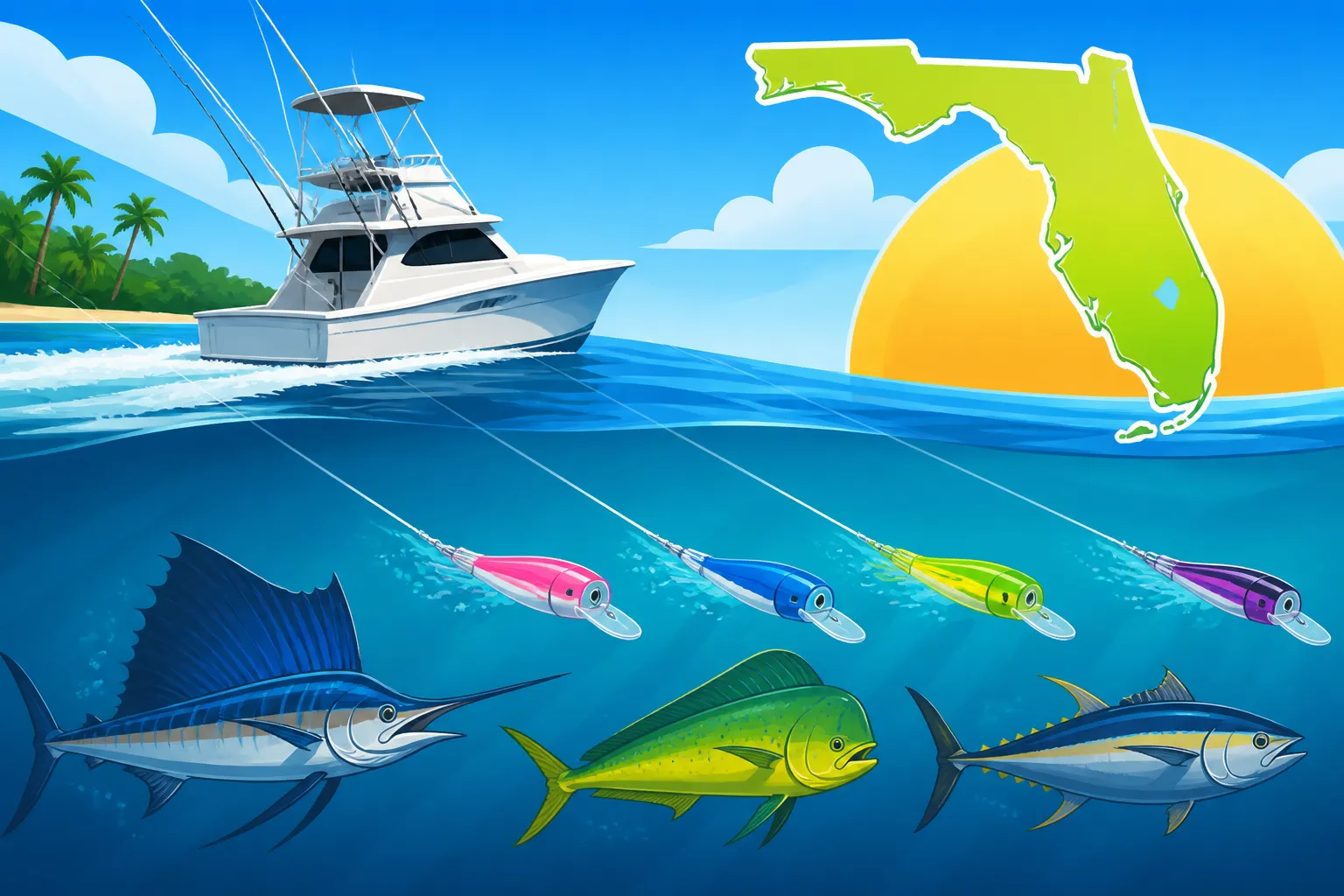
At its heart, trolling involves moving your boat at a controlled speed while deploying multiple lines, each rigged with a bait or lure, to simulate a school of fleeing baitfish. Unlike drift fishing or anchoring, trolling is an active pursuit, allowing you to systematically search large swaths of water. Imagine a hungry mahi-mahi or wahoo cruising offshore, looking for its next meal. A lone bait sitting still might go unnoticed, but a spread of lures zipping through the water at varying depths and distances creates a commotion that screams "feeding opportunity." This technique allows anglers to target fish that are widely dispersed or actively chasing bait, which is often the case with species like tuna, marlin, and sailfish. It's about bringing the bait to the fish, rather than waiting for the fish to come to the bait.
Why Trolling Catches More Fish
The effectiveness of trolling, especially in the vastness of Florida’s offshore environment, comes down to several key factors. First, it maximizes your "search pattern" – instead of fishing a single spot, you're constantly exploring new territory. This is crucial when targeting migratory species that follow baitfish schools or temperature breaks. Second, trolling creates a lifelike presentation. The movement of the boat imparts action to your baits and lures, making them swim, dive, and dart in ways that perfectly imitate wounded or fleeing prey. This naturalistic movement often triggers a predatory instinct that a stationary bait simply can't. Furthermore, a well-arranged "spread" of multiple lines, often with teasers, gives the illusion of a bustling bait school, increasing the visual appeal and competition among predatory fish. You're not just offering one meal; you're offering a whole buffet, making it harder for a game fish to ignore.
Understanding Trolling Speeds and Presentations
The ideal trolling speed isn't a fixed number; it's a variable dictated by the target species, sea conditions, and the type of lure or bait you're using. Generally, offshore trolling speeds range from 5 to 10 knots, but this can vary wildly. For instance, when targeting wahoo, anglers often "pull" baits much faster, sometimes exceeding 15 knots, as wahoo are incredibly fast predators that react well to high-speed presentations. Conversely, targeting slower-moving fish like king mackerel might require a more sedate pace, often around 3-7 knots, allowing the baits to swim more naturally. Lure design also plays a huge role; some lures are designed to run perfectly at high speeds, while others require a slower pace to achieve their optimal action. It's also important to consider the effect of current and wind on your boat speed over ground versus speed through water. A GPS will tell you speed over ground, but it's your speed through the water that dictates how your lures are performing. Observing your lure's action from the stern and adjusting accordingly is a crucial skill to develop.
Essential Gear for Offshore Trolling in Florida
Stepping into the world of offshore trolling requires specialized equipment that can withstand the rigors of the open ocean and the power of large game fish. Having the right tools isn't just about catching fish; it's about safety, efficiency, and ensuring your gear can handle the immense strain.
Rods, Reels, and Line Selection
For serious offshore trolling in Florida, you're going to need heavy-duty conventional tackle. Think about sturdy, robust rods with enough backbone to handle a powerful strike and sustained fight, typically ranging from 30 to 80-pound class. These rods are often shorter and stiffer than casting rods, designed for brute strength and leverage. Paired with these are powerful conventional reels from reputable brands like Penn, Shimano, or Daiwa, capable of holding hundreds of yards of heavy monofilament or braided line. The drag system is paramount here, as it needs to be smooth and consistent under heavy load to prevent break-offs and wear down tough-fighting fish.
When it comes to line, 50 to 80-pound test monofilament is a popular choice for its shock absorption, which helps cushion sudden strikes and head shakes from large fish. Braided line offers superior strength-to-diameter ratio and sensitivity, but its lack of stretch can be unforgiving. Many anglers opt for a braided mainline with a monofilament top shot for the best of both worlds. Regardless of your choice, ensure your line is fresh and free of nicks or abrasions, especially after a few trips battling toothy critters or barnacle-encrusted structures. You can find a vast selection of these items on platforms like Amazon, offering convenience and competitive pricing. For a more detailed look into specific setups, check out our guide on the Best Rod and Reel Setup for Florida Offshore Fishing.
Lures, Baits, and Terminal Tackle
The array of lures and baits available for offshore trolling is vast, each designed for specific species and conditions. Skirted lures, often referred to as "plastic skirts," are incredibly popular and come in various shapes, sizes, and colors. These lures are fantastic for mahi-mahi, tuna, and wahoo. For king mackerel, often called "smoker kings" when they're large, duster rigs or traditional spoons are excellent choices, often trolled with dead bait like cigar minnows. Live bait, such as goggle eyes, pilchards, or blue runners, can also be rigged for trolling and are deadly for sailfish and even marlin.
Your terminal tackle is the connection between your line and the fish, so quality is non-negotiable. This includes heavy-duty swivels, snap swivels, crimps, and leaders. Wire leaders are essential when targeting toothy species like wahoo and king mackerel to prevent bite-offs. Fluorocarbon leaders, known for their low visibility in water, are preferred for more finicky fish like sailfish or tuna. Hooks should be razor-sharp and appropriately sized for your bait and target species. Make sure you have a good selection of these on hand, as losing tackle to sharp teeth or bottom structure is an inevitable part of offshore fishing.
Essential Boat Equipment and Spreader Bars
Beyond your rod and reel setups, several pieces of boat equipment are critical for effective and safe offshore trolling. Outriggers are arguably the most important, extending out from the boat to spread your lines wider, creating a broader "strike zone" and preventing tangles. This allows you to run more lines simultaneously without interference. Downriggers are another valuable tool, used to send baits or lures down to precise depths, targeting fish holding deeper in the water column. For those looking to maximize their spread, planers can also be used to get lures deeper without needing a downrigger.
Spreader bars are game-changers for attracting pelagic species. These ingenious devices simulate a school of baitfish, with multiple "teaser" lures attached to a main bar, often with a larger, "stinger" lure trailing behind. They create a massive commotion in the water, drawing fish from a distance and presenting them with an irresistible target. Teasers, dredges, and daisy chains are all designed to create the illusion of a large bait school, mimicking the natural feeding patterns of offshore predators. Having a sturdy gaff and a large cooler on board is also critical for safely landing and preserving your catch.
Mastering Offshore Trolling Techniques
Trolling offshore isn't just about putting lures in the water and driving around; it's an art that combines precise setup, keen observation, and strategic adjustments. Getting your spread dialed in and understanding how to read the ocean are skills that will drastically increase your success.
Setting Up Your Spread and Outriggers
The way you arrange your lines, known as your "spread," is fundamental to successful offshore trolling. A typical spread involves multiple lines set at different distances behind the boat and often at different depths, mimicking a diverse school of baitfish. The goal is to cover as much water as possible without lines tangling. Outriggers are indispensable for this, allowing you to run lines far out to the sides, creating a wide V-shape behind the boat. Shotgun lines, often the longest line, are run directly down the center far behind the boat. Flat lines, or short rigger lines, run closer to the transom.
When deploying, start with your deepest or longest lines first, then progressively deploy shorter lines closer to the boat. This ensures everything runs smoothly and helps prevent tangles when making turns. Pay attention to the action of each lure as it hits the water; you want them swimming naturally and enticingly. Experiment with different lure colors and sizes on different lines until you find what the fish are reacting to on that particular day. Having a good visual on your entire spread is key to identifying strikes and making quick adjustments.
Matching the Hatch and Lure Placement
"Matching the hatch" is a crucial concept in all forms of fishing, and offshore trolling is no exception. It means selecting lures or baits that closely resemble the natural forage that your target species is currently feeding on. For instance, if you're seeing small ballyhoo jumping, you'd want to use ballyhoo-imitating lures or rigged ballyhoo. If there are flying fish in the area, a flying fish lure might be the ticket. Real-time web searches can provide information on prevailing baitfish in Florida's offshore waters depending on the season and location.
Lure placement in the spread is equally important. Some lures are designed to run deeper, others closer to the surface. Some have a wide, aggressive swim, while others have a tighter, more subtle action. Putting a deep-diving lure directly behind a surface lure can result in tangles, but placing it where it won't interfere can be highly effective. The "prop wash," or the disturbed water behind the boat, can be an excellent place for lures as it creates bubbles and commotion that hide your line and make your bait look like struggling prey. Often, the fish will hit the lure that looks "easiest" to catch or is slightly different from the rest of the school, so having one oddball in your spread can sometimes be the ticket.
Varying Speeds and Patterns for Success
Don't just set your speed and cruise in a straight line. Successful offshore trolling often involves constant adjustment and experimentation. Varying your boat speed, even by a knot or two, can change the action of your lures dramatically and often triggers strikes. A sudden acceleration, followed by a brief slowdown, can make a lure dart or pause, mimicking a wounded baitfish – a classic "reaction strike" trigger.
Changing your trolling pattern is also vital. Instead of straight lines, try making S-turns or wide arcs. As your boat turns, the lures on the inside of the turn will slow down and drop deeper, while the lures on the outside will speed up and rise. This creates a dynamic, ever-changing presentation that can provoke a bite from even the most lethargic fish. Pay close attention to where the bites occur within your turning pattern; this can provide clues about how the fish are feeding and help you refine your strategy. Understanding the Best Tides for Inshore Fishing in Florida might not directly apply offshore, but recognizing how current influences your boat's movement and your lure's action remains critical.
| Trolling Scenario | Target Species | Typical Speed (Knots) | Recommended Lure/Bait | Leader Material |
|---|---|---|---|---|
| High-Speed (Wahoo) | Wahoo | 10-20+ | High-speed bullet lures, diving plugs | Wire |
| General Offshore | Mahi-Mahi, Tuna | 6-9 | Skirted lures (chuggers, jet heads), rigged ballyhoo | Fluorocarbon or Monofilament |
| King Mackerel | King Mackerel | 3-7 | Duster rigs, spoons, rigged cigar minnows, live baits | Wire |
| Billfish (Sailfish, Marlin) | Sailfish, White Marlin | 5-8 | Rigged ballyhoo, Ilander lures, plastic skirts | Fluorocarbon |
| Deep-Water Trolling (using downriggers) | Wahoo, Tuna, Grouper (when legal) | 4-8 | Diving plugs, heavy jigs, deep-running skirted lures | Wire or Heavy Fluorocarbon |
Target Species and Seasons for Trolling in Florida
Florida's offshore waters are a teeming playground for anglers, offering a diverse range of pelagic species that readily strike trolled baits. Knowing what to target and when to target them is key to maximizing your success. Understanding the Best Time of Year to Fish in Florida will give you a general idea, but specifics for trolling are even more helpful.
Dolphin Mahi Mahi and Wahoo
Mahi-Mahi (Dolphin): These vibrant, acrobatic fish are a prime target for trollers throughout Florida. Known for their explosive runs and aerial displays, mahi-mahi are often found around floating debris, weed lines (especially sargassum), temperature breaks, and current edges. They are aggressive feeders and will readily hit a wide variety of trolled lures and baits.
- Season: While mahi-mahi can be caught year-round, the peak season for larger fish typically runs from April through October along both coasts, with spring and early summer being particularly productive. During these warmer months, you might find yourself catching a lot of "schoolie" mahi, perfect for dinner!
- Techniques: Target weed lines and floating structure. Trolling skirted lures in bright colors (pink, green, blue/white) or rigged ballyhoo are highly effective. Keep a spinning rod ready for casting to schools once you get a bite, as mahi-mahi often travel in pods. If you hook one, leave it in the water to keep the rest of the school around. For more on reaching these fish, consult our guide on How Far Offshore Do You Need to Go for Mahi Mahi?.
Wahoo: These lightning-fast torpedoes are highly prized for their blistering runs and delicious meat. Wahoo often lurk around structure like reefs and wrecks, as well as along current edges and depth changes in deeper water.
- Season: Wahoo fishing tends to be best during the cooler months, from late fall through early spring, particularly around the full and new moons. However, they can be encountered year-round, especially offshore of deeper ledges.
- Techniques: High-speed trolling is the name of the game for wahoo. Using heavy, bullet-head lures, often with dark colors or flashy skirts, at speeds of 10-20+ knots can trigger their aggressive strikes. Wire leaders are absolutely essential due to their razor-sharp teeth. Look for temperature breaks and areas with significant depth changes, often in waters 100 feet or deeper. Our Best Month to Catch Mahi Mahi Offshore Florida article also touches on complementary species like wahoo.
King Mackerel and Sailfish
King Mackerel (Kingfish): Known for their scorching runs and violent headshakes, king mackerel are a staple of Florida's offshore fishery. They are found from nearshore waters out to the deeper wrecks and reefs.
- Season: King mackerel are present year-round, but fishing really heats up during their migratory movements. In North Florida, peak season is typically spring and fall. In South Florida, they are more prevalent in the cooler months, often found chasing baitfish schools.
- Techniques: Slower trolling speeds (3-7 knots) are often best for king mackerel. Rigged dead cigar minnows, live blue runners, or spoons are highly effective. "Duster" rigs, which combine a small skirt with a dead bait, are also popular. Always use wire leaders, as kings have incredibly sharp teeth. Look for baitfish schools, current rips, and structure like artificial reefs or natural bottom contours. Dive deeper into this species with our Florida King Mackerel Fishing Guide.
Sailfish: Florida is a world-renowned destination for sailfish, the "gladiators of the sea," known for their spectacular jumps and bill-thrashing acrobatics. These magnificent billfish are primarily targeted on the Atlantic coast.
- Season: The prime sailfish season in Florida's Atlantic waters runs from late fall through spring, with winter often being exceptional. During these months, sailfish migrate south, following baitfish schools like ballyhoo.
- Techniques: Trolling with natural baits, particularly rigged ballyhoo, is the most common and effective method for sailfish. "Dredges" and "teasers" are often employed to create a "bait ball" effect, attracting sailfish to the spread. Once a sailfish appears in the spread, pitch baits (a rigged ballyhoo on a light spinning rod) are often used for a more engaging fight. Look for color changes, current edges, and schools of baitfish, often within sight of land to about 10-20 miles offshore. For more specific details, consult the Florida Sailfish Fishing Guide.
Tuna and Other Pelagics
Tuna (Blackfin and Yellowfin): While Florida isn't as famous for tuna as some other destinations, blackfin tuna are a common catch, especially in deeper offshore waters, and yellowfin tuna can be found further offshore, particularly in the Panhandle and around the Keys.
- Season: Blackfin tuna are present year-round but are often more abundant in spring and fall. Yellowfin tuna can be caught when conditions are right, often in summer and fall.
- Techniques: Blackfins respond well to medium-speed trolling with small skirted lures or natural baits like rigged ballyhoo or strip baits. Look for diving birds, floating debris, and temperature breaks. Yellowfin require heavier tackle and often deeper water.
Other Pelagic Species:
- Wahoo: As mentioned, they are incredibly fast and require high-speed presentations.
- Marlin (Blue and White): While not as common as sailfish, blue marlin can be found in the deepest offshore waters of the Gulf Stream, especially off South Florida and the Keys during warmer months. White marlin are also present but less frequently encountered. Heavy tackle and large lures or rigged natural baits are needed for these giants.
- Barracuda: While often considered a nuisance, large barracuda are powerful fighters and will readily strike trolled lures. They often hang around reefs and wrecks.
Always remember to check Florida Fishing Regulations and Bag Limits before heading out, as seasons and limits can change based on the species and region.
Troubleshooting and Advanced Trolling Tips
Even with the best gear and knowledge, offshore trolling presents challenges. Learning to troubleshoot issues and incorporate advanced techniques will elevate your game significantly. It’s about becoming a more intuitive and responsive angler.
Dealing with Weeds and Tangled Lines
One of the most common frustrations when trolling in Florida is dealing with weeds, particularly sargassum. These floating mats of seaweed can foul your lures, making them ineffective and leading to tangles.
- Regular Checks: The best defense is constant vigilance. Regularly check your lines, especially after passing through a weed line or if your boat has made a sharp turn. If a lure isn't running correctly, it's likely fouled.
- Clearing Techniques: A sharp turn can sometimes clear a minor weed from a lure without having to reel in. If not, reel in the affected line, clear the weed, and re-deploy.
- Lure Selection: Some lures are less prone to fouling than others. Those with smaller skirts or more streamlined designs might collect fewer weeds.
- Addressing Tangled Lines: Tangled lines usually happen when making sharp turns, if lines are not spaced correctly, or if one fish gets hooked and crosses into another line. Prevention is key: maintain your spread, communicate with your crew, and be mindful of your turns. If a tangle occurs, immediately stop the boat or slow down to a crawl. Identify the crossing lines and patiently work to untangle them, often by reeling in the outside lines first.
Reading the Water and Fish Finders
The ocean is full of clues, and learning to "read the water" is an invaluable skill for any offshore troller.
- Color Changes and Current Rips: Look for distinct lines where water color changes from green to blue, or where currents create visible rips. These areas often concentrate baitfish and, consequently, predatory fish.
- Temperature Breaks: A subtle change in water temperature can be a major factor in where fish congregate. Many modern fish finders and chartplotters can display sea surface temperatures, helping you identify these crucial breaks.
- Bird Activity: Diving seabirds are often a dead giveaway for baitfish schools, which means game fish are likely nearby. Follow the birds!
- Floating Debris and Weed Lines: Any floating object, from a single plank of wood to a massive sargassum mat, acts as a mini-ecosystem, attracting baitfish and providing ambush points for larger predators. Always troll near and around these structures.
- Using Your Fish Finder: Your fish finder isn't just for seeing the bottom. Learn to interpret the marks for bait balls and individual fish arches in the water column. If you mark fish at a certain depth, you can use downriggers or planers to get your lures to that exact depth. The hum of your fish finder might just be the key to unlocking a productive fishing ground.
Incorporating Teasers and Dredges
Teasers and dredges are non-baited lures specifically designed to attract fish into your trolling spread without being hooked themselves. They create the illusion of a large school of baitfish, drawing predators closer and often exciting them into a feeding frenzy.
- Daisy Chains: These are a series of small, often colorful, squid or bird-like lures strung together in a line, with a larger "stinger" lure at the end. They create a commotion and splash, mimicking a fleeing school.
- Dredges: A dredge is a more elaborate teaser, often resembling a large, dense school of baitfish or squids. They are typically made with dozens of artificial or natural baits (like mullet or ballyhoo) rigged on multiple arms, pulled deep in the water to create a massive visual presence. Dredges are incredibly effective at bringing billfish and tuna into your spread.
- Bird Teasers: Small "bird" shaped teasers skip across the surface, creating splash and drawing attention. These are great for attracting mahi-mahi and tuna.
- Placement: Teasers are typically deployed from the boat's stern or from short outrigger lines, positioned just outside your baited lines. The goal is for the fish to get excited by the teaser, then divert to one of your actual baits within the spread. Many anglers will rig teasers to be easily retrieved once a fish is spotted behind them, allowing the fish to focus on the hooked baits. You can find a good variety of these sophisticated teasers and dredges, including those from brands like C&H Lures or Pakula, available through retailers such as Amazon.
Safety and Regulations When Offshore Trolling
Offshore fishing is an exhilarating experience, but it comes with inherent risks and responsibilities. Prioritizing safety and adhering to regulations are paramount for a successful and legal trip.
Navigational Safety and Weather Awareness
The open ocean can be unpredictable, and weather conditions can change rapidly. Before heading out, always check the marine weather forecast thoroughly. Look for wind speeds, wave heights, and any approaching storm systems. A calm morning can quickly turn into a treacherous afternoon, especially during Florida's summer thunderstorm pattern.
- Float Plan: Always file a float plan with a responsible person on shore, detailing your planned route, destination, expected return time, and who is on board.
- Safety Gear: Ensure your boat is equipped with all required safety gear, including correctly sized life jackets for everyone on board, flares, a first-aid kit, a working VHF radio, and a GPS. Consider an EPIRB (Emergency Position Indicating Radio Beacon) or PLB (Personal Locator Beacon) for added security in remote areas.
- Communication: Maintain open communication with other boats if possible, especially when trolling near busy shipping lanes or popular fishing grounds.
- Boat Maintenance: Regularly inspect your boat's engine, fuel system, and electrical components. A mechanical breakdown far offshore can quickly become a serious situation. Having a general understanding of offshore safety, like tips to avoid seasickness on a Florida fishing charter, can also be useful for both yourself and your crew.
Florida Fishing Regulations and Bag Limits
Florida has strict fishing regulations designed to protect marine resources and ensure sustainable fisheries for future generations. These rules can be complex and vary by species, region (Gulf vs. Atlantic), and even time of year.
- Fishing License: Anyone fishing recreationally in Florida's state or federal waters generally needs a valid Florida fishing license, unless specifically exempted. This applies whether you're a resident or a visitor. For detailed information, refer to our comprehensive Florida Fishing License Guide or specific articles like Florida Saltwater Fishing License Rules or Florida Nonresident Fishing License Rules.
- Size and Bag Limits: Every target species has specific minimum/maximum size limits and daily bag limits. For example, some species have "slot limits," meaning you can only keep fish within a certain size range, protecting both juvenile and large breeding adults. Know these limits before you go fishing. Exceeding bag limits or keeping undersized fish can result in significant fines and penalties.
- Season Closures: Many popular offshore species, like certain grouper and snapper, have closed seasons to protect them during spawning periods. For instance, knowing the Florida Red Snapper Season Dates or Florida Gag Grouper Season Dates is crucial for compliance. Fishing for a species during its closed season, even if you intend to release it, can be illegal in some cases.
- Gear Restrictions: There may be specific gear restrictions in certain areas or for certain species. For example, some areas might prohibit certain types of hooks or require dehooking tools. Always keep a dehooking tool and a measuring device readily accessible on your boat.
Proper Fish Handling and Release Practices
Even if you plan to keep fish, proper handling is essential for quality. For catch-and-release, it's about minimizing stress and maximizing survival rates.
- Landing the Fish: Use a gaff or a large landing net for larger fish you intend to keep. For billfish or fish you plan to release, use a dehooking tool to remove the hook while the fish is still in the water, if possible. Avoid bringing large, thrashing fish onto the boat unless absolutely necessary, as this can injure both the fish and the angler.
- Dehooking: Use long-nosed pliers or a specialized dehooking tool to remove hooks cleanly and quickly. If a fish is deeply hooked, especially in the gills or stomach, it's often best to cut the line as close to the hook as possible rather than risk further injury.
- Minimizing Time Out of Water: Fish cannot breathe air. If you must bring a fish aboard for a photo, do so quickly and support its body horizontally to avoid organ damage. Get it back into the water as fast as possible.
- Revival: For exhausted fish, especially large ones like billfish or tuna, gently hold them by the tail and jaw in the water, allowing water to flow over their gills until they regain strength and can swim away on their own. Avoid aggressively shaking them or throwing them back. This kind of ethical fishing practice contributes to the overall health of Florida's marine ecosystems and ensures there will be fish for future generations.
Disclaimer
The information provided in this guide is for general informational purposes only and does not constitute legal advice regarding fishing regulations. Florida fishing regulations are complex and subject to change. It is the sole responsibility of each angler to stay informed about and comply with all current federal, state, and local fishing laws and regulations before engaging in any fishing activity. Always consult the latest official resources from the Florida Fish and Wildlife Conservation Commission (FWC) or NOAA Fisheries.