Drift Fishing Technique for Grouper
Finding those elusive, bottom-dwelling grouper can feel like a game of hide-and-seek, especially when you're anchored in one spot, wondering if the fish are just a few feet away, totally unaware of your perfectly presented bait. It's a common frustration in Florida fishing, where these powerful species love to hug complex structures. But what if you could systematically search vast areas of prime grouper real estate, putting your bait in front of more fish, more often? That's precisely what drift fishing for grouper allows you to do, turning frustration into a dynamic, highly effective strategy. This comprehensive guide will walk you through everything you need to know to master the art of drift fishing for grouper in the Sunshine State.
Understanding Drift Fishing for Grouper in Florida
Drift fishing is a method where you allow your boat to move naturally with the wind, current, or a combination of both, covering a significant area as your bait drags along the bottom. This isn't just a lazy way to fish; it's a strategic approach that excels when targeting species like grouper that often don't congregate in massive schools in one single spot. Instead, they prefer to scatter across various bottom structures, each claiming a small piece of prime ambush territory.
Why Drift Fishing Excels for Grouper
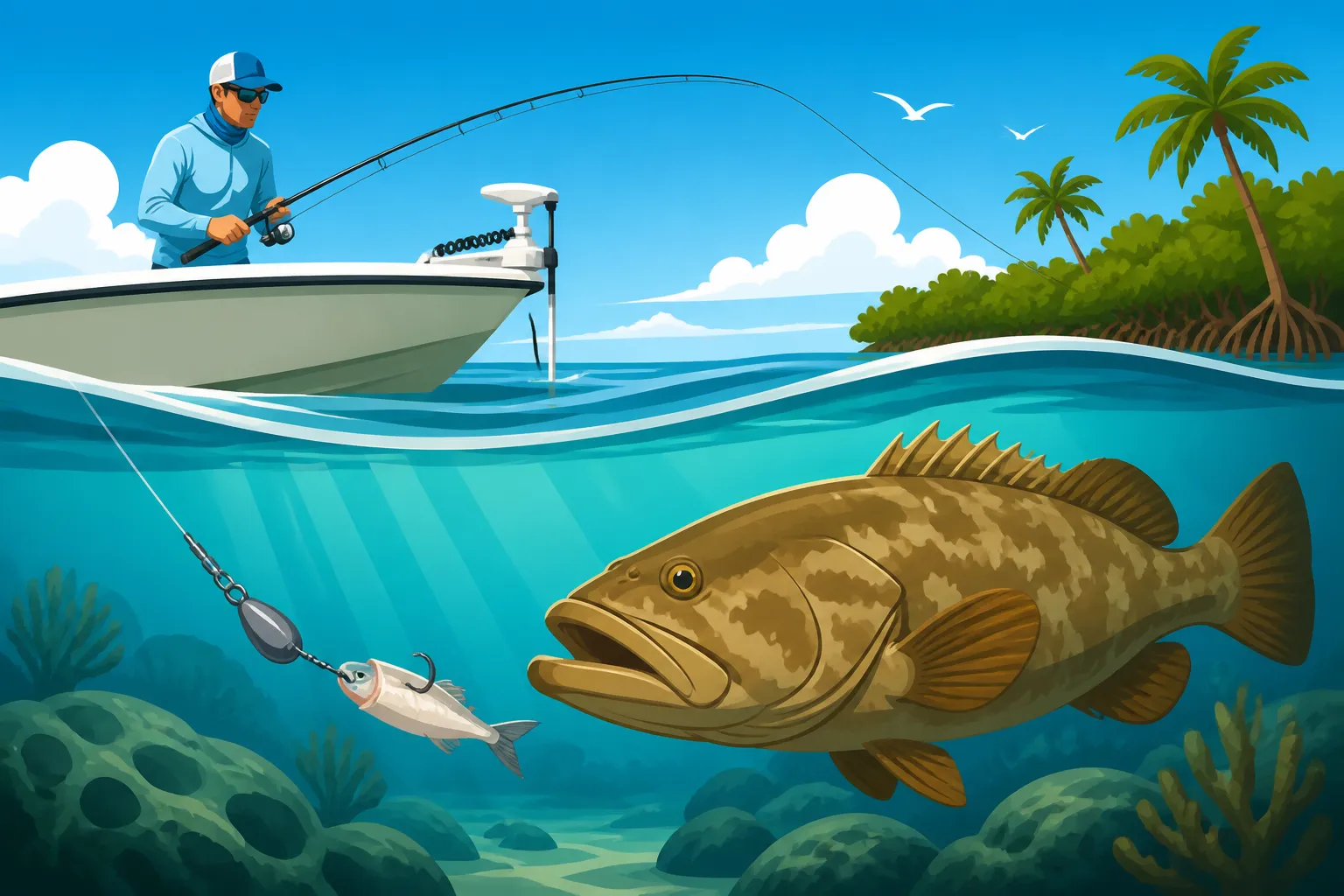
Grouper are notorious ambush predators, meaning they lie in wait within or near structures like rock piles, ledges, wrecks, and coral reefs, darting out to snatch unsuspecting prey. They aren't usually found free-swimming in open water. The challenge for anglers is that these structures are often spread out across large areas of the seafloor, making it incredibly difficult to pinpoint where an individual grouper might be holding using a static, anchored approach. Anchoring ties you to one specific spot, and if the fish aren't directly under your boat, you're out of luck.
This is where drift fishing truly shines. By allowing your boat and bait to move slowly over a wide swath of bottom, you significantly increase the chances of your bait passing directly in front of an actively feeding grouper. Instead of waiting for a fish to come to you, you're actively seeking them out. It’s a proactive method that maximizes your time and effort, especially when fishing larger, less defined areas where grouper might be more scattered, making it a fantastic technique for those wanting to cover more ground and find the most active fish.
Key Principles of Effective Drifting
The core of effective drift fishing lies in understanding and manipulating the forces that move your boat: wind and current. These two elements are your primary drivers, and learning how to interpret and control them is paramount to success. Too fast a drift, and your bait won't stay on the bottom or present naturally; too slow, and you might not cover enough ground. It's a delicate balance that comes with practice and observation.
Controlling your drift is often done using a sea anchor, also known as a drift sock. This parachute-like device is deployed off the bow (or stern, depending on wind/current) to slow the boat's movement, allowing your bait to sink effectively and stay in the strike zone longer. You might also "feather" your engine by periodically engaging it in and out of gear to maintain a desired speed or adjust your heading slightly. Additionally, always keep an eye on your fish finder and chartplotter. Understanding the bottom contour and identifying potential grouper habitat, like ledges or rock piles, helps you align your drifts to pass directly over these promising zones. It’s about being observant and making constant small adjustments to optimize your presentation.
Essential Gear for Florida Grouper Drift Fishing
When you're drift fishing for grouper, you're essentially going to battle with some seriously strong fish that live in unforgiving environments. They'll try to dive back into the rocks the moment they feel the hook, and without the right tackle, you'll be broken off more often than not. Investing in robust, reliable gear isn't just about catching more fish; it's about minimizing frustration and ensuring you can confidently fight these powerful creatures.
Rods, Reels, and Line Selection
For grouper, you need gear that can handle a beating. Most anglers opt for heavy-duty conventional setups, often paired with stout rods in the 6 to 7-foot range with a fast action and heavy power rating. Brands like Penn, Shimano, and Daiwa offer excellent options that can stand up to the strain. The rod needs enough backbone to pry a grouper away from structure, while the fast action provides sensitivity to feel those subtle bites and quick hooksets.
Reels should have strong drags, capable of delivering at least 25-30 pounds of pressure, and a good line capacity. Lever drag reels are popular for conventional setups due to their reliable and smooth drag systems. When it comes to line, braided line is almost universally preferred for its incredible strength-to-diameter ratio and zero stretch. This lack of stretch allows you to feel even the slightest tap on the bottom and gives you maximum leverage when fighting a fish trying to dive into the rocks. A common setup might involve 50-80 pound braided line, depending on the average size of grouper in your target area and the amount of structure present. Remember, you can find a wide range of these heavy-duty fishing essentials, from rods to reels, on platforms like Amazon, making it easy to prepare for your next trip.
Rigging for Success: Terminal Tackle
Your terminal tackle is the business end of your fishing setup, and it needs to be as tough as the fish you're targeting. The first critical component is your leader. A heavy-test fluorocarbon leader is often favored over monofilament for its abrasion resistance and its near-invisibility underwater. Think 60 to 100-pound test, sometimes even heavier if you're fishing particularly gnarly structure or targeting monster gag grouper. The length of your leader can vary, but typically a 3-6 foot section is adequate.
Next, let's talk hooks. Circle hooks are highly recommended and, in many areas of Florida, are legally mandated for grouper and other reef fish when using natural bait. They promote better hookups in the corner of the fish's mouth, reducing gut-hooking and improving survival rates for released fish. Sizes typically range from 7/0 to 12/0, depending on the bait size and target grouper species. Your sinker selection is also vital to keep your bait on the bottom during the drift. Pyramid, egg, or bank sinkers are all common, with weights ranging from 4 ounces up to a pound or more, dictated by current strength and depth. Always have a variety of weights on board. Swivels and snaps are useful for connecting your main line to your leader and for quickly changing rigs, though some prefer a direct knot to the leader for maximum strength.
| Sinker Type | Description | Best Use Case | Pros | Cons |
|---|---|---|---|---|
| Pyramid Sinker | Four-sided pyramid shape, often with a loop on top. | Sandy/muddy bottoms, moderate current. | Good for holding bottom, doesn't roll easily. | Can snag in rocky areas. |
| Egg Sinker | Oval or egg-shaped, with a hole through the center. | Free-sliding on the leader, light current. | Allows fish to pick up bait without feeling weight. | Can roll on bottom in strong current, snags easily. |
| Bank Sinker | Rounded, tear-drop shape. | Rocky/mixed bottoms, moderate to strong current. | Versatile, less prone to snagging than pyramid in rocks. | Can roll in very strong currents. |
| Coin Sinker | Flat, disc-shaped. | Very light current, shallow water, sensitive presentation. | Minimal drag, subtle presentation. | Doesn't hold bottom well in strong current/deep water. |
Mastering the Drift: Techniques and Strategies
Drift fishing isn't just about letting your boat wander; it's a calculated dance with the elements, designed to put your bait exactly where it needs to be. It requires careful observation, smart use of technology, and a willingness to adapt your plan on the fly. This dynamic approach is what separates a casual outing from a truly productive grouper trip.
Locating Promising Grouper Habitat
Before you even think about deploying a line, you need to understand where grouper are likely to be. This means becoming intimately familiar with your marine electronics. Your sonar (fish finder) is your best friend for identifying bottom structure: look for sudden changes in depth, ledges, rock piles, humps, and even subtle depressions. Wrecks and artificial reefs are also prime grouper territory. Your GPS and chartplotter are crucial for marking these spots and then planning your drift. You want to identify a "drift line" that will carry your boat and bait directly over these promising areas.
It often involves some scouting. Spend time idling over potential spots, carefully observing your sonar screen for structure and even the tell-tale arches of fish holding tight to it. Don't be afraid to try different depths; gag grouper often prefer shallower water (20-60 feet), while red grouper can be found much deeper (60-200 feet or more). Different areas of Florida, like the Gulf Coast near Clearwater or the Atlantic coast off Jupiter, are renowned for their distinct grouper habitats, from vast natural limestone ledges to scattered artificial reefs. Knowing the local geography and typical depths for specific species will give you a significant advantage. This foundational knowledge is key to success, and you'll find much more about the specific areas in guides like Best Offshore Fishing Spots in Florida.
Executing the Perfect Drift
Once you've identified your target habitat, the real work begins. Your starting point for a drift is crucial: you want to begin your drift upcurrent and upwind of the structure you intend to fish, allowing your boat and bait to pass over it naturally. A good rule of thumb is to start far enough away that your bait has time to sink and reach the bottom before you hit the prime zone.
The speed of your drift is paramount. If you're moving too fast, your bait will lift off the bottom and grouper, being bottom dwellers, aren't likely to see it. This is where your sea anchor (drift sock) comes in. Deploy it off the bow (or stern, depending on how you want to orient your boat and where the wind/current is pushing you from) to slow your boat down to an optimal speed, typically between 0.5 to 1.5 knots. You may need to feather your engine in and out of gear to further fine-tune your speed or subtly adjust your drift path. As you make successful drifts, mark them on your GPS! Saving a "track" or dropping waypoints where you get bites will help you repeat productive drifts later in the day or on future trips. Wind and current can shift throughout the day, so be prepared to adjust your sea anchor deployment point or engine feathering to compensate.
Bait and Presentation for Hungry Grouper
You can have the best gear and the most perfectly executed drift, but if your bait isn't appealing or presented correctly, those grouper aren't going to bite. Grouper are opportunistic feeders, but they can also be selective, especially in areas with high fishing pressure. Understanding what they eat and how to present it naturally is crucial for consistent success.
Best Live Baits for Florida Grouper
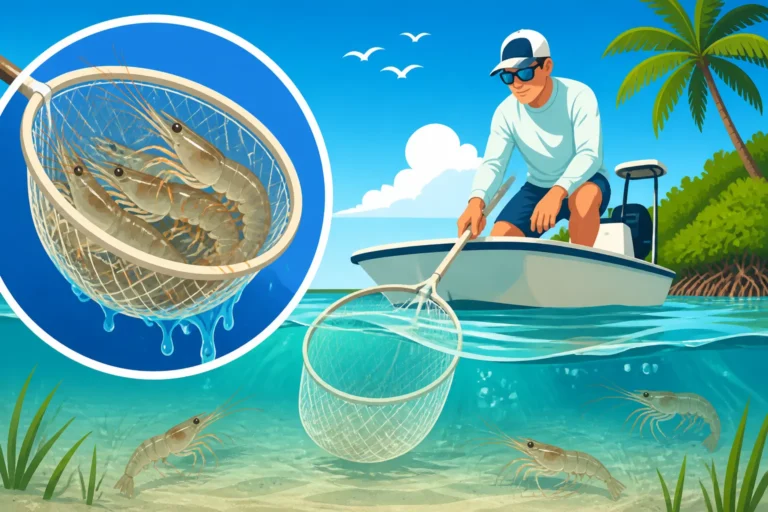
Live bait is, hands down, one of the most effective ways to entice grouper. These fish are predators, and few things are more irresistible than a struggling, natural prey item. In Florida, popular live baits include pinfish, grunts, cigar minnows, pilchards, and squirrelfish. Pinfish and grunts are particularly hardy and readily available from local bait shops or can be caught on sabiki rigs around grass flats and near structure. The bigger the bait, the bigger the grouper you're likely to attract, so don't be shy about using baits in the 6-10 inch range if you're targeting trophy fish.
Rigging live bait properly is key to keeping it alive and presenting it naturally. A common method is to nose-hook the bait through the upper jaw, just in front of the eyes. This allows the bait to swim freely and naturally while keeping it securely on the hook. Another effective method is to hook it through the back, just behind the dorsal fin, being careful not to hit the spine. This rigging is often preferred for bottom fishing, as it keeps the bait oriented downwards. Always ensure your bait is lively; a sluggish bait won't attract much attention. If you're interested in catching your own, learning How to Cast Net for Live Bait is a skill worth developing.
Effective Dead Baits and Artificials
While live bait is often king, dead bait and artificial lures certainly have their place, especially when drift fishing. Freshly cut squid is a classic and reliable dead bait that works for many bottom fish, including grouper. Other effective cut baits include chunks of bonito, mullet, or even oily fish like sardines. The scent trail they leave as you drift is a powerful attractant. When using dead bait, ensure it's fresh and cut into manageable, hook-friendly pieces.
Artificials are another fantastic option, particularly heavy jigs. Vertical jigging, using large bucktail jigs or heavy soft plastic lures on jig heads, can be incredibly effective when you're drifting over structure. Drop the jig to the bottom, reel up a few cranks, and then work it with a series of aggressive lifts and drops, mimicking an injured baitfish. The beauty of artificials is that they eliminate the need for live bait, which can be a huge time-saver. Plus, they can be more durable in areas with lots of bait stealers. When browsing for the perfect jig, consider checking out the wide selection on Amazon to stock your tackle box. For specific lure recommendations, you might find valuable insights in our guide on Best Lures for Florida Bass Fishing – while for a different species, the principles of effective artificial presentation often overlap.
Common Challenges and Troubleshooting
Even with the best preparation, drift fishing for grouper can present its own set of challenges. These powerful fish live in tough environments, and anglers need to be ready to adapt and overcome. From notorious snags to the sheer brute force of a hooked grouper, knowing how to troubleshoot common issues will save you time, tackle, and temper.
Dealing with Snags and Structure
The very habitat that grouper love – the rocks, ledges, and wrecks – is also the biggest culprit for frustrating snags. It's an almost inevitable part of grouper fishing, but there are strategies to minimize tackle loss. First and foremost, you must always "feel" the bottom. This means keeping a finger on your line or maintaining constant contact with your rod tip to detect when your sinker is dragging over sand, rock, or dropping into a crevice. As soon as you feel a change in bottom composition or a potential snag, lift your rod tip to clear the obstruction.
Another tactic is to use specific sinker shapes that are less prone to snagging. While bank sinkers are generally good, some anglers prefer to tie their sinker on with a lighter leader than their main fishing leader. This way, if the sinker gets snagged, you only lose the sinker and not your entire rig. Having plenty of extra terminal tackle on board is a must; don't leave the dock without a generous supply of hooks, leaders, and sinkers, as you're guaranteed to lose a few.
Battling a Stubborn Grouper
When a grouper hits your bait, it's not a gentle peck. It's usually a strong, often surprising, thud or a sudden, heavy pull. The moment you feel that bite, you need to react instantly and aggressively. This initial "head shake" is your cue to set the hook hard and immediately start reeling with all your might. Why the urgency? Because a grouper's first instinct is to dive straight back into the safety of its rocky home, and once it's in the structure, it's often game over – your line will be shredded.
This is where your heavy-duty rod and reel come into play. You need to "winch" them away from the structure as quickly as possible, turning their head and pulling them up and away from the bottom. Your drag should be set tight enough to prevent them from diving, but not so tight that you risk breaking your line or pulling the hook. It's a fine line between applying maximum pressure and avoiding a bust-off. Keep your rod tip high, pump and reel, and be prepared for a powerful fight all the way to the boat. If you're using conventional tackle, thumbing the spool can give you extra leverage during those critical first few seconds.
Conservation and Responsible Practices
As passionate Florida anglers, we have a responsibility to protect our precious marine resources. Grouper are a vital part of Florida's ecosystem and a highly sought-after species, which makes adherence to regulations and practicing ethical fishing even more critical. Our actions today determine the fishing opportunities of tomorrow.
Understanding Florida Grouper Regulations
Florida's grouper fisheries are carefully managed by the Florida Fish and Wildlife Conservation Commission (FWC) to ensure their long-term sustainability. This means there are strict rules regarding bag limits, size limits, and season closures for various grouper species. For example, gag grouper often have different season dates depending on whether you're fishing in Gulf or Atlantic waters, and sometimes even within federal versus state waters. Red grouper, black grouper, and other species also have their own specific regulations.
Before every trip, it's absolutely crucial to check the most current FWC regulations for the specific grouper species you intend to target and the region you'll be fishing in. Ignorance of the law is no excuse, and wardens patrol regularly. Keeping undersized fish or exceeding your bag limit can result in hefty fines and penalties. Familiarize yourself with resources like the Florida Grouper Season Guide and Gag Grouper Size and Bag Limits to stay informed and compliant. These regulations are designed to protect spawning fish and allow populations to rebound, ensuring that future generations can enjoy the thrill of catching these magnificent creatures.
Ethical Catch and Release
Even when you're within the legal limits for keeping fish, practicing ethical catch and release for fish you don't intend to harvest is essential. Grouper, especially those caught from deeper waters, can suffer from barotrauma – a condition caused by the rapid change in pressure when brought to the surface. Symptoms include a distended belly, bulging eyes, and an everted stomach. For these fish, using a venting tool to release the excess air from their swim bladder can significantly increase their chances of survival. Always ensure you know how to properly use a venting tool or a descending device if fishing in deeper areas.
When handling any fish you plan to release, do so gently and quickly. Minimize their time out of the water, support their body weight, and avoid holding them by the jaw in a way that can damage their spine. If using circle hooks, which are highly recommended, they typically hook in the corner of the mouth, making removal easier and less damaging. By carefully following regulations and employing responsible handling practices, we can all contribute to healthy, thriving grouper populations in Florida's waters.
Disclaimer
Fishing involves inherent risks, including injury and loss of property. Always prioritize safety, understand local regulations, and check weather conditions before heading out. The information provided in this guide is for informational purposes only and should not be considered legal advice. Always refer to the latest regulations from the Florida Fish and Wildlife Conservation Commission (FWC) or other relevant authorities before engaging in any fishing activities.