Best Month to Catch Red Snapper in Florida
Few things get a Florida angler's heart pumping quite like the thought of a big, bruising Red Snapper on the line. But if you've ever tried to plan a trip around catching these delicious fish, you know the frustration: the season is notoriously short, highly regulated, and often announced with little lead time. It feels like hitting a moving target! This guide will cut through the confusion, explaining when and how you can best target Red Snapper in Florida, focusing on how to maximize your chances during their fleeting seasons.
Unraveling the Mysteries of Florida's Red Snapper Season
Let's be real, the idea of a "best month" to catch Red Snapper in Florida is a bit of a moving target itself, primarily because the season dates are set annually and can vary wildly. Unlike many other species, Red Snapper are managed under strict federal quotas to ensure their long-term sustainability. This means that the total amount of fish that can be harvested is determined each year, and once that quota is met, the season closes. This management style often leads to incredibly short seasons, particularly in the Gulf of Mexico, making every open day precious.
The Gulf of Mexico's Highly Anticipated Window
Historically, the Gulf of Mexico Red Snapper season for recreational anglers has typically fallen within the summer months, often starting in June and sometimes extending into July or even a brief fall opening. However, the exact dates can change year to year based on stock assessments and the decisions of the Gulf of Mexico Fishery Management Council and NOAA Fisheries. It's a highly anticipated event, almost like a holiday for offshore anglers, because the window of opportunity is usually quite brief, sometimes lasting only a matter of weeks, or even just a few days for private recreational boats.
For example, in recent years, private recreational anglers in Florida's Gulf waters might get a season that spans a few weekends in June and July, while federally permitted for-hire vessels (charter boats and head boats) might have a slightly longer, but still limited, season. This difference in season length between private and for-hire boats is a major point of discussion among anglers, and it means if you're planning a trip, you need to be acutely aware of which category you fall into. The unpredictability makes planning difficult, often requiring last-minute adjustments. This also means you need to be constantly checking for the Florida Red Snapper Season Dates from official sources like the Florida Fish and Wildlife Conservation Commission (FWC) or NOAA Fisheries, often just weeks or even days before the season is set to open. Understanding How NOAA Sets Florida's Red Snapper Season Length can give you some insight into the complex science behind these decisions.
The Atlantic Coast's Distinct, Often Shorter, Challenges
While the Gulf of Mexico often grabs the headlines for its Red Snapper season, it's important to remember that Florida's Atlantic coast is a different beast entirely when it comes to these regulations. Red Snapper populations in the Atlantic are managed by the South Atlantic Fishery Management Council, and their seasons frequently diverge from those in the Gulf. In many recent years, the recreational Red Snapper season in the Atlantic has been either completely closed or extremely limited, often to a single weekend or a few sporadic days, due to conservation concerns.
This stark contrast means that if you're fishing off Florida's Atlantic shoreline, you might have even fewer opportunities, or perhaps no opportunities at all, to legally harvest Red Snapper. It's a crucial distinction that often catches unsuspecting anglers off guard, especially those used to the Gulf's relatively more consistent (though still short) summer openings. The reasons behind these differences are rooted in varying stock assessments, fishing pressure, and management strategies specific to each region. It really highlights Why Atlantic Red Snapper Season Differs From Gulf Season and the need for region-specific research before you even think about dropping a line. Always double-check the FWC website for the most current Atlantic zone regulations well in advance of any planned trip.
Timing Your Strike: Best Practices Within the Open Season
Once the highly anticipated Red Snapper season is finally announced, the real strategizing begins. It's not just about when the season opens, but also about how you approach your fishing during that precious window. Even within a short season, certain times can offer better chances for success, and understanding these nuances can make all the difference in filling your cooler.
Capitalizing on Early Season Opportunities
When the Red Snapper season first opens, whether it's for a couple of weekends or a longer stretch, the initial days often provide some of the best fishing. Think about it: these fish have typically been unpressured for months, sometimes years, due to extensive closures. This extended break means they're often less wary, more aggressive, and more willing to strike a bait. Anglers who can get out on the first few open days often report higher catch rates and the chance to land some truly impressive fish.
The early season buzz is palpable. Charter boats book up instantly, and boat ramps are packed before dawn. If you're planning to target Red Snapper, making arrangements to fish on the opening days is a smart move. This could mean taking time off work, having your boat and gear prepped, or securing a spot on a popular charter months in advance. The fish haven't seen as many hooks yet, and their feeding patterns are often more straightforward, making for an exciting and potentially very productive trip.
Adapting Your Approach Mid-Season
As the Red Snapper season progresses, especially if it's a longer opening, the fish can become a bit more educated and pressured. The frenzy of the opening days might subside, and you might find that the most accessible spots have already been picked over. This doesn't mean the fishing suddenly stops, but it does mean you might need to adjust your strategy.
During the mid-season, you might find that the larger, more aggressive fish are still there, but they're not as quick to bite. This is when local knowledge, a good fish finder, and patience really pay off. You might need to move to deeper spots, target less-known structures, or experiment with different baits and techniques. Sometimes, simply changing your hook size or leader material can make a difference. The fish are still there, but they've seen a few more baits, and they're a bit more discerning. This phase often rewards anglers who are persistent and willing to explore beyond the obvious hot spots.
Making the Most of Late Season Chances
If the season has a significant duration, the late season offers one last opportunity before the long wait until the next opening. While some anglers might feel the best fishing is over, the late season can still be very productive, especially if you apply smart tactics. The crowds might thin out a bit, and the fish, while still pressured, might return to more consistent feeding patterns as the season winds down.
In the late season, weather patterns can also play a role. Cooler temperatures or a shift in currents might bring in new schools of bait, revitalizing the bite. Focus on thorough preparation, making sure your gear is in top shape. If you haven't succeeded earlier, this is your chance to try new areas or revisit spots that might have been too crowded initially. Remember, even a single Red Snapper on the last day of the season is a triumph, and it's always worth the effort to get out there and enjoy the last moments of this special fishery. Don't forget that Florida Fishing Regulations and Bag Limits still apply, so always be mindful of the rules, even on the last day.
Beyond the Calendar: Keys to Red Snapper Success
Knowing when the season is open is just the first step. To consistently catch Red Snapper, you need to understand where they live, what they eat, and how to present your bait effectively. These factors, combined with favorable weather, are what truly put fish in the boat once the season allows.
Deciphering the Depths: Preferred Habitats
Red Snapper are primarily bottom-dwelling fish that absolutely love structure. They aren't going to be swimming around in open, sandy flats. Instead, they congregate around natural and artificial reefs, wrecks, ledges, rocky outcrops, and any kind of hard bottom that provides shelter and a food source. These structures attract baitfish, which in turn attract the snapper.
- Natural Reefs and Ledges: Florida's continental shelf is dotted with natural hard bottom and ledges, especially off the central and northern Gulf coast and throughout the Atlantic. These are prime snapper territory. The larger the structure and the more varied the relief, the more likely you are to find big schools of snapper.
- Wrecks and Artificial Reefs: Florida has an extensive artificial reef program, sinking everything from old ships and military tanks to concrete culverts. These become instant ecosystems, attracting baitfish and, inevitably, Red Snapper. Many of these spots are charted, and you can find their coordinates online or through local bait and tackle shops. You'll often find these deeper, offshore spots are teeming with life, including not just snapper, but also grouper and amberjack.
- Offshore Humps and Bumps: Even subtle changes in bottom contour, like small humps or rock piles that might not seem significant, can hold snapper. A good fish finder is indispensable for identifying these smaller, less-pressured spots that often get overlooked.
The key is to precisely position your boat over these structures. Red Snapper rarely stray far from their preferred habitat, so accurate boat positioning, especially in deeper water and stronger currents, is paramount. Many experienced captains use their GPS and fish finder in tandem, marking productive spots and drifting over them repeatedly.
Arming Yourself: Baits, Tackle, and Techniques
Catching Red Snapper requires robust gear and a solid understanding of bottom fishing techniques. These fish are powerful fighters, especially the larger ones, and they live in areas that can quickly cut your line if you're not prepared.
- Tackle Selection: You'll want heavy conventional tackle or sturdy spinning gear. Think 50-80 lb braided line with a fluorocarbon leader of at least 60-80 lb test. A stout rod with a fast tip and plenty of backbone is essential to lift these fish off the bottom and away from snags. Many anglers prefer conventional reels for their winching power. If you need to upgrade your gear, check out the wide selection of heavy-duty rods and reels available on Amazon, ensuring you have the right tools for the job.
- Baits: Red Snapper are not particularly picky eaters, but fresh, natural baits almost always outperform artificials.
- Cut Bait: Chunks of mackerel, bonito, squid, or even smaller reef fish like vermilion snapper are excellent choices. The scent trail they put out in the current is a major attractant.
- Live Bait: Pinfish, threadfin herring, cigar minnows, or even smaller grunt can be deadly. A struggling live bait mimics natural prey and often entices the biggest snapper.
- Squid: While not always the top choice, strips of squid are readily available, stay on the hook well, and are often a good backup, especially if you're also targeting other species like vermilion snapper.
- Rigging and Presentation: A Carolina rig or a knocker rig are popular choices for Red Snapper.
- Carolina Rig: A sliding egg sinker (typically 6-12 ounces or more, depending on depth and current) above a swivel, then a 3-6 foot leader, and a sturdy 6/0 to 9/0 circle hook. Circle hooks are often mandatory for Red Snapper to promote conservation by reducing gut-hooking.
- Knocker Rig: The sinker slides directly down to the eye of the hook, which can be effective in light current or when trying to keep your bait close to the bottom in tight structure.
- Properly presenting your bait means dropping it straight down to the bottom, feeling for the bite (often a sharp thump or a steady pull), and then steadily reeling without jerking if you're using circle hooks. For a deeper dive into this, check out our guide on Bottom Fishing Technique for Snapper. If you're looking for Best Bait for Grouper Fishing in Florida, much of that advice will also apply to snapper as they often share the same habitat and diet.
The Crucial Role of Weather and Water Conditions
Even during an open season, certain weather and water conditions can significantly impact your success. Trying to fish for Red Snapper in rough seas is not only uncomfortable but also less productive.
- Calm Seas: Ideal conditions involve calm seas with light winds. This allows for precise boat positioning over structure and makes it easier to feel subtle bites. Rough conditions make it hard to keep your bait on the bottom and can spook fish.
- Current: A moderate current is often beneficial, as it disperses the scent from your bait and can help present it more naturally. Too strong a current, however, can make it difficult to get your bait to the bottom without excessive weight, and too little current can make your bait appear lifeless.
- Water Temperature: While Red Snapper are resilient, sudden drops in water temperature from cold fronts can slow their bite, making them less active. Stable water temperatures generally lead to more consistent feeding.
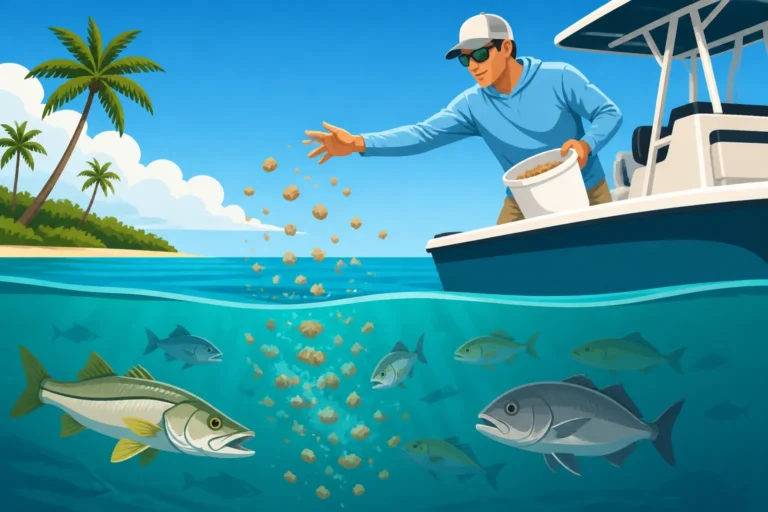
- Chumming: While not always necessary, a light chum slick made of cut baitfish or commercial chum blocks can sometimes help draw snapper out from the structure and create a feeding frenzy. This is particularly effective if you're marking fish on your finder but they aren't biting readily.
Paying attention to marine forecasts and planning your trips for windows of stable, favorable weather will significantly increase your chances of a successful Red Snapper outing.
Essential Preparations for Your Red Snapper Expedition
Once you know when the season is, and you've got your gear dialed in, there's still a bit of homework to do to make sure your Red Snapper trip is a success. Whether you're hiring a seasoned captain or running your own boat, preparation is key.
Booking Your Adventure: Charter Considerations
For many anglers, especially those without their own offshore-capable boat, booking a charter is the best way to experience Red Snapper fishing. Federally permitted for-hire charter boats often have a longer season than private recreational anglers in the Gulf, and they certainly have the local knowledge and specialized equipment to put you on fish.
- Book Early, Like, Really Early: As mentioned, Red Snapper season is a huge deal. Charter captains, especially the reputable ones, book up months in advance, sometimes even a year out, for the anticipated season dates. If you wait until the season is officially announced, you'll likely be out of luck. Start researching and booking as soon as possible, even if it means picking a provisional date and being flexible.
- Choose the Right Charter: Look for captains who specialize in deep-sea or offshore bottom fishing. Ask about their experience specifically targeting Red Snapper. A good captain will have a solid understanding of local regulations, prime spots, and effective techniques. Our Florida Offshore Fishing Charter Guide can help you narrow down your choices, and be sure to read our tips on How to Choose a Florida Fishing Guide.
- What to Expect: Charters typically provide all the necessary fishing gear, bait, and often ice. They'll also handle the tricky business of navigating to offshore reefs and wrecks. Make sure to clarify what's included in the price and whether fish cleaning is part of the service. Don't forget to factor in tipping the crew!
Equipping Your Vessel: Tips for Private Anglers
If you're a private boat owner, the flexibility to go when and where you want is a huge advantage, but it comes with greater responsibility. You need to ensure your vessel and equipment are up to the task of offshore fishing.
- Safety First: Offshore fishing means being prepared for anything. Ensure your boat is seaworthy, all safety gear (life jackets, flares, EPIRB, VHF radio) is onboard and functional, and you have enough fuel for the trip and contingencies. Let someone know your float plan.
- Navigation and Fish Finding: A reliable GPS chartplotter and a high-quality fish finder are non-negotiable. You'll need to navigate to offshore structures, mark new spots, and precisely position your boat over them. Many modern fish finders can show you not just the bottom, but also schools of baitfish and even individual larger fish holding tight to structure. You can find excellent options for marine electronics and other essential boating gear on Amazon.
- Appropriate Gear: As discussed, heavy rods, reels, and plenty of line are crucial. Bring plenty of sinkers in various weights to account for different depths and currents. Have extra leader material, swivels, and plenty of circle hooks. A good gaff is also essential for safely bringing larger snapper into the boat.
- Cooler and Ice: Red Snapper are delicious, and you'll want to keep them fresh. Bring a large cooler filled with plenty of ice to immediately chill your catch. The quicker you get them on ice, the better the quality of the meat.
Remember, fishing responsibly and safely ensures you, and others, can enjoy this incredible fishery for years to come.
Respecting the Resource: Regulations and Responsible Angling
The reason Red Snapper seasons are so short and strictly managed is entirely for the health of the fishery. These are slow-growing, long-lived fish, and without careful management, their populations could quickly be depleted. As responsible anglers, it's our duty to understand and adhere to all regulations and practice responsible angling techniques.
Staying Current with FWC and Federal Rules
This cannot be stressed enough: always, always check the current regulations before every Red Snapper trip. The seasons, bag limits, and size limits can change annually, and sometimes even within a season, especially in the Gulf. What was legal last year or last month might not be today.
- Florida Fish and Wildlife Conservation Commission (FWC): This is your primary resource for state-specific rules. The FWC website (MyFWC.com) is updated regularly with season announcements, emergency closures, and detailed regulations for both Gulf and Atlantic waters.
- NOAA Fisheries: For federal waters (typically beyond 9 nautical miles in the Gulf and 3 nautical miles in the Atlantic), NOAA Fisheries dictates the rules. FWC often mirrors these, but it's important to understand the distinction. The NOAA Fisheries website is also a vital source of information.
- Subscribe to Updates: Many anglers subscribe to email or text alerts from FWC and NOAA Fisheries to get real-time updates on season openings and closures. This is the best way to avoid disappointment or, worse, inadvertently breaking the law.
Understanding Size, Bag, and Descending Device Requirements
Beyond just knowing when the season is open, you need to understand the specifics of what you can keep.
- Size Limits: There is a minimum size limit for Red Snapper, which often varies between the Gulf and Atlantic. For example, in the Gulf, it might be 16 inches total length, while in the Atlantic, it could be 20 inches. Always have a measuring device handy. Our guide on Red Snapper Minimum Size can give you an idea of typical regulations, but remember to verify current numbers.
- Bag Limits: The bag limit for Red Snapper is typically very low, often one or two fish per person per day. This is a strict limit, and it applies even if you're on a charter boat. Do not exceed this limit. Also, remember that How Many Grouper Can You Keep in Florida? will have different limits, so be aware of all species.
- Descending Devices: This is a crucial conservation tool, and in federal waters, descending devices are mandatory for all vessels fishing for reef fish, including Red Snapper. These devices allow you to safely return a fish suffering from barotrauma (swim bladder expansion from being brought up from deep water) to the depth it was caught. Releasing fish responsibly increases their survival rate, ensuring more fish for future seasons. If you're planning a Red Snapper trip, make sure you have a functional descending device on board – you can easily find various options for these devices on Amazon. Using them properly is not just good practice, it's often the law.
By being informed and practicing ethical angling, we all contribute to the long-term health of this iconic Florida fishery.
Florida Red Snapper Season Comparison
To help you visualize the typical differences in management, here's a general comparison. Always check current regulations before fishing.
| Feature | Gulf of Mexico Recreational (Private) | Atlantic Recreational |
|---|---|---|
| Typical Season | Primarily summer (June/July), often brief (weeks/weekends). | Often closed, or very limited (e.g., single weekend) if open. |
| Management Body | Gulf of Mexico Fishery Management Council / FWC | South Atlantic Fishery Management Council / FWC |
| Season Length | Highly variable, generally short due to strict quota management. | Historically much shorter or non-existent compared to Gulf. |
| Advanced Planning | Essential for charters; private anglers must monitor FWC/NOAA closely. | Critical for any limited opening; often requires last-minute checks. |
| Minimum Size | Varies, e.g., 16 inches total length. | Varies, e.g., 20 inches total length. |
| Bag Limit | Typically 1 or 2 fish per person per day. | Typically 1 fish per person per day, if open. |
| Descending Device | Mandatory in federal waters. | Mandatory in federal waters. |
Disclaimer
Fishing regulations, seasons, and licensing requirements in Florida can change frequently. The information provided in this guide is for general informational purposes only and should not be considered legal advice. Always consult the official Florida Fish and Wildlife Conservation Commission (FWC) website (MyFWC.com) and NOAA Fisheries for the most current and accurate regulations before engaging in any fishing activities. It is the angler's responsibility to know and abide by all applicable laws and regulations.