How Hot Weather Affects Summer Fishing in Florida
Summer in Florida is a magical time for many things, but fishing can often feel like a frustrating battle against the elements, with scorching sun and sweltering temperatures making fish elusive and anglers uncomfortable. This guide is here to shed some light on exactly how that intense heat impacts Florida's diverse fish species and what you, as an angler, can do to not only survive but thrive during these challenging, yet often rewarding, months.
The Science of Sweat: How Hot Weather Changes Fish Behavior
When the mercury climbs and the Florida sun beats down, it's not just us humans who feel the heat. Fish, being cold-blooded creatures, are profoundly affected by water temperature. Their metabolism, oxygen levels, and feeding habits all shift dramatically, requiring us to change our approach entirely. Ignoring these changes is often why a once-productive spot can seem barren in July.
Metabolic Slowdown and Oxygen Depletion
Imagine trying to run a marathon in 100-degree heat. You'd slow down, right? Fish experience something similar. As water temperatures rise, two critical things happen:
First, the water's ability to hold dissolved oxygen decreases. Warmer water simply cannot hold as much oxygen as cooler water, and fish need oxygen to breathe, just like us. This lack of oxygen makes them sluggish and less active. They won't be chasing after bait with the same vigor.
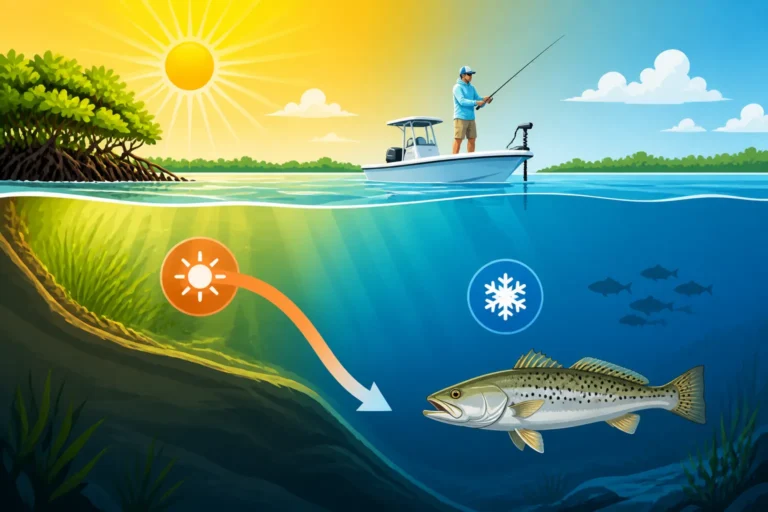
Second, their metabolism can actually speed up to a point, but then the stress of the heat and low oxygen starts to work against them. They become lethargic, conserving energy and seeking out cooler, more oxygenated water. This often means moving to deeper pockets, shaded areas, or places with good current where fresh water is constantly cycling. If you're casting into wide-open, shallow flats in the middle of the day, you're likely casting into empty water because the fish have moved on.
Changes in Feeding Patterns and Location
Fish aren't going to be gorging themselves in the midday sun when they're stressed. Their feeding windows become much shorter and often shift to the cooler parts of the day. Think dawn, dusk, and even after dark. During these times, water temperatures are at their lowest, and baitfish are more active, creating a prime opportunity for predatory fish to feed without expending too much energy in the heat.
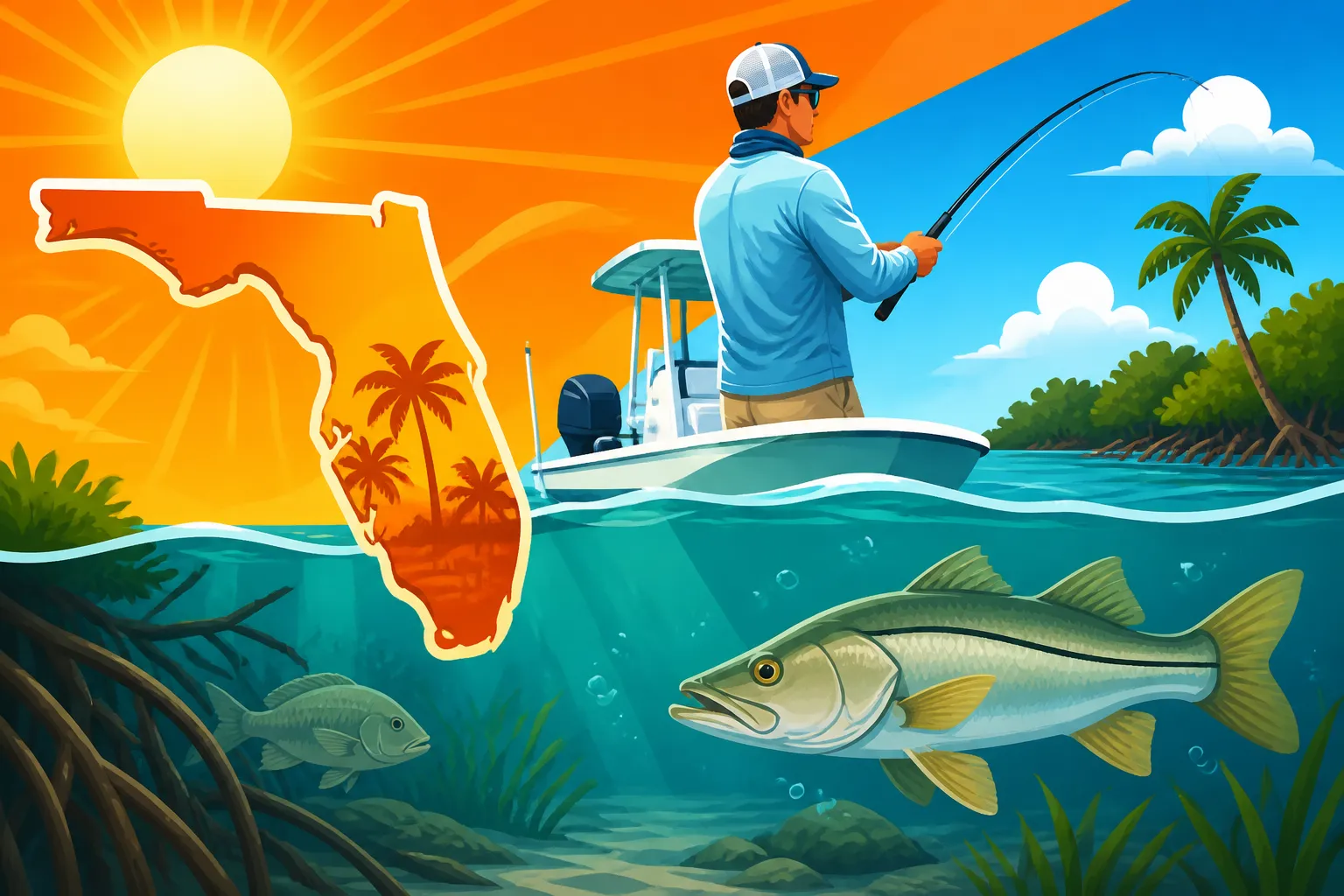
For example, a snook that might aggressively hit a topwater lure on a cooler morning will likely be tucked deep under a mangrove overhang or bridge pilings during the hottest hours, waiting for an easy meal to drift by. Similarly, largemouth bass in freshwater lakes will retreat to deeper channels, brush piles, or beneath dense lily pads where they can find some thermal refuge. Understanding these shifts in location is crucial. It's not that the fish aren't there anymore; they've simply moved to their summer hideouts. Knowing when and where they'll be is half the battle. This often means focusing your efforts during the Best Time of Day to Fish in Florida or planning for night fishing excursions.
The Angler's Ordeal: Challenges of Summer Fishing
It's not just the fish that suffer in the summer heat; anglers face their own set of trials. From staying hydrated to battling the oppressive sun, summer fishing demands a different level of preparation and endurance. Many a promising fishing trip has been cut short not by a lack of bites, but by an angler feeling overheated and unwell.
Heat Exhaustion and Sun Exposure Risks
Florida summers are no joke. The combination of high temperatures, intense humidity, and direct sunlight creates conditions ripe for heat exhaustion and sunburn. Dehydration can creep up on you quickly, even if you don't feel thirsty. Symptoms like dizziness, nausea, headaches, and extreme fatigue can ruin a day on the water and even become dangerous.
Protecting yourself is paramount. This means more than just a flimsy t-shirt. Wide-brimmed hats, UV-protective long-sleeve shirts (many brands now offer lightweight, breathable fabrics designed for fishing, often available on platforms like Amazon), face buffs, and polarized sunglasses are essential. Regular application of high-SPF sunscreen is a must, especially on exposed skin. It's not about looking fashionable; it's about preventing a nasty sunburn that can keep you off the water for days or lead to long-term skin damage. Always bring plenty of water, electrolyte drinks, and maybe even a small cooler with ice for cold towels.
Dealing with Storms and Increased Crowds
Summer in Florida also brings a predictable pattern of afternoon thunderstorms. These can roll in quickly, often with little warning, bringing heavy rain, lightning, and strong winds. While How Rain Affects Inshore Fishing in Florida can sometimes be positive, lightning is a serious threat on open water. Anglers must be vigilant, constantly watching the sky and having a plan to seek shelter if storms approach. This means checking weather forecasts religiously before heading out and having a reliable weather app on your phone.
Another challenge, especially in popular areas, is increased boat traffic and fishing pressure. Summer is when many families take vacations, leading to more recreational boaters, jet skiers, and inexperienced anglers on the water. This can make finding quiet fishing spots harder and can spook fish more easily. Popular ramps and fishing holes can get crowded, adding another layer of frustration to an already challenging day. If you're looking for peace and quiet, exploring Best Spots to Avoid Crowds While Fishing in Florida might be a good strategy, or heading out during the less popular times of day.
Adapting Your Strategy for Summer Success
Since the conditions have changed, your fishing tactics need to change too. What worked in April likely won't cut it in August. Successful summer anglers are those who observe, learn, and adapt their approach to meet the fish where they are, when they're feeding.
Timing is Everything: Early Mornings, Late Evenings, and Night Fishing
This is probably the most crucial adjustment you can make. Forget about leisurely 10 AM starts. The golden hours for summer fishing are typically:
- Sunrise to Mid-Morning (first 2-3 hours): The water is at its coolest point, oxygen levels are highest, and baitfish are active. This is prime time for aggressive feeders like snook, redfish, and trout in saltwater, and largemouth bass in freshwater. Focus on shallow flats, mangrove edges, and oyster bars.
- Late Evening (last 2-3 hours before sunset): As the sun begins to dip, water temperatures start to fall, and fish become more comfortable moving out of their shaded retreats to feed.
- Night Fishing: This is a fantastic, often overlooked, strategy. Many species, especially snook, tarpon, and trout, become incredibly active after dark. Bridge lights, dock lights, and streetlights illuminate the water, attracting baitfish and, consequently, the predators that feed on them. This is where a tactic like Night Fishing Technique for Trout Under Dock Lights really shines. You'll avoid the heat, the crowds, and often find some of the most exciting action.
Here's a quick look at how timing impacts your strategy:
| Time of Day | Water Temperature | Fish Activity | Recommended Tactics | Target Species (Examples) |
|---|---|---|---|---|
| Pre-Dawn/Dawn | Coolest | High activity, aggressive feeding | Topwater lures, live bait, shallow presentations | Snook, Redfish, Tarpon, Largemouth Bass |
| Mid-Morning | Rising | Moderating activity, seeking shade/depth | Deeper presentations, structure fishing, live bait | Trout, Snapper, Bass (deeper), Sheepshead |
| Midday | Hottest | Low activity, hiding in cover/depth | Very slow presentations, pitching into heavy cover | Bass (heavy cover), bottom dwellers, patience |
| Late Afternoon | Slowly cooling | Increasing activity, moving out of cover | Live bait, soft plastics, targeting current breaks | Redfish, Snook, Tarpon, Trout, Bass |
| Dusk/Evening | Cooler | High activity, nocturnal feeders | Topwater, live bait, artificials around lights | Snook, Tarpon, Trout, Catfish, Crappie |
| Night | Cool | Very high activity, feeding under lights | Live bait, slow-moving artificials, jigging | Snook, Tarpon, Trout, Catfish, Mangrove Snapper |
Location, Location, Location: Finding Cooler Water
During the day, fish are going to be searching for any refuge from the heat. This means you need to adjust your target zones.
- Shade and Structure: Look for deep pockets under mangrove overhangs, docks, bridges, and fallen trees. These areas offer both shade and often deeper, cooler water. Pitching a weedless soft plastic or a live shrimp into these tight spaces can be incredibly effective.
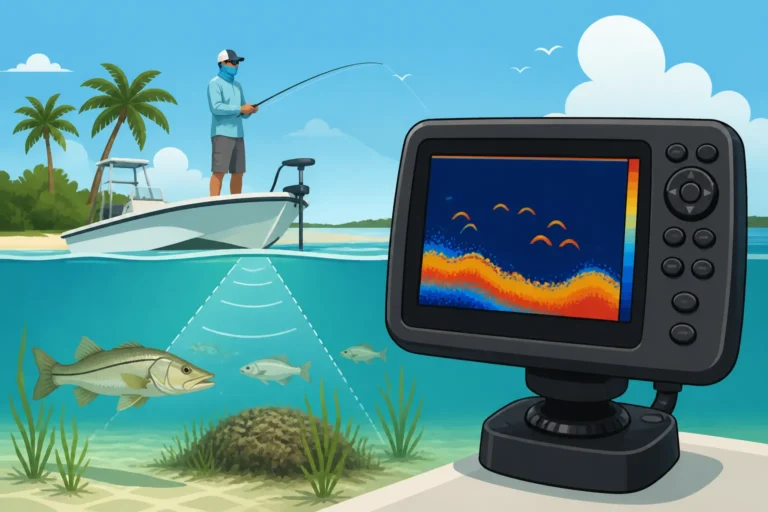
- Deeper Water: In larger lakes and bays, fish will retreat to deeper channels, holes, and ledges. This is where your electronics can be invaluable in finding those thermal refuges. Bottom fishing with live or cut bait can yield results here.
- Current and Flow: Areas with strong current, like inlets, passes, and river mouths, often have slightly cooler, more oxygenated water. Baitfish are also pushed through these areas, creating ambush points for predatory fish. Targeting these current seams with jigs or live bait can be highly productive. For example, if you're fishing near an inlet, understanding the tides and current will be key.
- Spring-Fed Rivers: Florida boasts many incredible spring-fed rivers where the water temperature remains consistently cool year-round. These can be absolute havens for freshwater species during the summer.
Remember to consider specific species guides, like the Florida Largemouth Bass Fishing Guide or the Florida Snook Fishing Guide, as they often detail prime habitats for these fish, which become even more critical in summer.
Bait and Lure Selection: Presenting an Easy Meal
When fish are sluggish from the heat, they're less likely to chase down a fast-moving lure. Your approach needs to offer an easy meal.
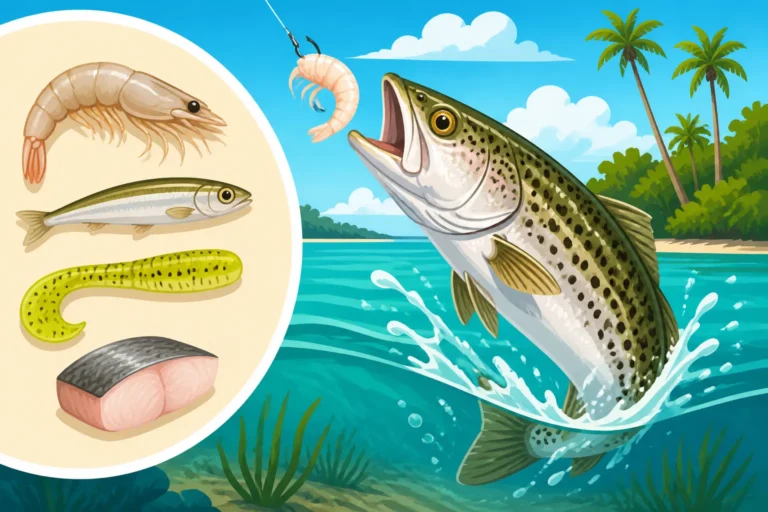
- Live Bait is King: Nothing beats a struggling live baitfish or shrimp when fish are lethargic. A free-lined pilchard, scaled sardine, or live shrimp presented naturally can often tempt even the most reluctant snook or redfish. For freshwater, shiners for bass or crickets/worms for panfish are hard to beat. Ensure your live bait is healthy and lively; stressed bait is less appealing.
- Slow Down Your Presentation: If you're using artificial lures, think slow and subtle. Soft plastics on a jig head, worked slowly along the bottom or near structure, can imitate a wounded baitfish that's too easy to pass up. Twitch baits and suspending lures, paused for long periods, can also entice a strike. Don't be afraid to experiment with different retrieve speeds until you find what triggers a bite.
- Scent and Sight: Adding scent to your artificial lures can make a significant difference, especially in murky or warm water where fish might rely more on smell than sight. For visual appeal, choose colors that stand out in the water conditions – darker colors for stained water, natural colors for clear. Companies like Berkley PowerBait and Gulp! offer excellent scented options that can give you an edge, and you can find a wide selection of these on Amazon.
- Consider What Do Snook Eat?or What Do Largemouth Bass Eat? Understanding their natural diet will help you choose the most effective bait or lure for your target species, especially when they're less active in the heat.
Staying Safe and Comfortable on the Water
Beyond fishing techniques, your personal well-being is critical for enjoying summer fishing. An uncomfortable angler is an ineffective angler, and a heat-stricken one is a danger to themselves and others.
Hydration and Sun Protection Essentials
We've touched on this, but it bears repeating: hydration and sun protection are non-negotiables.
- Water, Water, Water: Carry far more water than you think you'll need. A good rule of thumb is a gallon per person per half-day. Also, bring electrolyte-rich drinks to replenish salts lost through sweat.
- Cooling Gear: Beyond the hat and UV clothing, consider items like cooling towels (which you can wet and wear around your neck), portable misters, or even a small battery-operated fan if you're on a stationary craft. Some anglers even freeze water bottles to serve as both a cool drink later and a temporary ice pack.
- Wear Light-Colored, Loose Clothing: Light colors reflect sunlight, and loose-fitting clothing allows for better airflow, helping your body regulate its temperature. Many popular brands create specialized fishing apparel with UPF protection and moisture-wicking properties.
- Shade Management: If you're on a boat, a Bimini top or even a portable fishing umbrella can provide precious relief from the sun. On shore, seek out natural shade when possible, or consider bringing your own pop-up canopy for extended periods.
Gear Maintenance and Storage in the Heat
The Florida heat can be brutal on your fishing gear too. Proper care will extend the life of your equipment.
- Rods and Reels: Don't leave rods and reels baking in direct sunlight for extended periods. The heat can warp rod blanks, degrade line, and damage the lubricants and seals in your reels. Store them in rod holders, in the shade, or covered. After a saltwater trip, always rinse your gear thoroughly with fresh water to prevent salt corrosion, which is accelerated by heat.
- Tackle and Lures: Plastic lure boxes can melt or warp, and soft plastic lures can fuse together in extreme heat. Store them in a cooler bag or in the shade. Keep spare line out of direct sunlight as UV rays degrade it over time.
- Boat Care: Ensure your boat's cooling system is in top shape, especially if you're running for long periods. Check fluid levels and battery terminals. The heat puts extra strain on engines and electrical systems.
- Electronics: Fish finders, GPS units, and smartphones are susceptible to overheating. Use sun covers for your electronics and keep your phone in a shaded, cool spot. An overheated phone won't last long, and you might need it for navigation or emergencies.
- Bait Storage: If you're using live bait, keeping it cool and oxygenated is vital. A good livewell with a working aerator is essential. For dead bait, keep it on ice in a dedicated cooler.
Summer fishing in Florida is certainly more challenging than fishing in the milder months, but by understanding how the heat impacts fish and adapting your techniques and safety measures, you can still have incredibly successful and enjoyable days on the water. It's about being smart, being prepared, and knowing when to hit the water for the best chance at a trophy catch. Sometimes, simply shifting your trip by a few hours can make all the difference. Remember, the fish are still there; you just have to speak their summer language.
Disclaimer
This article is for general informational purposes only and does not constitute professional advice. Laws, prices and regulations vary by location and change over time. Consult a qualified professional for guidance on your specific situation.