How Rain Affects Inshore Fishing in Florida
Ah, the Florida rain! You've got your gear ready, your bait bucket filled, and you're just itching to hit your favorite inshore spot, then bam—the skies open up. It's a frustrating reality for anyone who loves fishing in the Sunshine State, but here's the good news: a little rain doesn't always mean a ruined trip. In fact, understanding how rain impacts our unique inshore environments can actually give you an edge, turning a potentially disappointing day into a surprisingly productive one. This guide will walk you through exactly how rain influences Florida's inshore fishing and, more importantly, how you can adapt your strategy to still catch fish.
The Immediate Impact of Rain on Inshore Waters
When those Florida summer showers, or even a full-blown cold front, drench the landscape, it's not just a surface-level event for our estuaries, flats, and rivers. The entire aquatic environment reacts, and with it, the behavior of the fish we love to chase. It's a complex dance of elements, but once you get a feel for it, you'll start seeing rain not as a deterrent, but as a dynamic factor in your fishing strategy.
Temperature Changes and Fish Behavior
One of the most direct and noticeable impacts of rain, especially a heavy downpour or a cold rain during the cooler months, is on water temperature. Florida's shallow inshore waters, like those found in the vast expanse of Tampa Bay or the intricate Indian River Lagoon, are particularly susceptible to rapid temperature shifts. If it's a scorching summer day and a sudden storm rolls through, that cooler rain can actually be a welcome relief, dropping surface temperatures a few degrees. This sudden cool-down can sometimes stimulate a feeding frenzy, as fish that were lethargic in the heat become more active. Think of it like a refreshing splash after a long, hot afternoon; it can invigorate them.
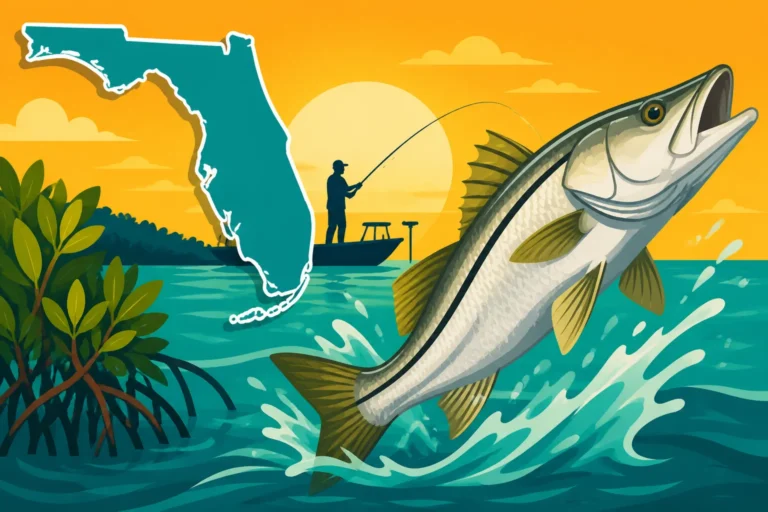
However, if it's already a chilly morning, or if a prolonged cold rain falls, that temperature drop can have the opposite effect. Cold-blooded fish like snook and redfish are highly sensitive to temperature changes. They might become sluggish, seeking out deeper pockets, dark muddy bottoms, or canals where the water temperature is more stable or slightly warmer. Anglers need to pay close attention to the ambient air temperature and the duration of the rainfall to anticipate whether fish will be energized or retreating to thermal refuges.
Water Clarity and Visibility Shifts
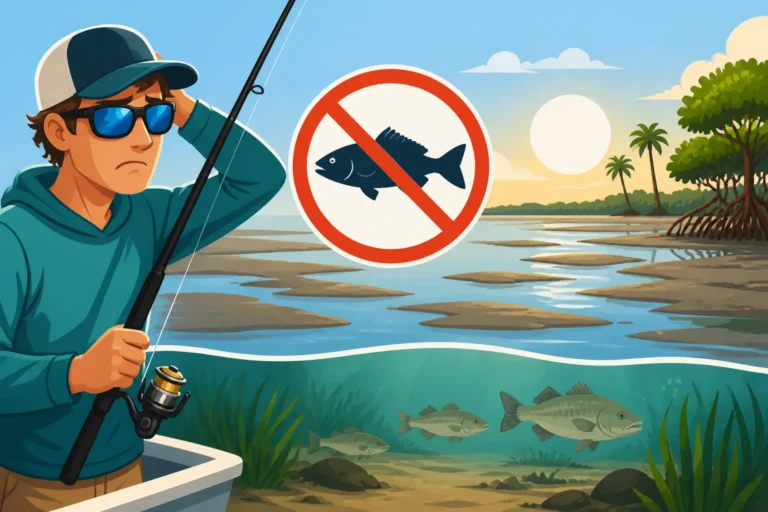
Another immediate and often significant change brought by rain is to water clarity. Inshore environments, with their shallow depths and sometimes muddy or sandy bottoms, are prone to becoming murky. As rain hits the water, it stirs up sediments, especially on the shallow grass flats or near sandy shorelines. This effect is magnified in areas with heavy runoff from land. The normally clear, sight-fishing friendly waters can quickly turn cloudy or even brown.
This reduced visibility presents a challenge, particularly for sight-feeding predators like snook, redfish, and trout that rely on their vision to ambush prey. When the water gets turbid, these fish might become less active in open areas or shift their feeding tactics. For anglers, this means adjusting your approach. Faint lure colors or subtle presentations that work wonders in clear water will be largely invisible now. Instead, you'll need to think about what a fish can feel or hear rather than just see. This often means switching to brighter, high-contrast colors, or lures with built-in rattles or vibrations that can cut through the murk and get noticed.
Freshwater Runoff and Salinity Fluctuations
Florida's coastal ecosystems are intricately connected to its freshwater sources. Rivers, creeks, and even urban storm drains all contribute freshwater to our estuaries, bays, and lagoons. When it rains, especially heavily or for an extended period, the amount of freshwater pouring into these systems increases dramatically. This surge of freshwater can significantly alter the salinity levels in specific areas, creating what we call a "freshwater wedge."
Many popular inshore species, such as snook and redfish, are highly tolerant of varying salinity, but they still have preferences. Extreme drops in salinity can push saltwater species out of certain areas, driving them towards saltier pockets or deeper channels where the water is more stable. Conversely, this influx can also draw in freshwater species like largemouth bass further downstream into brackish zones, offering unique crossover fishing opportunities. Understanding these salinity shifts, often indicated by the color of the water (darker, tannin-stained freshwater vs. clear, salty water), is crucial. For instance, in areas like the St. Johns River system, rain can influence how far upriver saltwater species might venture. The question of Why Florida Splits Freshwater and Saltwater Licenses becomes clear when you consider these distinct environments and the species that thrive in them.
Rain's Effect on Bait and Prey
Beyond the immediate environmental changes, rain also triggers a chain reaction in the food web, directly impacting where baitfish and other prey are found, and consequently, where the game fish will follow. It's a dynamic interplay that smart anglers can learn to predict and exploit.
Increased Baitfish Activity
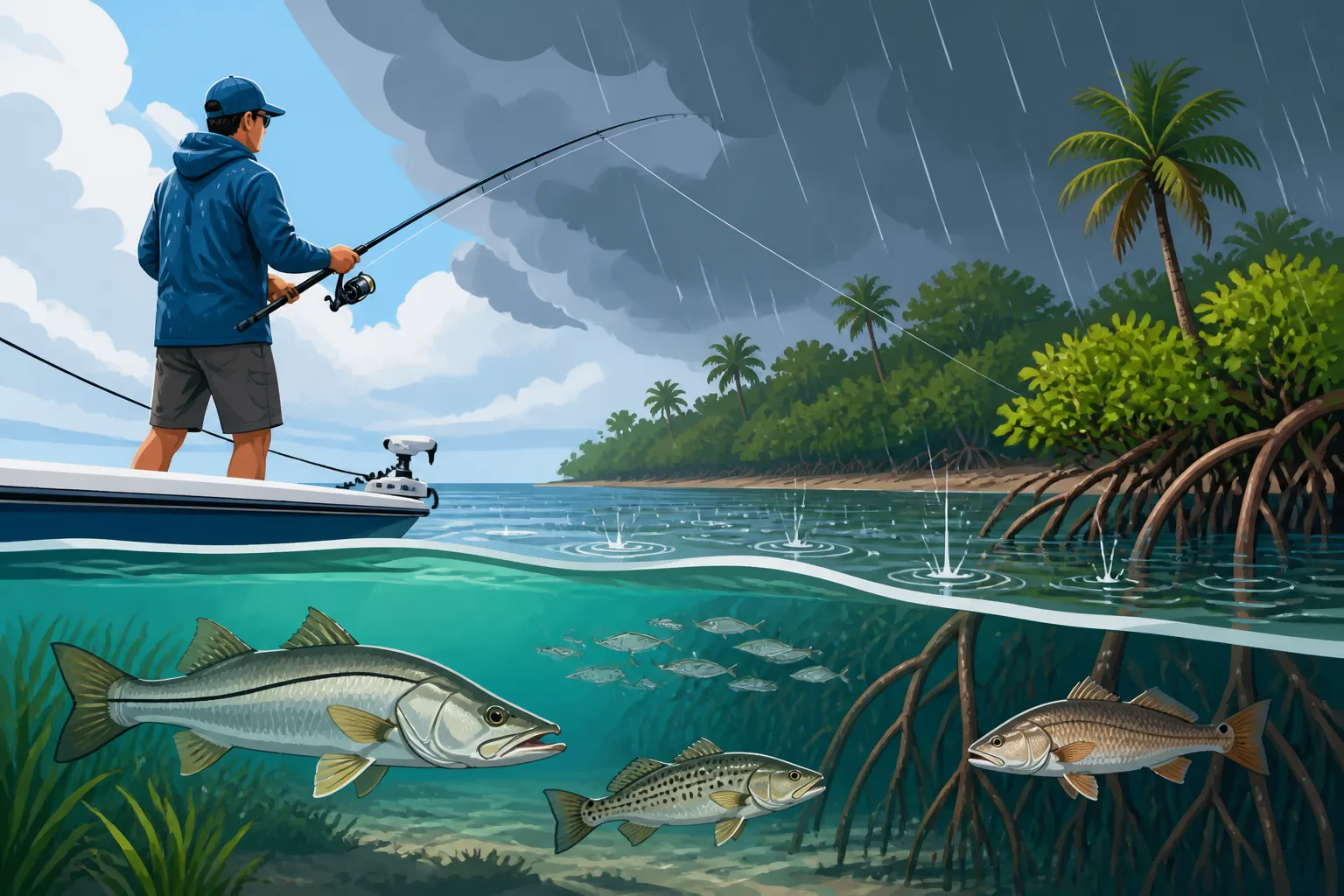
One of the most exciting aspects of fishing during or after a rain shower is the potential for increased baitfish activity. Think about it: when rain hits land, it washes all sorts of terrestrial goodies into the water – worms, insects, small crustaceans, and even detritus. This sudden bounty of food acts like a siren call for smaller baitfish, shrimp, and crabs. They'll congregate near runoff areas, culverts, creek mouths, and mangrove lines to feast on this unexpected smorgasbord.
This concentration of bait is like ringing the dinner bell for the larger predatory fish we target. Snook, redfish, and trout know that these runoff zones become easy feeding grounds. You'll often see baitfish dimpling the surface or showering out of the water as larger fish push them against a current created by the rain. Spotting these signs is key to finding a productive fishing spot when the weather is less than ideal. You might find yourself casting into a drain pipe that empties into a bay, a spot you'd typically ignore, only to find it teeming with life. Learning How to Cast Net for Live Bait in these conditions can be particularly effective, as the bait is often plentiful and easy to gather.
Dispersal and Concentration of Prey
While rain can lead to a general increase in bait activity, its effect on prey distribution can be a bit more nuanced. In some areas, particularly shallow, open flats, heavy rain and the subsequent murky water can cause baitfish to disperse, making them harder for predators (and anglers) to locate. The reduced visibility means they can't see predators as easily, but predators also can't see them as easily. This can lead to a lull in activity in wide-open spaces.
However, rain can also lead to the concentration of bait. Beyond the runoff areas, baitfish might seek refuge or stable conditions in clearer pockets of water, around submerged structures like docks or oyster bars, or in the calmer waters on the lee side of islands and points. The current created by runoff can also act as a natural conveyor belt, pushing bait into specific choke points where predators can lie in wait. Imagine baitfish being flushed out of a flooded marsh, funneling into a main channel where hungry snook are ready to pounce. It's all about understanding the hydrodynamics of your specific fishing spot.
Adapting Your Inshore Fishing Strategy When it Rains
So, the rain is falling, but you're determined to fish. Fantastic! The key now is to shift your mindset and your methods. Don't just cast where you normally would; think about how the rain has changed the environment and where the fish are likely to be. With the right adjustments, you can still have an incredibly successful day on the water.
Gear and Safety Considerations
First things first: safety and comfort. Fishing in the rain can be a fantastic experience, but only if you're prepared. Staying dry is paramount, not just for your comfort but also for your safety, especially if temperatures drop. A good quality waterproof jacket and pants are non-negotiable. Look for gear made from breathable materials like Gore-Tex or similar technologies that keep the rain out while preventing you from overheating. Many excellent options are available from retailers like Amazon, offering a wide range of prices and features to fit any budget. Don't forget waterproof bags or cases for your electronics, car keys, and phone – a drenched cell phone is a surefire way to spoil a trip.
Beyond staying dry, consider the risks. Lightning is a serious threat in Florida, and you should immediately seek shelter if you hear thunder or see lightning flashes. Slippery decks on a boat or wet rocks on a shoreline are also hazards, so wear appropriate footwear with good grip. A wide-brimmed hat can help keep rain out of your eyes, and polarized sunglasses are still useful even on cloudy days to reduce glare and help you spot structure beneath the surface. For more tips on preparing for your trip, check out our guide on What to Wear on a Florida Fishing Charter.
Lure and Bait Selection Adjustments
This is where understanding water clarity really pays off. When the water is murky from rain runoff, fish aren't relying on sight as much. Instead, they're using their lateral lines to detect vibrations and their sense of smell to locate prey.
-
For Murky Water:
- Colors: Opt for brighter, high-contrast colors. Chartreuse, neon green, bright orange, and dark purples or blacks create a strong silhouette against the cloudy water. Think about something that "pops" rather than blends in.
- Vibration & Sound: Lures with rattles, thumping swimbaits, spinnerbaits, or noisy topwater plugs can be incredibly effective. The vibrations travel further through the water and can alert fish to their presence. For instance, a popping cork with a Gulp! shrimp beneath it, or a Chug Bug topwater lure, can make enough commotion to draw attention. Our guide on the Best Lure Color for Murky Water in Florida offers even more specific recommendations.
- Scented Baits: Live bait is almost always a winner, especially if it's natural forage like live shrimp, pilchards, or mullet. If using artificials, incorporate scented soft plastics. Many brands infuse their lures with fish attractants, giving them an added edge when visibility is low.
-
For Clearer Pockets (after initial runoff):
- Once the heaviest runoff subsides, you might find pockets of clearer water, perhaps around oyster bars or deeper edges. Here, more natural baitfish colors or subtle presentations might still work. It's all about observation and adapting on the fly.
Targeting New Locations and Structures
Rain changes the landscape, and with it, the best fishing spots. Don't be afraid to leave your usual honey holes for a bit and explore areas that might benefit from the rain.
- Runoff Points: These are prime targets. Any culvert, ditch, canal mouth, or creek emptying into the main body of water will be a magnet for baitfish and, subsequently, predators. The moving water often dislodges insects and makes an easy meal. This is particularly true in residential canal systems that drain into larger bodies of water. Even Canal Fishing License Rules in Florida are something to be aware of if you plan to explore these often overlooked urban waterways.
- Structure: Docks, bridges, oyster bars, and mangrove shorelines offer shelter from strong currents and a place for fish to ambush prey. Fish will often hug these structures tightly, using them as ambush points when visibility is low. Cast tight to the structure and work your lure slowly.
- Deeper Channels and Holes: If the rain has cooled surface waters significantly, or created too much turbidity, fish may retreat to deeper, more stable environments. Look for depressions, dredge holes, or natural channels where water temperatures and salinity might be more consistent.
- Shorelines: For anglers fishing from land, the shoreline itself becomes an active feeding zone. Target areas where stormwater drains directly into the water. Even from the beach or a pier, these conditions can lead to productive fishing. Our article on the Best Spots to Fish From the Shore in the Florida Keys highlights how land-based spots can shine, even in adverse weather.
By being flexible and thinking like a fish in a changing environment, you can turn a rainy forecast into a fishing advantage.
Post-Rain Opportunities and Challenges
The immediate effects of rain are one thing, but what about when the skies clear and the sun peeks through? The aftermath of a rain event can present a unique set of opportunities and challenges that continue to influence inshore fishing for hours, or even days, afterward.
The Post-Front Bite
Often, the period immediately following a significant rain event, especially if it's been accompanied by a cold front, can trigger what anglers refer to as a "post-front bite." Once the initial shock of the rain and any associated temperature drop wears off, and conditions begin to stabilize, fish can become incredibly active. The influx of fresh water often brings with it nutrients, stirring up the ecosystem and invigorating baitfish. The slightly cooler, oxygenated water can be a welcome change after stagnant, hot conditions, making fish feel more energetic and inclined to feed aggressively.
This is when you might find snook busting bait along mangrove edges, redfish tailing in slightly clearer pockets of water, or trout congregating over re-energized grass flats. It's a prime example of how nature resets, and fish respond by feeding. This phenomenon is similar to the bite often observed Fishing After a Cold Snap in Florida, where fish adapt to the new conditions and actively seek out food. Patience during the actual downpour often pays off handsomely in the hours or day immediately following.
Lingering Effects and Long-Term Adjustments
While the post-rain bite can be fantastic, heavy or prolonged rainfall can also lead to more lasting changes in the inshore environment. Excessive freshwater runoff can drastically lower salinity levels in estuaries for an extended period, pushing more sensitive saltwater species further out towards the passes or deeper into the main body of the bay. This might mean that your usual shallow-water snook spot becomes temporarily barren, requiring you to adjust your focus to species more tolerant of lower salinity or to move to areas less impacted by the runoff.
Another challenge can be prolonged turbidity. If a storm has churned up a lot of bottom sediment or if runoff continues to pour in heavily, the water might remain murky for days. This can make sight fishing nearly impossible and require continued reliance on noisy or scented lures. In some extreme cases, heavy runoff, particularly in specific regions, has been known to exacerbate or even trigger harmful algal blooms like red tide, which can have devastating effects on fish populations and fishing prospects. It's always wise to check local fishing reports or environmental updates to understand if How Red Tide Affects Fishing in Florida is impacting your intended fishing grounds.
The Importance of Local Knowledge and Adaptability
Ultimately, understanding how rain affects inshore fishing in Florida boils down to local knowledge and adaptability. Every bay, estuary, and river system is unique, and while general principles apply, the specifics can vary wildly. A heavy rainstorm might shut down fishing in one part of the Indian River Lagoon but activate a phenomenal bite in a different part of Tampa Bay due to different currents, bottom compositions, and freshwater inputs.
Developing an intimate understanding of your chosen fishing spots – how the tides flow, where the drains are, what kind of bottom is present, and where fish typically seek refuge – will give you the best chance of success. Pay attention to the weather patterns, not just the rain itself, but also the winds and temperature changes that accompany it. Learn to read a tide chart, as tidal movement can significantly influence how quickly murky water clears or how runoff is dispersed. For more detailed insights into understanding tidal patterns, exploring How to Read a Tide Chart for Fishing can be incredibly beneficial. Always be willing to experiment with different baits, lures, and presentations. The angler who can quickly assess conditions and change their game plan is the one who consistently catches fish, rain or shine.
| Rain Condition | Immediate Effect on Water | Fish Behavior (General) | Angler Adjustment | Essential Gear (Example from Amazon) |
|---|---|---|---|---|
| Light Drizzle | Minimal temp/clarity change, increased oxygen | Often stimulates feeding, subtle shifts | Continue normal tactics, focus on edges | Lightweight rain jacket |
| Heavy Downpour | Rapid temp drop, murky water, salinity flux | Can stun/disperse; seek stable areas | Vibrating/scented lures, target runoff | Heavy-duty waterproof jacket/pants |
| Prolonged Rain | Sustained turbidity, low salinity, stable temps | Adjust to new norms; seek saltier/clearer | Bright/noisy lures, explore new areas | Dry bag for electronics |
| Post-Rain (Clearing) | Stabilizing temps, clearing water, active bait | Aggressive feeding ("post-front bite") | Return to normal tactics, observe bait | Polarized sunglasses (for glare) |
Remember, fishing is as much about the experience as the catch. Being prepared for the rain allows you to enjoy the unique solitude and challenge it offers, turning what some might see as a setback into an opportunity.
Disclaimer
This article is for general informational purposes only and does not constitute professional advice. Laws, prices and regulations vary by location and change over time. Consult a qualified professional for guidance on your specific situation.