How Cold Fronts Affect Winter Fishing in Florida
Ah, a sudden cold front! If you've spent any time fishing in Florida during the winter, you know that feeling when the weather takes an unexpected turn, the air gets crisp, and your hopeful anticipation for a hot bite turns into a puzzle. Those gorgeous sunny, balmy days can vanish in a blink, leaving anglers wondering where all the fish went and how on earth to coax a bite. This guide is here to unravel the mystery of how those pesky cold fronts really shake things up and, more importantly, how you can adapt your strategy to still find success on the water.
Understanding Florida's Winter Cold Fronts
Even in the Sunshine State, winter brings its share of chilly weather, and cold fronts are a significant part of that equation. For an angler, understanding what a cold front truly means for the environment is the first step to figuring out how the fish will react. It's not just about a temperature drop; it's a whole cascade of atmospheric changes that impact everything beneath the surface.
What Exactly is a Cold Front in Florida?
Picture this: you're enjoying a beautiful 75-degree day in December, the kind that makes your friends up north jealous. Then, almost overnight, a front pushes through, and suddenly it's 45 degrees, windy, and feels like a completely different state. That's a classic Florida cold front at play. Meteorologically speaking, a cold front is the leading edge of a cooler mass of air, displacing a warmer air mass. As it sweeps across the state, it brings with it several key changes that are crucial for us anglers to recognize.
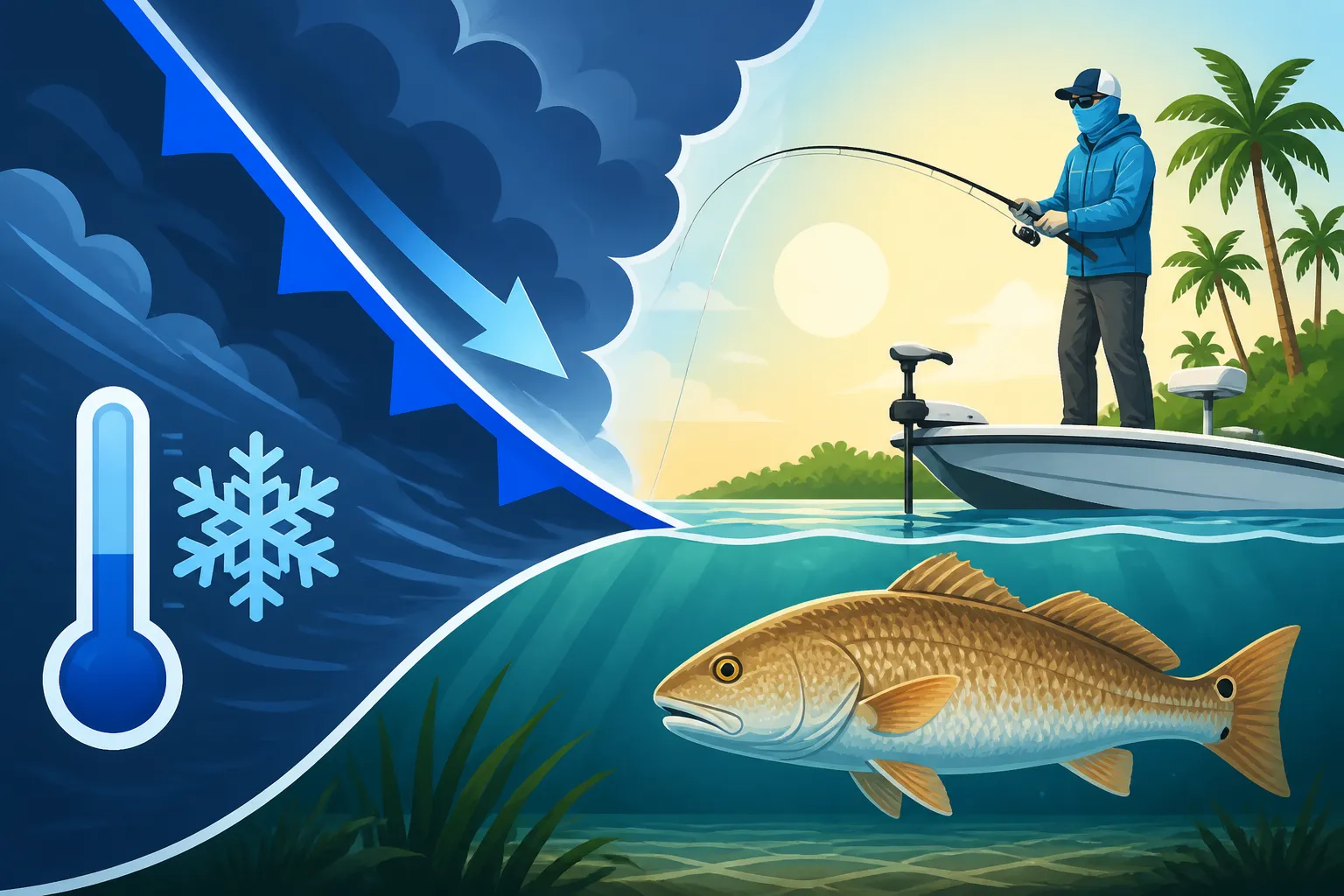
First, there's the obvious, dramatic drop in air temperature. This isn't a gradual cool-down; it can be quite sudden, often plummeting by 15-30 degrees Fahrenheit in a matter of hours. Accompanying this is usually a significant shift in wind direction, often from the south or southwest to the north or northwest, bringing drier, colder air. Perhaps less noticeable to us but profoundly important to fish is the change in atmospheric pressure. Cold fronts are often preceded by falling pressure, which can sometimes stir up a feeding frenzy right before the front hits, only to be followed by high, stable, and often rising pressure after the front passes. This high-pressure system typically settles in for a few days, creating those clear, sunny, but much colder conditions that can make fishing tough.
The Immediate Impact on Water Temperature
While the air temperature drops instantly, the water takes a little longer to react, but react it does, especially in Florida's shallower systems. Our vast network of shallow bays, flats, canals, and lakes are highly susceptible to rapid temperature fluctuations. When that cold, dry air blows over these waters, it quickly draws heat away, causing the water temperature to drop.
In areas like the expansive grass flats of Tampa Bay or the shallow stretches of the Indian River Lagoon, water temperatures can fall several degrees within a single day. This sudden chill is a shock to the system for most fish, which are cold-blooded creatures. Deeper waters, such as offshore reefs or even deeper freshwater lakes like Lake Okeechobee, are more insulated and will cool down more slowly, but they will eventually feel the effect. Understanding this differential cooling is key, because fish will instinctively seek out the warmest, most stable water they can find to conserve energy and survive the cold shock.
How Cold Fronts Disrupt Fish Behavior
The direct impact of a cold front on water temperature is just the beginning. The real challenge for anglers lies in how these environmental shifts translate into changes in fish behavior. Fish don't just feel the cold; their entire physiological system adapts, which means their routines for feeding, resting, and moving are completely overhauled. What worked yesterday won't necessarily work today.
Fish Become Lethargic and Reluctant to Feed
Imagine stepping out into a bracing wind and suddenly finding yourself shivering. You're not thinking about running a marathon or even cooking a gourmet meal; you're focused on getting warm. Fish experience a similar, albeit more pronounced, reaction. Being cold-blooded, their body temperature closely mirrors that of the surrounding water. When water temperatures drop significantly, their metabolism slows way down. It's like their internal clock shifts into slow motion.
This metabolic slowdown directly impacts their activity levels. They become lethargic, moving much slower, if at all. More critically for us, their digestion process slows, and their need to actively hunt for food diminishes. The "bite shuts down" because they're not expending much energy, and therefore don't need to replenish it aggressively. Their primary instinct shifts from feeding to survival and conserving energy. This is why you often hear experienced anglers say the fishing gets tough after a front—it's not that the fish are gone, they're just not interested in a vigorous chase.
Migration to Deeper, Warmer Waters
One of the most predictable reactions of fish to a cold front is their instinctive migration to deeper, more stable, and often warmer waters. Think of it as seeking refuge from the icy blast. Inshore, this means fish like snook, redfish, and spotted seatrout will abandon shallow flats and move into deeper channels, residential canals, creek mouths, or even beneath docks and bridges. These areas offer thermal refuge because deeper water cools slower and is often slightly warmer and more consistent than the exposed shallows.
For example, on the Gulf Coast, a sharp cold front might send redfish and trout from expansive grass flats into adjacent dredge holes or the deeper bends of tidal creeks. On the Atlantic side, snook might pile up in the warmest pockets of residential canals or under bridges where there's a strong current and deeper water. It's not uncommon to find massive schools of fish crammed into a small area during these conditions. Offshore species will also adjust, often moving to deeper ledges, wrecks, or hard bottom areas that maintain a more consistent temperature. If you want to know where fish go during a cold snap in Florida, this is your answer: they head for cover and depth.
Changes in Feeding Patterns and Baitfish Movement
The impact of a cold front isn't limited to just the predatory fish; it creates a domino effect throughout the entire food chain. Baitfish, such as pilchards, mullet, and pinfish, are just as sensitive to temperature drops and will also become lethargic and seek warmer, deeper water. Their schools might break up, or they might simply become less active, making them harder for predators to find and harder for anglers to net.
With baitfish less active and harder to locate, and the predatory fish themselves less inclined to chase, the entire feeding dynamic changes. Instead of aggressive, fast-paced strikes, you'll often encounter a more opportunistic and subtle bite. Fish might still eat, but they're looking for an easy meal that requires minimal energy expenditure. This means your approach to bait and lure presentation needs to be drastically re-evaluated, moving away from flashy, fast-moving offerings to something slow, natural, and irresistible.
Adapting Your Fishing Strategy During and After a Cold Front
Knowing why fish react to cold fronts is helpful, but the real question is what do you do about it? Don't pack up your gear and head home just yet! While challenging, cold front fishing can still be productive if you adjust your tactics significantly. It requires patience, precision, and a willingness to slow everything down.
Targeting Deeper Structures and Cover
Since fish seek refuge in deeper, more stable environments, your first strategic move should be to focus your efforts on these areas. This means moving away from the expansive shallow flats you might have fished before the front. Instead, look for obvious depth changes:
- Residential Canals: These are often goldmines for snook, redfish, and even some trout during cold snaps. Look for areas with dark mud bottoms, which absorb heat, and especially docks that offer overhead cover and a bit more depth.
- Channels and Creek Mouths: Deeper sections of tidal creeks, river bends, and navigation channels can hold large concentrations of fish.
- Bridges and Piers: The pilings and shaded areas beneath bridges and larger piers often provide excellent thermal refuge and structure.
- Dredge Holes and Potholes: In shallower bays, small, deeper pockets or dredge holes can accumulate warmer water and hold fish.
- Spring-Fed Rivers/Areas: In some regions, like the Crystal River or Homosassa areas, spring-fed waters maintain a more consistent temperature, acting as a magnet for fish fleeing the cold.
When fishing these areas, get ready to explore. Use your electronics to find those deeper holes and ledges. A good fish finder can be your best friend, helping you locate schools of fish piled up in a channel or under a dock. If you're wondering how to use a fish finder for inshore fishing, remember to pay attention to sudden depth changes and any marks indicating fish on the bottom or suspended in deeper water. Once you've identified a promising spot, approach it quietly and methodically.
Slowing Down Your Presentation
This is perhaps the single most critical adjustment you can make. Forget fast retrieves, aggressive pops, or quick jerks that worked before the front. Lethargic fish won't chase; they want an easy meal.
- Artificial Lures: If you're throwing artificials, think slow and low. Soft plastic paddle tails or jerkbaits rigged on light jig heads, slowly bounced along the bottom, are incredibly effective. Allow them to sit on the bottom for several seconds between twitches. Suspending twitchbaits that can be twitched and then paused for an extended period, allowing them to hang tantalizingly in the strike zone, are also excellent choices.
- Live Bait: When using live bait, less is often more. Free-lining a live shrimp or small mud minnow with minimal weight, allowing it to drift naturally with the current into the deeper holding areas, can be deadly. If you do use a float, make sure it's set to present your bait right where the fish are holding, and let it sit there for a good long while. The goal is to make it as effortless as possible for the fish to inhale your offering.
Remember, the bites will often be incredibly subtle. That aggressive tug might be replaced by a faint tap, a sudden weight, or just a slight tightening of your line. Pay extreme attention to your rod tip and line.
Choosing the Right Bait and Lures
Your choice of bait and lure also needs to align with the fish's subdued appetite. This isn't the time for flashy, noisy topwater plugs (unless you hit a very brief, aggressive window).
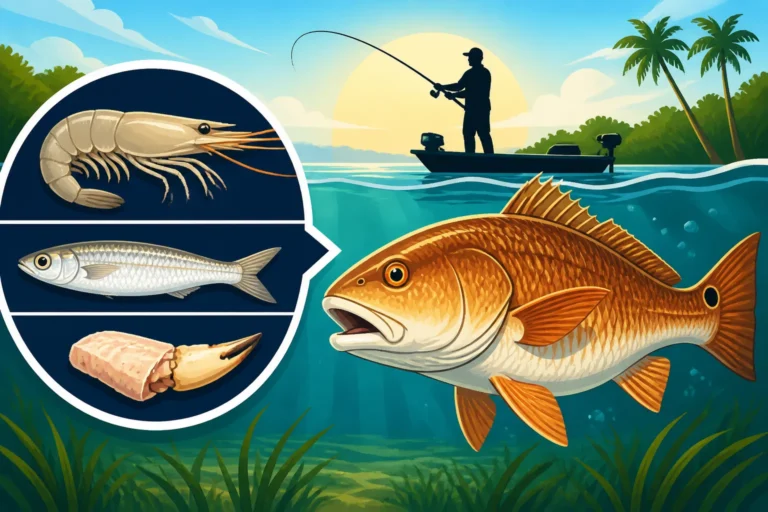
- Live Bait is King: Fresh live shrimp are almost always a fantastic choice after a cold front. They are a natural food source, move slowly, and are universally appealing to most inshore species. Small mud minnows, finger mullet, or pinfish, presented slowly, can also be very effective.
- Soft Plastics and Jigs: For artificials, soft plastic baits in natural colors are hard to beat. Think white, green, root beer, or clear with glitter. Pair them with light jig heads (1/8 oz to 1/4 oz) to allow for a slow, subtle presentation. Grubs, paddletails, and soft plastic jerkbaits are excellent options. On murky days, or in stained water, considering the best lure color for murky water in Florida might lean you towards brighter colors like chartreuse or those with contrasting tails to stand out.
- Suspending Twitchbaits: As mentioned, these can be phenomenal. The ability to suspend them in the water column and let them hang in place mimics a stunned or injured baitfish, which is often too tempting for even a lethargic predator to pass up.
Many anglers find durable, high-quality soft plastics and a variety of jig head weights readily available on Amazon, making it easy to stock up on these cold-weather essentials before a front hits.
Timing Your Efforts
While cold fronts generally suppress feeding, fish still need to eat. The trick is to identify those brief, often subtle feeding windows. The warmest part of the day is often your best bet. On those clear, sunny days immediately following a front, the sun can warm up shallow, dark-bottomed areas a few degrees, stimulating a short burst of activity.
- Mid-day Warm-up: Focus your efforts from late morning through mid-afternoon. This is when the sun has had the most time to penetrate the water, potentially raising the temperature enough to spark a bite.
- Tide Changes: Even with cold water, moving water can stimulate feeding. Focus on the last hour of an incoming tide and the first hour or two of an outgoing tide, especially around creek mouths or points where bait might be flushed out of deeper pockets. If you want to refine your understanding of fish behavior, you might ask what time of day do trout bite best in Florida during different conditions.
Patience is paramount during these windows. Don't expect a frantic bite; expect to work for each fish, savoring every subtle strike.
Specific Species Considerations Post-Cold Front
While many fish react similarly to cold fronts by seeking refuge and slowing down, certain species are more sensitive than others. Knowing these nuances can help you prioritize your target species and protect vulnerable populations.
Snook and Tarpon: Highly Sensitive Species
These tropical-loving fish are among the most susceptible to cold snaps in Florida. Their metabolism requires warmer water, and significant drops can be life-threatening.
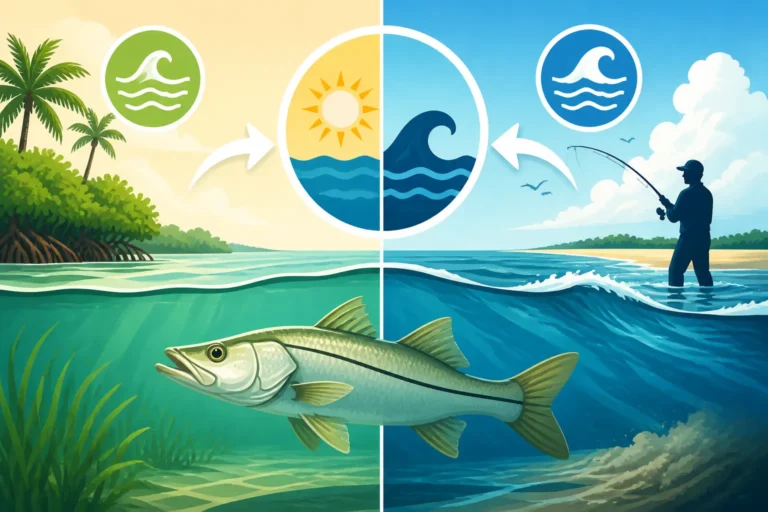
- Snook: A severe cold front can be devastating for snook, causing them to become severely stressed and often stack up in enormous numbers in deeper, warmer holes within canals or spring-fed creeks. They become incredibly sluggish and vulnerable. This is why snook are protected during cold weather is a critical conservation measure. Anglers must exercise extreme caution and consideration. If you encounter lethargic snook, it's best to leave them undisturbed. If you do accidentally hook one, fight it quickly, handle it minimally, and ensure a full recovery before release. Understanding what happens to snook during a cold snap really underscores the importance of protecting these magnificent fish.
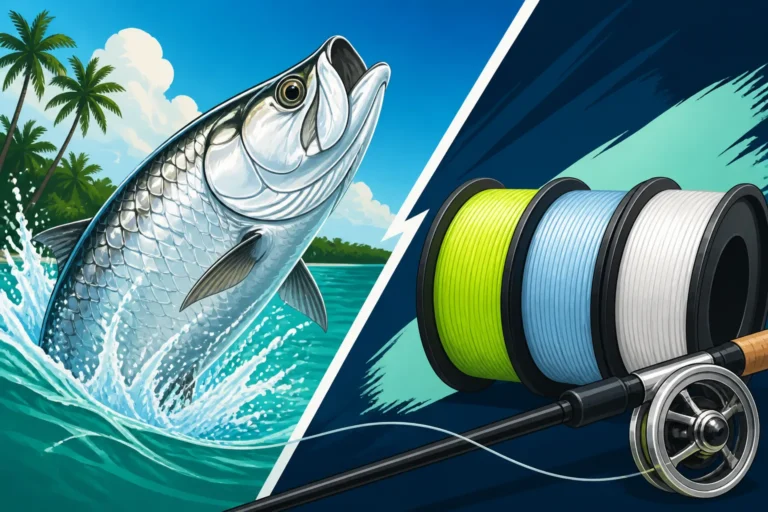
- Tarpon: While larger and often more resilient, tarpon also move to deeper channels, rivers, or offshore when temperatures drop. They will become much less active and harder to tempt with a fly or artificial lure. Live bait, presented directly to them, might be the only way to get a bite, but their health should always be prioritized during cold weather.
For both snook and tarpon, catch and release best practices are amplified during cold weather. If you're targeting these species, consider it an exercise in conservation rather than harvesting.
Redfish and Trout: Seek Refuge but Can Still Be Caught
Unlike snook, redfish and spotted seatrout are generally more tolerant of colder water, though they still react significantly to cold fronts. They will seek thermal refuge, but they often remain more catchable than snook.
- Redfish: Look for redfish to school up in deeper potholes on flats, in the channels of tidal creeks, or around oyster bars that hold a bit more heat. They will often "mud up" in these areas, creating cloudy water as they root around for food. A slowly presented soft plastic or a live shrimp on a weighted jig head worked right in front of their nose can be very effective.
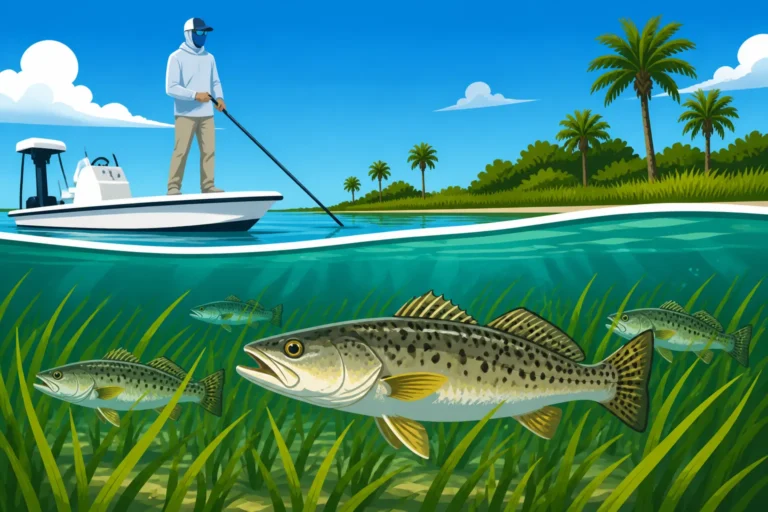
- Spotted Seatrout: Trout will similarly move off the shallowest flats into deeper grass beds, channels, or even congregate in deeper parts of canals and around docks. This is precisely why grass flats hold more trout in winter: they offer protective cover and slightly warmer, more stable water. Slow-moving baits like a MirrOlure or a soft plastic shrimp imitation under a popping cork (or free-lined without the cork) are good choices.
For both redfish and trout, the key is finding their holding areas and then presenting your bait or lure slowly and precisely. Don't expect them to chase; put it right in their strike zone.
Largemouth Bass: Head for Cover and Deeper Water
Cold fronts don't just affect saltwater species. Florida's abundant freshwater systems also experience the chill, and largemouth bass respond by moving to deeper, more structured areas.
- Freshwater Lakes and Ponds: Bass will move from shallow flats into deeper creek channels, submerged brush piles, ledges, or beneath thick overhead cover like lily pads or docks that offer insulation.
- Techniques: Think slower presentations. Jigs, Carolina rigs, or Texas-rigged worms fished slowly along the bottom are excellent. Crankbaits that dive to the depth where the fish are holding, retrieved with long pauses, can also trigger strikes. Spinnerbaits retrieved at a snail's pace near cover can sometimes provoke a reaction strike.
Focus your efforts on the steepest drop-offs, underwater points, and the densest cover you can find in deeper water. Just like their saltwater cousins, freshwater bass become lethargic and will only commit to an easy, slow-moving meal.
Essential Gear for Cold Front Fishing
Having the right mindset and strategy is crucial, but so is having the right gear. Beyond your standard rod and reel setup, specific items can make your cold front fishing experience more comfortable and successful.
Warm Clothing and Layering
This might seem obvious, but it's often overlooked in Florida, where sunshine usually reigns supreme. Those strong north winds after a cold front can make a 50-degree day feel much colder, especially on the water.
- Layers, Layers, Layers: Start with a moisture-wicking base layer, add an insulating mid-layer (fleece or down), and top it off with a windproof and waterproof outer shell. You can always shed layers if the sun breaks through, but you can't add what you don't have.
- Head, Hands, and Feet: A warm hat (beanie), gloves, and thick socks are non-negotiable. Keeping your extremities warm significantly impacts your overall comfort and ability to focus on subtle bites.
- Footwear: Waterproof boots are highly recommended, especially if you're wading or fishing from a boat where splashes are inevitable.
Staying warm and dry isn't just about comfort; it helps you concentrate on detecting those light bites and gives you the stamina to stay on the water longer.
Electronics and Navigation Aids
When fish scatter or pile into small, specific areas, your electronics become invaluable.
- Fish Finder/Depth Sounder: A quality fish finder is essential for locating those deeper channels, potholes, and concentrations of fish. Look for models with good bottom discrimination and the ability to clearly show baitfish and larger targets. Brands like Humminbird or Garmin offer excellent options across various price points.
- GPS/Chartplotter: Knowing where those deeper spots are and being able to navigate precisely back to them, especially in low light or fog often accompanying cold mornings, is a huge advantage. Mark productive spots, drop-offs, and cover.
Using these tools effectively can drastically reduce the time spent searching and increase your time spent fishing where the fish actually are. It's a game-changer for finding those cold-weather honey holes.
Rods, Reels, and Line for Finesse
Your fishing tackle should also be adjusted to match the subtle nature of cold front bites.
- Sensitive Rods: Opt for a medium-light to medium power spinning rod with a fast or extra-fast action tip. A sensitive tip will allow you to feel those delicate taps and bumps that often characterize a cold-water bite. Graphite rods are generally more sensitive than fiberglass. You can often find great deals on highly sensitive graphite rods on Amazon.
- Light Line and Fluorocarbon Leader: Reduce your main line size (e.g., 10-15 lb braid) and use a longer fluorocarbon leader (15-20 lb test). Fluorocarbon is virtually invisible underwater and offers excellent abrasion resistance, which is key when fishing around docks, rocks, and other structure. Its low stretch also enhances sensitivity.
- Smooth Reel: A smooth-operating spinning reel with a reliable drag is perfect for finesse presentations. You'll likely be making precise casts and fighting fish that might not be as energetic, so a smooth retrieve and controlled drag are more important than brute force.
| Factor | Before Cold Front (Warm Weather) | During/After Cold Front (Cold Weather) |
|---|---|---|
| Air Temperature | Warm, often humid | Significantly cooler, dry, crisp |
| Water Temperature | Stable, gradually warming or staying warm | Rapid drop, especially in shallow areas |
| Atmospheric Pressure | Often falling before, stable during | Often high and stable after front passes |
| Fish Activity | Active, aggressive feeding, widespread | Lethargic, reluctant to feed, concentrated |
| Fish Location | Scattered across flats, shallows, structure | Concentrated in deeper holes, channels, cover |
| Baitfish Activity | Active, abundant | Less active, seek deeper water |
| Recommended Retrieve | Fast, erratic, aggressive | Slow, subtle, deliberate, long pauses |
| Preferred Lures/Bait | Topwater, fast-moving plugs, large live bait | Live shrimp, soft plastics, jigs, suspending baits |
| Best Fishing Time | Early morning, late evening, tide changes | Mid-day warm-up, specific tide changes |
| Catch Expectations | More frequent, aggressive bites | Fewer, very subtle bites; patience is key |
Disclaimer
This article is for general informational purposes only and does not constitute professional advice. Laws, prices and regulations vary by location and change over time. Consult a qualified professional for guidance on your specific situation.