Fishing Florida During Hurricane Season Safely
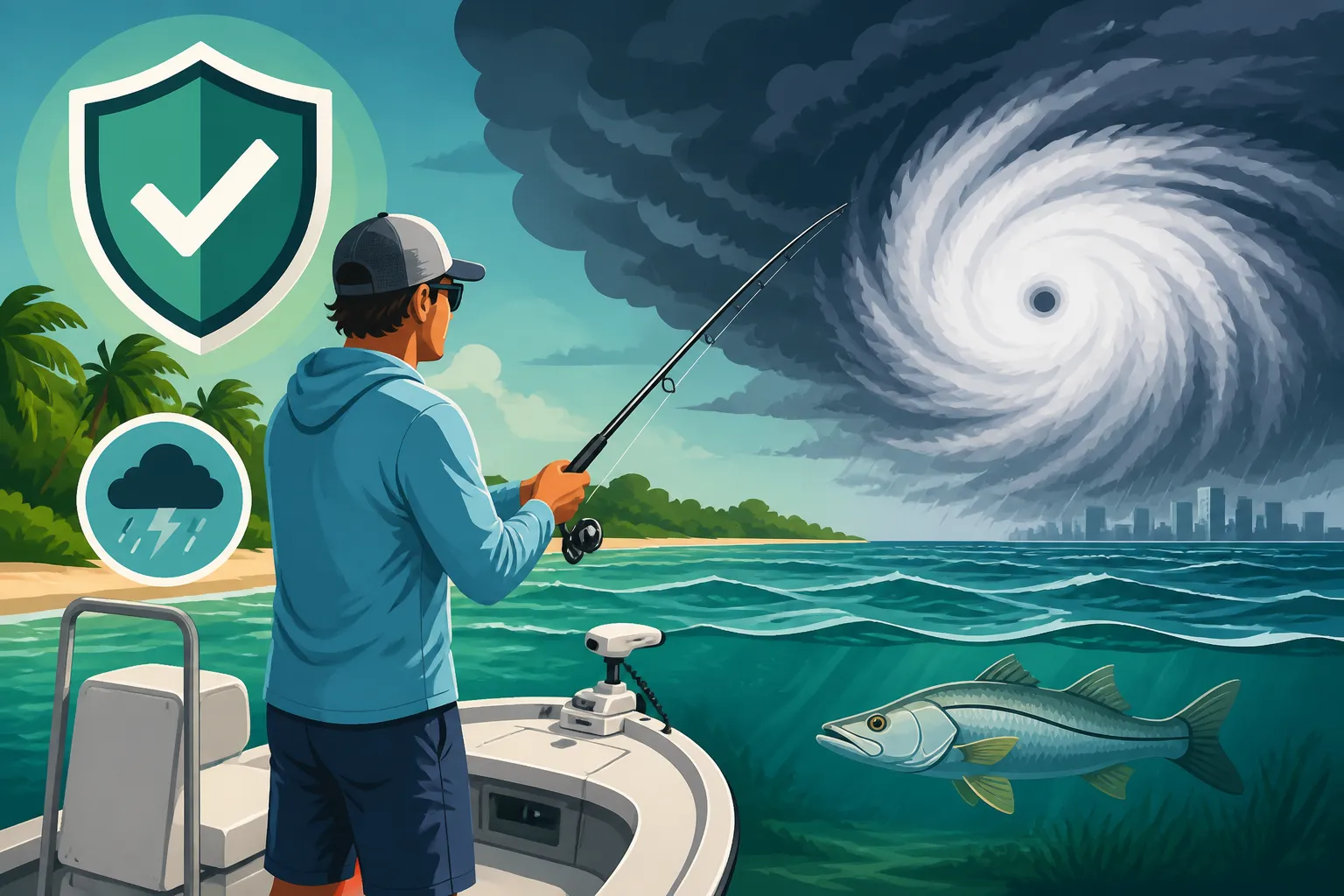
For those of us who live and breathe Florida fishing, the arrival of summer often brings with it a mix of excitement for hot bites and a familiar dread: hurricane season. It’s a time of year when the weather can turn on a dime, transforming a perfect fishing day into a dangerous ordeal faster than you can say "tropical depression." This guide is all about helping you navigate the complexities of fishing safely in Florida during hurricane season, offering realistic advice and practical steps to ensure your fishing adventures don't turn into a rescue mission.
Understanding Florida's Hurricane Season Realities for Anglers
Let's be real, hurricane season in Florida isn't just a few bad days; it's a season that stretches from June 1st to November 30th. That's half the year! For passionate anglers, this means a significant portion of our prime fishing time coincides with the highest risk of severe weather. It's not about avoiding fishing altogether (who could do that?), but about understanding the unique challenges and adapting your approach.
The Unpredictable Nature of Tropical Systems
One of the biggest frustrations during hurricane season is the sheer unpredictability. One day, you're looking at a clear forecast, making plans for a sunrise trip to the flats. The next, a system has rapidly intensified offshore, and suddenly, you're glued to weather maps, wondering if your boat needs to be hauled out. It’s not just about direct hurricane hits either; even distant tropical storms or depressions can send heavy rains, strong winds, and dangerous swells across hundreds of miles of coastline. This means your typical weather checks need to be far more rigorous, often involving multiple sources and constant vigilance, rather than a quick glance out the window.
Consider a scenario where a weak tropical wave is predicted to pass south of the Keys. Most local forecasts might still look good for an inshore trip in Tampa Bay. However, that distant system could be generating significant long-period swells that travel up the Gulf coast, making nearshore fishing unexpectedly rough and dangerous, even without direct wind. Or, it could funnel moisture, leading to persistent, heavy downpours that might not be associated with strong winds but can cause flash flooding and make navigating treacherous. This is where the nuanced understanding of weather patterns becomes crucial for making informed decisions about whether to even launch your boat.
Why Ignoring the Risks is a Recipe for Disaster
It’s easy to get complacent, especially if you've lived through many hurricane seasons without a direct hit or a close call. You might think, "It's just a little rain," or "I've fished in worse." But underestimating the power of even a relatively minor tropical system can lead to severe consequences. Strong winds can capsize small boats or blow you far off course. Heavy rains can obscure vision, turn calm waters into churning chaos, and cause rivers and canals to flood, bringing dangerous debris into the waterways. Lightning, an ever-present danger during Florida's summer thunderstorms, becomes even more prevalent and intense around tropical systems.
Imagine being miles offshore when a squall line, fueled by a distant tropical system, rapidly forms. The waves build quickly, visibility drops to near zero, and lightning crackles around you. Your GPS might become unreliable, your radio signal weak. What was supposed to be a relaxing day of bottom fishing turns into a desperate struggle to get back to shore. This isn't just a hypothetical; it's a real danger that many seasoned anglers have faced. Taking the time to understand the risks and plan accordingly isn't just smart; it's a commitment to your own safety and the safety of anyone fishing with you.
Strategic Planning: Before You Head Out
During hurricane season, your pre-fishing ritual needs to evolve from a simple gear check to a comprehensive safety assessment. This isn't just about what bait you're using or if your reel is spooled; it's about making sure you can get back home safely. The key here is proactive planning and being prepared for the unexpected.
Deep Dive into Weather Forecasts
Gone are the days of just checking a single weather app for the wind and rain chance. During hurricane season, you need to become a meteorologist-lite. This means consulting multiple sources: the National Hurricane Center (NHC) for tropical outlooks, local National Weather Service (NWS) offices for marine forecasts and severe weather advisories, and reputable fishing-specific weather apps that offer real-time radar and wind predictions. Pay close attention to trends, not just point forecasts. Is a system strengthening? Is its track shifting? Are local conditions being impacted by distant weather?
For example, if you're planning to go Florida Inshore Fishing Techniques, you'll want to watch for sudden shifts in wind direction or intensity that could make navigating shallow waters hazardous or create dangerous chop in normally protected areas. If the forecast suggests a strong easterly blow, those normally calm west-facing flats might become unfishable. Conversely, if you're eyeing an offshore trip, the NWS marine forecast is your bible, detailing wave heights, period, and wind warnings. Always look at the forecast for the entire duration of your planned trip, plus a buffer, because conditions can change rapidly. Remember, the weather over the water can be dramatically different from the weather on land, and a small craft advisory isn't just a suggestion—it's a serious warning.
Crafting a Robust Emergency Plan
Every fishing trip during hurricane season needs a "what if" plan. This involves communicating your itinerary, having reliable emergency gear, and knowing escape routes. Before you even leave the dock or launch ramp, someone on land should know exactly where you're going, what time you expect to be back, and who is with you. Share a float plan, detailing your boat's make, model, and registration, as well as the number of people on board and any specific medical conditions.
Your emergency gear should go beyond the basics. While a standard marine first aid kit is essential, consider adding things like a satellite communication device (like a Garmin InReach or Spot device) for areas where cell service is spotty or non-existent, even if you’re just doing some Lake Okeechobee Fishing Guide. A waterproof ditch bag containing flares, a whistle, a handheld VHF radio, extra water, and high-energy snacks is crucial. Ensure everyone on board knows where this bag is and how to use the safety equipment. Think about your return: if your primary route becomes impassable due to flooding or downed trees, do you have an alternative? Are there safe harbors or protected areas you can duck into if the weather turns unexpectedly bad? This kind of detailed planning, though time-consuming, can literally be a lifesaver.
Preparing Your Gear and Vessel
Beyond your tackle, your boat and personal gear need special attention. Check your boat's bilge pump, navigation lights, and all safety equipment rigorously. Ensure your anchor is appropriately sized for potential heavy weather and that you have ample rode. Fuel levels should always be topped off, and consider carrying extra fuel in approved containers. For smaller vessels, make sure drain plugs are secure, and all loose items are stowed away to prevent them from becoming projectiles in rough seas.
Personal gear is just as important. Invest in quality foul-weather gear, even if the forecast looks clear. Florida squalls can appear out of nowhere, and being soaked and cold makes any adverse situation worse. A good waterproof bag, perhaps purchased from Amazon, for your electronics, wallet, and keys is non-negotiable. Wear appropriate non-slip footwear. And speaking of gear, having a reliable marine battery and charger is paramount, especially if you rely on electronics for navigation and communication. Many anglers find durable, waterproof cases for phones and other sensitive items on Amazon invaluable during the stormy season.
| Preparation Category | Essential Items | Rationale During Hurricane Season |
|---|---|---|
| Communication | VHF Radio (fixed & handheld), Satellite Communicator, Fully Charged Phone (in waterproof case) | Redundancy for emergencies, especially out of cell range. |
| Navigation | GPS Chartplotter, Backup Paper Charts & Compass, Local Marine Maps | Electronic failure is possible; traditional methods can save you. |
| Safety Gear | PFDs (for everyone), Flares, Whistle, Air Horn, EPIRB/PLB, Marine First Aid Kit, Fire Extinguisher | Legal requirement and critical for distress signaling and basic medical needs. |
| Boat Preparedness | Working Bilge Pump, Spare Battery, Full Fuel Tank, Heavy-Duty Anchor & Rode, Dock Lines | Ensures vessel integrity and ability to maneuver or hold position in adverse conditions. |
| Personal Items | Rain Gear, Extra Water/Snacks, Sun Protection, Headlamp/Flashlight, Dry Bag | Comfort, hydration, visibility, and protecting essentials from water. |
Navigating the Waters: Safety While Fishing
You’ve done all your homework, the forecast looks decent enough, and you’re out on the water. But the hurricane season demands continuous vigilance. The moment you push off from the dock, your role as an angler shifts slightly to also include that of a diligent safety officer, constantly assessing your surroundings.
Real-Time Weather Monitoring and Early Retreat
Even with the best pre-trip planning, Florida weather can be notoriously fickle, especially during hurricane season. Clear skies can give way to ominous thunderheads in a matter of minutes. That's why constant, real-time weather monitoring is non-negotiable. Many modern boat electronics include radar overlay, but a dedicated weather app on a waterproof tablet or smartphone, often sourced from places like Amazon, can be a lifesaver. Keep an eye on the radar for developing cells, and pay attention to shifts in wind direction and intensity. Changes in barometric pressure can also be an early indicator of worsening weather.
The cardinal rule during hurricane season fishing is: when in doubt, head in. Don't try to "wait it out" or squeeze in "just one more cast." If the sky starts to darken rapidly, if you see lightning in the distance, or if the wind begins to pick up significantly, it's time to go. It’s far better to cut a trip short and be safe than to push your luck and find yourself in a dangerous situation. This might mean missing a great bite, but no fish is worth risking your life. For instance, if you're out chasing Florida Redfish Fishing Guide in the backcountry, getting caught in a sudden downpour can reduce visibility to near zero, making it incredibly difficult to navigate narrow channels.
Understanding the Impact of Wind and Waves
Wind and waves are your biggest adversaries during hurricane season. Even moderate winds can create dangerous chop, especially in open bays or larger lakes like Lake Okeechobee. Larger swells can make offshore travel unbearable and unsafe. It’s critical to understand your boat’s capabilities and limitations in different sea states. A small skiff that's perfectly fine on a calm day can become a death trap in 2-3 foot chop.
If you find yourself caught in deteriorating conditions, know how to safely navigate. Head into the waves at a slight angle to prevent swamping, or if you're dealing with following seas, use your throttle to stay on the back of a wave rather than letting it break over your transom. Always have PFDs (Personal Flotation Devices) easily accessible, and insist that everyone wears them if conditions are rough. It's not about being tough; it's about being smart. Many professional captains will tell you that the most important tool you have during rough weather is common sense and the ability to make a sober judgment call to head for safety.
Lightning Safety and When to Seek Shelter
Florida is the lightning capital of the United States, and hurricane season exacerbates this danger. During the summer and fall, daily thunderstorms are common, often appearing suddenly and moving quickly. Lightning can strike miles away from the rain, so clear skies overhead don't necessarily mean you're safe if you see flashes or hear thunder. Any time you hear thunder, lightning is close enough to strike.
If you see lightning or hear thunder, the best course of action is to immediately seek safe harbor. If you can’t get back to land quickly, try to find a protected area like a bridge or a marina with structures. Avoid being the highest point on the water, and don't touch metal surfaces on your boat. Drop your fishing rods – they can act as lightning conductors. If you're fishing from a pier, like some of the Best Piers for Fishing Without a Boat, or the beach, get off the water and into a solid structure or vehicle. Never stand under a lone tree during a lightning storm, as they are often struck. Your personal safety is paramount, and there's always another day to fish.
After the Storm: Fishing Safely in the Aftermath
So, a tropical system has passed, and you're itching to get back out there. The initial urge might be to hit the water, especially if the weather clears and cooler temperatures arrive. However, post-storm fishing presents its own unique set of challenges and dangers that need to be carefully considered. It's not just about the fish; it's about navigating a transformed environment.
Navigating Debris and Altered Waterways
After a significant storm, Florida's waterways can be drastically altered and filled with debris. Trees, dock pilings, household items, and even entire sections of structures can be floating just below the surface or washed ashore, creating immense hazards for boaters. Propellers can be damaged, hulls can be punctured, and even running aground on newly formed sandbars or displaced debris is a real possibility.
If you're heading out post-storm, proceed with extreme caution and at greatly reduced speeds. Keep a sharp lookout for anything unusual in the water. Your GPS charts might be outdated due to shifts in bottom structure or newly submerged hazards. Areas that were once deep channels might now be shallow, and vice-versa. Canals and rivers, especially, can become clogged with everything from refrigerators to mattresses. Be particularly wary of fishing around bridges, docks, and residential areas, as these are often prime sources of storm-generated debris. Consider using a guide or a local expert who understands the changed landscape, even for popular spots like Tampa Bay Fishing Guide.
Understanding Water Quality and Ecosystem Shifts
Heavy rainfall and storm surge associated with tropical systems can dramatically impact water quality. Runoff from land can bring pollutants, excessive nutrients, and freshwater into saltwater environments, affecting salinity levels and oxygen content. This can stress fish, causing them to move to different areas or even lead to fish kills. You might find that your usual fishing spots are now murky, discolored, or smell different.
Furthermore, storms can churn up sediments from the bottom, reducing visibility and potentially releasing harmful algal blooms, including red tide. While Florida has specific ways of checking for How Red Tide Affects Fishing in Florida, these events can be exacerbated by storms. Always check local water quality reports before heading out, especially if you plan to keep fish for consumption. Fish that have been exposed to poor water quality might not be safe to eat. Give the ecosystem some time to recover and settle. Fish behavior will likely be altered, and it might take a few days for them to return to their normal patterns.
Electrical Hazards and Structural Damage
Finally, after a storm, electrical hazards are a very real and often overlooked danger. Downed power lines can energize floodwaters or docks, creating invisible but deadly threats. Marinas and docks might have suffered structural damage, with weakened pilings, loose planks, or compromised electrical pedestals. Never approach an area with downed power lines, and always assume any standing water could be energized.
If you're fishing near developed areas, be aware of damaged infrastructure. Loose roofing materials, signs, or other debris might still be falling or precariously perched. Piers and bridges, while often tempting fishing spots, could have sustained damage that isn't immediately visible. Always check for official notices from local authorities regarding the safety of public access points, boat ramps, and fishing structures. Even once the immediate danger of the storm has passed, the lingering effects can pose significant risks, so patience and caution are your best companions.
Disclaimer
This article is for general informational purposes only and does not constitute professional advice. Laws, prices and regulations vary by location and change over time. Consult a qualified professional for guidance on your specific situation.