Best Depth to Fish for Grouper Offshore
Offshore fishing in Florida can be incredibly rewarding, but it often comes with the frustrating challenge of trying to locate bottom-dwelling species like grouper in the vastness of the ocean. Many anglers find themselves wondering if they're fishing too shallow or too deep, casting lines for hours without a bite. This comprehensive guide is here to unravel that mystery, providing you with the knowledge to pinpoint the best depths for catching various grouper species offshore and turn those slow days into epic catches.
Understanding Grouper Behavior and Habitat Offshore
Grouper are ambush predators that rely heavily on structure for hunting, shelter, and spawning. Unlike pelagic fish that roam open water, grouper are intimately tied to the bottom, making their location somewhat predictable if you understand their preferences.
Why Grouper Gravitate to Structure
Think of offshore structure as an apartment complex for marine life. It provides everything from protection from strong currents and predators to a ready supply of smaller baitfish and invertebrates that gather around it. For grouper, this means less effort to find food and a safe haven. This structure isn't just massive shipwrecks or artificial reefs, although those are prime locations. It also includes natural rock ledges, coral heads, limestone outcroppings, changes in bottom composition, and even subtle depressions or rises in the seafloor. Even a small rock pile in the middle of a sandy bottom can hold a surprising number of fish. The more intricate and complex the structure, the more likely it is to attract and hold a variety of marine life, including big grouper. When scouting new areas, look for these anomalies on your sonar – they are the key to finding your target.
Seasonal Movements and Depth Changes
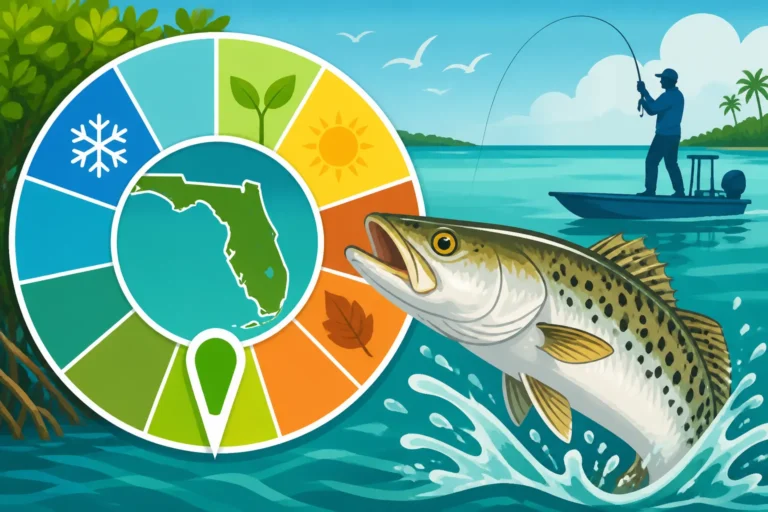
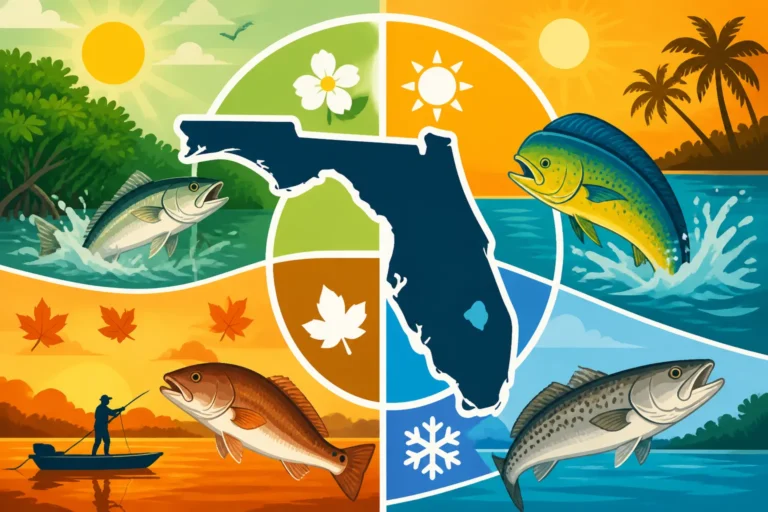
Grouper aren't static residents; their depths can shift throughout the year based on environmental factors. During colder months, many grouper species, particularly gag grouper, tend to move closer to shore and into shallower waters, sometimes even entering bays and estuaries. This movement is often driven by a search for warmer water and baitfish aggregations. As the water warms up in late spring and summer, these fish migrate back offshore, seeking cooler, deeper waters. This is also when many species are actively spawning, often congregating in deeper offshore areas. Understanding these seasonal patterns is crucial for consistent success. If you're targeting Florida grouper during colder snaps, you might find them in depths that surprise you, sometimes as shallow as 30-60 feet, while in the peak of summer, they'll likely be much deeper, holding in 100 feet or more. Keeping an eye on ocean temperature charts and local fishing reports can give you a significant advantage.
Key Depth Ranges for Different Grouper Species
Florida's offshore waters are home to a diverse array of grouper species, each with its own preferred depth range. Knowing what you're targeting can help you dial in your approach.
Red Grouper: The Shallow Water Favorite
Red grouper are perhaps the most commonly encountered grouper in Florida waters, and for good reason: they often inhabit more accessible depths. While you can find them anywhere from 30 feet out to over 300 feet, their prime hunting grounds are typically in the 60 to 150-foot range. Within these depths, they are highly structure-oriented, favoring rocky bottom, ledges, and hard bottom areas where they can ambush prey. They aren't usually found suspended in the water column; instead, they are almost always tight to the bottom. When you mark significant bottom structure in this depth range, especially if it shows some baitfish, you’re in a prime spot for red grouper. They're tenacious fighters, making them a popular target for many anglers heading out for a day of Florida offshore fishing.
Gag Grouper: The Versatile Hunter
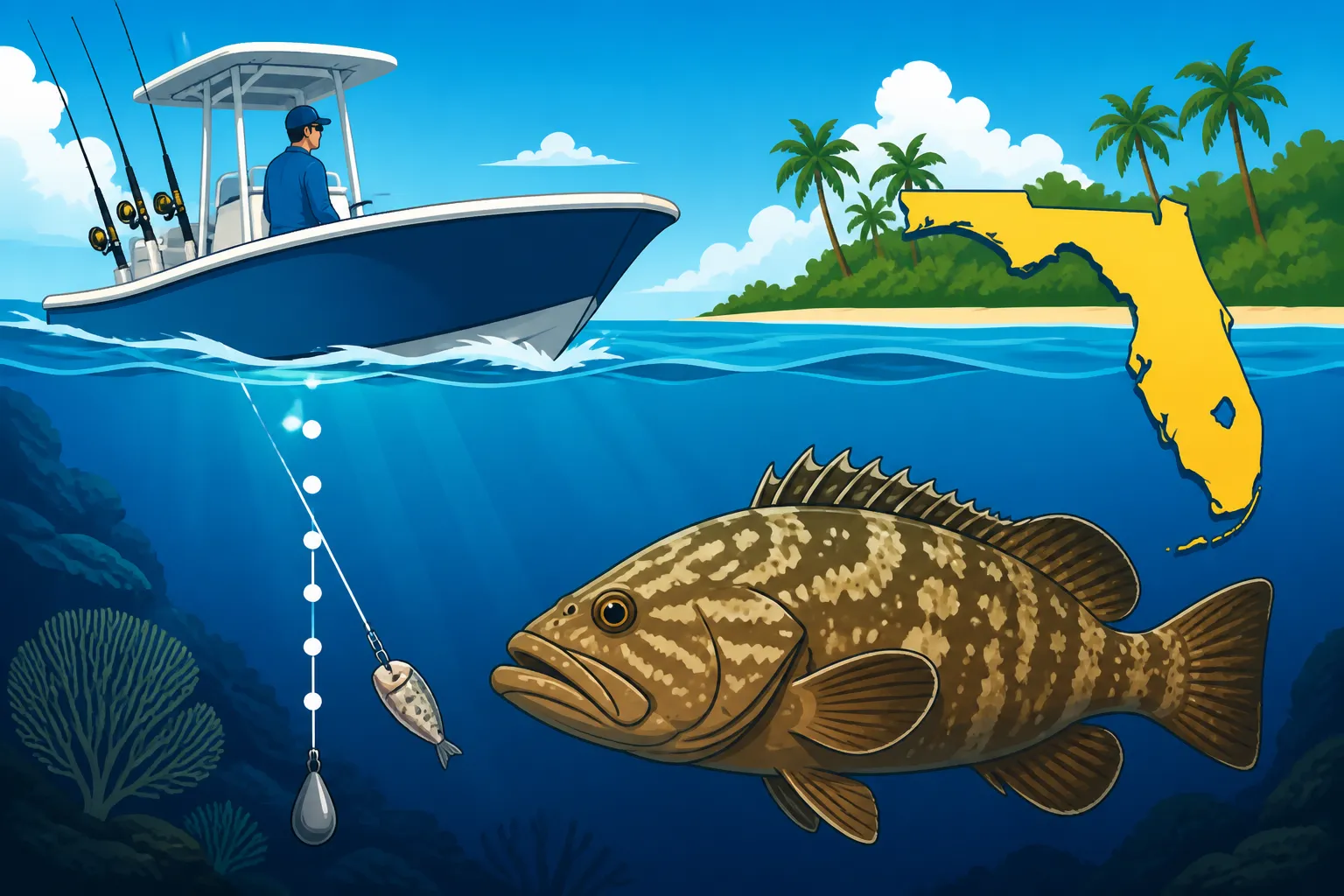
Gag grouper are incredibly adaptable, earning them the nickname "grey grouper" due to their ability to change coloration to blend with their surroundings. They exhibit a broader depth preference than red grouper, inhabiting everything from shallow nearshore reefs and rocky patches (especially during cooler months) to offshore structures in depths exceeding 200 feet. However, their sweet spot for consistent offshore action often falls between 80 and 180 feet. What makes gag grouper unique is their tendency to "gag" or ambush their prey from above, rocketing out of their hiding spots. This makes them responsive to both bottom fishing and slow-trolling diving lures over structure. During the cooler parts of the year, particularly in areas like the Big Bend region, it's not uncommon to find large gags in surprisingly shallow water, sometimes just 30-40 feet, making them a prime target during the open Florida Gag Grouper Season Dates when conditions are right.
Scamp and Black Grouper: Deep Water Dwellers
As you venture into deeper offshore waters, you start encountering species like scamp and black grouper. Scamp grouper, known for their elongated bodies and delicate white flesh, typically prefer depths from 100 to 400 feet, often concentrating around 150-300 feet. They are particularly fond of high-relief structures like ledges, wrecks, and coral mounds. Black grouper are true powerhouses of the deep, often found in similar depth ranges to scamp, usually 100-300 feet, but they tend to be more dominant around large, isolated structures. They are notorious for their brute strength and tendency to "reef" you, pulling your line into sharp rocks the moment they feel the hook. Targeting these deeper dwellers requires heavier tackle and a quick trigger finger to get them away from the structure. When gearing up, consider a robust conventional reel and a heavy-action rod, which you can find a wide selection of on retailers like Amazon.
Snowy, Warsaw, and Speckled Hind: The True Deep-Sea Giants
For those truly adventurous anglers looking to tackle the behemoths of the deep, species like snowy grouper, Warsaw grouper, and speckled hind await in the extreme depths. These fish are found in waters generally exceeding 300 feet, often plunging down to 600 feet or more.
- Snowy Grouper are commonly targeted in 300-600 feet, preferring rocky reefs and ledges in these colder, darker environments. They are beautiful fish with distinctive white spots.
- Warsaw Grouper are the titans of the grouper family, known to grow to immense sizes. They inhabit depths from 200 feet down to over 1000 feet, often found near deep-water wrecks, oil rigs, and rocky outcrops. Landing a Warsaw is a monumental task, requiring specialized deep-drop electric reels and incredibly strong tackle.
- Speckled Hind, while not reaching the colossal size of Warsaws, are still substantial fish found in similar deep-water environments, usually between 200 and 600 feet, associating with hard bottom and ledges.
Targeting these species demands specialized deep-dropping gear, heavy lead weights (often 5-10 pounds or more), and often multiple hooks to increase your chances. It's an entirely different ballgame than shallower grouper fishing, and often yields other deep-water species like Tilefish and barrelfish alongside your target grouper.
Here's a quick reference table for typical offshore grouper depths in Florida:
| Grouper Species | Typical Offshore Depth Range (Feet) | Preferred Habitat | Notes |
|---|---|---|---|
| Red Grouper | 60 – 150 | Rocky bottom, ledges, hard bottom | Most common; often in more accessible depths. |
| Gag Grouper | 80 – 180 (can be shallower/deeper) | Ledges, wrecks, rocky reefs, live bottom | Versatile; moves shallower in cooler months. |
| Black Grouper | 100 – 300 | Large isolated structures, reefs | Powerful fighter; tends to "reef" anglers. |
| Scamp Grouper | 150 – 300 | High-relief structure, wrecks, coral mounds | Elongated body; excellent table fare. |
| Snowy Grouper | 300 – 600 | Deep rocky reefs, ledges | Distinctive white spots; found in colder water. |
| Speckled Hind | 200 – 600 | Deep hard bottom, ledges | Good fighting fish; often a deep-drop bycatch. |
| Warsaw Grouper | 200 – 1000+ | Very deep wrecks, oil rigs, rock outcrops | True giants; requires specialized heavy tackle. |
Factors Influencing Grouper Depth and Location
While general depth ranges are a great starting point, grouper don't always adhere strictly to them. Several dynamic factors can influence exactly where they decide to hold.
Water Temperature and Thermoclines
Water temperature is a huge driver of fish behavior, and grouper are no exception. Most grouper species prefer a specific temperature range, and they will move to find it. In the summer, surface waters can become quite warm, pushing grouper into deeper, cooler thermoclines – distinct layers of water with different temperatures. Your fish finder can often help you identify these thermoclines, which sometimes appear as hazy or dense lines on the screen. Finding where the cooler water meets the structure can be a jackpot. Conversely, during winter cold snaps, grouper might move shallower to escape excessively cold offshore waters. This is why paying attention to sea surface temperature charts before your trip is vital. A sudden drop in temperature can send fish scrambling for warmer pockets, even if it means moving to depths you wouldn't typically expect.
Current, Tide, and Bait Presence
Grouper, like many predatory fish, position themselves strategically to ambush prey with the least amount of effort. This means they often face into the current, using it to their advantage to bring food directly to them. Understanding the prevailing currents offshore and how they interact with specific structures is key. Sometimes, grouper will be on the up-current side of a wreck, waiting for unsuspecting baitfish to drift by. Other times, they might be tucked into a protected eddy on the down-current side. The presence of baitfish is arguably the most critical factor. If there's no bait, there's usually no grouper. Use your sonar to look for schools of baitfish, often appearing as dense clouds or arches, especially if they are aggregated around structure. If you find bait and structure at the right depth, you're in business. Even a strong tide can influence where grouper hold, sometimes moving them slightly up or down a ledge to find the optimal feeding lane. Having the right bait, whether live or dead, is crucial for catching these fish. For tips on bait, check out our guide on Best Bait for Grouper Fishing in Florida.
Type and Size of Structure
Not all structure is created equal. While grouper will hide in any available cover, certain types and sizes of structure are more productive. Large, intricate wrecks with many holes and crevices can hold a huge number of fish. Natural rock ledges that drop off dramatically often create ideal ambush points. Artificial reefs, designed specifically to attract marine life, are also prime locations. The size of the structure matters too; a vast, sprawling reef system will likely hold more fish than an isolated, small rock pile, though that small rock pile can sometimes surprise you with a lunker if it's the only structure in an area. When evaluating structure, consider its vertical relief – how high it rises from the seafloor. Higher relief typically concentrates more fish. Additionally, keep in mind that some species might prefer specific types of structure. For instance, gag grouper often prefer more "open" ledges where they can dart out, while red grouper might be more tucked into rocky overhangs. Don't forget to check out our detailed guide on Florida Grouper Fishing Guide for more specific tips on finding these fantastic fish.
Strategies and Gear for Targeting Grouper at Specific Depths
Once you've identified potential grouper holding areas based on depth and structure, it's time to put your strategy into action.
Reading Your Sonar and Bottom Machine
Your fish finder is your most important tool for offshore grouper fishing. Learning to interpret what you see on the screen can make or break your trip.
- Identifying Structure: Look for irregularities on the bottom contour. Harder bottoms and structure will often appear as thicker, darker lines on your screen. Ledges will show a distinct change in depth. Wrecks or large rock piles will be unmistakable, often showing significant vertical relief.
- Locating Fish: Grouper will appear as distinct arches or blobs, usually tight to the bottom or right within the structure. Don't confuse them with baitfish, which often form large, dense schools. If you see big, solitary arches near promising structure, you've likely found a grouper.
- Understanding Bottom Composition: Some fish finders can help you determine if the bottom is hard (rock, coral) or soft (sand, mud). Grouper prefer hard bottom.
- Chirping Technology: Modern chirping sonar units, widely available from brands like Garmin or Furuno (and often found on Amazon), offer incredible detail and target separation, making it easier to distinguish individual fish from structure and bait. Take the time to learn your unit inside and out before you head offshore. The better you understand your electronics, the more successful you'll be.
Selecting the Right Tackle and Rigging
Choosing the correct tackle is paramount, especially when targeting larger grouper that pull hard and try to rock you.
- Rods and Reels: For most offshore grouper fishing in Florida (60-300 feet), you'll want heavy-duty conventional tackle. A stout 6'6" to 7' fast-action rod rated for 50-80 lb line is ideal. Pair this with a high-quality conventional reel that has a strong drag system and good line capacity. Many anglers prefer reels like the Penn Squall or Shimano TLD series for their reliability. For deep dropping beyond 300 feet, you'll need specialized deep-drop rods and potentially electric reels, as hand-cranking heavy weights and large fish from those depths is exhausting.
- Line: Spool your reel with 65-100 lb braided line. Braid offers superior sensitivity, minimal stretch, and a thinner diameter for its strength, allowing you to use less weight to get to the bottom. Always use a monofilament or fluorocarbon leader, typically 80-150 lb test, about 6-10 feet long, connected to your braid with a strong knot like an FG knot or a good quality swivel. The leader provides abrasion resistance against sharp rocks and grouper teeth.
- Terminal Tackle:
- Hooks: Use strong, sharp circle hooks. Sizes from 7/0 to 12/0 are common, depending on the bait size and target grouper species. Circle hooks are excellent for mouth-hooking fish, reducing gut hooks and making for safer release if required by Florida Fishing Regulations and Bag Limits.
- Weights: You'll need enough lead to get your bait to the bottom and keep it there against current. This can range from 8 ounces in shallower, slack current situations to several pounds in deeper water or strong current. A standard knocker rig or a paternoster rig are popular choices for bottom fishing.
- Swivels and Leaders: Heavy-duty barrel swivels (200 lb test) prevent line twist.
You can find a vast array of these specialized fishing components on Amazon, making it easy to assemble the perfect setup. For a more general overview, consider reading about Best Rod and Reel Setup for Florida Offshore Fishing.
Effective Bait and Lure Presentations
Getting your bait or lure down to the grouper's strike zone and presenting it naturally is key.
- Live Bait: For red, gag, and black grouper in shallower to mid-depths (60-200 feet), live bait is often king. Pinfish, grunts, cigar minnows, pilchards, and squid are all excellent choices. Hook them through the nose or back, allowing them to swim naturally near the bottom. The struggling bait will often attract the attention of hungry grouper hiding in the structure.
- Dead Bait: Large chunks of cut bait, whole squid, or even whole dead baitfish like mullet or threadfin herring can be incredibly effective, especially for red grouper. The scent trail from dead bait can draw grouper out of their hiding spots. For deep dropping, squid, bonita strips, or even whole small tuna are commonly used.
- Jigging: Heavy vertical jigs can be deadly for grouper, particularly gag and black grouper. Drop the jig to the bottom, then aggressively retrieve it with a series of jerks and pauses. Grouper often strike on the fall or when the jig is paused near structure. This is an active way to fish and can be very rewarding. More on this technique can be found in Jigging Technique for Grouper.
- Slow Trolling: For gag grouper in particular, slow-trolling large diving lures (like Rapala X-Raps Magnum or Nomad Design lures) over rocky bottom and ledges in 30-80 feet can be incredibly effective, especially when they are shallower. These lures dive to specific depths, allowing you to cover ground and find actively feeding fish.
Remember, whether using live bait, dead bait, or lures, the goal is to present it as close to the structure as possible without getting hung up. That's where the grouper are, waiting to ambush.
Disclaimer
This article is for general informational purposes only and does not constitute professional advice. Laws, prices and regulations vary by location and change over time. Consult a qualified professional for guidance on your specific situation.