How to Fish an Incoming Tide
Ever found yourself staring at a seemingly lifeless stretch of water, wondering why the fish aren't biting, only to realize the tide isn't quite right? It’s a common frustration for anglers in Florida, where tidal movements dictate so much of the fishing action. This guide will walk you through exactly how to approach and successfully fish an incoming tide, turning those slow days into productive ones.
Understanding the Power of an Incoming Tide
For many Florida anglers, especially those targeting inshore species, an incoming tide is often considered the holy grail. It’s not just a change in water level; it's a fundamental shift in the entire aquatic ecosystem, and understanding why fish respond to it is key to making the most of your time on the water.
Why Fish Love the Inflow
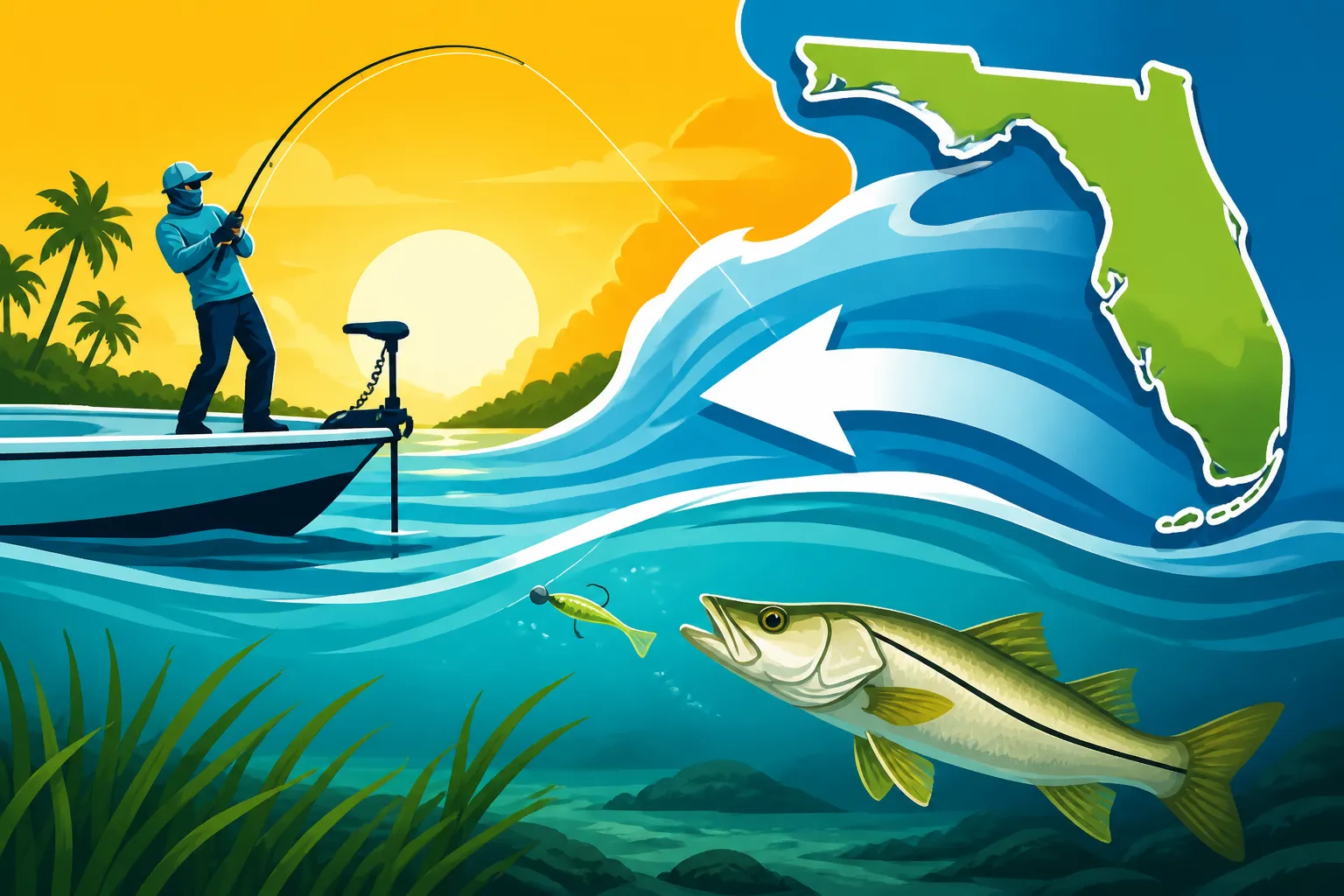
Think of an incoming tide like ringing the dinner bell for many predatory fish. As the tide pushes in from the ocean or larger bodies of water, it brings with it a surge of cooler, cleaner, and often more oxygenated water. This fresh influx invigorates the entire environment, signaling to baitfish and crustaceans that it's time to move. These smaller creatures get disoriented or swept along with the current, making them easy targets. For species like snook, redfish, and trout, this is an irresistible invitation to feed. They instinctively position themselves to ambush prey as it’s carried past, expending less energy for a greater reward.
Moreover, the incoming water often brings with it increased salinity levels, particularly in brackish areas or river mouths. This can draw in more transient species from offshore, or simply make the existing residents more active. It’s a fresh start to the feeding cycle, washing away any stagnant conditions and setting the stage for an active bite.
Reading Your Tide Chart Like a Pro
Before you even think about casting a line, getting intimate with your tide chart is non-negotiable. Knowing exactly when the tide will begin to push in and when it will reach its peak (high tide) allows you to plan your trip effectively. You want to arrive at your chosen spot before the tide truly starts to run, giving you time to set up and observe. A typical tide cycle involves two high and two low tides within a 24-hour period, though this can vary based on location and moon phase.
Modern tide charts, often found through local bait shops, online resources, or even dedicated fishing apps, provide precise timings for your specific area. Don't just look at the high tide time; pay attention to the rate of change. A strong incoming tide that moves a lot of water quickly can be fantastic for aggressive feeders, while a slower, gentler push might be better for more cautious fish in clearer water. Learning to interpret these nuances will elevate your angling game significantly. Many anglers swear by the "last two hours of incoming" and the "first two hours of outgoing" as prime times, but the entire incoming phase is worth exploring if you know where to look. For a deeper dive, check out our guide on How to Read a Tide Chart for Fishing.
Prime Locations to Target During an Incoming Tide
The beauty of an incoming tide in Florida is how it transforms various habitats, creating new opportunities for anglers. Different areas react uniquely to the rising water, and knowing where to focus your efforts can make all the difference.
Mangrove Edges and Oyster Bars
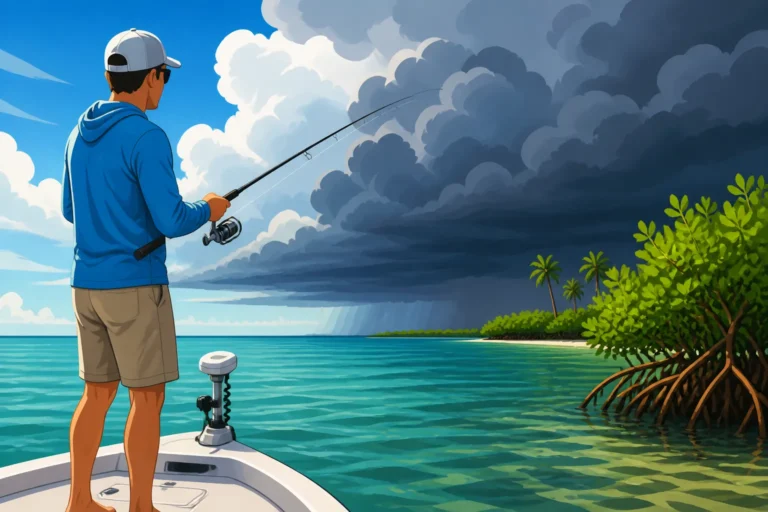
As the tide starts to creep in, these areas become magnets for baitfish and shrimp seeking shelter and food. Mangroves provide an intricate network of roots that offer cover, while oyster bars are teeming with small organisms. Predatory fish like snook and redfish will push into these zones with the rising water, ambushing anything that ventures too close. Position your boat or cast from shore, targeting the shaded pockets, current breaks, and the edges where the water first starts to lap at the structure.
When fishing mangroves, cast as deep into the root system as you dare, but be ready for a fight – these fish will often try to run back into the tangle. For oyster bars, remember they can be sharp, so abrasion-resistant leader is a good idea. The key here is to anticipate where the bait will go and where the predators will intercept them. Look for signs of life, like nervous baitfish skipping on the surface or subtle movements under the roots.
Grass Flats and Channels
Florida's expansive grass flats truly come alive on an incoming tide. The rising water covers the shallowest parts of these flats, allowing fish to move freely and forage for crabs, shrimp, and small fish that were previously out of reach. Species like spotted seatrout and redfish are particularly fond of cruising the edges and potholes of these flats. As the water fills in, look for depressions, prop scars, or sandy patches within the grass—these are often ambush points.
Adjacent channels, especially those with good current flow, also become highways for fish moving onto and off the flats. Targeting the mouths of these channels or any choke points where the current speeds up can be incredibly productive. You might find a mix of species here, from the usual inshore suspects to occasional larger predators following the bait. For those who love sight fishing, this is a prime time to pole stealthily across the flats, looking for tails and wakes. You can read more about Best Spots for Kayak Fishing Near Tampa for some ideas on specific flats fishing locations.
Inlets, Passes, and Bridges
These natural bottlenecks are phenomenal spots when the tide is rushing in, acting like a funnel for bait and predators alike. The concentrated flow creates strong currents that bring a continuous buffet for resident and transient fish. Snook, tarpon, redfish, and various species of snapper and grouper can be found staging in these areas.
When fishing an inlet or pass, look for eddies, current seams, and submerged structures like rock piles, jetties, or bridge pilings. Fish will often hold just out of the main current, waiting for an easy meal to be swept past. Casting up-current and allowing your bait or lure to drift naturally with the flow into these ambush points is a highly effective strategy. For bridges, the pilings themselves create excellent current breaks and provide structure where fish can hide. Cast parallel to the pilings or pitch your offerings into the shadow lines. Just be mindful of boat traffic, especially in popular spots. These areas are so good that they often feature on lists like Best Bridges for Shore Fishing in Florida.
Essential Techniques and Baits for Incoming Tide Fishing
An incoming tide offers a smorgasbord of feeding opportunities, but you need the right tools and tactics to capitalize on it. Matching your approach to the conditions and the target species will significantly increase your success rate.
Live Bait Presentations
When the current is running strong, nothing beats live bait. Natural movement and scent are incredibly effective at drawing strikes from active fish. Common baits like live shrimp, pilchards, mullet, and pinfish are all excellent choices for various Florida species.
- Shrimp: Rigged on a jig head or under a popping cork, live shrimp are irresistible to almost anything inshore, including trout, redfish, and snook. They drift naturally with the current, mimicking an easy meal.
- Pilchards/Sardines: These baitfish are phenomenal. Hook them through the nose or back, allowing them to swim freely. They're prime for snook, redfish, and even juvenile tarpon. When buying bait or stocking up for a trip, remember that retailers like Amazon offer a wide array of cast nets and bait buckets that can help you secure fresh live bait.
- Pinfish/Mullet: Larger baits are great for larger predators. Pinfish are tough and active, while finger mullet are a favorite of many game fish. Freeline them or use a small split shot to get them down in the current.
The key to live bait presentation on an incoming tide is to make it look as natural as possible. Don't fight the current; work with it. Cast up-current and let your bait drift back into likely holding areas. This passive presentation can be incredibly deadly.
Artificial Lure Strategies
While live bait is often king, artificial lures can be just as, if not more, effective if worked correctly. They allow for covering more water, and when fish are aggressively feeding, they'll strike a well-presented lure with ferocity.
- Jigs: Soft plastic paddle tail or jerk baits on a jig head are workhorses for an incoming tide. The weight of the jig head helps you get down in the current, and you can mimic a wounded baitfish with a simple lift-and-drop retrieve. Colors like white, chartreuse, and natural baitfish patterns are always good starting points.
- Plugs/Hard Baits: Suspending or slow-sinking twitchbaits are fantastic for working grass flat edges or around structure. They imitate larger baitfish and can be paused in the current to tempt hesitant fish. Topwater plugs are also exciting when fish are actively busting bait on the surface, especially during low light conditions or when the tide just starts to turn.
- Spoons: Gold or silver spoons cast far and have an irresistible wobble that mimics a fleeing baitfish. They're excellent for covering vast flats or when targeting schooling fish.
When using artificials on an incoming tide, pay attention to current speed. You might need heavier jig heads or lures with a better hydrodynamic profile to get them to the strike zone without being swept away too quickly. A slower retrieve often works best, letting the current do some of the work, but don't be afraid to add aggressive twitches or jerks to elicit a reaction strike. Understanding Florida Inshore Fishing Techniques can give you a broader perspective on these strategies.
Reading the Signs: Maximizing Your Incoming Tide Success
Fishing is often about more than just casting a line; it's about observation, deduction, and adapting to the subtle cues the environment provides. An incoming tide is a dynamic period, and learning to read the signs will significantly boost your chances of success.
Spotting Active Feeding Signs
The most obvious sign that fish are active on an incoming tide is seeing them! Look for splashes, boils, or baitfish scattering on the surface. These are tell-tale indicators that predators are in the area and actively feeding.
- Baitfish Activity: Schools of mullet jumping, pilchards dimpling the surface, or shrimp "popping" are all great signs. Where there's bait, there are usually predators. Focus your efforts around these concentrations of food.
- Bird Activity: Diving pelicans, terns, or gulls can be like giant neon signs pointing to feeding fish. They're usually targeting the same baitfish that game fish are chasing, especially when the bait is pushed to the surface.
- Wakes and Pushes: In shallow water, look for subtle wakes or "pushes" of water that indicate a larger fish moving. Redfish often create a distinctive "tailing" motion as they root around in the grass or mud, their tails breaking the surface. Snook might create a larger, faster wake as they cruise the edges.
These visual cues are your best friends. Approach these areas stealthily and make your first cast count. Often, the fish are keyed into the commotion, so a well-placed bait or lure can draw an immediate strike. Remember, the fish are often moving with the tide, so be ready to move with them.
Water Clarity and Current Flow
The clarity of the water and the strength of the current are two critical factors that influence fish behavior and your choice of tackle.
- Water Clarity: An incoming tide often brings clearer water, especially from the ocean. In clear water, fish tend to be more wary. You might need lighter leaders, smaller baits, and more natural lure colors. Conversely, if the incoming tide stirs up sediment, creating murky water, fish might rely more on scent and vibration. This is when larger, brighter lures, or strong-smelling live baits, can shine. You might also want to beef up your leader since fish are less likely to see it.
- Current Flow: The speed of the current dictates how fish position themselves and how you need to present your offerings. In strong currents, fish will tuck into eddies and current breaks, conserving energy. You'll need weighted baits or lures that can get down quickly and stay in the strike zone. For example, if you're fishing for tarpon in a pass, a heavy jig or a free-lined mullet might be necessary to reach them. On the other hand, a slow, gentle incoming current over a vast flat might call for a lighter presentation, like a weedless soft plastic or a lightly weighted live shrimp, to avoid spooking fish.
Understanding these variables will allow you to adapt on the fly, making minor adjustments to your rig, retrieve speed, or even your casting angle to maximize your chances. Don't be afraid to experiment! Sometimes, the smallest change can make the biggest difference. Knowing What Tide Is Best for Snook Fishing often comes down to these subtle observations.
The Optimal Approach to an Incoming Tide
Successfully fishing an incoming tide isn't just about understanding the tide itself, but also how you, as an angler, position yourself and apply your knowledge. It’s about strategy, patience, and a bit of local wisdom.
Positioning Yourself for Success
Your position relative to the incoming current is paramount. You want to be in a spot that gives you the best advantage to present your bait or lure naturally and intercept feeding fish.
- Up-Current or Down-Current? Generally, it's best to position yourself up-current from where you expect the fish to be. This allows you to cast your bait or lure and let it drift naturally with the current, imitating a struggling baitfish being carried along. Fish are typically facing into the current, waiting for food, so a natural drift is less likely to spook them and more likely to trigger a strike.
- Understanding Current Breaks: Look for any structure that breaks the current – bridge pilings, submerged rocks, oyster bars, or even points of land. Fish will often sit just behind these breaks, out of the main flow, expending minimal energy while waiting for food to pass. These are prime ambush points. Casting to the up-current side of these breaks and letting your offering sweep past them is a highly effective tactic.
- Stealth is Key: Especially in shallower waters like grass flats or mangrove edges, stealth cannot be overstated. Poling your boat, using a trolling motor on a low setting, or making long, accurate casts from a distance will prevent you from spooking fish. Loud noises, sudden movements, or a heavy-footed approach will send fish scattering faster than you can say "fish on!" For more tips on species-specific tactics, our Florida Redfish Fishing Guide or Florida Snook Fishing Guide can provide even more specialized advice.
Timing Your Casts and Retrieves
Even with the perfect spot, your cast and retrieve technique must be dialed in for the incoming tide.
- Anticipate the Drift: When casting up-current, anticipate how the current will carry your bait or lure. Aim your cast far enough up so that your offering reaches the strike zone at the desired depth as it passes by your target. This takes practice but becomes intuitive over time.
- Matching the Hatch (and the Flow): Whether you're using live bait or artificials, try to match the speed of the current. If your lure is zipping by unnaturally fast, fish might ignore it. If it's just sitting there, it might not look alive. A slow, steady retrieve that allows the current to impart some natural action is often the most effective. For live bait, simply letting it drift on a free line or with minimal weight is ideal.
- The "Slack" in the Tide: Pay close attention to the period around the actual high tide, often referred to as "slack high tide." During this brief window, the water movement slows significantly before turning to outgoing. While some anglers find this period tough, others can capitalize on it by using different techniques. Fish might move out of the heavy current breaks and spread out, making them harder to find but potentially less pressured. This is often a good time to slow down your retrieve even further or try a more subtle presentation. As the tide truly turns and starts moving out, a whole new set of opportunities arises, which is another article entirely!
Fishing an incoming tide in Florida is one of the most exciting and productive experiences an angler can have. By understanding the dynamics of the water, choosing the right locations, employing effective techniques and baits, and keenly observing the signs around you, you’ll be well on your way to consistent success. Get out there, plan your attack, and enjoy the incredible fishing Florida has to offer!
Disclaimer
This article is for general informational purposes only and does not constitute professional advice. Laws, prices and regulations vary by location and change over time. Consult a qualified professional for guidance on your specific situation.