Kayak Fishing Technique for Inshore Species
There's nothing quite like the freedom and intimacy of exploring Florida's incredible inshore waters from a kayak, but it can feel a bit daunting at first to figure out the right techniques and gear. Many anglers get frustrated trying to adapt their boat-fishing strategies to a smaller, quieter vessel. This comprehensive guide is designed to cut through that confusion, helping you master the art of kayak fishing for those prized inshore species like snook, redfish, and spotted seatrout, ensuring your next paddle isn't just a workout, but a successful fishing adventure.
Why Kayak Fishing Is a Game-Changer for Inshore Florida Anglers
Florida's inshore fisheries are a labyrinth of shallow grass flats, winding mangrove tunnels, oyster bars, and hidden creeks. These are the nurseries and hunting grounds for some of the most sought-after game fish, and traditional powerboats often struggle to access them without spooking fish or running aground. This is precisely where kayak fishing shines, offering unparalleled advantages that elevate your angling experience.
The Stealth Advantage on Shallow Flats
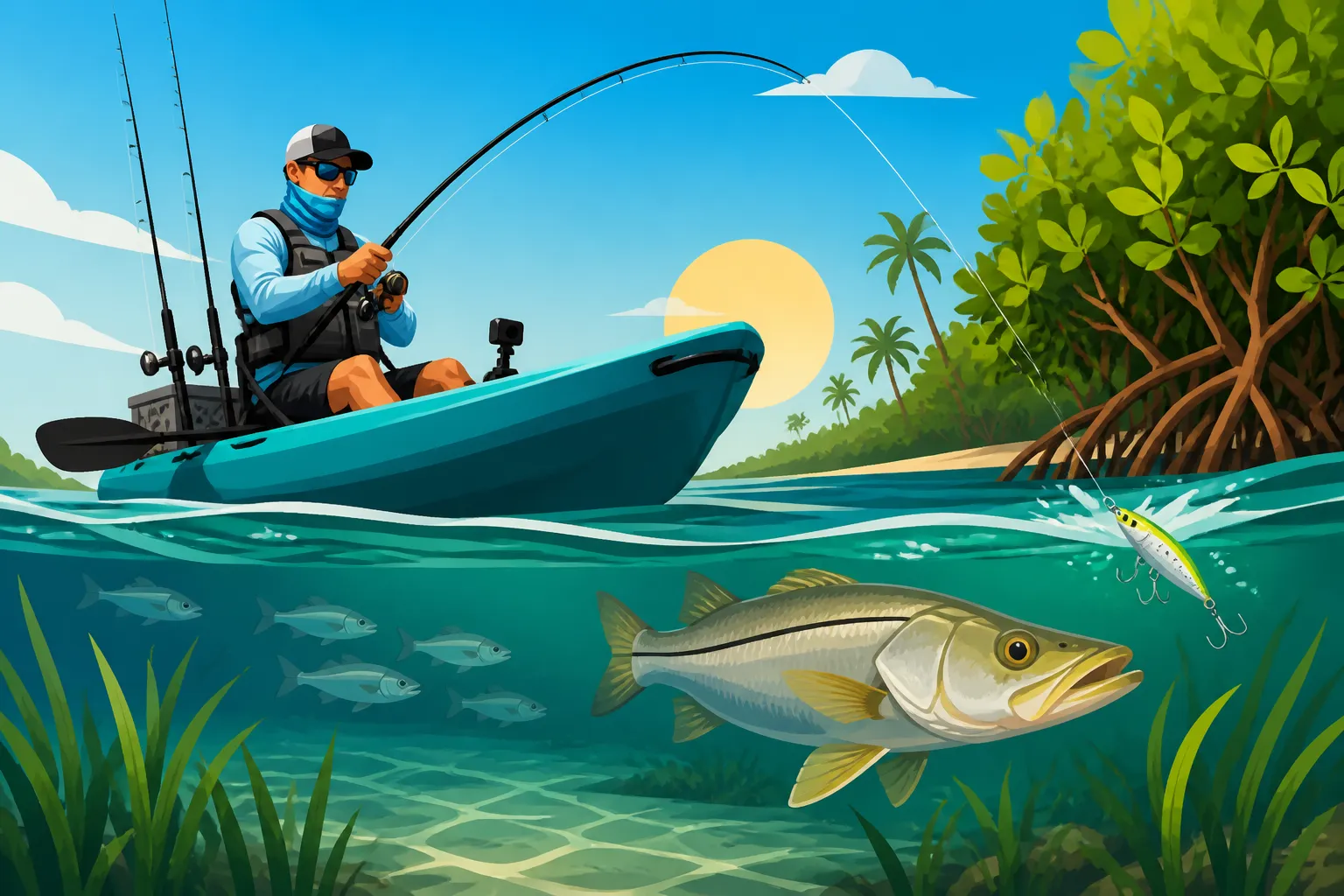
Imagine gliding silently across a mirror-calm flat at dawn, the only sound being the gentle dip of your paddle or the quiet whir of your pedal drive. This stealth is the ultimate weapon in kayak fishing. Unlike a loud outboard motor, a kayak allows you to approach wary fish, especially on extremely shallow grass flats or around mangroves, without sending them scattering. Fish, particularly big redfish tailing in inches of water or a snook tucked deep into mangrove roots, are incredibly sensitive to noise and vibration. A kayak minimizes this disturbance, giving you a crucial edge. You can often get within prime casting distance of fish that would bolt at the mere rumble of a prop, turning what would be a missed opportunity into a memorable hook-up. This quiet approach also lets you observe fish behavior more naturally, helping you refine your presentation and understand their movements.
Accessing Untouched Waters
One of the biggest frustrations for many anglers is seeing productive-looking water just out of reach, blocked by oyster beds, shallow mud, or dense vegetation. Kayaks, with their minimal draft and robust construction, can get into these places that larger boats simply can't. Think about those skinny water pockets tucked behind an island, the narrow cuts through a dense mangrove forest, or the back sides of remote oyster reefs. These are often untouched havens where larger, less pressured fish reside. The ability to navigate through incredibly shallow water, often just a few inches deep, means you'll discover new honey holes away from the crowds. This expanded access not only increases your chances of finding fish but also provides a sense of exploration and adventure that's hard to replicate from a larger vessel. Exploring a new creek mouth that's only accessible by kayak, for instance, can lead to incredible finds and a deeper connection with the ecosystem.
The Physical and Mental Benefits
Beyond the pure fishing advantages, kayak fishing offers a wealth of physical and mental benefits. It's a fantastic low-impact workout, engaging your core, arms, and shoulders as you paddle, pedal, and maneuver. Spending hours on the water, surrounded by Florida's natural beauty, is a profound stress reliever. The rhythmic motion of paddling, the quiet observation of wildlife, and the focused concentration of fishing all contribute to a meditative experience. It forces you to slow down, be present, and truly connect with your surroundings. Many kayakers describe it as an almost spiritual experience, a primal hunt combined with serene nature immersion. It’s also incredibly rewarding to know that your success is a direct result of your own effort and skill, from paddling to stalking to landing the fish. This self-reliance fosters a deep sense of accomplishment that powerboating, while fun, often can't quite match.
Essential Gear for Florida Inshore Kayak Fishing
Stepping into the world of kayak fishing means thinking a little differently about your gear. Space is at a premium, stability is key, and everything you bring needs to serve a purpose. Having the right setup can make or break your trip, especially when you're battling a strong fish or navigating challenging conditions.
Kayak Types and Features for Stability and Storage
Choosing the right kayak is arguably the most critical decision. For inshore fishing in Florida, you'll generally be looking at "sit-on-top" kayaks, which offer greater stability, easier re-entry if you capsize, and more open deck space for gear.
- Recreational Kayaks: While affordable and easy to paddle, many lack the stability and features needed for serious fishing. They might be okay for a quick trip to a nearby pond, but for maneuvering in current or standing to cast, you'll want something more purpose-built.
- Dedicated Fishing Kayaks: These are designed with anglers in mind. They often feature wider hulls for enhanced stability, allowing you to stand and cast more easily. Look for models with integrated rod holders, gear tracks for mounting accessories, and ample storage (both wet and dry) for tackle boxes, coolers, and safety equipment. Many of these also come with rudder systems for better tracking in wind or current. Brands like Old Town, Hobie, and Native Watercraft are popular choices, often available through specialty retailers and sometimes even on platforms like Amazon.
- Pedal-Drive Kayaks: These are a game-changer for many. Instead of paddling, you use your legs to propel the kayak, freeing up your hands for fishing. This is incredibly advantageous when sight fishing, allowing you to maintain position or slowly troll a lure while actively casting. The trade-off is often a higher price point and increased weight.
- Paddle-Only Kayaks: More traditional, these require constant use of a paddle for propulsion. They are generally lighter and less expensive than pedal drives. They offer a simpler, often more rugged experience, but you'll need to develop good paddle skills to manage your kayak while casting.
When choosing, consider stability first. Can you comfortably stand and cast? Next, storage. Where will your rods, tackle, cooler, and safety gear go? Finally, propulsion. Do you prefer hands-free fishing with a pedal drive, or the simplicity and lower cost of a paddle kayak? Don't forget a comfortable seat – you'll be spending hours in it!
Rods, Reels, and Line Selection
Your fishing tackle needs to be appropriate for the species you're targeting and the confined space of a kayak. You don't want a broomstick of a rod when you're trying to cast accurately into mangrove roots, nor do you want something too flimsy for a bull redfish.
- Rods: For inshore Florida species, medium to medium-heavy spinning rods, typically 7' to 7'6" in length, are excellent all-rounders. This length provides good casting distance from a seated position and enough leverage to fight fish without being overly cumbersome in a kayak. You want a fast action tip for sensitivity and solid backbone for fighting power. Carbon fiber construction offers a good balance of strength and lightness, which is important when you're handling the rod all day.
- Reels: Pair your rod with a reliable spinning reel in the 2500-4000 series size. Look for reels with smooth drags, good corrosion resistance (especially for saltwater), and a decent line capacity. Brands like Shimano, Penn, and Daiwa are well-regarded and offer models suitable for the saltwater environment.
- Line: Braided line is king for inshore kayak fishing. Its thin diameter, high strength-to-weight ratio, and lack of stretch offer superior casting distance and sensitivity. For most inshore applications, 10-20 lb test braided line is sufficient. A heavier leader, typically 20-40 lb fluorocarbon, is essential for abrasion resistance against oyster shells, mangrove roots, and fish teeth, and to provide some shock absorption. Learn to tie strong knots like the FG or uni-to-uni knot to connect your braid to your leader.
Safety Gear and Accessories
Safety should always be your top priority on the water. Kayaks are small vessels, and conditions can change quickly in Florida.
- Personal Flotation Device (PFD): This is non-negotiable. Wear it. Don't just have it in the kayak. Modern fishing PFDs are comfortable, lightweight, and often have pockets for gear, so there's no excuse not to wear one.
- Paddle (even with a pedal drive): A spare paddle is crucial. You never know when your pedal drive might jam or you need a quick burst of propulsion.
- Anchor System: A small, collapsible grappling anchor or a stick anchor (also called a stakeout pole) is incredibly useful for holding position in current, wind, or over a productive spot. You can find lightweight options on Amazon that are perfect for kayaks.
- VHF Radio or Cell Phone: For emergencies, especially if you're venturing far from shore or into less populated areas. Ensure your phone is in a waterproof case.
- Whistle and Lights: Required by law, a whistle is for signaling, and a 360-degree white light is necessary for low-light or night fishing.
- First-Aid Kit: Small, waterproof, and stocked with essentials for minor cuts, scrapes, and hook injuries.
- Sun Protection: Florida sun is intense. Wide-brimmed hat, polarized sunglasses, long-sleeved UPF apparel, and sunscreen are absolute musts.
- Fishing Pliers and Lip Grippers: Essential for safely handling fish and removing hooks, especially when practicing Catch and Release Best Practices for Snook.
- Dry Bag: To keep your phone, wallet, keys, and other valuables absolutely dry.
- Cooler/Livewell: For keeping drinks, snacks, or your catch fresh. Many fishing kayaks have dedicated spaces for small coolers or even integrate livewells.
Here's a quick checklist of essential kayak fishing gear:
| Category | Item | Notes |
|---|---|---|
| Kayak & Propulsion | Fishing Kayak (Sit-on-top) | Pedal-drive or paddle-only, based on preference & budget. |
| Paddle | Essential, even with pedal drive. Consider a spare. | |
| PFD (Personal Flotation Device) | Wear it! | |
| Rods & Reels | Medium-Heavy Spinning Rod (7'-7'6") | Good for casting distance & fighting power. |
| 2500-4000 Series Spinning Reel | Smooth drag, corrosion resistant. | |
| Line & Leaders | 10-20 lb Braided Line | High sensitivity, strong, thin diameter. |
| 20-40 lb Fluorocarbon Leader | Abrasion resistance, stealth. | |
| Safety & Navigation | Anchor (grappling or stick) | For holding position. |
| VHF Radio / Waterproof Cell Phone | Emergency communication. | |
| Whistle | Signaling. | |
| 360-Degree White Light (for low light) | Required by law. | |
| First-Aid Kit | For minor injuries. | |
| Comfort & Protection | Wide-Brimmed Hat | Sun protection. |
| Polarized Sunglasses | Spotting fish, eye protection. | |
| UPF Sun Apparel | Long sleeves, long pants. | |
| Sunscreen | Apply liberally and often. | |
| Tools & Storage | Fishing Pliers | Hook removal, cutting line. |
| Lip Grippers | Safely handling fish. | |
| Dry Bag | Protecting electronics & valuables. | |
| Cooler / Livewell | Hydration, food, keeping catch fresh. | |
| Tackle Box/Bag | Organized storage for lures, hooks, weights. |
Mastering Kayak Fishing Techniques for Florida's Inshore Species
The real magic of kayak fishing in Florida's inshore waters lies in adapting your approach to leverage the kayak's unique advantages. It's not just about fishing from a kayak; it's about fishing with the kayak as an integral part of your strategy.
Paddle, Peddle, or Pole: Approaching Your Target
How you move your kayak, and how you stop it, is crucial for success, especially in clear, shallow water. The goal is always stealth and control.
- Paddling with Purpose: If you're in a paddle kayak, every stroke matters. Use short, efficient strokes to minimize splash and noise. Learn to steer with subtle rudder adjustments or by feathering your paddle. When approaching a potential fishing spot, try to maintain a low profile and avoid sudden movements that could spook fish. A silent approach can be the difference between casting to an oblivious redfish and watching a wake disappear into the distance. It’s also important to understand how to paddle efficiently into a headwind or current, which is where learning Florida Inshore Fishing Techniques really comes in handy.
- Pedal Power for Hands-Free Angling: This is where pedal-drive kayaks truly shine. Being able to move forward, backward, or hold your position using your legs frees up both hands for casting, reeling, and managing your tackle. This is incredibly valuable for sight fishing, allowing you to subtly adjust your position as you stalk a fish or to keep tension on your line if a fish runs parallel to your kayak. You can maintain a slower, more controlled drift, or even "backpedal" to keep a hooked fish in open water away from structure.
- Poling the Flats: For ultimate stealth in very shallow water, a push pole is your best friend. Instead of paddling or pedaling, you silently pole your kayak across the flats, mimicking the movement of a native wading bird or a subtle piece of debris. This is perfect for sneaking up on tailing redfish or cruising snook in inches of water, as covered in topics like How to Approach Fish Without Spooking Them. A good push pole is typically 10-15 feet long, made of fiberglass or carbon fiber, and allows you to move with almost zero disturbance. This technique is often seen as the purest form of shallow water stalking.
Effective Casting and Presentation from a Kayak
Casting from a kayak presents its own set of challenges, primarily due to the lower vantage point and often less stable platform compared to a larger boat. However, with practice, you can become incredibly accurate and efficient.
- Low Angle, Accurate Casts: You'll generally be casting from a seated or kneeling position, which requires a lower casting trajectory. Practice sidearm casts and roll casts to keep your lure low and avoid snagging overhead mangroves or spooking fish with a high-arching line. Accuracy is more important than distance in many inshore scenarios. Focus on hitting the edges of oyster bars, tight into mangrove pockets, or just ahead of cruising fish.
- Managing Your Line: Wind and current are amplified in a kayak. Be mindful of how your line drifts. After a cast, quickly pick up any slack to maintain contact with your lure. Position your kayak so you can cast with the wind (if possible) or across the current to help with presentation. You'll often need to make small adjustments to your kayak's position with your paddle or pedal drive while retrieving, especially when fishing current breaks or around structure.
- Lure Selection and Presentation: Keep your tackle simple but versatile. Soft plastic jerkbaits rigged weedless are excellent for working around mangroves and grass. Topwater lures are exhilarating for snook and redfish in low light. Jigs with grub tails or shrimp imitations are effective all-rounders for Florida Spotted Seatrout Fishing Guide and other species. Live bait, like shrimp or small pilchards, can be deadly when fished under a popping cork or free-lined. Remember to match your retrieve to the conditions and the fish's mood – sometimes a slow, subtle twitch is all it takes, other times a fast, erratic retrieve triggers a strike.
Targeting Specific Inshore Species
Florida's inshore waters are a treasure trove of exciting species, each requiring slightly different approaches.
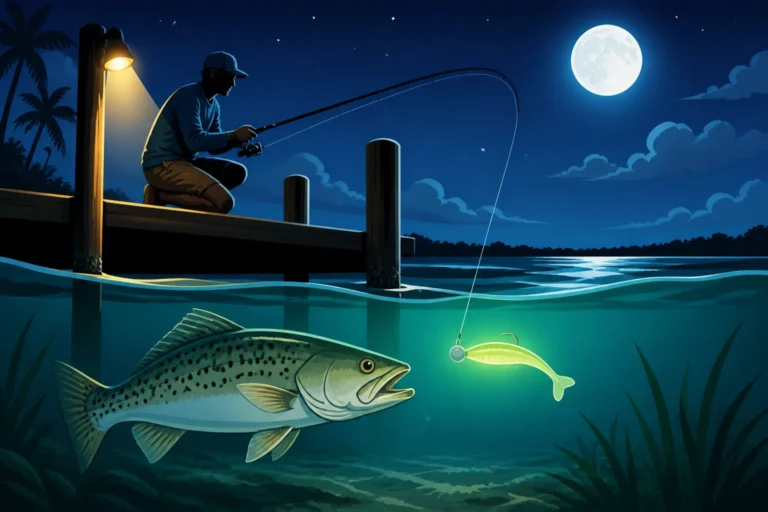
- Snook: These powerful ambush predators love structure. Target mangrove shorelines, docks, bridge pilings, and any current-swept choke points. Cast tight to the structure, letting your lure or bait drift naturally. Early mornings and late evenings, or even night fishing under dock lights, are prime times. A common technique is to cast a soft plastic or a live pilchard parallel to a mangrove line and work it out. Florida Snook Fishing Guide offers more specific insights.
- Redfish: Known for their distinctive tailing behavior in shallow water, redfish are often found on grass flats, around oyster bars, and in shallow creeks. Look for subtle signs like disturbed water, mud plumes, or actual tails breaking the surface. Cast accurately well ahead of the fish, allowing your lure or bait to settle before twitching it. They are less spooky than snook but still require a stealthy approach. Gold spoons, soft plastic jerkbaits, and live shrimp are all excellent choices. For more on these, check out Florida Redfish Fishing Guide.
- Spotted Seatrout: Trout are often found over expansive grass flats, near potholes, and around oyster beds. They are typically less structure-oriented than snook but will use subtle bottom features to ambush bait. Popping corks with live shrimp or soft plastics are incredibly effective, as are suspending twitchbaits. Drift silently across the flats, making long casts and covering ground. Trout are often caught in good numbers, making for a fun day on the water, and you can learn more about them in Florida Spotted Seatrout Fishing Guide.
- Other Inshore Species: Don't be surprised to encounter flounder, black drum, pompano, and even juvenile tarpon in the same inshore environments. A versatile approach with general inshore baits and lures will often yield a diverse catch. Always be aware of Florida Fishing Regulations and Bag Limits for all species you might encounter.
Planning Your Kayak Fishing Trip in Florida's Inshore Waters
A successful kayak fishing trip isn't just about the gear and the technique; it's heavily influenced by careful planning. Understanding the environment and preparing for it will maximize your enjoyment and safety.
Reading Tides, Currents, and Weather
Florida's inshore fisheries are profoundly influenced by tidal movements and weather patterns. Ignoring them is a recipe for frustration.
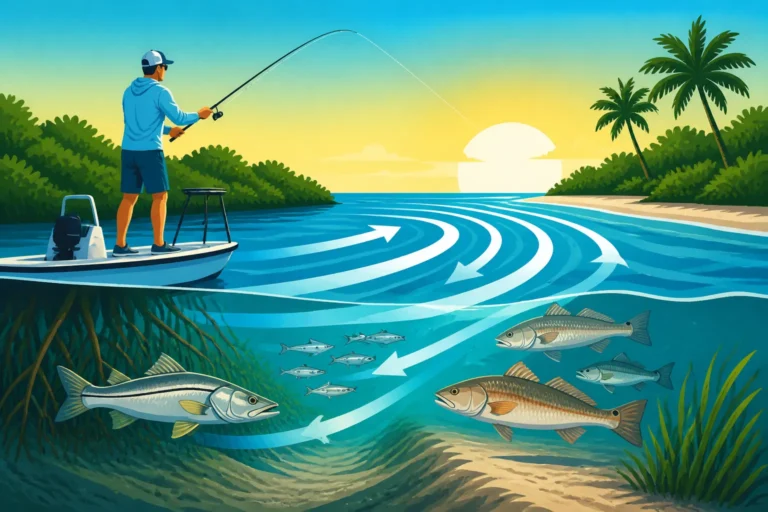
- Tides and Currents: For most inshore species, moving water is crucial. An incoming or outgoing tide concentrates baitfish and triggers feeding frenzies. Learn to read tide charts for your specific area. Strong outgoing tides can create excellent ambush points at creek mouths and passes as bait is flushed out. Incoming tides push clean water and bait onto the flats. Slack tide, with little to no water movement, is often the slowest fishing, as discussed in How to Read a Tide Chart for Fishing. Always factor in how the current will affect your kayak's drift and your casting ability. You'll find specific details on this in Best Tides for Inshore Fishing in Florida.
- Wind: Wind is a kayak angler's nemesis and friend. A strong headwind can make paddling exhausting, but a gentle breeze can create a perfect drift over a productive flat. Always check the wind forecast. Try to plan your route to utilize the wind for a controlled drift rather than fighting against it. If winds are too high (15+ mph), consider rescheduling or fishing a more protected area, like a mangrove-lined canal or a sheltered cove.
- Weather Patterns: Florida weather can be unpredictable, especially during the summer with its afternoon thunderstorms. Always check the radar and forecast before heading out. Keep an eye on darkening skies. While light rain can often turn on the bite, severe thunderstorms with lightning are incredibly dangerous on the water. Be prepared to seek shelter or head back to shore if conditions deteriorate. Cold fronts can also drastically change fish behavior, often slowing the bite.
Launching and Landing Strategies
Getting in and out of your kayak can be just as important as the fishing itself. Look for launch points that offer easy access to the water and are close to the areas you intend to fish.
- Public Boat Ramps: While often busy, many public ramps offer designated kayak launches or sufficient space away from motorboats. These usually have ample parking and restrooms.
- Parks and Access Points: State parks, county parks, and designated kayak launches are often ideal, providing calmer water, less traffic, and amenities. Some even have soft launches specifically for non-motorized vessels.
- Beach or Shoreline Launches: If you're targeting areas directly off a beach or an open shoreline, ensure you can safely carry your kayak to the water's edge and launch through any small waves or current. Always check for submerged obstacles or uneven ground.
- Parking and Security: Consider where you'll park your vehicle. Is it safe? Is there enough space? Longer trips into remote areas might require shuttle arrangements if you plan to launch at one point and take out at another.
Kayak Maintenance and Transport Tips
Keeping your kayak in good shape and transporting it safely ensures it's always ready for your next adventure.
- Rinsing After Every Use: This is paramount for saltwater kayak fishing. Saltwater is corrosive. Rinse your kayak, paddle, PFD, and all tackle thoroughly with fresh water after every trip. Pay special attention to pedal drive mechanisms, rudder cables, and rod holders.
- Storage: Store your kayak out of direct sunlight to prevent UV damage, which can degrade plastic over time. Store it on its side or upside down on sawhorses or a dedicated kayak rack to prevent hull warping. If storing outside, cover it.
- Transport: Invest in a good roof rack system (like those found on Amazon for kayaks) or a small utility trailer. Ensure your kayak is securely strapped down. Use bow and stern lines in addition to cam straps over the hull to prevent it from shifting or lifting at highway speeds. Always double-check your straps before hitting the road. A well-maintained kayak is a reliable fishing partner.
Kayak fishing in Florida's inshore waters offers an unparalleled opportunity to connect with nature and catch some incredible fish. By understanding the stealth advantages, equipping yourself with the right gear, mastering fundamental techniques, and planning your trips carefully, you'll open up a whole new world of angling possibilities. So, grab your paddle or hop on your pedals, and get ready to experience Florida fishing like never before!
Disclaimer
This article is for general informational purposes only and does not constitute professional advice. Laws, prices and regulations vary by location and change over time. Consult a qualified professional for guidance on your specific situation.