Florida Sailfish Fishing Guide
There's a special kind of magic that happens when you're out on the shimmering blue waters off Florida, chasing one of the ocean's most incredible athletes: the sailfish. For many anglers, the thought of hooking into one of these magnificent creatures is the ultimate dream, but the reality of where to go, what to use, and how to even begin can feel like an impossible puzzle. This comprehensive guide is here to break down that challenge, transforming your aspiration into a thrilling, tangible experience.
The Thrill of the Sailfish: Why Florida is a Prime Destination
Let's face it, the sailfish isn't just any fish. It’s an icon, a true testament to the raw power and beauty of the marine world. And for those of us who live and breathe fishing, Florida offers some of the most consistent and exciting opportunities to encounter them. There’s a reason why they’re the official state saltwater fish of Florida – they’re simply spectacular, and our waters are their stage.
Understanding the Sailfish: A Majestic Species
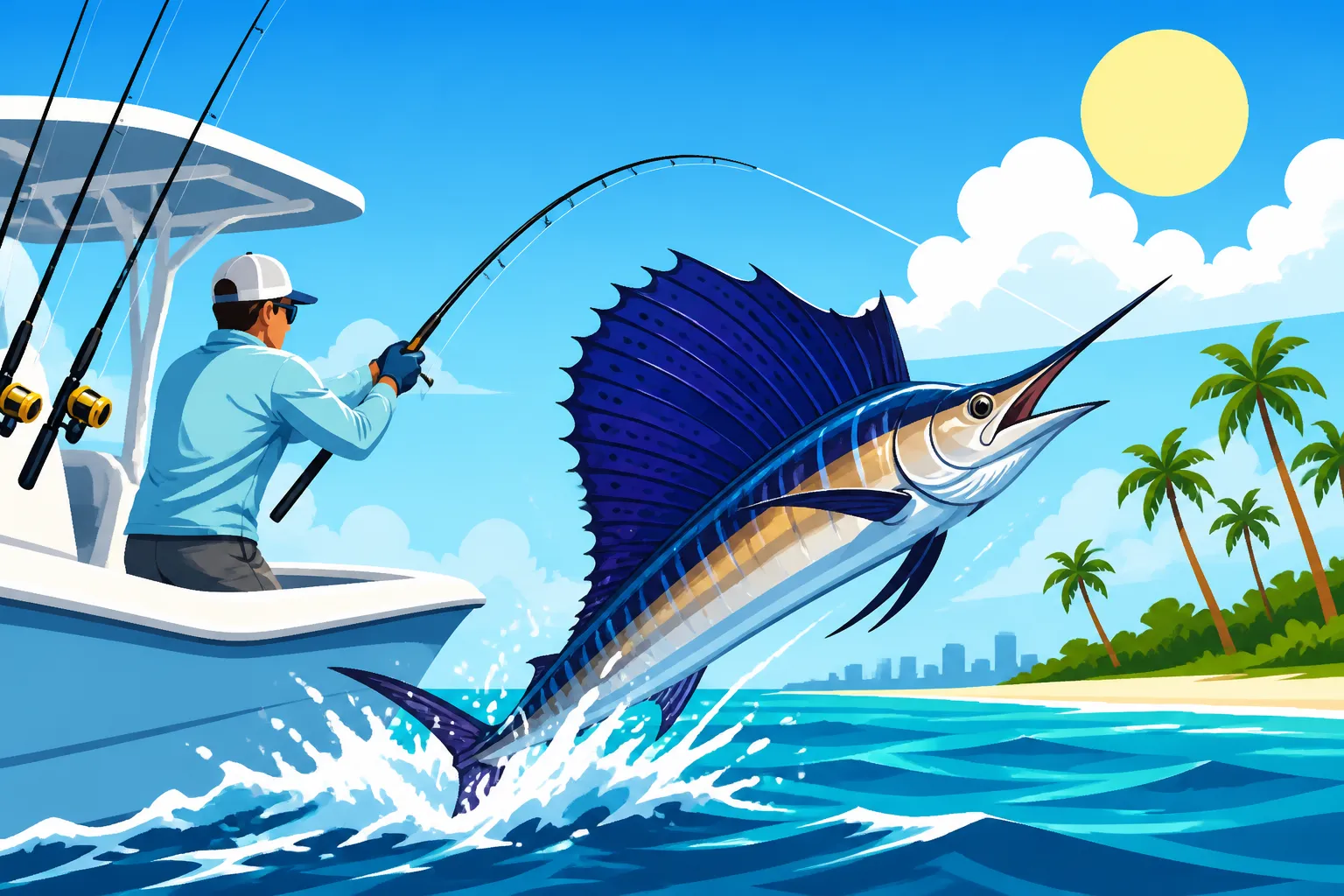
Imagine a creature built for speed and acrobatic prowess, painted in iridescent blues and silvers, with a dorsal fin that unfurls like a vibrant sail. That's the sailfish (Istiophorus platypterus). These pelagic predators are members of the billfish family, known for their elongated, spear-like upper jaw. They're not just fast – they're considered one of the fastest fish in the ocean, capable of reaching incredible speeds, which is part of what makes them such an electrifying opponent on the end of a line.
Beyond their speed, it's their fighting style that truly captivates. Once hooked, a sailfish will often erupt from the water, leaping and tail-walking across the surface in a dazzling display of strength and agility. It's a visual spectacle that every angler dreams of witnessing. Their migratory patterns often bring them close to Florida's coasts, especially during certain times of the year, making them accessible to a wide range of anglers, from seasoned veterans to those just starting their offshore journey. They might look intimidating with that long bill, but they're generally not aggressive towards humans; they're simply efficient hunters in their natural habitat.
Florida's Sailfish Hotspots
When it comes to sailfish, Florida's east coast is where the magic truly happens. From the Treasure Coast down through South Florida and into the Florida Keys, this stretch of coastline is renowned globally for its sailfish action. Areas like Stuart, often dubbed the "Sailfish Capital of the World," Fort Lauderdale, and Miami see incredible concentrations of these fish, especially during their peak migration.
The reason for this abundance lies in the proximity of the Gulf Stream. This warm, swift ocean current acts like a superhighway, carrying baitfish and, consequently, hungry sailfish right past our shores. Cold fronts sweeping down from the north in winter often push these baitfish even closer to the coast, creating phenomenal fishing opportunities within just a few miles of land. The Florida Keys also offer fantastic opportunities, with sailfish often found in the deeper channels and along the reef lines. While the Keys might offer a more consistent year-round bite, the sheer numbers during the peak winter season on the mainland's southeast coast are hard to beat.
The Experience of a Sailfish Hookup
If you've never felt the raw power of a sailfish, prepare yourself for an adrenaline rush unlike any other. It often starts subtly: a bait, perhaps a live goggle eye suspended beneath a kite, suddenly gets nervous. Then, a dark shadow appears, or a bill slices through the water behind it. The anticipation builds, your heart pounds, and then, wham! The rod bends, the reel screams, and chaos erupts.
The initial run is often blistering, stripping hundreds of yards of line in seconds. But it's when the sailfish rockets out of the water that it truly becomes an unforgettable moment. Leaping, twisting, and shaking its head, it tries to throw the hook, putting every ounce of its strength into the fight. Your arms will burn, your back will ache, but the sight of that "sail" cutting through the air, flashing brilliant colors, is a memory etched forever. It’s not an easy fight; these fish are built to endure, but that’s precisely what makes the victory so incredibly sweet. Even if you don't land every single one you hook, the sheer experience of watching them perform is worth every moment.
Prime Sailfish Season in Florida: Timing Your Trip for Success
You wouldn't plant a garden in winter expecting a summer harvest, right? The same goes for fishing, especially when you're targeting a highly migratory species like the sailfish. Understanding their seasonal movements is absolutely key to putting yourself in the best position for a successful trip. Florida's unique geography and oceanic currents create distinct "prime times" that every aspiring sailfish angler should know.
The Peak Winter Migration (Southeast Florida)
For anglers targeting sailfish, the winter months, roughly from November through March, are often considered the sweet spot along Florida's southeast coast. This is when cold fronts, sweeping down from the north, play a crucial role. These fronts push baitfish, like pilchards, threadfins, and cigar minnows, down the coast and concentrate them in the warmer waters offshore. And where the bait goes, the predators follow.
During this period, the Gulf Stream, which runs relatively close to shore along the Treasure Coast, Fort Lauderdale, and Miami, becomes a highway for migrating sailfish. As the fronts pass, especially with those crisp north and northeast winds, the fishing can be absolutely red hot. The fish are often within sight of land, sometimes just a few miles offshore, making for shorter runs and more time with lines in the water. December, January, and February are often highlighted as the absolute prime months, with multiple sailfish hookups in a single day not uncommon for skilled crews.
Year-Round Opportunities (Florida Keys)
While the winter migration gets most of the headlines, don't discount the Florida Keys for sailfish action. Thanks to the consistent presence of the Gulf Stream and its feeder currents, the Keys offer more of a year-round opportunity, although the bite might not be as concentrated as during the southeast coast's winter run. Anglers in the Upper, Middle, and Lower Keys can find sailfish throughout the year, with varying degrees of success depending on local conditions.
During the warmer months, sailfish in the Keys might be found a bit further offshore, often associated with weed lines, current rips, or deeper reef structures. The key here is adaptability and a good understanding of the local currents and bait movements. While you might not encounter the "hundreds of fish" days seen in winter tournaments up north, the Keys can still produce some fantastic fishing, often in stunning, calm conditions. A good local guide is invaluable here, as they'll know exactly where to look based on recent reports and water conditions.
Understanding Weather and Water Conditions
Sailfish are incredibly sensitive to changes in their environment, especially water temperature and current. This is why paying close attention to the weather forecast and oceanic conditions is paramount. For the winter migration along the southeast coast, a persistent north or northeast wind is often hailed as ideal. These winds "stack" the baitfish against the coast and push the warmer Gulf Stream water closer to shore, creating a perfect feeding scenario for sailfish. When a strong cold front passes, and the winds clock around, it can ignite the bite.
Conversely, long periods of flat calm seas or south winds can sometimes spread out the bait and the fish, making them harder to locate. Water temperature is also critical; sailfish prefer specific temperature ranges, and sudden drops can push them further offshore or deeper. Using modern marine electronics to find temperature breaks, weed lines, and current eddies can give you a significant advantage. Remember, even during the prime season, How Cold Fronts Affect Winter Fishing in Florida can dramatically influence fish behavior, so staying informed is crucial. Similarly, during the summer, How Hot Weather Affects Summer Fishing in Florida can influence where fish hold and when they feed most actively, sometimes pushing them deeper during the hottest parts of the day.
Essential Gear for Taming a Sailfish
You wouldn't bring a butter knife to a sword fight, and you certainly shouldn't go after a sailfish with inadequate tackle. These fish are powerful, fast, and relentlessly acrobatic. Having the right gear isn't just about catching them; it's about giving yourself a fair chance, minimizing fight time for the fish's health, and enjoying the process without equipment failure. Investing in quality gear is a smart move for any serious offshore angler.
Rods, Reels, and Line Selection
For sailfish, the name of the game is light-to-medium tackle that can handle strong runs and sudden surges. Many anglers prefer conventional reels due to their powerful drag systems and ability to handle heavy loads, but spinning gear has also become popular, especially for lighter presentations and for anglers who prefer that style.
- Rods: Look for fast-action rods in the 20-40 lb class, typically around 7 feet long. These provide the backbone needed to fight a strong fish while offering enough tip flexibility to absorb shocks and cast lighter baits. Many offshore rods are designed specifically for this kind of game.
- Reels: A quality conventional reel in the 20-30 size (like a Penn Fathom or Shimano Talica) or a heavy-duty spinning reel (like a Penn Spinfisher or Shimano Saragosa) with a smooth, reliable drag system is crucial. You'll need enough line capacity, usually 300-400 yards, to handle those scorching initial runs.
- Line: Most anglers spool up with 20-30 lb monofilament line. While braid offers incredible strength-to-diameter ratios, monofilament's stretch provides a forgiving cushion against violent head shakes and leaps, helping prevent hooks from pulling out. Some prefer a braid mainline with a long monofilament top shot (50-100 yards) for the best of both worlds. You can find a fantastic selection of these specialized fishing lines on Amazon, ensuring you have the right strength and type for your setup.
Terminal Tackle: Leaders, Hooks, and Swivels
Terminal tackle is the critical connection between your line and the fish. It needs to be strong, subtle, and correctly rigged to withstand the force of a sailfish.
- Leaders: Fluorocarbon or high-quality monofilament leaders are essential. Fluorocarbon is often preferred for its near invisibility in water, making it less detectable to wary sailfish. You'll typically want 60-80 lb test leader material, about 6-10 feet in length. Some anglers go even heavier for sailfish, especially if larger tuna or wahoo might also be in the area. The leader provides abrasion resistance against their rough bills and mouths.
- Hooks: Circle hooks are practically mandatory for sailfish, especially when using natural baits. They are designed to hook fish in the corner of the mouth, greatly increasing the chances of a clean release and reducing harm to the fish. Sizes typically range from 6/0 to 9/0, depending on the size of your bait. Ensure they are sharp and strong.
- Swivels: High-quality ball bearing swivels (like a #4 or #5) are used to connect your mainline to your leader. These prevent line twist, especially when trolling or drifting with live baits that might spin. A strong snap swivel can also be used if you're frequently changing leader setups.
Specialty Gear for Sailfish Anglers
Beyond the basic rod and reel setup, there are several specialized pieces of gear that significantly enhance your sailfish fishing experience and success. These tools are often what separate casual fishing from dedicated sailfish pursuit.
- Kites: Kite fishing is perhaps the most iconic and effective method for sailfish. Purpose-built fishing kites allow you to suspend live baits right on the surface, making them appear natural and distressed, irresistible to cruising sailfish. This method requires specialized kite rods, kite reels, and release clips. It's a bit of an art form, but incredibly rewarding.
- Outriggers: These long poles extend from the sides of the boat, spreading your lines out and away from the boat's prop wash. This creates a wider bait spread, reduces tangles, and presents your baits more naturally, especially when trolling.
- Dredges and Teasers: Dredges are elaborate bait presentations, often made with multiple plastic baits or natural mullets, designed to create a "baitball" illusion behind the boat, drawing sailfish closer. Teasers are similar, creating commotion to attract fish without hooks. These are often retrieved by electric reels mounted to specialty rods.
- Gaffs and Release Tools: While many sailfish are released unharmed, a short, flying gaff might be used by tournament teams to quickly secure a fish that is being brought aboard for a weigh-in (though this is less common with their C&R focus). More commonly, dehooking tools are essential for a quick and clean release, minimizing stress on the fish. A good quality pair of long-nosed pliers can also be indispensable. For storing and organizing all this specialized tackle, consider durable tackle bags or boxes. Amazon offers a wide range of waterproof and saltwater-resistant storage solutions that are perfect for keeping your gear in top condition.
Effective Sailfish Fishing Techniques
Sailfish fishing isn't just about dropping a line in the water; it's a nuanced dance between understanding the fish, the environment, and employing the right tactics. Over the years, anglers have refined several highly effective techniques to entice these majestic billfish. Mastering these methods will significantly increase your chances of that unforgettable hookup.
Live Baiting: The Go-To Method
If there's one technique that stands out for sailfish, it's live baiting. Nothing beats the natural appeal of a frisky baitfish struggling on the surface. Sailfish are visual predators, and a lively bait, especially one that appears vulnerable, is often too tempting to resist.
- Bait Selection: The best live baits are typically local offshore species like goggle eyes, threadfin herring, pilchards, and cigar minnows. Goggle eyes are often considered the premier sailfish bait due to their hardiness and natural swimming action. Collecting these baits often involves using sabiki rigs around structure or bait schools.
- Keeping Bait Alive: A large, well-aerated livewell is non-negotiable. Healthy, lively baits are crucial for success. Stressed or dying baits won't attract much attention from a discerning sailfish. You can also find high-quality bait nets and aerators on Amazon, essential for keeping your bait fresh.
- Kite Fishing: This is arguably the most exciting way to present live baits. Baits are suspended from a fishing kite, allowing them to swim naturally right on the surface, often skipping and splashing, imitating a frantic escaping meal. The kite keeps the line out of the water, making the presentation incredibly subtle. When a sailfish strikes, it's usually a spectacular explosion of water.
- Slow Trolling & Bump Trolling: When conditions aren't ideal for kites, or if you want to cover more ground, slow trolling or bump trolling live baits is highly effective. Baits are fished on flat lines, or with light weights to keep them at a desired depth, while the boat motors at idle speed or just above. Bump trolling involves short bursts of throttle followed by drifts, making the baits swim erratically. This technique is excellent for covering a large area to locate scattered fish. Best Live Bait for Florida Inshore Fishing will give you some great ideas for catching and keeping healthy baits.
Trolling with Dead Baits and Lures
While live baiting is king, trolling with dead baits and artificial lures is also a highly effective method, especially for covering vast expanses of ocean and attracting fish from a distance. This can be a great option for those who prefer a more straightforward approach or if live bait is scarce.
- Rigged Ballyhoo: Ballyhoo are perhaps the most popular dead bait for trolling. They are typically rigged with a special wire or leader system that makes them swim naturally behind the boat. Often, skirts or chuggers are added in front of the ballyhoo to create more commotion and flash, making the bait even more appealing. Popular colors for skirts include pink, blue, green, and combinations thereof.
- Lure Spreads: When trolling, it's common to run a "spread" of multiple lines at different distances and depths. Outriggers are invaluable for this, as they spread lines away from the boat and prevent tangles. Different lures and rigged baits can be deployed to imitate a school of baitfish or attract specific predators.
- Speed and Location: Trolling speeds usually range from 5 to 8 knots, but varying your speed can often trigger strikes. Focusing your trolling efforts around temperature breaks, weed lines, and current rips will yield the best results. Florida Offshore Fishing Techniques provides an excellent overview of the broader strategies involved in this type of fishing.
Sailfish on the Fly: An Advanced Challenge
For the truly adventurous and skilled angler, pursuing sailfish on the fly is considered one of the ultimate achievements in saltwater fly fishing. This isn't for the faint of heart; it's a test of patience, casting prowess, and brute strength, but the reward is immense.
- Specialized Gear: Fly fishing for sailfish requires heavy-duty fly tackle, typically a 12 to 14-weight fly rod paired with a large arbor reel capable of holding hundreds of yards of backing. The flies themselves are usually large, colorful baitfish imitations, often tied on strong, sharp hooks.
- The "Tease and Switch" Method: This technique often involves a team effort. A conventional rod is used to troll a hookless teaser (or multiple teasers, like a dredge) to attract the sailfish to the boat. Once a sailfish appears behind the teaser, the conventional gear is reeled in, and the fly angler makes a precise cast to the now-aggravated sailfish. The fish sees the teaser disappear and focuses on the next available meal – your fly.
- The Fight: A sailfish on a fly rod is an unparalleled battle. The angler must manage the powerful runs, maintain constant pressure, and execute precise line handling. It's an incredibly visual and personal fight. While challenging, the satisfaction of landing a sailfish on the fly is a memory that lasts a lifetime. Fly Fishing for Florida Tarpon shares some of the core principles of targeting large pelagic fish with fly gear, which are highly applicable to sailfish.
Locating and Engaging Sailfish
You can have the best gear and the freshest bait, but if you're fishing in the wrong place, it won't matter. Finding sailfish isn't always easy; they're pelagic and constantly on the move. However, understanding their habits and knowing what signs to look for can significantly improve your chances. It's about reading the ocean, interpreting subtle clues, and being in tune with the marine environment.
Reading the Water: Signs of Sailfish Activity
The ocean is constantly giving clues if you know how to read them. For sailfish, these signs often point to concentrations of baitfish or favorable feeding conditions.
- Baitfish Schools: The most obvious sign is the presence of bait. Look for large schools of pilchards, threadfins, or cigar minnows on the surface, especially if they appear agitated or are being attacked. Birds diving or circling overhead are a dead giveaway that bait is present, and likely, predators aren't far behind.
- Color Changes and Weed Lines: The boundary where two different water masses meet, often indicated by a distinct change in water color (e.g., green inshore water meeting deep blue offshore water), is a prime hunting ground. Similarly, floating Sargassum weed lines create their own mini-ecosystems, attracting small baitfish and crabs, which in turn draw larger predators like sailfish. These lines provide cover and a ready food source.
- Current Rips and Eddies: Strong currents can create rips and eddies where baitfish become disoriented or concentrated. Sailfish will patrol these areas, using the current to their advantage to ambush prey. Understanding how to use your boat's electronics to spot these features can be incredibly beneficial. Often, a single bird flying in a focused pattern, or a lone dolphin swimming erratically, can point you to fish.
Working the Edges of the Gulf Stream
The Gulf Stream is essentially the lifeblood of offshore fishing in Florida, and for sailfish, its edges are an absolute goldmine. This powerful current brings warm, nutrient-rich water north, creating distinct boundaries with cooler, inshore waters.
- The Thermal Edge: Sailfish and their prey often congregate along temperature breaks. These are areas where the water temperature changes abruptly, forming a visible or electronic "edge." These edges act as highways and feeding grounds. Using your boat's sea surface temperature gauge and referring to satellite imagery (if available) can help you pinpoint these productive zones.
- Current Lines and Structure: The Gulf Stream isn't a uniform river; it has meanders, eddies, and subtle current lines. These features concentrate bait and, consequently, hungry sailfish. Knowing how to interpret your boat's GPS and current readings to stay on these productive edges is a skill that comes with experience. Many of the best fishing spots in Florida are directly influenced by these currents, making areas like the Florida Keys a Florida Keys Fishing Guide hot spot.
Sailfish Behavior and Strike Strategy
Understanding how a sailfish approaches and strikes its prey is crucial for a successful hookup. Unlike some fish that just inhale a bait, sailfish often "bill" their prey first.
- The "Bill" or "Bat": A sailfish will typically use its long, pointed bill to slash, stun, or disable a baitfish before turning around to eat it head-first. You might see a frantic boil on the surface behind your bait, or even the sailfish's bill breaking the surface, before the actual bite.
- The Drop Back: This is where patience is key. When you see a sailfish hitting your bait, resist the urge to immediately set the hook. Instead, "drop back" the bait by opening the bail on a spinning reel or pushing the lever drag to free spool on a conventional reel. This allows the sailfish to fully engulf the bait and turn, ensuring the circle hook finds its mark in the corner of the jaw. Counting to five or ten seconds, or feeling the fish take the line, is often the right approach.
- Setting the Hook: Once the fish has taken the bait and is swimming away, slowly engage the drag (or close the bail) and let the line come tight. With circle hooks, a steady, increasing pressure is all that's needed; a violent hookset isn't necessary and can often pull the hook out. Then, brace yourself for the fight of a lifetime!
Sailfish Conservation and Responsible Angling
Florida's sailfish population is a precious resource, providing countless hours of thrilling sport to anglers from around the world. As responsible stewards of this resource, it's our collective duty to ensure their continued health and abundance. This means practicing careful conservation techniques and adhering to all regulations. After all, the joy of fishing lies not just in the catch, but in the knowledge that future generations will have the same opportunities.
Catch and Release Best Practices
Sailfish are predominantly a catch-and-release species in Florida, and for good reason. Their value as a sportfish far outweighs their table fare. Practicing proper catch and release techniques is vital for the survival of these magnificent creatures after their strenuous fight.
- Minimize Fight Time: While exciting, a prolonged fight can exhaust a sailfish, making it less likely to survive upon release. Use appropriately sized tackle and apply consistent pressure to bring the fish to the boat as quickly and safely as possible.
- Stay in the Water: The best way to release a sailfish is to keep it in the water next to the boat. Avoid bringing the fish fully aboard, as lying on a hot deck can remove its protective slime layer and damage internal organs.
- Proper Handling: If you must handle the fish for a quick photo, support its weight horizontally, grasping the bill firmly but carefully. Avoid putting your fingers in its gills or applying pressure to its belly.
- Dehooking Tools: Use a dehooker or long-nosed pliers to remove the hook as quickly and gently as possible. If the hook is deeply embedded and cannot be easily removed, cut the leader as close to the hook as possible. Circle hooks often make this easier by hooking the fish in the jaw.
- Revive the Fish: Before letting go, make sure the fish is strong enough to swim away. Hold the bill and slowly motor forward (or drift if there's current) to push water over its gills. When it kicks its tail vigorously and tries to swim off, it's ready for release. These practices are similar to those for other prized gamefish, as detailed in Catch and Release Best Practices for Snook.
Florida Sailfish Regulations and Permits
To ensure the sustainability of the sailfish population, Florida has specific regulations that anglers must follow. These rules are put in place by the Florida Fish and Wildlife Conservation Commission (FWC) and are subject to change, so it's always critical to check the most current guidelines before heading out.
- Catch and Release Focus: For recreational anglers, sailfish are primarily managed as a catch-and-release species. This means that while you can target them, the intent is almost always to release them alive and unharmed.
- Harvest Limits (Rare): While the emphasis is on release, there might be very limited opportunities for harvest, often tied to specific tournament rules or highly restrictive bag and size limits for private anglers. However, these are exceptions rather than the rule, and again, must be verified with current FWC regulations.
- Federal vs. State Waters: Remember that regulations can sometimes differ slightly depending on whether you are fishing in state waters (generally out to 3 nautical miles on the Atlantic, 9 on the Gulf) or federal waters beyond that. Always be aware of your location.
- Fishing License: Regardless of whether you plan to keep or release, if you are recreationally fishing for sailfish (or any saltwater species) from a boat in Florida, you will need a valid Florida Saltwater Fishing License Rules. There are specific Florida Fishing License Exemptions for certain groups, but for most adults, a license is required. Always carry your license and be familiar with the latest Florida Fishing Regulations and Bag Limits.
The Role of Fishing Tournaments and Conservation
Sailfish tournaments in Florida play a significant role in both celebrating the sport and promoting conservation. Many, if not most, modern sailfish tournaments are "release tournaments." This means teams score points based on the number of sailfish they successfully catch, tag, and release.
- Data Collection: These tournaments often partner with scientific organizations to tag sailfish, providing invaluable data on their migratory patterns, growth rates, and overall health. This information helps fisheries managers make informed decisions about future regulations.
- Awareness and Education: Tournaments raise public awareness about the importance of sailfish and the need for conservation. They also educate anglers on best practices for catch and release, spreading responsible angling ethics throughout the community.
- Economic Impact: The tournaments also bring significant economic benefits to coastal communities, supporting local tackle shops, marinas, charter businesses, and hotels, reinforcing the value of healthy fish populations. By participating responsibly or supporting these events, anglers contribute to the long-term sustainability of this incredible fishery.
Hiring a Sailfish Charter: Your Best Bet for Success
Let's be honest: while the dream of catching a sailfish on your own boat is appealing, the reality is that these are highly specialized fish to target. They require specific knowledge, expensive gear, and often, years of experience to consistently locate and catch. For most aspiring sailfish anglers, especially those visiting Florida or new to offshore fishing, hiring a reputable sailfish charter is not just a good idea – it's often the best, most efficient, and most rewarding way to experience this incredible fishery.
Why a Charter is Often Recommended
Trying to chase sailfish on your own, especially if you're not intimately familiar with Florida's offshore waters, can quickly become frustrating, expensive, and frankly, unproductive. A professional charter captain and crew eliminate many of these hurdles.
- Local Knowledge: This is perhaps the biggest advantage. Charter captains spend hundreds, if not thousands, of hours on the water. They know the subtle nuances of the currents, the latest bait movements, and where the fish are holding on any given day. They track conditions, communicate with other captains, and have a deep understanding of the local "secret spots."
- Specialized Gear: As we discussed, sailfish fishing requires specific, often expensive, equipment – from the right rods and reels to advanced electronics, kites, outriggers, and dredges. A good charter boat will be fully equipped with top-of-the-line gear that's perfectly matched for sailfish. This saves you the substantial upfront investment and ensures you're fishing with the right tools.
- Experience and Efficiency: A professional crew knows how to rig baits quickly, deploy complex trolling spreads, spot fish, and guide you through the fight. They are experts at minimizing tangles, handling chaotic situations when multiple fish strike, and ensuring a safe release. Their efficiency means more time fishing and a higher chance of success. For a comprehensive guide on making this choice, see How to Choose a Florida Fishing Guide.
What to Look for in a Sailfish Charter
Not all charters are created equal, and choosing the right one for a specialized target like sailfish requires a bit of homework. Your goal is to find a reputable operation that aligns with your fishing goals and values.
- Experience with Sailfish: This seems obvious, but some charters specialize in bottom fishing or different species. Look for captains who explicitly market themselves as sailfish specialists and have a proven track record. Ask about their preferred methods (kites, trolling) and their success rates during your intended fishing season.
- Boat and Crew: A well-maintained, comfortable boat suitable for offshore conditions is important. The crew should be professional, friendly, and focused on safety. They should also be patient and willing to instruct you, especially if you're new to this type of fishing.
- Reputation and Reviews: Check online reviews and ask for recommendations from local tackle shops or fellow anglers. A charter with a strong reputation for customer satisfaction and ethical fishing practices is key.
- What's Included: Confirm what is included in the charter price. Most reputable sailfish charters include all bait, tackle, and ice. Some may even include fish cleaning (though sailfish are typically released). Make sure you understand the pricing structure to avoid surprises. Understanding What's Included in a Florida Fishing Charter Price is crucial for budgeting.
- Conservation Ethic: Look for charters that prioritize catch and release for sailfish and adhere to all conservation regulations. A captain who cares about the resource is often a sign of a truly dedicated professional.
Preparing for Your Sailfish Charter
Once you've booked your charter, a little preparation on your part can go a long way in ensuring a comfortable and successful day on the water.
- Appropriate Clothing: Dress in layers, as offshore mornings can be cool, but the Florida sun can quickly become intense. Quick-drying, breathable fabrics are best. A good wide-brimmed hat, polarized sunglasses, and plenty of sunscreen are absolute must-haves.
- Food and Drink: While some charters provide water, it's always wise to bring your own snacks, lunch, and plenty of hydration. Staying fueled and hydrated is essential for a long day of fishing under the sun.
- Seasickness Prevention: If you are prone to seasickness, take preventative measures before you board the boat. Over-the-counter medications work best when taken the night before or at least an hour before departure. Consider patches or wristbands as well.
- Tipping Etiquette: Tipping your captain and crew is customary and very much appreciated. A general guideline is 15-20% of the charter fee for a good trip and hard-working crew.
- Listen to Your Captain: Once on board, pay close attention to the captain and crew's instructions. They are there to help you have the best experience possible and to ensure everyone's safety. For a comprehensive list of items, consult What to Bring on a Florida Fishing Charter. Being prepared allows you to fully immerse yourself in the excitement of chasing sailfish, rather than worrying about minor discomforts.
| Technique | Description | Ideal Conditions | Pros | Cons |
|---|---|---|---|---|
| Kite Fishing | Suspending live baits from kites, allowing them to swim naturally near the surface. | Calm winds (10-20 mph), good current, clear water. | Highly effective, visual strikes, covers a wide area. | Requires specialized gear, can be tricky in strong winds, slower pace. |
| Slow Trolling | Trolling live or dead baits at very slow speeds, often with minimal weight. | Moderate winds, baitfish present, current. | Covers water, allows for varied depths, good for scattered fish. | Less visual than kite fishing, can be less active than faster trolling. |
| Dredge/Dredge Teaser | Trolling a dredge (artificial or natural bait spread) to attract fish. | Offshore, deep blue water, targeting aggressive fish. | Draws fish from a distance, creates competition, exciting strikes. | Requires heavy tackle, can be tiring to reel in, less precise bait presentation. |
| Chunking/Drift | Drifting with the current while cutting up bait and tossing it overboard. | Strong currents, deeper water, targeting hungry fish. | Attracts fish from deep, can draw multiple species. | Can be messy, attracts sharks, less mobile than trolling. |
| Fly Fishing | Presenting a large fly to a tailing or billing sailfish. | Calm, clear conditions; sight fishing opportunities. | Ultimate challenge, incredibly rewarding, highly visual. | Extremely difficult, requires advanced skill, specialized gear, few fish. |
Disclaimer
This article is for general informational purposes only and does not constitute professional advice. Laws, prices and regulations vary by location and change over time. Consult a qualified professional for guidance on your specific situation.